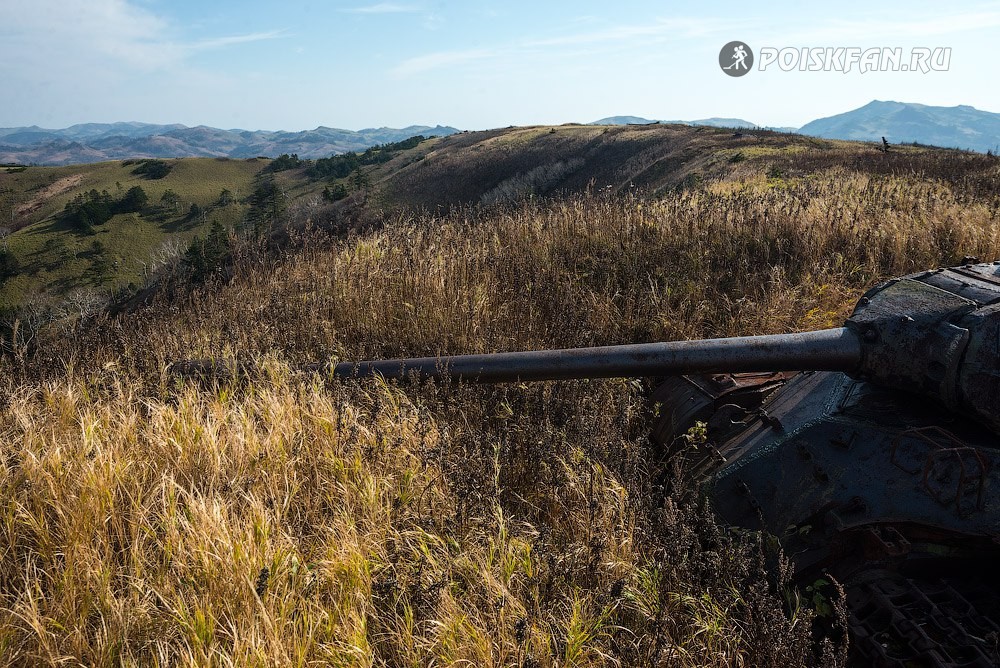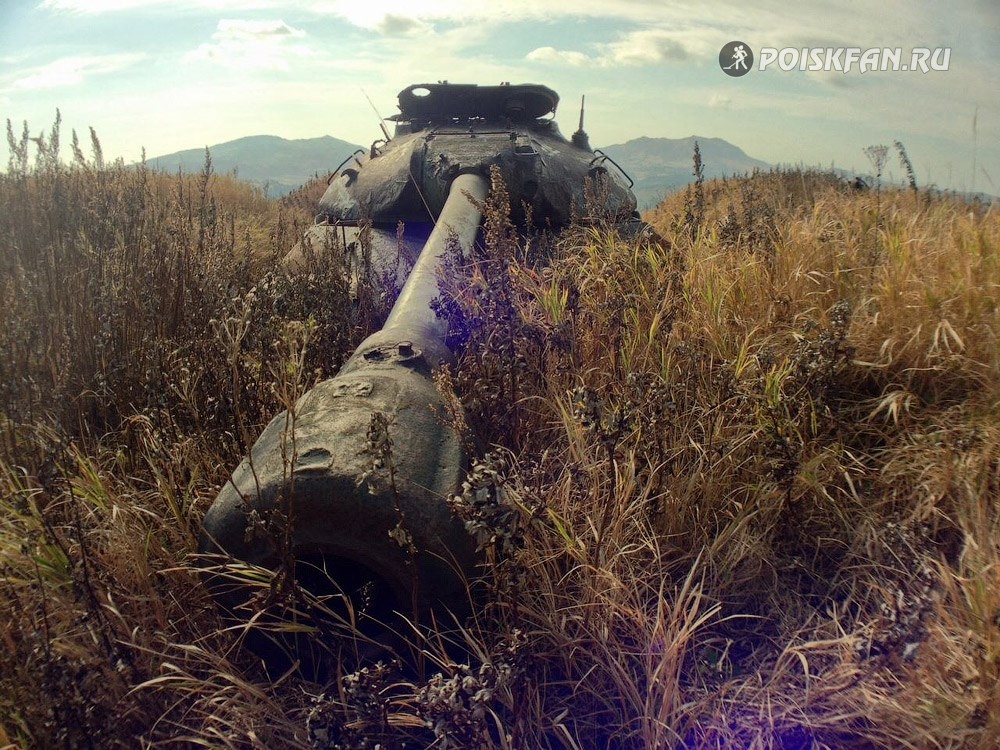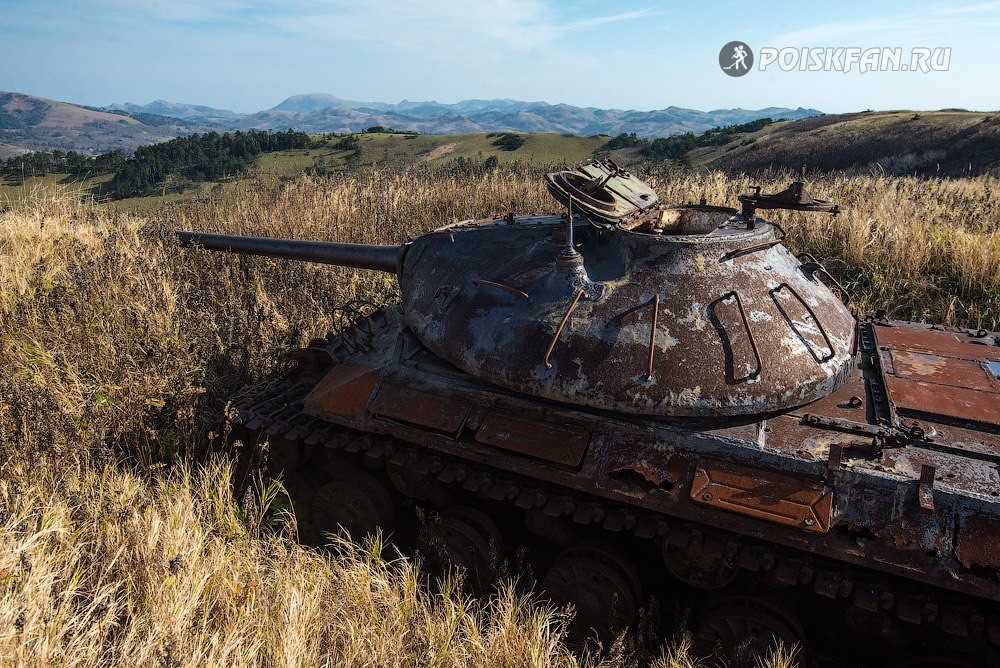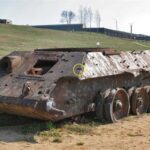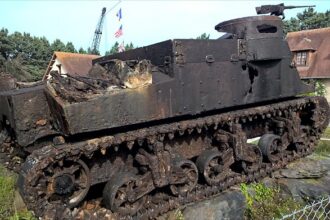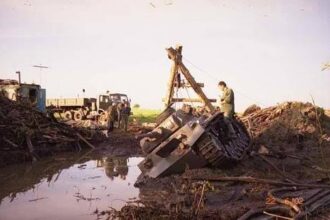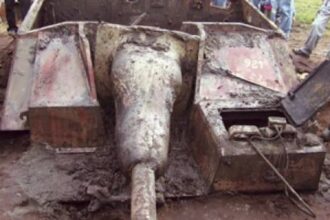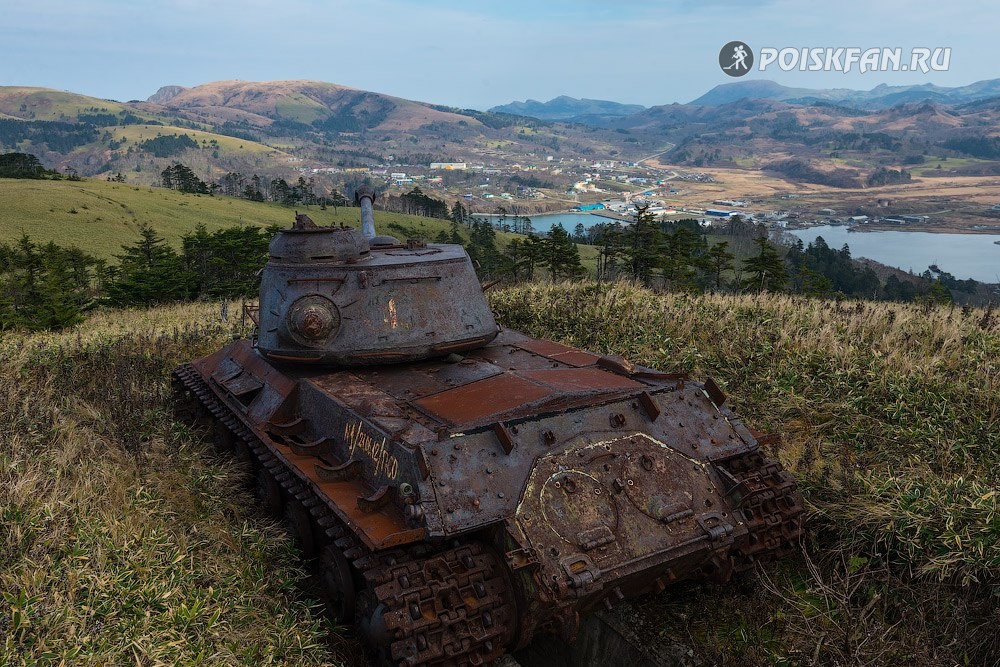
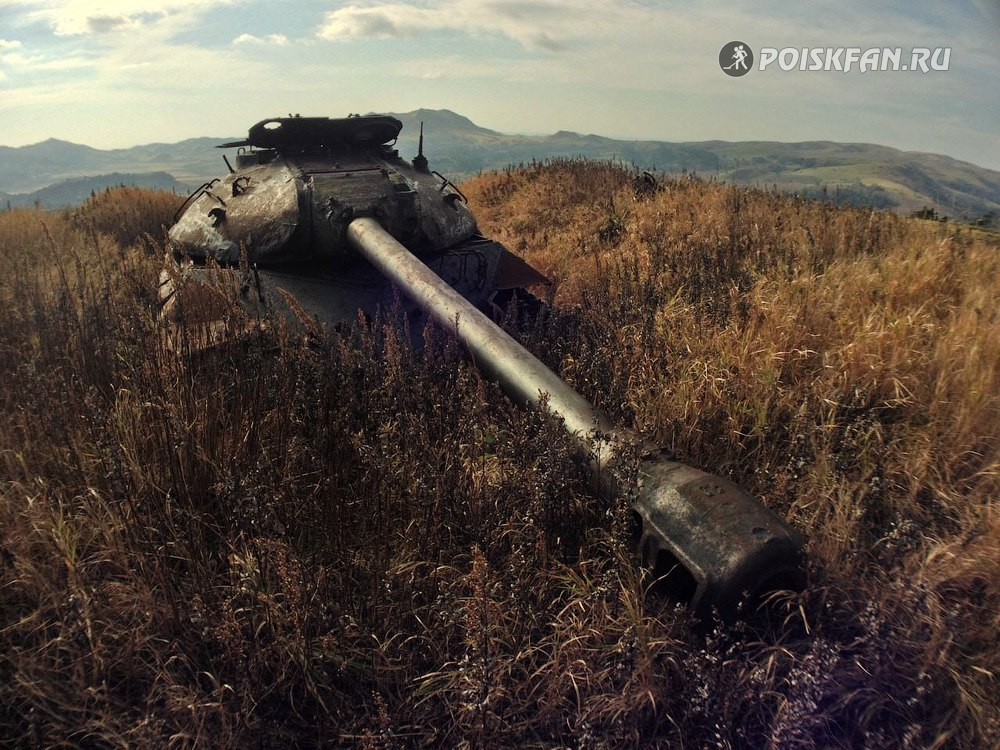
High on the hillsides of Shikotan Island lies an open-air military museum frozen in time. Dug deep into the soil and connected by concrete trenches, Soviet-era heavy tanks—including the legendary IS-2 and IS-3—still train their rusted guns over the Pacific shoreline. Once an impenetrable defensive wall, these armored giants now stand as silent monuments to the Cold War era.
First deployed to the Kuril Islands shortly after the Great Patriotic War (World War II), these heavy tanks formed a formidable coastal defense system designed to repel any foreign invasion attempt.
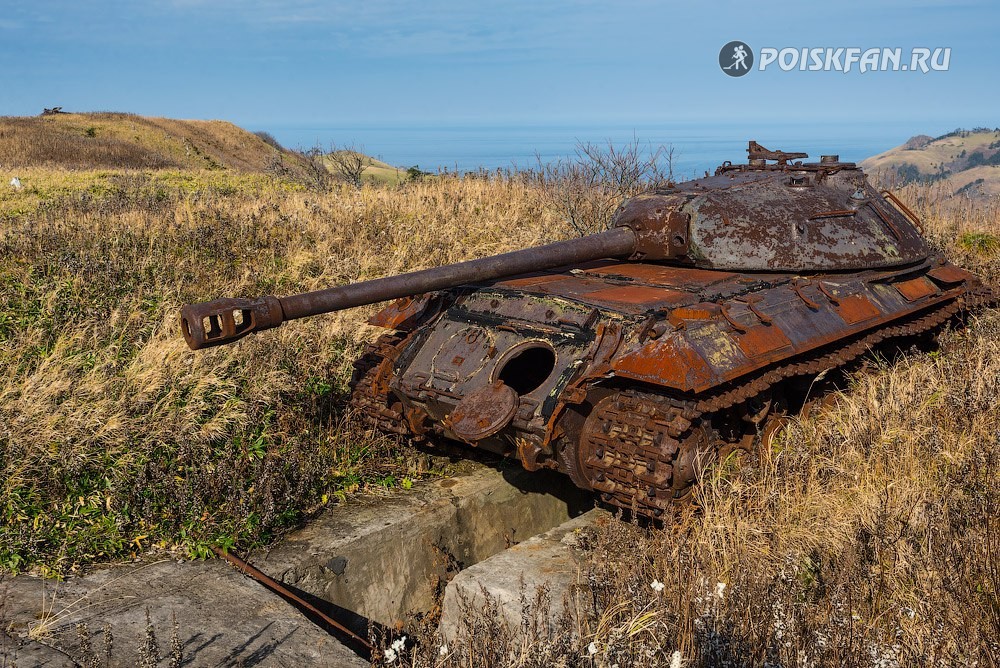
The Open-Air Tank Museum of the Kuril Islands
While militarized remnants can be found across nearby Iturup and Kunashir islands, Shikotan boasts one of the most impressive concentrations of heavy armor in the region.
“It is clear that these tanks would not save anyone today—a couple of missiles could cover the entire island at once—but it is still sad to see abandoned military equipment left to deteriorate.”
Despite lacking proper maintenance for decades, the collection remains a captivating historical site. The tanks sit permanently embedded in earthworks, forming an integrated defensive network that remains largely preserved.
Engineering a Coastal Fortress: How the Defense Worked
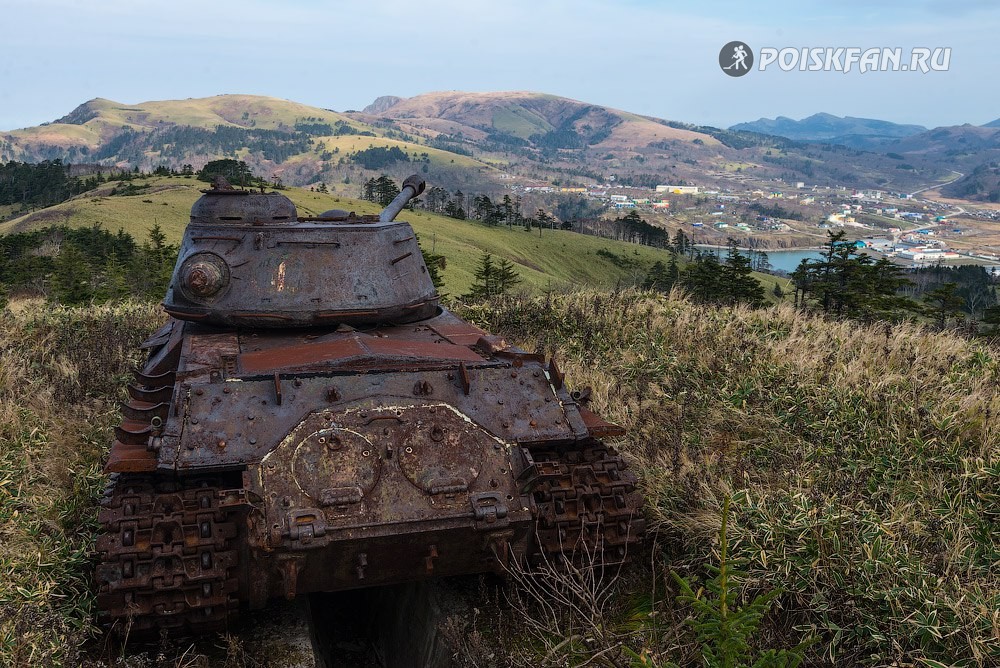
The 10 heavy tanks stationed along the hillside were not merely parked; they were built directly into a sophisticated network of fortifications designed to make landing on Shikotan nearly impossible.
- Camouflaged Positions: Dug deeply into the terrain, the vehicles were virtually invisible from enemy ships on the open sea.
- Reinforced Network: Concrete-lined trenches and bunkers allowed crews to move between firing positions and command posts safely.
- Pre-Sighted Kill Zones: Through mandatory biannual live-fire exercises, artillery crews mapped out virtually every square meter of the surrounding waters and beaches.
- Overwhelming Firepower: A simultaneous barrage from a dozen heavy 122 mm tank guns offered an incredible defense against landing craft and troop transports.
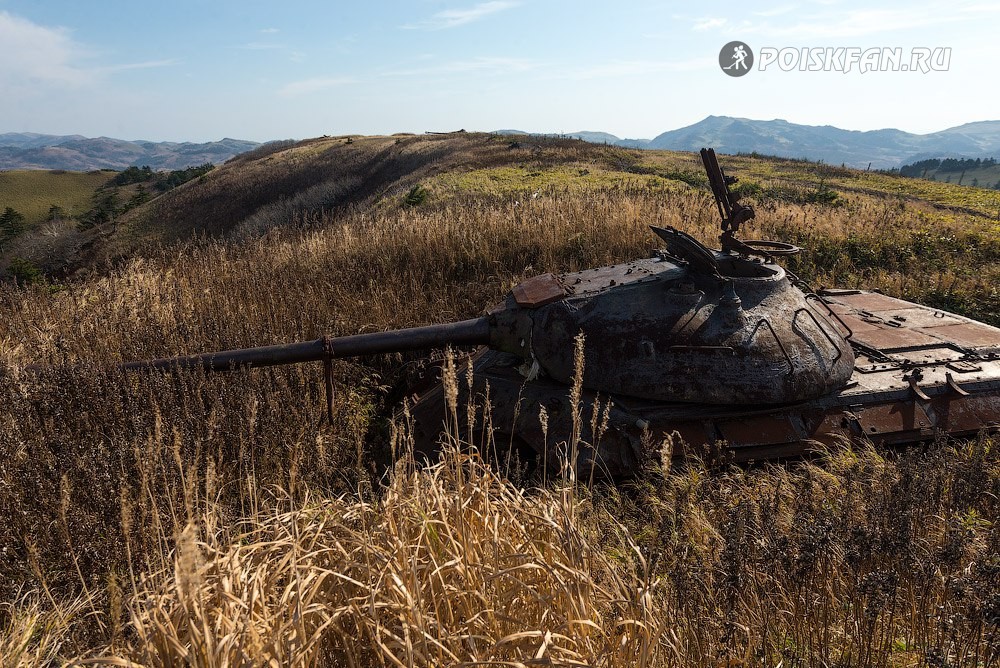
Relics of WWII and the Cold War: IS-2 and IS-3 Heavy Tanks
Named after Joseph Stalin (Iosif Stalin), the IS series tanks were built to destroy heavy German armor and break through fortified lines before being repurposed for island defense.
- IS-2 Heavy Tank: Introduced in late 1943, featuring thick sloped armor and a massive 122 mm D-25T gun capable of shattering enemy fortifications.
- IS-3 Heavy Tank: Unveiled at the end of WWII with its iconic “pike-nose” hull and rounded dome turret, offering maximum ballistic protection.
Overlooking Krabozavodsk: The Silent Sentinels Today
A striking detail on the island is a tank with its main gun pointed directly toward the peaceful coastal village of Krabozavodsk—likely left behind during past mechanical tests or positioning drills.
Local legends suggest the internal mechanisms of these tanks remained functional long after their active service ended. Today, however, their barrels are choked with rust and lichen. These historical antiques will never fire another round, remaining peaceful guardians over the quiet Pacific landscape.