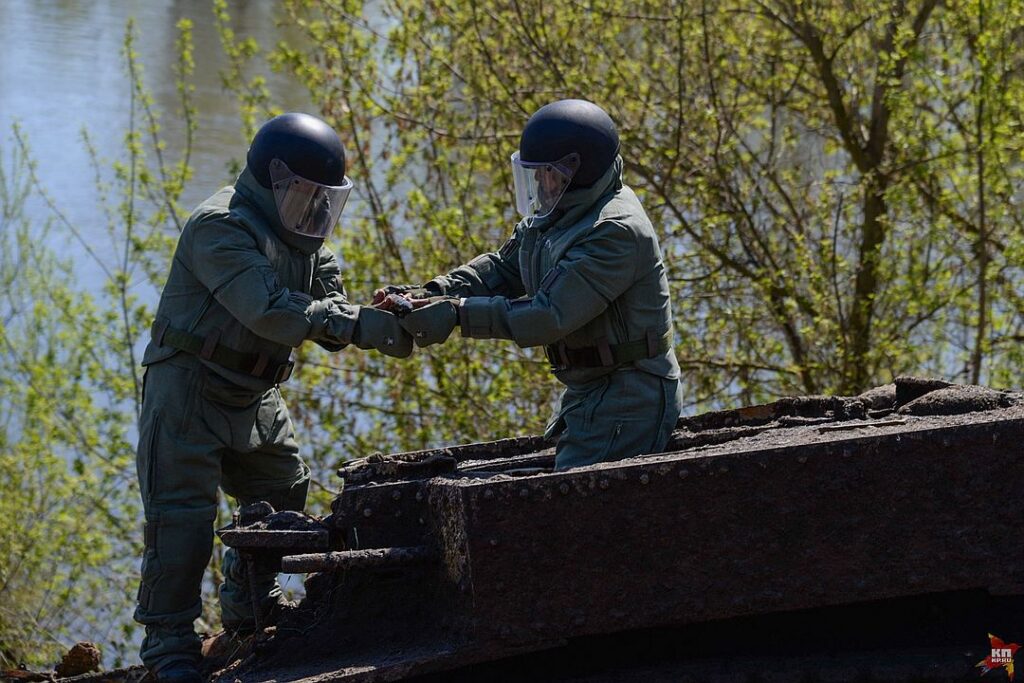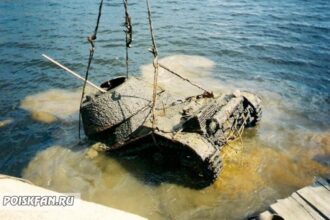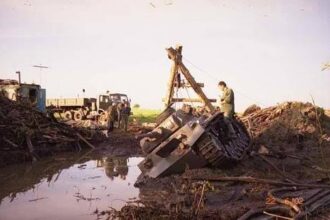
In a major historical recovery operation, military personnel from the Russian Ministry of Defense successfully brought rare World War II-era heavy equipment to the surface from the bottom of the Don River in the Voronezh Region.
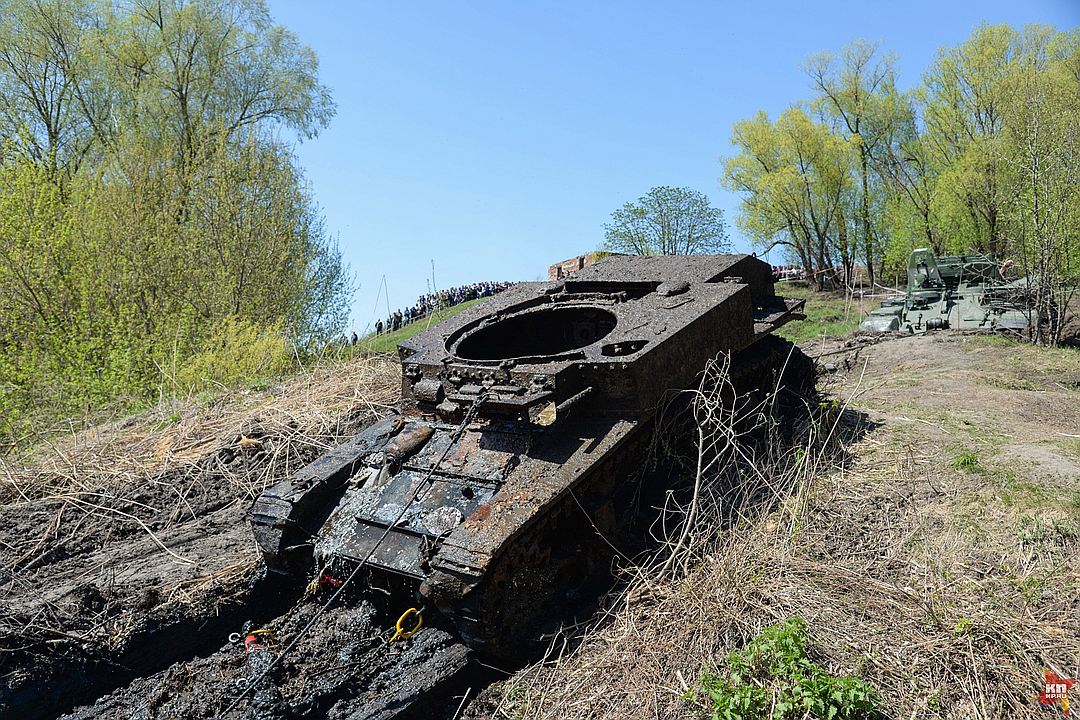
On April 29, recovery teams salvaged an American-made M3 “General Stuart” light tank—supplied to the Red Army under the Allied Lend-Lease program—along with an S-65 “Stalinets” tractor. The multi-week operation shed new light on the fierce combat that took place along the southern sector of the Eastern Front in early 1943.
Uncovering Hidden Armor Beneath the Currents
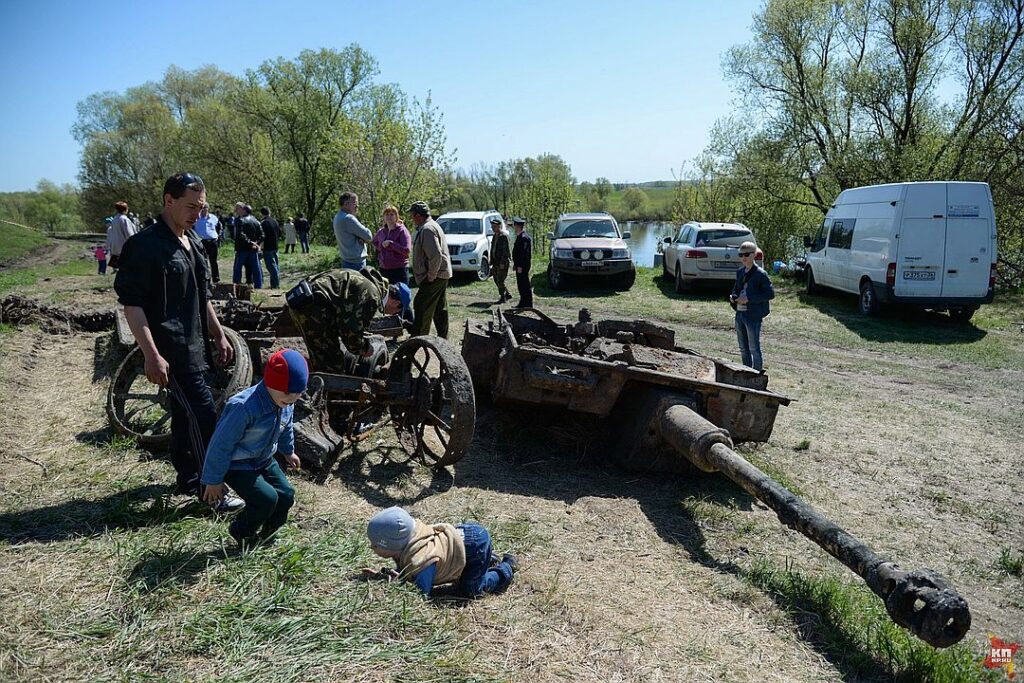
Preparation for the retrieval took over two weeks. While military specialists initially set out to recover only two reported objects, divers examining the murky riverbed made surprising additional discoveries: an SKhTZ agricultural tractor and the heavily damaged remains of a German StuG III self-propelled gun (likely manufactured in 1942 and potentially captured by Soviet forces during the conflict).
“The operation was severely hindered by the Don River’s strong current and near-zero underwater visibility, which dropped to as little as 50 centimeters at times.”
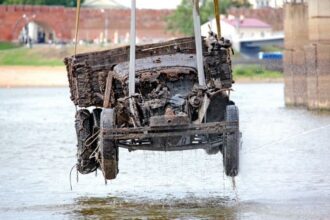
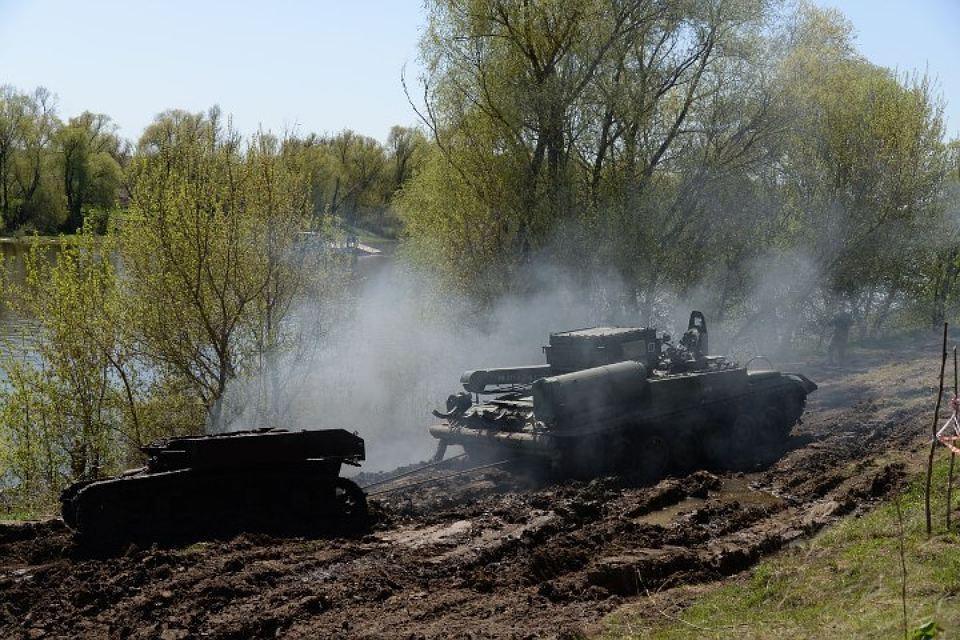
Due to the extreme degradation of some wreckage, engineers decided not to raise all fragments. They recovered the fighting compartment of the German self-propelled gun alongside portions of the tractors to clear a path toward the primary target: the American Lend-Lease Stuart tank lying five meters below the surface in the middle of the river.
Tracing the Battlefield: The Crossing at Uryv-Pokrovka
The site of the discovery lies near the settlement of Uryv-Pokrovka in the Ostrogozhsky District, where a military pontoon or temporary bridge once crossed the Don River.
In January 1943, this area was the epicenter of intense combat during the Ostrogozhsk-Rossosh Offensive. Historical evidence suggests that a German air raid or artillery strike targeted a Soviet column as it attempted to cross the bridge, sending the armored vehicles plunging into the icy waters below.
Why Was the Tank’s Turret Missing?
When raised, the General Stuart tank was found without its crew or its gun turret. Military historians and engineers have proposed several theories regarding the missing section:
- Battlefield Blast: A high-explosive artillery shell or bomb blast during the 1943 attack may have sheared the turret off the hull.
- Post-War Scrap Salvage: Black-market scrap hunters may have covertly detached and removed the lighter turret in the decades following the war.
- Post-War Channel Clearing: To clear the Don River for commercial navigation after 1945, engineers often used explosives to flatten underwater hazards. Damage marks on the Stuart’s hull and the destroyed state of the StuG III strongly support this theory.
The Recovery Operation Step-by-Step
The complex recovery operation was led by Yevgeny Binyukov, head of the Ministry of Defense expeditionary corps, and executed in several meticulous stages:
- Underwater Survey & Clearance: Divers and military engineers carefully mapped the riverbed and cleared obstructing debris around the tank.
- Explosive Hazard Removal: Demolition experts secured approximately 40 unexploded ordnance items, including anti-tank mines and artillery shells, which were transported to a military range for controlled destruction.
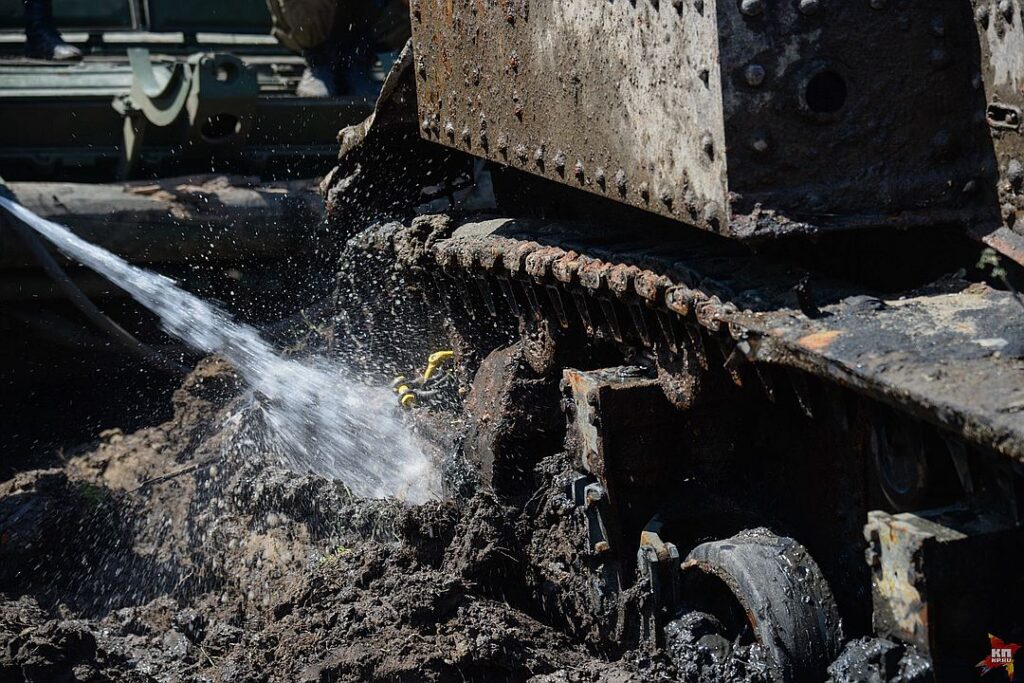
- Desilting & Buoyancy Attachment: After washing away deep layers of river mud from the hull, engineers attached two heavy-duty flotation pontoons to lift the vehicle out of the mud trap.
- Heavy Extraction: Using high-tensile steel cables and an Armored Recovery Vehicle (BREM), the team hauled the multi-ton tank onto the riverbank.
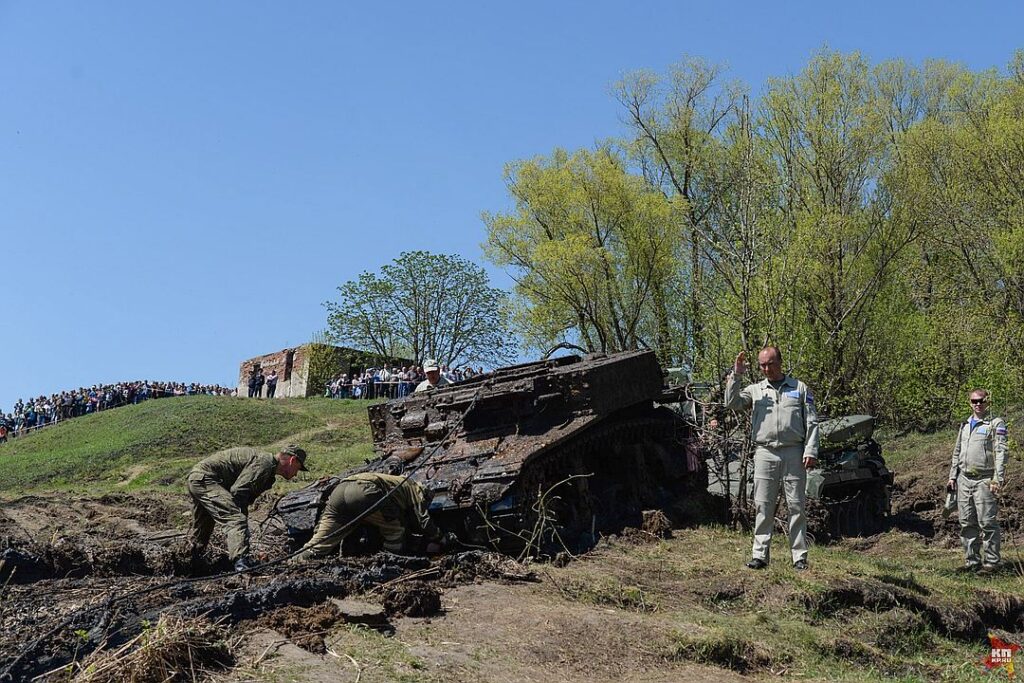
“The serial number stamped into the Stuart tank’s chassis will now be cross-referenced with military archives to pinpoint its exact unit, operational history, and the specific events of its final mission.”
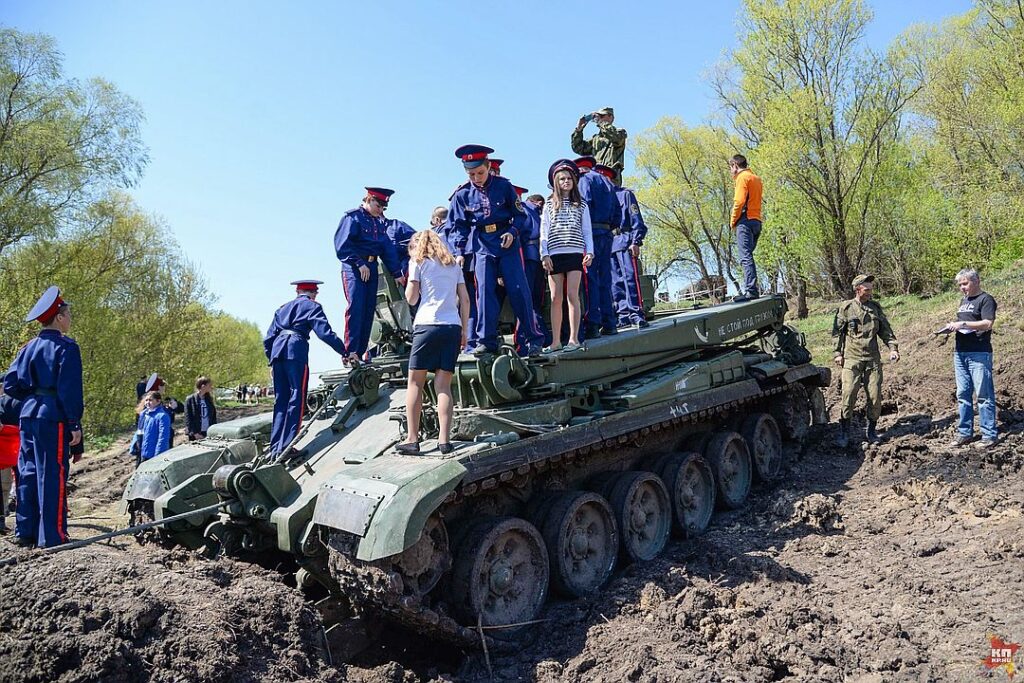
During the preparations, local students from a patriotic education class were invited to inspect the BREM engineering vehicle, offering young history enthusiasts a rare, firsthand look at modern military heritage preservation in action.