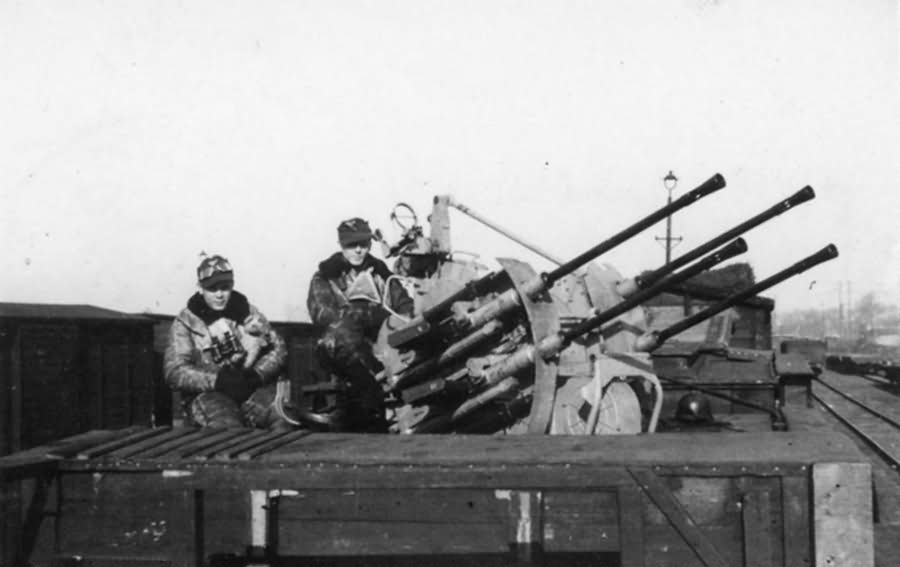
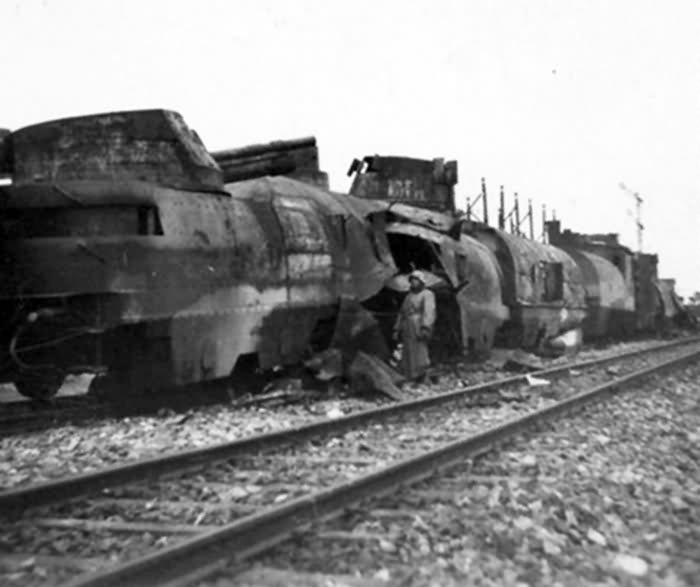
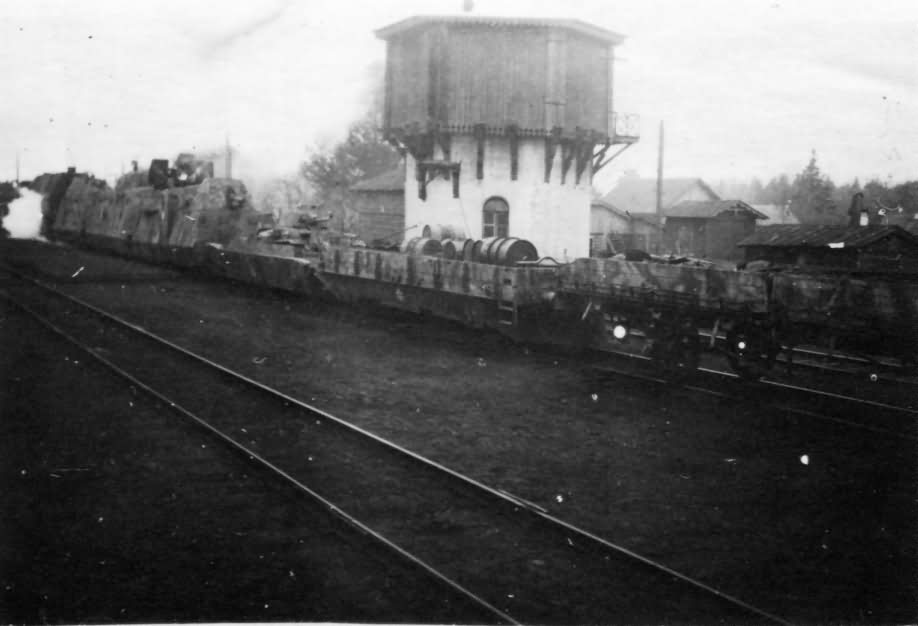
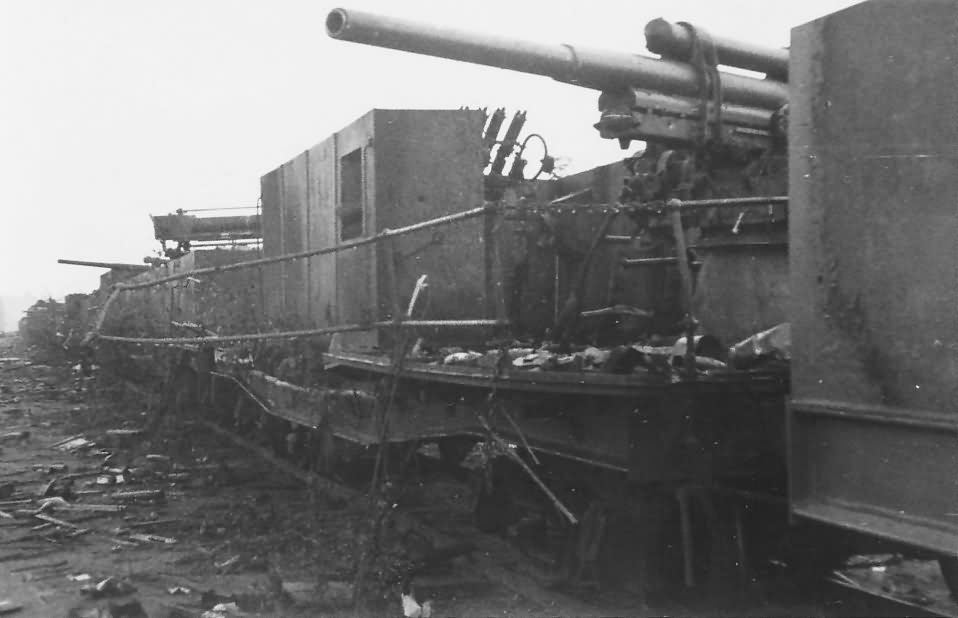
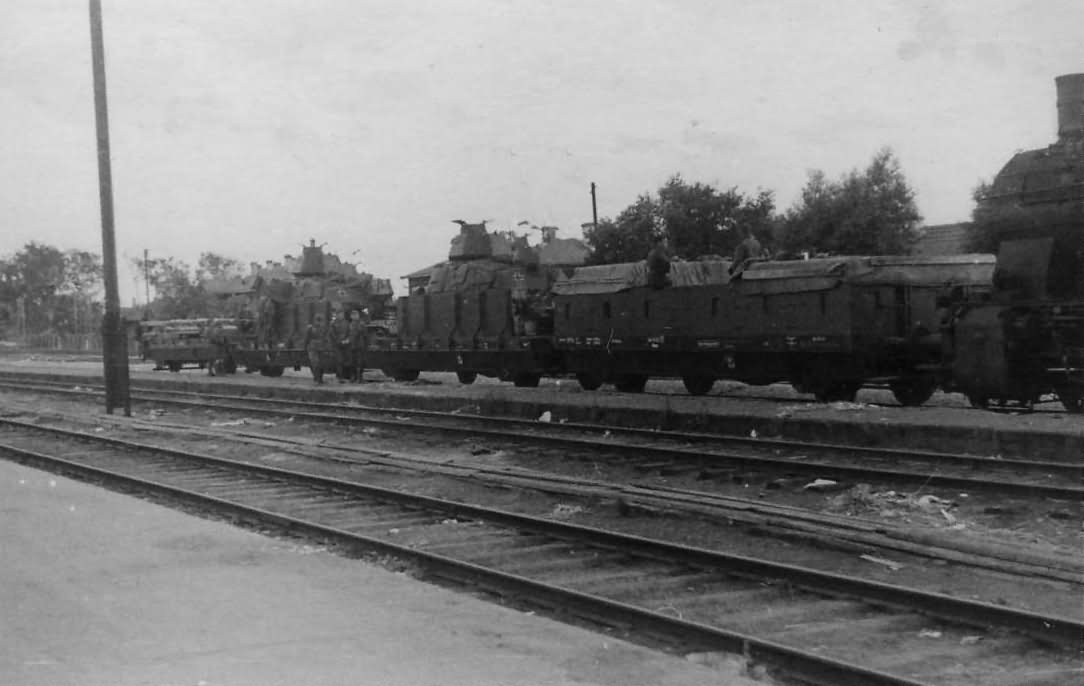
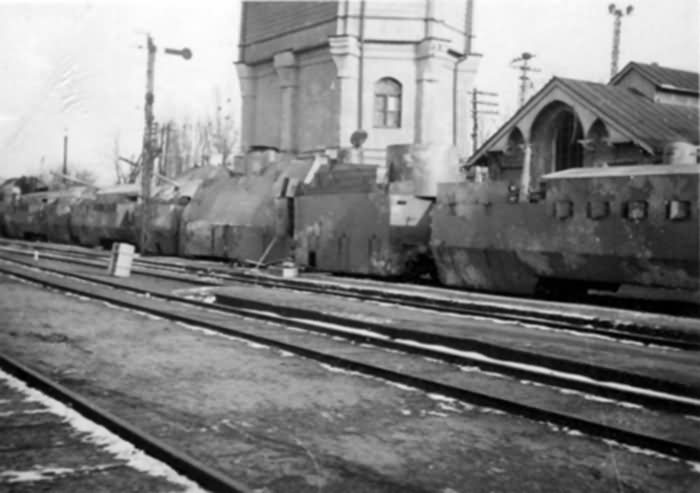
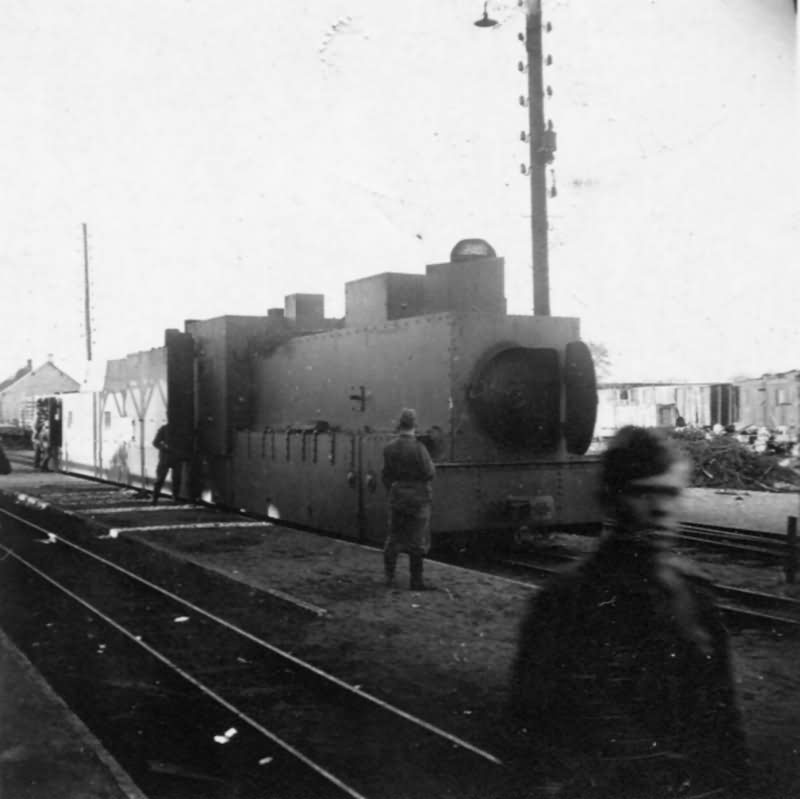
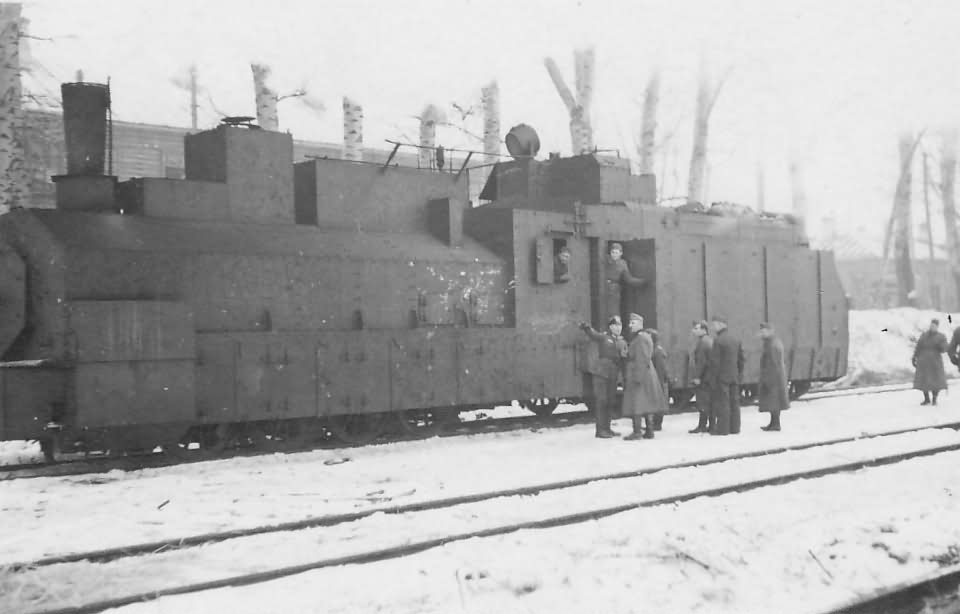
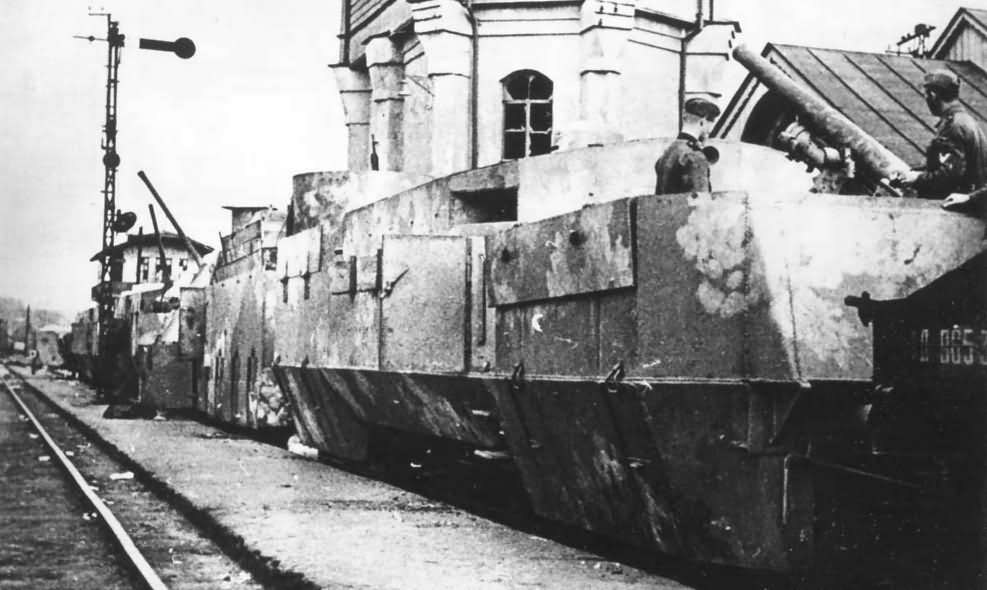
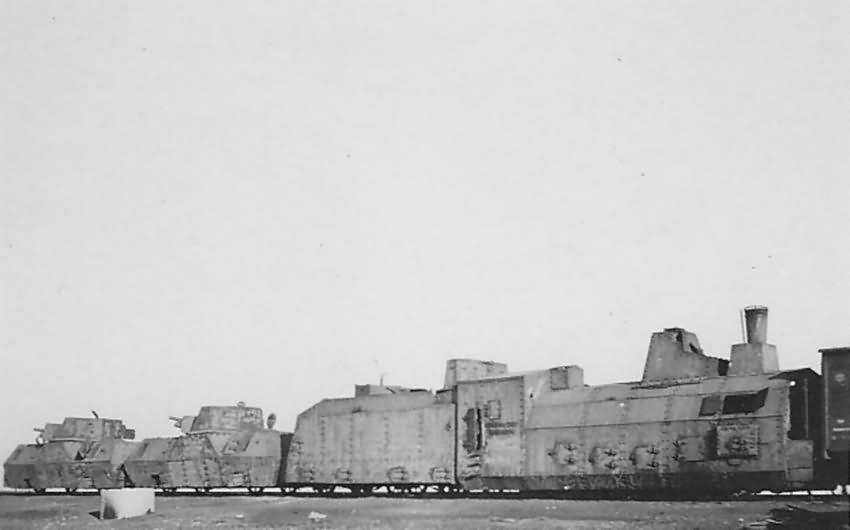
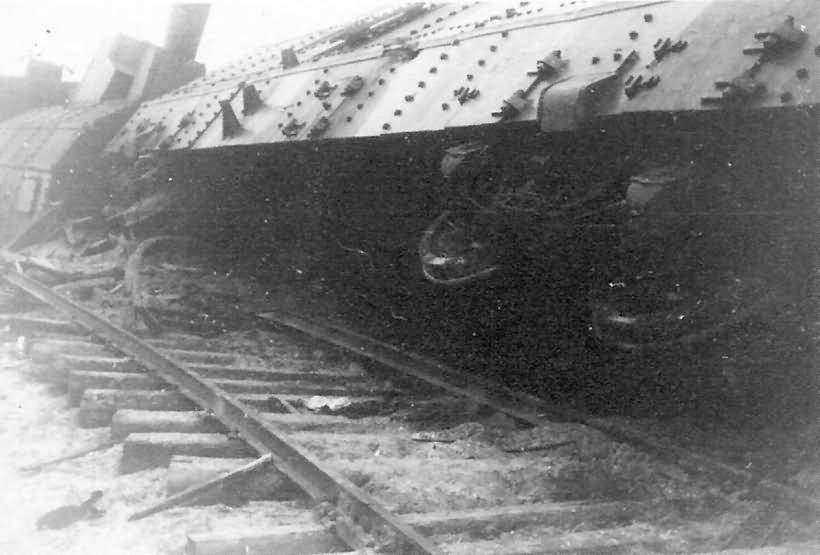
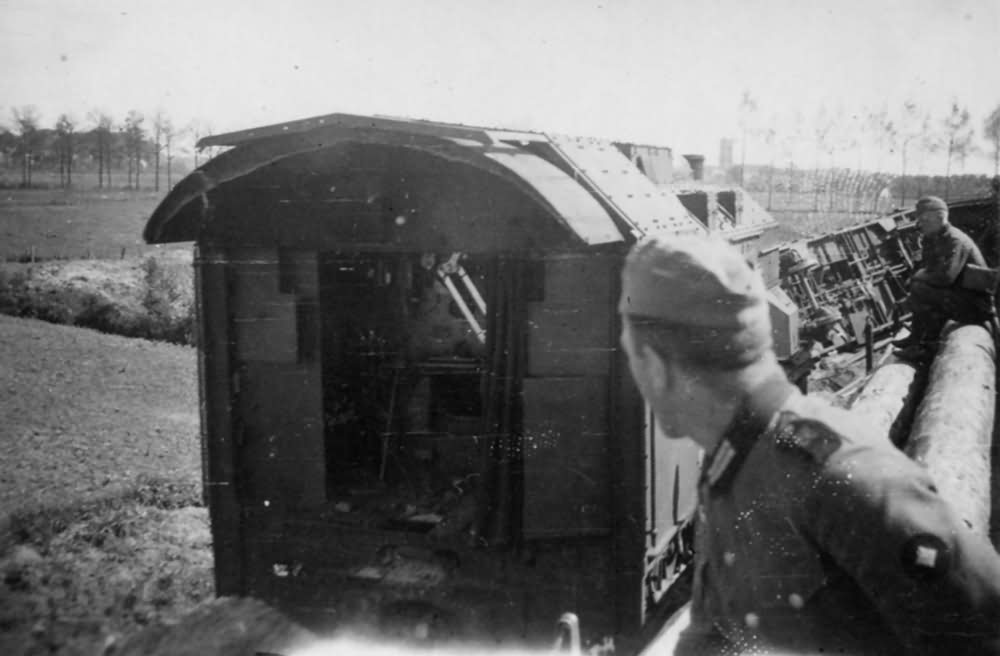
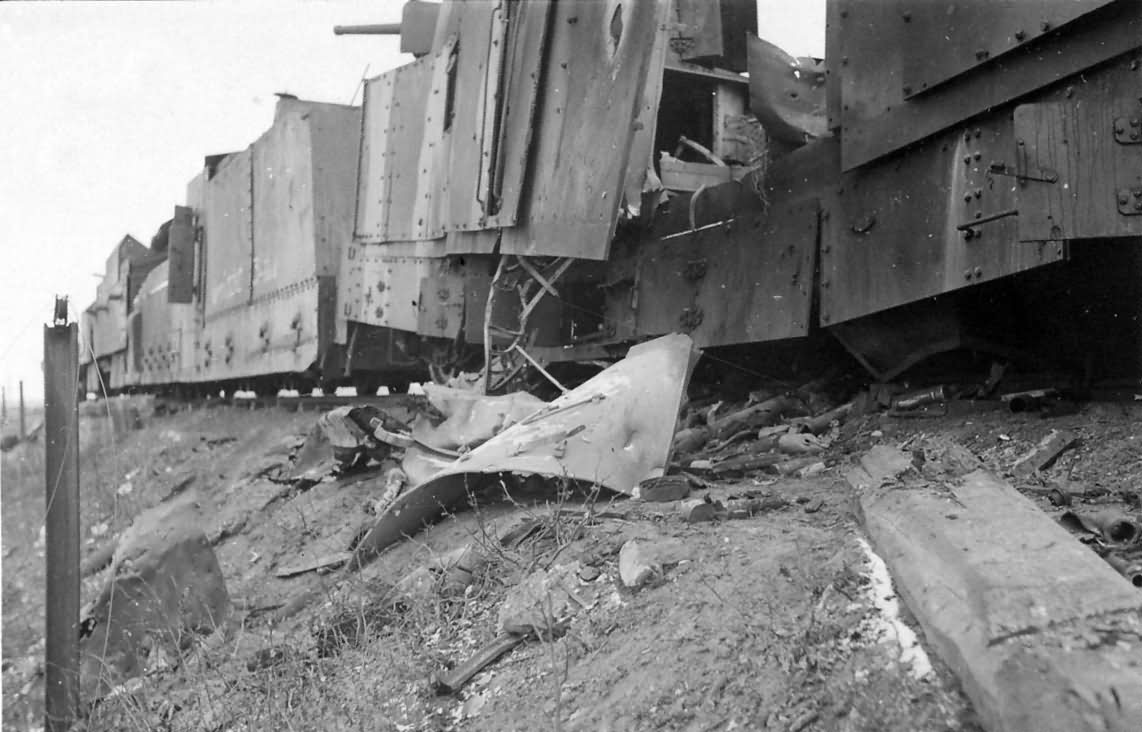
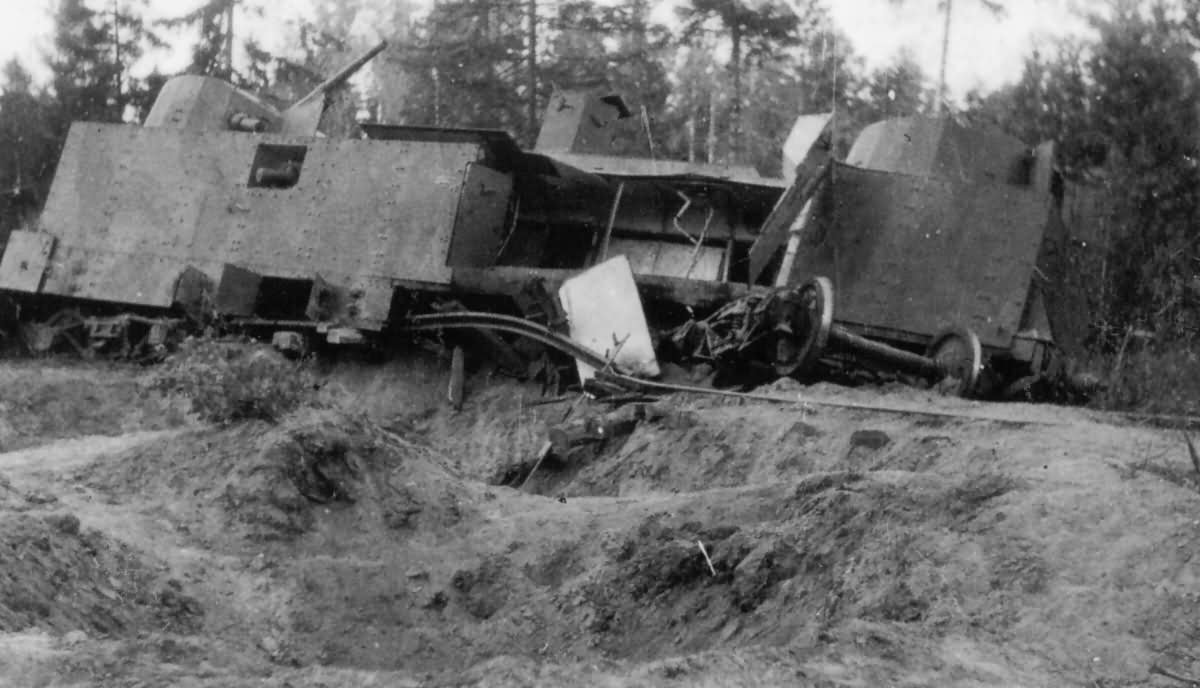
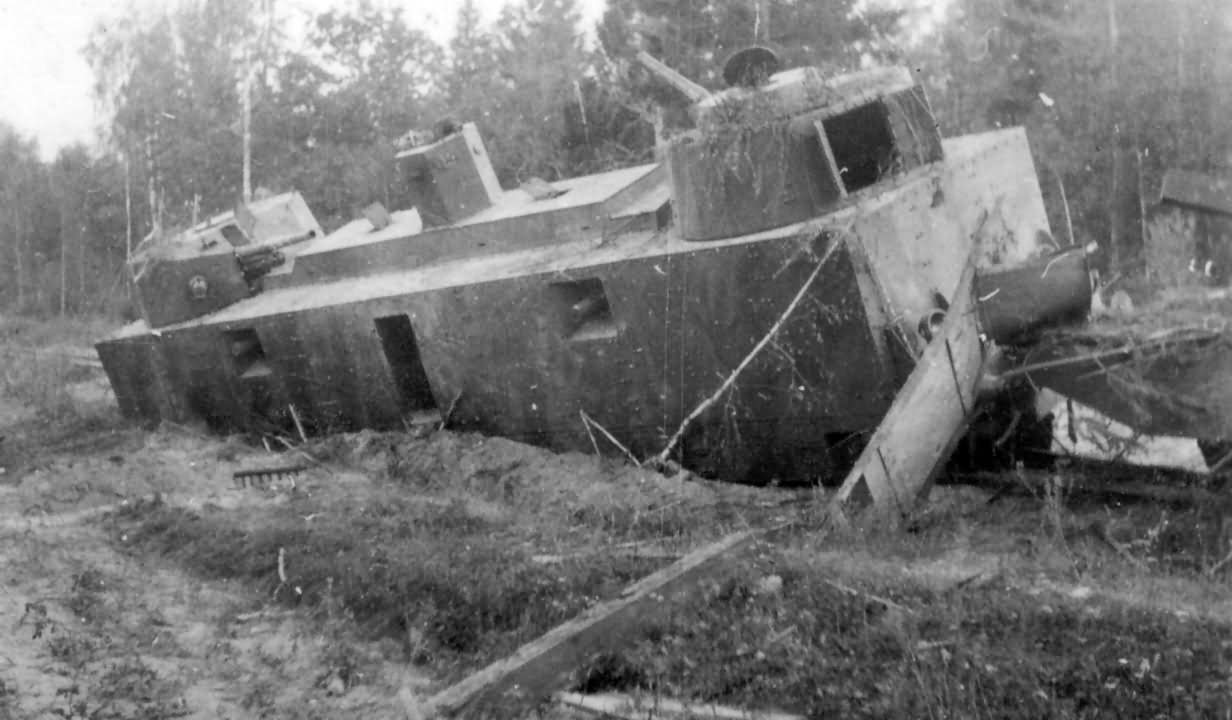
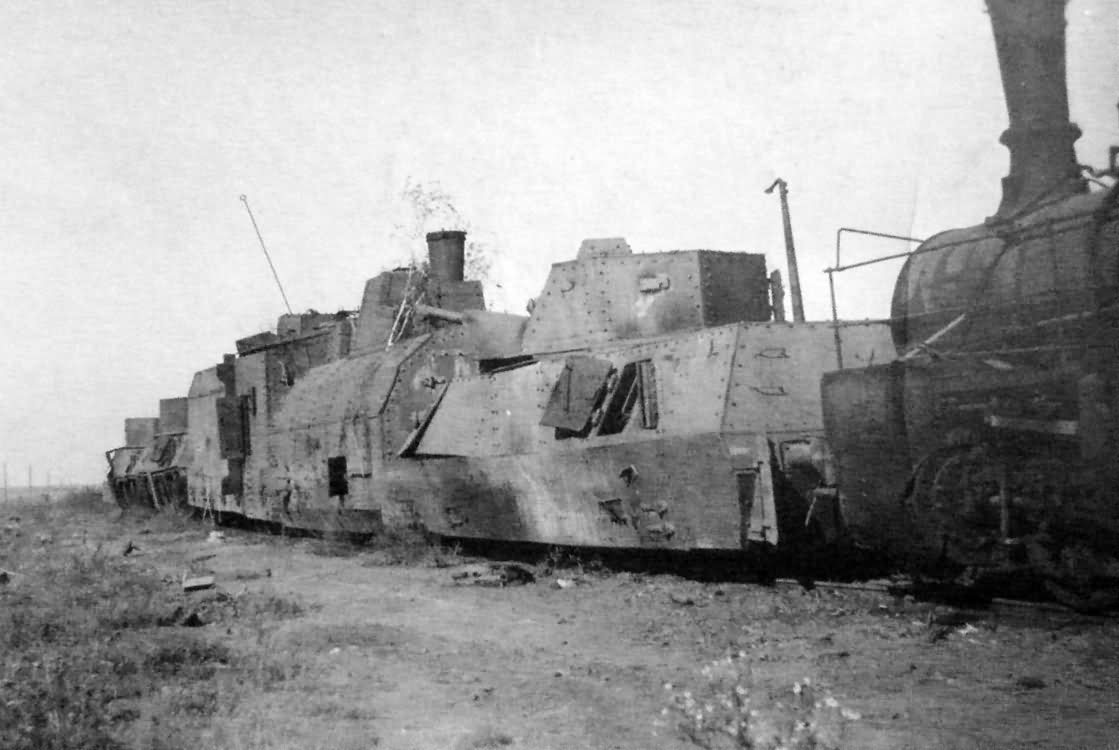
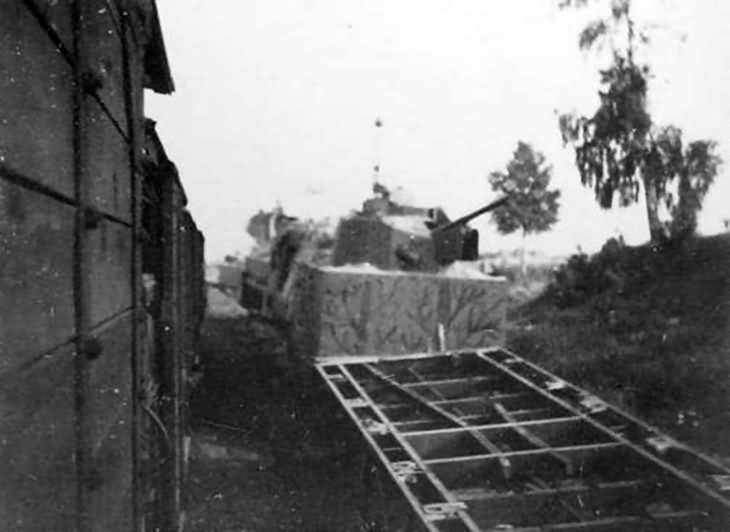
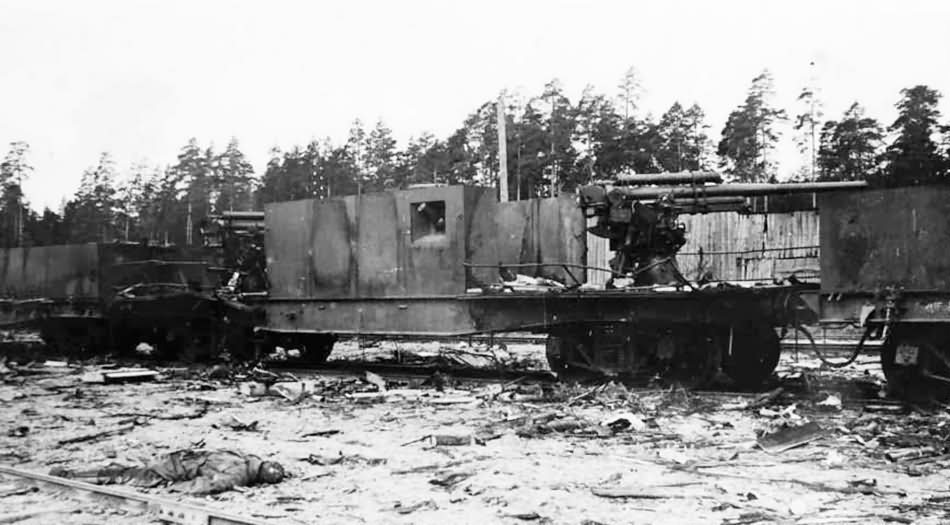
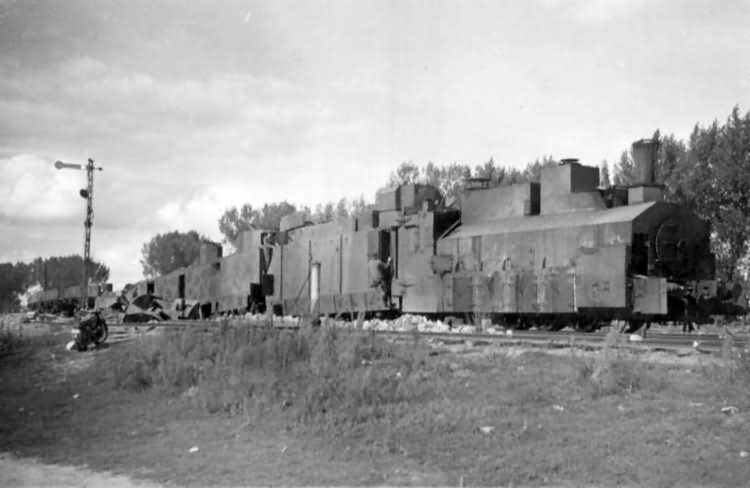
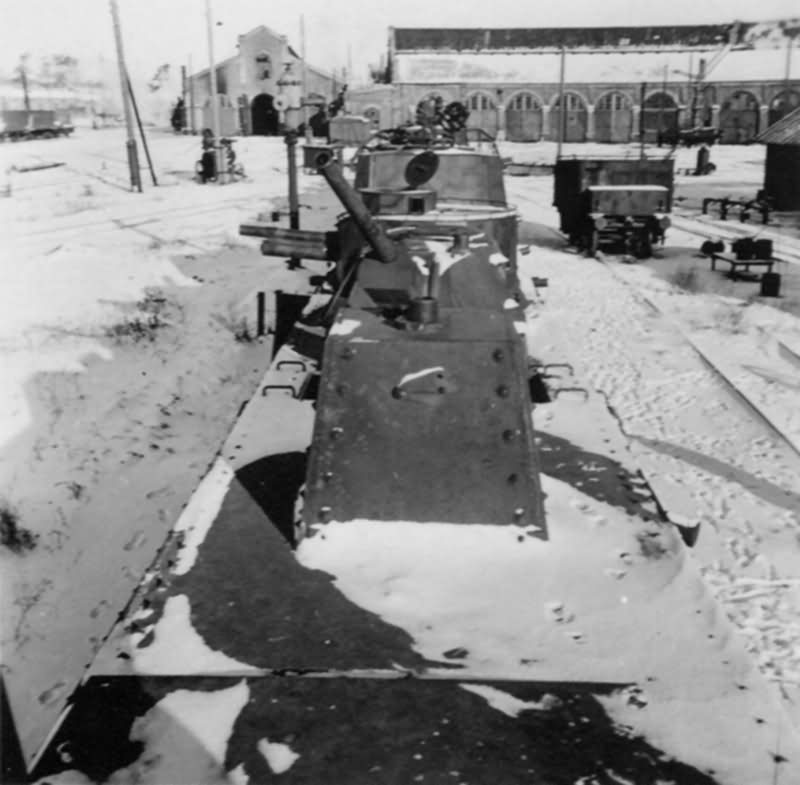
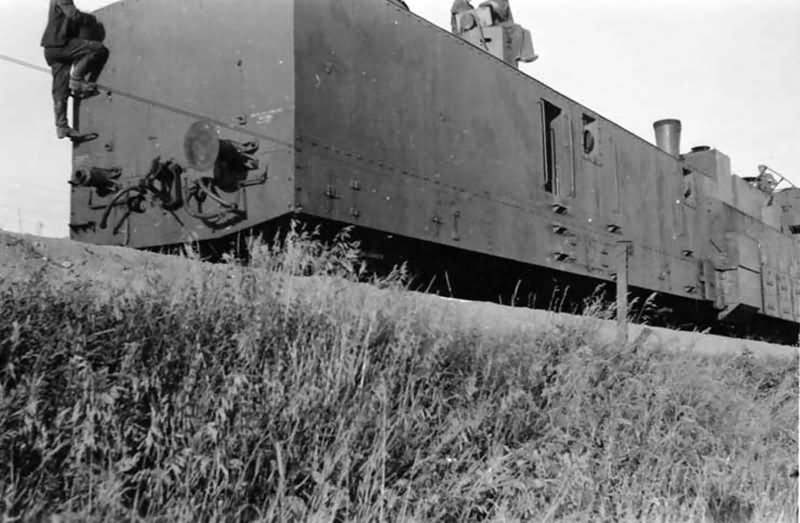
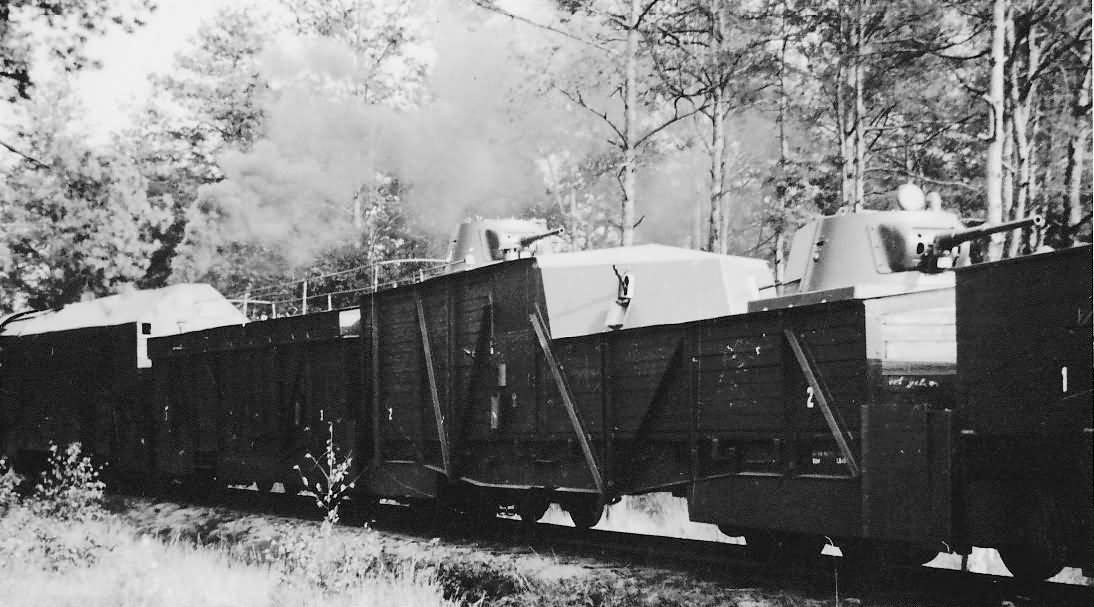
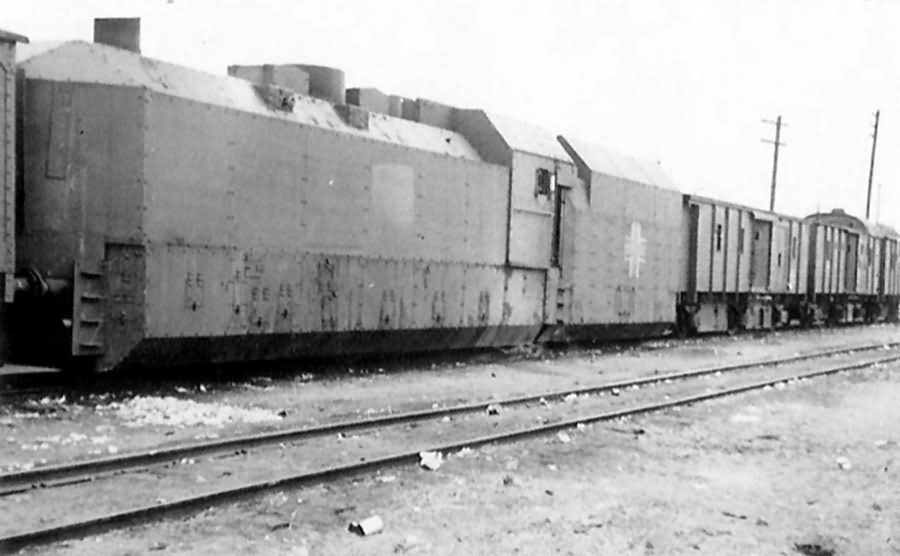
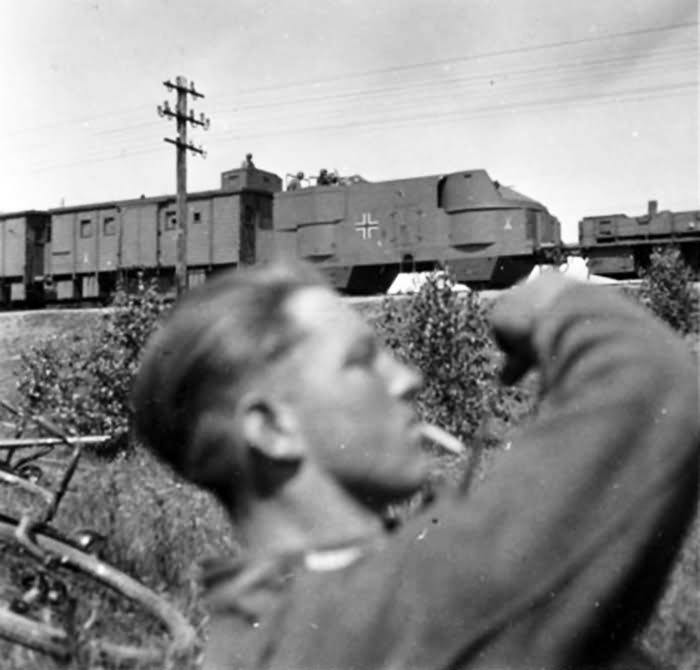
German armored trains (Panzerzüge) were heavily armed and armored railway units that played a specialized yet vital role in the strategy, reconnaissance, and logistics of the German military throughout both World Wars. First deployed during World War I, these mobile fortresses reached the pinnacle of their design and operational utilization during World War II, serving as powerful command bases, flank security, and offensive firepower platforms across the vast, expanding railway networks of Eastern Europe and Russia.In the interwar period and the early stages of World War II, the Wehrmacht initially treated armored trains as secondary assets, utilizing ad-hoc captured units or lightly protected improvised trains (Beute-Panzerzüge). However, the vast distances and guerrilla warfare encountered during Operation Barbarossa in 1941 forced a dramatic shift in German military doctrine. Recognizing the critical need to secure endless supply corridors against partisan attacks, the German High Command (OKH) standardized armored train designs and initiated dedicated production programs, resulting in advanced models like the Panzerzug 42.A fully equipped German armored train was a self-contained combat ecosystem designed to operate independently deep within hostile or contested territory. At its core was a heavily modified steam locomotive—typically an armored Prussian P 8 or BR 57 class engine—positioned in the center of the train to protect it from direct enemy fire and derailments. Surrounding the locomotive were various specialized cars, including artillery wagons armed with 75 mm or captured Soviet 76.2 mm field guns, anti-aircraft (Flak) wagons equipped with multi-barrel 20 mm or 37 mm cannons for air defense, infantry assault wagons (Infanteriewagen) carrying fully equipped stormtrooper squads, and command cars equipped with long-range radio transmitters and telescopic antennas.To prevent catastrophic damage from landmines or sabotaged tracks, German armored trains always pushed flatbed protection cars (Abstoßwagen) ahead of the engine and combat wagons. These flatbeds carried spare rails, ties, ballast, and tools, allowing the onboard engineering crew to repair damaged track beds rapidly under fire. Additionally, many advanced trains carried light reconnaissance tanks—such as the French Somua S35 or Pz.Kpfw. 38(t)—loaded onto specialized ramp cars (Panzerträgerwagen), which could be quickly unloaded to engage targets beyond the railway tracks or flush out enemy positions.Throughout World War II, German armored trains saw extensive combat on the Eastern Front, the Balkans, and France. They proved exceptionally effective at escorting supply transports, breaking partisan blockades, protecting vital bridges, and providing mobile artillery support during defensive battles. However, their reliance on intact rail lines made them inherently vulnerable to strategic air power, heavy artillery bombardment, and sophisticated track sabotage. As the Allied air superiority grew and German forces retreated, the strategic utility of armored trains diminished. By the war’s end, many were abandoned or destroyed by their own crews to prevent capture. Despite these limitations, the German Panzerzug remains an enduring symbol of industrial railway warfare, representing a unique intersection of heavy artillery, armor, and rail mobility.