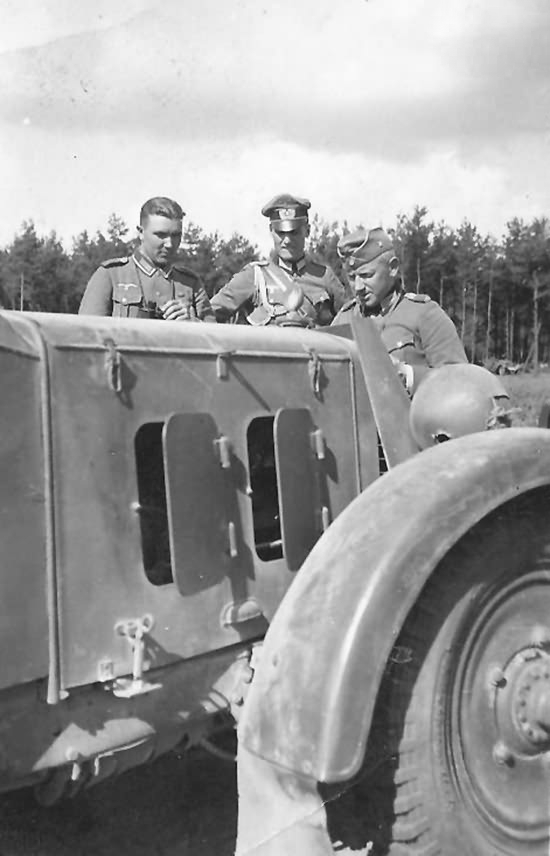
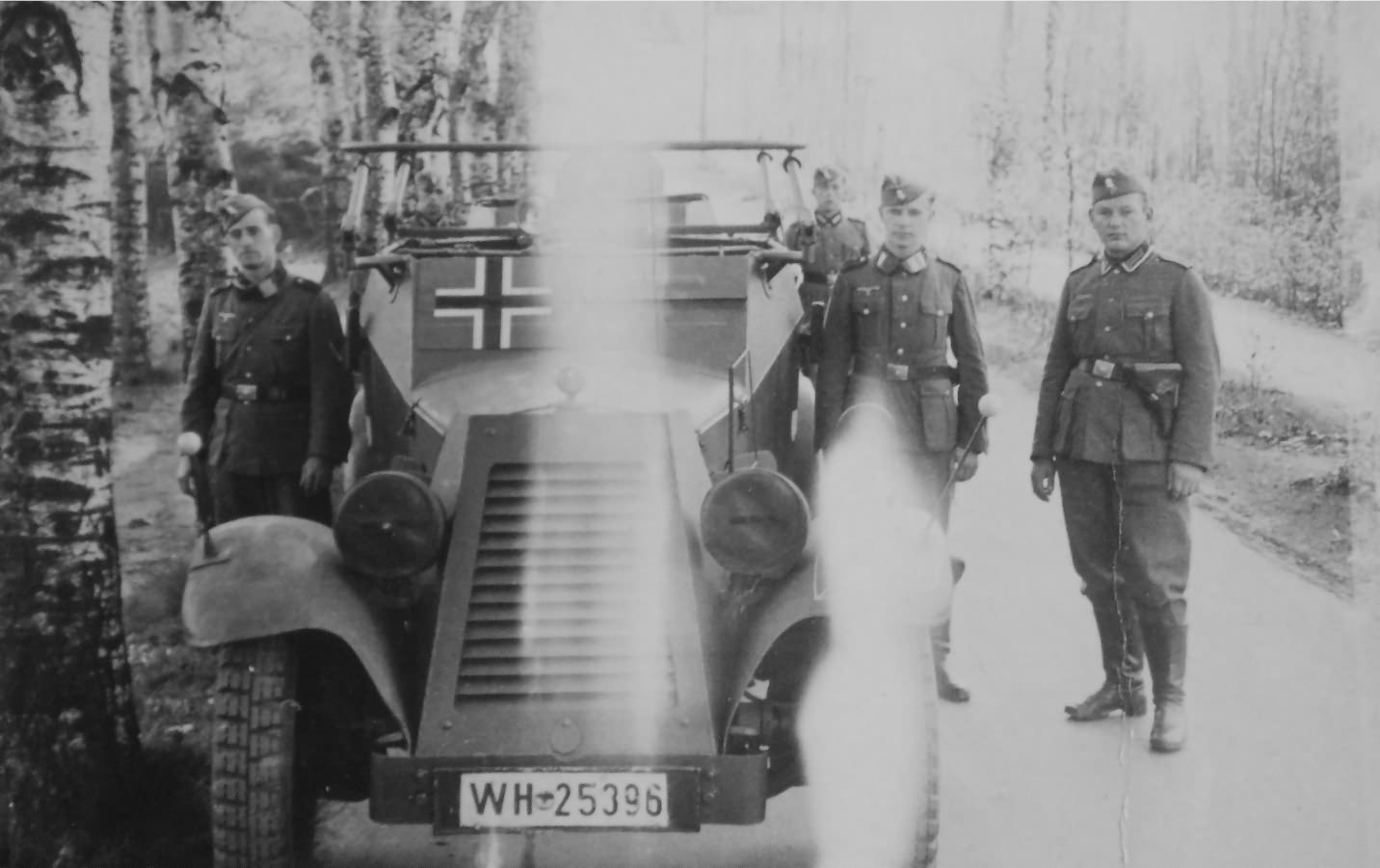
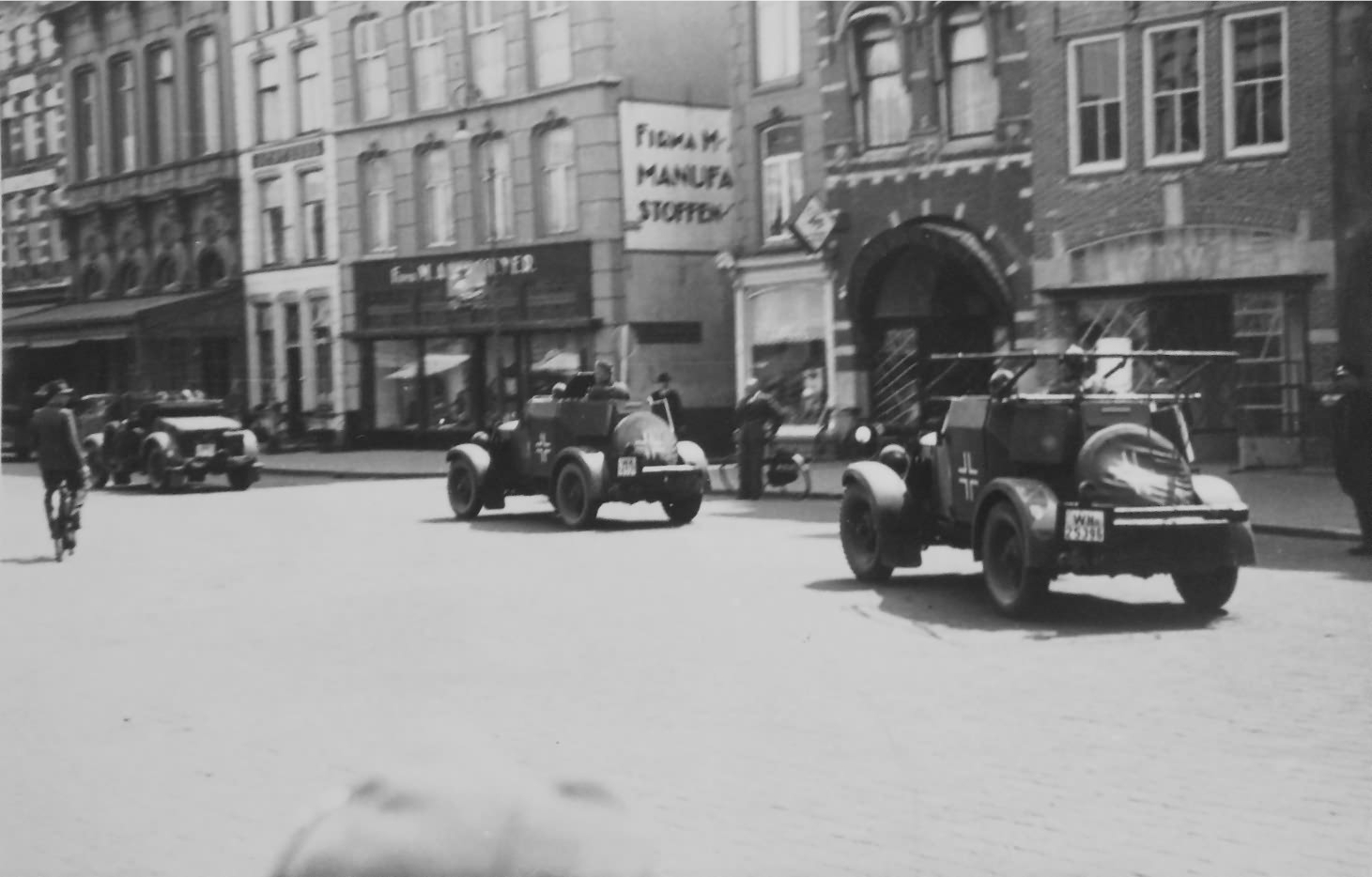
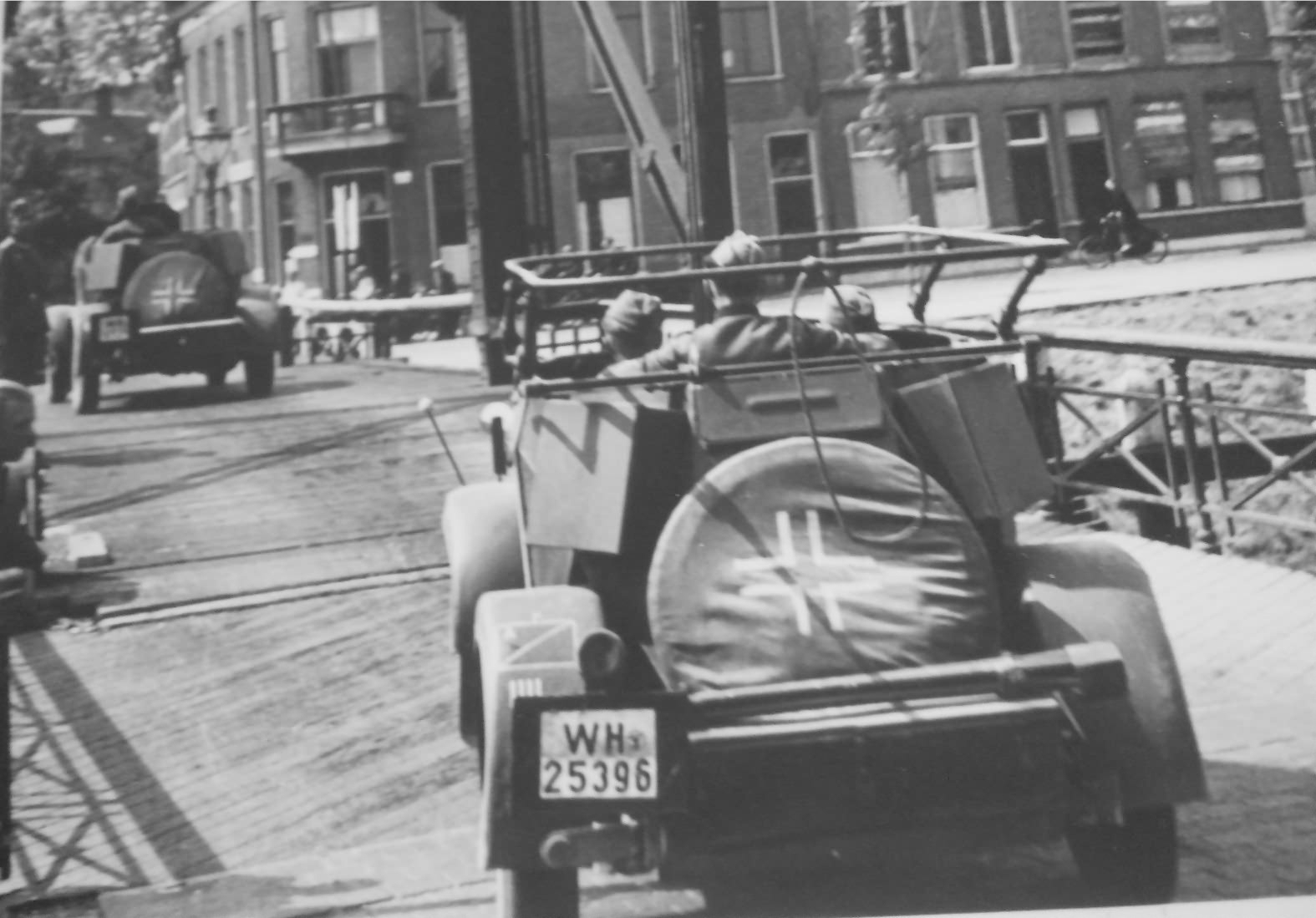
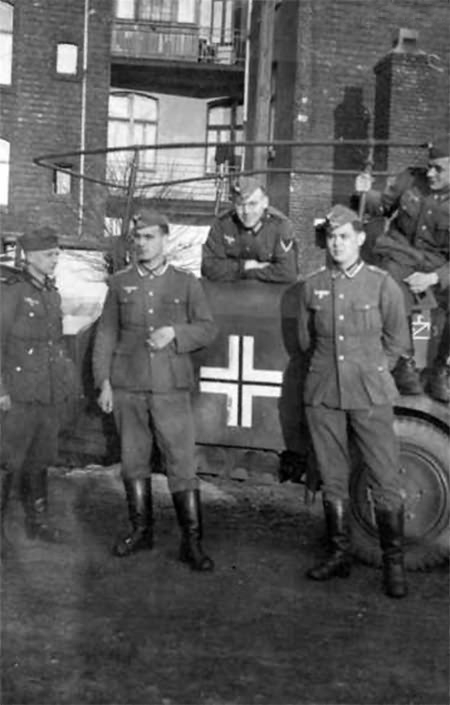
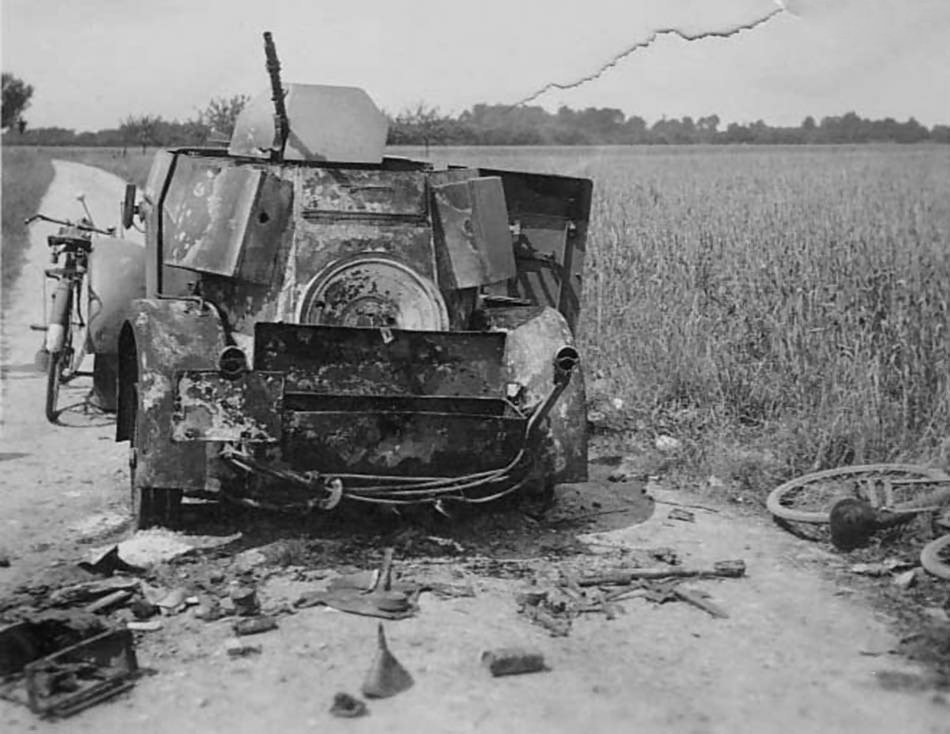
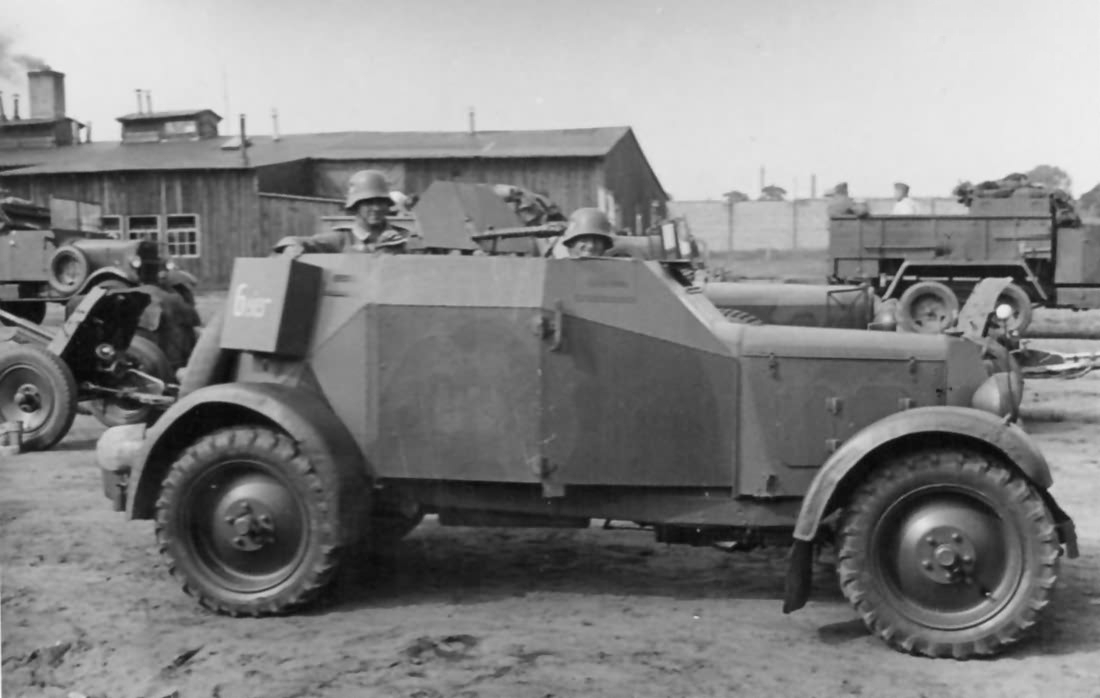
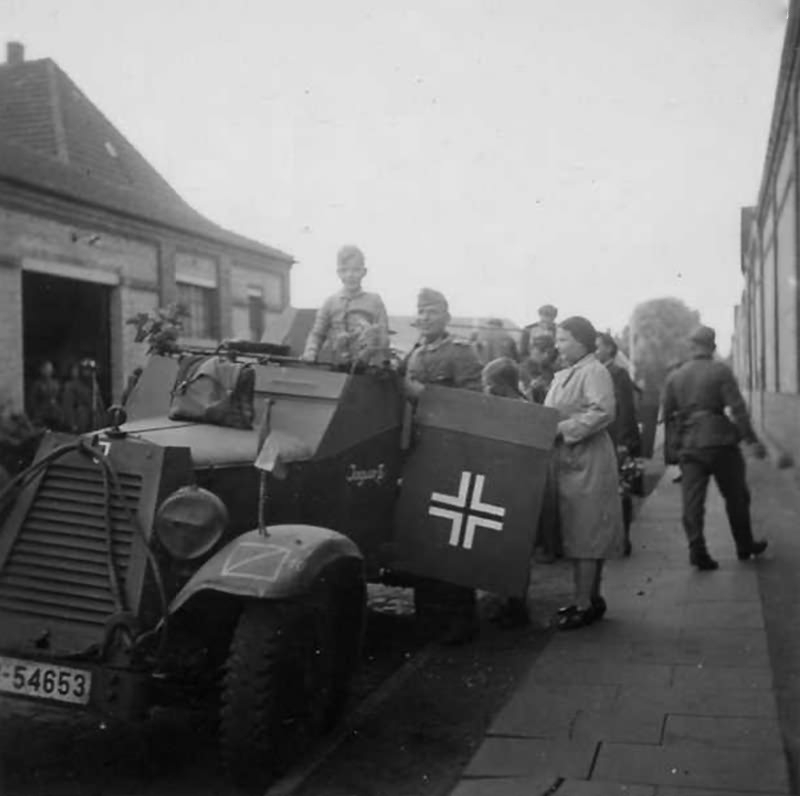
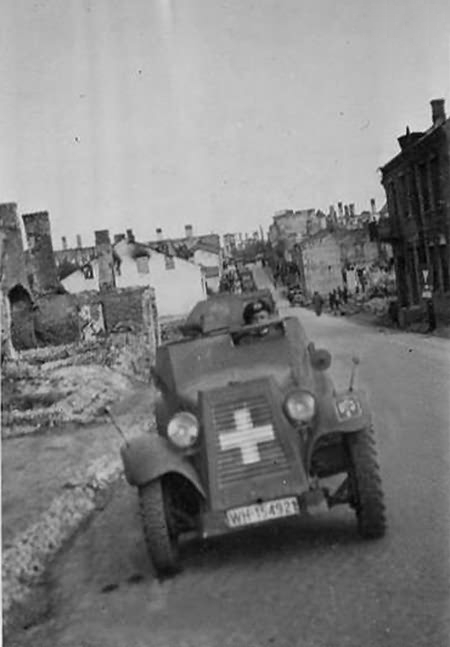
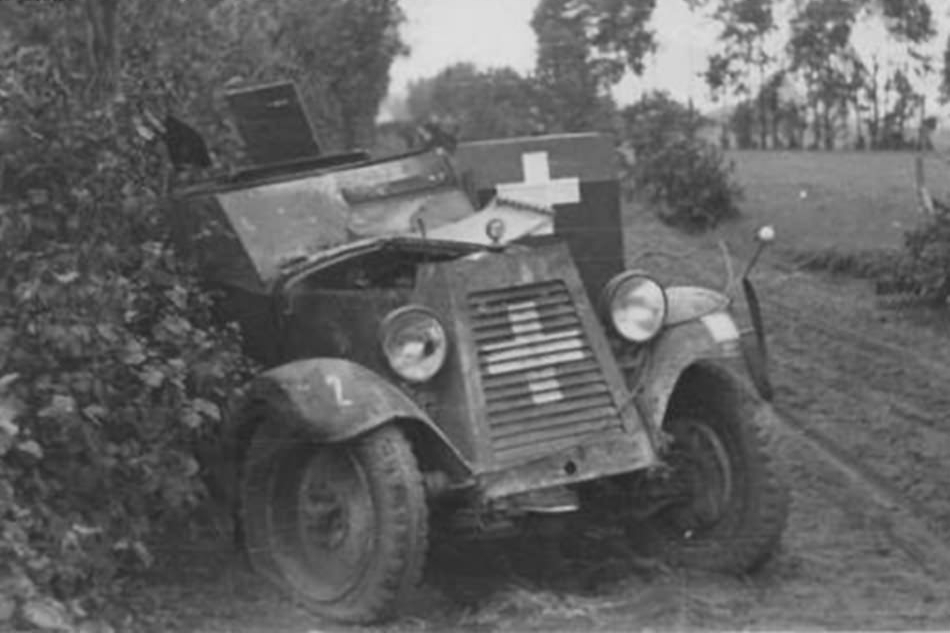
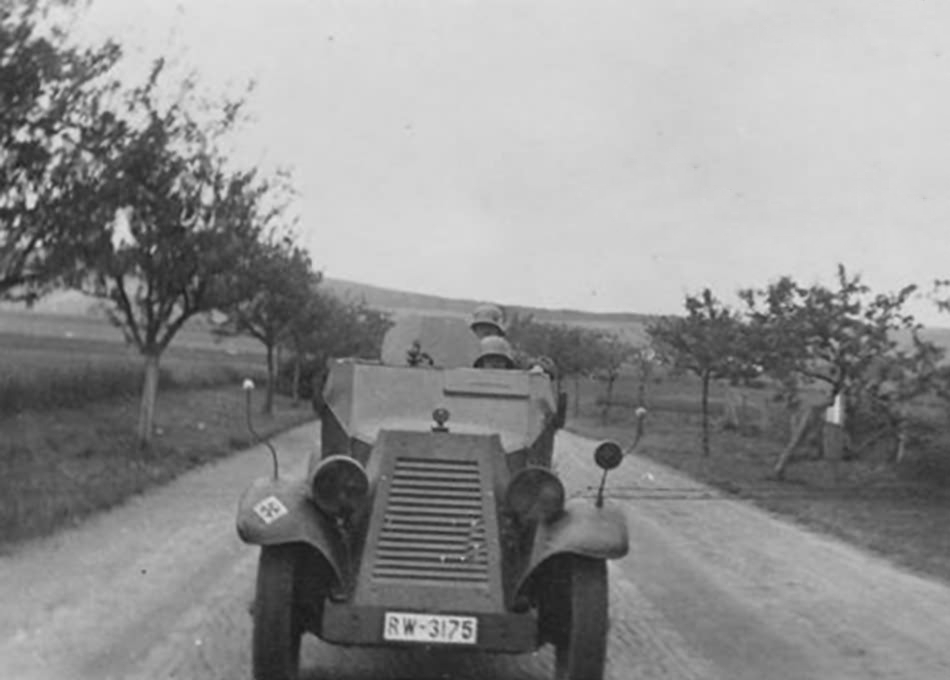
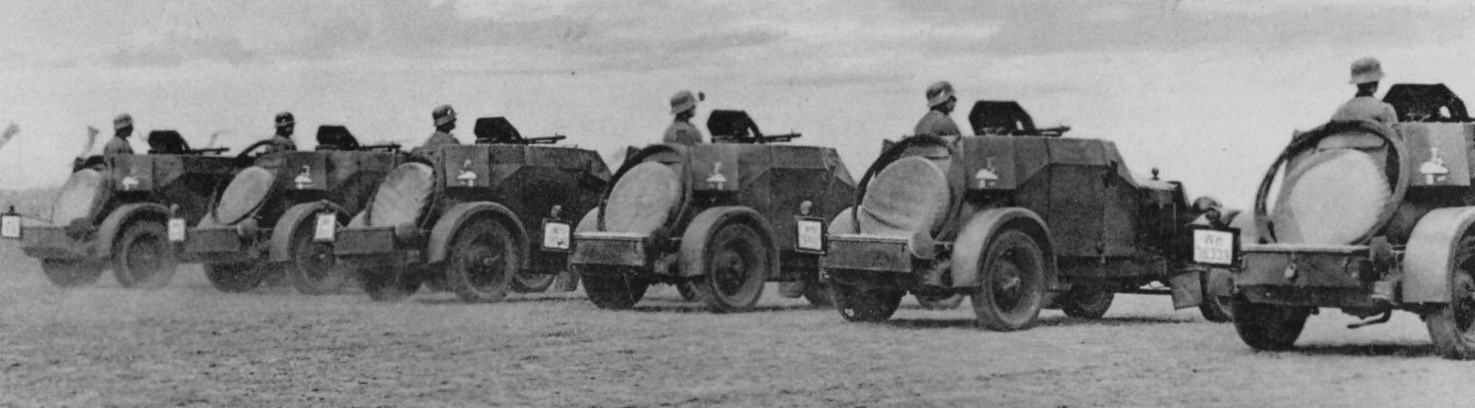
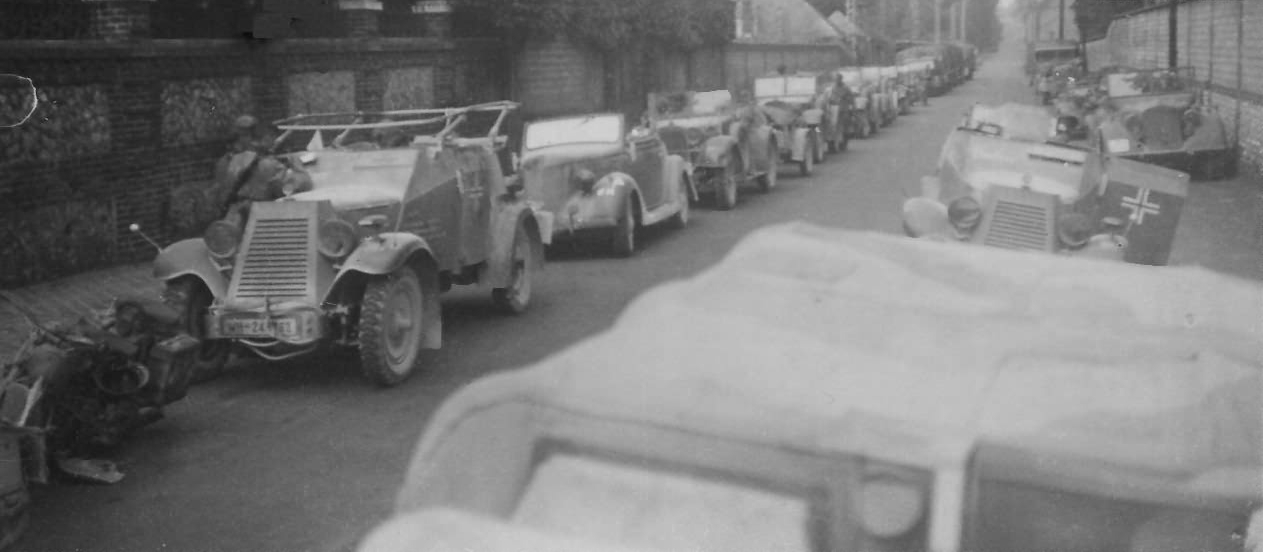
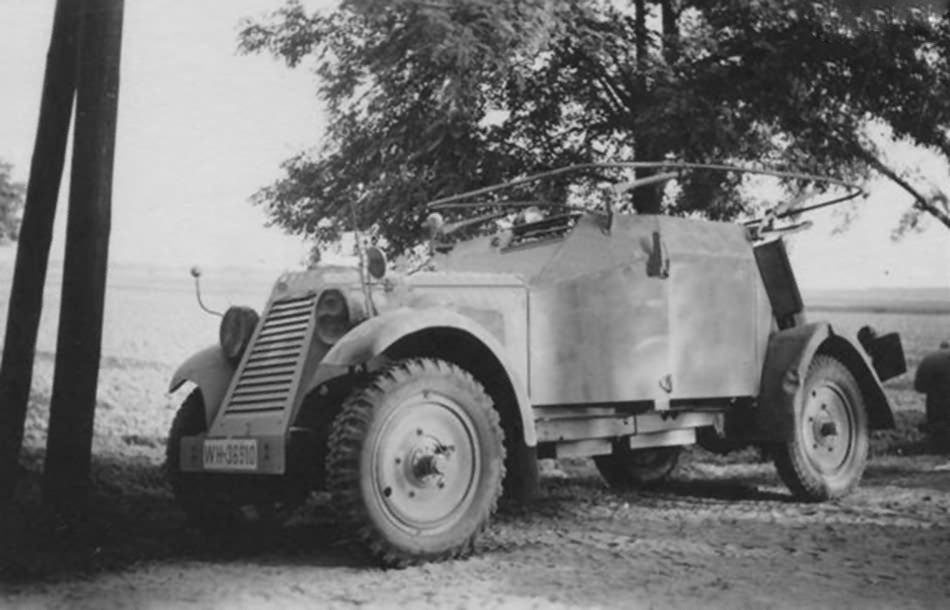
The Kfz. 13 (Maschinengewehr-Kraftwagen) holds a unique position in military history as Germany’s first standard light armored reconnaissance vehicle produced after World War I. Developed during the early 1930s for the Reichswehr, this modest motor vehicle was designed as a low-cost, temporary solution to bypass the strict military restrictions imposed by the Treaty of Versailles. It provided the expanding German military with a practical testbed to develop, refine, and practice the mobile reconnaissance doctrines that would later become the foundation of Blitzkrieg warfare.To achieve rapid production and keep costs low, the Kfz. 13 was built directly on the commercial chassis of the Adler Standard 6 civilian passenger car. It retained the automobile’s standard rear-wheel-drive layout, powered by a liquid-cooled, six-cylinder engine that produced roughly 60 horsepower. This setup allowed the light vehicle to reach top road speeds of up to 70 kilometers per hour. However, because it relied on a basic commercial passenger car chassis without all-wheel drive, its off-road mobility was severely limited, making it prone to getting bogged down in soft ground, mud, and rough terrain.The structure of the Kfz. 13 consisted of an open-topped, boxy steel hull with welded armor plates ranging from 8 to 13 millimeters in thickness. While this light plating provided the two-man crew (a driver and a commander/gunner) with basic protection against small-arms fire and shell splinters, the open roof left them completely exposed to overhead threats, hand grenades, and urban sniper fire. Offensive firepower was minimal, consisting of a single 7.92 mm MG 13 machine gun—later upgraded to the MG 34—mounted on a central pedestal equipped with a small steel gun shield. A specialized radio command variant, the Kfz. 14 (Funkkraftwagen), was built alongside it, swapping the machine gun for long-range radio equipment and a prominent frame antenna.Despite its obvious design limitations, the Kfz. 13 saw active frontline combat during the early stages of World War II, participating in both the Invasion of Poland in 1939 and the Battle of France in 1940. Combat exposure quickly highlighted its inadequate armor, lack of off-road capability, and vulnerable crew compartment. As purpose-built, four-wheel-drive armored cars—such as the Leichter Panzerspähwagen Sd.Kfz. 221 and 222—began entering service in larger numbers, the Kfz. 13 was rapidly withdrawn from frontline recon units.Following its retirement from active combat, surviving Kfz. 13 vehicles were reassigned to secondary roles, primarily serving in driver training schools, occupational duties, and internal security units across occupied Europe. Although short-lived in frontline service, the Kfz. 13 remains an important historic bridge between interwar automotive adaptations and the highly specialized armored fighting vehicles of the Wehrmacht.