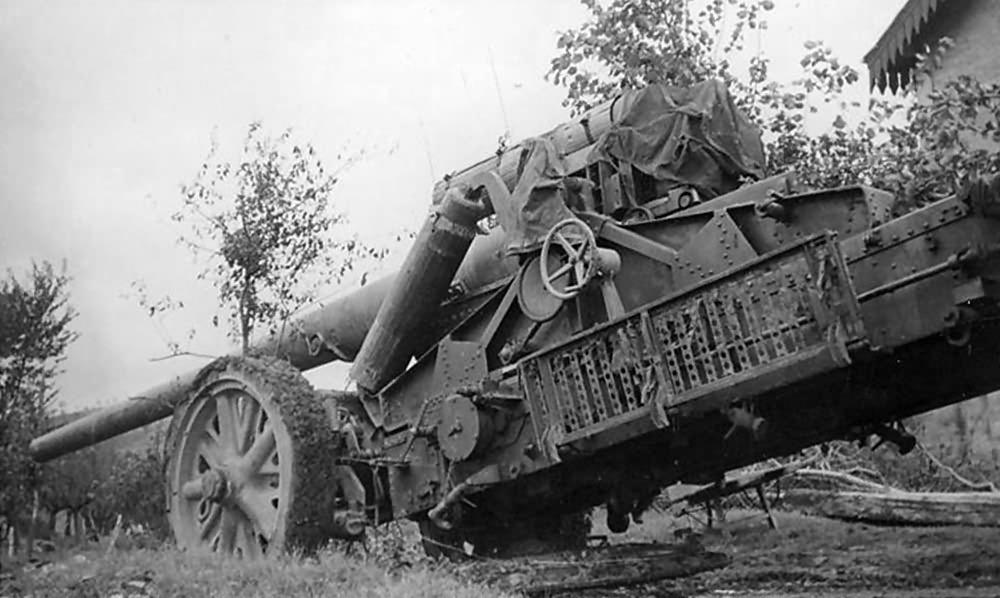
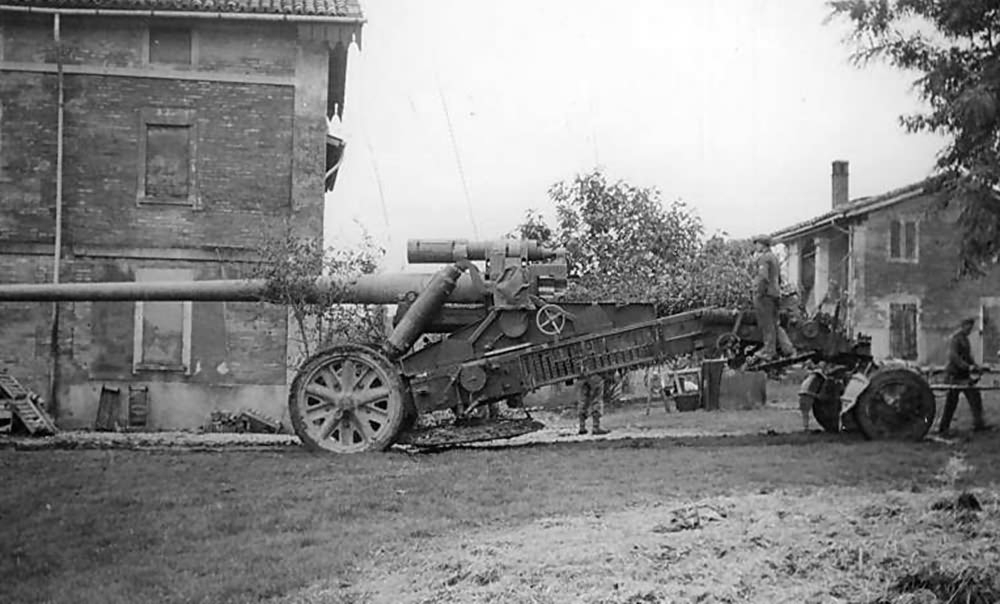
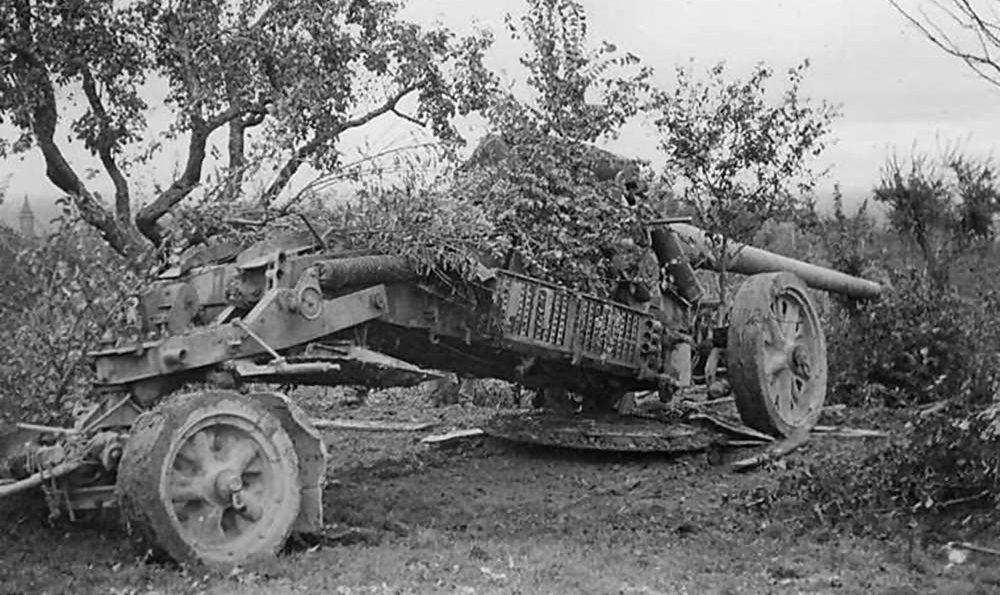
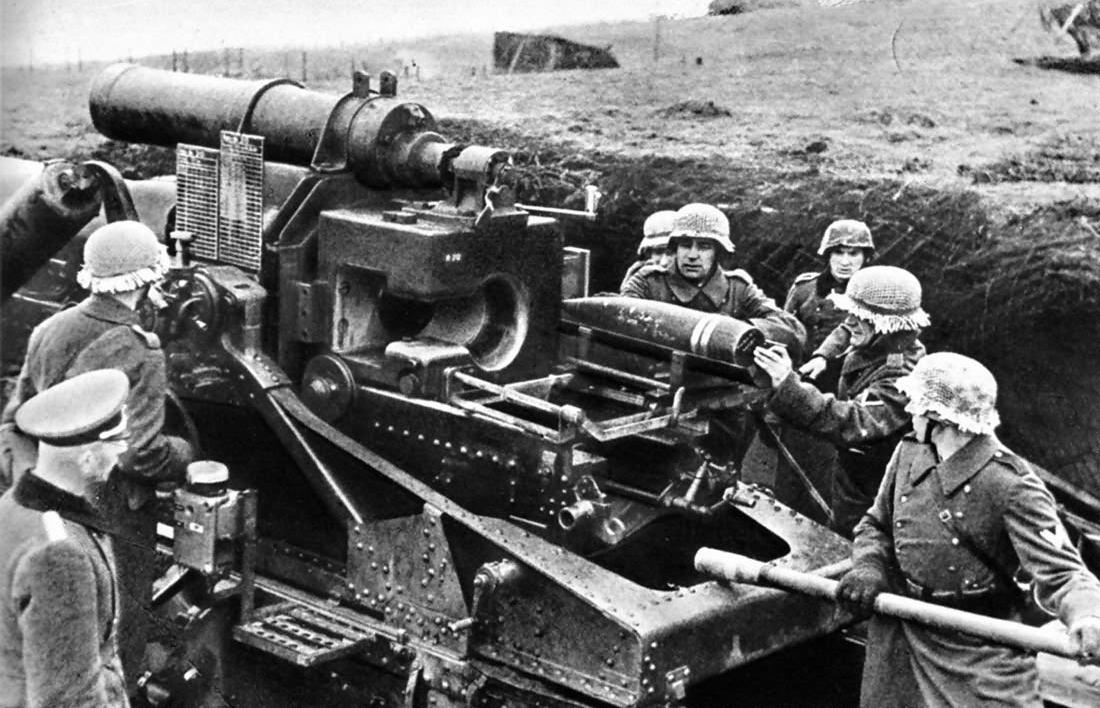
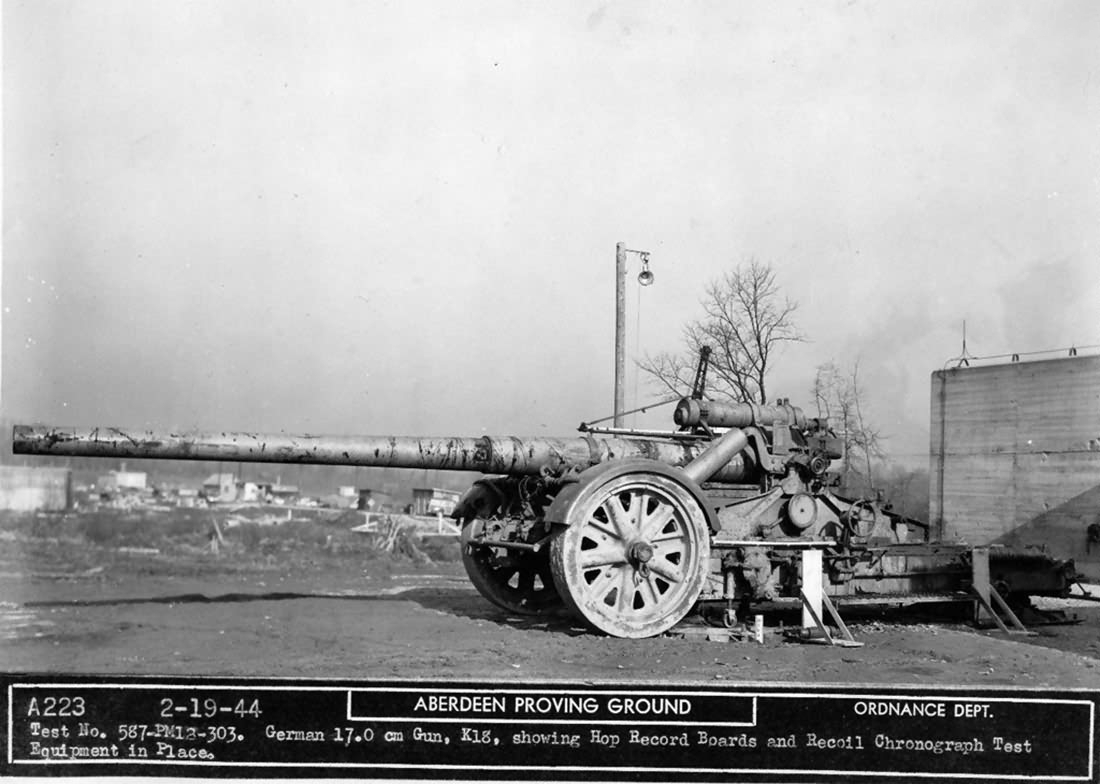
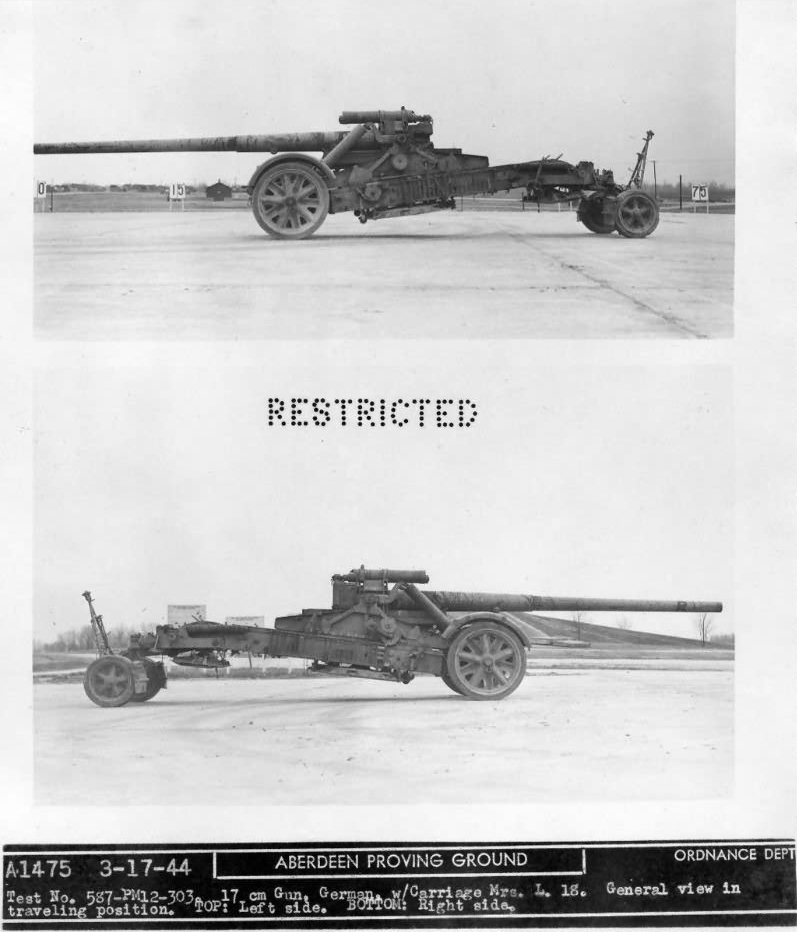
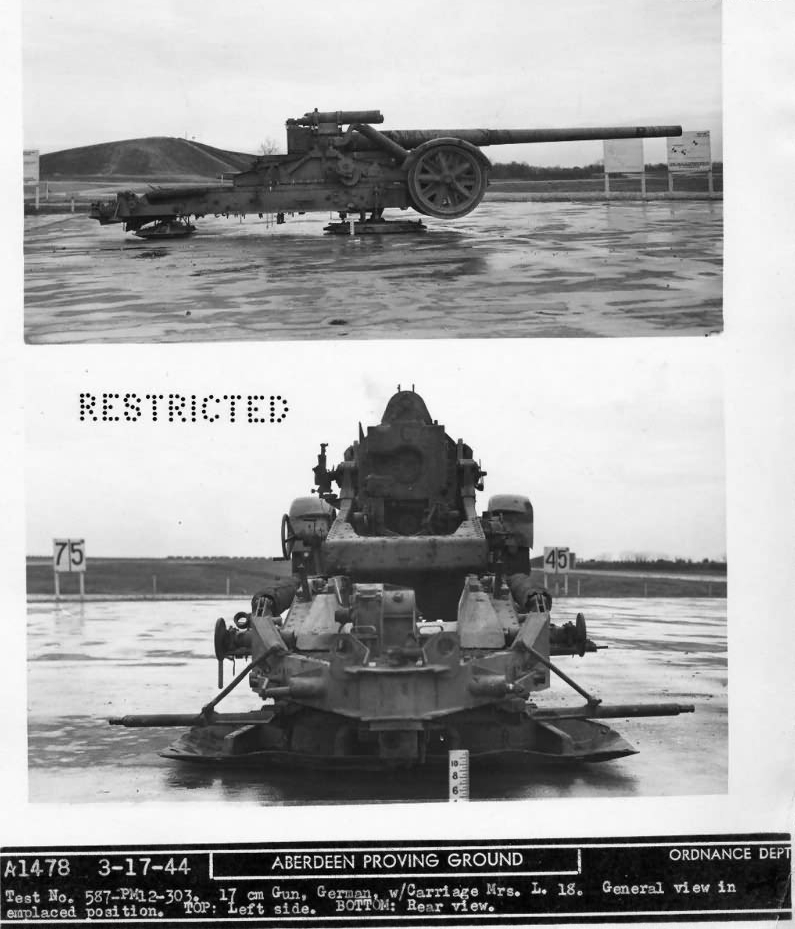
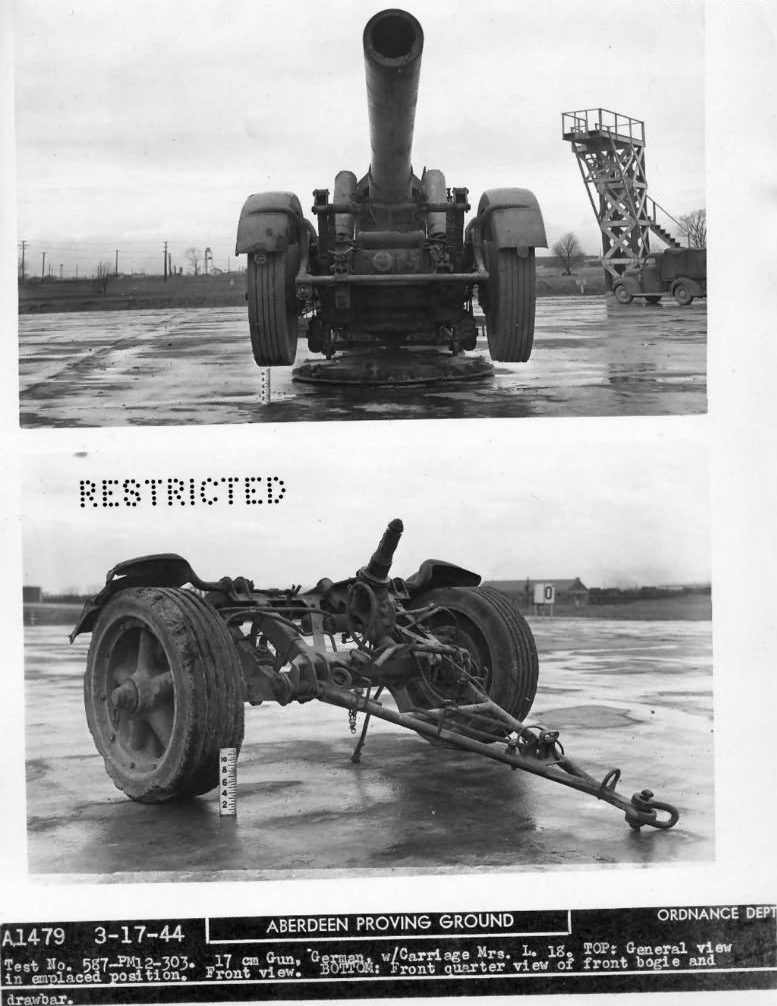
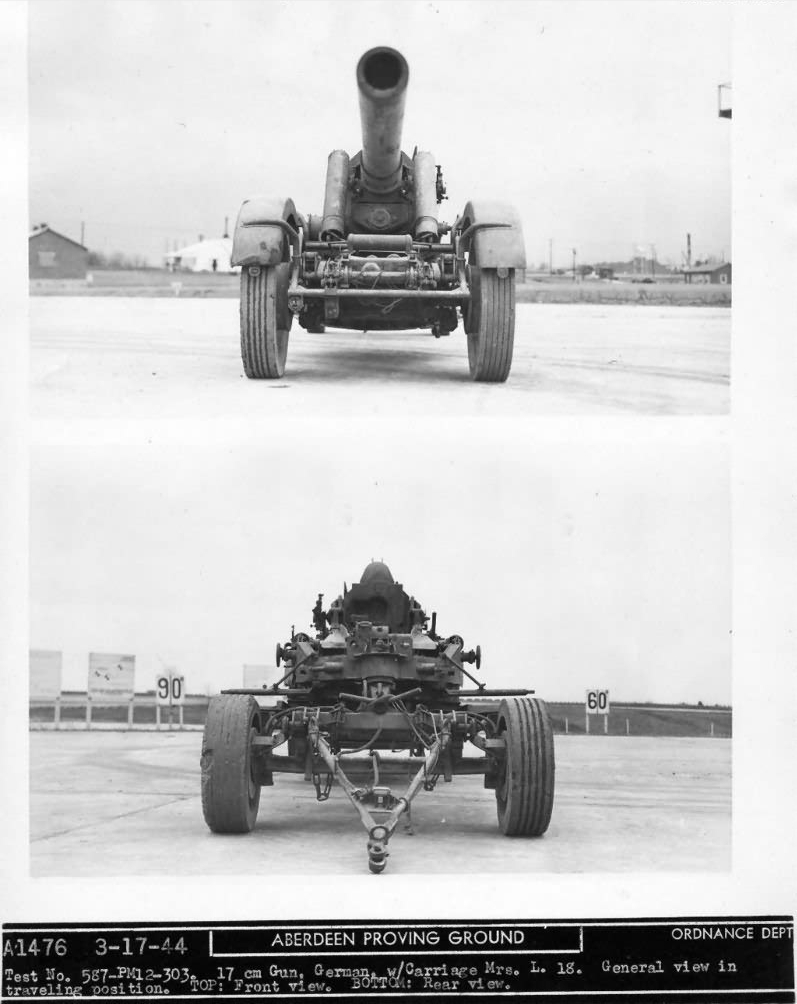
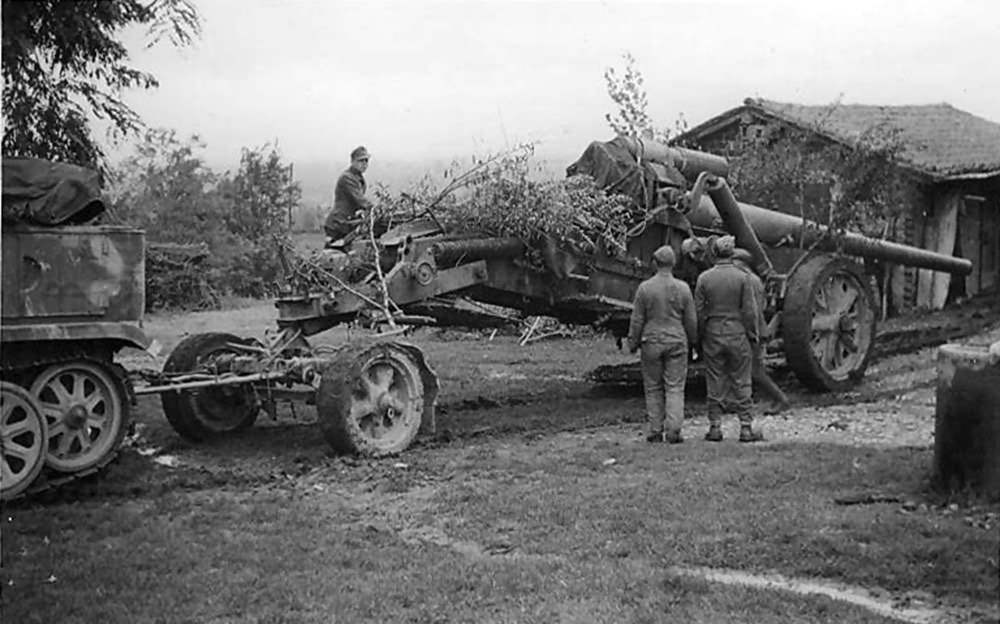
The 17 cm Kanone 18 in Mörserlafette, commonly referred to as the 17 cm K 18, was one of the most powerful and technologically sophisticated heavy artillery pieces utilized by the German Wehrmacht during the Second World War. Designed by the renowned arms manufacturer Krupp in the late 1930s, this formidable gun was developed to meet the German military’s demand for a long-range counter-battery weapon capable of striking targets deep behind enemy lines. Introduced into service in 1941, the weapon served as a key asset for heavy artillery battalions on multiple fronts, including Eastern Europe, North Africa, and Western Europe.Engineered with exceptional ballistic performance in mind, the 17 cm Kanone featured a 172.5 mm caliber barrel that measured over eight meters in length. This immense length, combined with a robust breech mechanism and powerful propellant charges, allowed the gun to fire heavy high-explosive shells weighing around 68 kilograms to a staggering maximum range of nearly 29.6 kilometers. This impressive reach enabled German commanders to bombard enemy supply dumps, command posts, rail hubs, and opposing artillery positions well beyond the return fire distance of most Allied field artillery.One of the most notable features of the 17 cm K 18 was its innovative dual-recoil carriage system, known as the Mörserlafette. Because the gun generated tremendous recoil forces upon firing, the designers implemented a two-stage recoil mechanism. The barrel first recoiled within its own cradle, after which the entire upper carriage slid back along the lower trail. This sophisticated engineering absorbed the violent shock of firing exceptionally well, resulting in an remarkably stable firing platform. Consequently, the gun maintained high accuracy during sustained bombardments, as it did not shift drastically out of position between rounds.The carriage also incorporated a central turntable baseplate. When deployed for combat, the wheels were raised off the ground, resting the entire structure on the turntable. This configuration allowed the crew of fifteen to eighteen trained artillerymen to easily rotate the entire gun through a full 360-degree traverse, providing extraordinary tactical flexibility for a weapon of its massive size. However, this high level of mechanical sophistication came at a price. The total weight of the weapon in firing position exceeded 17 metric tons, which posed severe logistical challenges.Transporting the 17 cm Kanone required heavy half-track artillery tractors, such as the Sd.Kfz. 9 FAMO. For long-distance transport, the massive gun was often disassembled into two separate loads—the barrel and the carriage—each towed by its own vehicle to prevent road damage and mechanical breakdown. Reassembling and emplacing the piece in the field required significant time and effort, making it vulnerable to enemy air strikes or rapid armored breakthroughs. Despite these mobility limitations and the high manufacturing costs that restricted its production numbers to roughly 1,500 units, the 17 cm Kanone 18 remained an immensely dangerous and respected artillery piece until the final days of the war.