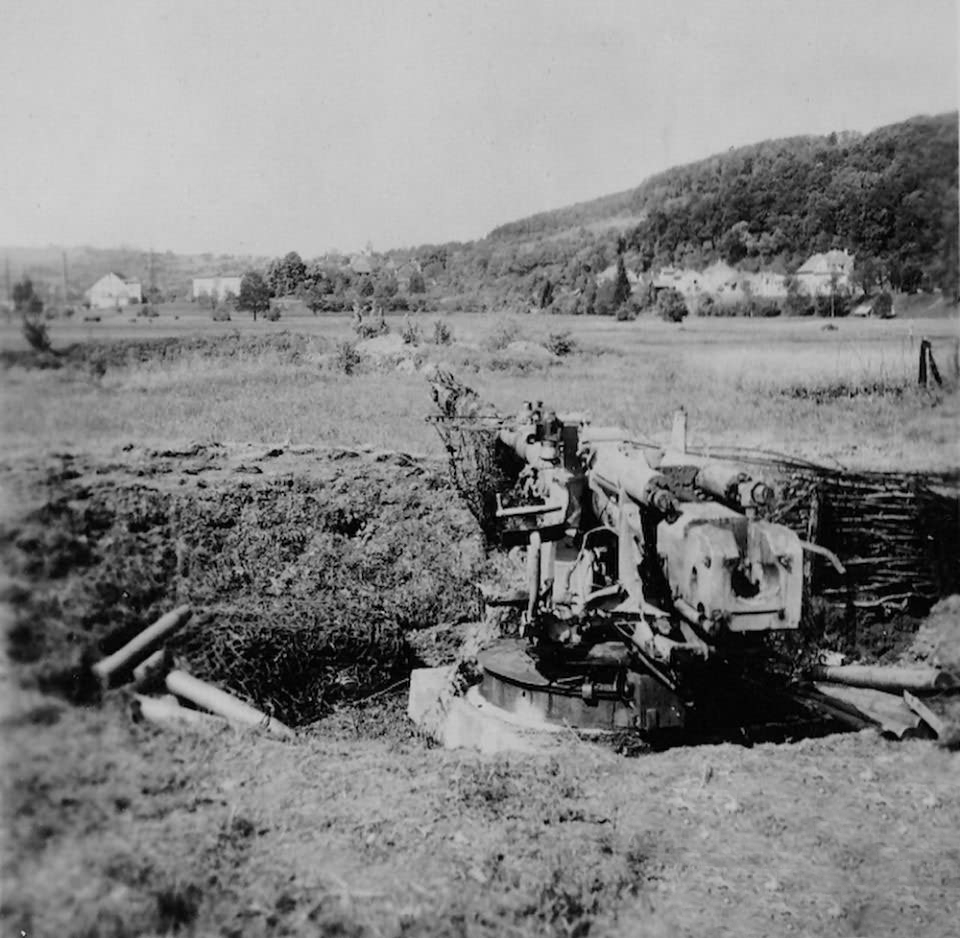
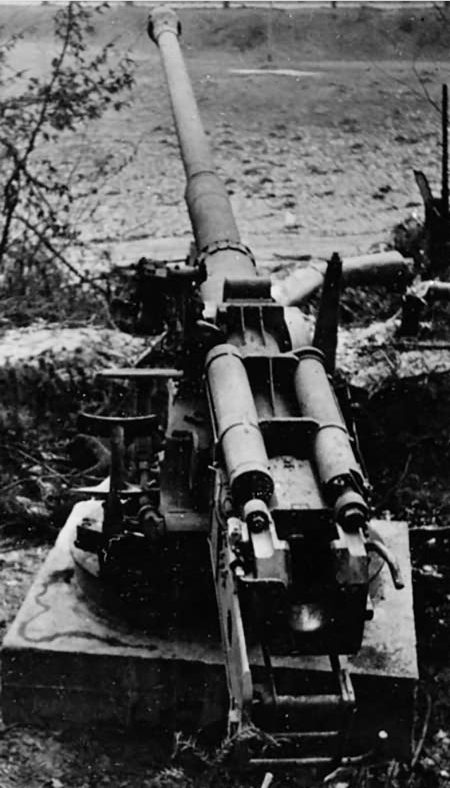
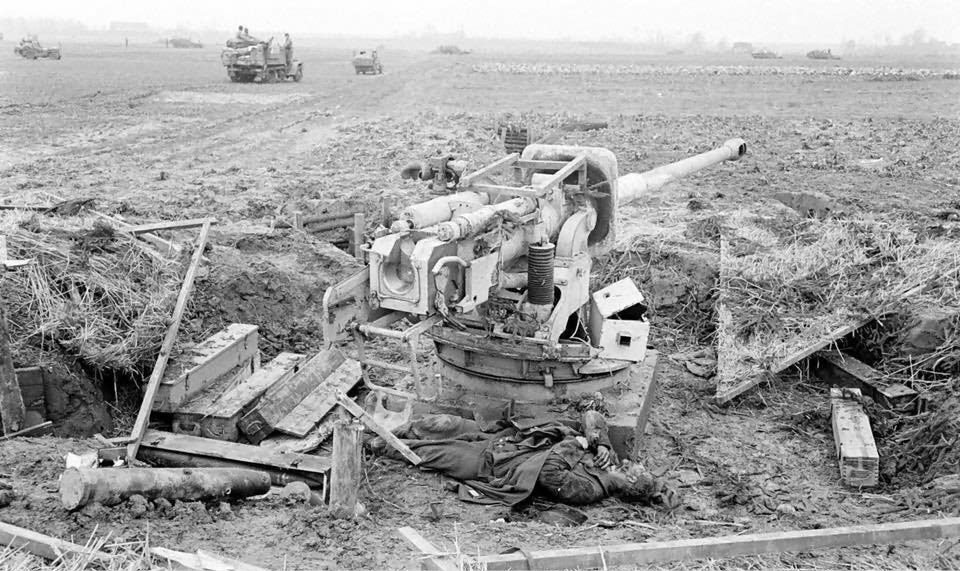
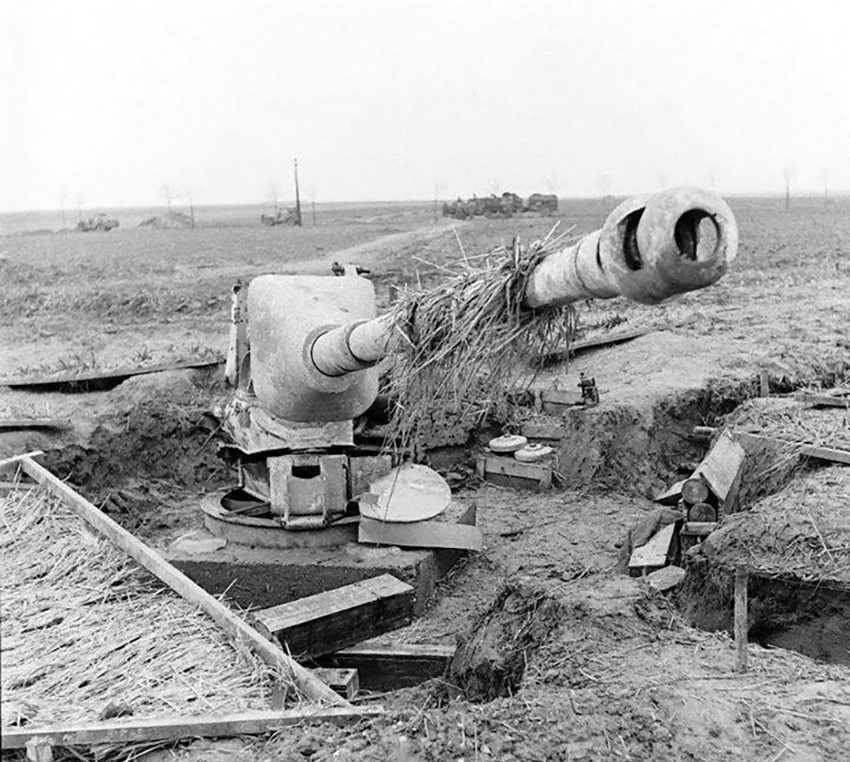
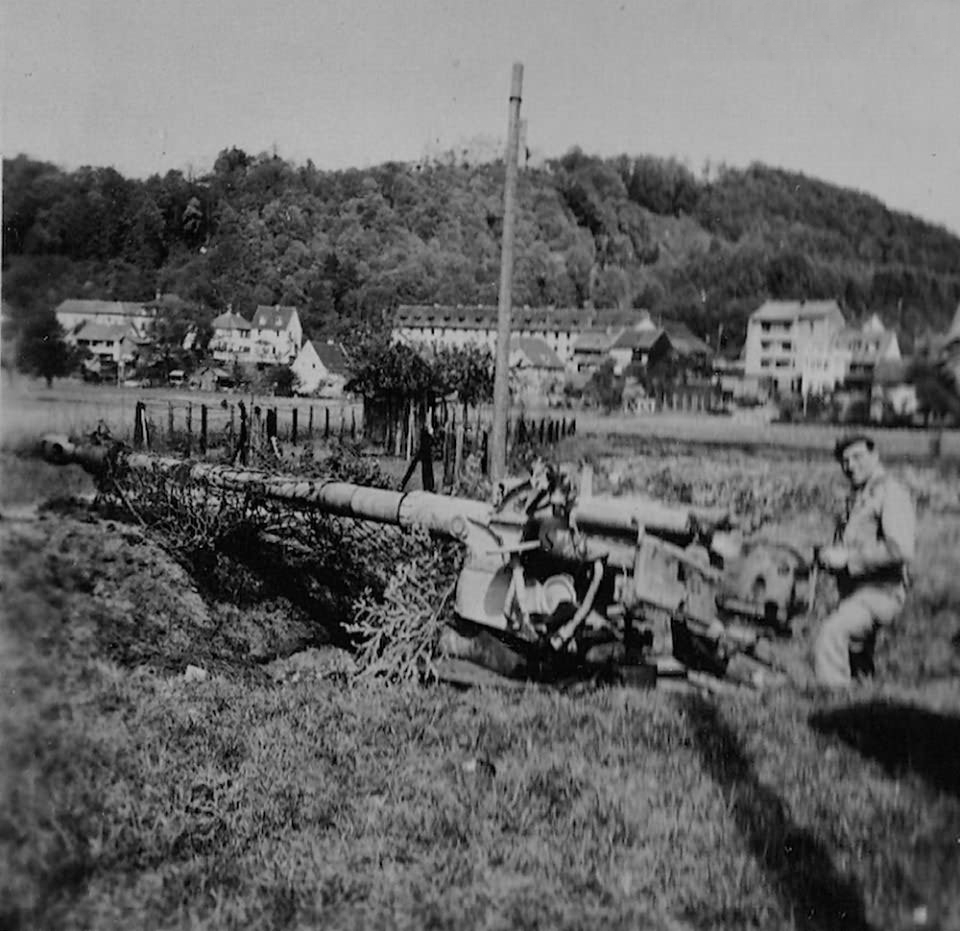
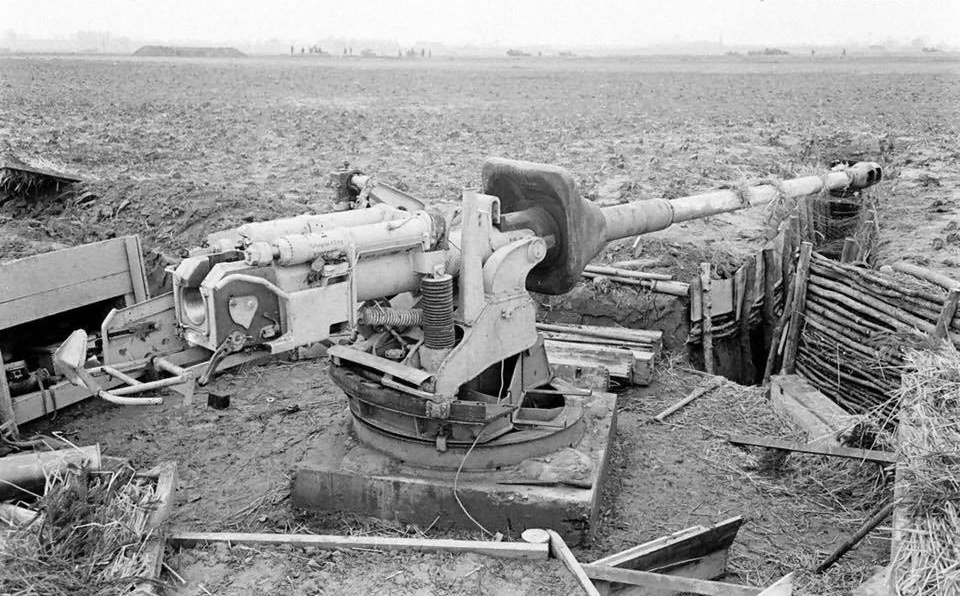
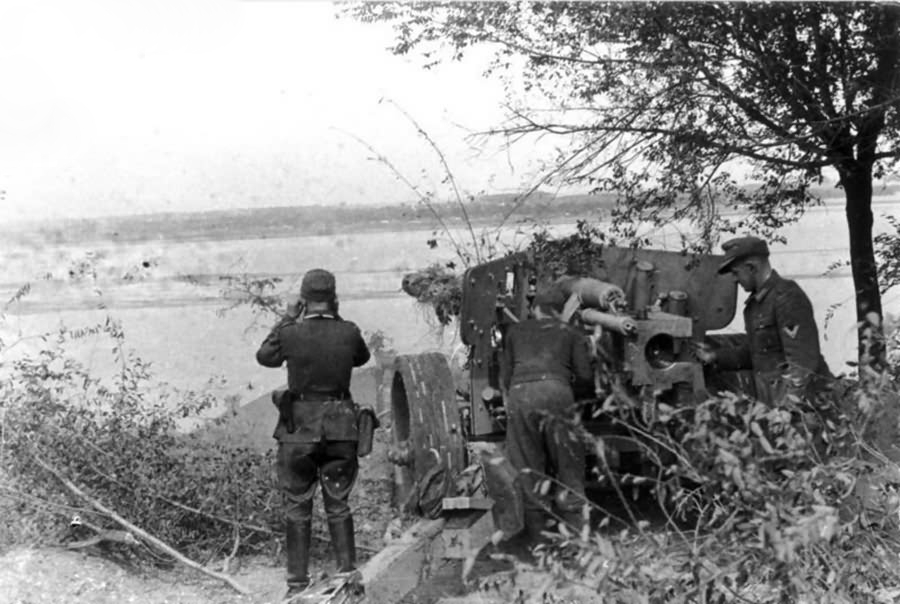
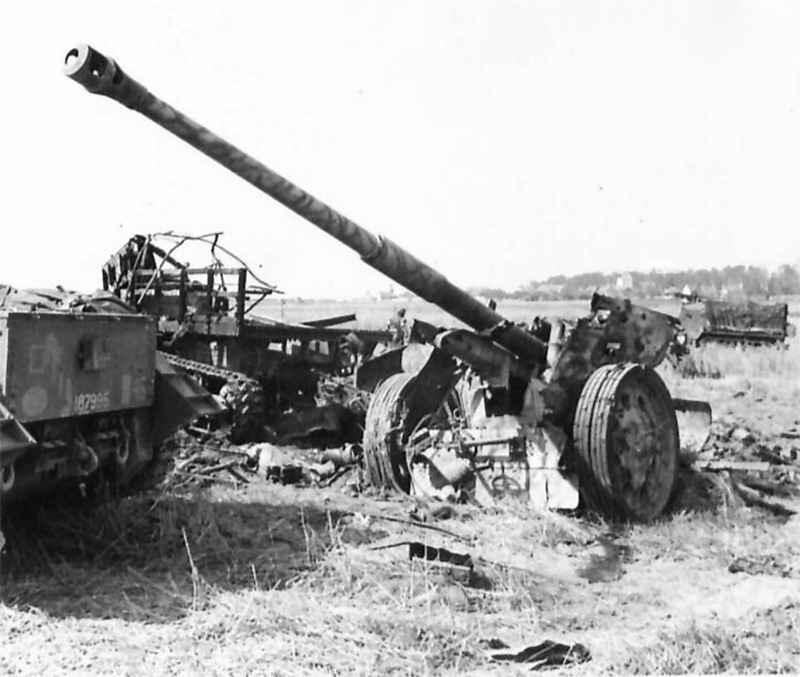
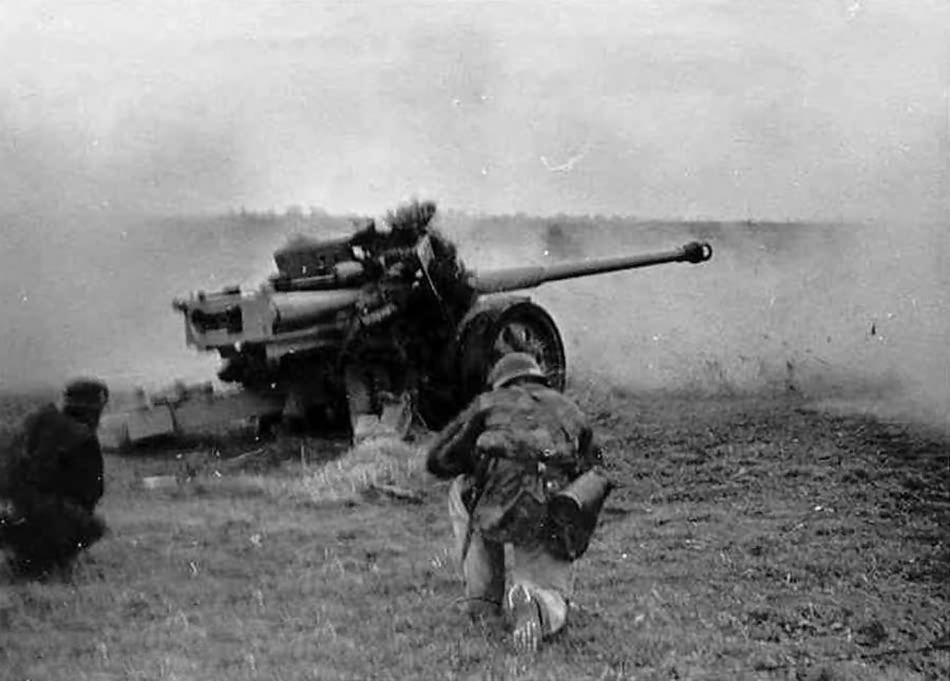
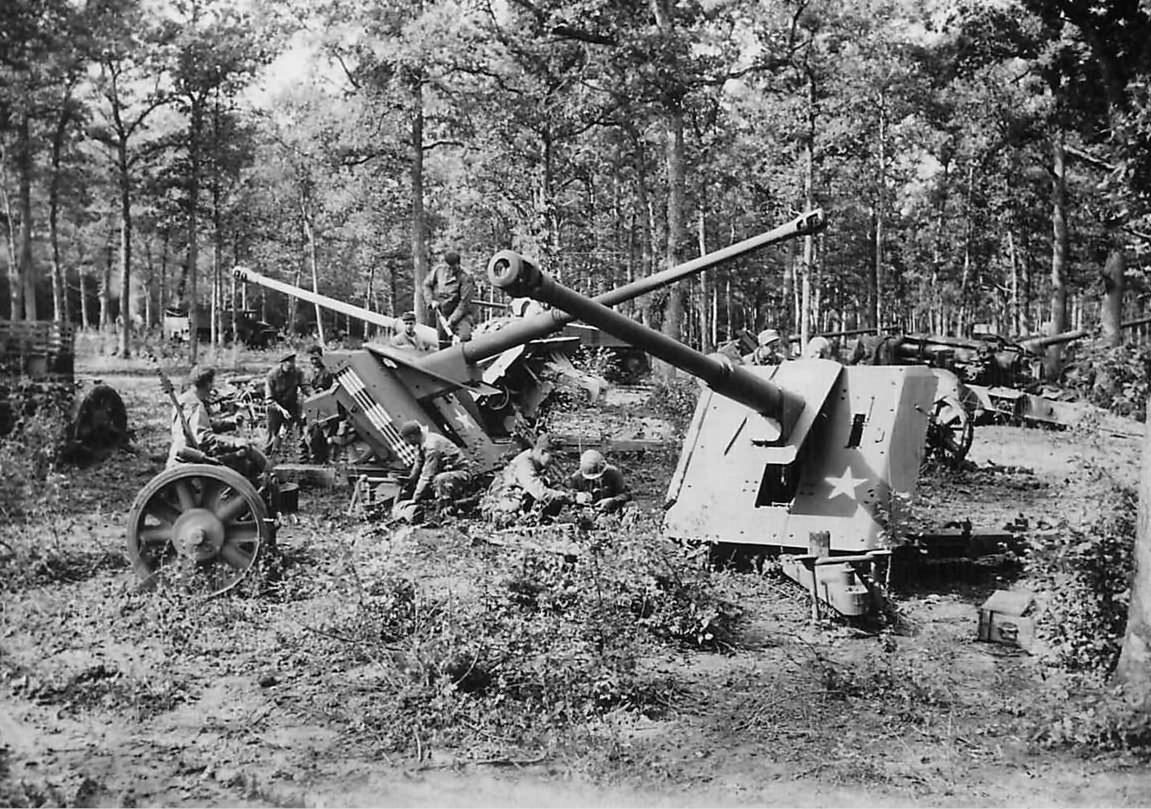
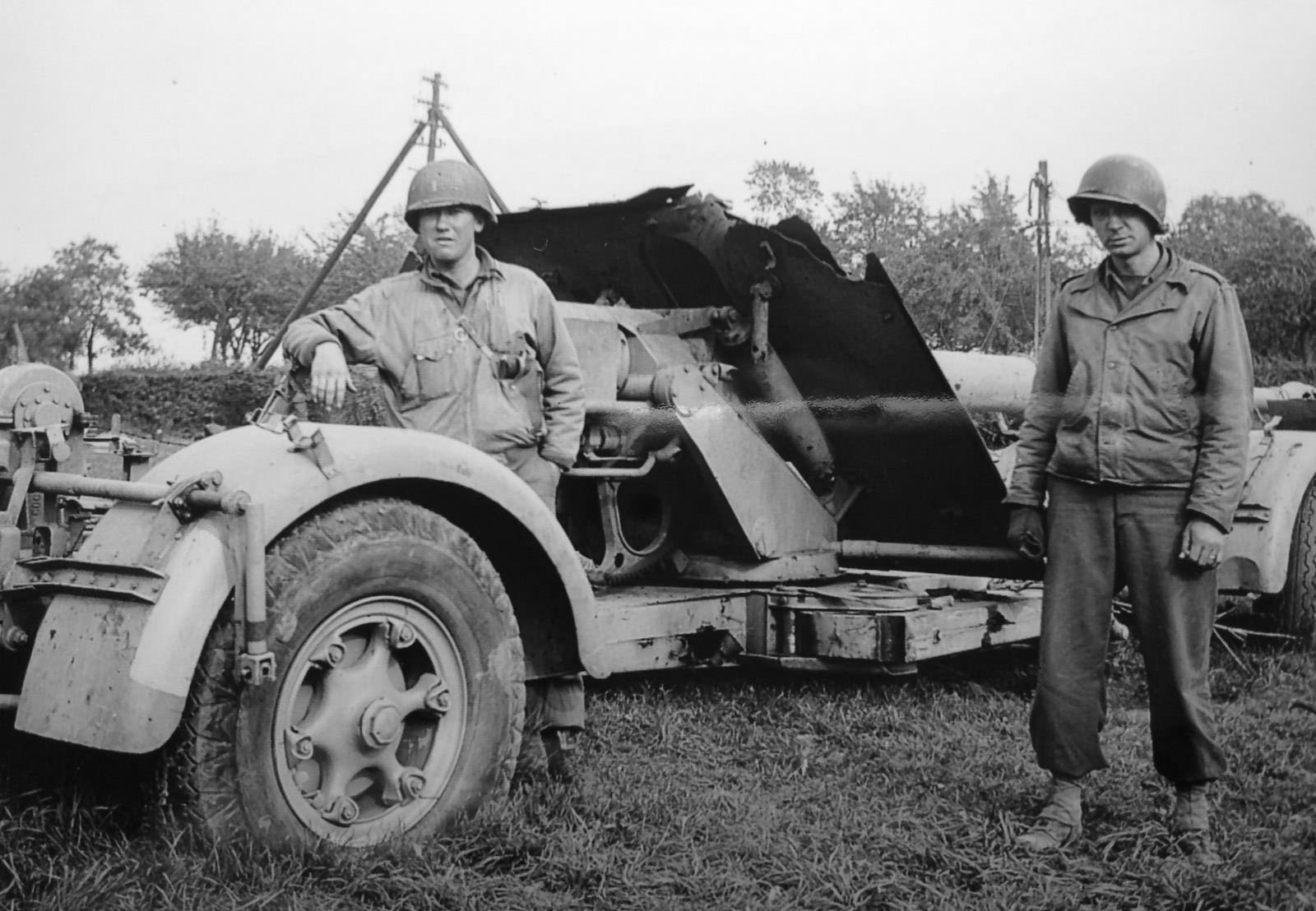
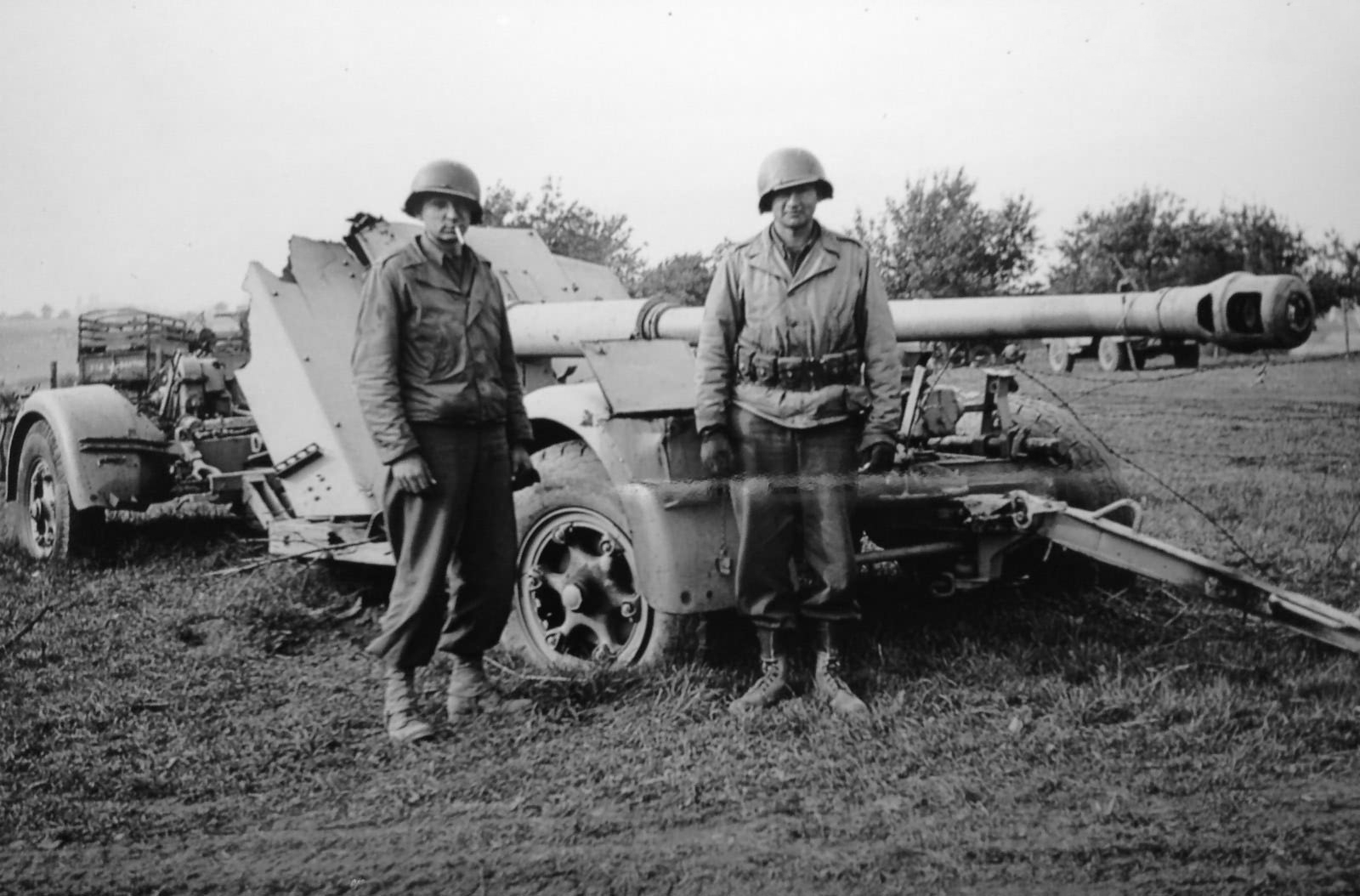
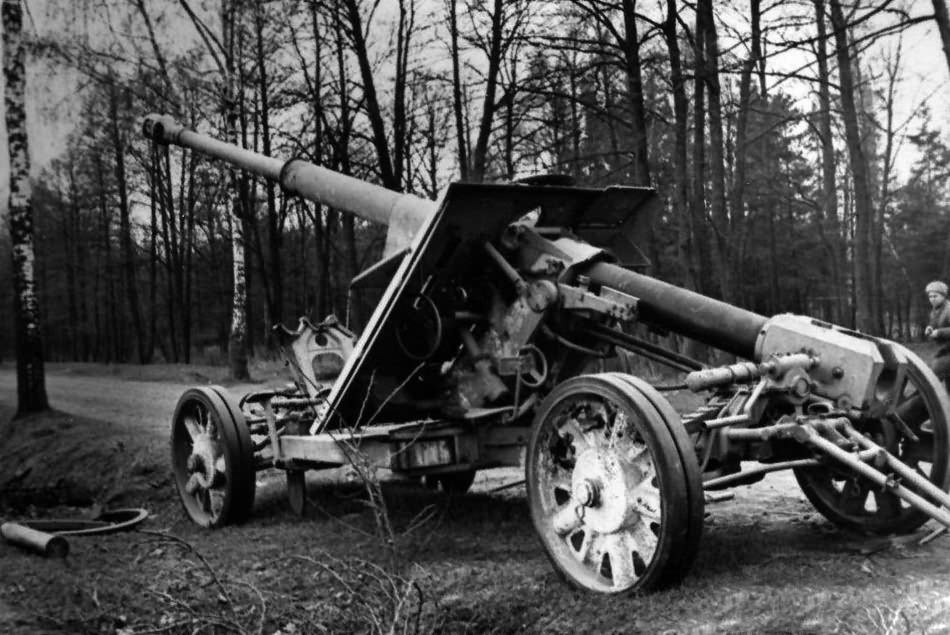
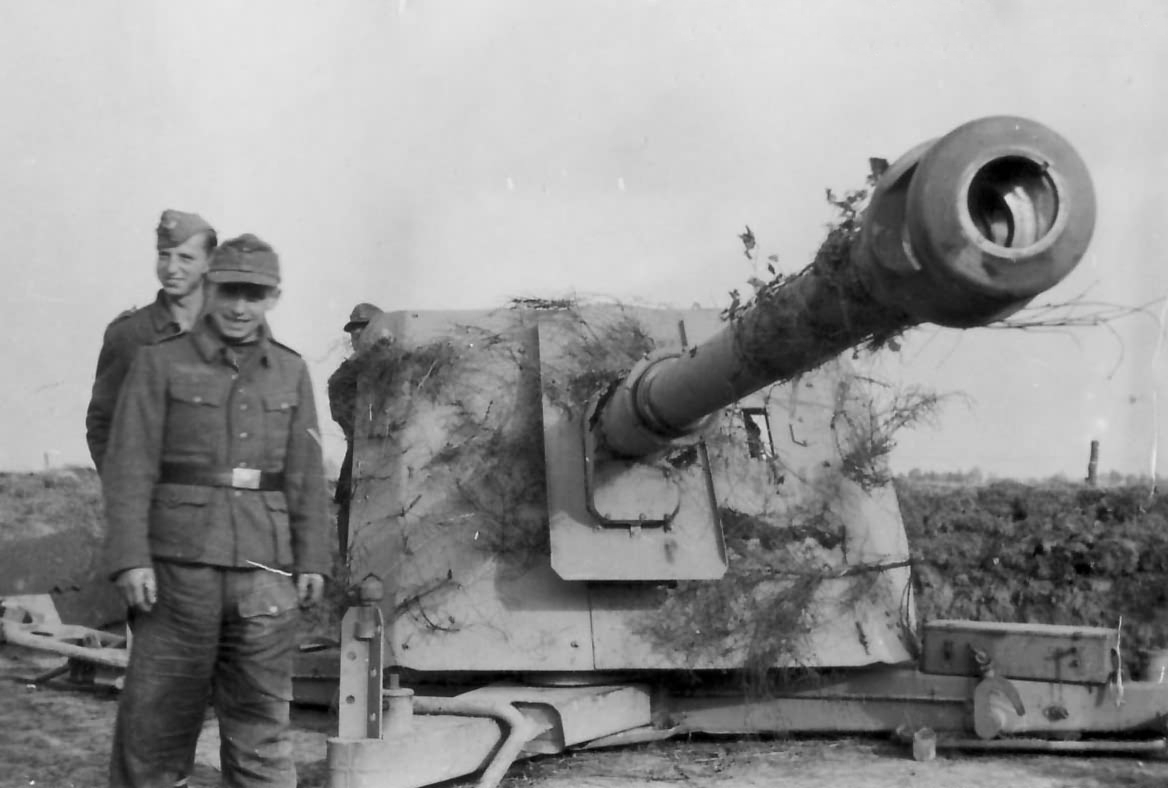
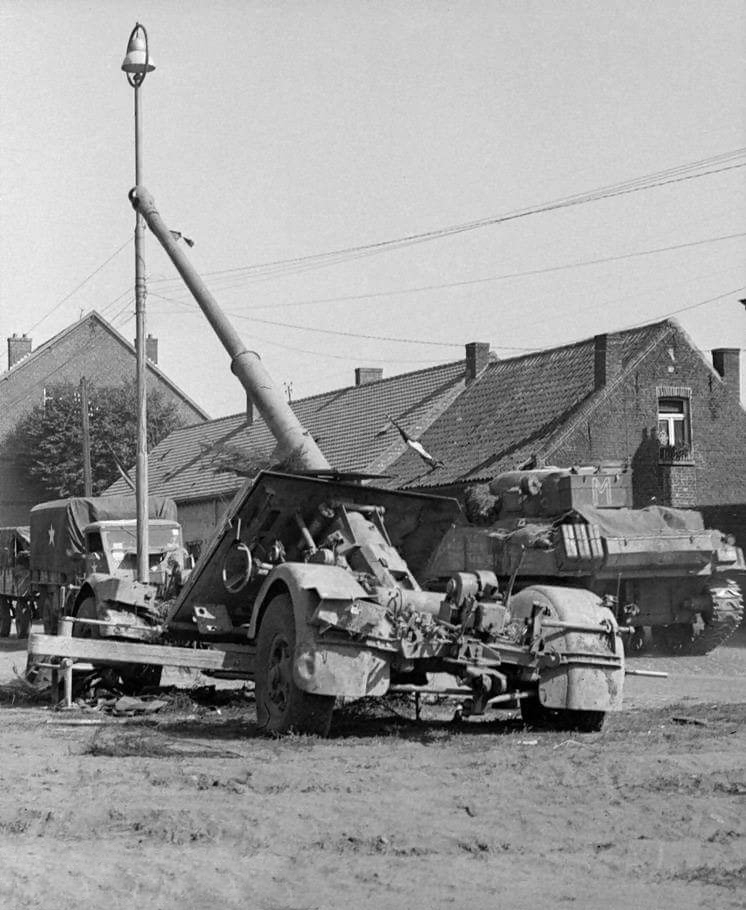
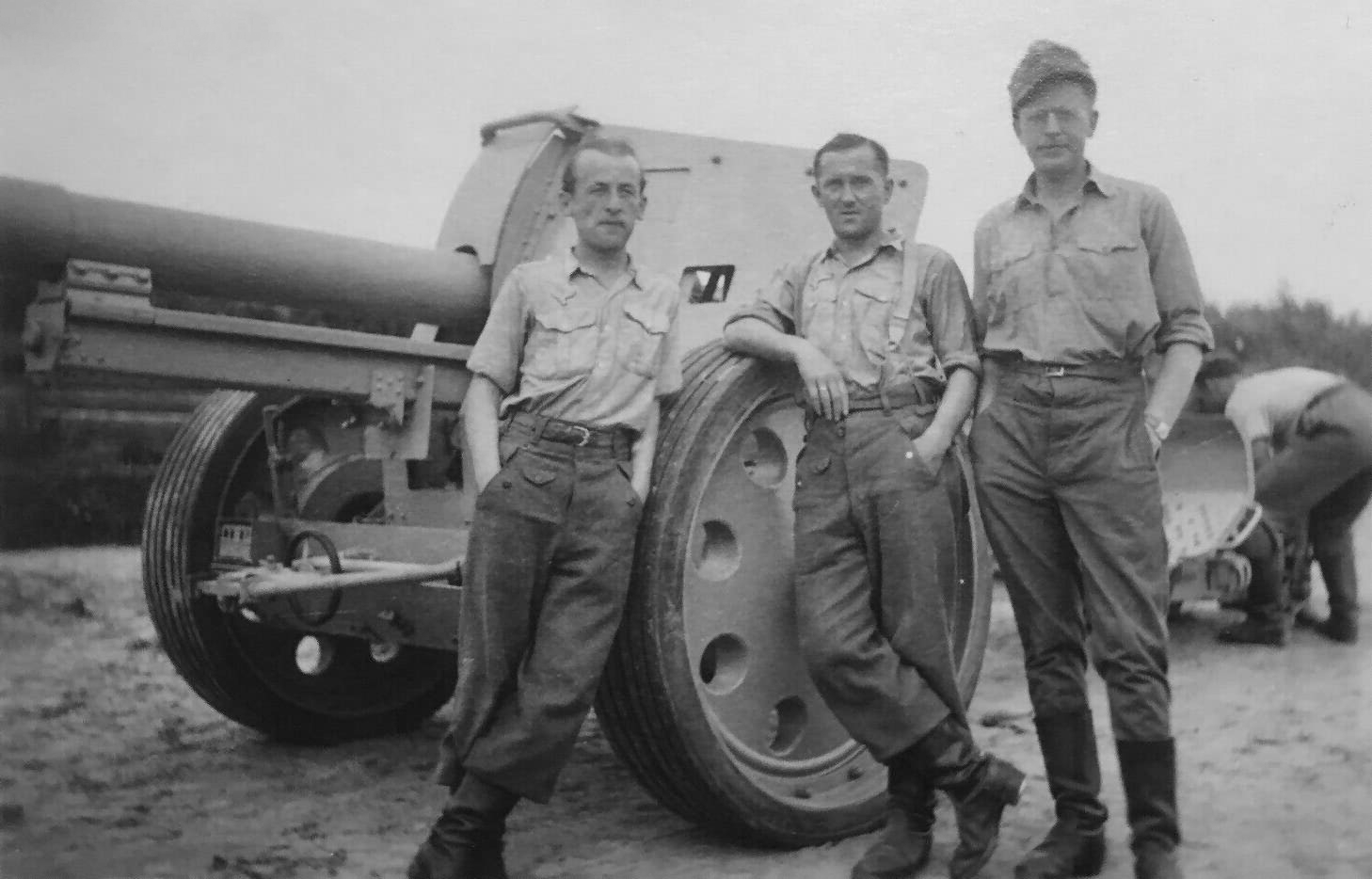
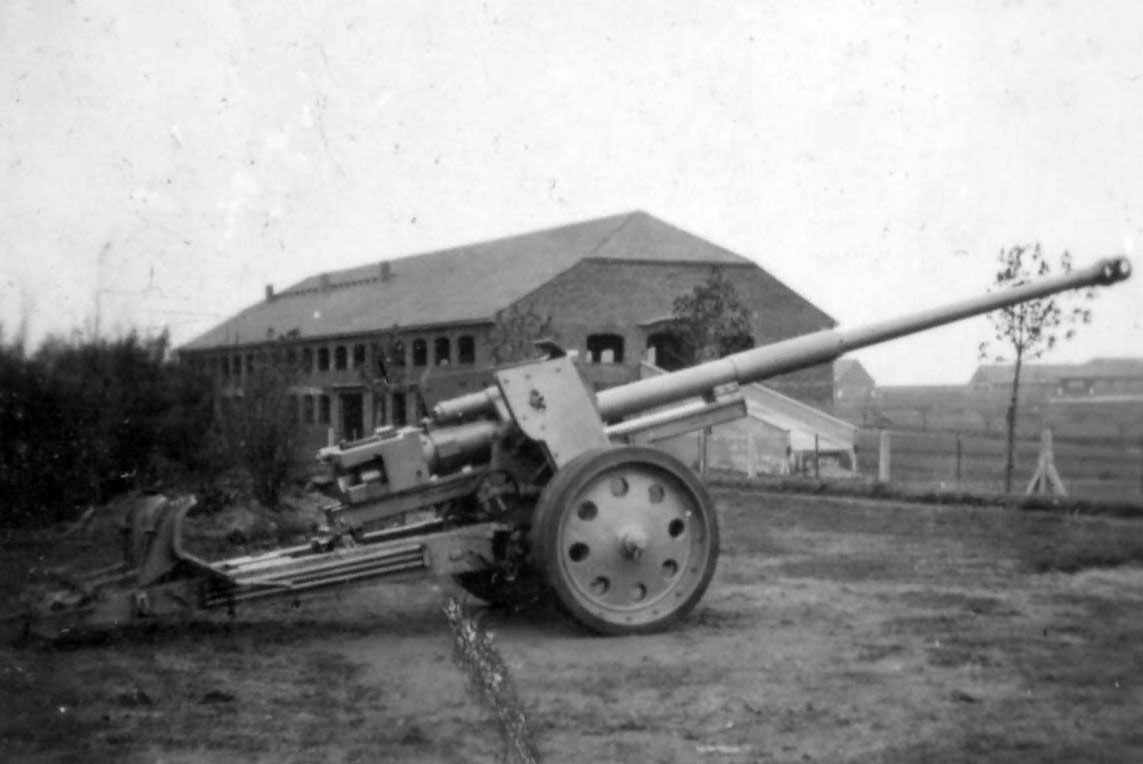
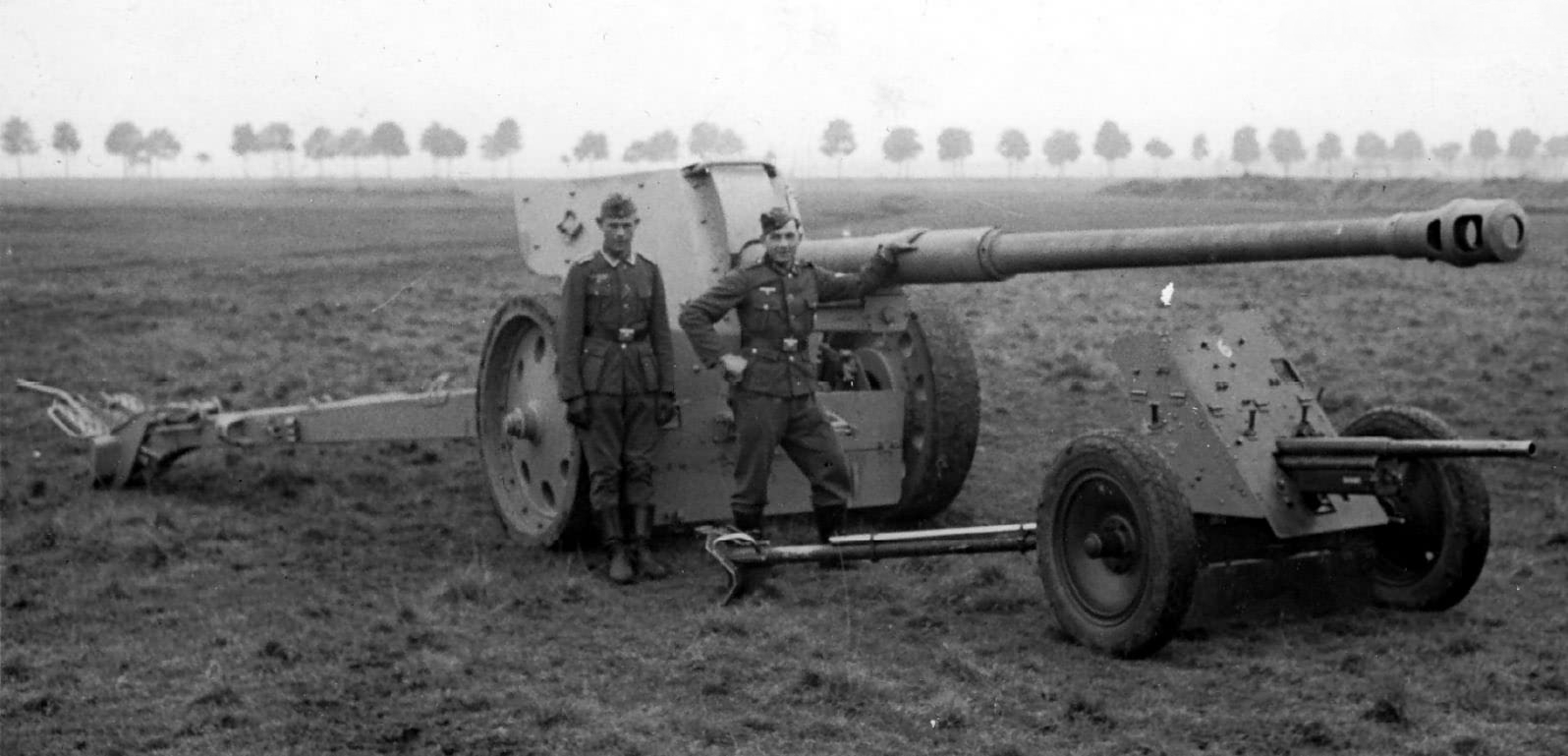
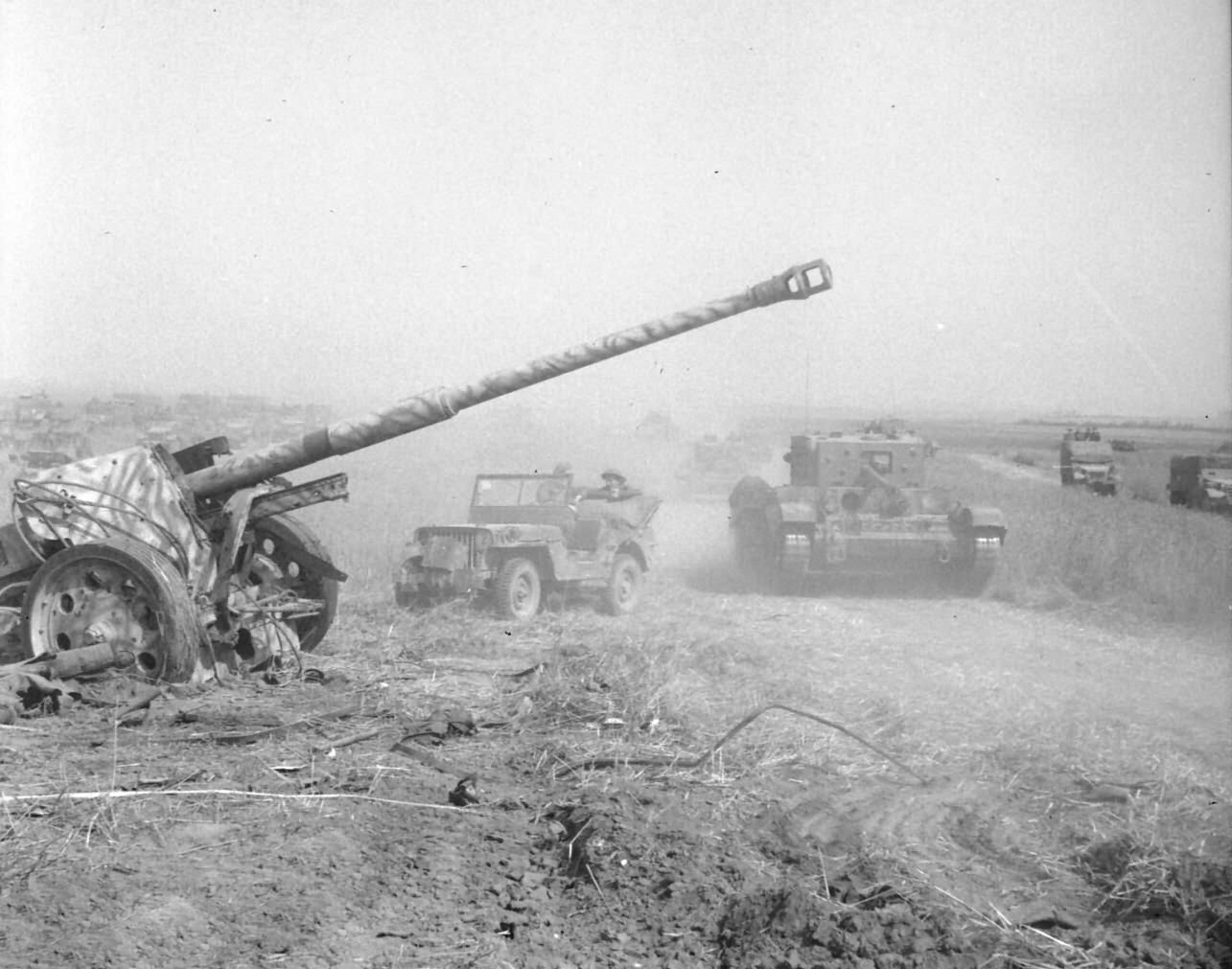
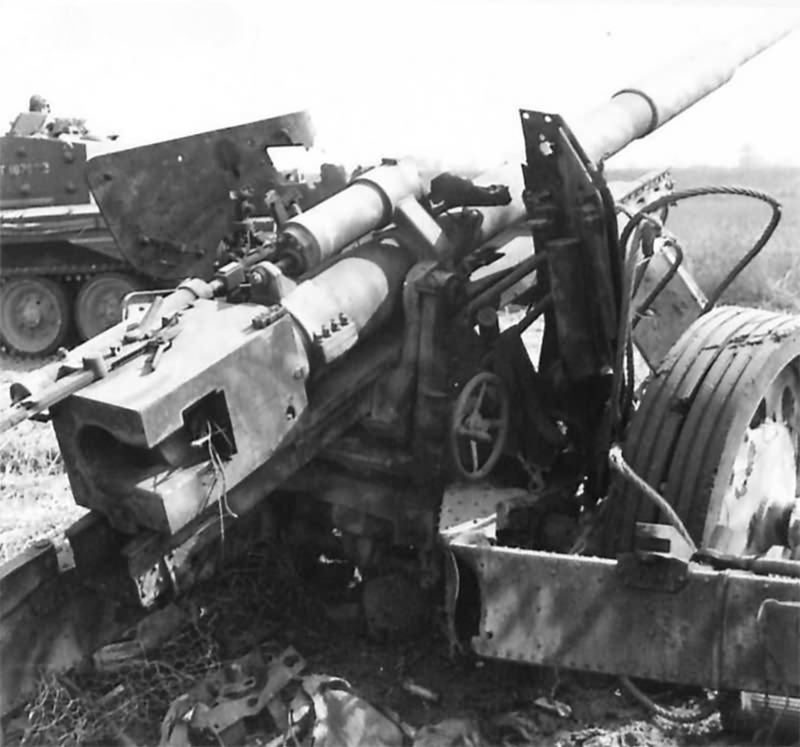
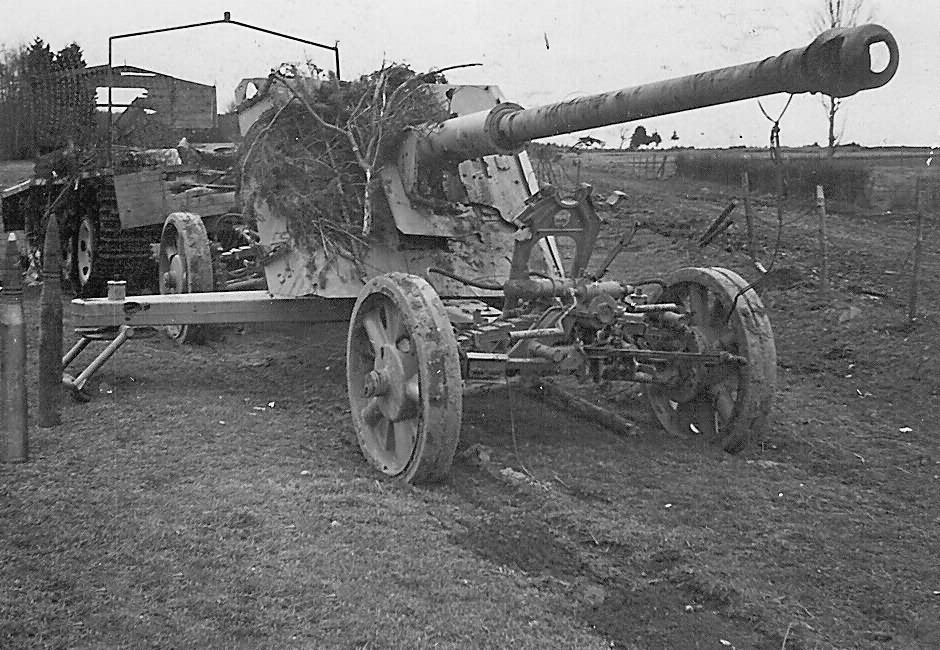
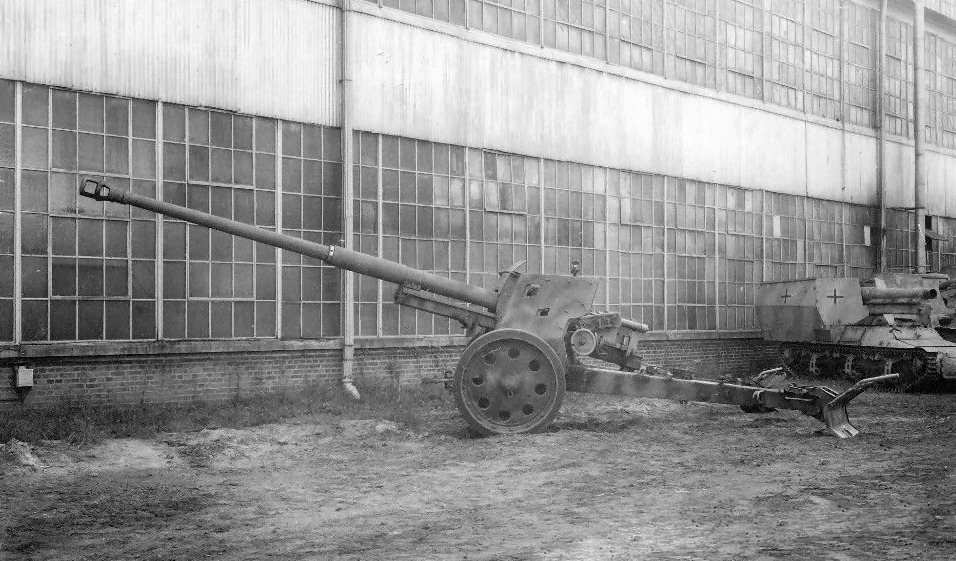
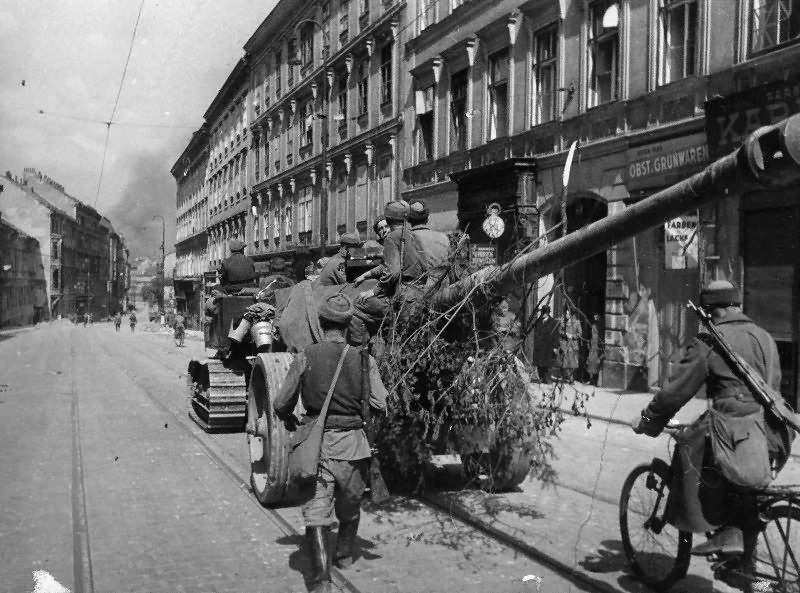
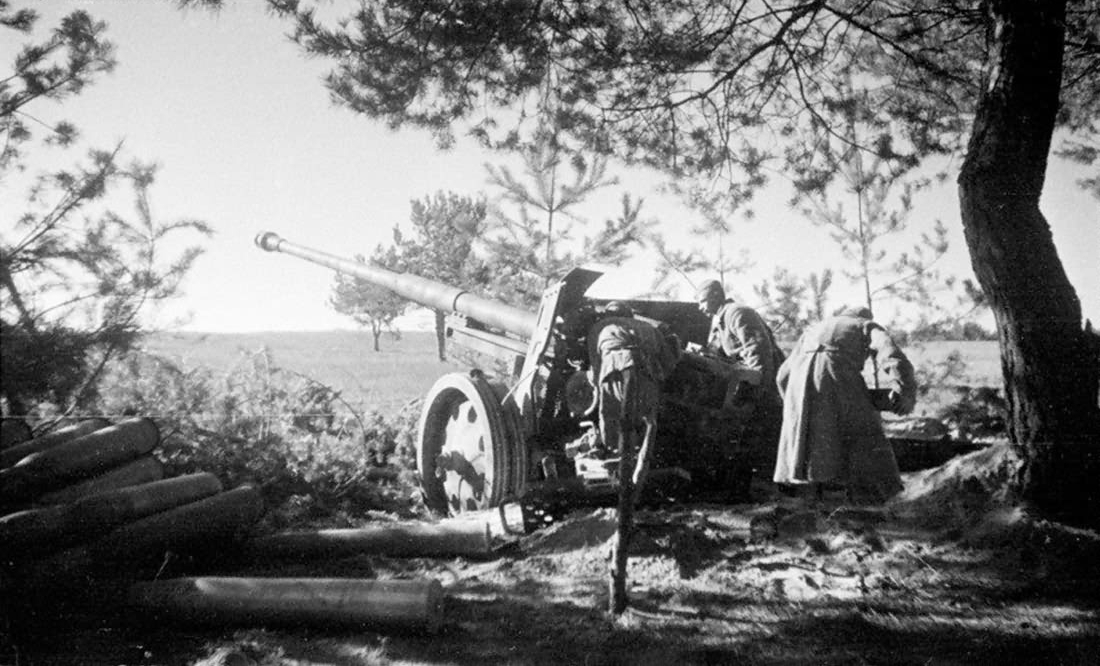
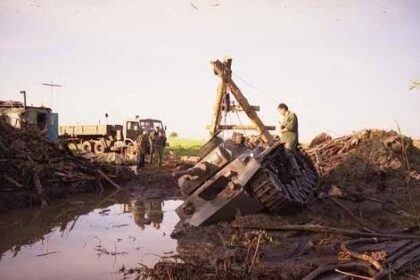
The 8.8 cm PaK 43 (Panzerabwehrkanone 43) was a formidable German 88 mm anti-tank gun developed by Krupp during World War II, serving as a dedicated anti-tank response to Rheinmetall’s 88 mm anti-aircraft design. Widely regarded as one of the best anti-tank weapons of the war, the PaK 43 possessed exceptional armor-penetrating capabilities capable of destroying heavily armored Allied tanks such as the Soviet IS-2 and American M26 Pershing at long ranges. Beyond its towed anti-tank role, modified variants were utilized as the primary armament for several prominent German armored fighting vehicles, including the Tiger II heavy tank (8.8 cm KwK 43) and the Nashorn, Elefant, and Jagdpanther tank destroyers. Due to a shortage of its standard four-wheeled cruciform carriage, a simplified hybrid variant mounted on a 105 mm howitzer carriage was produced under the designation PaK 43/41. Despite its incredible firepower, the gun was complex to manufacture—resulting in lower production figures than desired—and its massive size made it difficult to transport, maneuver, or camouflage on the battlefield, especially under Allied air supremacy late in the war. Nevertheless, over 3,500 units were produced across all variants, remaining a feared weapon on every front until the end of the conflict.