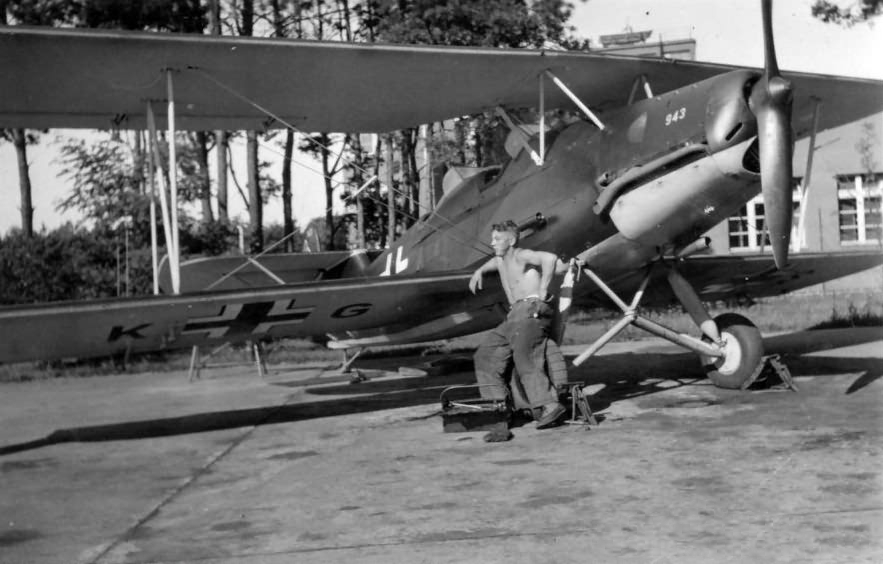
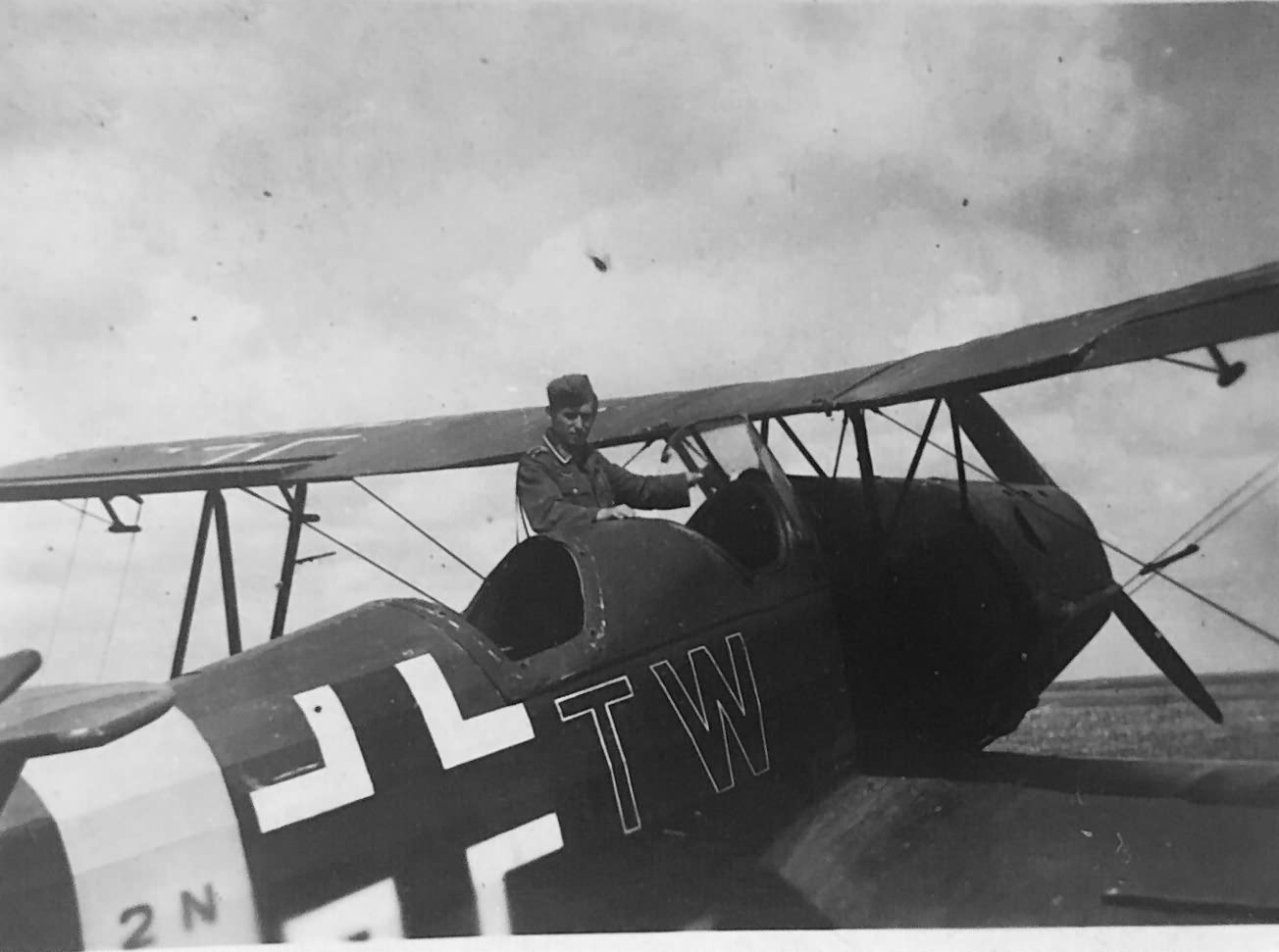
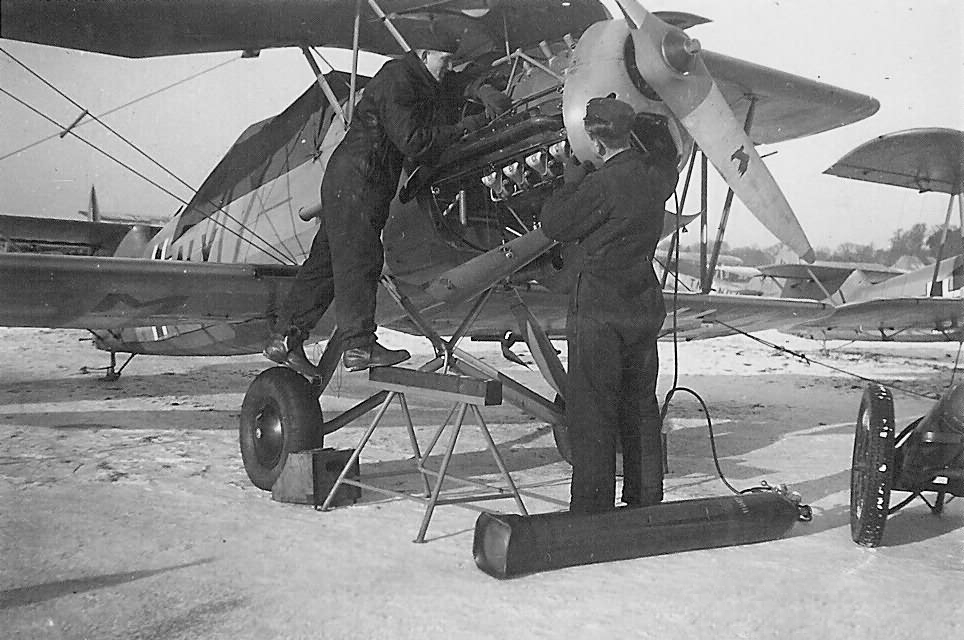
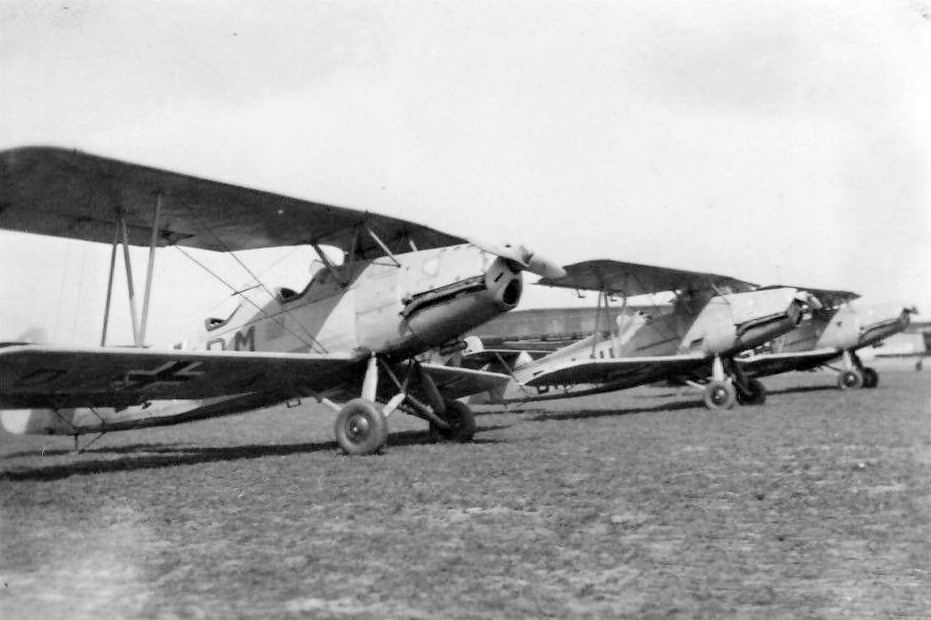
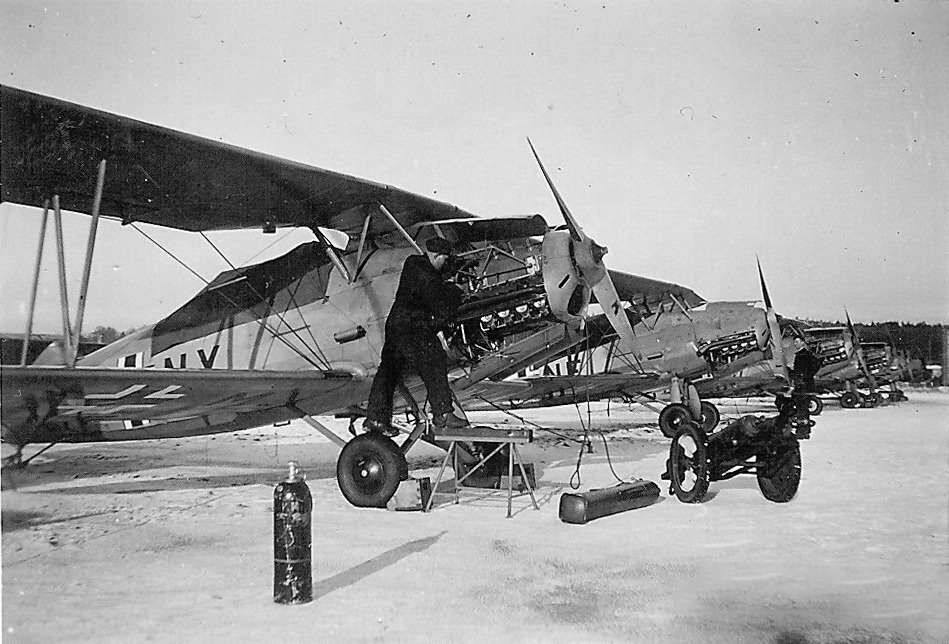
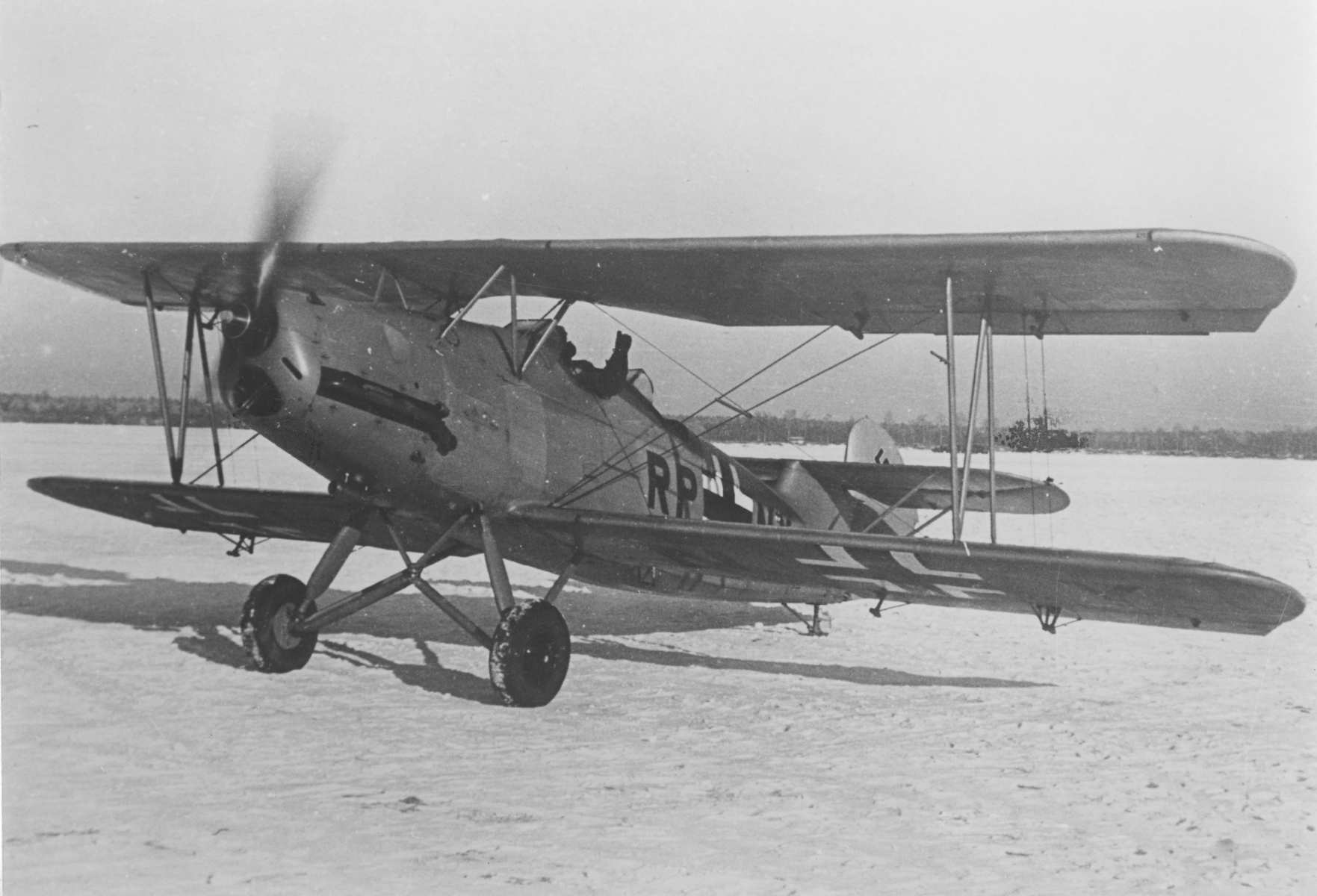
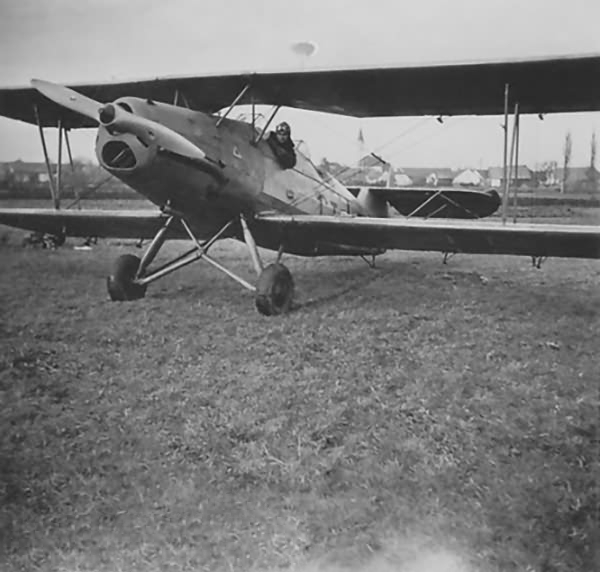
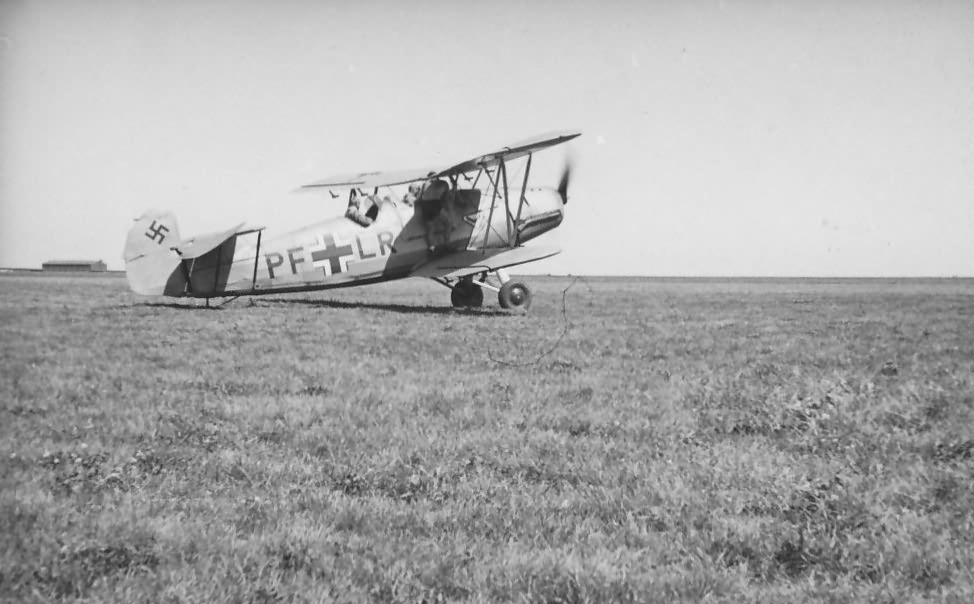
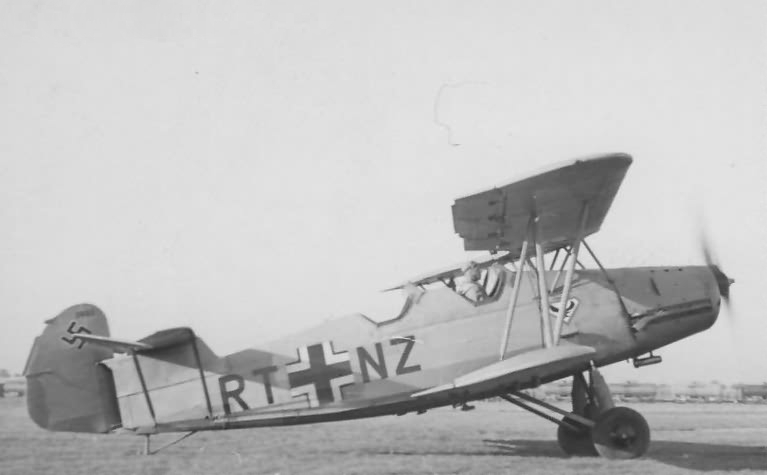
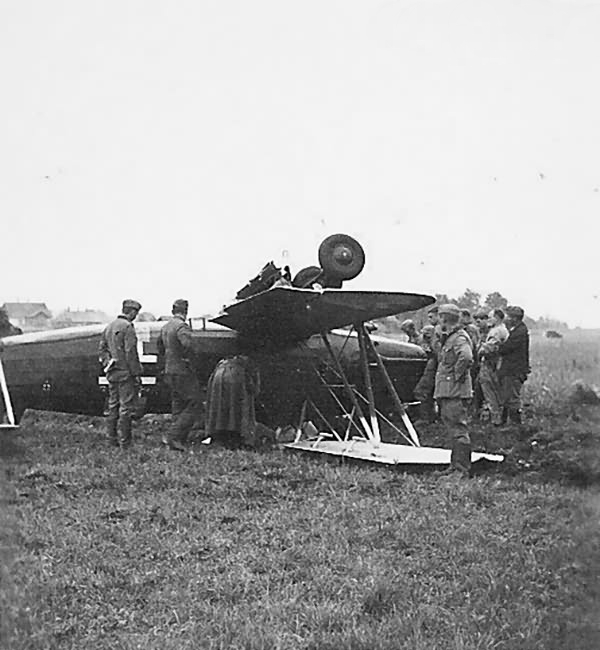
Arado Ar 66 was a German two-seat, mixed-construction trainer biplane developed in the early 1930s under designers Walter Rethel and Walter Blume as a variant of the Ar 65 fighter, featuring interchangeable upper and lower wings to reduce production costs. First flown in 1932 (prototype Ar 66A), the aircraft entered mass production in 1933, yielding a total of 1,456 units across various variants, including the floatplane Ar 66B and the widely used trainer variant Ar 66C. Powered by an Argus As 10C inline engine driving a 2.5-meter wooden propeller, the open-cockpit, fixed-landing-gear aircraft served as a primary trainer in numerous Luftwaffe pilot schools throughout World War II, saw service during the Spanish Civil War (6 units sold to Franco’s forces in 1937), and was briefly operated post-war by Czechoslovak aviation. Additionally, starting in 1943, the Ar 66C was adapted for light harassment roles inspired by Soviet Po-2 tactics, equipped to drop up to 4 kg bombs with five Night Ground Attack Groups (Nachtschlachtgruppen) on the Eastern Front, in Finland, and in Latvia, as well as by the collaborationist 1st Eastern Aviation Squadron.