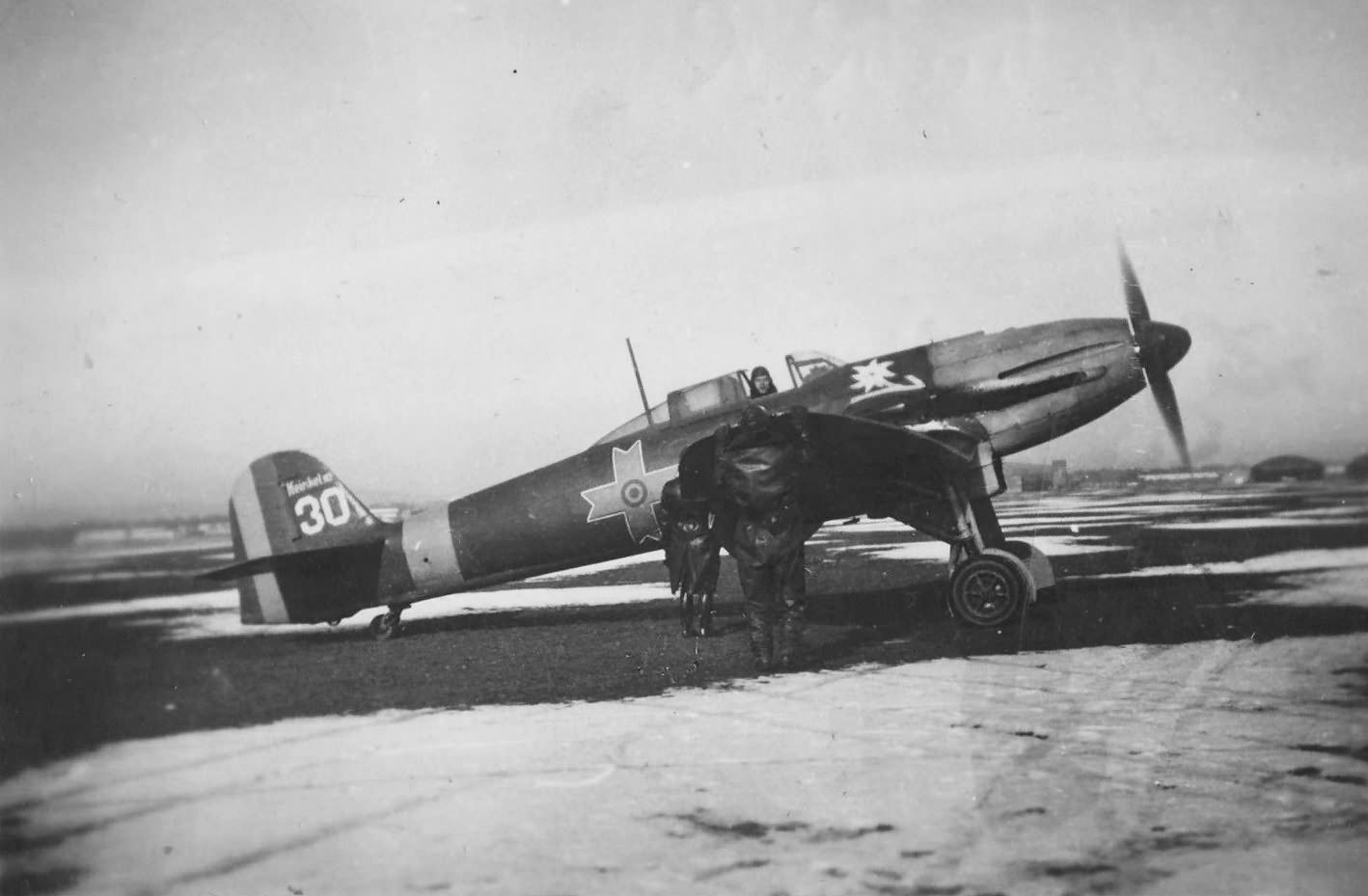
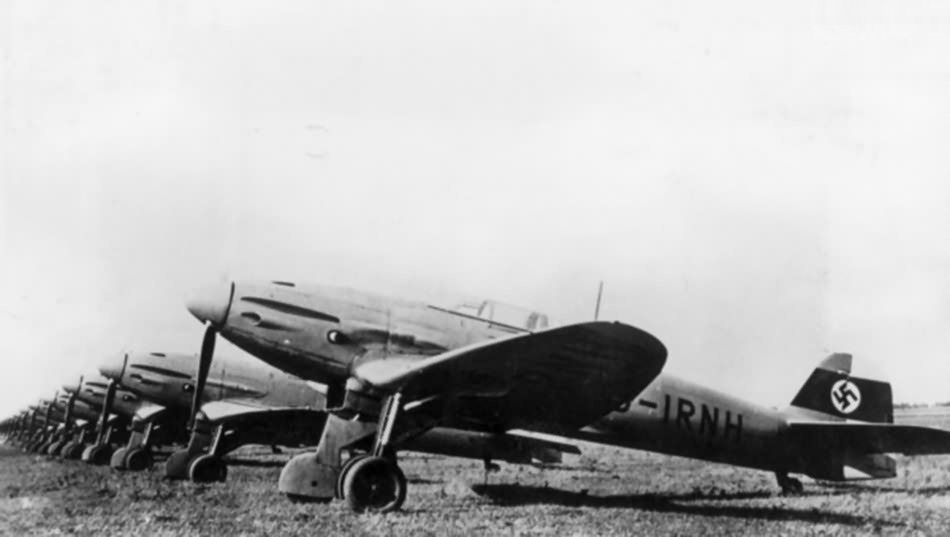
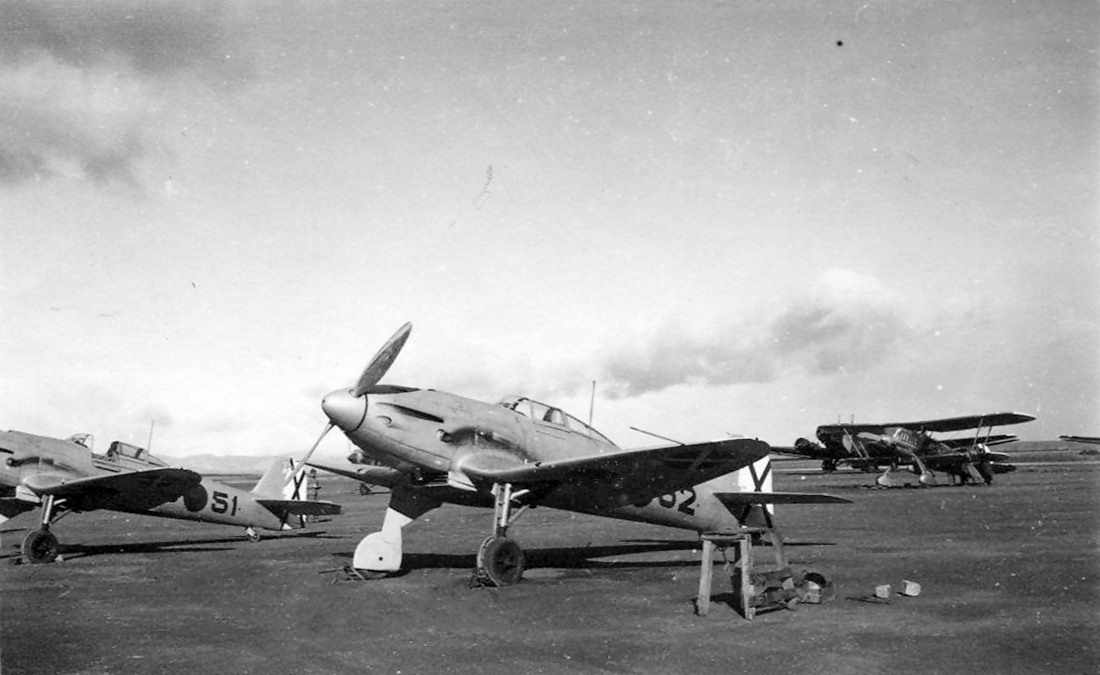
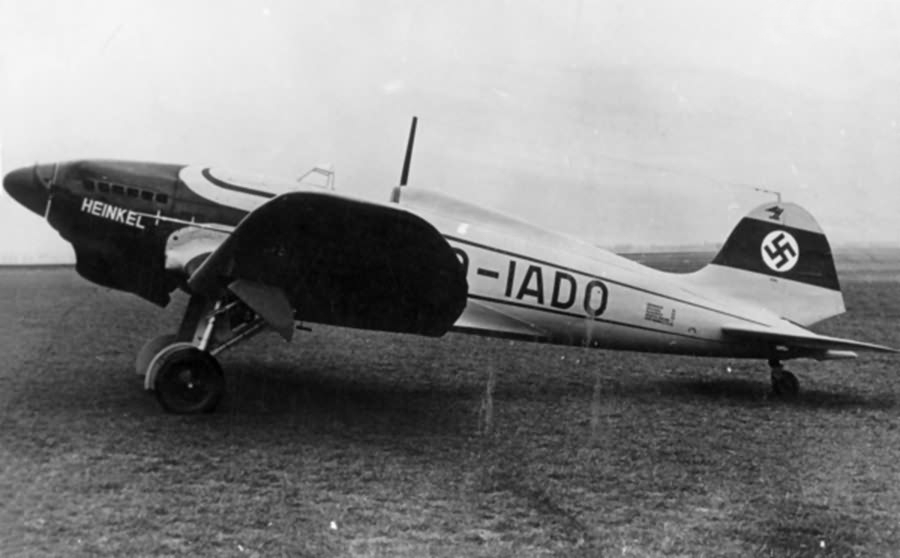
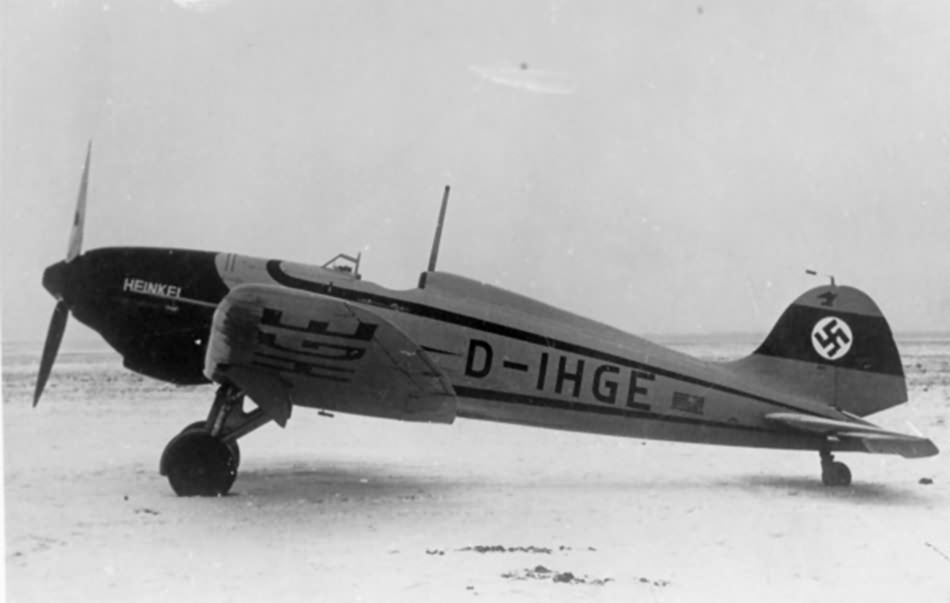
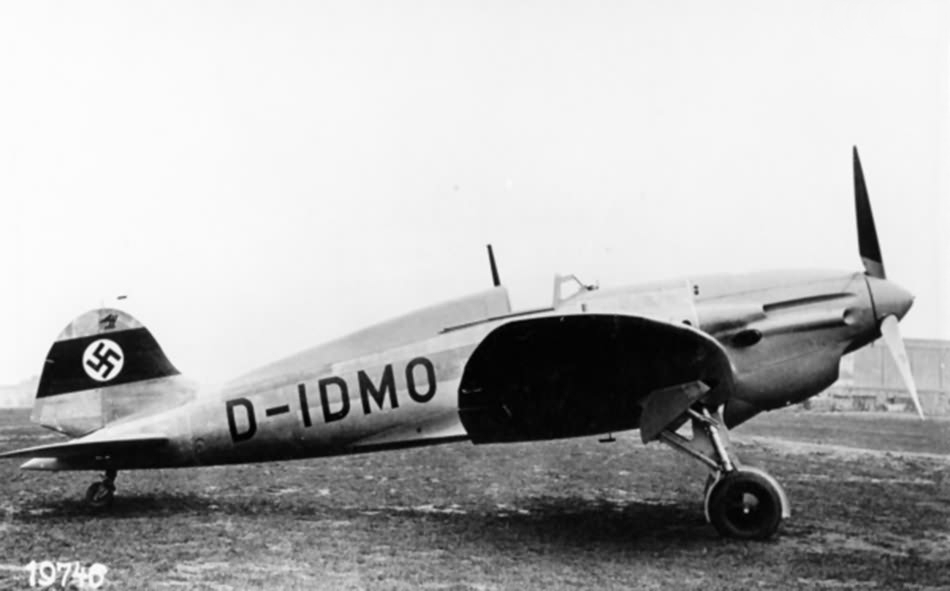
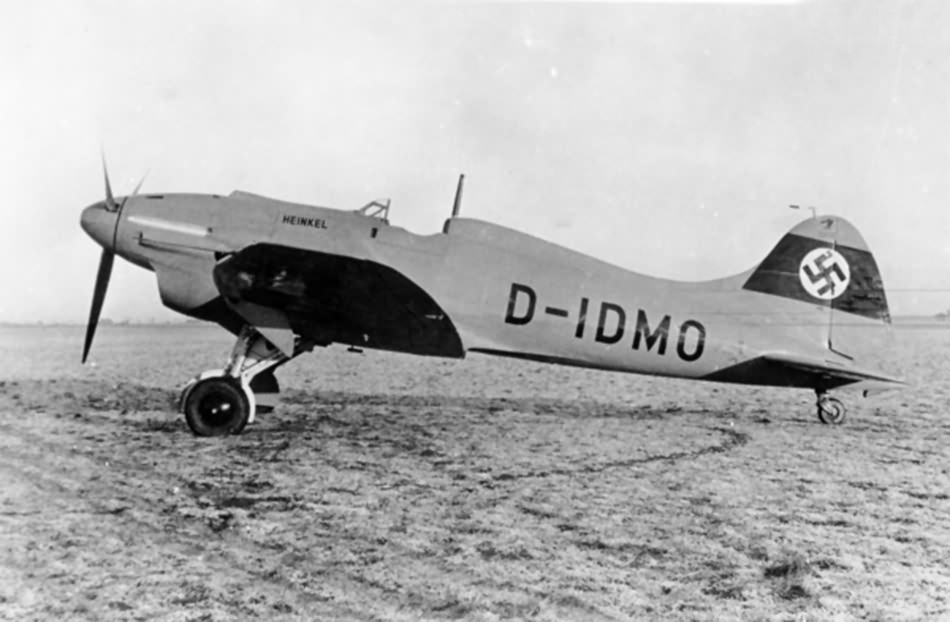
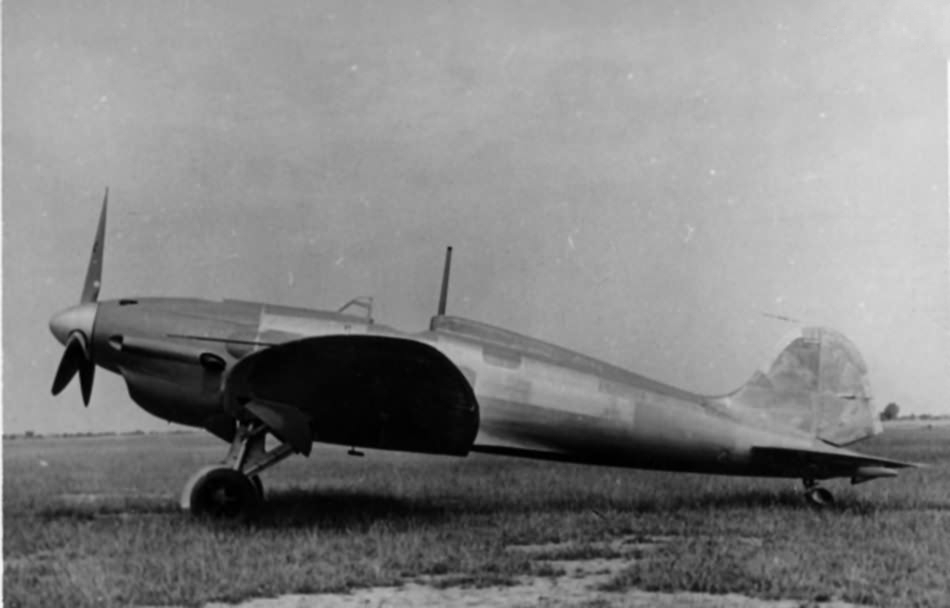
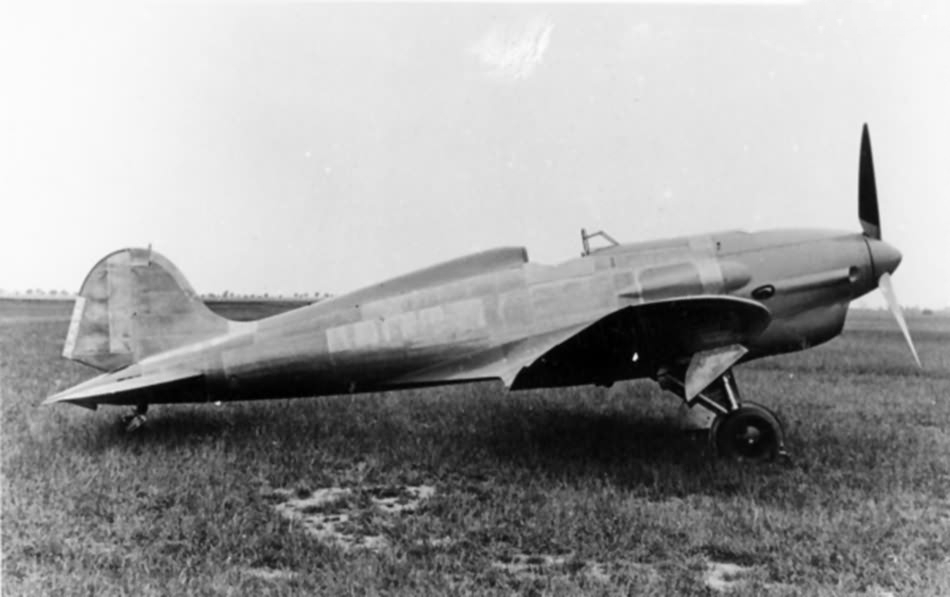
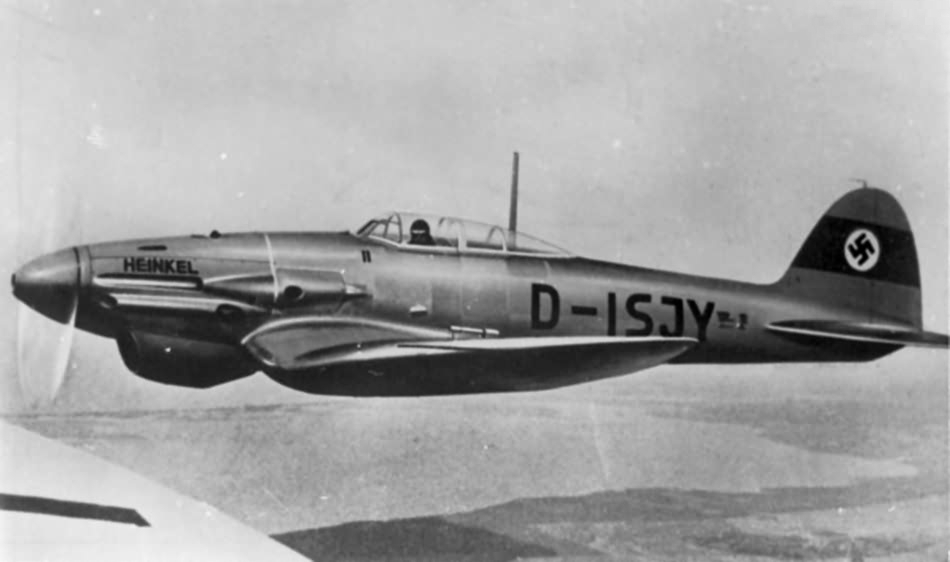
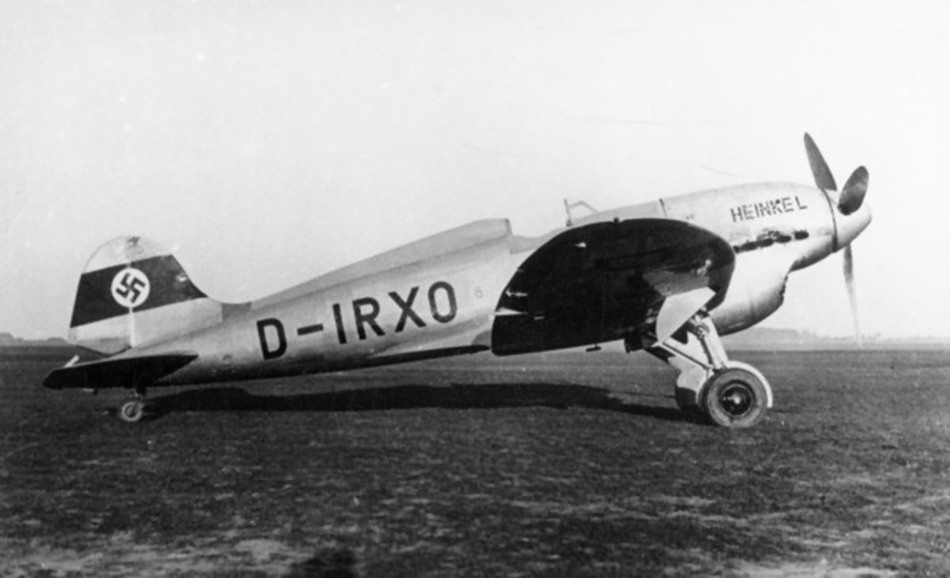
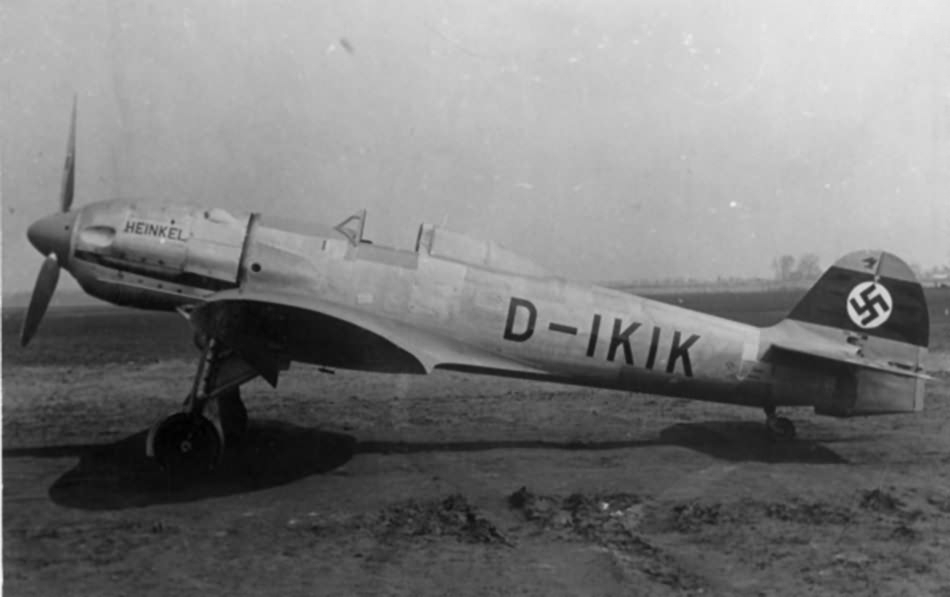
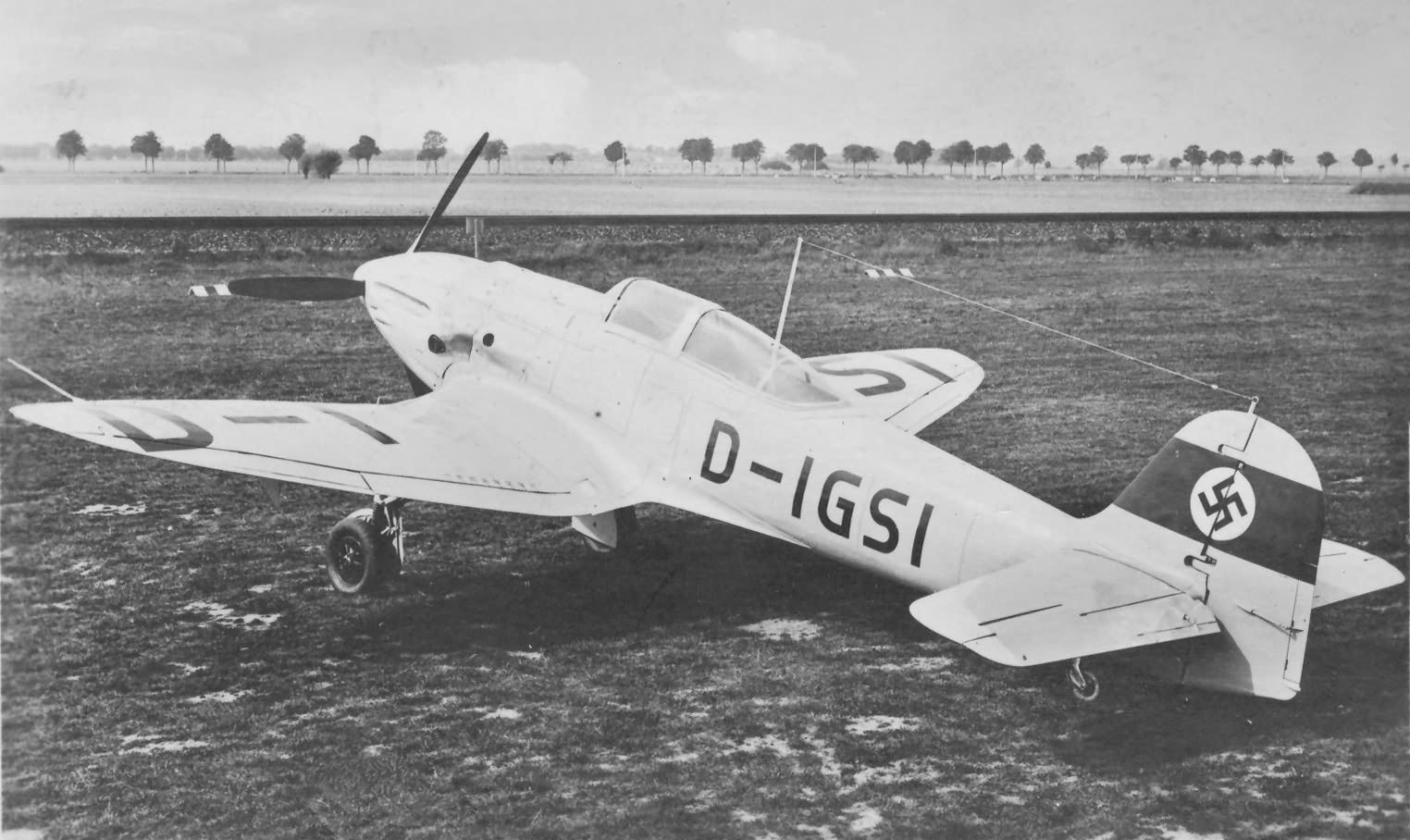
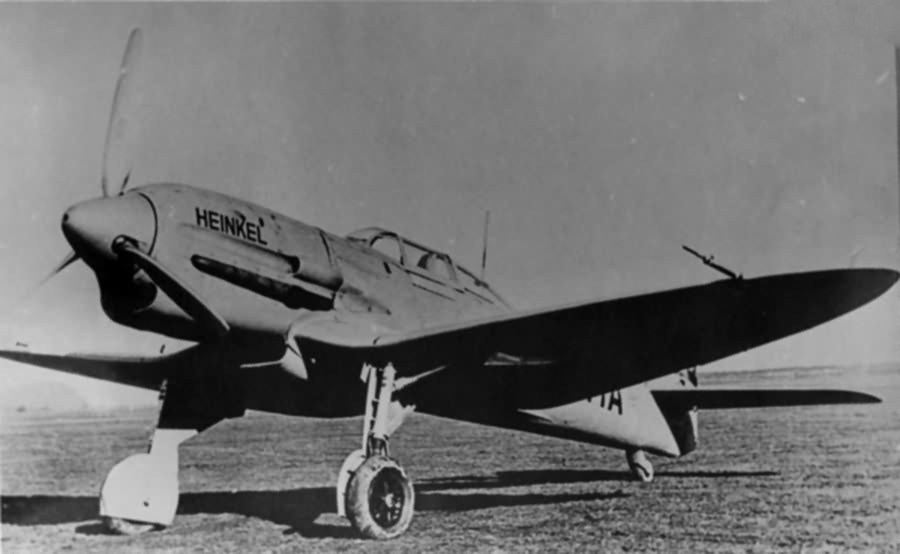
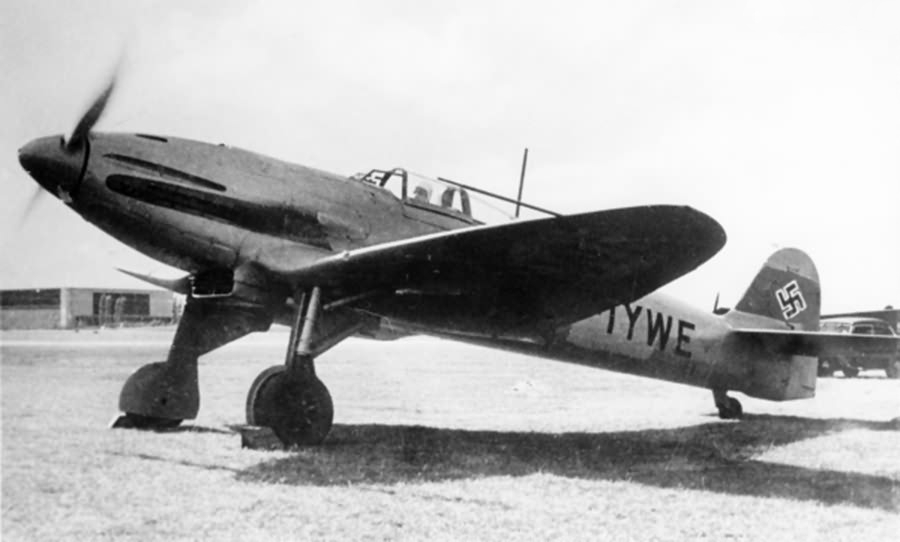
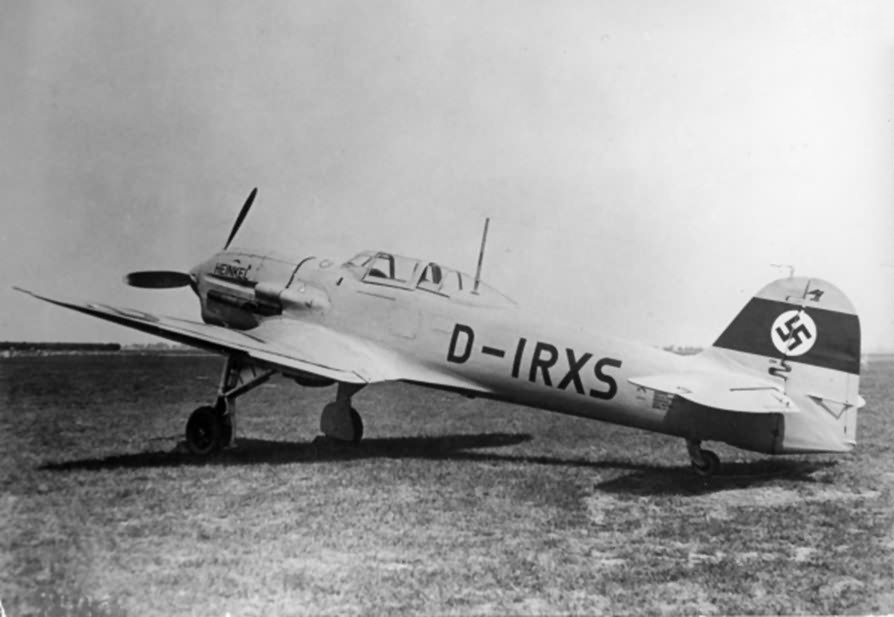
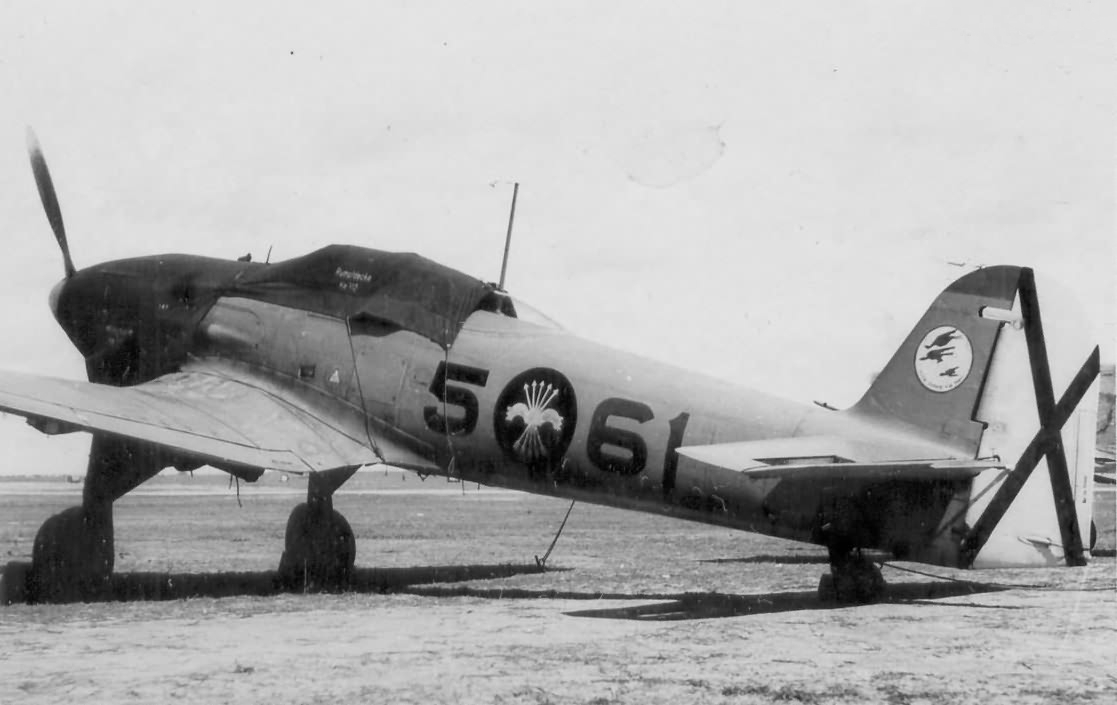
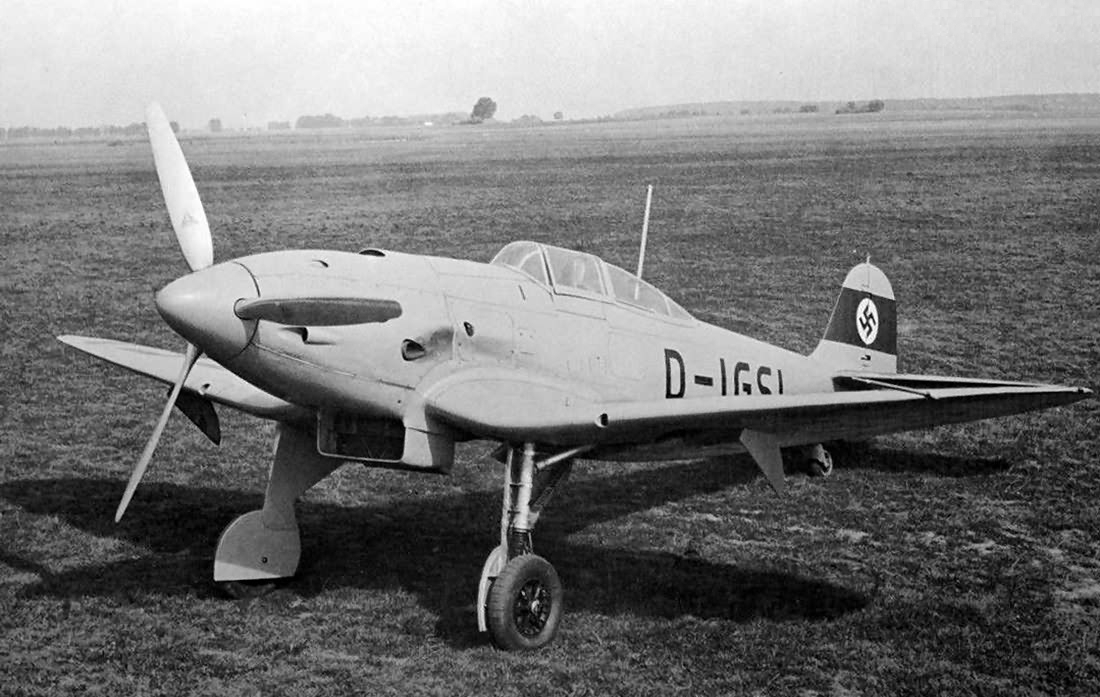
Heinkel He 112 was a German single-engine, low-wing metal monoplane fighter designed in the late 1930s. Though it featured advanced clean aerodynamics, it ultimately lost the Luftwaffe fighter contract competition to the Messerschmitt Bf 109, resulting in a limited total production of only 98 aircraft. Despite missing out on frontline German service—aside from a brief evaluation period with the Luftwaffe before those airframes were returned and sold—the type was exported and operated by several foreign air forces. Japan acquired 31 naval units (designated A7He1 and codenamed “Jerry” by Allied intelligence) for testing and training; Hungary bought 3 units; Spain operated 19 (with flights continuing into the 1953); and Romania acquired 30 aircraft, which saw active combat against Soviet aviation in 1941. Although Romanian pilots praised its dive speed and armament mix of machine guns and autocannons, the He 112 was criticized for poor maneuverability, climb rate, and speed, leading to high losses before the surviving planes were relegated to training roles by 1943 and finally scrapped in 1946. Representative specifications for the early He 112A-0 V4 variant include a maximum speed of 488 km/h, a range of 1,100 km, and a ceiling of 8,000 meters, powered by a 680 hp Junkers Jumo 210 Da inline engine and armed with two 7.92 mm MG 17 machine guns.