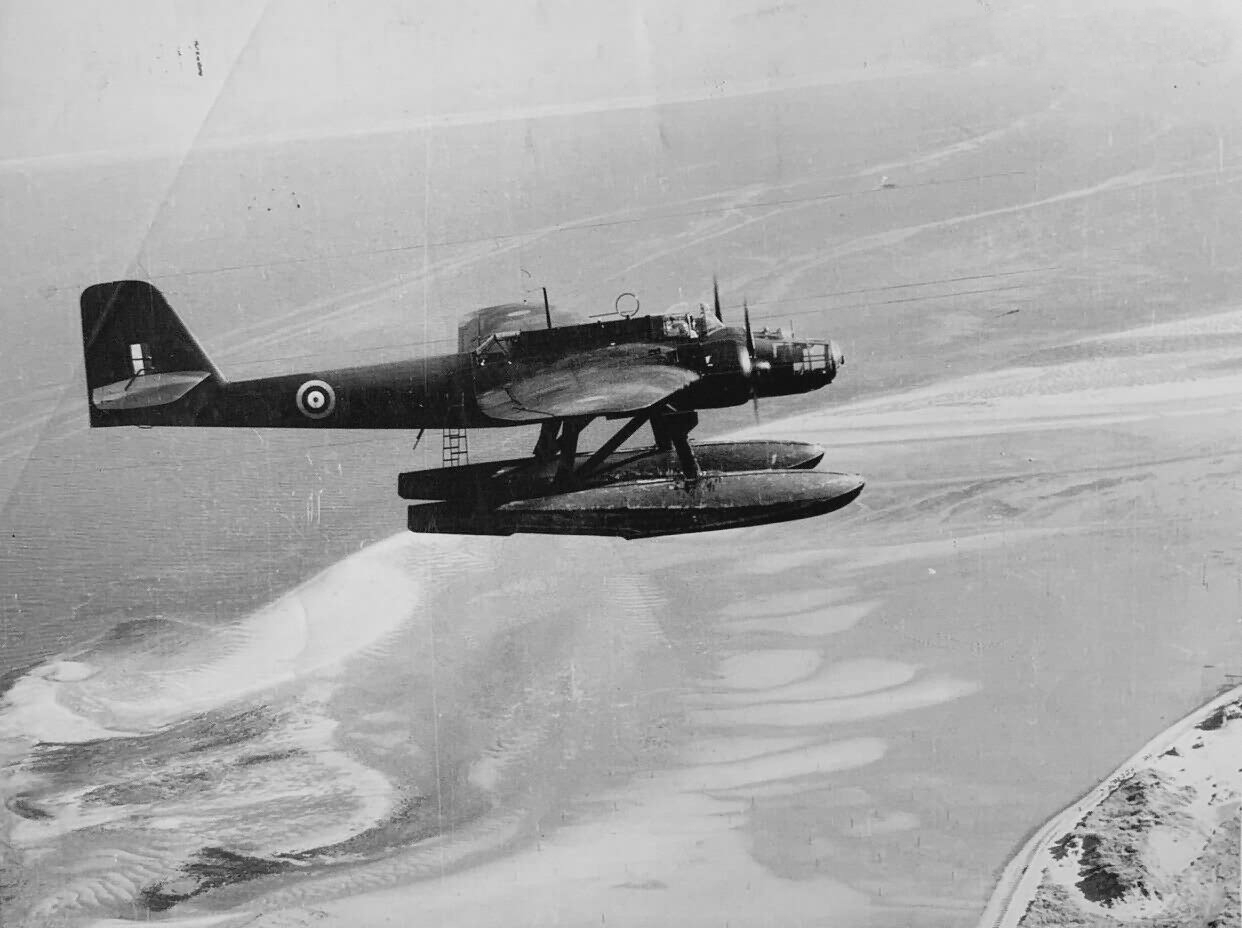
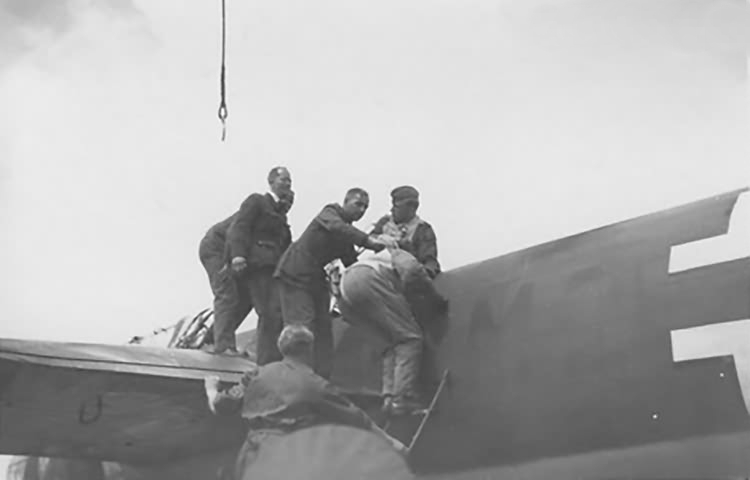
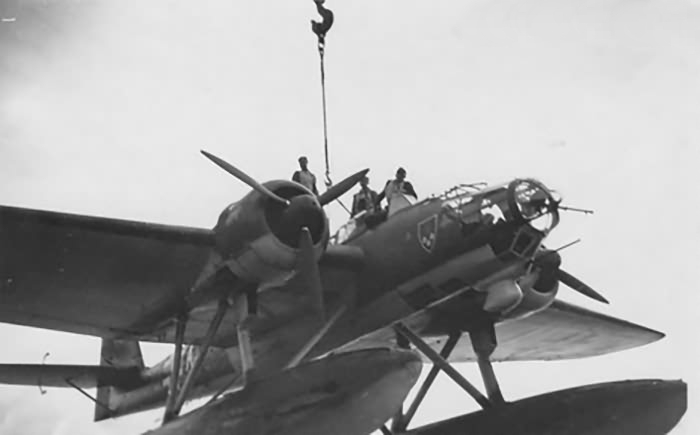
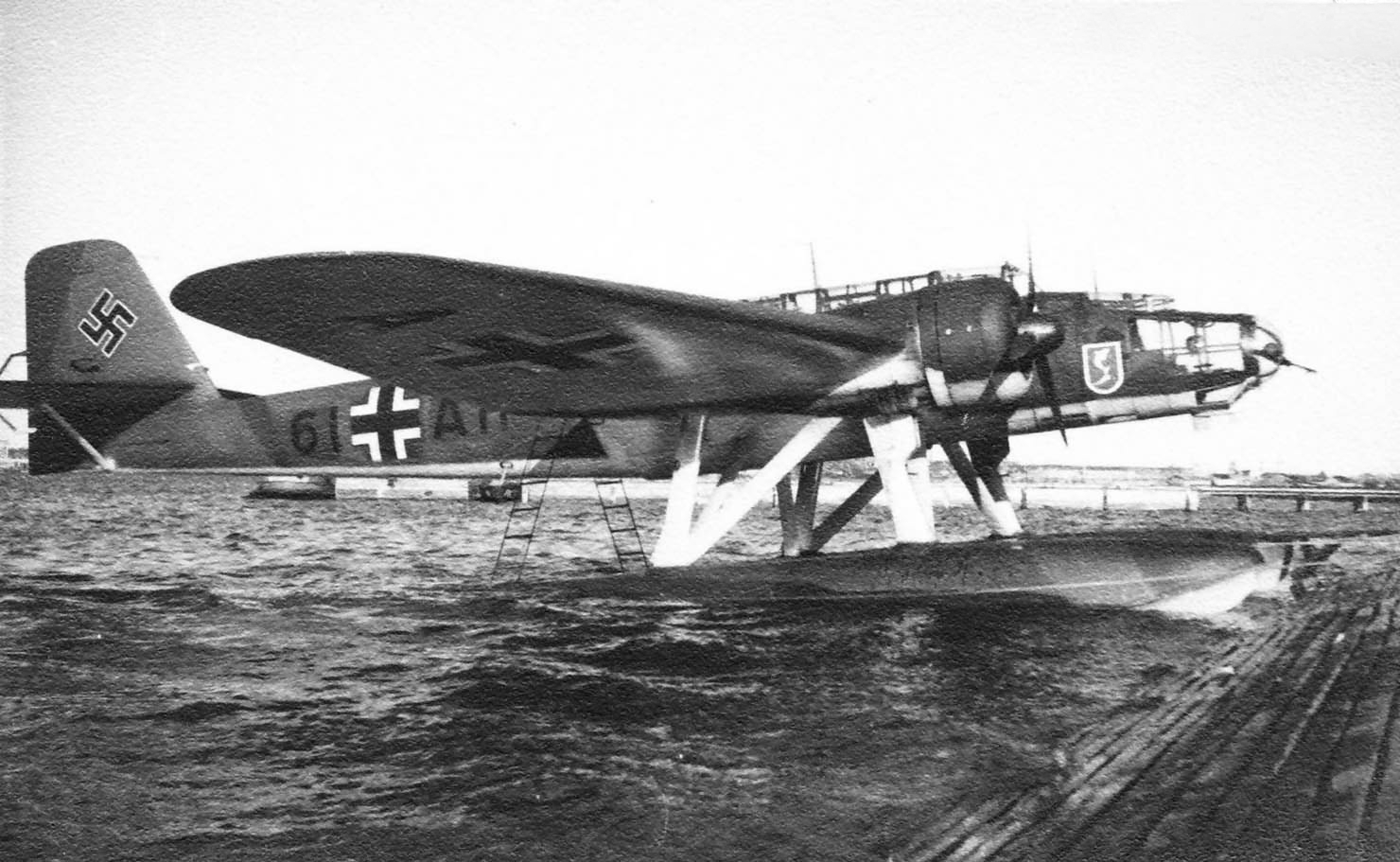
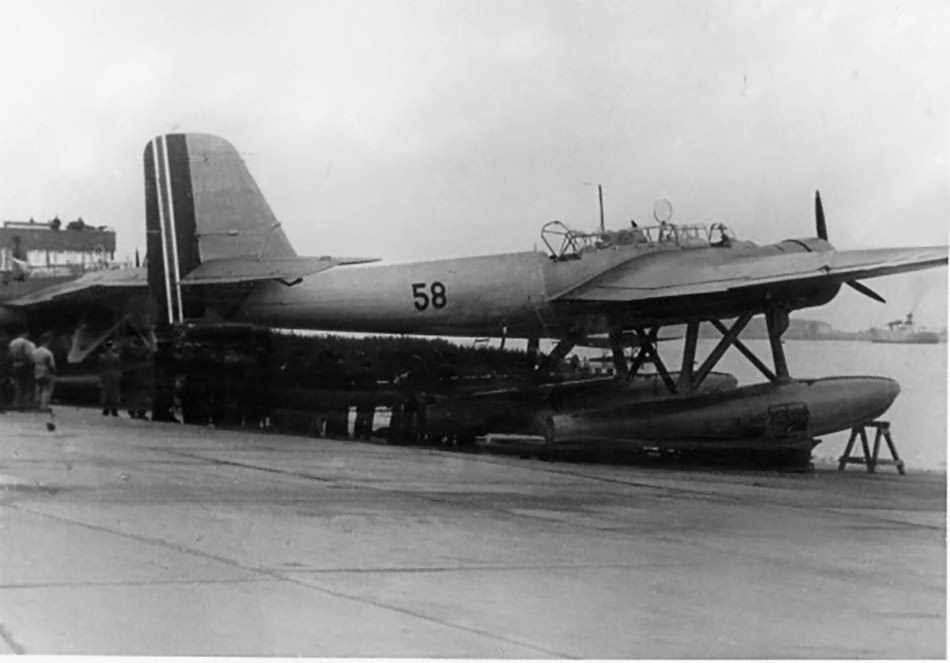
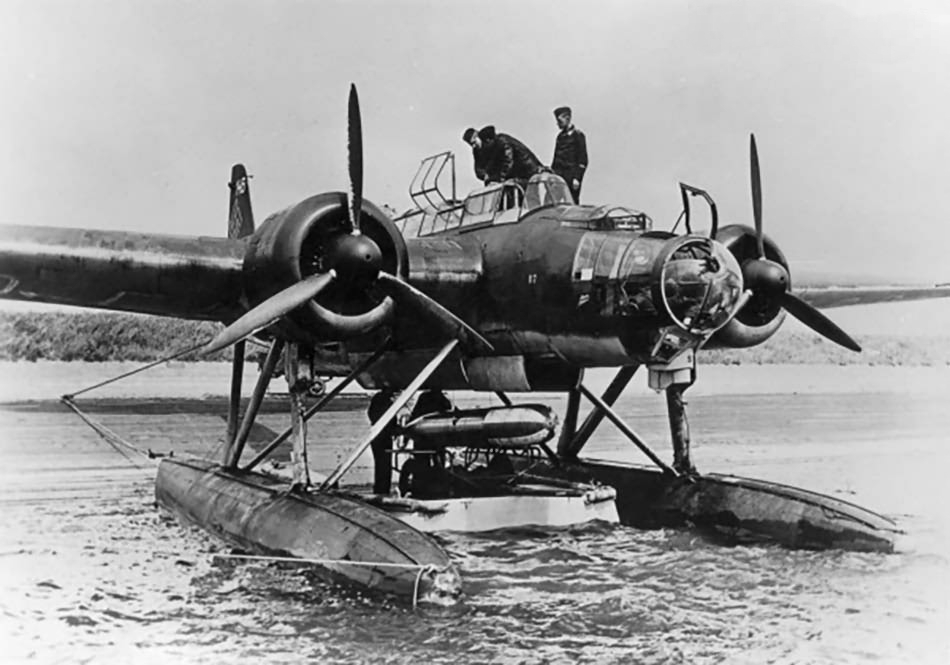
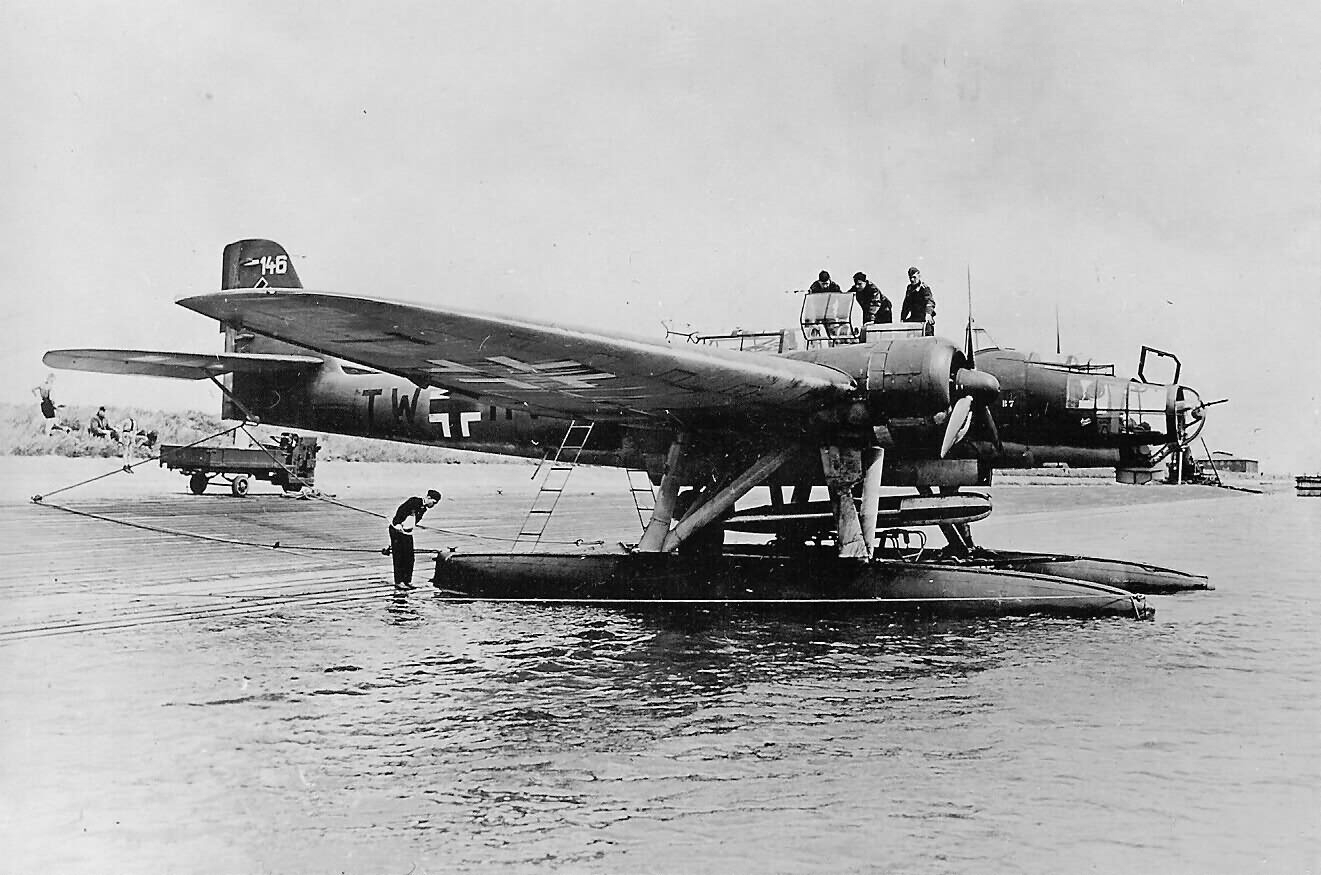
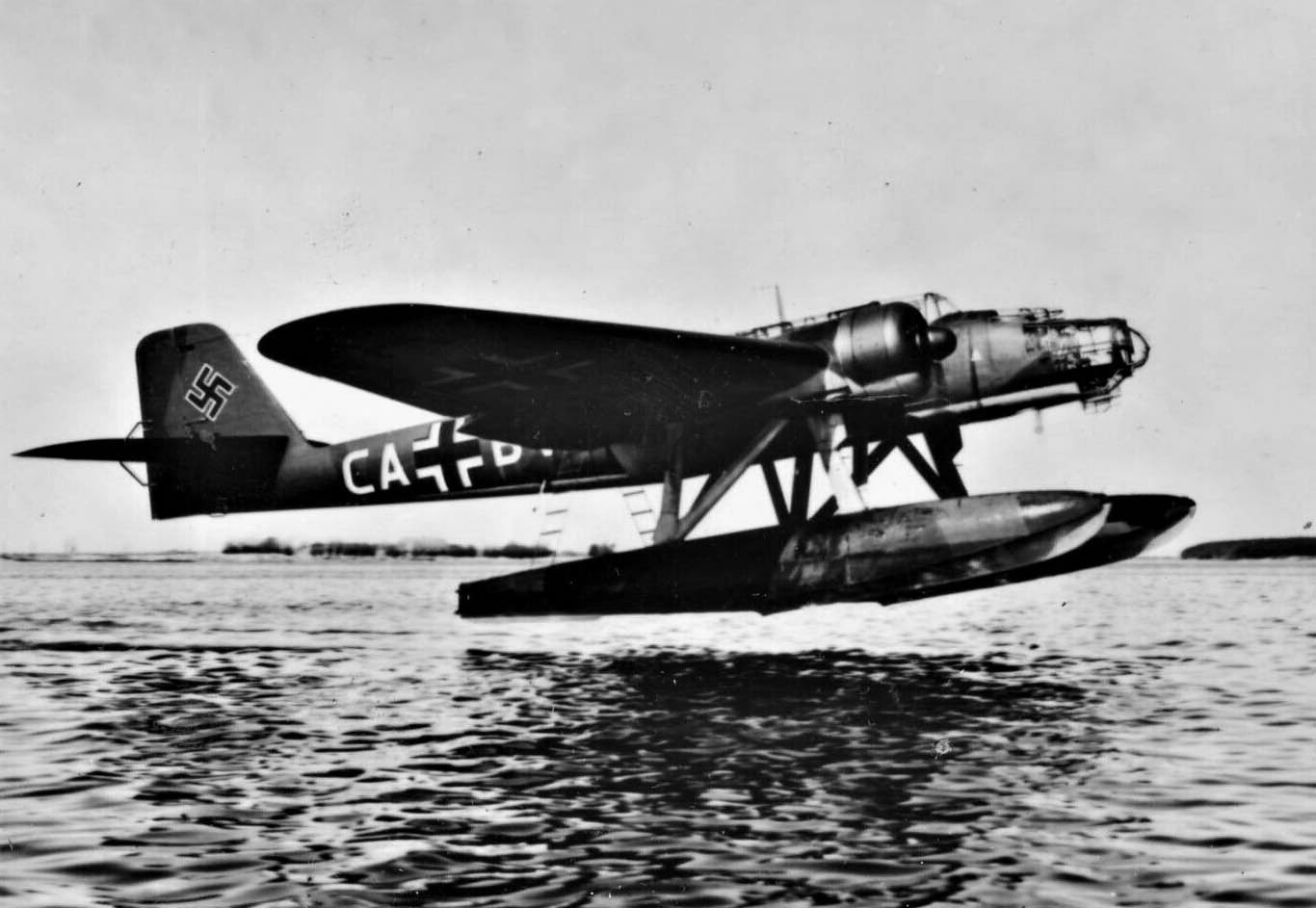
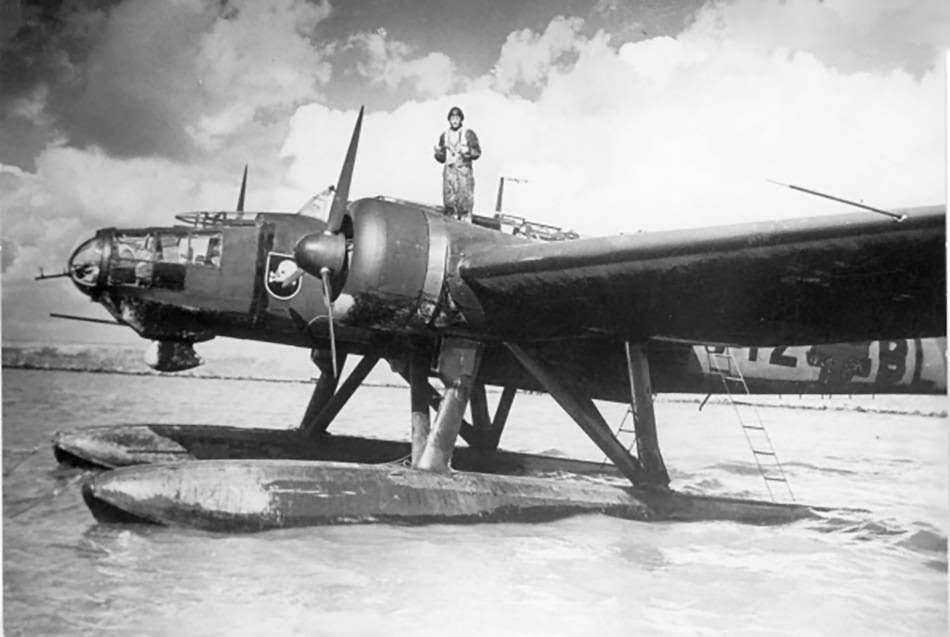
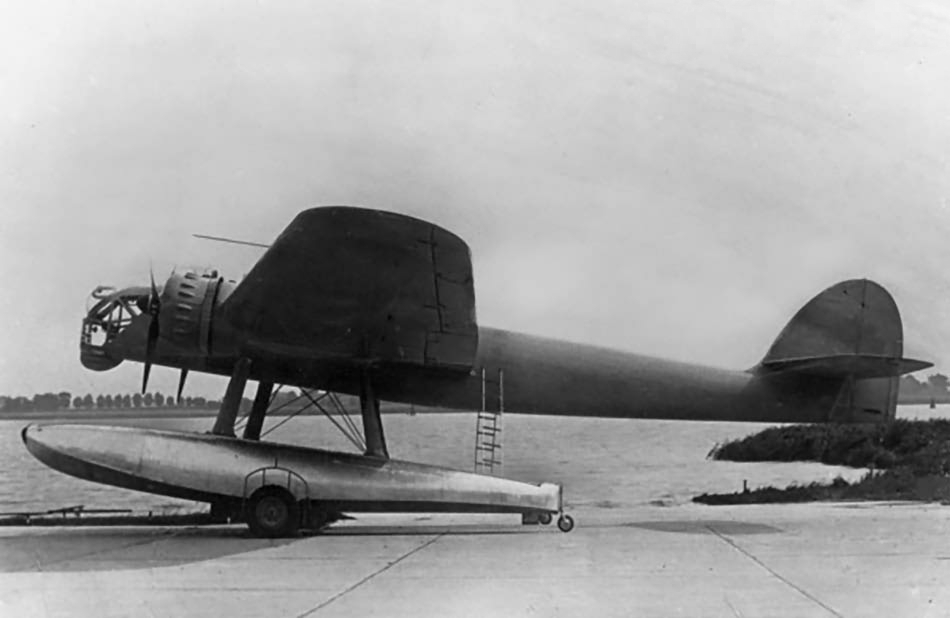
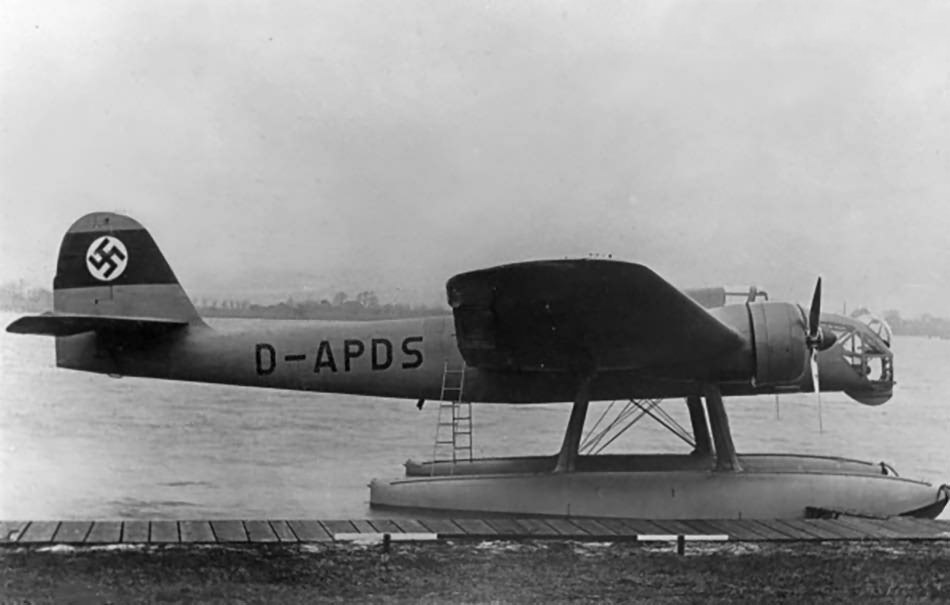
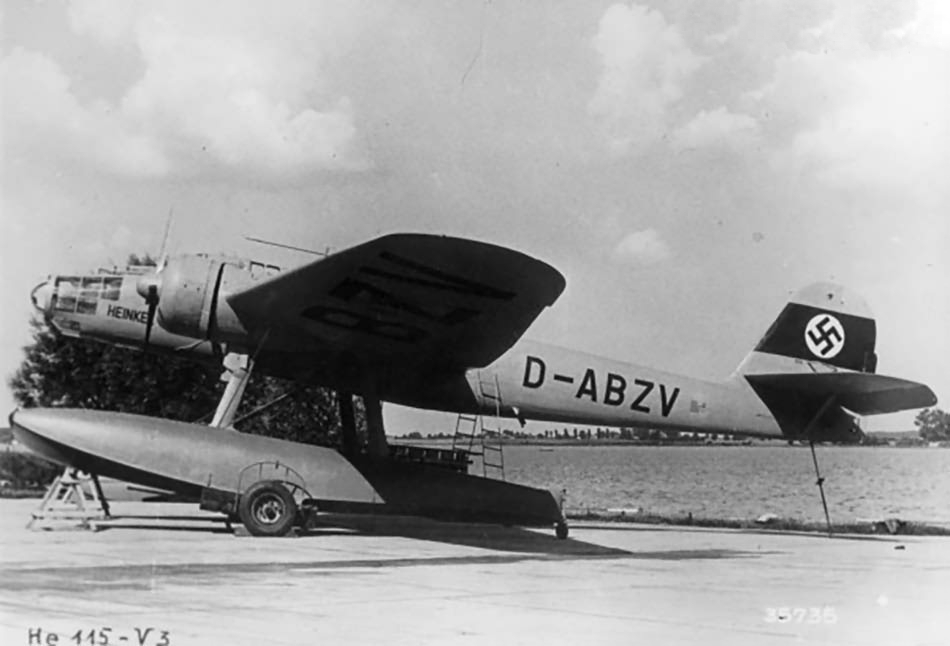
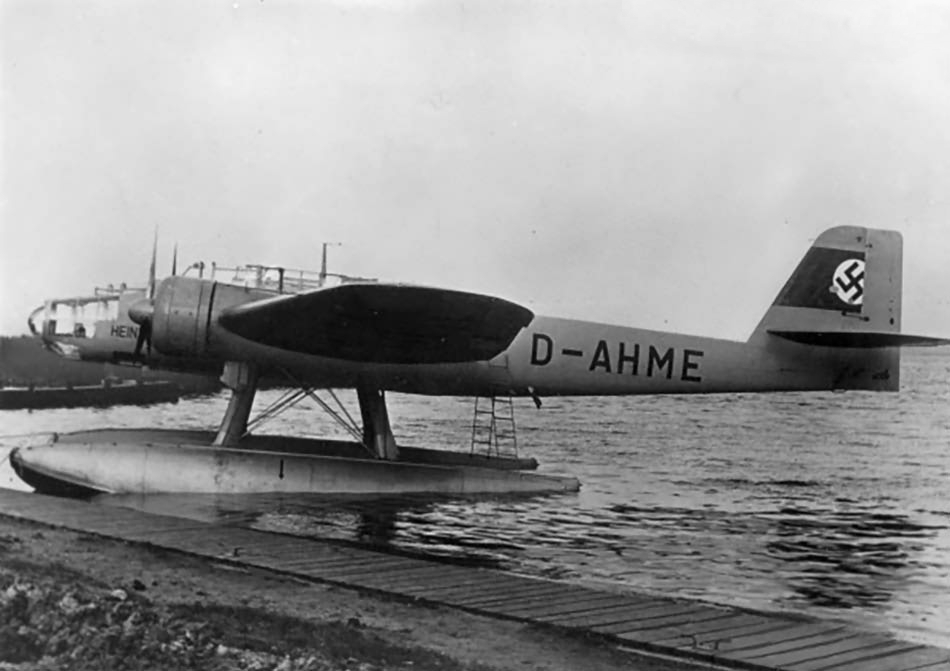
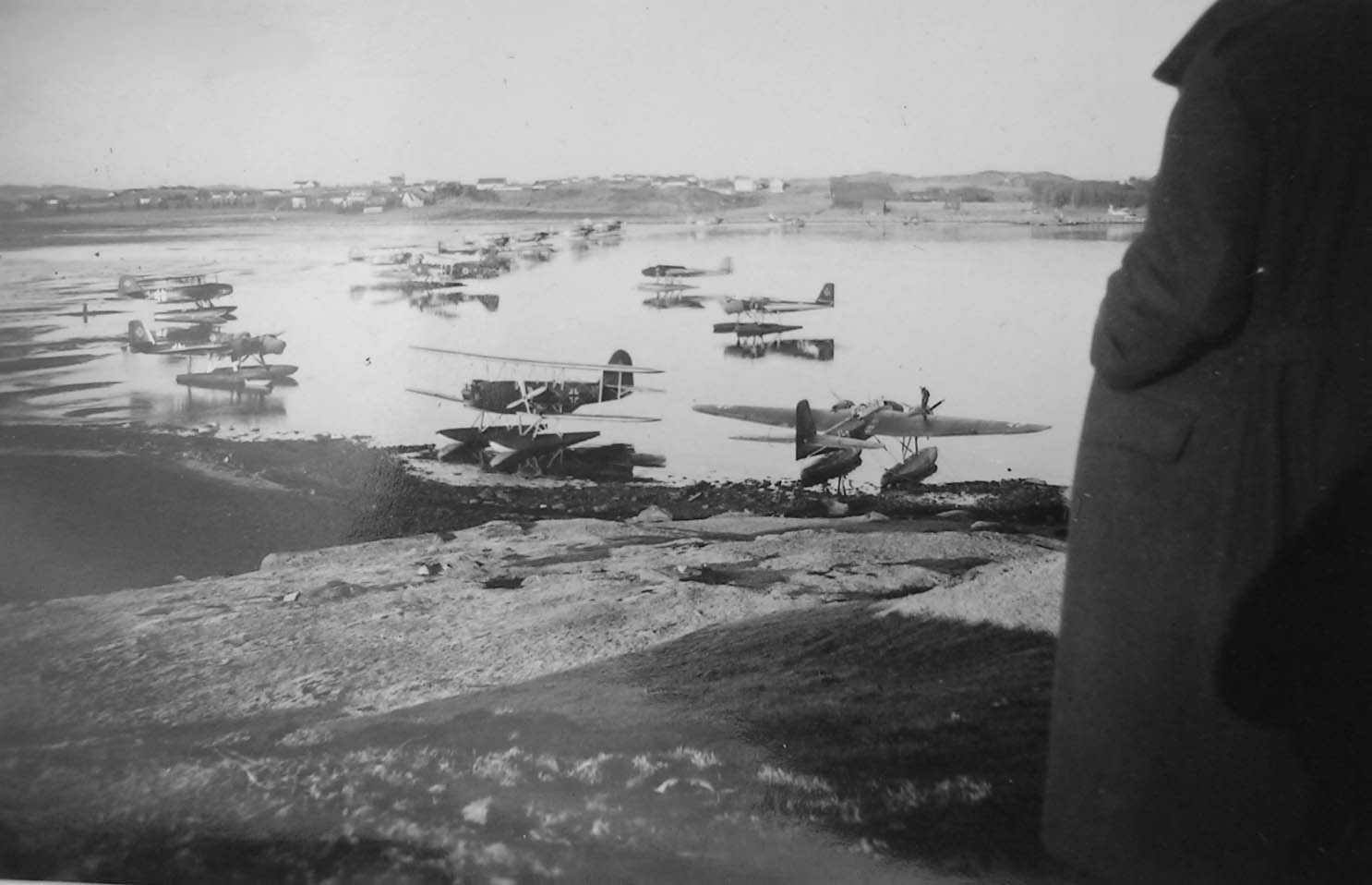
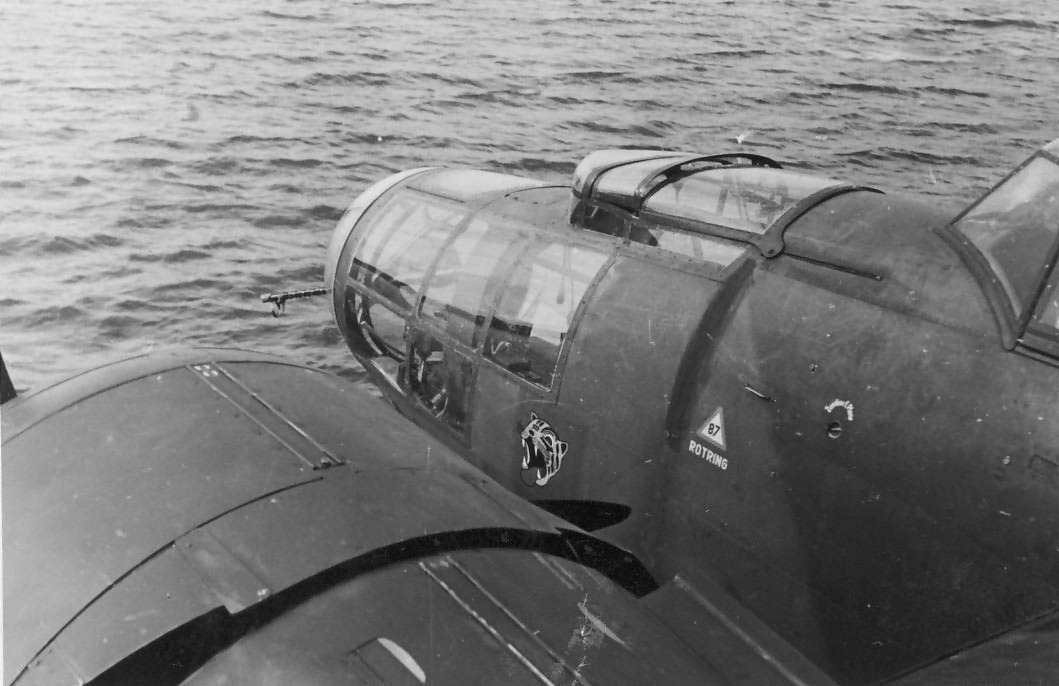
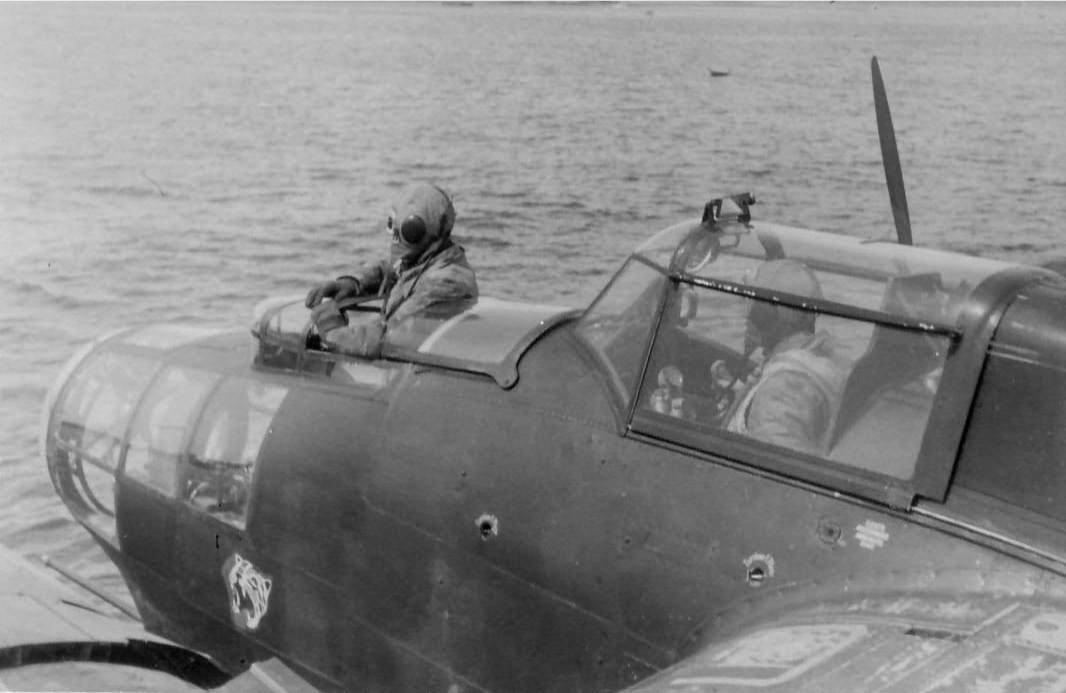
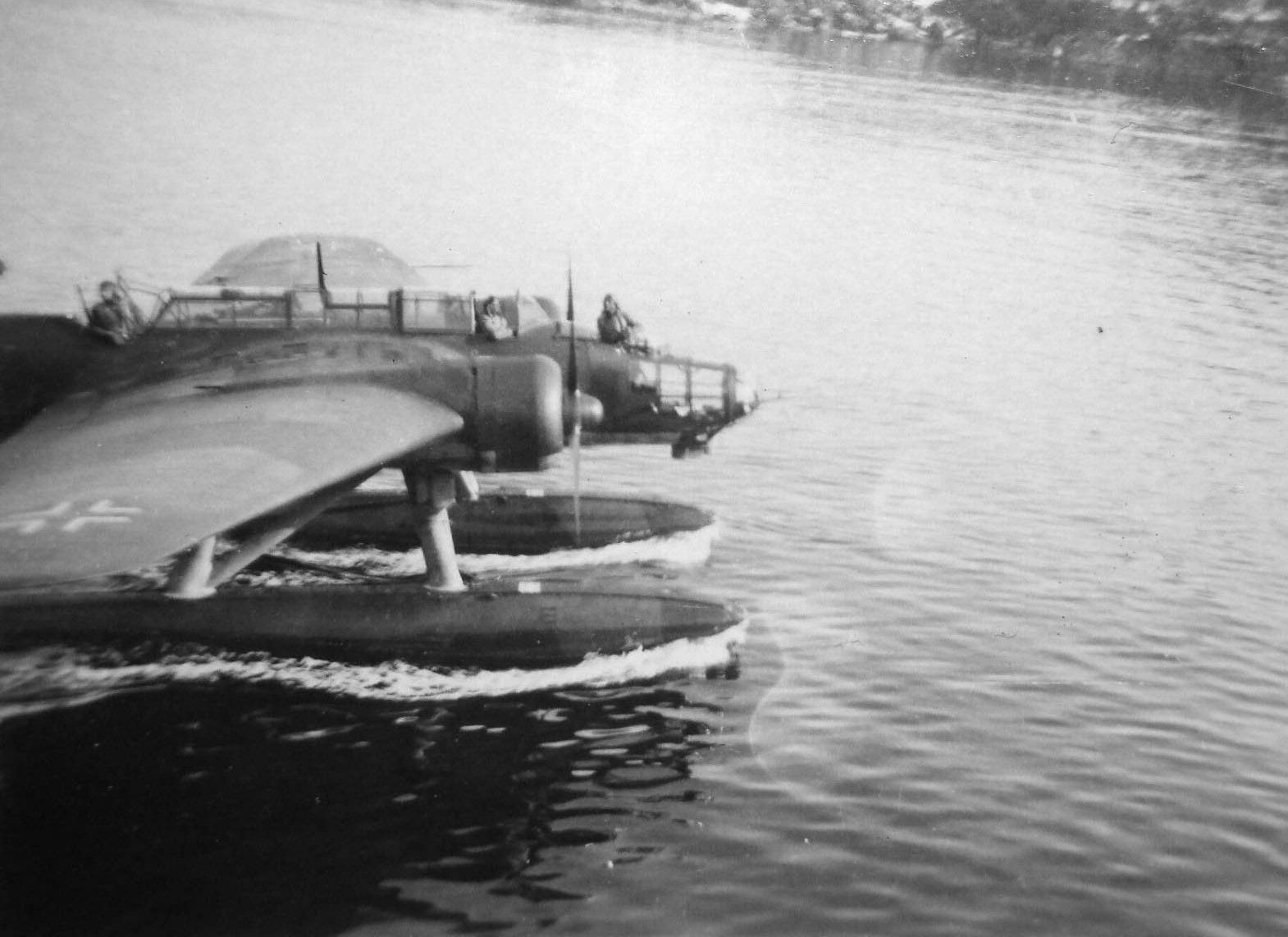
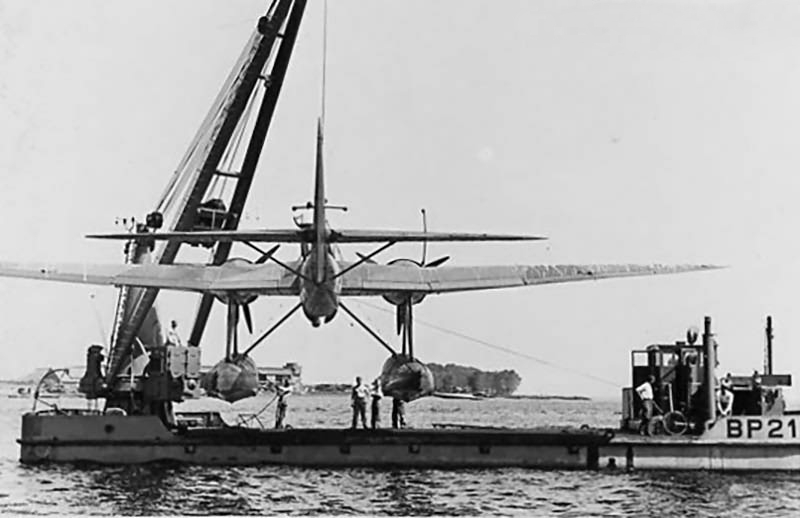
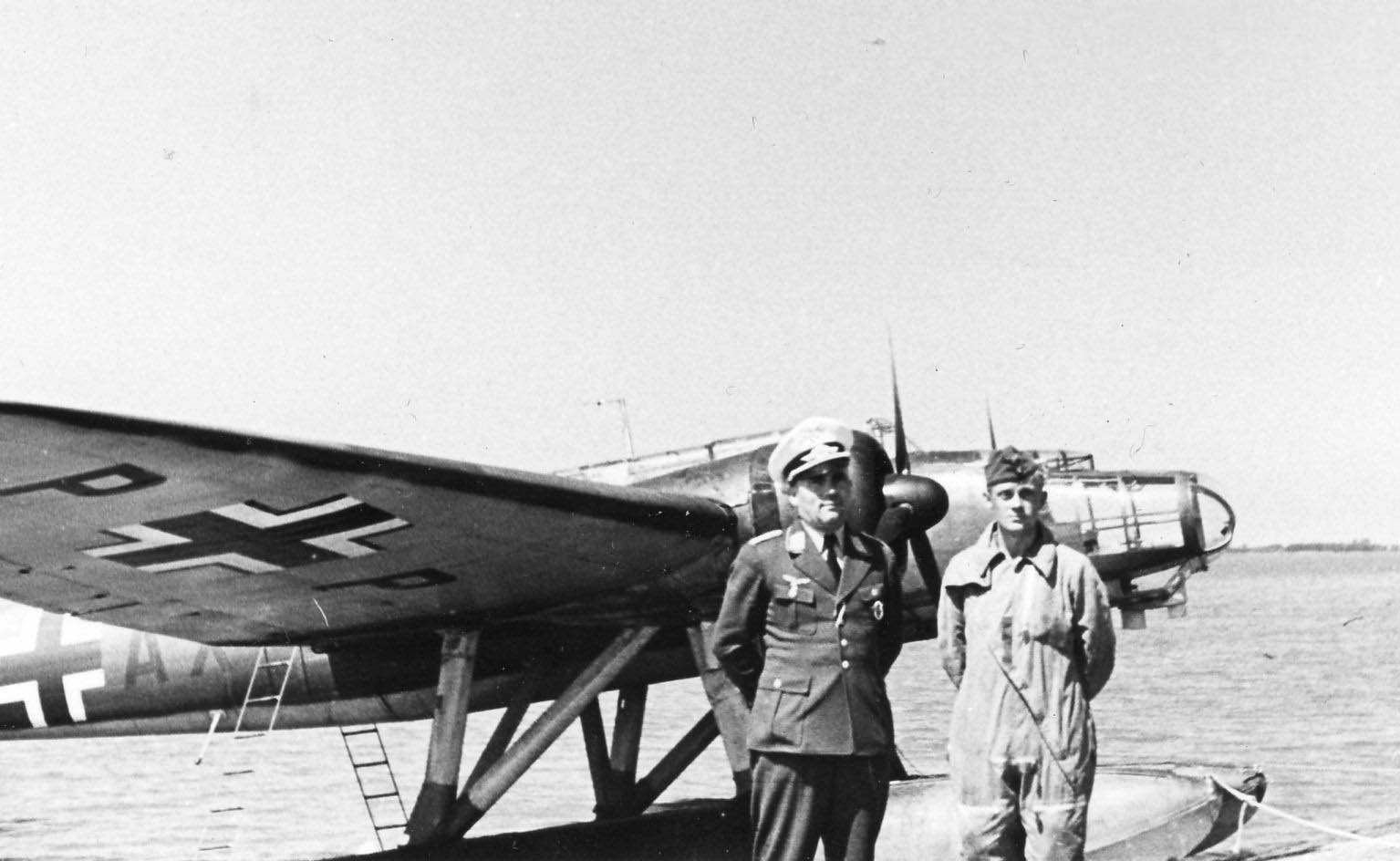
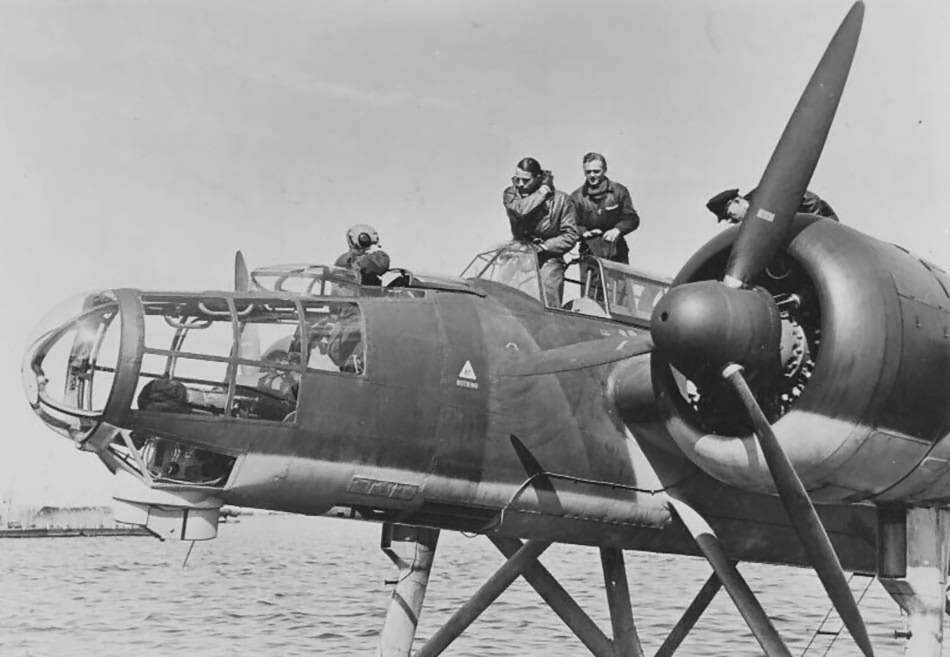
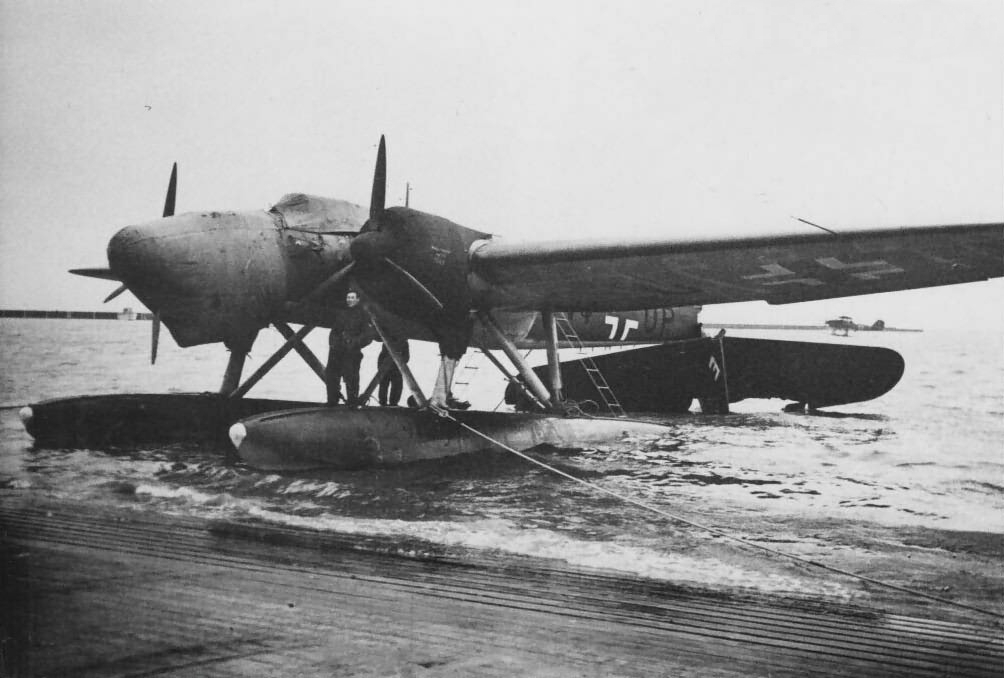
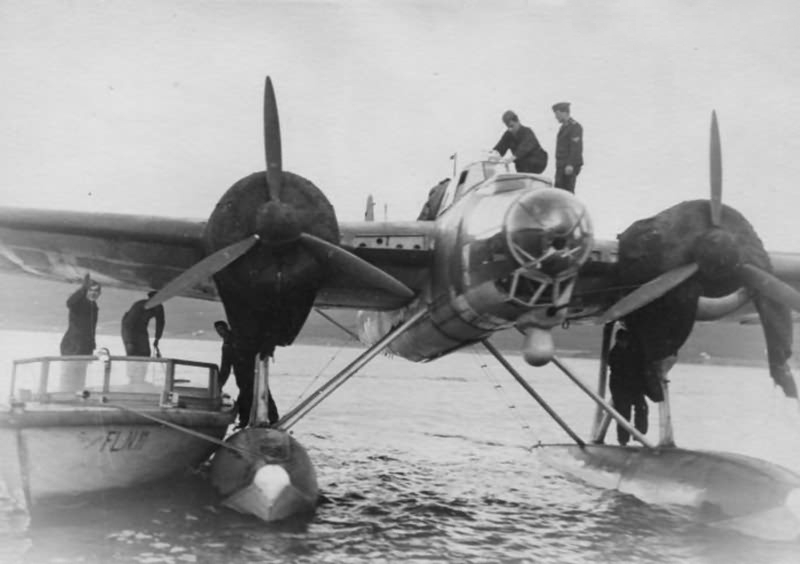
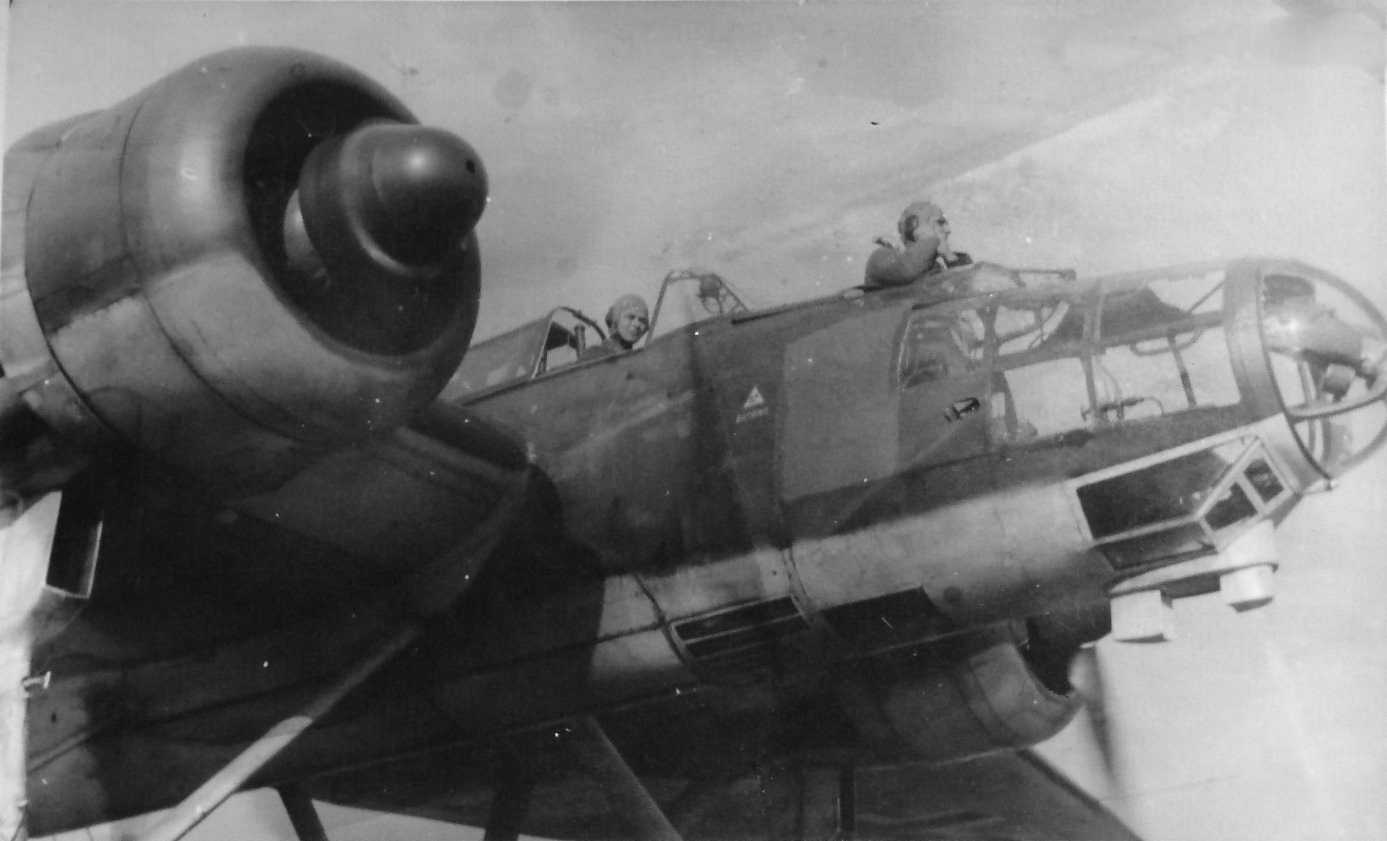
Heinkel He 115 was a German twin-engine, all-metal mid-wing floatplane developed in the mid-1930s as a replacement for the aging He 59, designed for long-range maritime reconnaissance, bombing, torpedo strikes, and minelaying in the North Sea and Atlantic Ocean. First flown in October 1936 (He 115 V-1), the stream-lined, “pencil-shaped” airframe featured a large, fully glazed canopy offering excellent panoramic visibility, two single-step metal floats (which could be reinforced for landing on ice and snow), and powerplants primarily consisting of 9-cylinder BMW 132K radial engines (with the experimental D-series testing BMW 801C engines). Early export models (A-2) were purchased by Sweden and Norway, and Norwegian airframes later saw action during the German invasion before four escaped to the UK, where they were adopted by the RAF for covert espionage missions (such as inserting agents into North Africa from Malta).Despite setting eight speed records with the V-3 prototype in 1938 and becoming the Luftwaffe’s primary floatplane across the main production B and C variants—which featured enhanced armament combinations of 20 mm MG 151/20 cannons and MG 17/MG 81Z machine guns—the He 115’s low top speed made it vulnerable in anti-shipping strike roles, leading to the cancellation of its production in mid-1940 as land-based bombers (Do 17, He 111, Ju 88) assumed torpedo and bomb duties. Reassigned primarily to maritime reconnaissance and minelaying across the Baltic, North, Mediterranean, and Arctic seas, the remaining operational squadrons operated out of Norway against Allied Arctic convoys through 1944, with the type remaining in secondary service until the end of World War II.