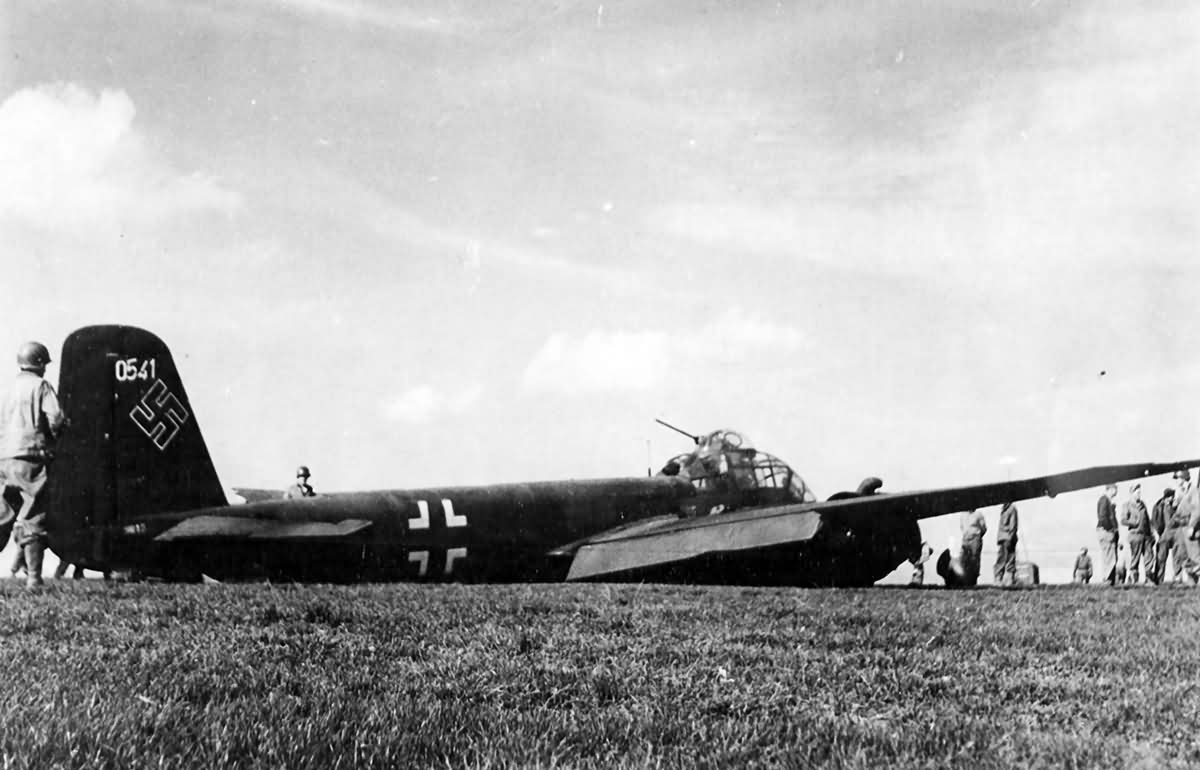
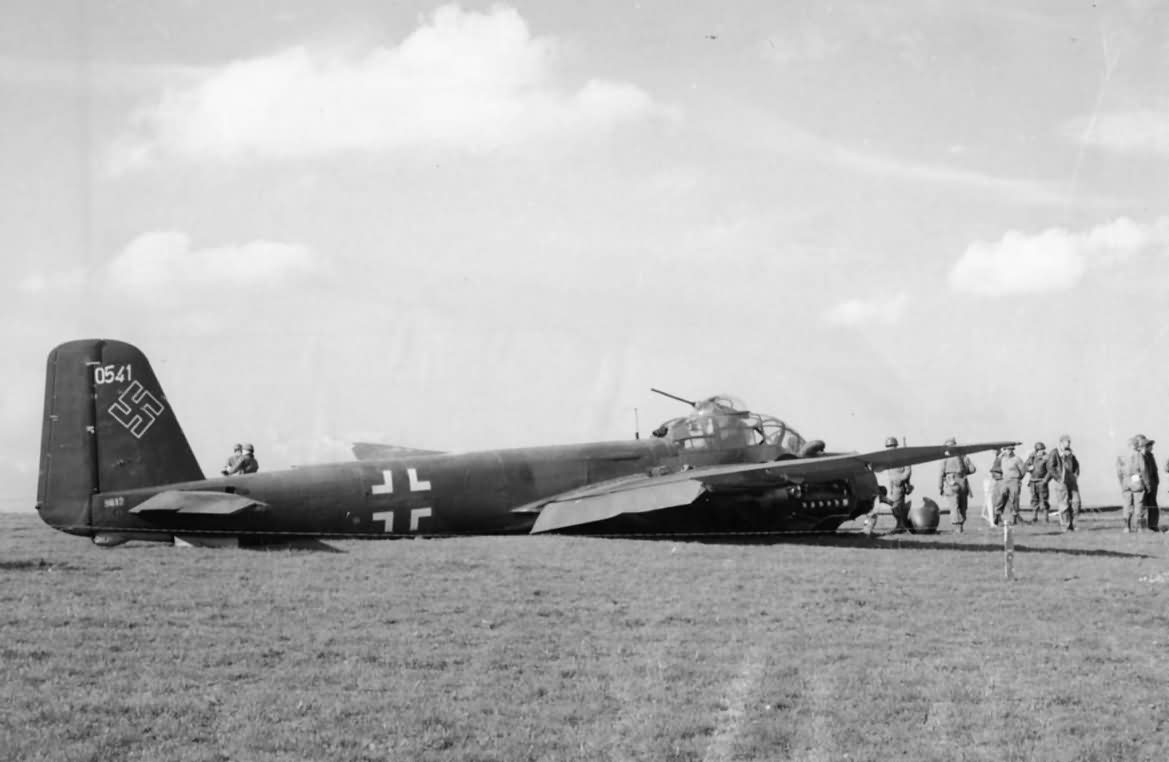
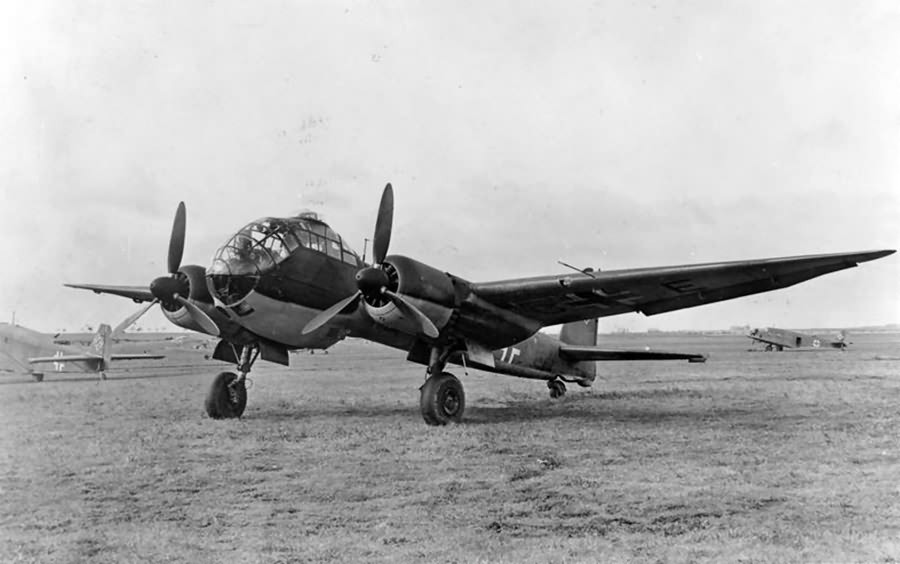
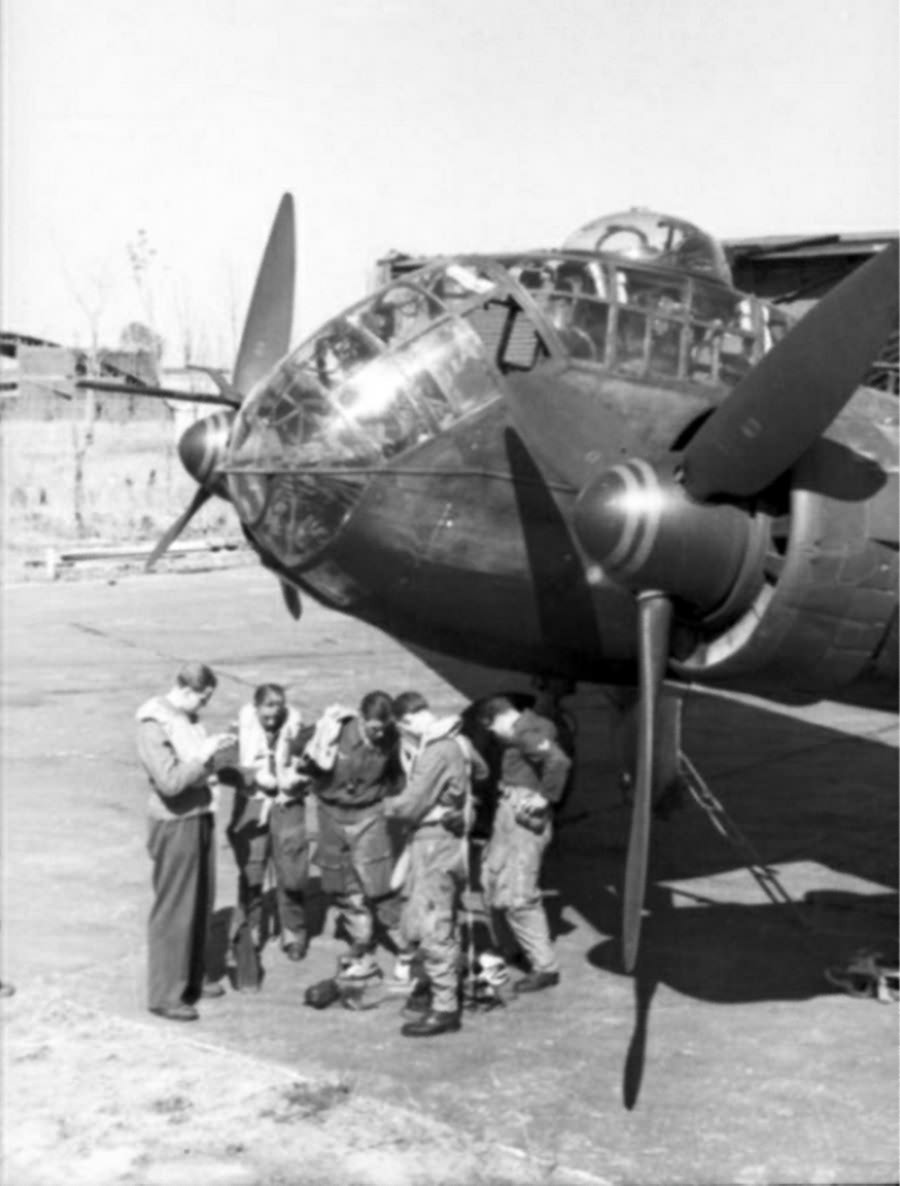
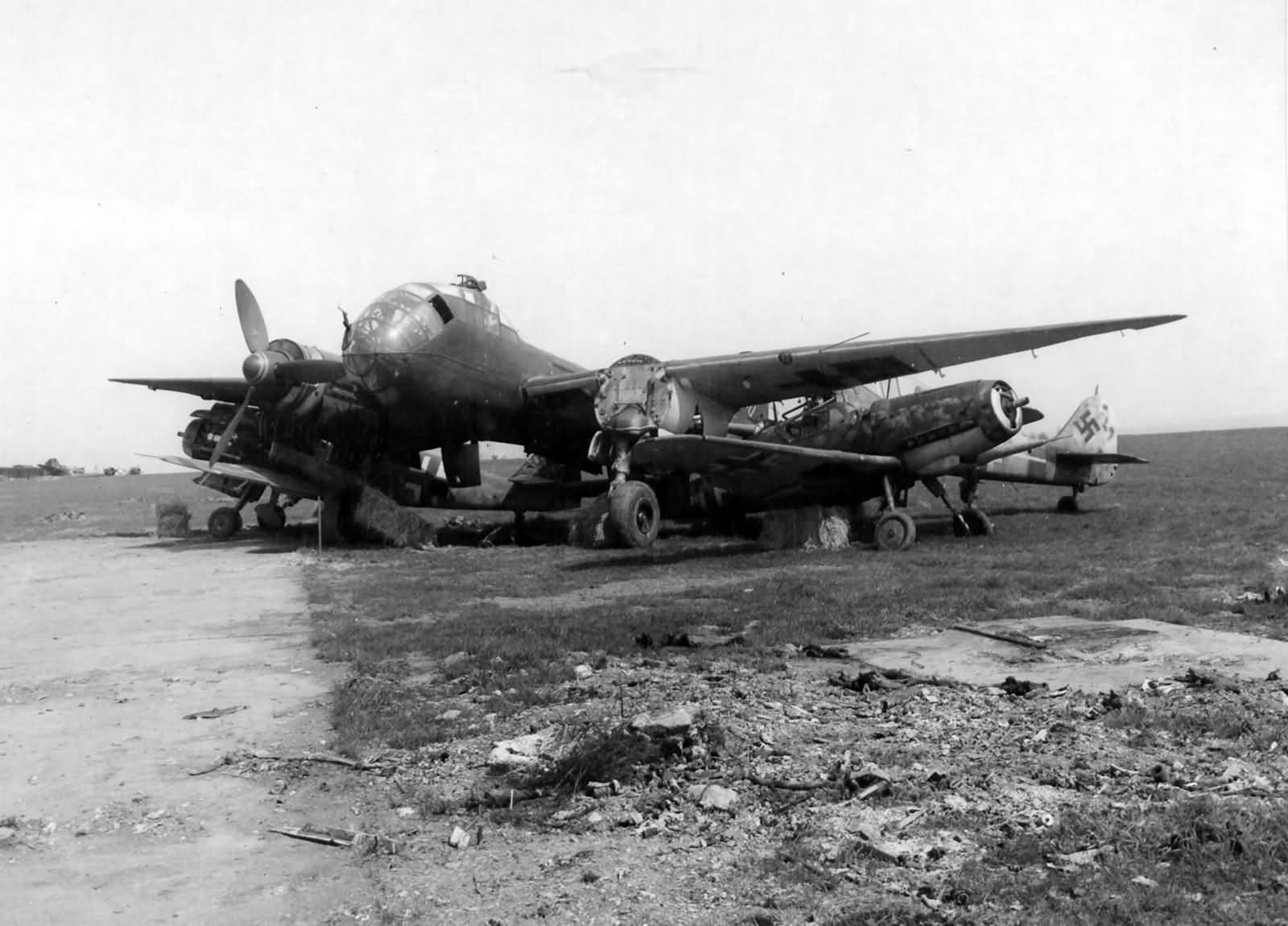
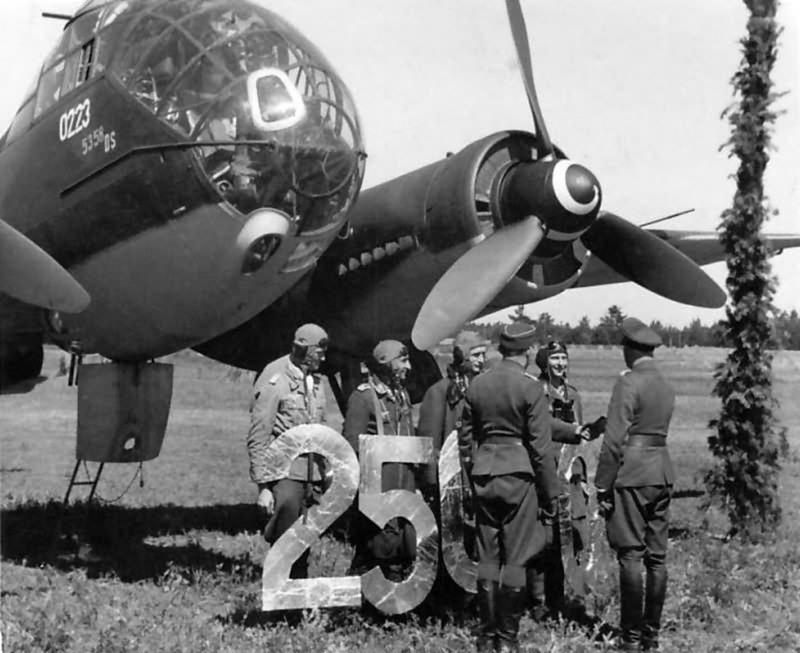
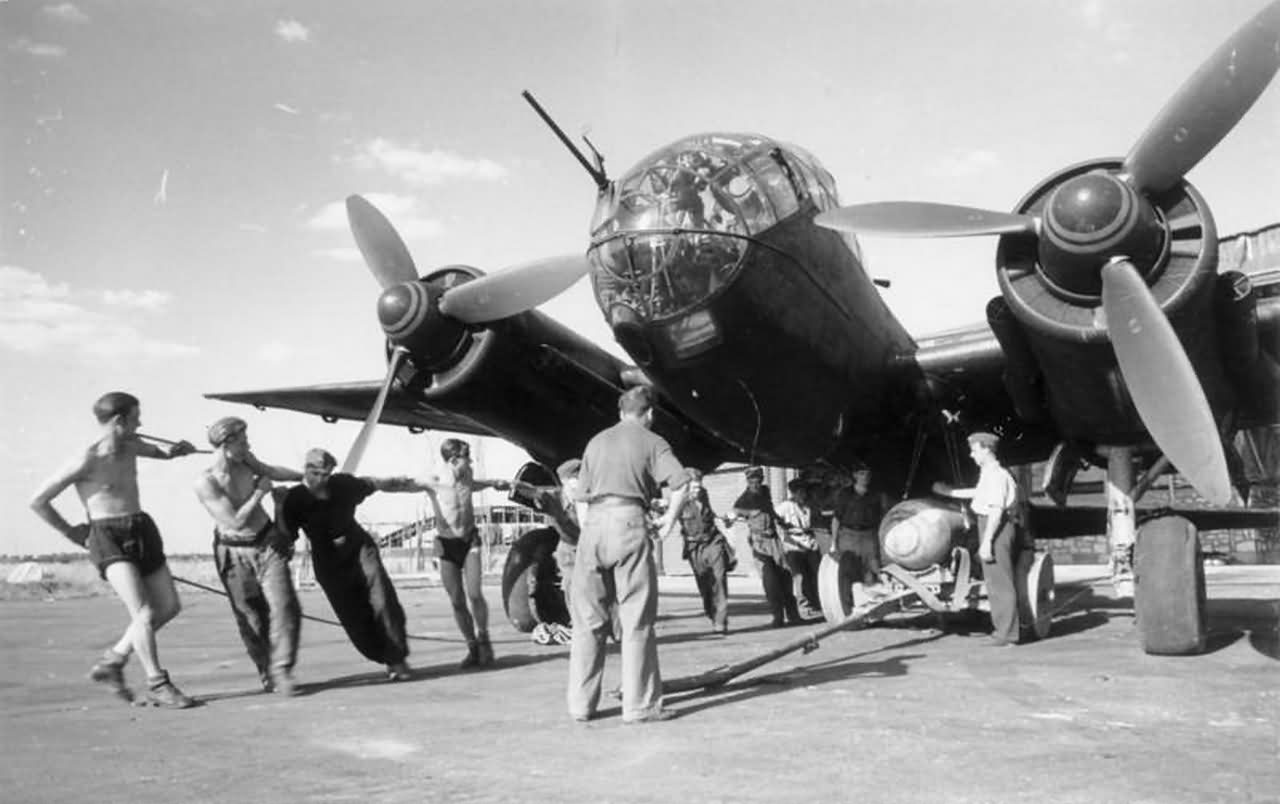
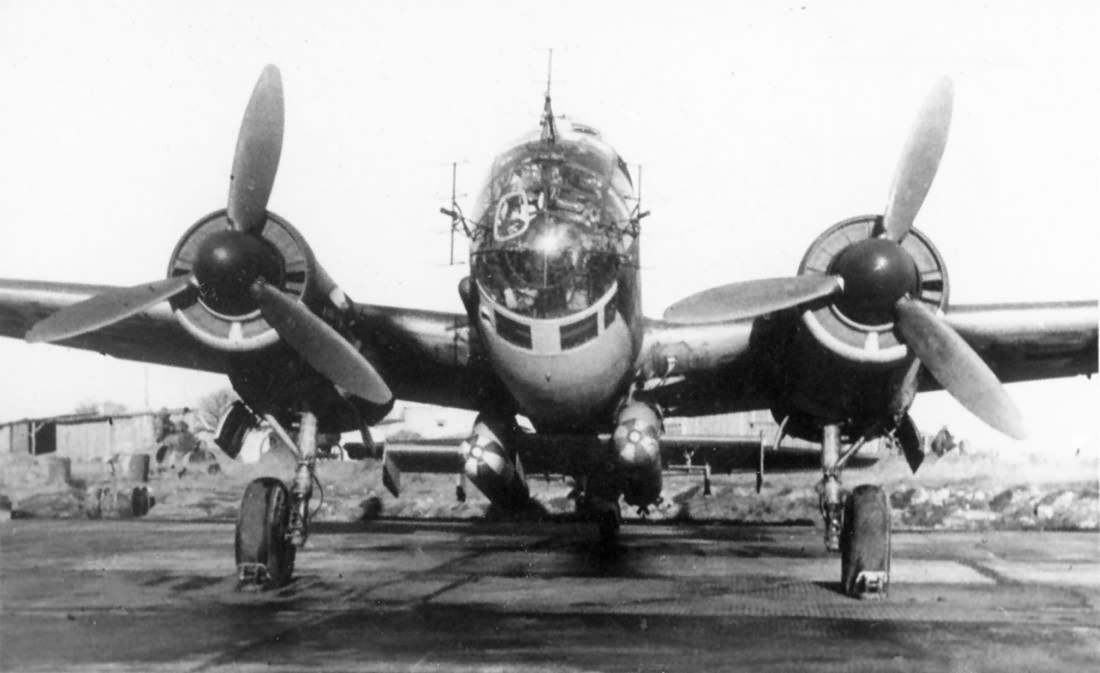
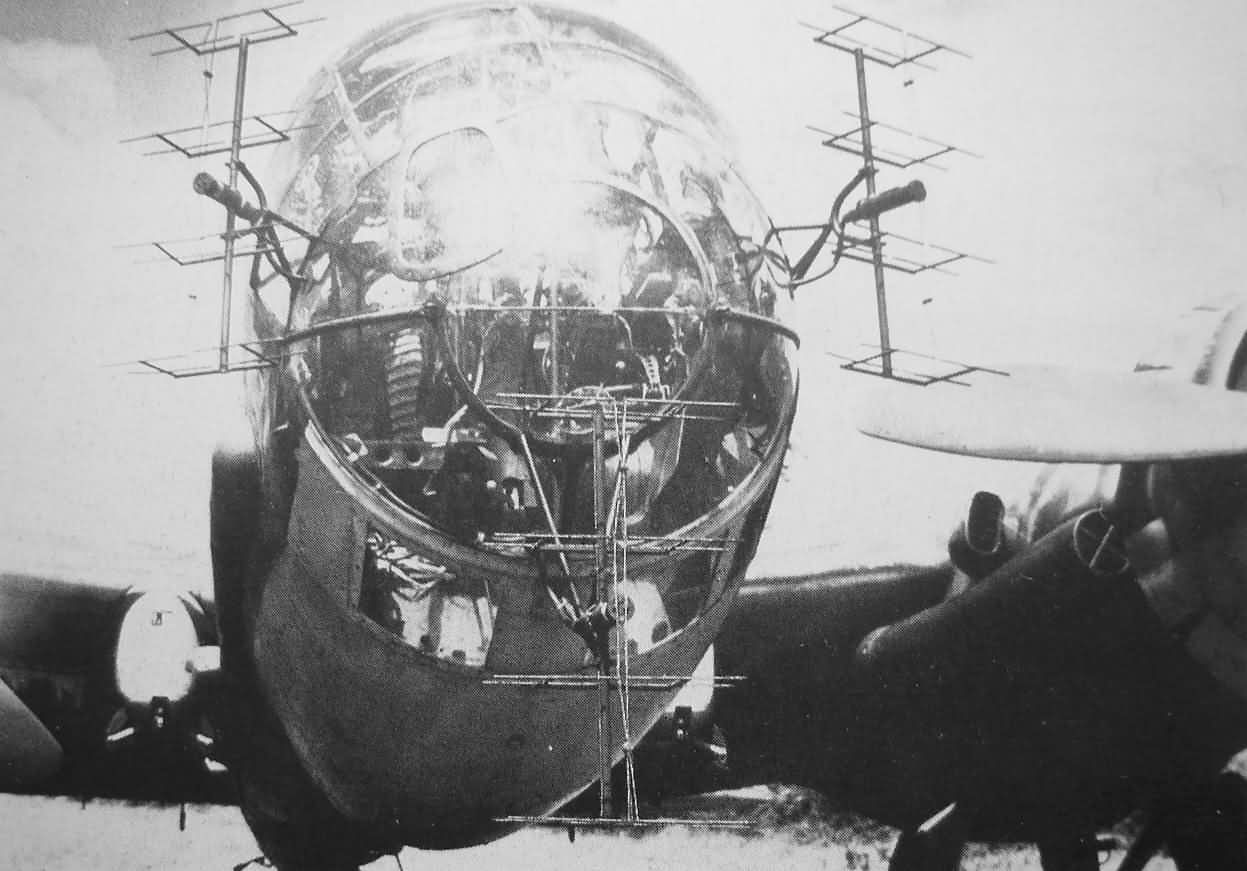
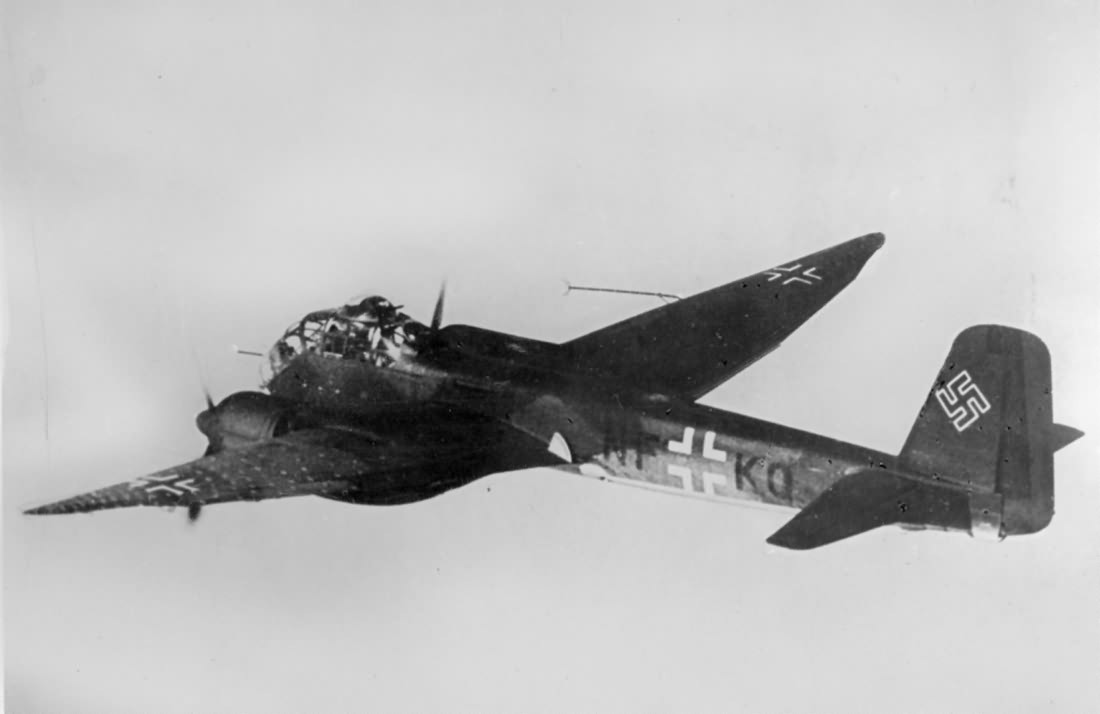
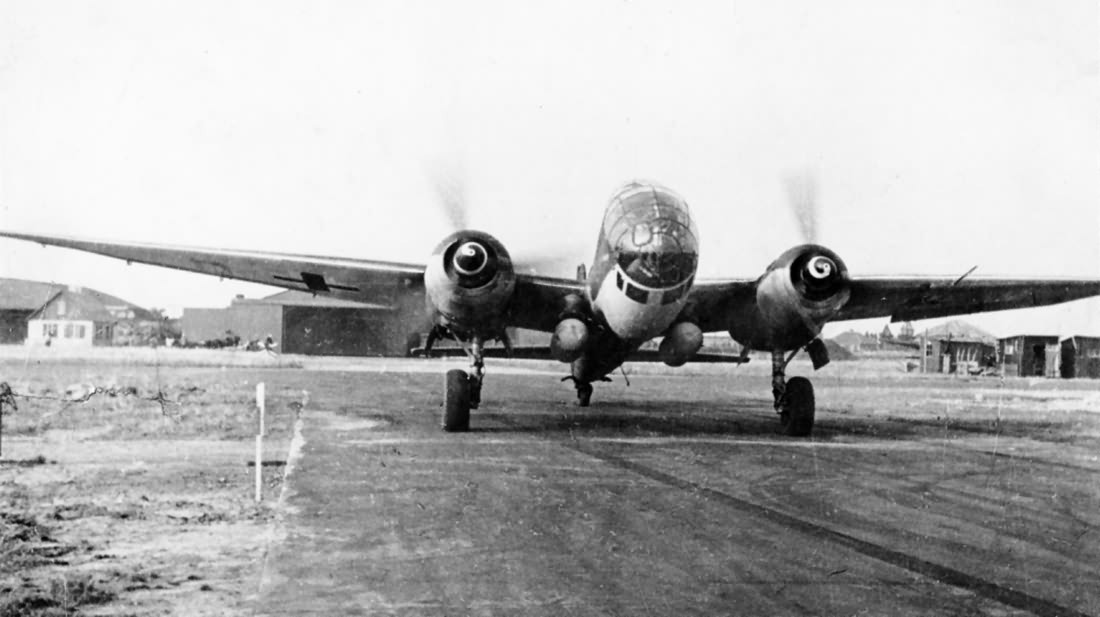
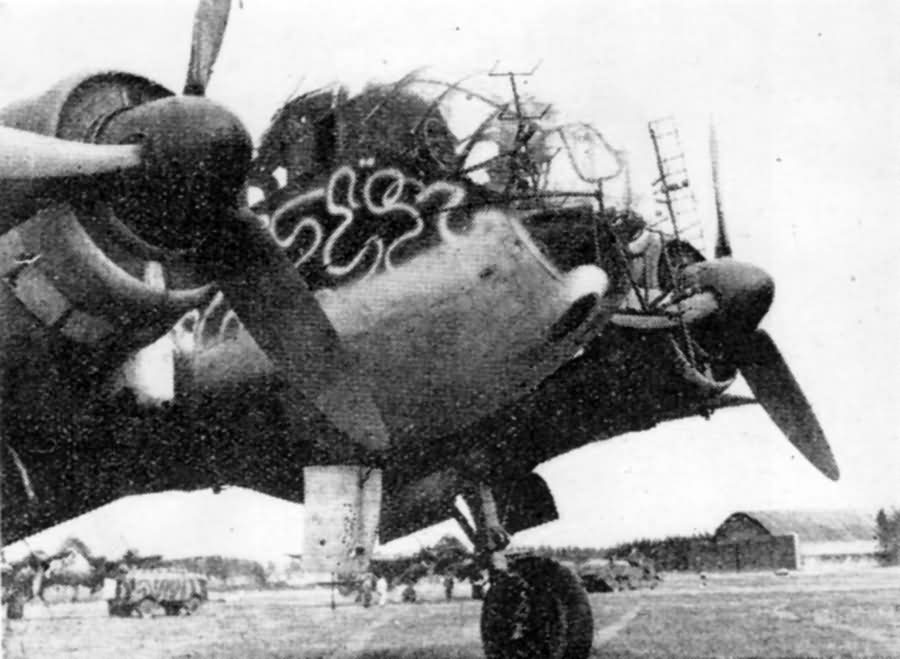
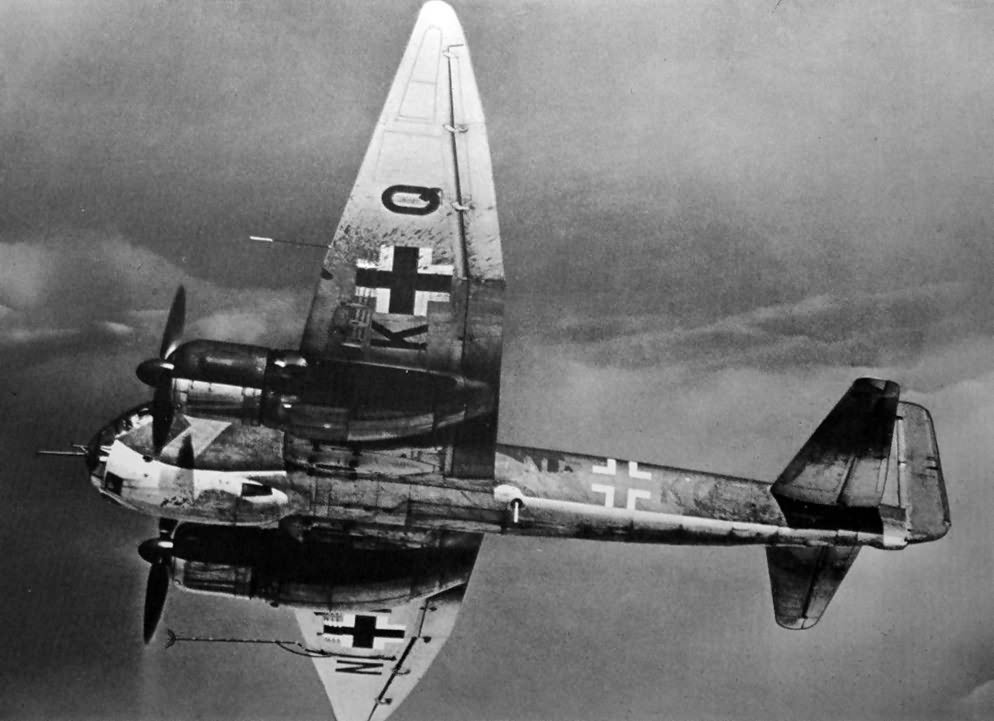
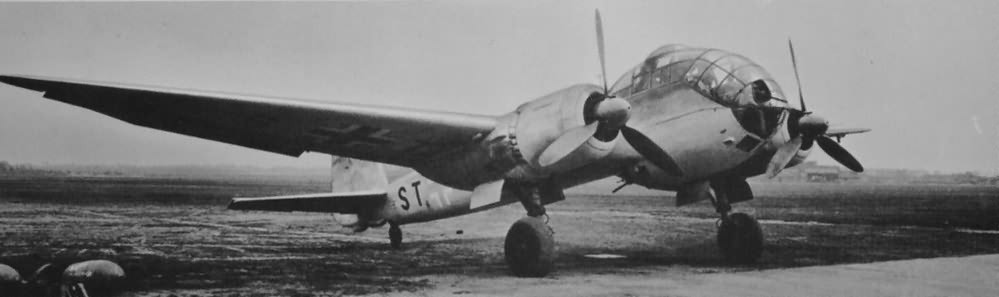
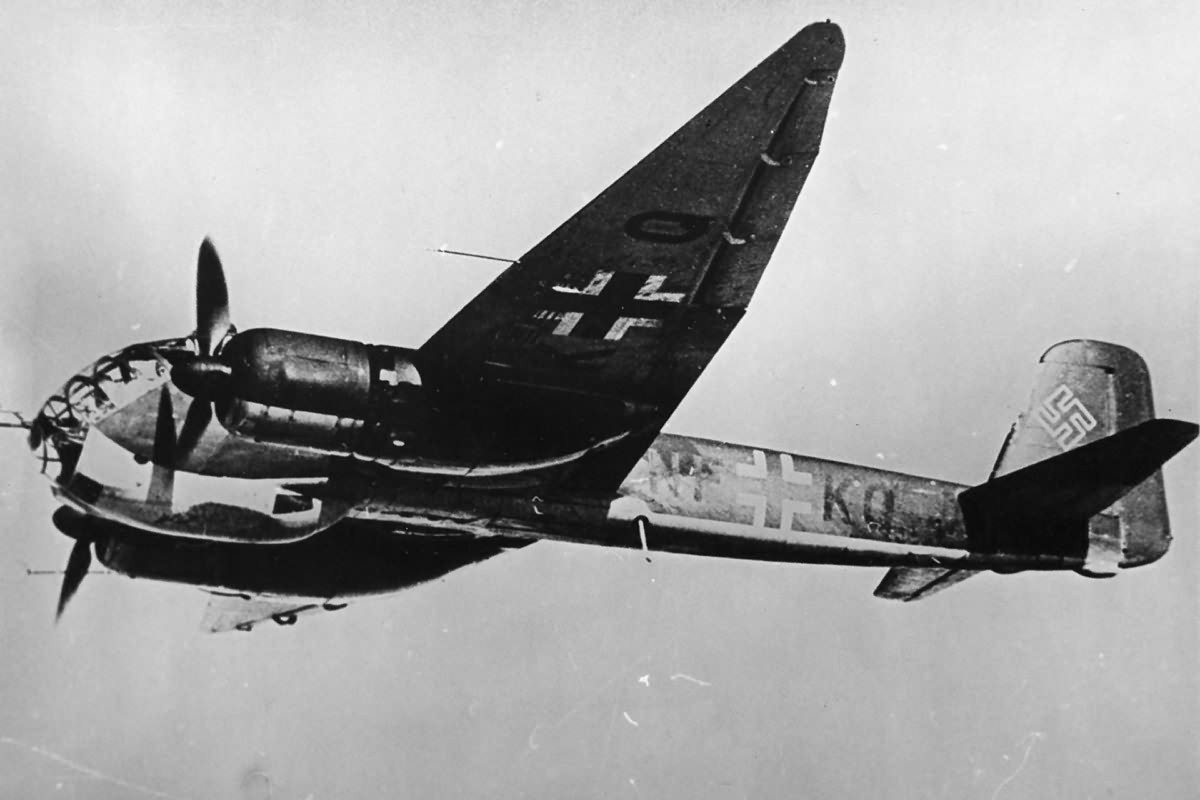
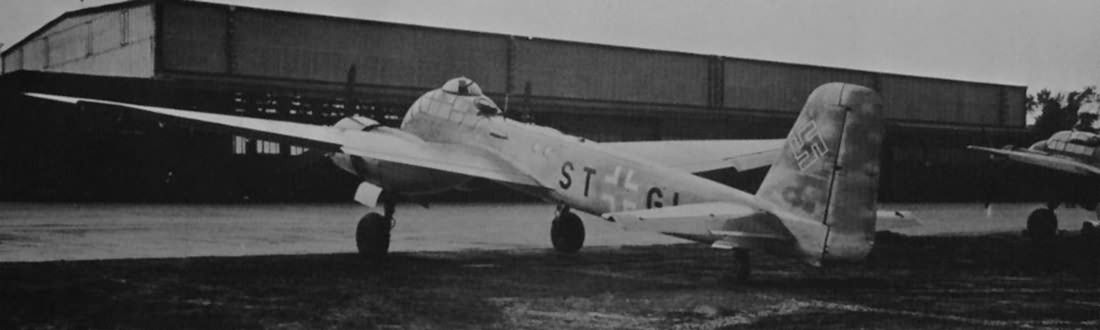
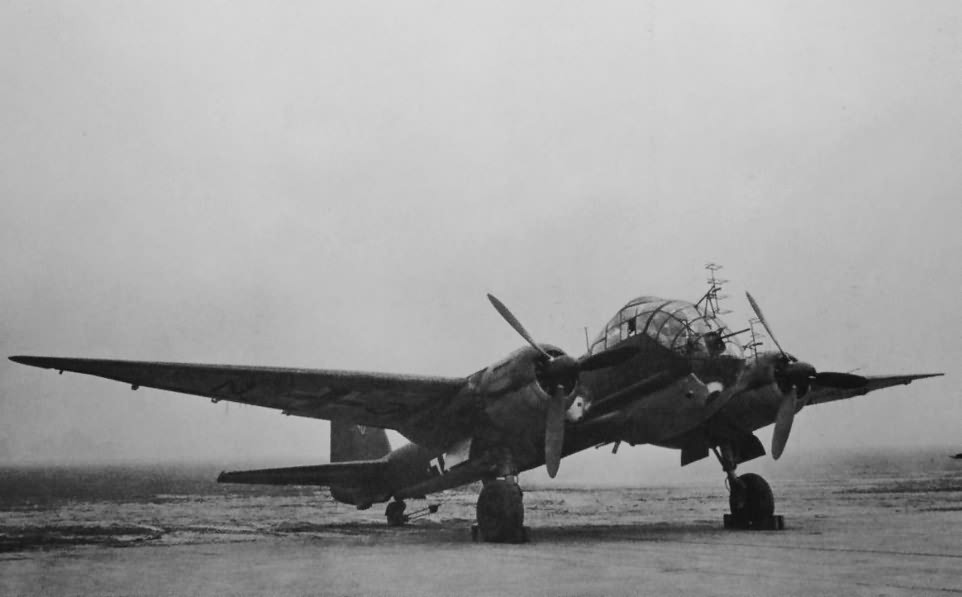
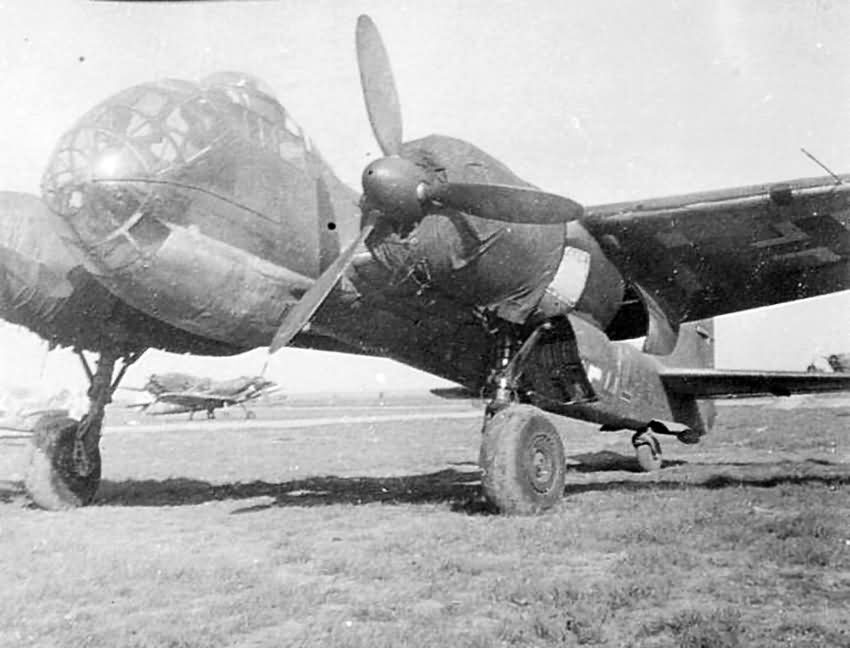
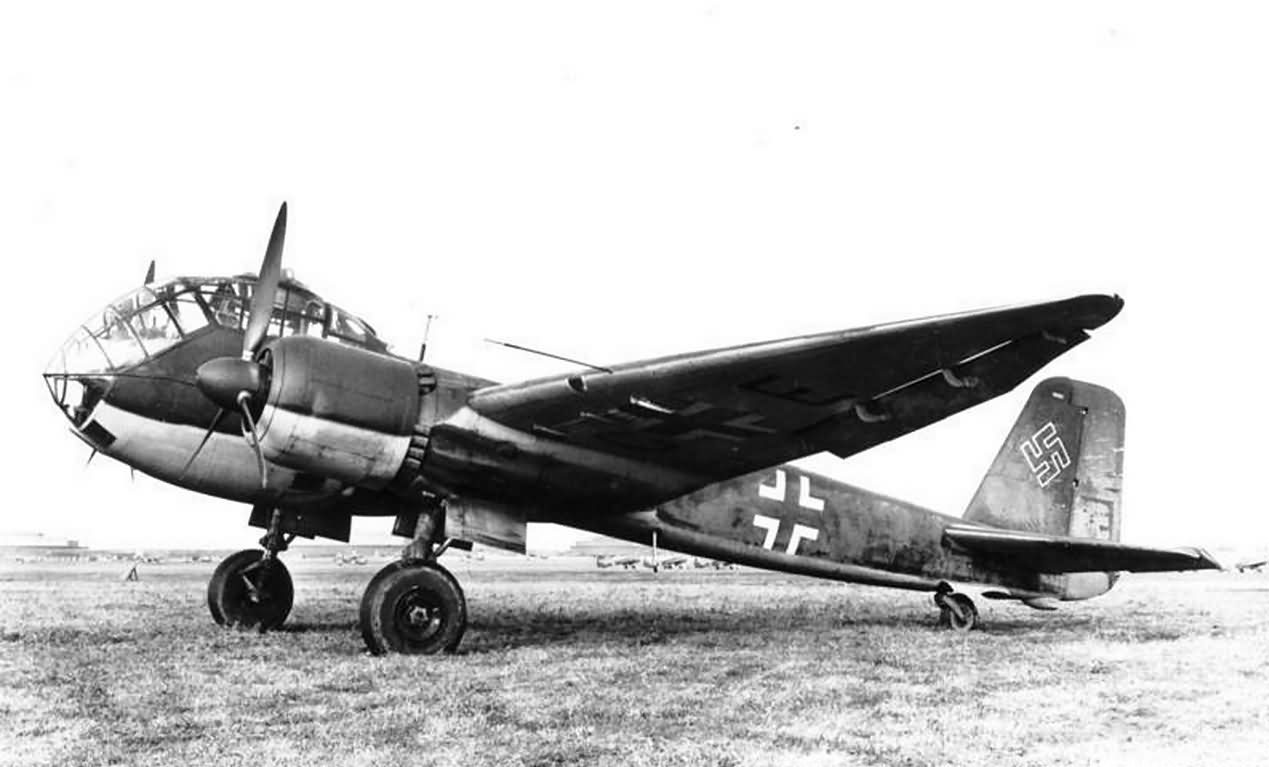
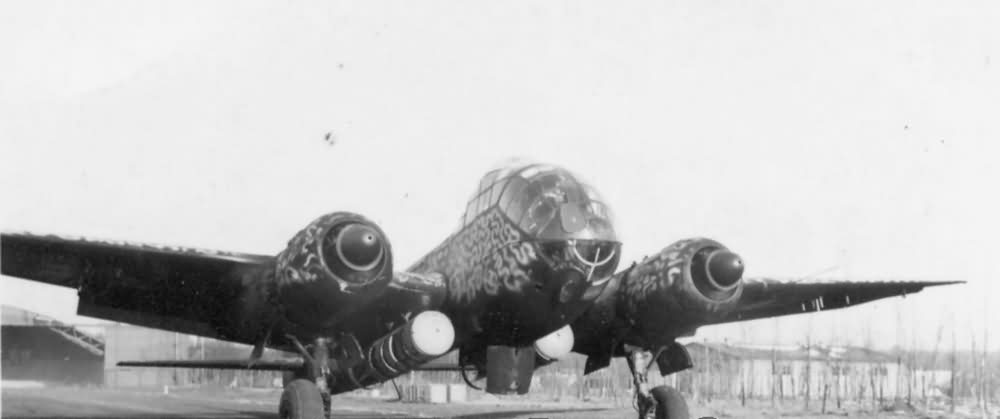
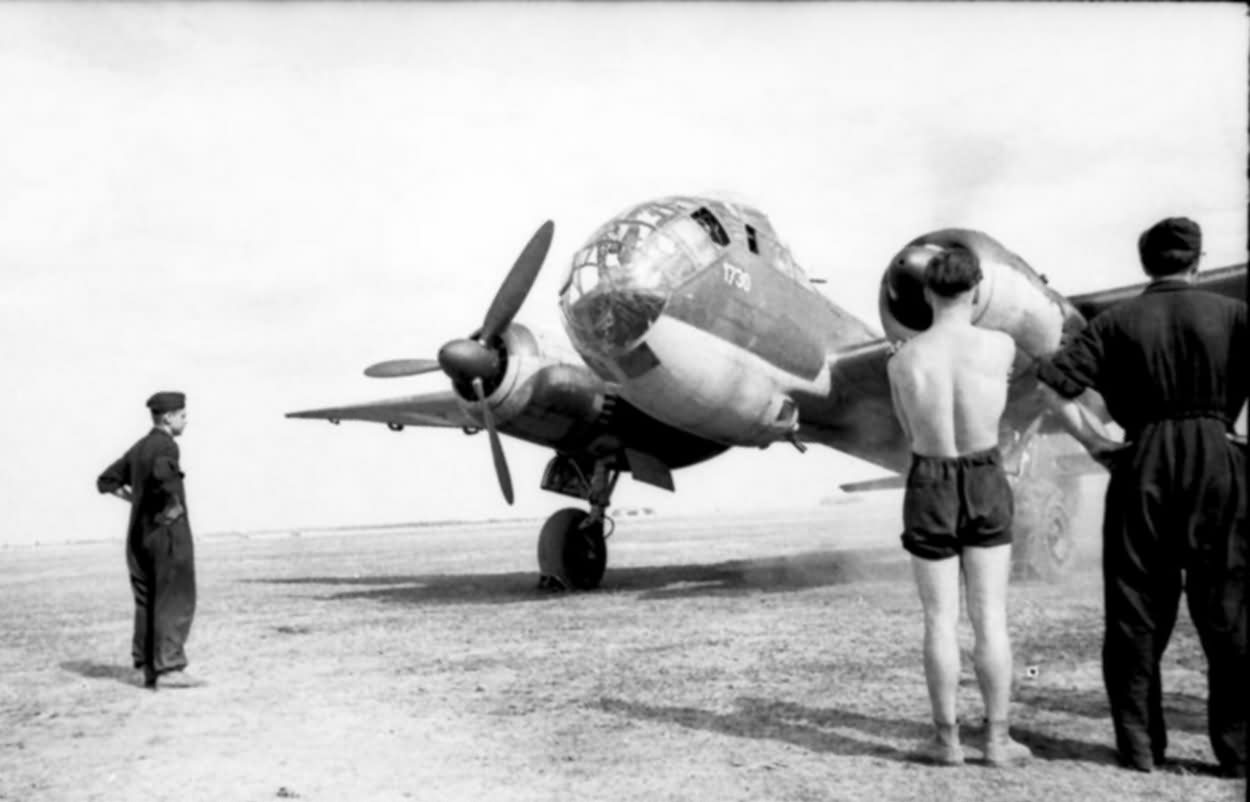
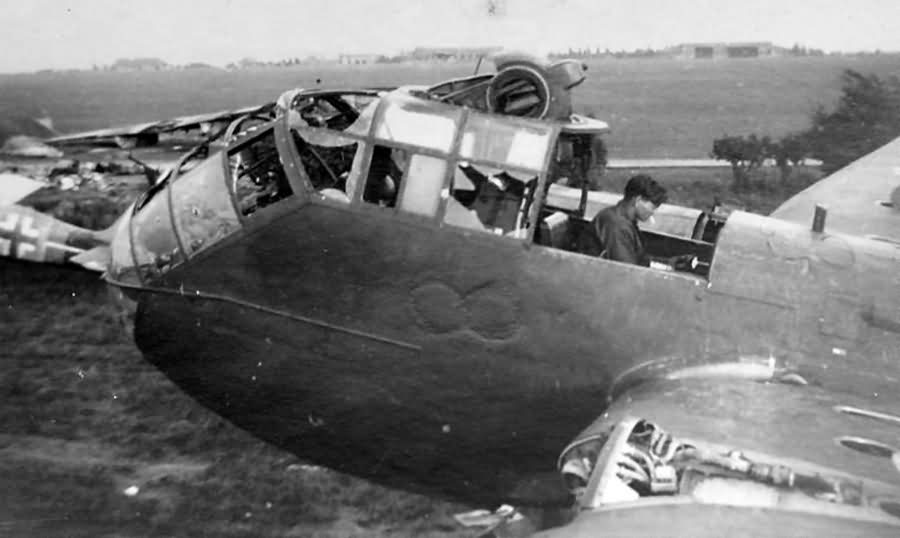
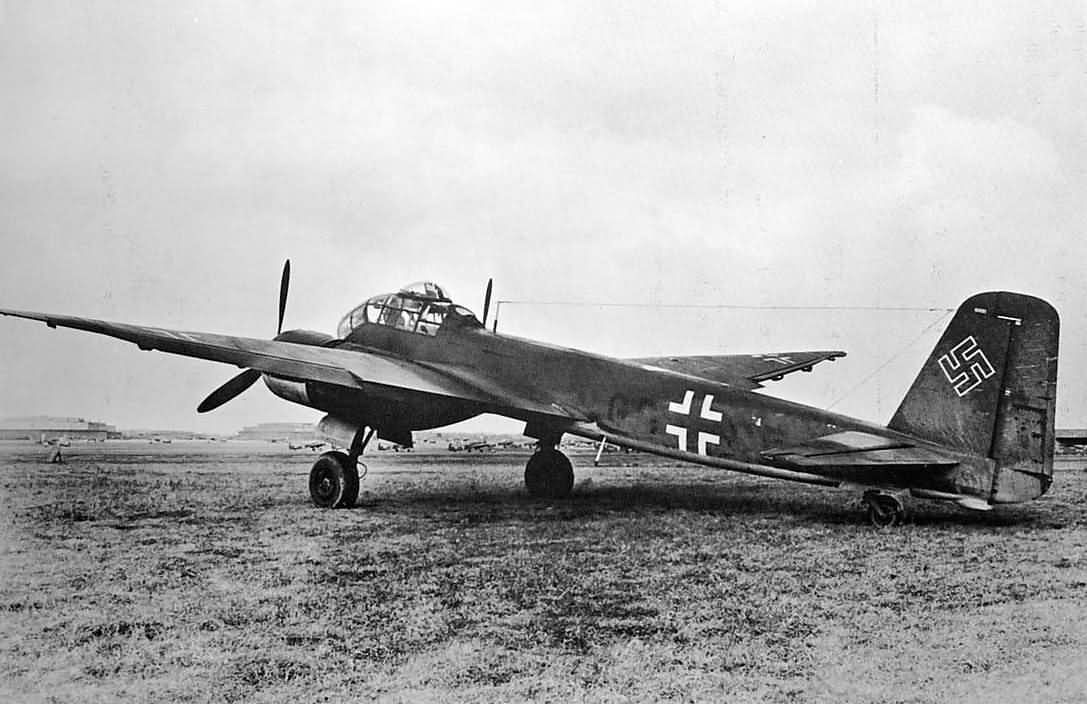
Junkers Ju 188 Rächer (“Avenger”) was a German high-performance twin-engine multirole aircraft developed during World War II as an upgraded successor to the versatile Ju 88 and intended to serve as an interim solution while the delayed Bomber B program (Ju 288) was underway. Originating from the experimental Ju 88E proposal, the low-wing monoplane featured a redesigned, heavily glazed, streamlined nose cockpit that brought the crew close together, improved overall aerodynamics, and increased wing area and flight performance. Powered either by liquid-cooled Jumo 213A inline engines (A and D series) or air-cooled BMW 801G-2 radial engines (E and F series), the Ju 188 was capable of performing level bombing, dive-bombing, and long-range maritime and land reconnaissance (such as the radar-equipped Ju 188 F-1 carrying specialized aerial photography cameras). First flown in 1941 as the Ju 88 V44 prototype, serial production ran from February 1943 to February 1945 across Junkers, ATG, and Siebel factories, resulting in 1,234 completed units (comprising 608 bombers and 626 reconnaissance planes) before manufacturing shifted toward the high-altitude Ju 388 derivative.