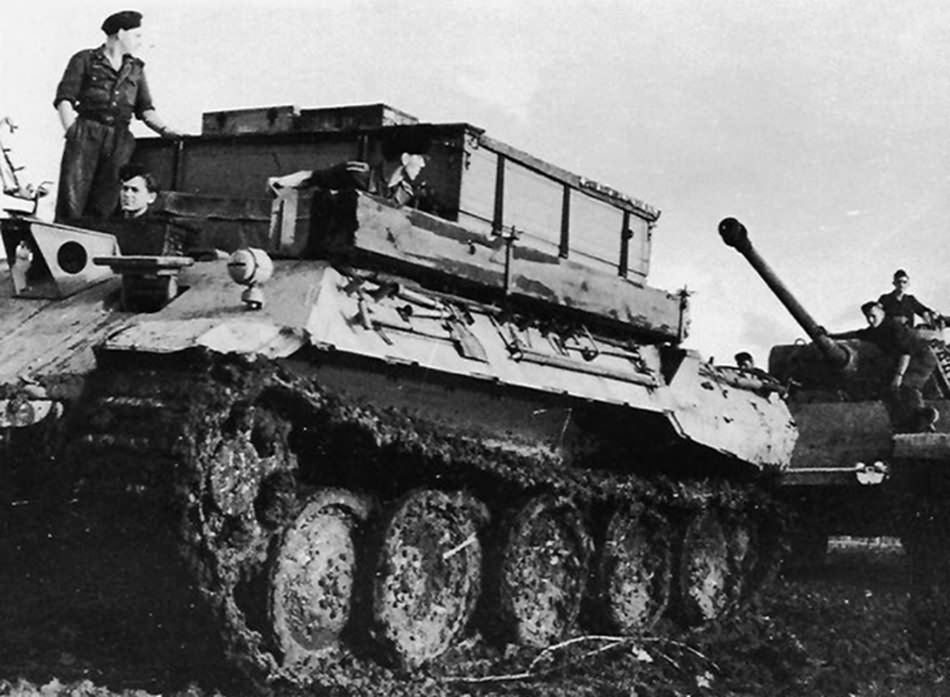
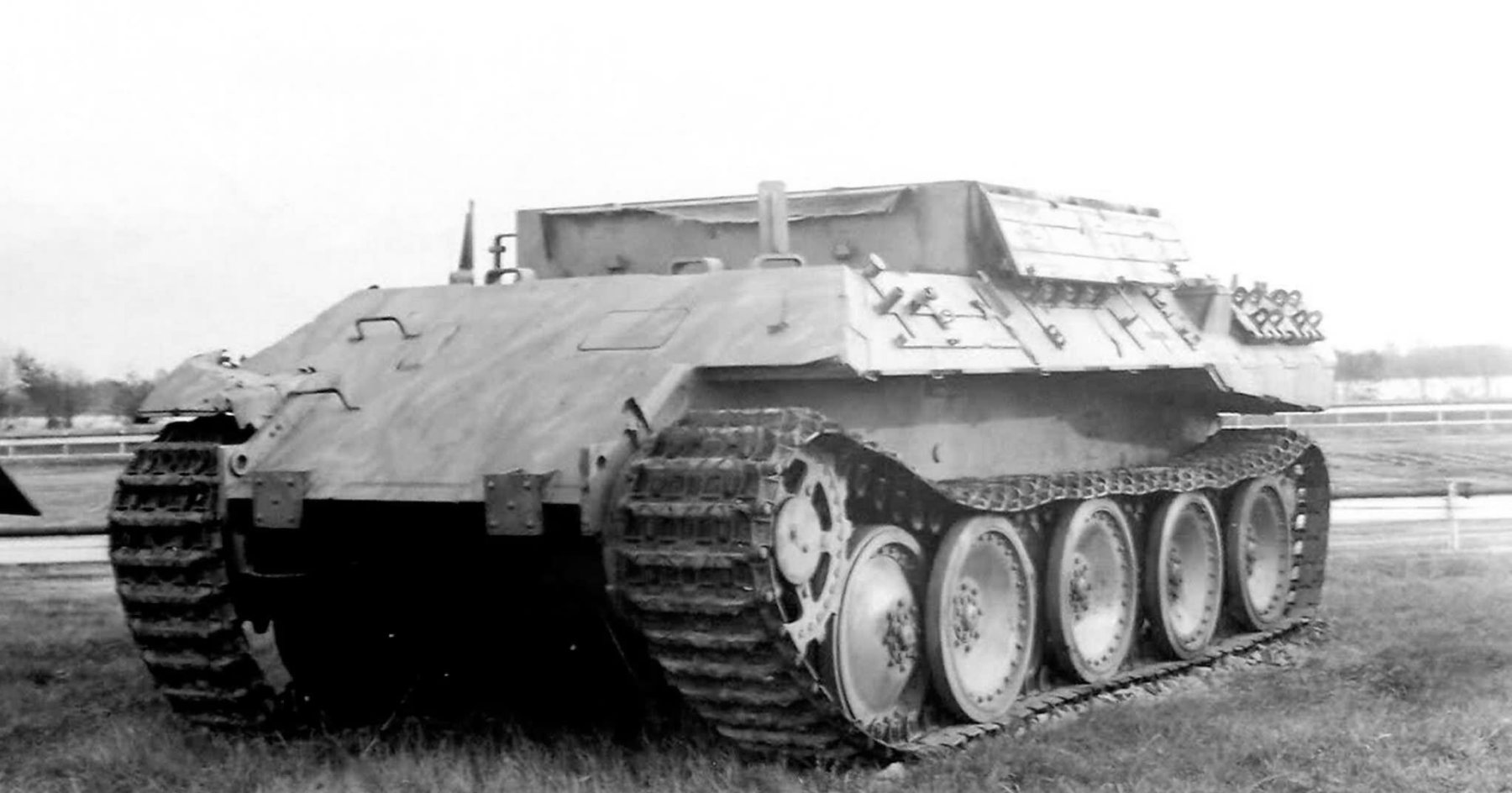
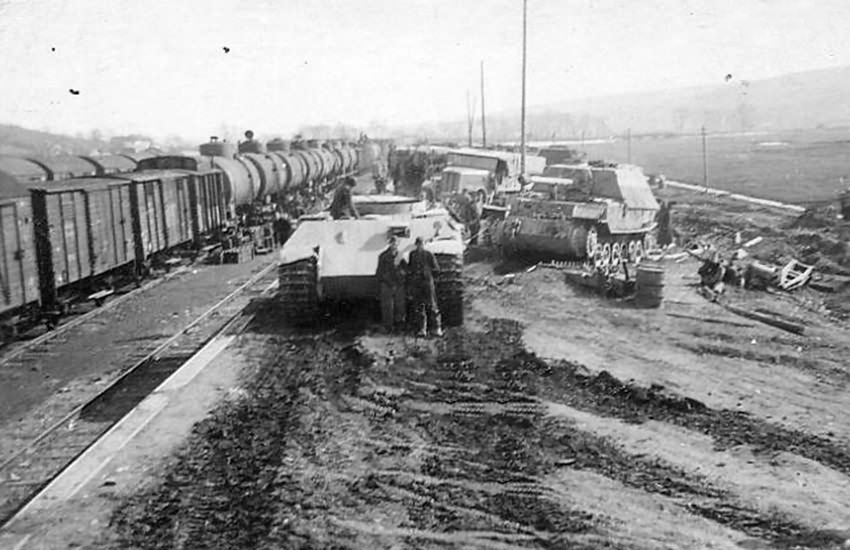
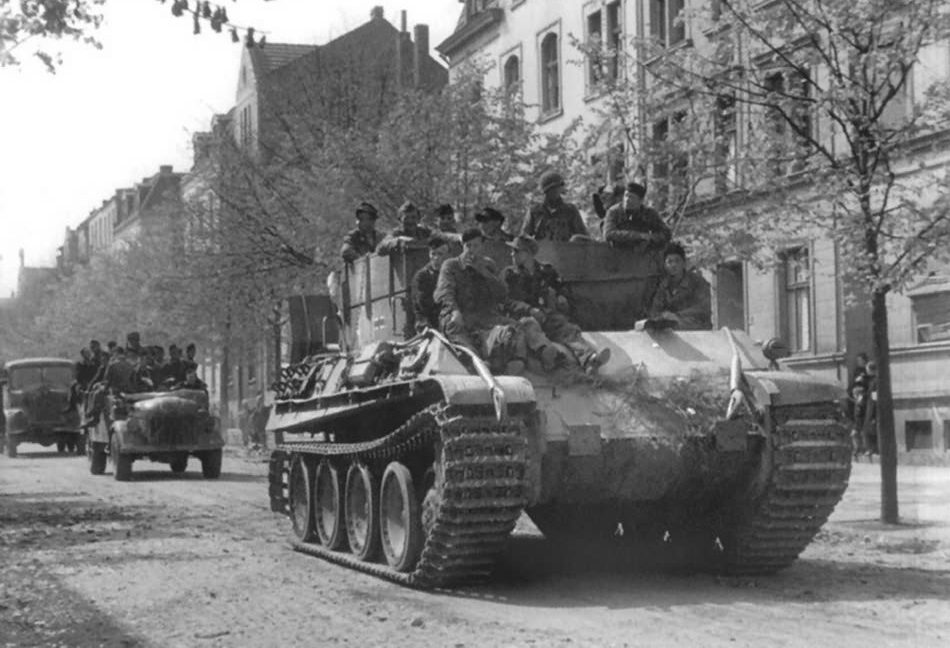
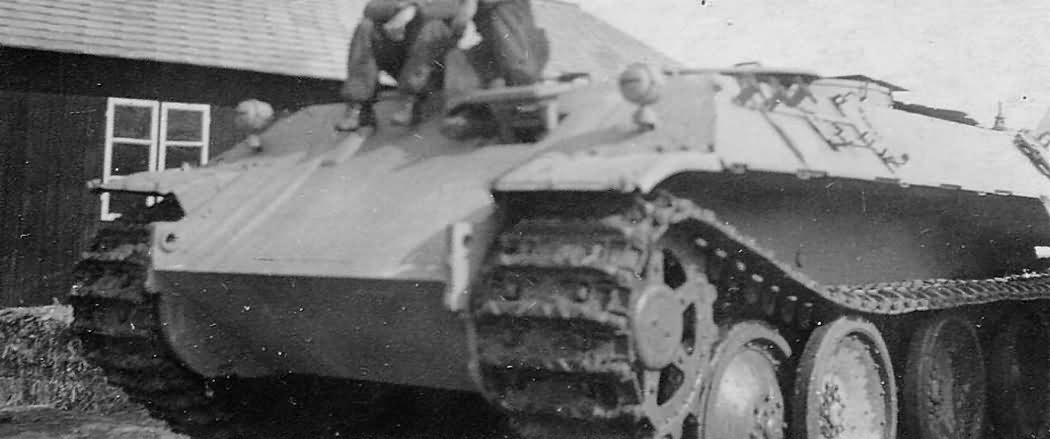
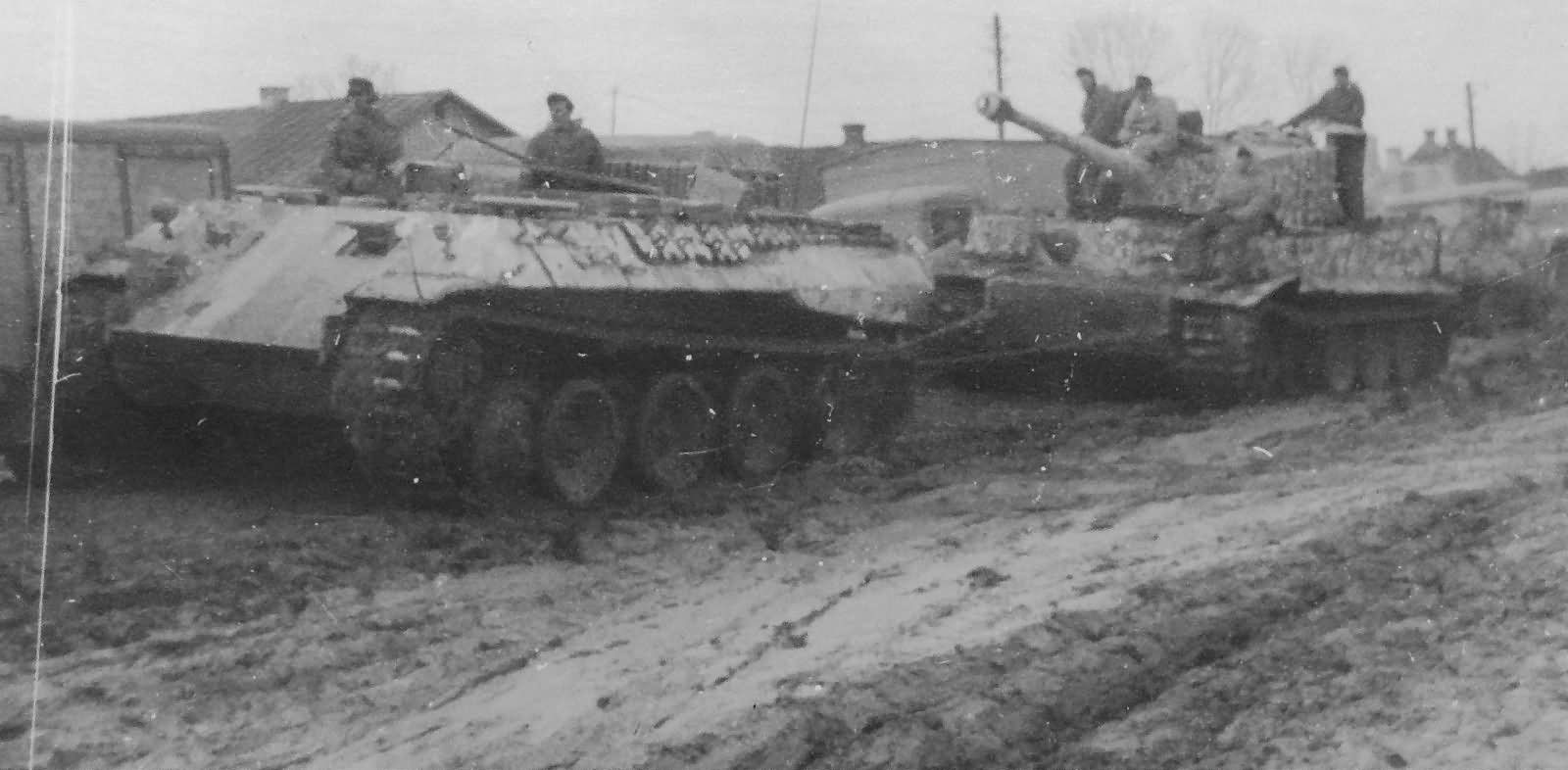
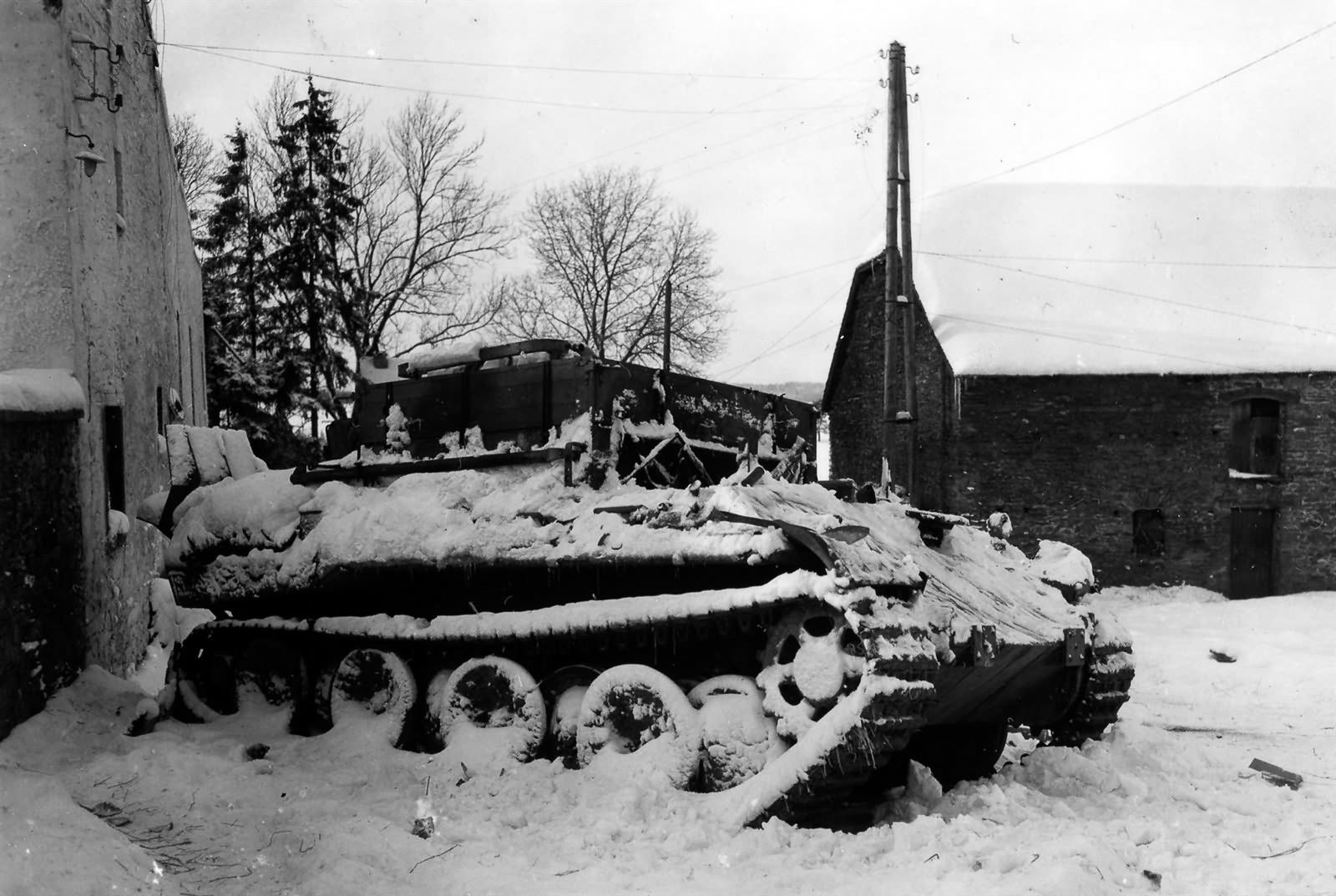
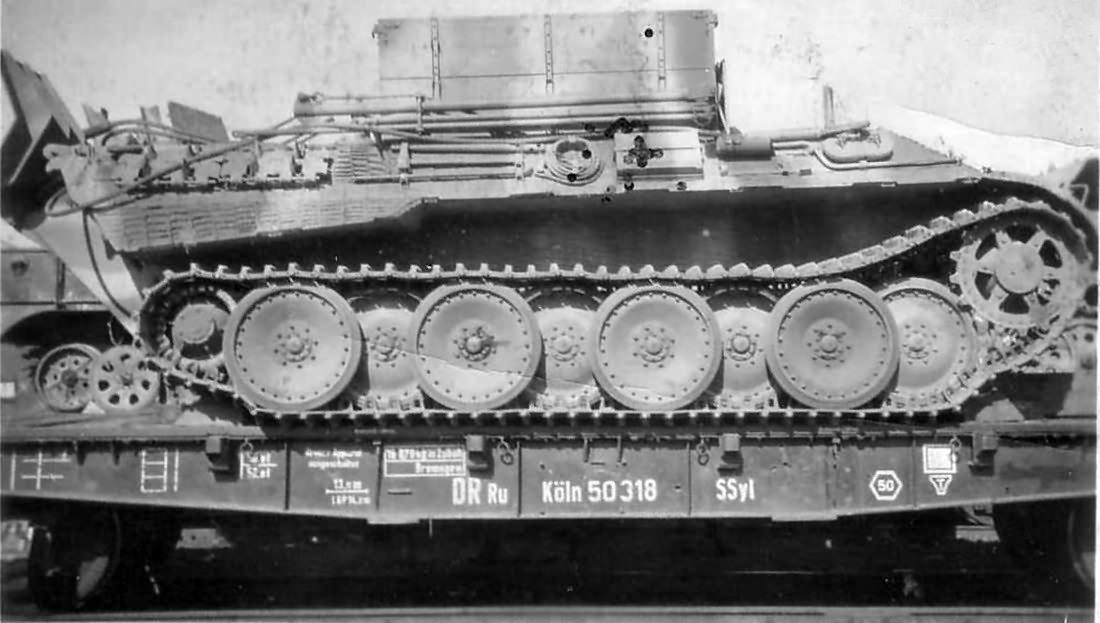
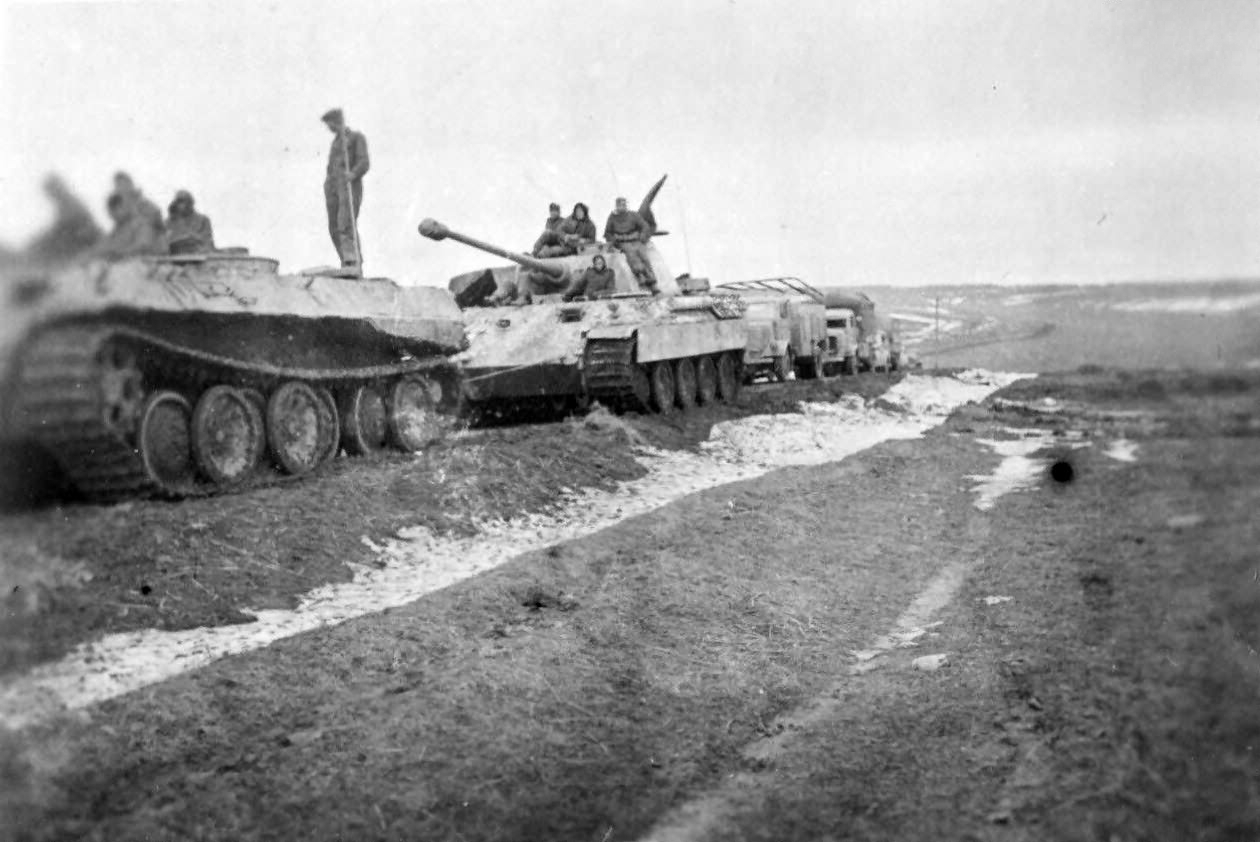
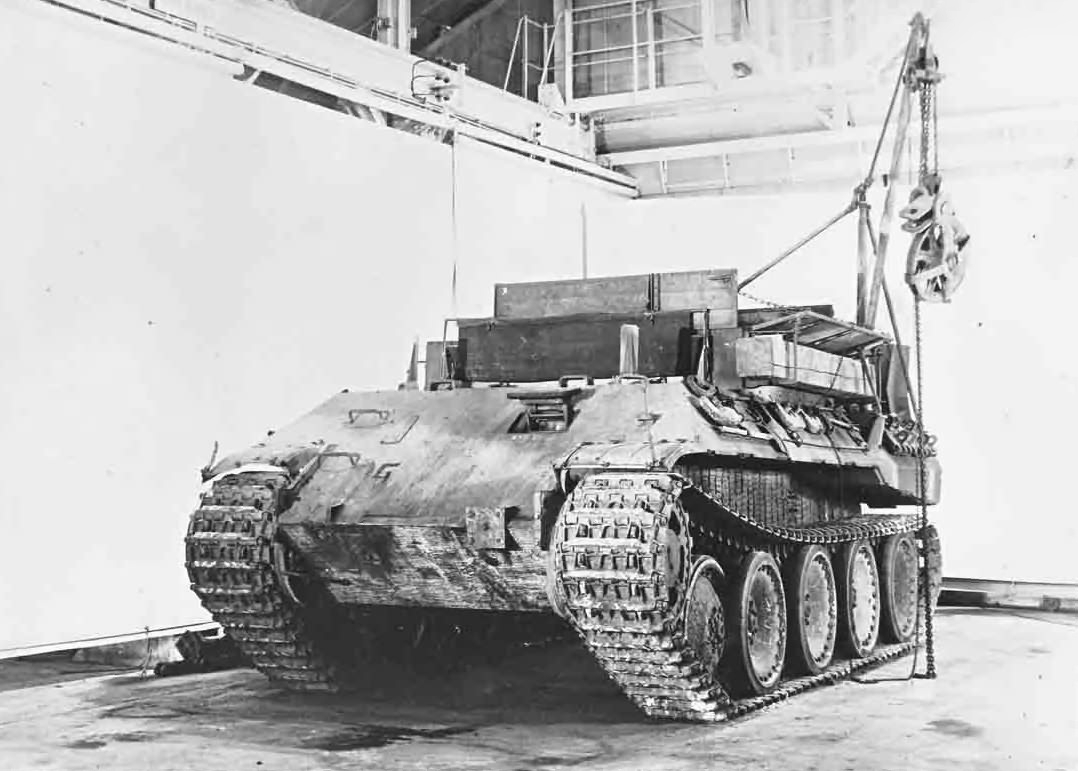
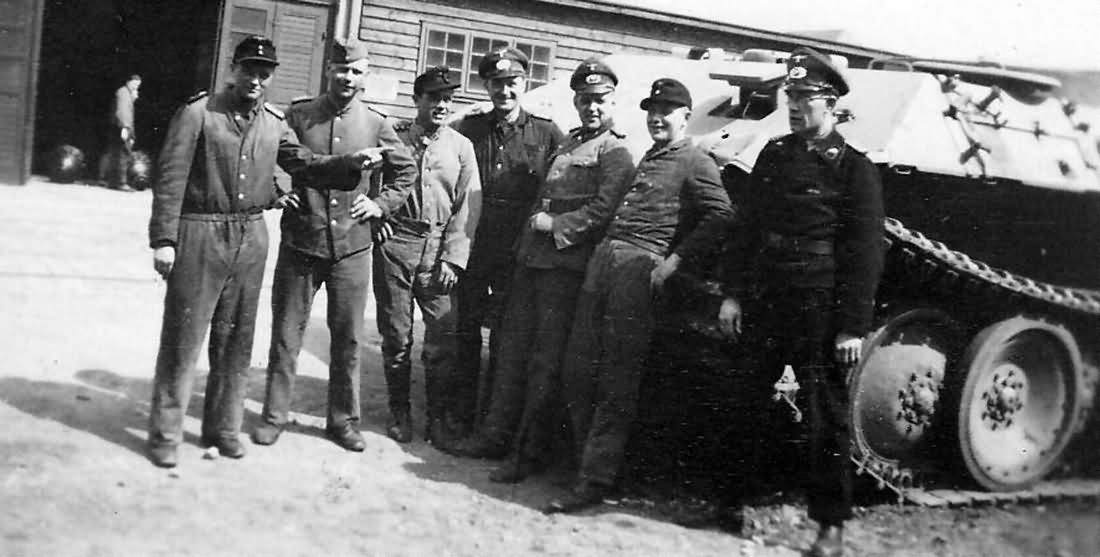
The Bergepanzer V Panther (Sd.Kfz. 179), commonly known as the Bergepanther, was an armored recovery vehicle developed in 1943 to retrieve Germany’s increasingly heavy medium and heavy tanks—such as the Panther and Tiger series—whose weight far exceeded the towing capacities of standard unarmored half-tracks like the Sd.Kfz. 9 under battlefield conditions. Built on the Panther tank hull (Ausf. D, A, and G) across manufacturers including MAN, Henschel, Daimler-Benz, and DEMAG, the vehicle replaced the original gun turret with a open-topped, wooden-planked superstructure and a heavy-duty 40-ton internal winch system, complemented by a large rear spade (Erdsporn) to anchor the vehicle during demanding recovery operations. Operating with a crew of three to five soldiers, early models were armed with a 2 cm KwK 30 cannon mounted on the upper glacis, which was later replaced by a standard machine gun ball mount (Kugelblende). Between 1943 and 1945, approximately 339 purpose-built units were completed alongside over 60 field conversions from damaged tanks by Seibert Stahlbau; although component shortages led to many units being issued as simple turretless towing vehicles without winches, fully equipped Bergepanthers proved exceptionally capable and reliable under enemy fire across all European fronts.