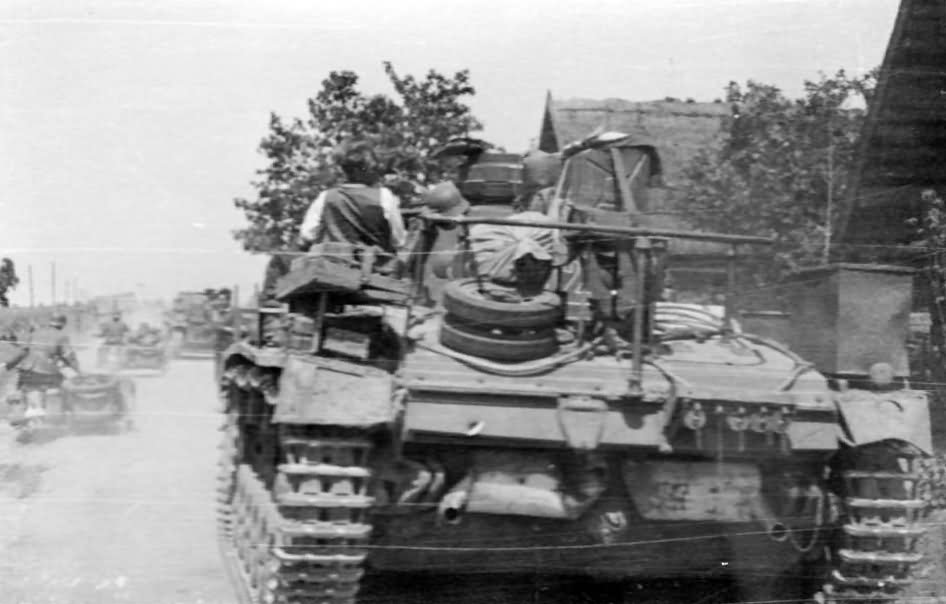
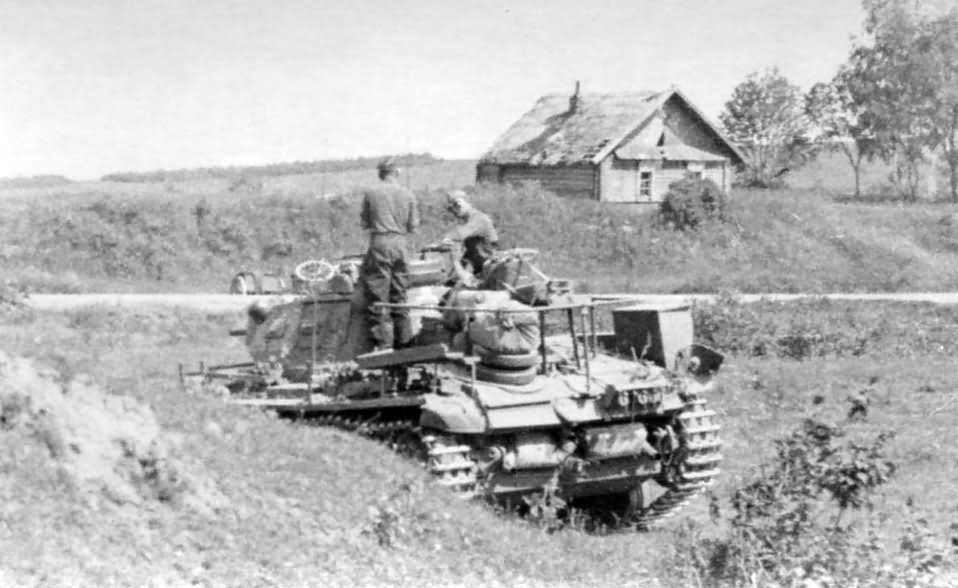
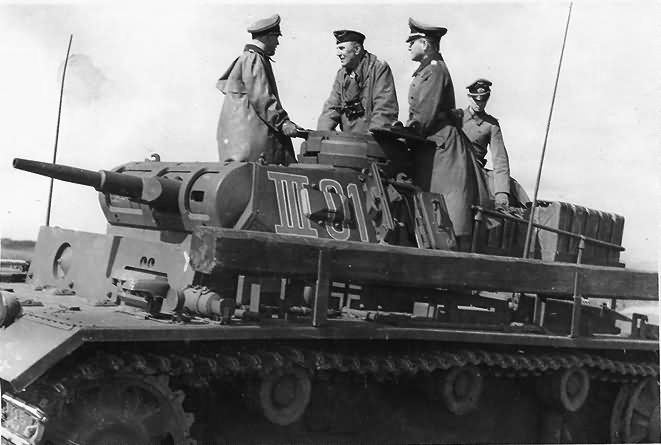
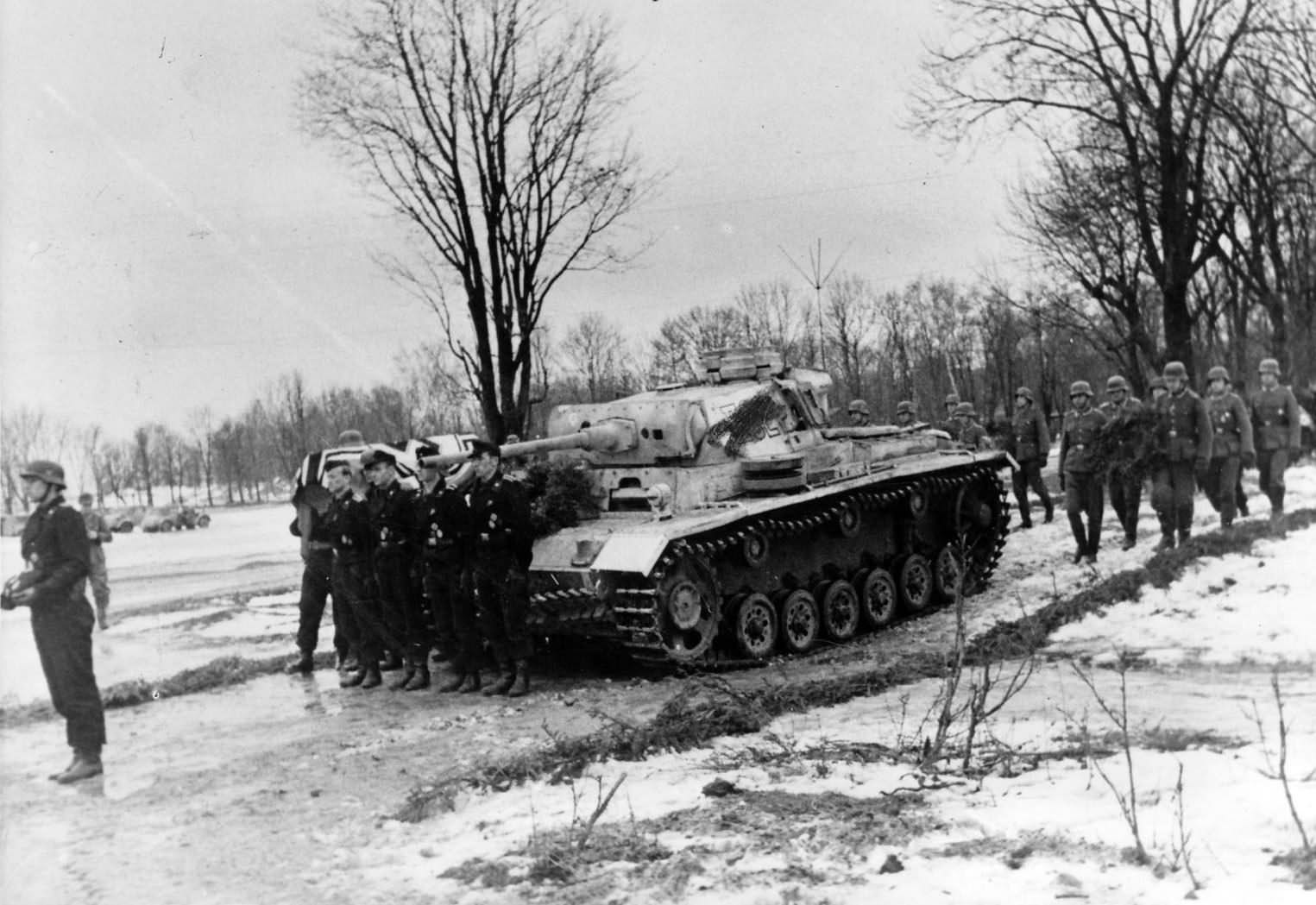
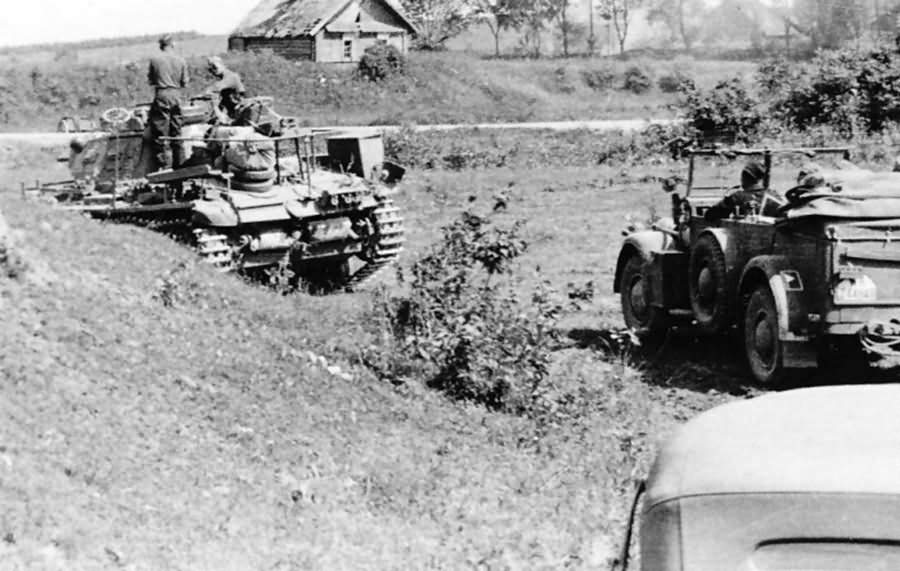
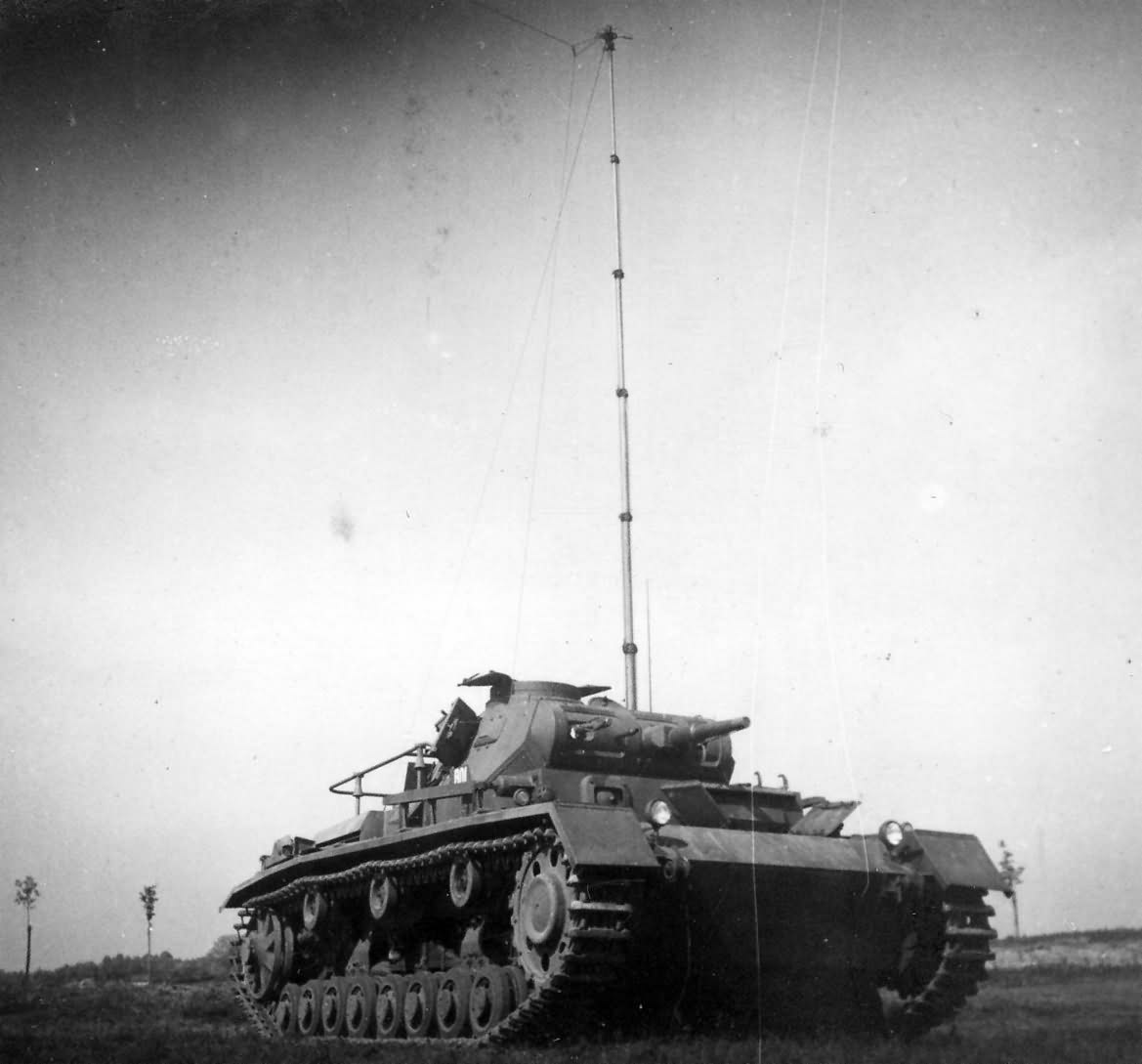
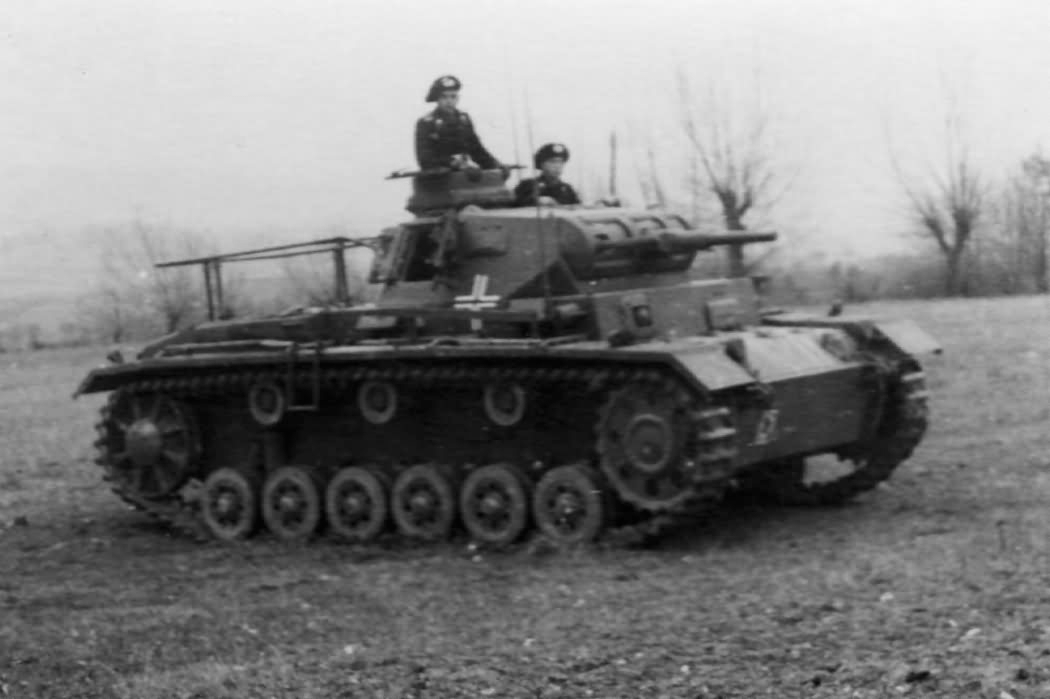
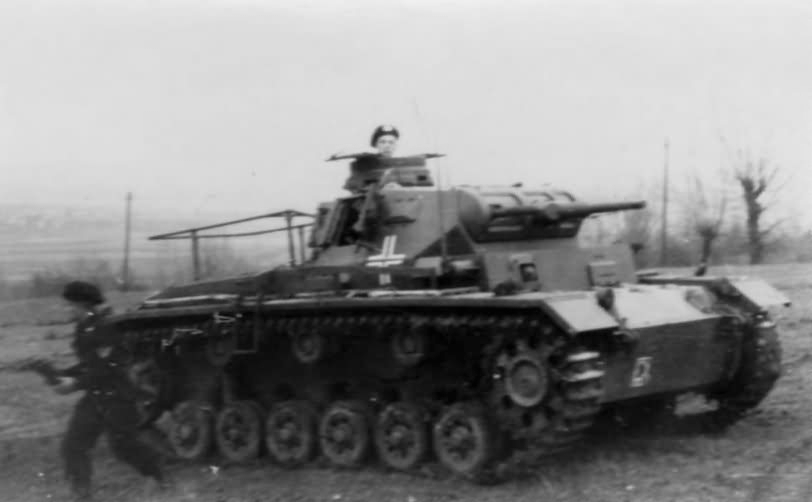
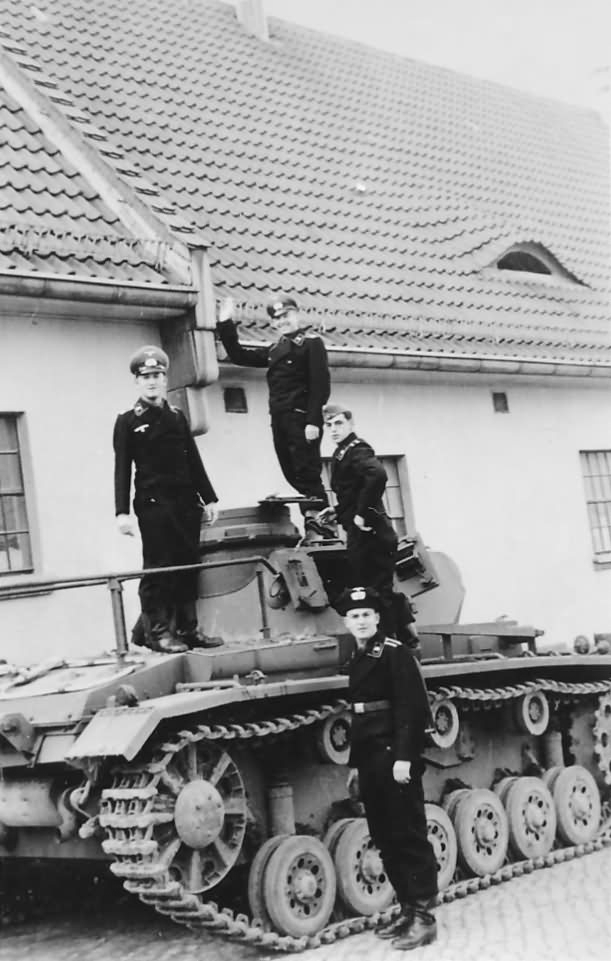
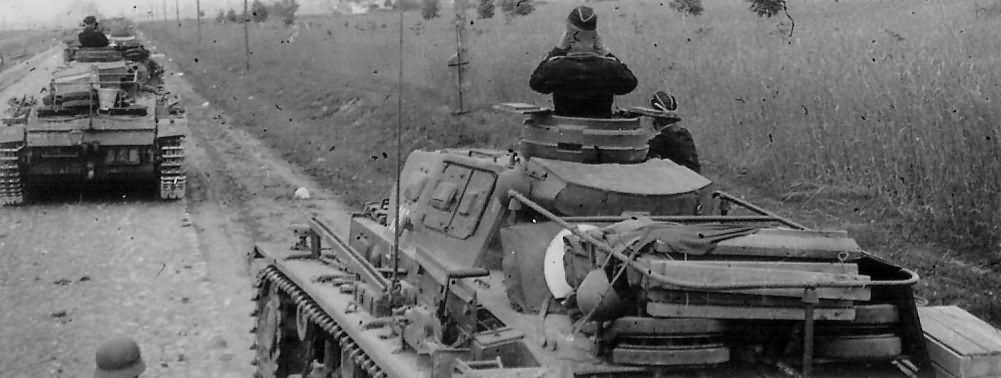
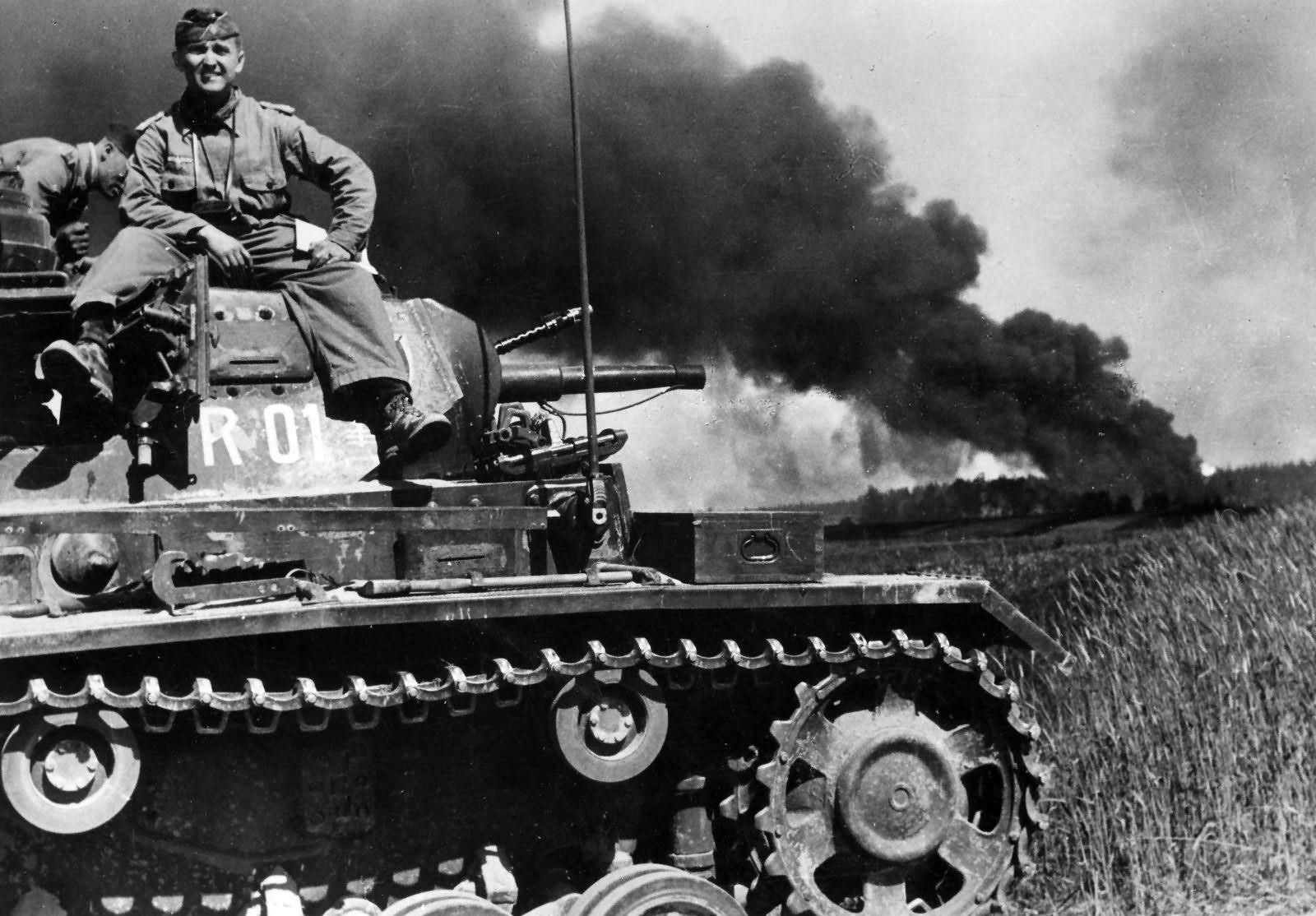
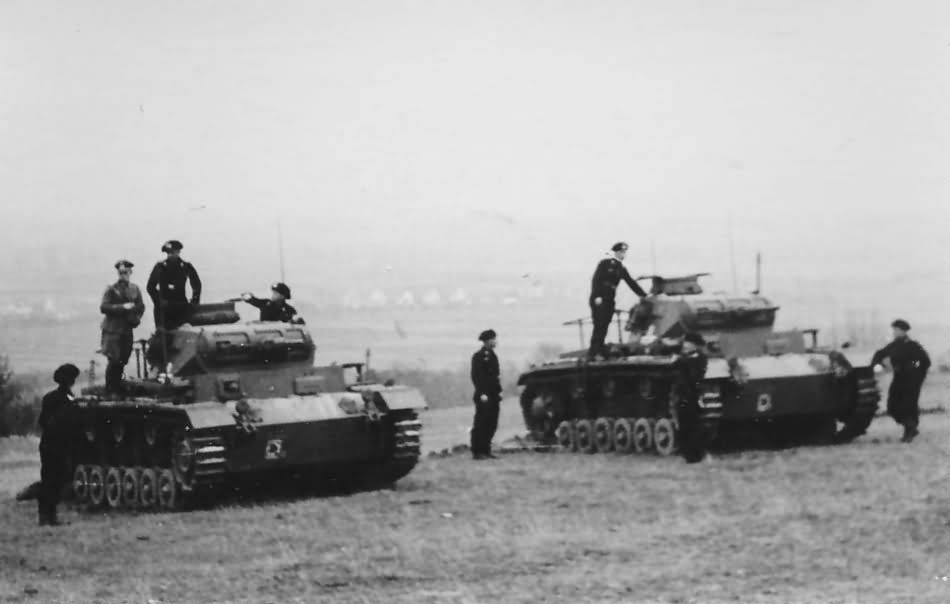
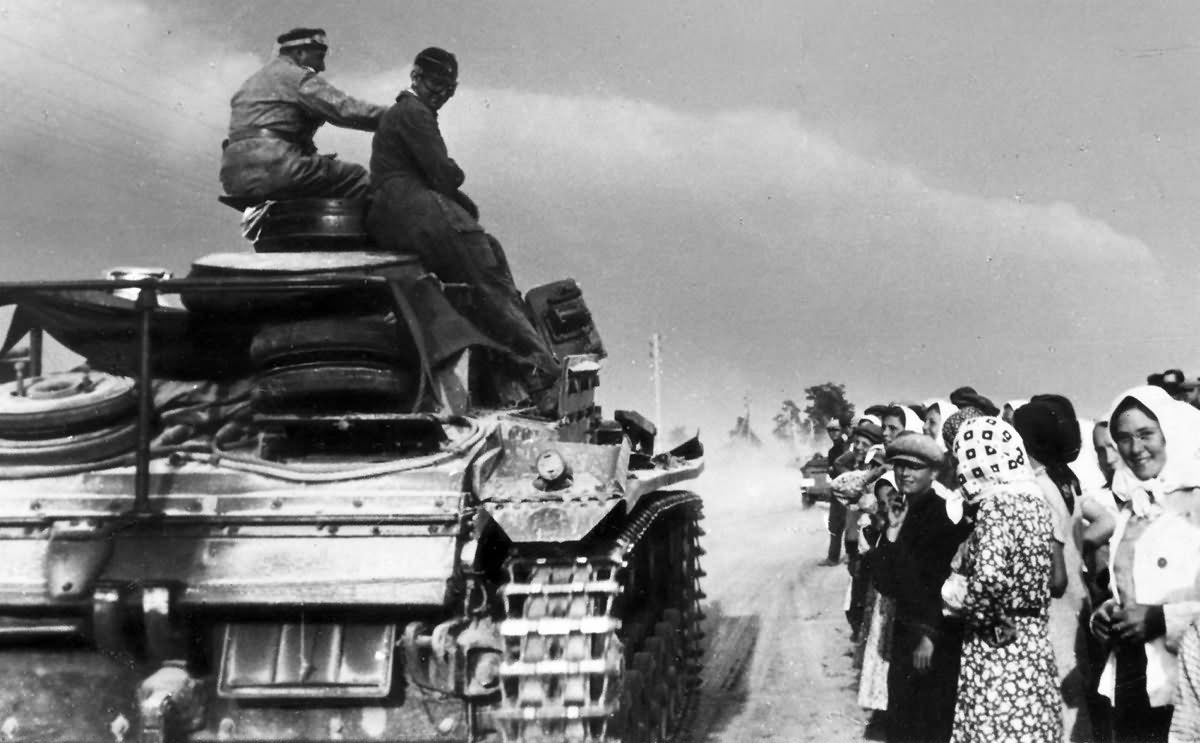
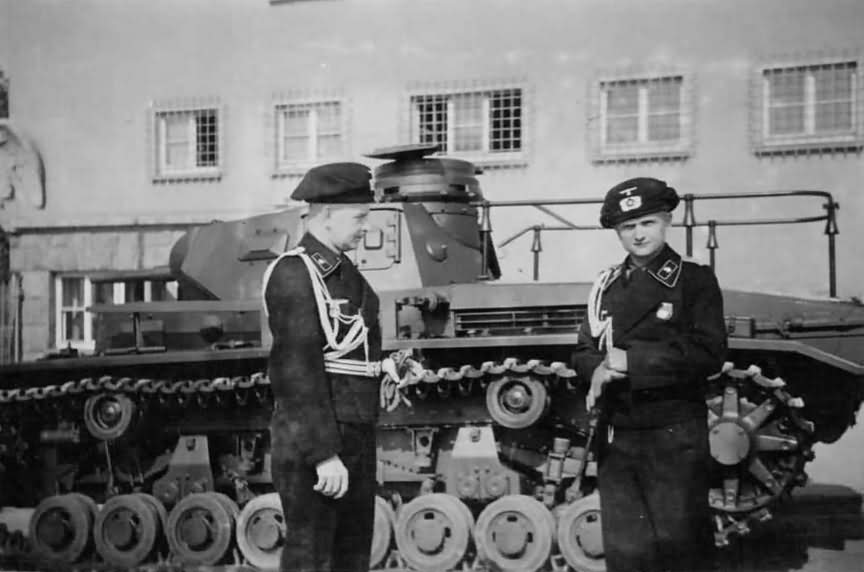
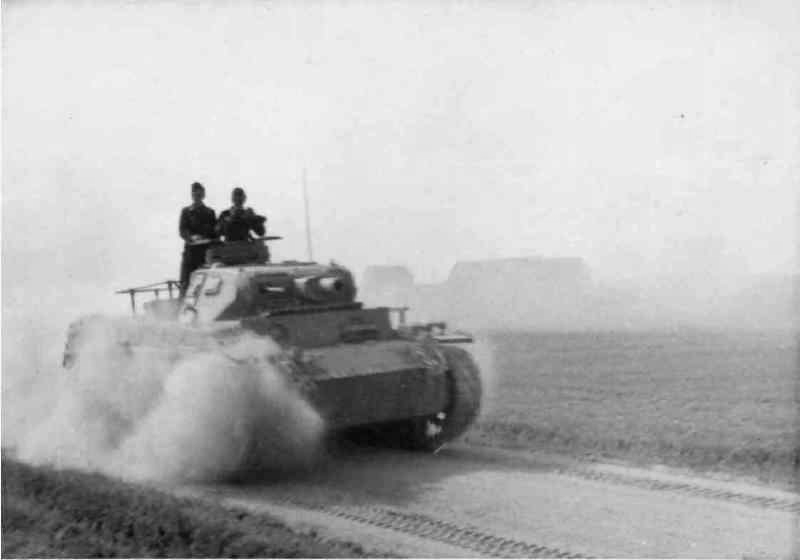
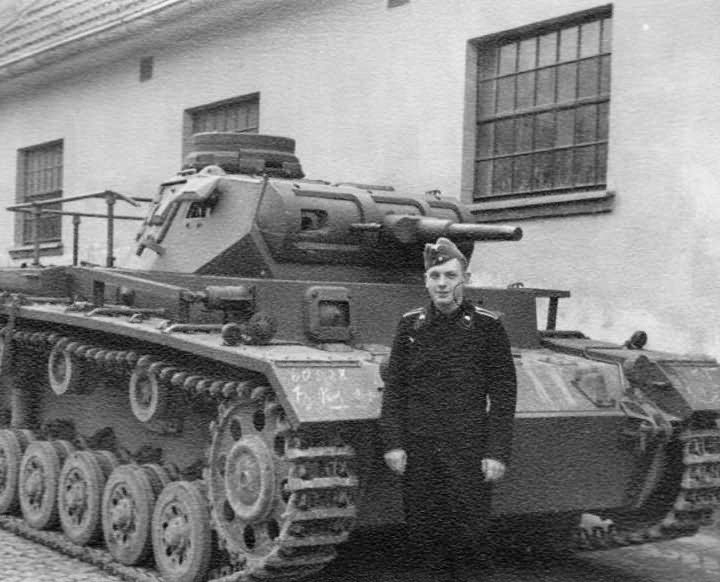
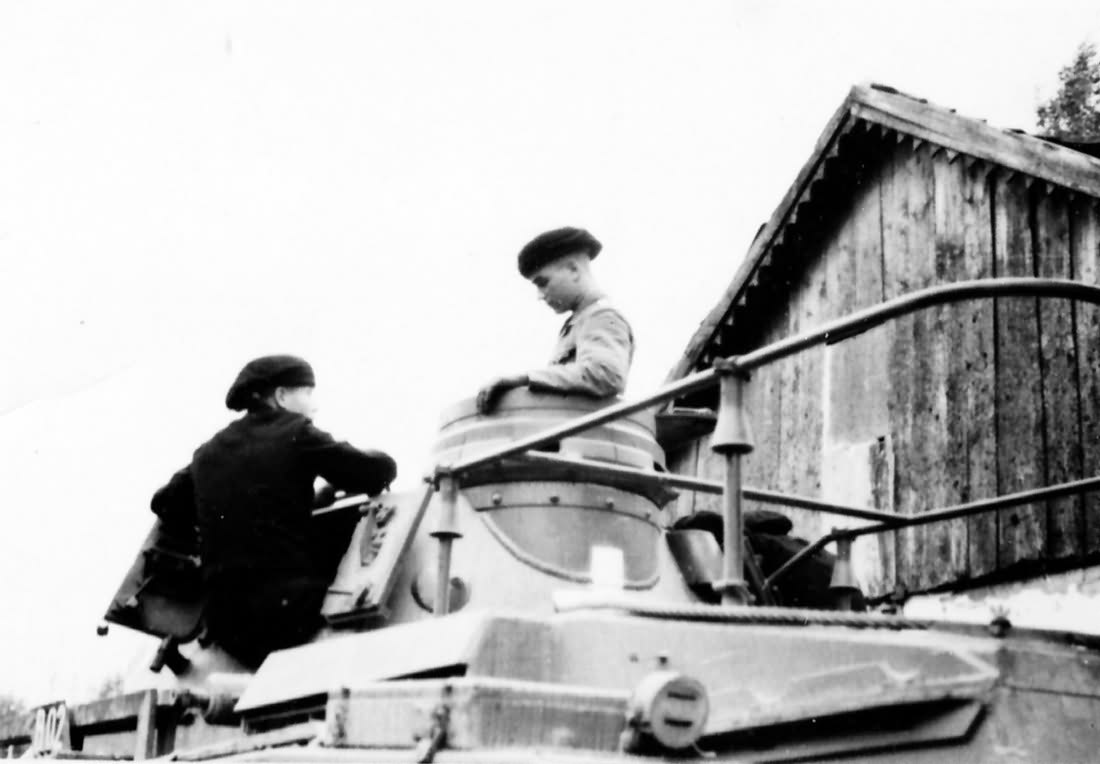
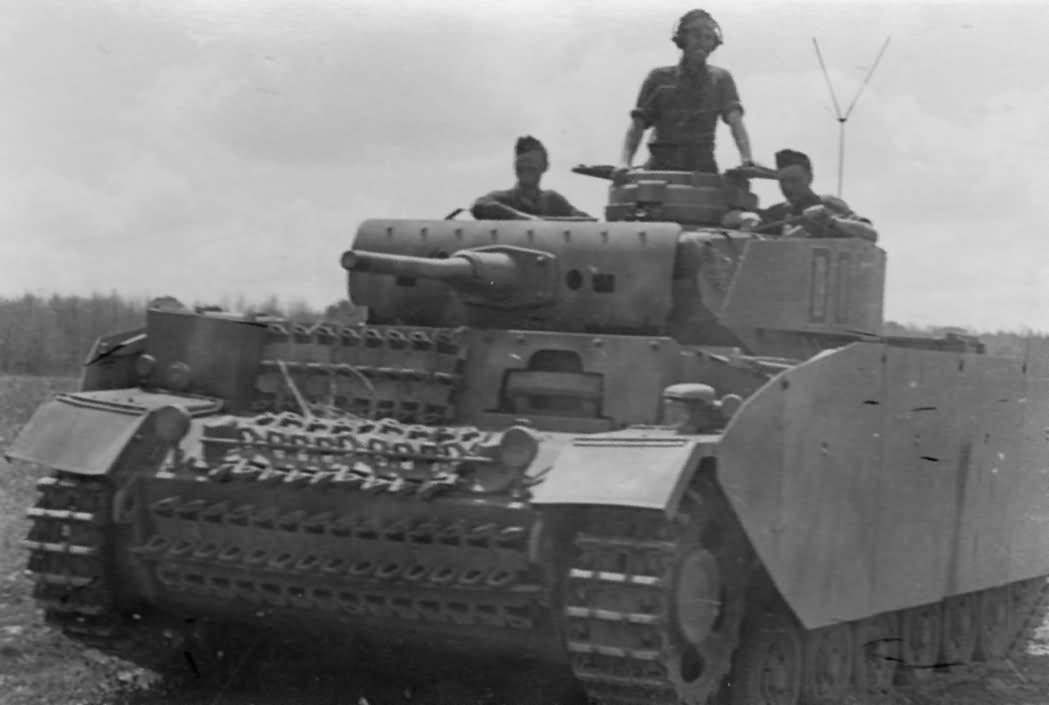
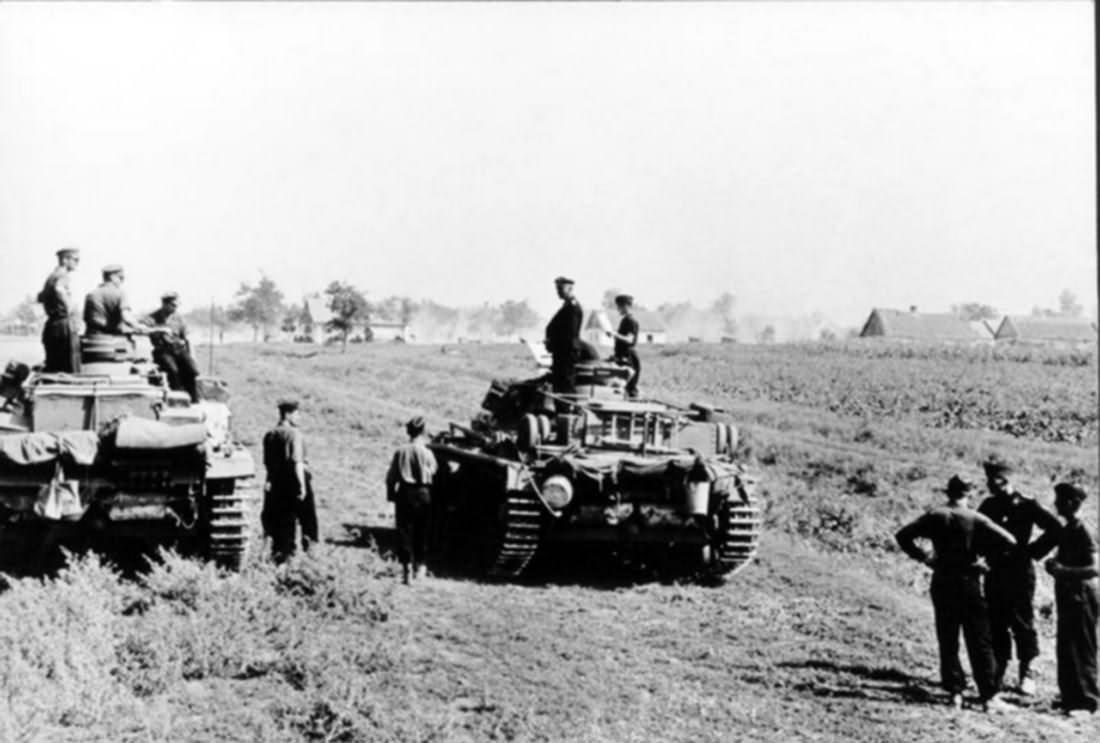
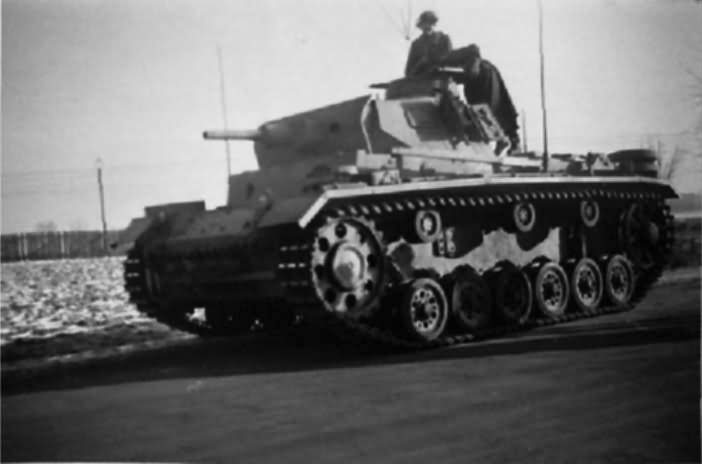
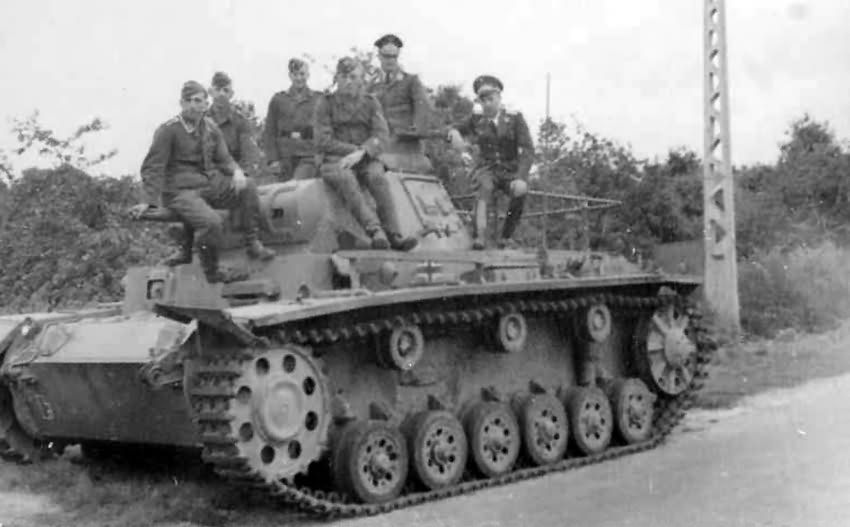
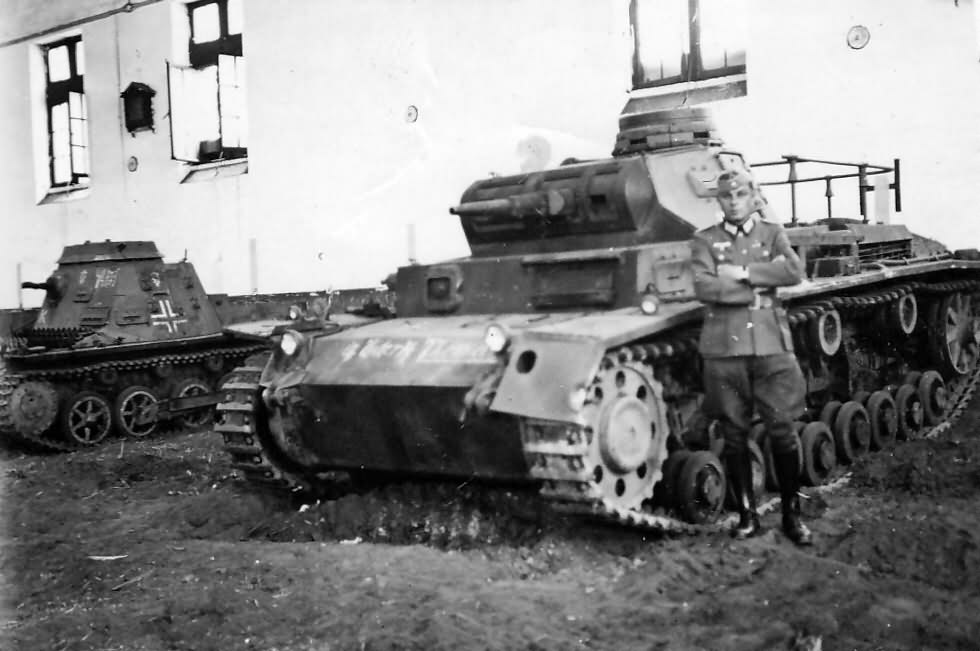
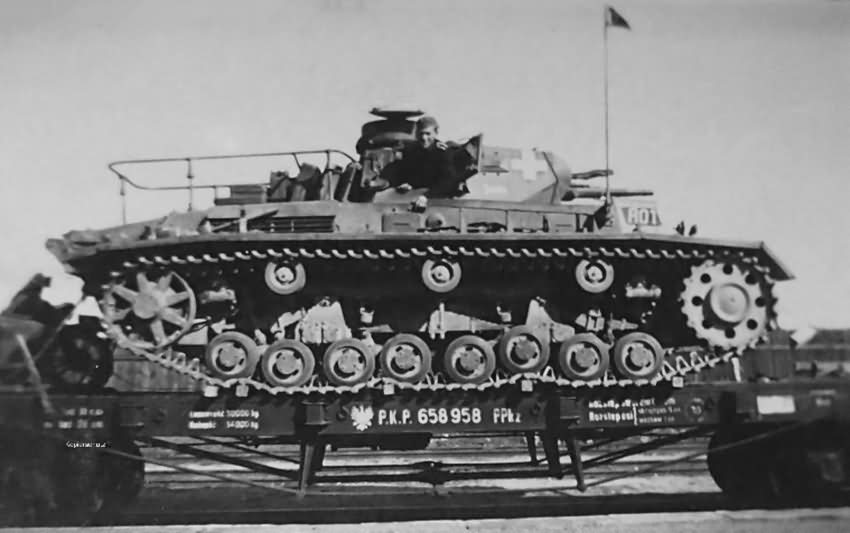
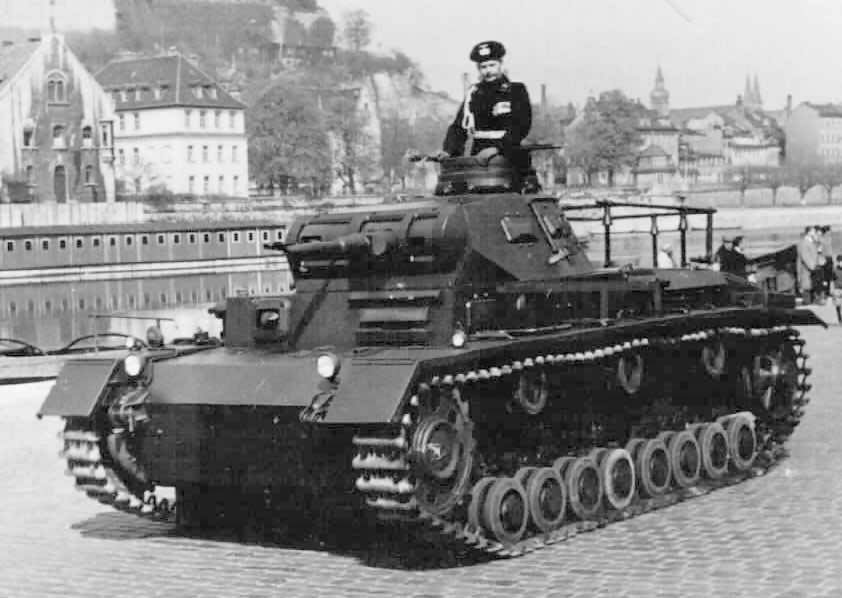
Panzerkampfwagen III (Sd.Kfz. 141) was a German medium tank developed by Daimler-Benz in the mid-1930s to serve as the standard anti-tank combat vehicle for the Wehrmacht’s armored divisions, operating alongside the support-focused Panzer IV. Originally entering production in 1937 with a $3.7\text{ cm KwK 36}$ gun and thin armor, the design evolved rapidly through numerous variants (Ausf. A through N), upgrading to a robust torsion-bar suspension, $50\text{–}80\text{ mm}$ of frontal protection, and progressively stronger armament—including the short $5\text{ cm KwK 38}$ and the long-barreled $5\text{ cm KwK 39 L/60}$ introduced to counter heavily armored Soviet tanks like the T-34. Although it formed the core of Germany’s armored force during the early war and the invasion of the Soviet Union, its turret ring was ultimately too small to accommodate the larger $7.5\text{ cm}$ anti-tank guns needed to remain effective against late-war allied armor. Consequently, main tank production ceased in August 1943 after around 5,700 units were built, shifting focus to the Ausf. N close-support variant and transitioning its highly successful chassis to the long-serving Sturmgeschütz III (StuG III) assault gun platform.