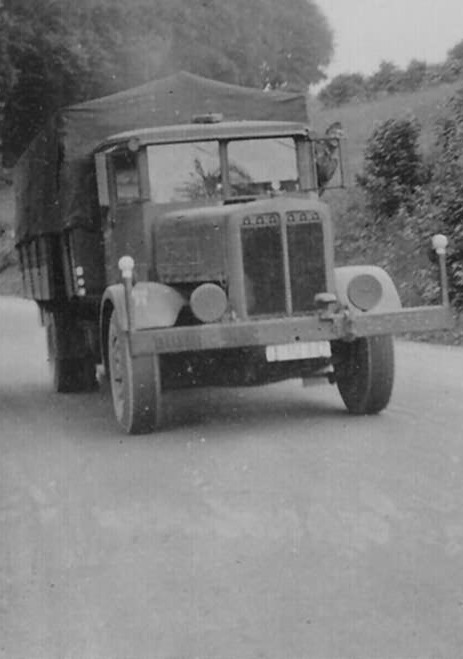
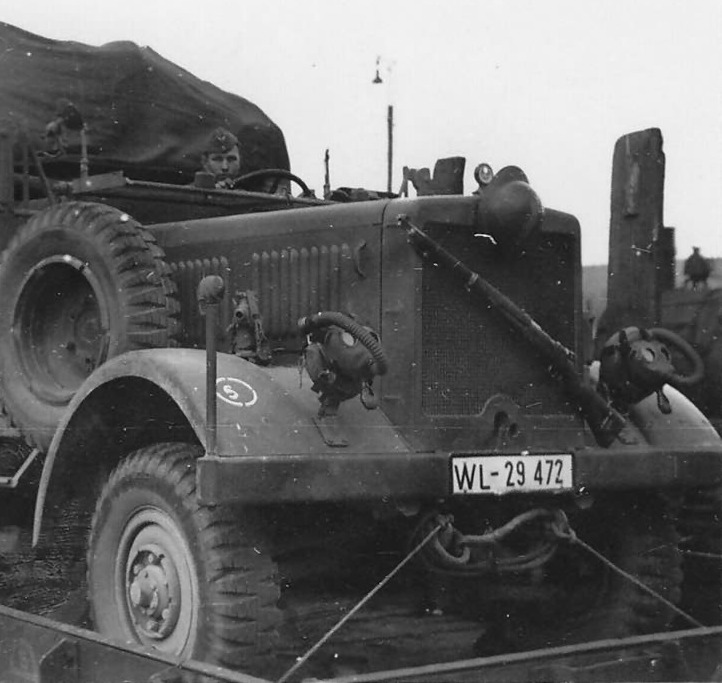
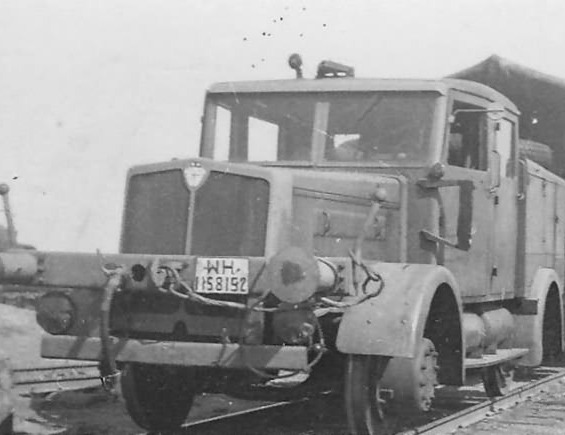
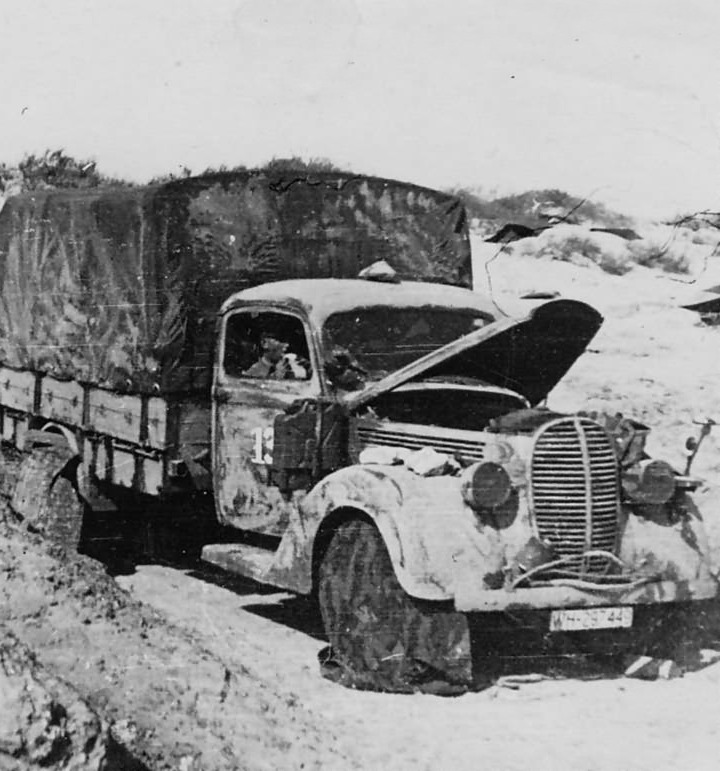
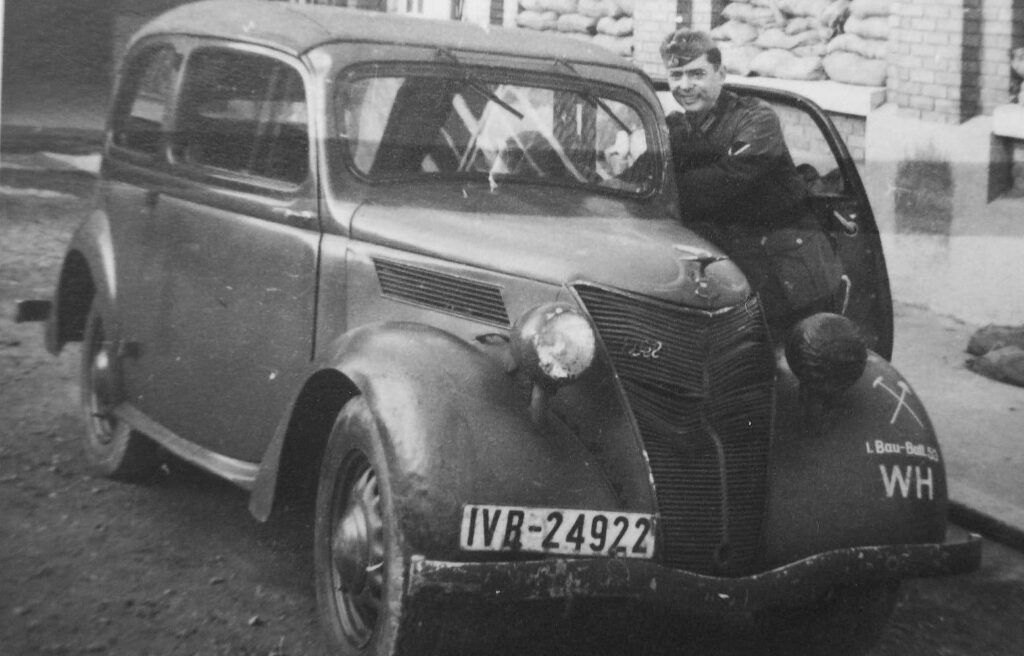
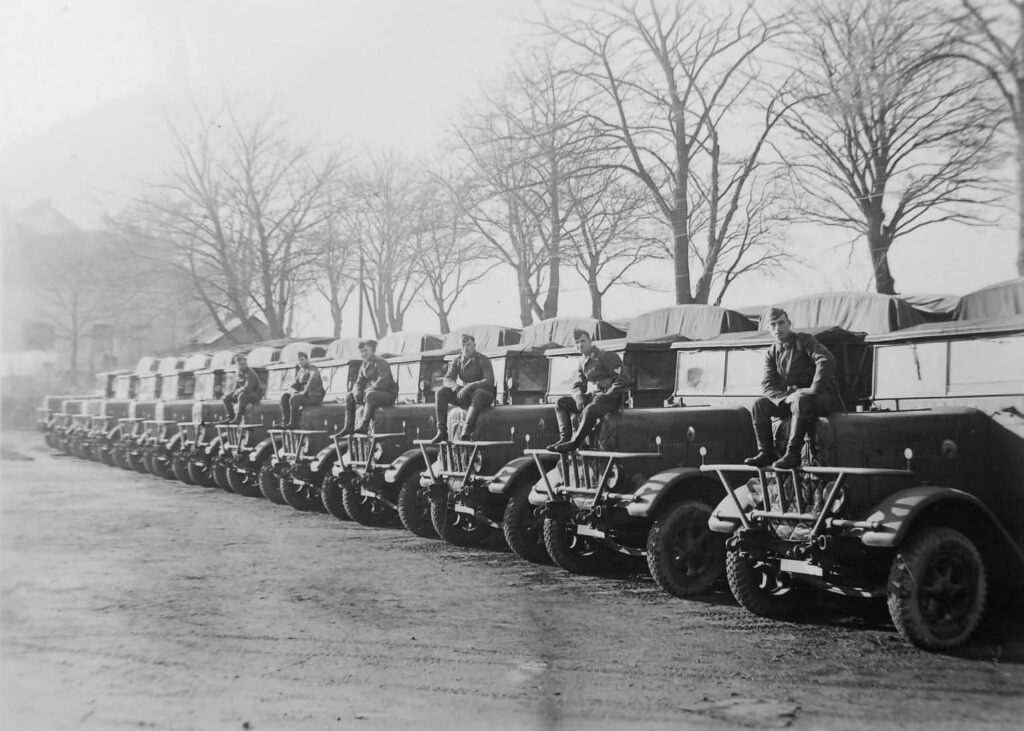
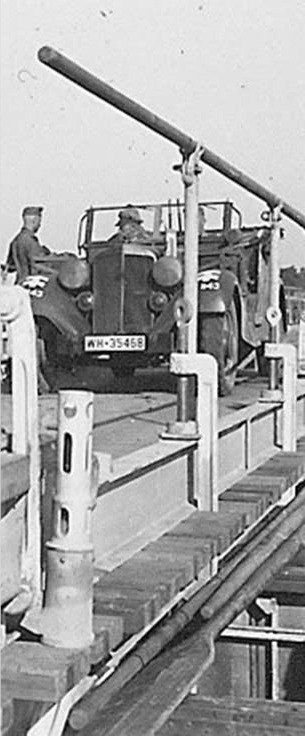
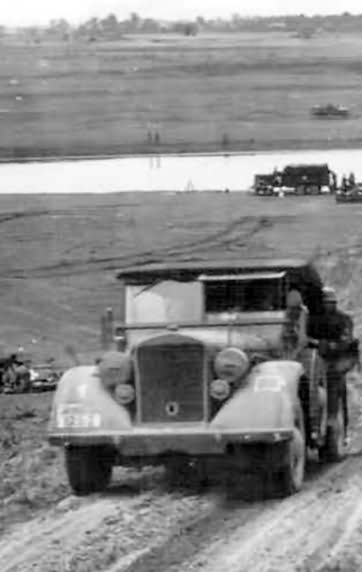
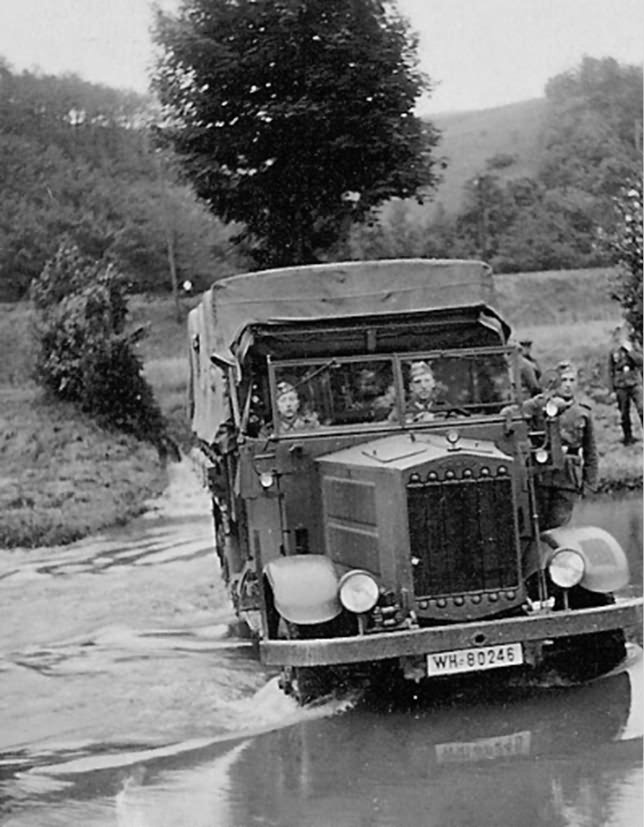
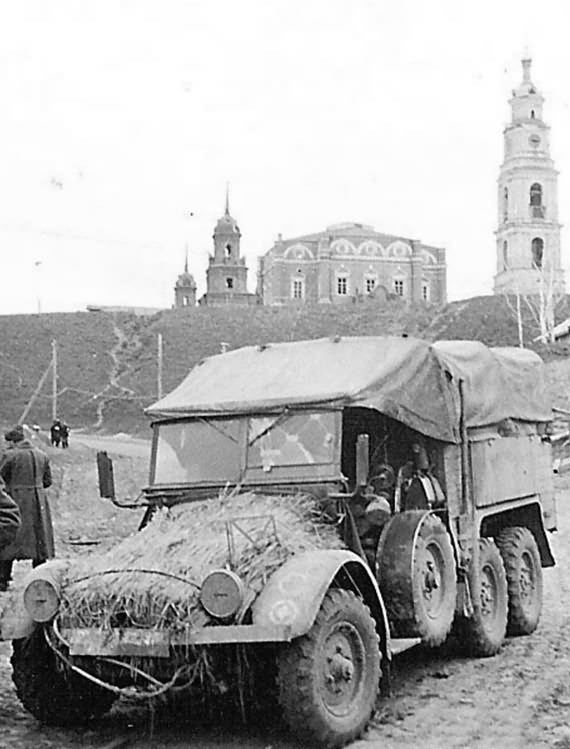
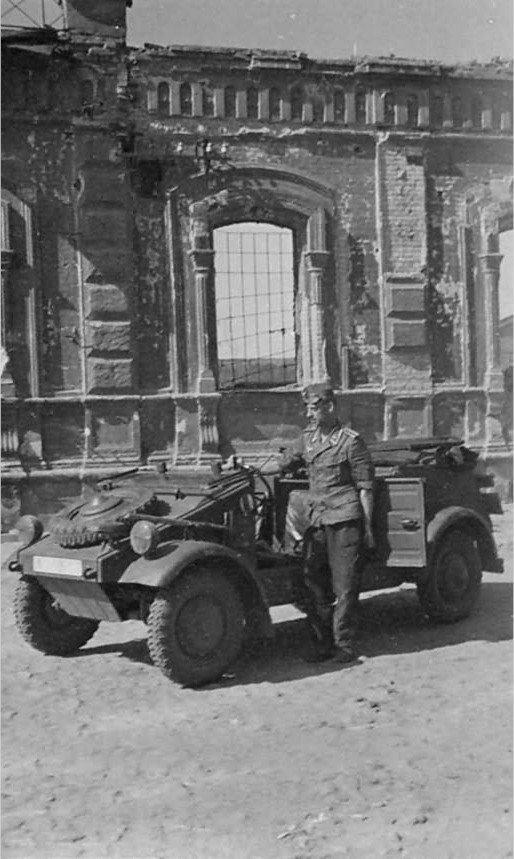
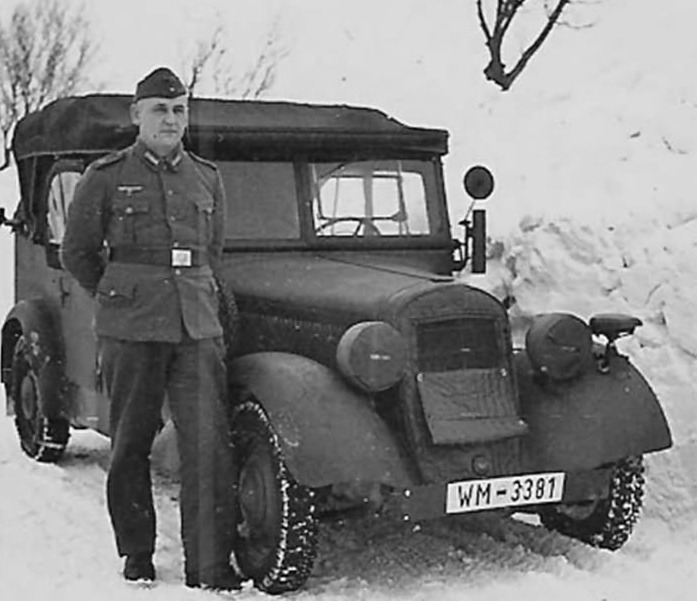
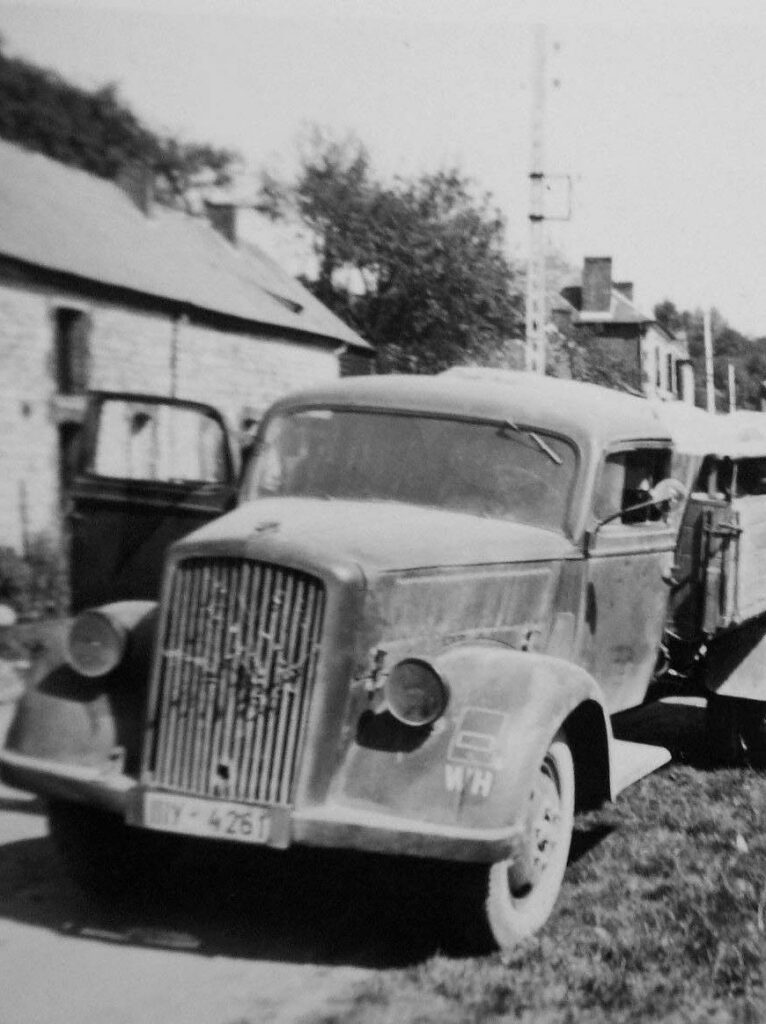
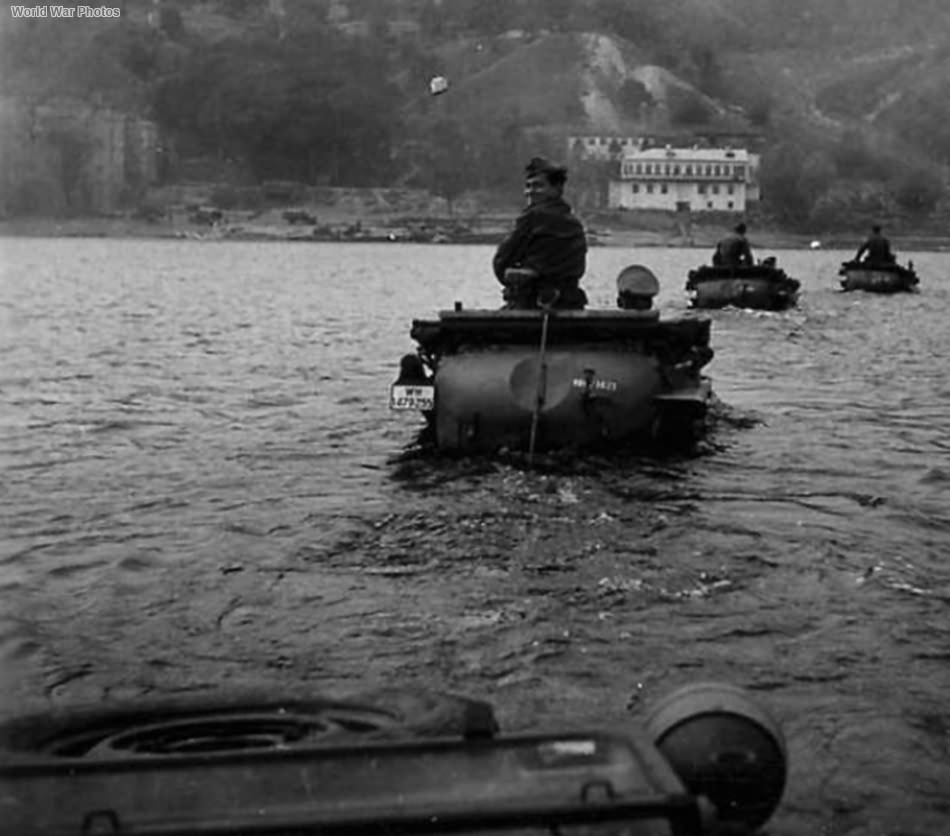
Wehrmacht Trucks and Cars provided the essential motorized transport and administrative backbone of the German armed forces throughout World War II, serving every military branch across all operational theaters. To mobilize millions of soldiers and move massive quantities of artillery, supplies, and communications gear, Germany deployed a wide range of light, medium, and heavy wheeled vehicles. Light passenger and utility cars were dominated by the versatile Volkswagen Typ 82 Kübelwagen (a lightweight, rear-engine 4×2 utility car designed by Ferdinand Porsche) and its amphibious counterpart, the Typ 166 Schwimmwagen, complemented by standardized militarized cars (Einheits-PkW) from manufacturers such as Horch, Stoewer, and Mercedes-Benz. Medium and heavy logistics relied heavily on 3-ton trucks, most notably the legendary Opel Blitz 3.6-36S, alongside major commercial designs including the Mercedes-Benz L3000, Ford V3000A, KHD/Magirus A3000, and Büssing-NAG. Special heavy transport demands were met by multi-axle 6×4 and 6×6 trucks like the Henschel 33, Krupp Protze (a distinctive 6×4 light artillery tractor and troop carrier), and heavy-duty MAN and Büssing-NAG lorries. Despite extensive industrial standardization attempts (Einheits-LkW and the Schell-Plan), the Wehrmacht struggled with a chaotic mix of domestic models, foreign requisitioned vehicles from occupied nations, and severe fuel shortages, making full mechanization an unachieved goal and leaving logistics heavily reliant on horse-drawn transport until the end of the war.