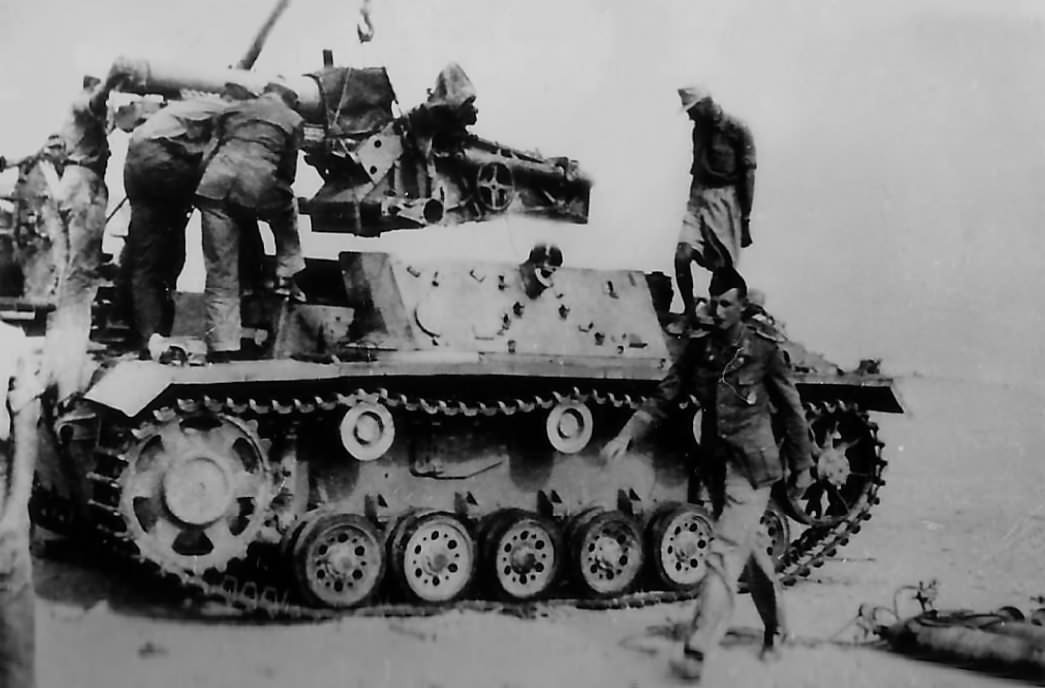
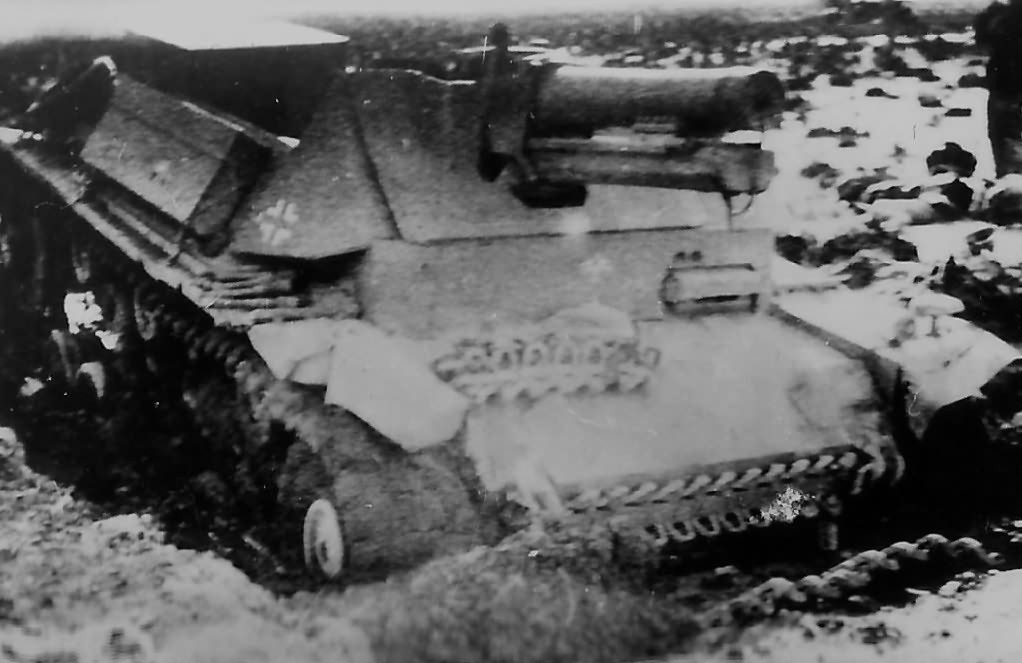
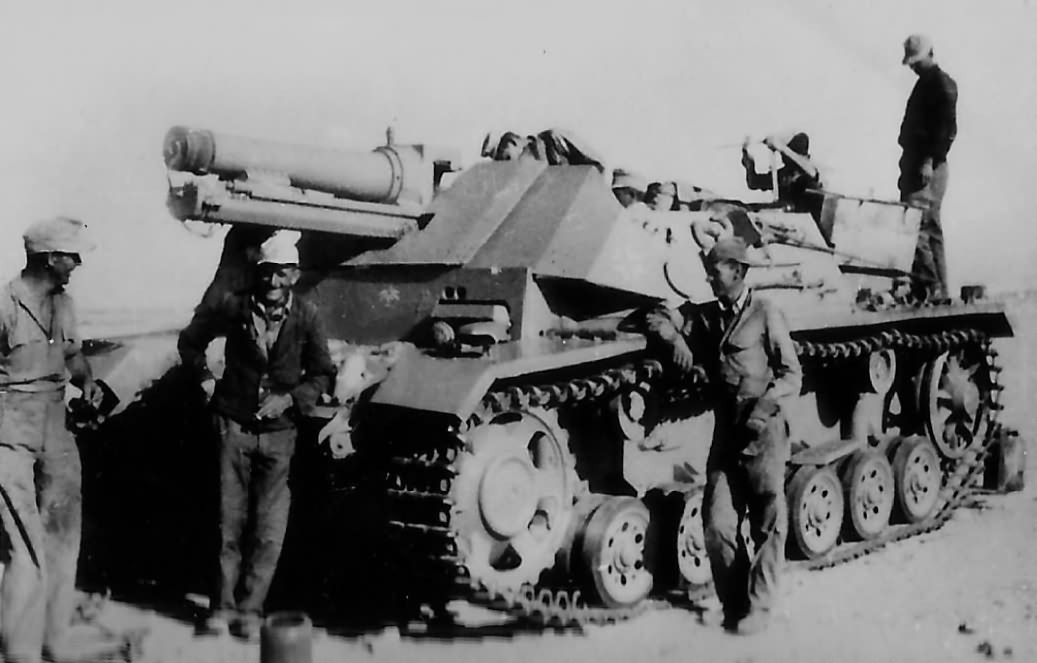
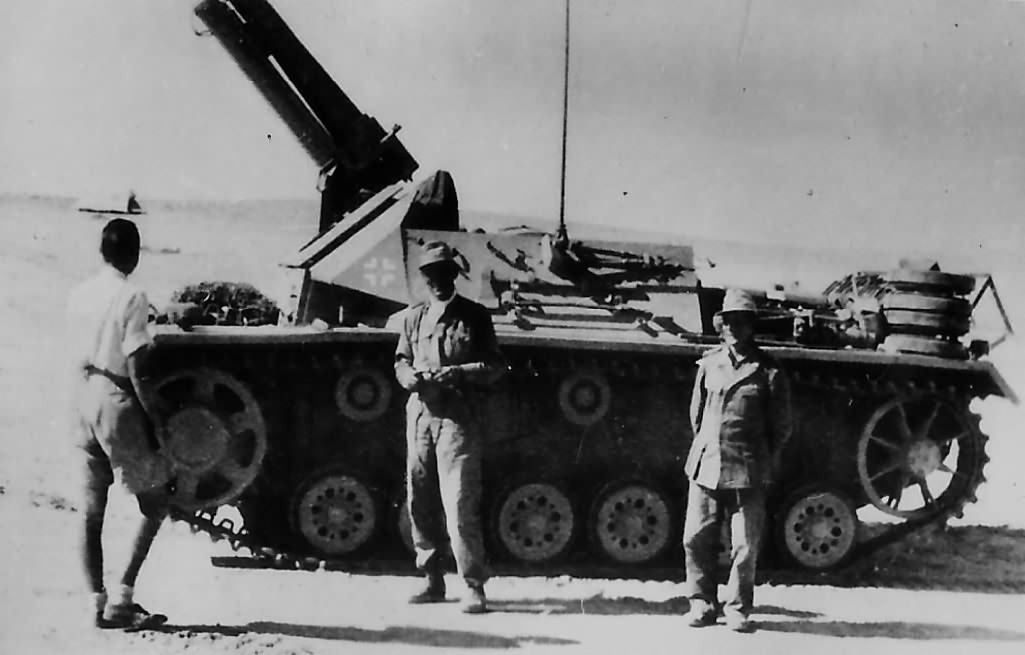
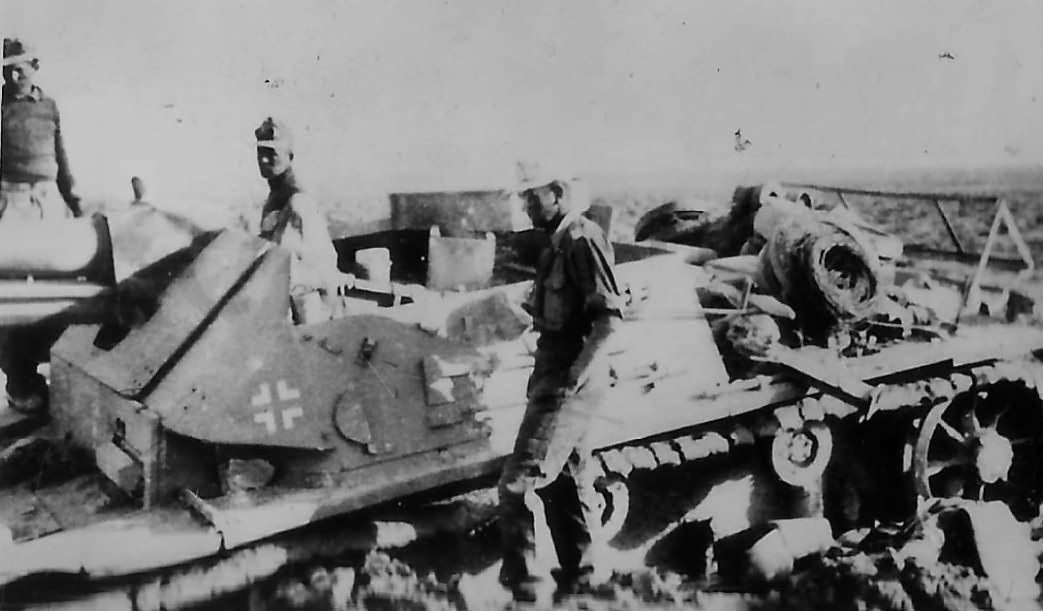
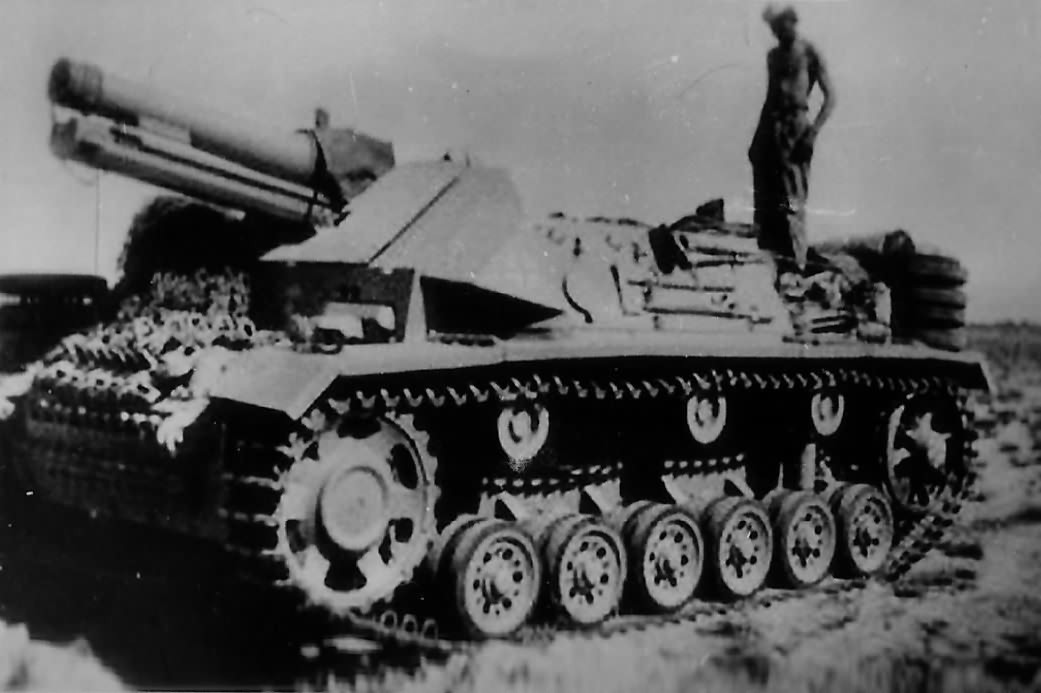
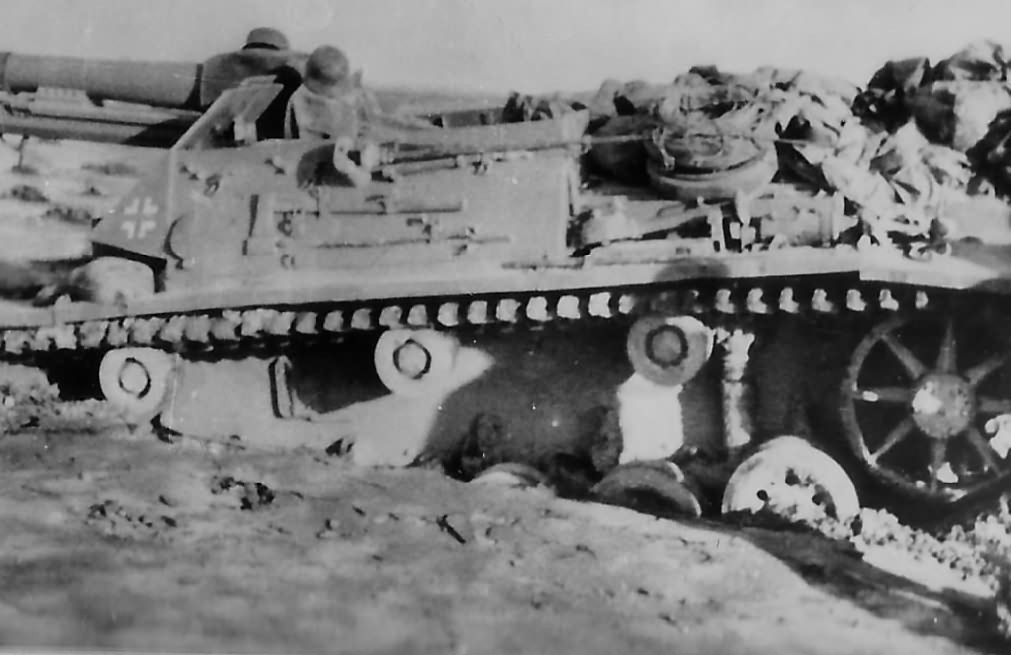
The 15 cm sIG 33 auf Fahrgestell Panzerkampfwagen III—most prominently represented by the standardized Sturminfanteriegeschütz 33B—was a heavily armored self-propelled assault gun developed by Germany during World War II to provide mobile, heavy close-range fire support for advancing infantry in hazardous combat environments. The concept of mounting the powerful 15 cm schweres Infanteriegeschütz 33 heavy infantry gun on various tracked platforms arose early in the war to give infantry units immediate high-explosive capabilities capable of destroying fortifications, barricades, and reinforced strongpoints. While initial wartime improvised platforms based on Panzer I and Panzer II chassis suffered from excessive height, high center of gravity, and severe weight overloads, utilizing the robust, well-proven chassis of the Panzer III medium tank provided the structural integrity, heavy armor capacity, and automotive reliability required for intense urban combat.The standard version, produced by Alkett in late 1942, was created by retrofitting existing Panzer III tank hulls—primarily Ausf. E, F, and H chassis—with a massive, fully enclosed, box-like superstructure welded directly onto the hull. Designed specifically for brutal close-quarters urban fighting, such as the battles in Stalingrad, this new fixed casemate featured extraordinarily thick frontal armor plates measuring up to 80 mm. This provided the five-man crew (commander, driver, gunner, and two loaders) with exceptional protection against anti-tank rifles, direct artillery splinters, and heavy enemy anti-tank guns. Mounted low inside the casemate was the 15 cm sIG 33 heavy infantry gun, offset slightly to the right. The massive 149 mm piece fired heavy 38-kilogram high-explosive shells capable of obliterating entire buildings, along with specialized smoke rounds and shaped-charge anti-tank projectiles. For secondary defense against close-range infantry assault, a 7.92 mm MG 34 machine gun was mounted in a ball mount in the left side of the upper frontal superstructure plate. In addition to this standardized 24-vehicle production run, a notable singular field modification also existed: a unique 15 cm sIG 33 mounted on an open-topped Panzer III Ausf. H chassis deployed by the German Afrika Korps in North Africa.Propelled by a 300-horsepower Maybach HL 120 TRM V12 gasoline engine, the 21-ton Sturm-Infanteriegeschütz 33B possessed a maximum road speed of around 20 km/h, as the added weight of the heavy casemate and thick frontal armor significantly reduced top speed and maneuverability compared to standard medium tanks. All 24 built units were organized into specialized assault gun detachments and rushed directly into action on the Eastern Front in late 1942, specifically assigned to the 177th and 244th Assault Gun Battalions fighting in the ruins of Stalingrad. In urban rubble, their heavy armor and devastating firepower proved highly effective at neutralizing Soviet fortress buildings and defensive bunkers. However, during the intense encirclement and annihilation of the German 6th Army, most Sturminfanteriegeschütz 33B vehicles were either destroyed in combat or captured by Soviet forces. Surviving examples outside the pocket continued to serve in rear-guard defensive battles on the Eastern Front through 1943. Ultimately, the 15 cm sIG 33 auf Panzer III provided valuable technical and doctrine lessons that directly influenced the design of subsequent fully specialized assault armor, most notably the Sturmpanzer IV Brummbär.