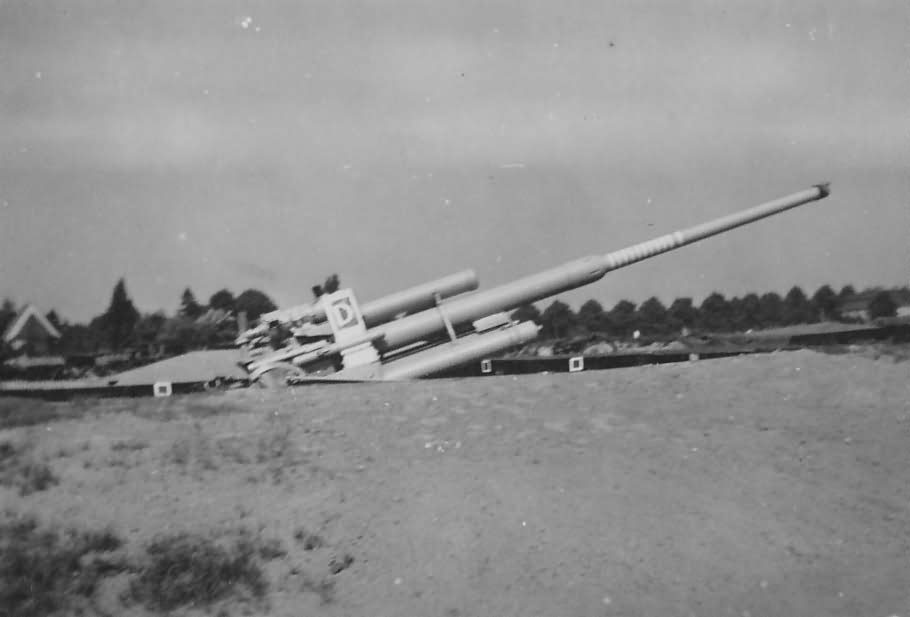
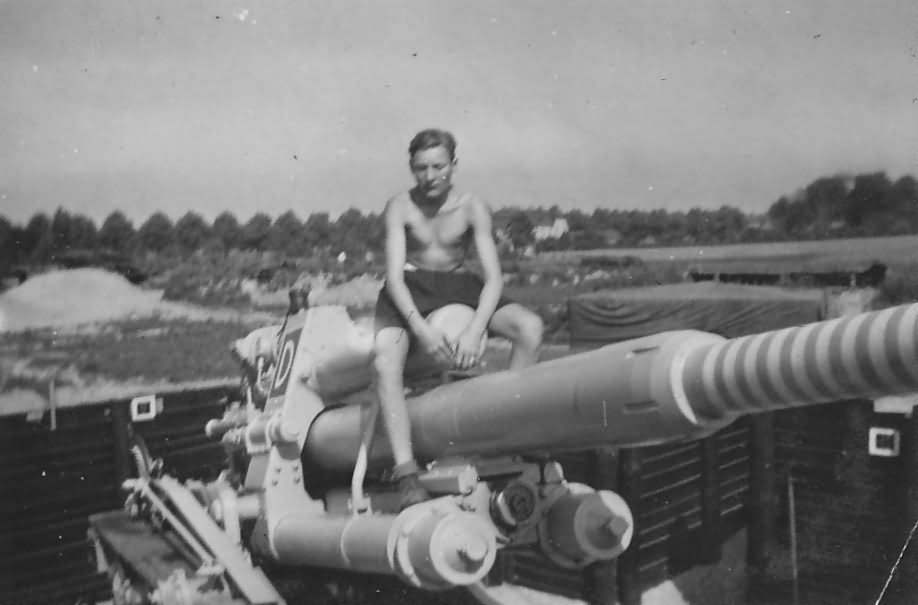
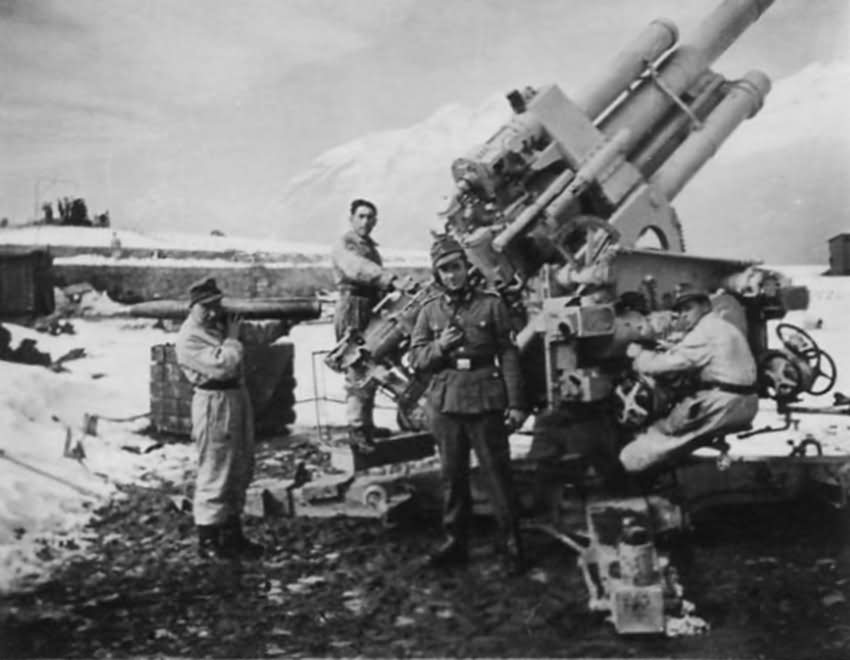
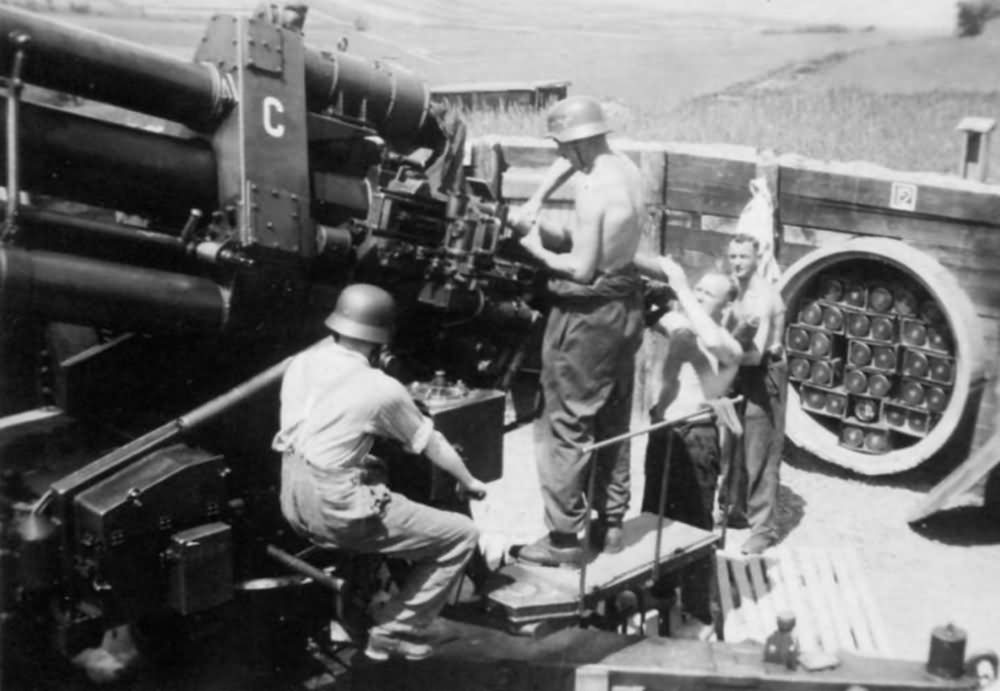
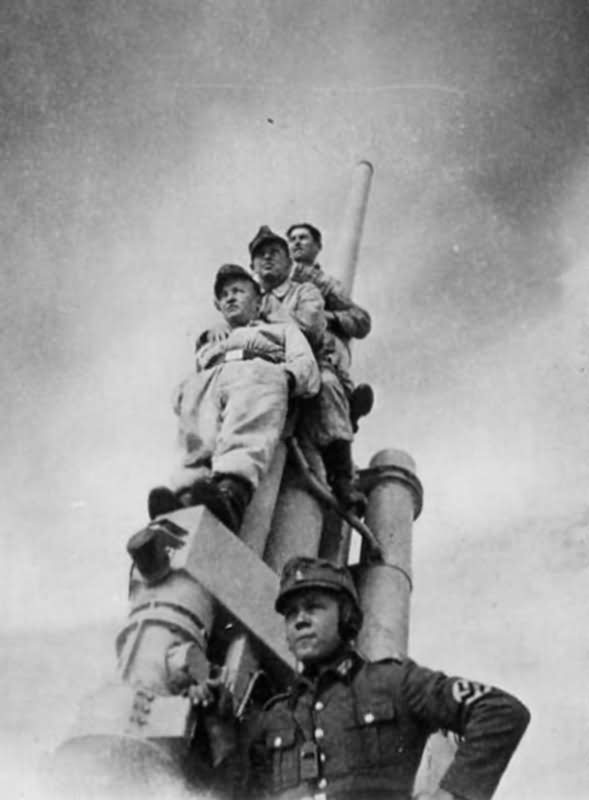
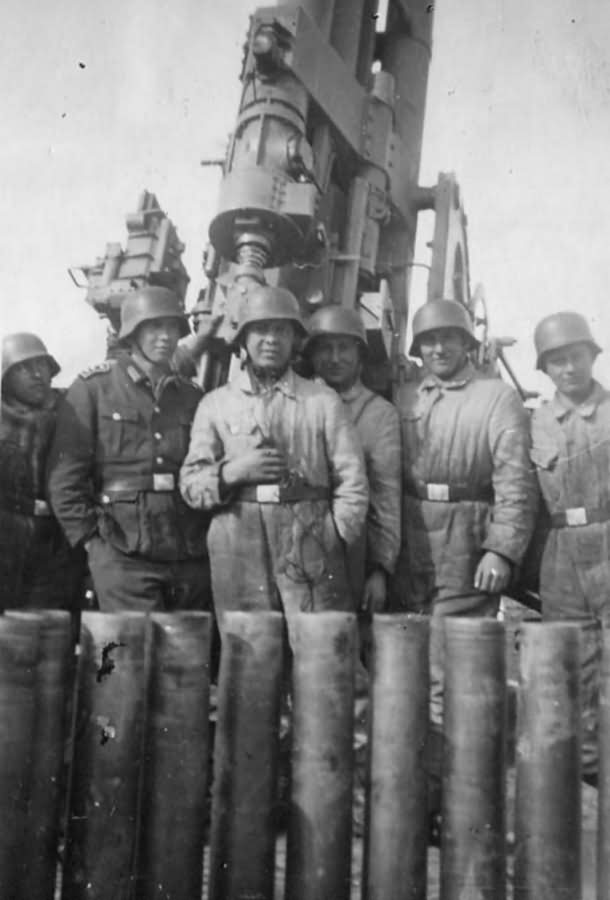
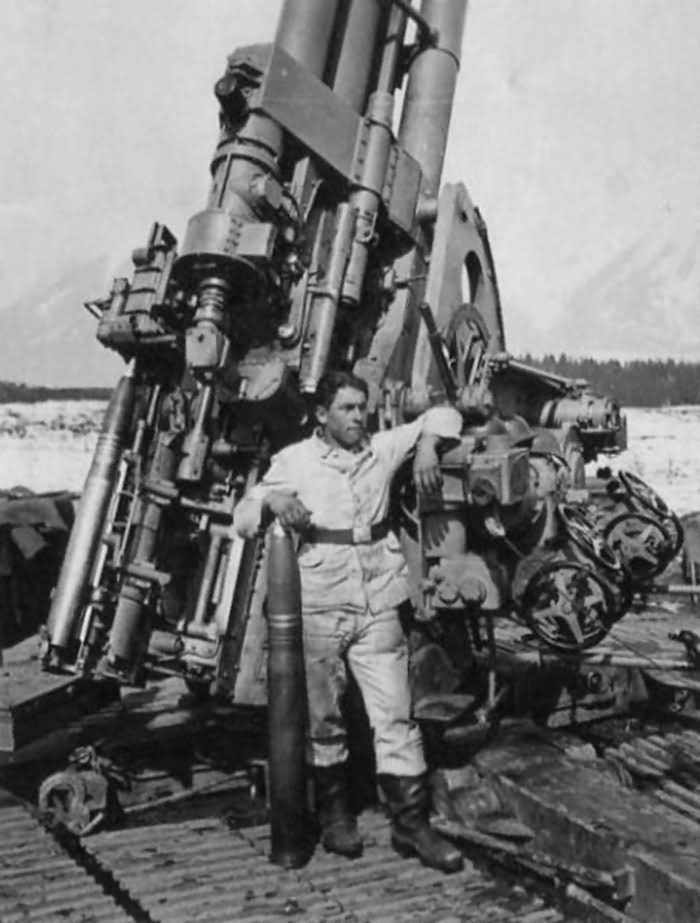
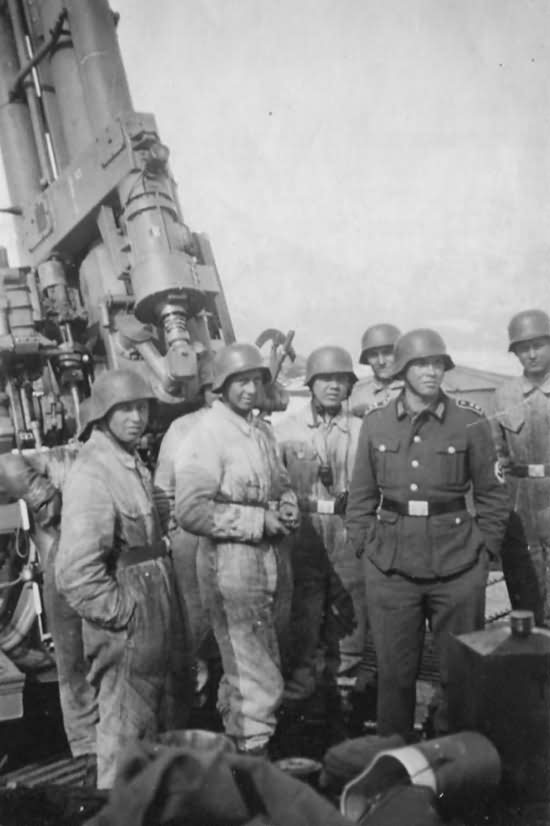
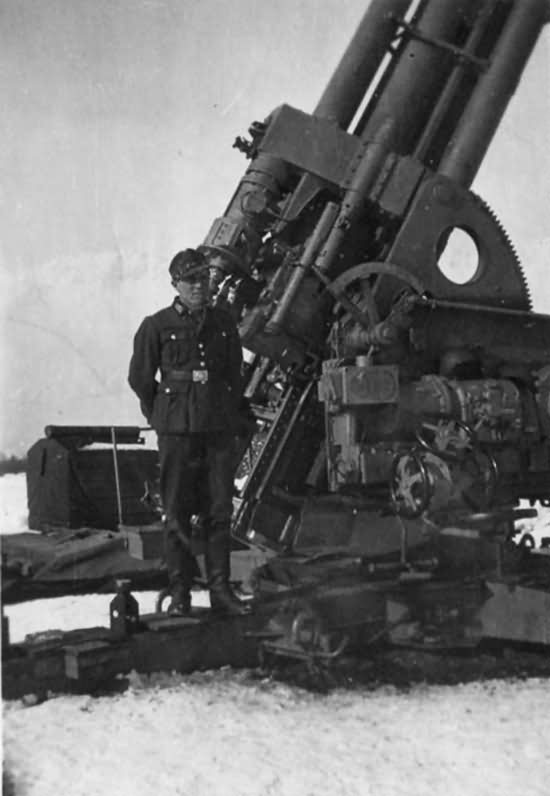
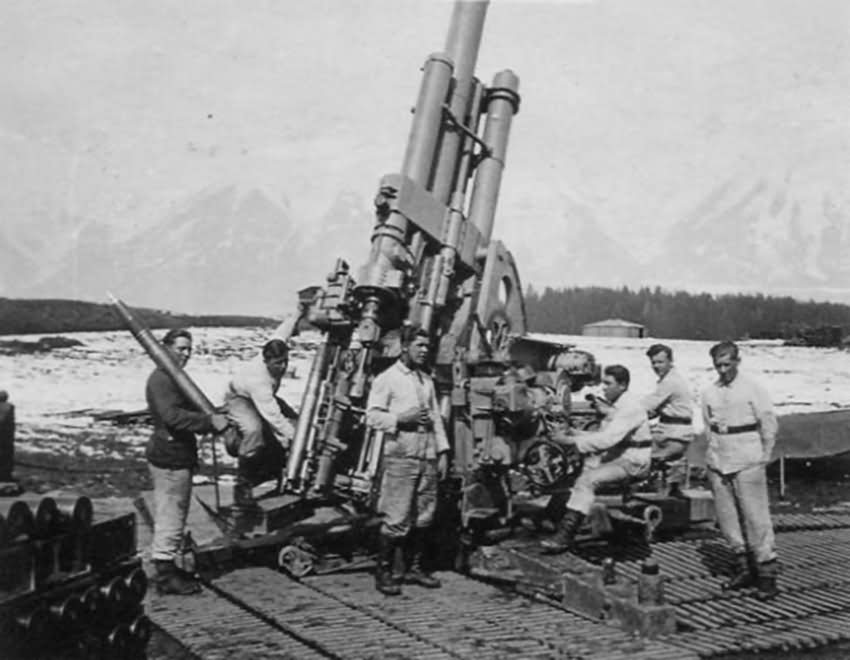
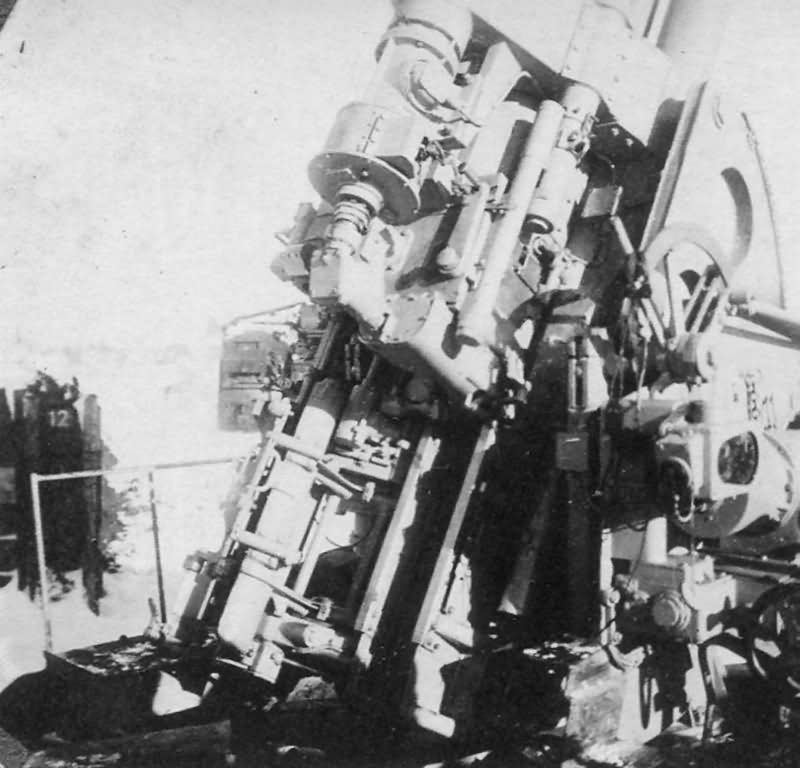
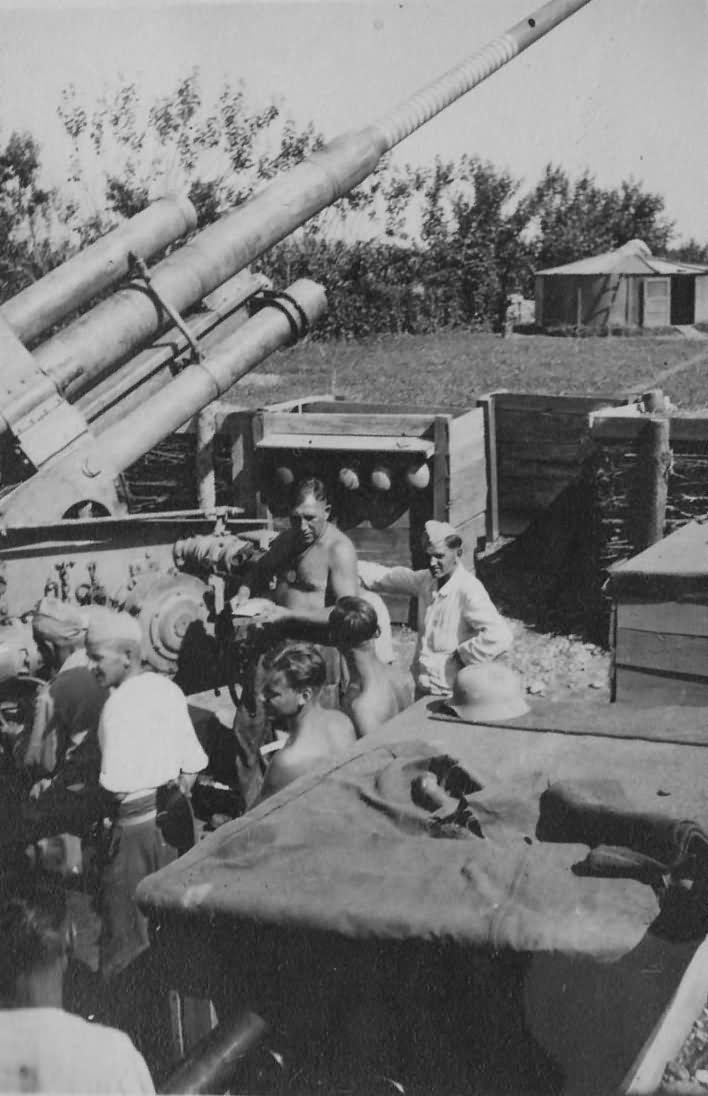
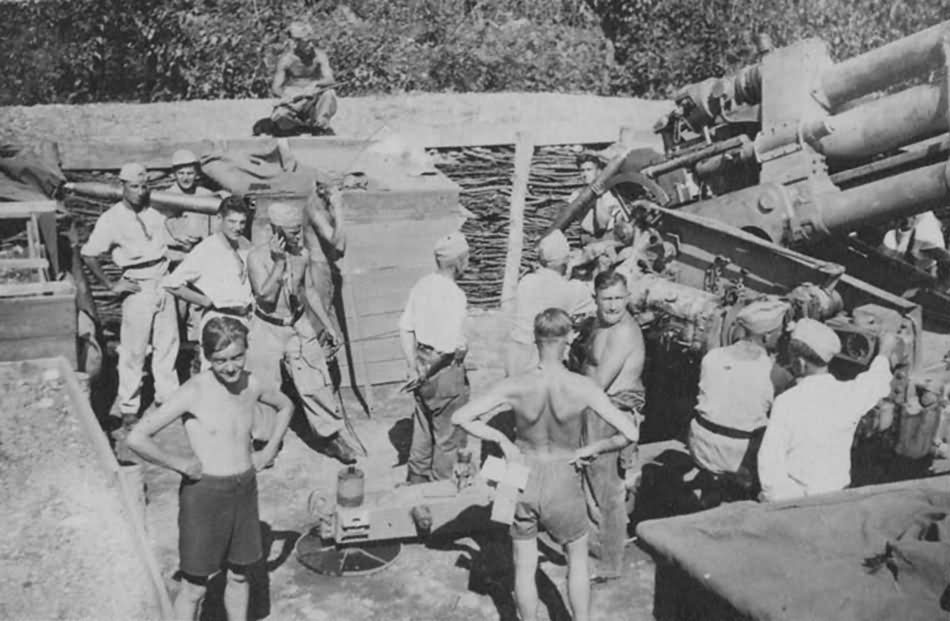
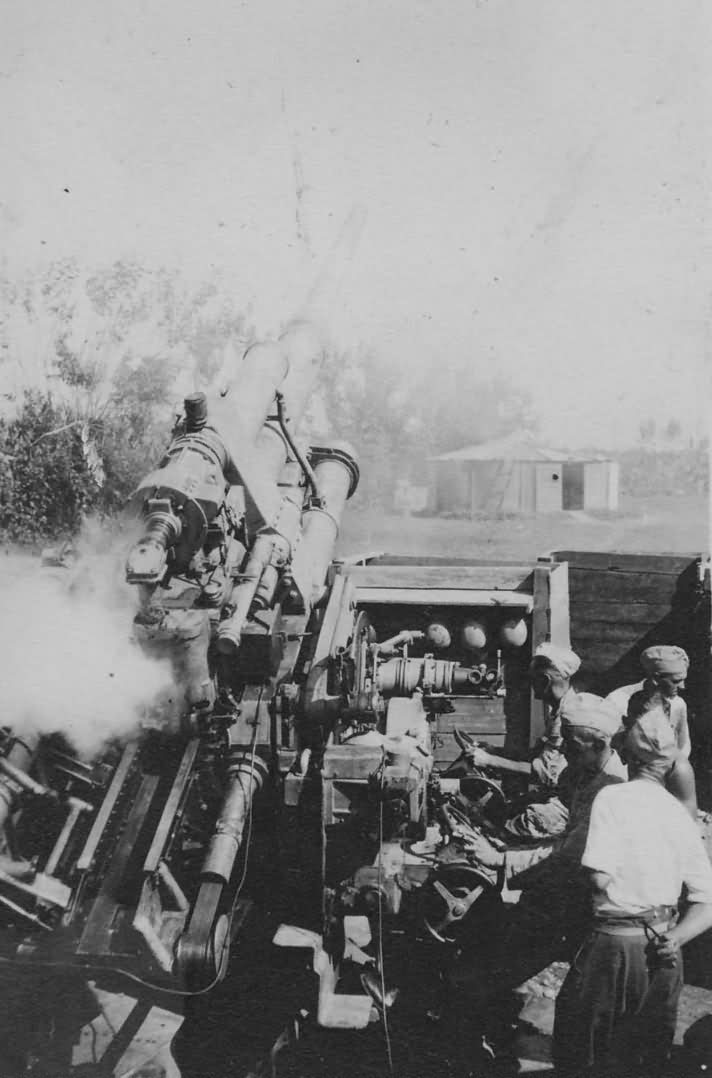
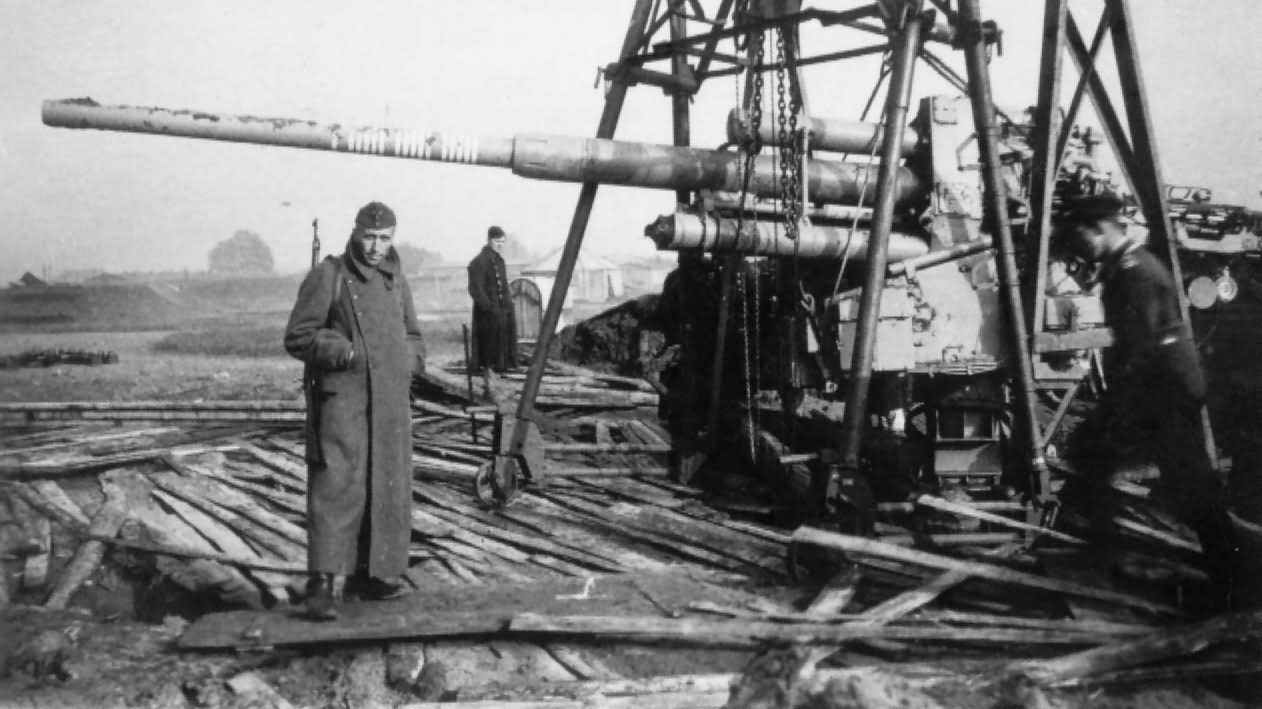
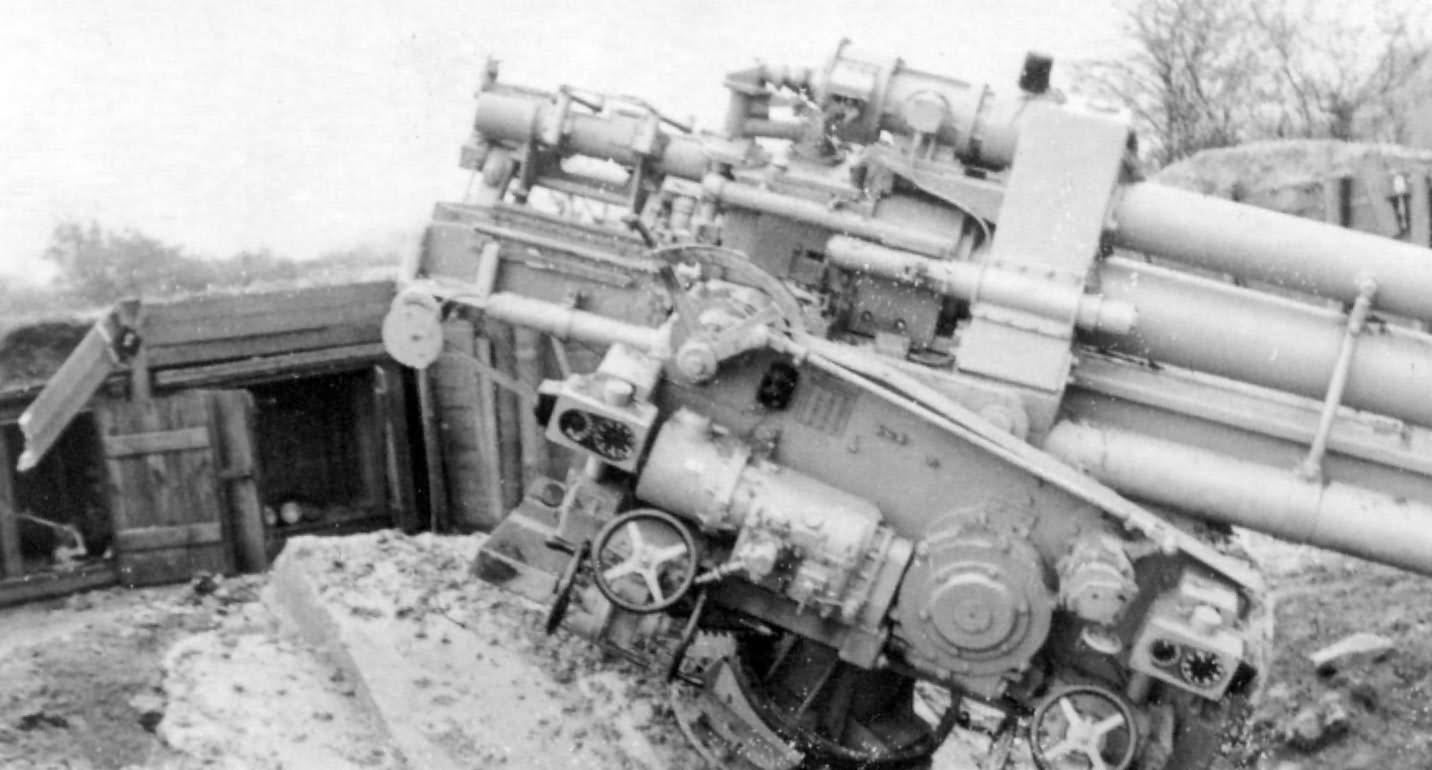
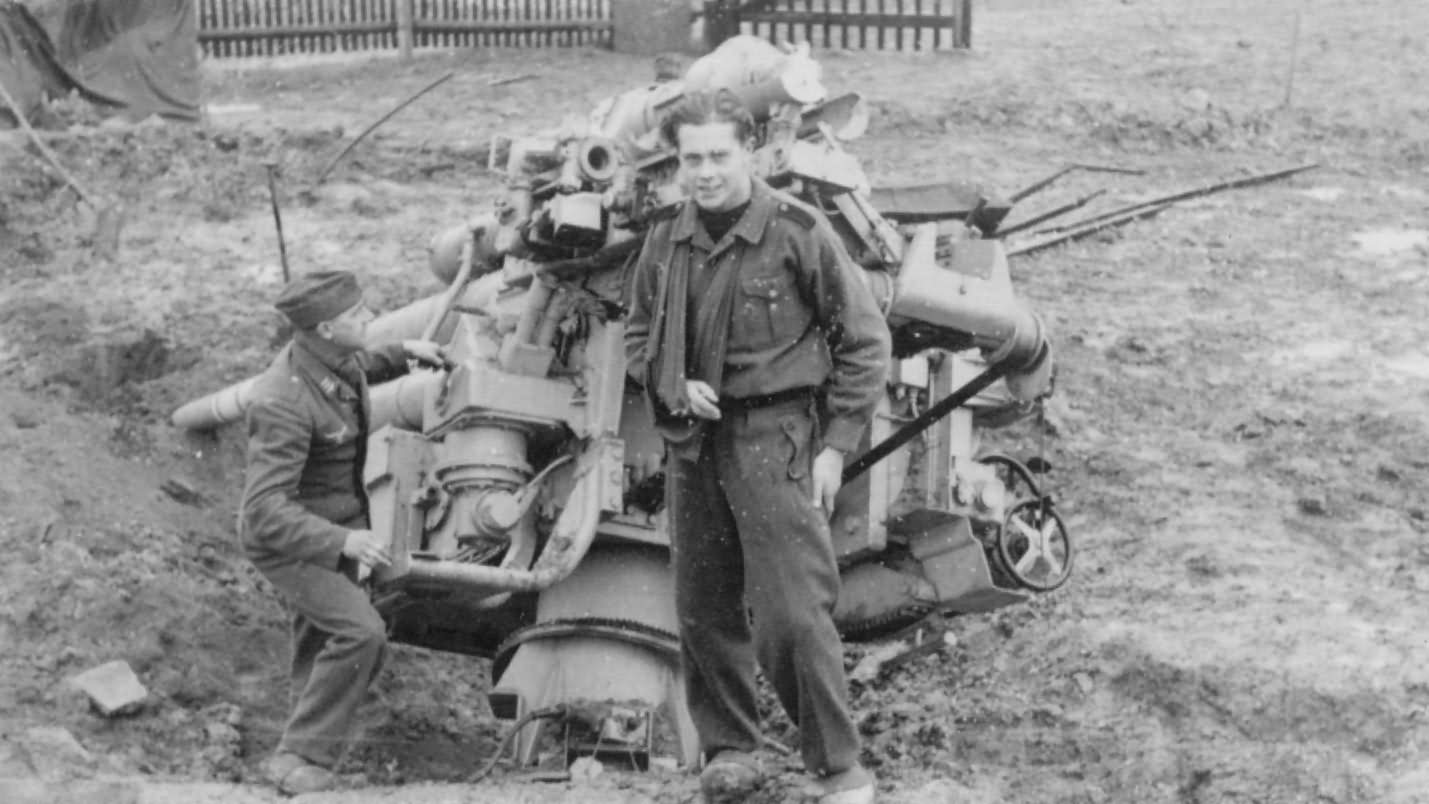
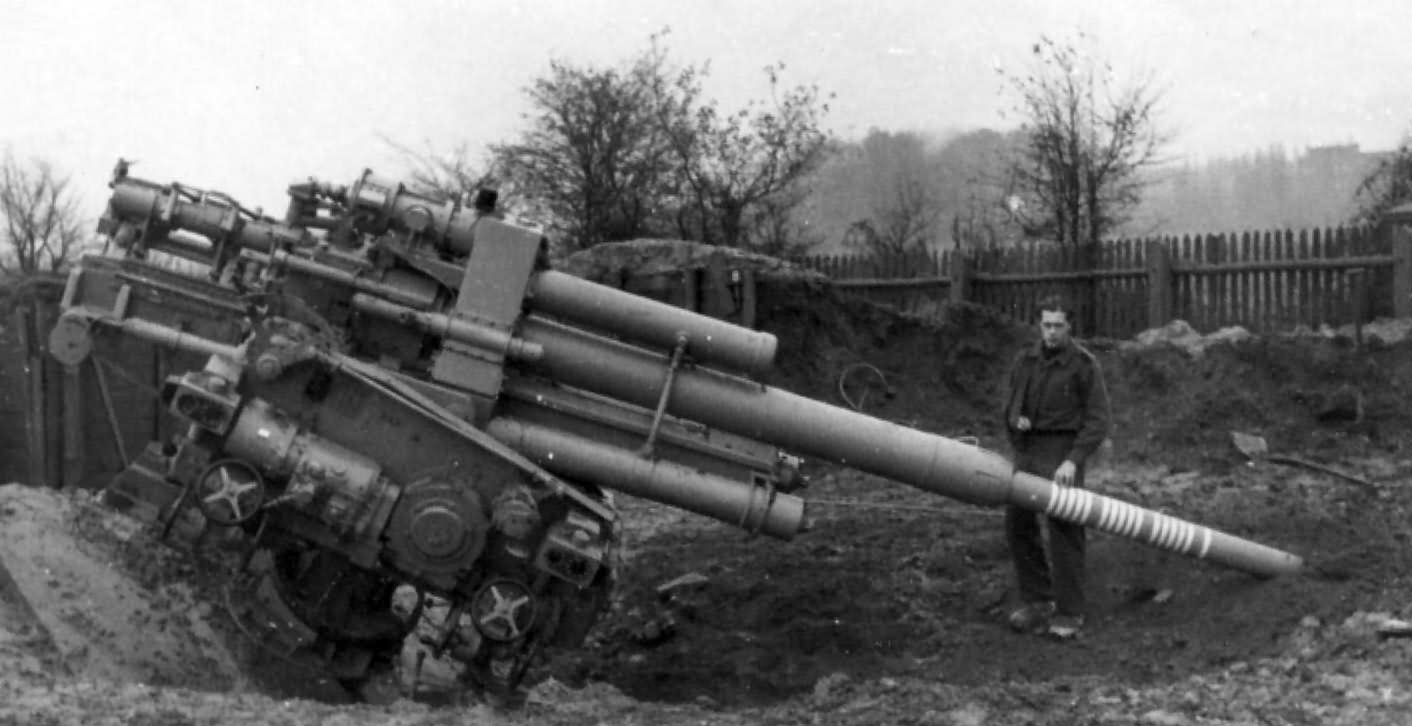
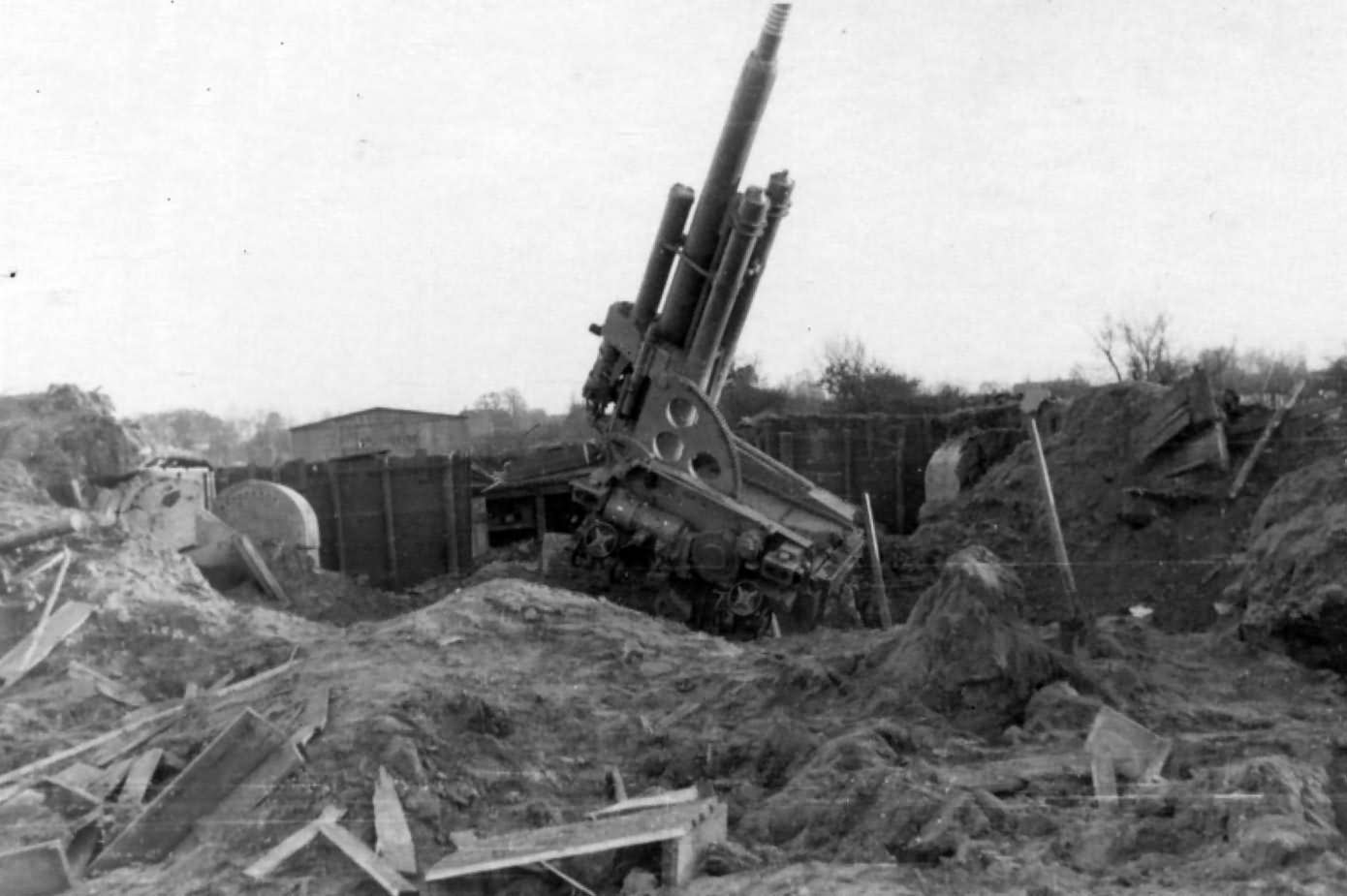
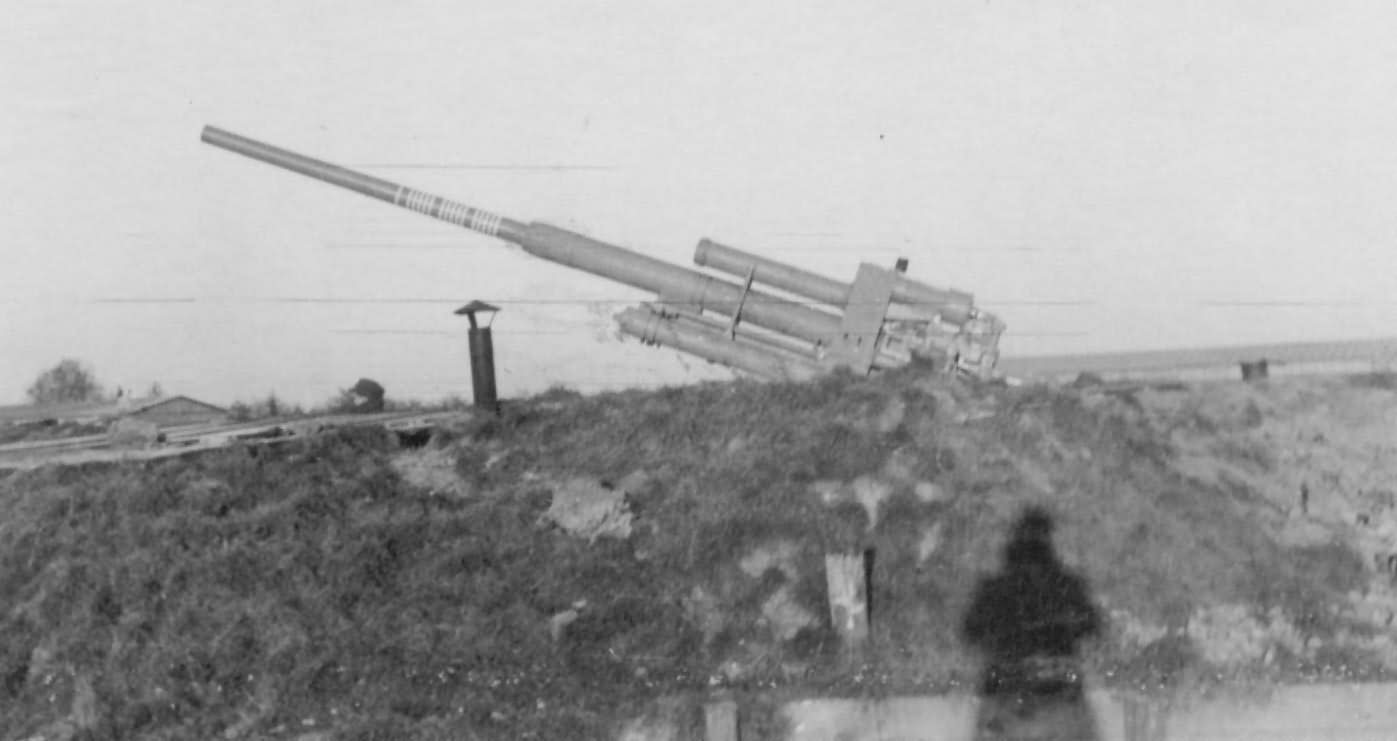
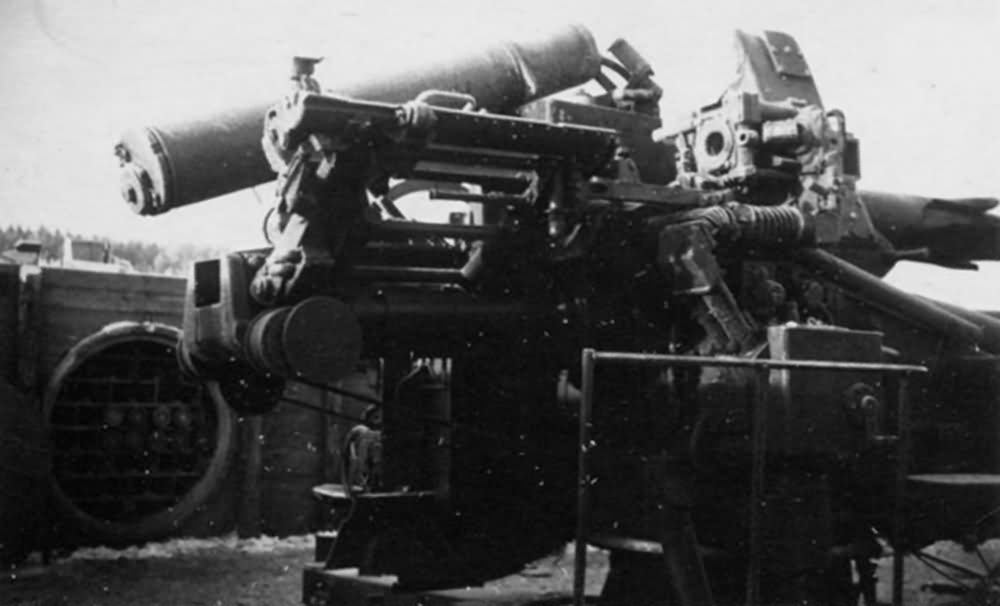
10.5 cm Flak was a German heavy anti-aircraft gun of 105 mm caliber used during World War II.Development of a 105 mm anti-aircraft gun began in Germany in 1933. In 1935, prototypes developed by Krupp and Rheinmetall AG underwent testing, leading to the adoption of Rheinmetall’s design (designated internally as Gerät 38). It received the military designation 10.5 cm Flak 38. Only a small number of these guns were produced, as an upgraded variant—designated the 10.5 cm Flak 39—was soon adopted into service. This updated version featured a modified electric traverse and elevation system, along with an improved data transmission link from the central fire-control system.Both the 10.5 cm Flak 38 and Flak 39 were significantly more complex and expensive than the standard 8.8 cm Flak 18. However, operational experience showed that their effectiveness was only marginally superior to the 88 mm guns. Consequently, plans were made to cease production of the 105 mm anti-aircraft guns once mass production of the advanced 8.8 cm Flak 41 began. Nevertheless, production was never completely stopped, and by the end of the war, the German military still fielded approximately 1,850 units of the 10.5 cm Flak 38 and 39. A longer-barreled version, designated 10.5 cm Flak 40, was also designed but never entered serial production.Although the 10.5 cm Flak 38 and 39 were originally designed as mobile artillery, they proved too heavy and cumbersome for field mobility. As a result, they were not issued to the ground forces (Heer). Instead, they were operated exclusively within the Luftwaffe air defense network across motorized, fixed-position, and railway batteries.