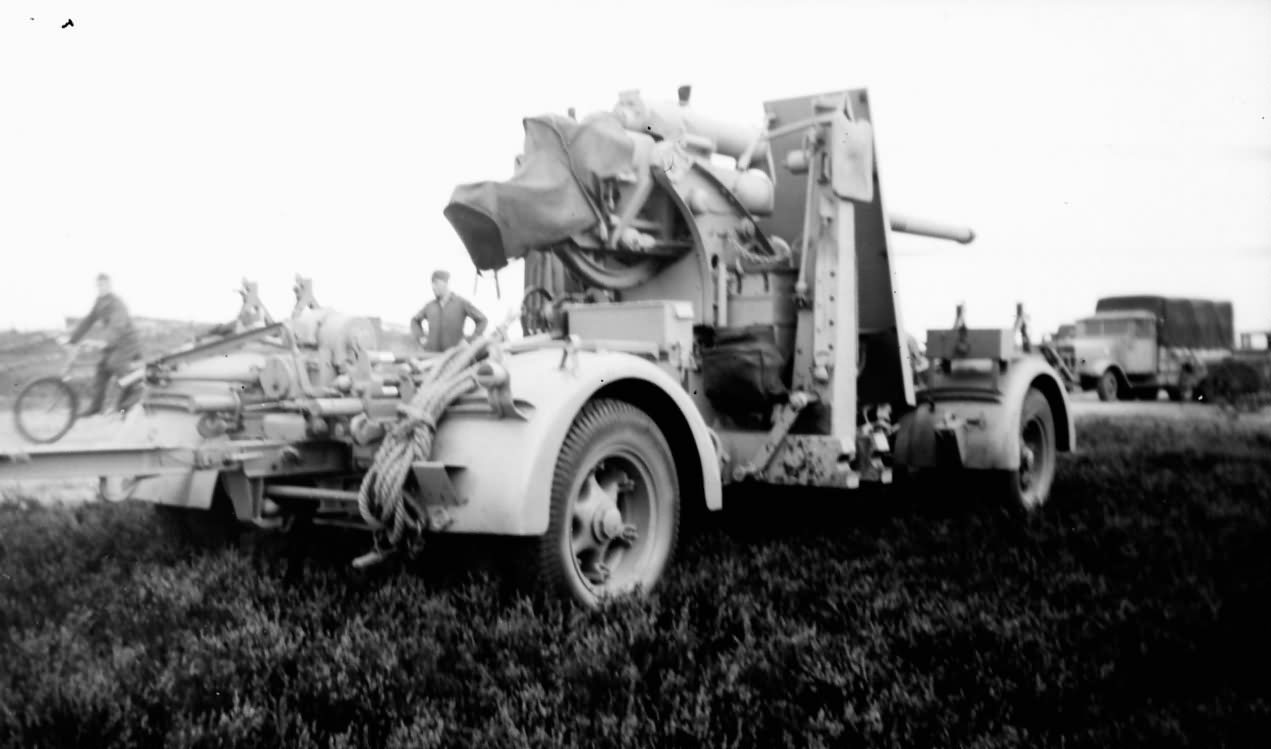
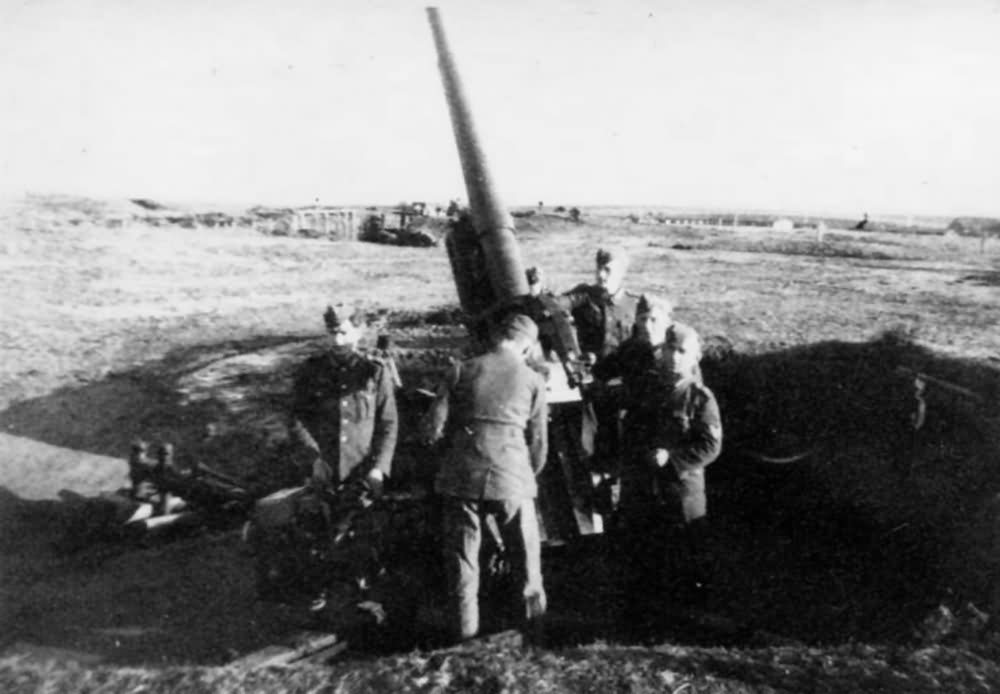
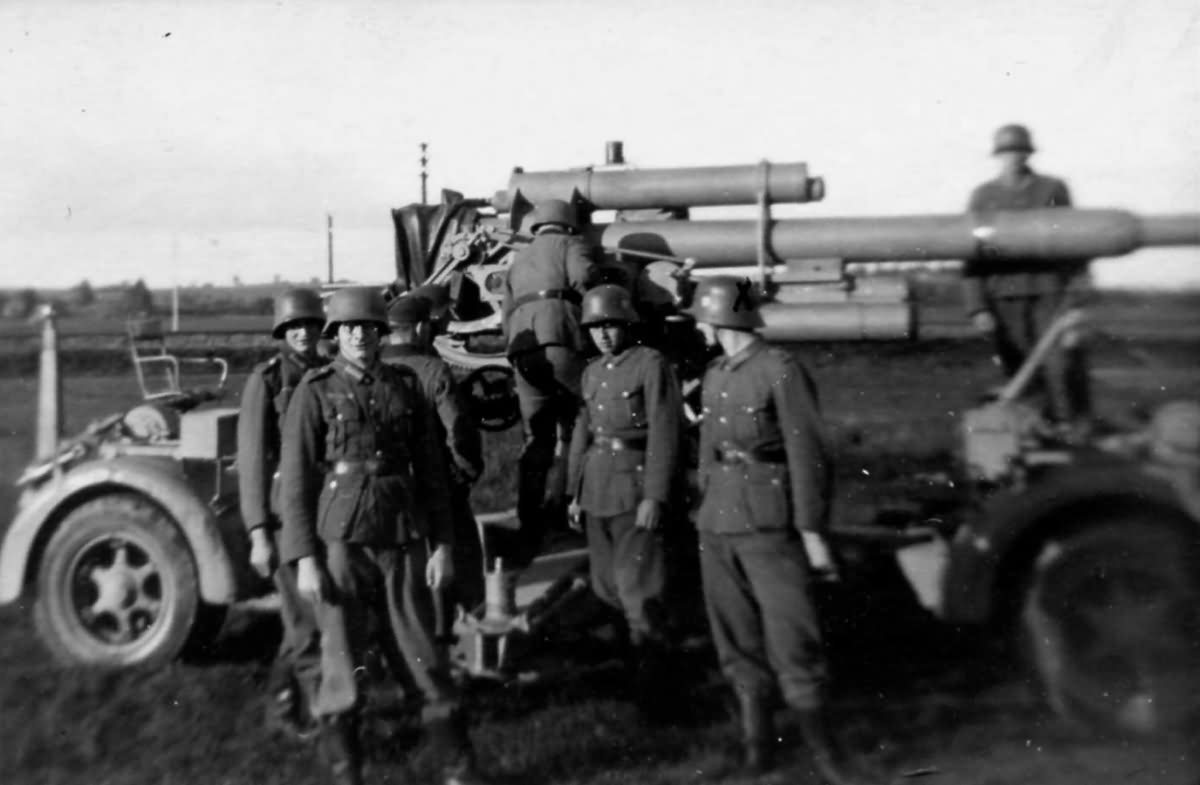
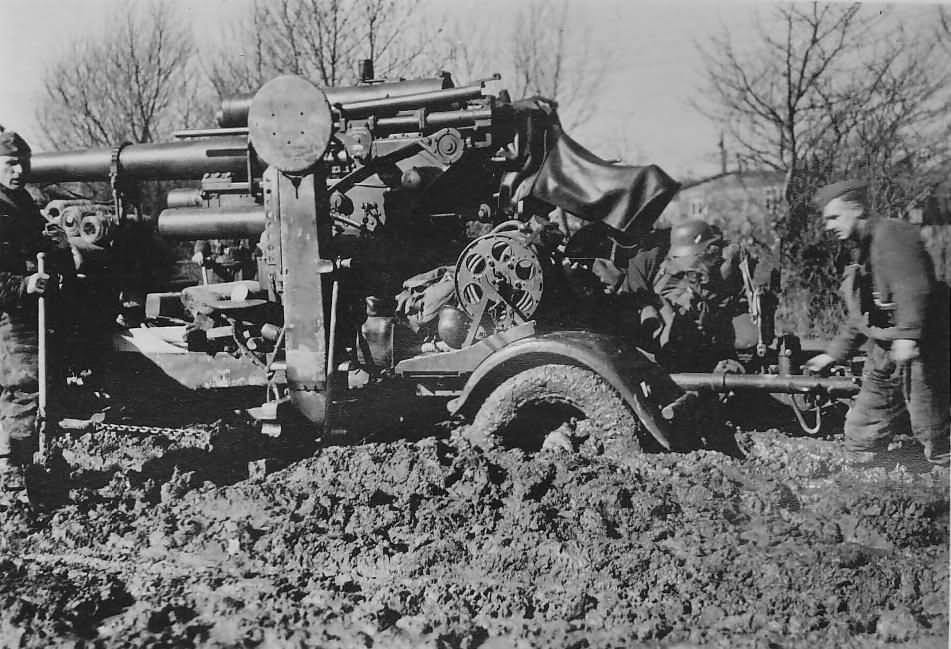
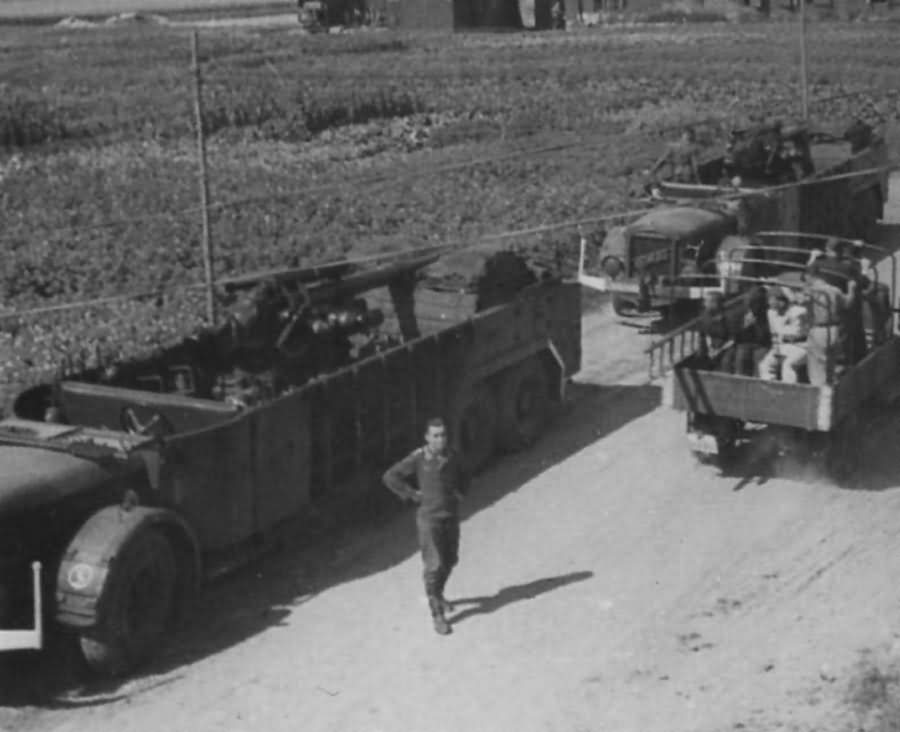
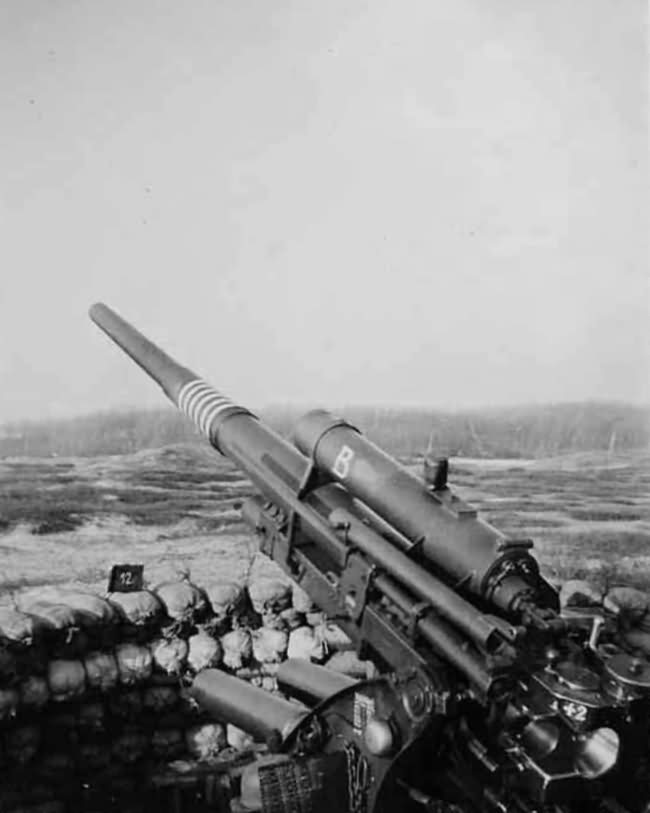
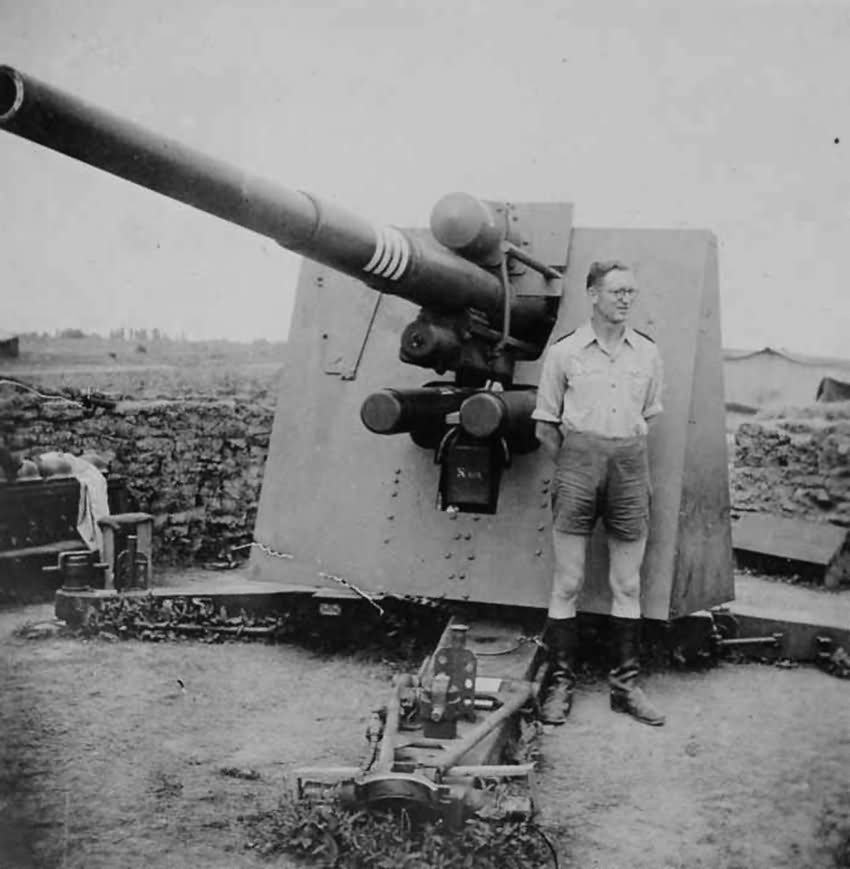
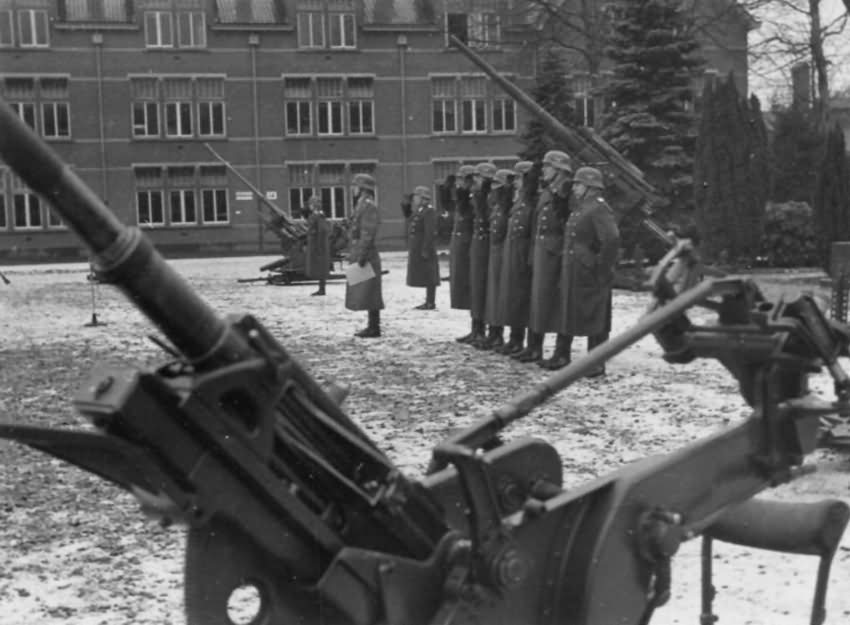
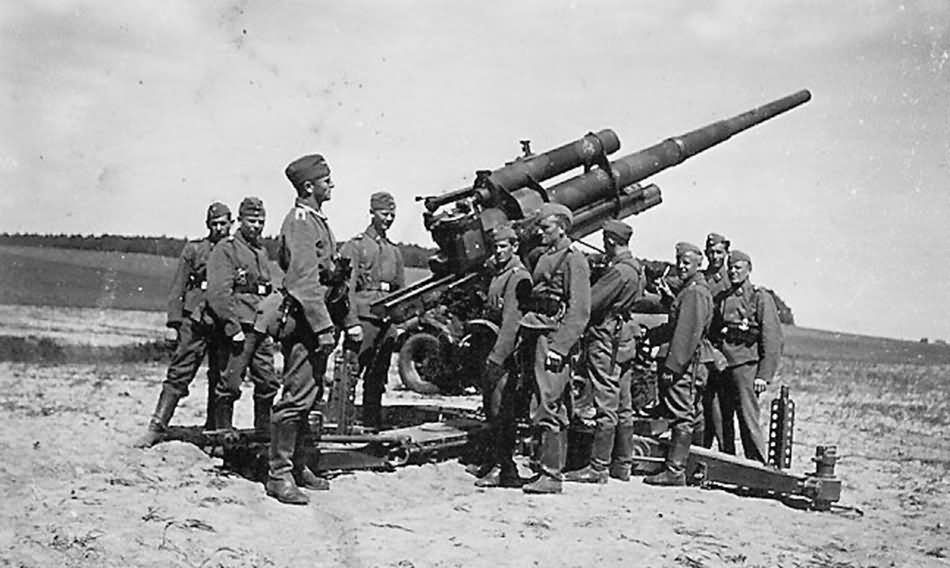
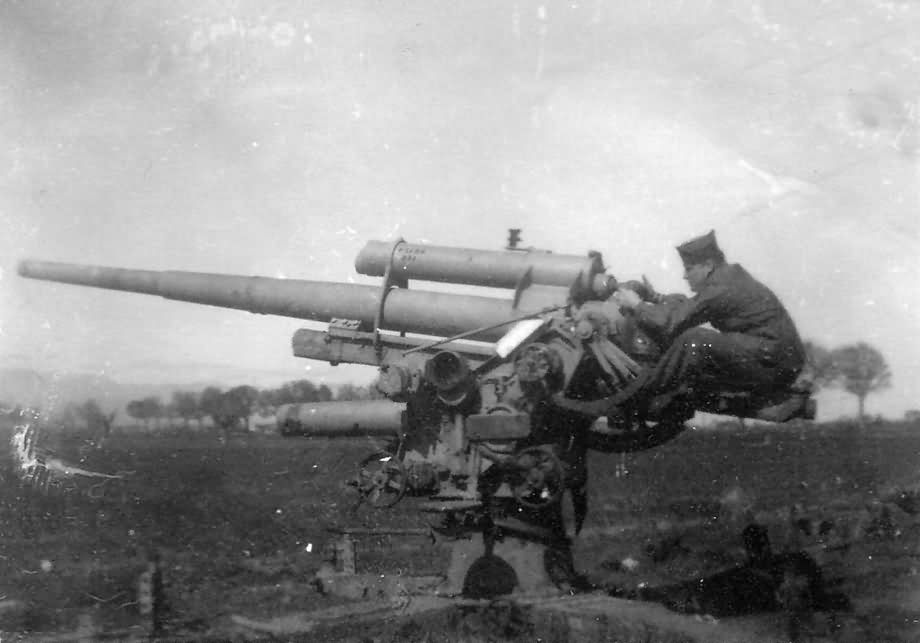
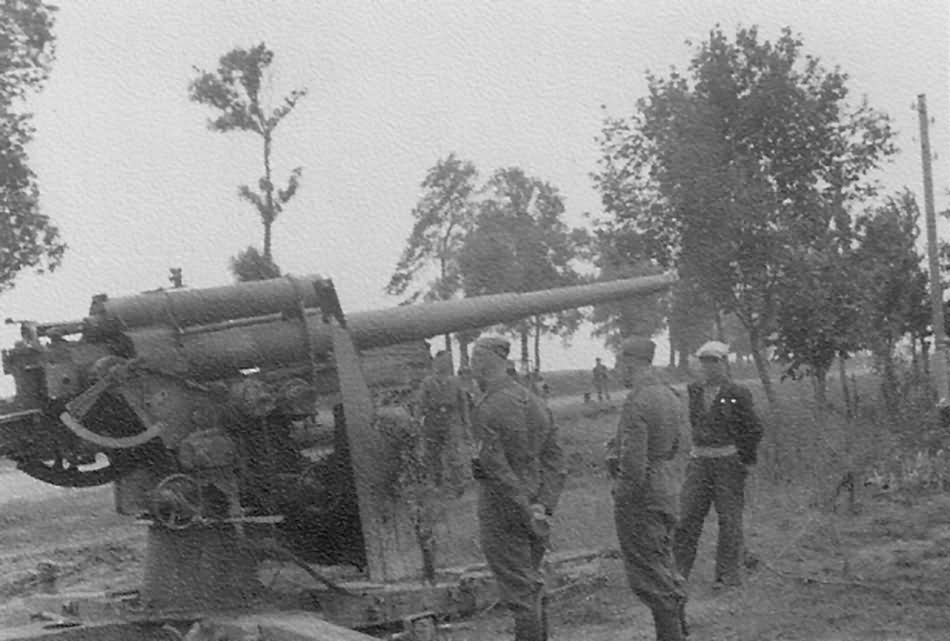
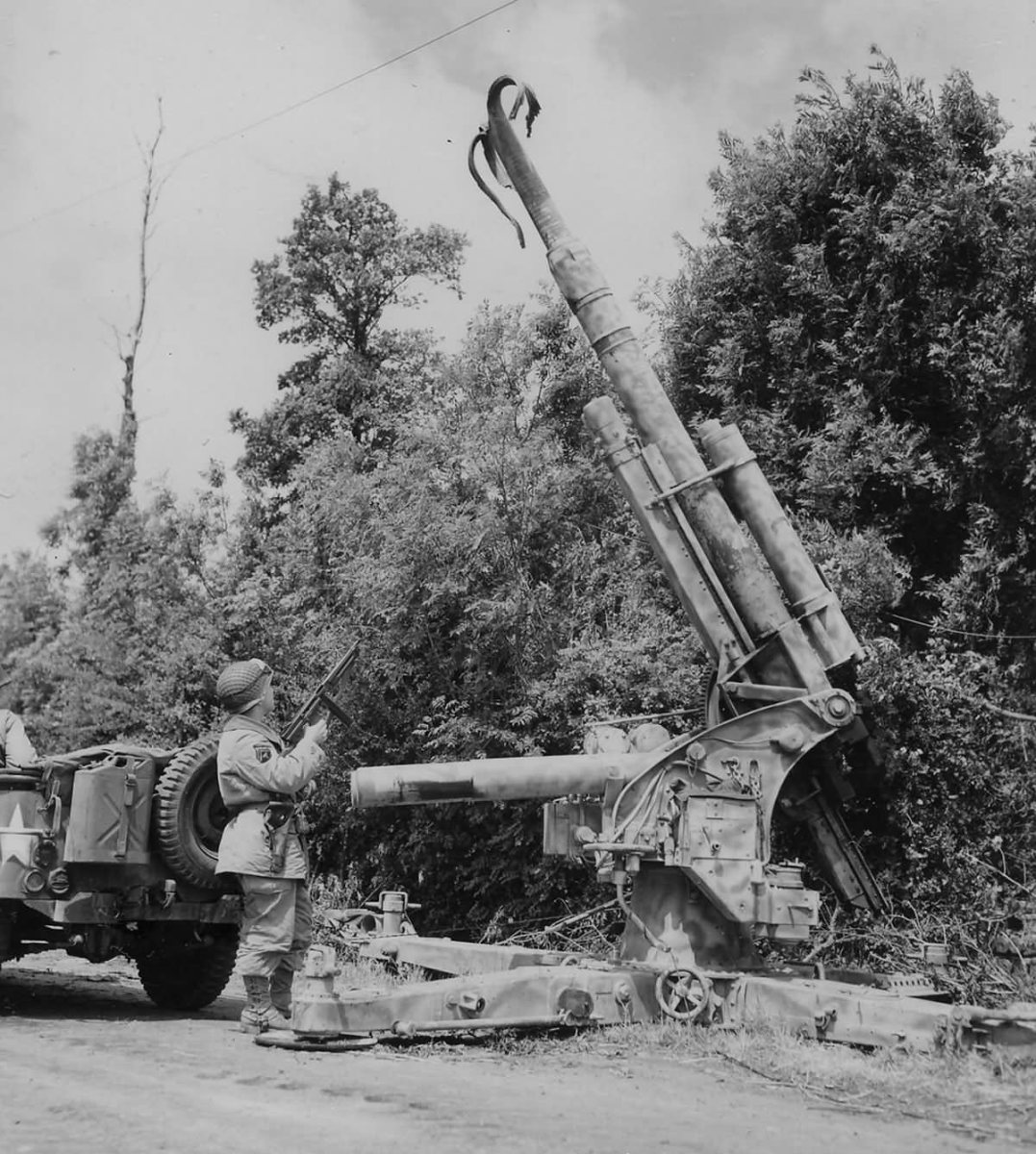
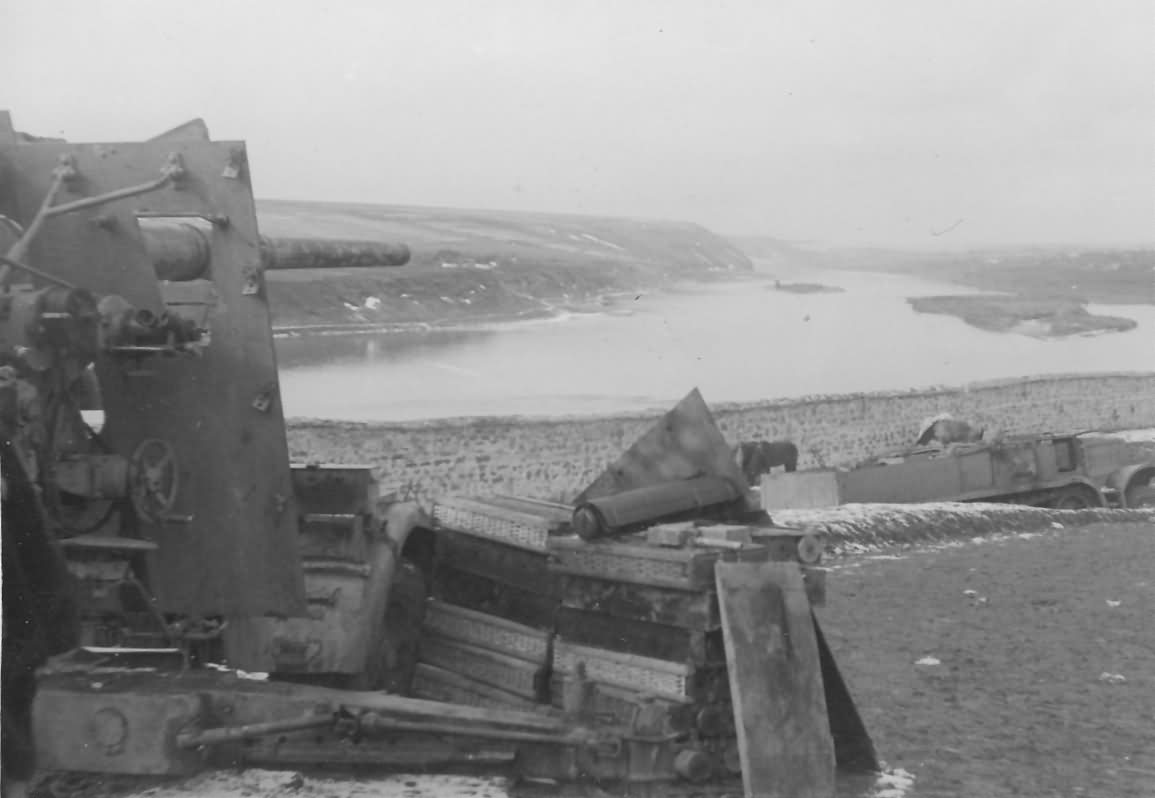
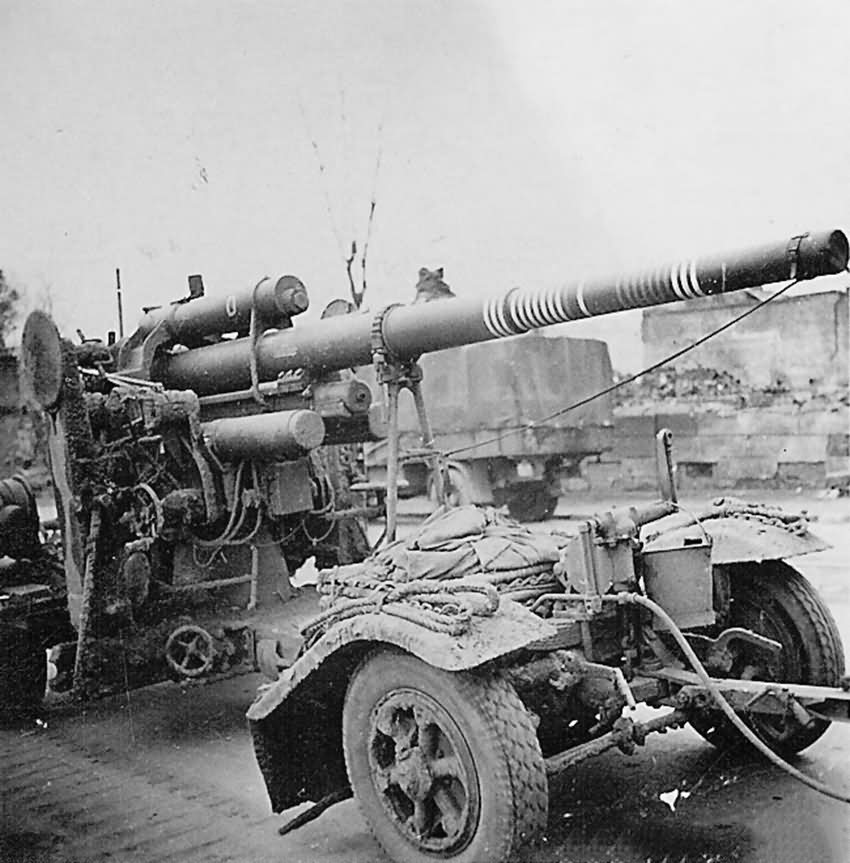
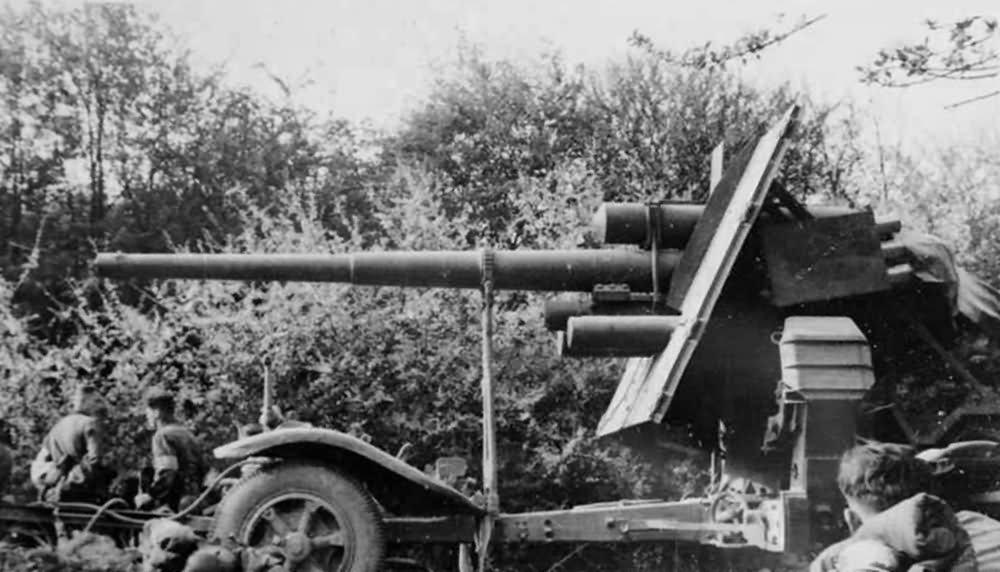
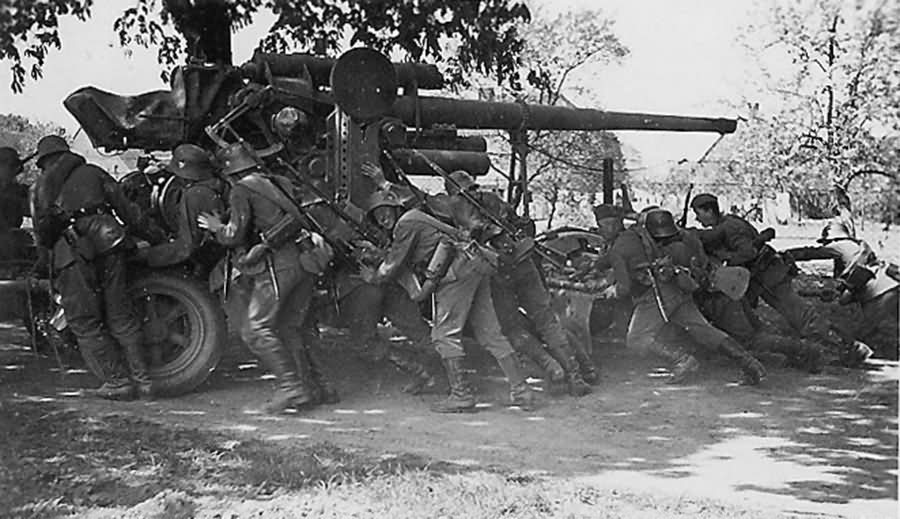
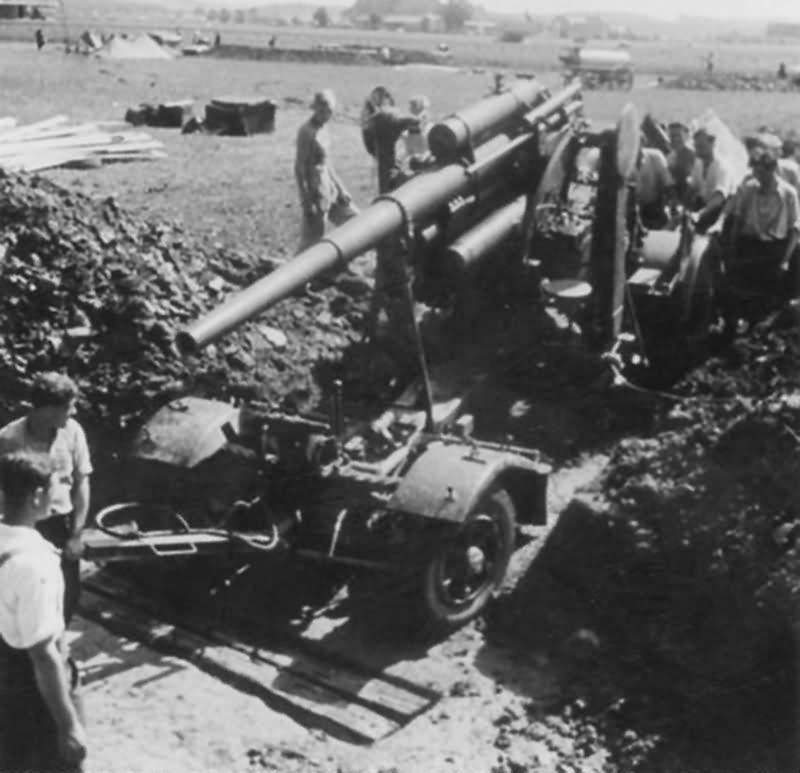
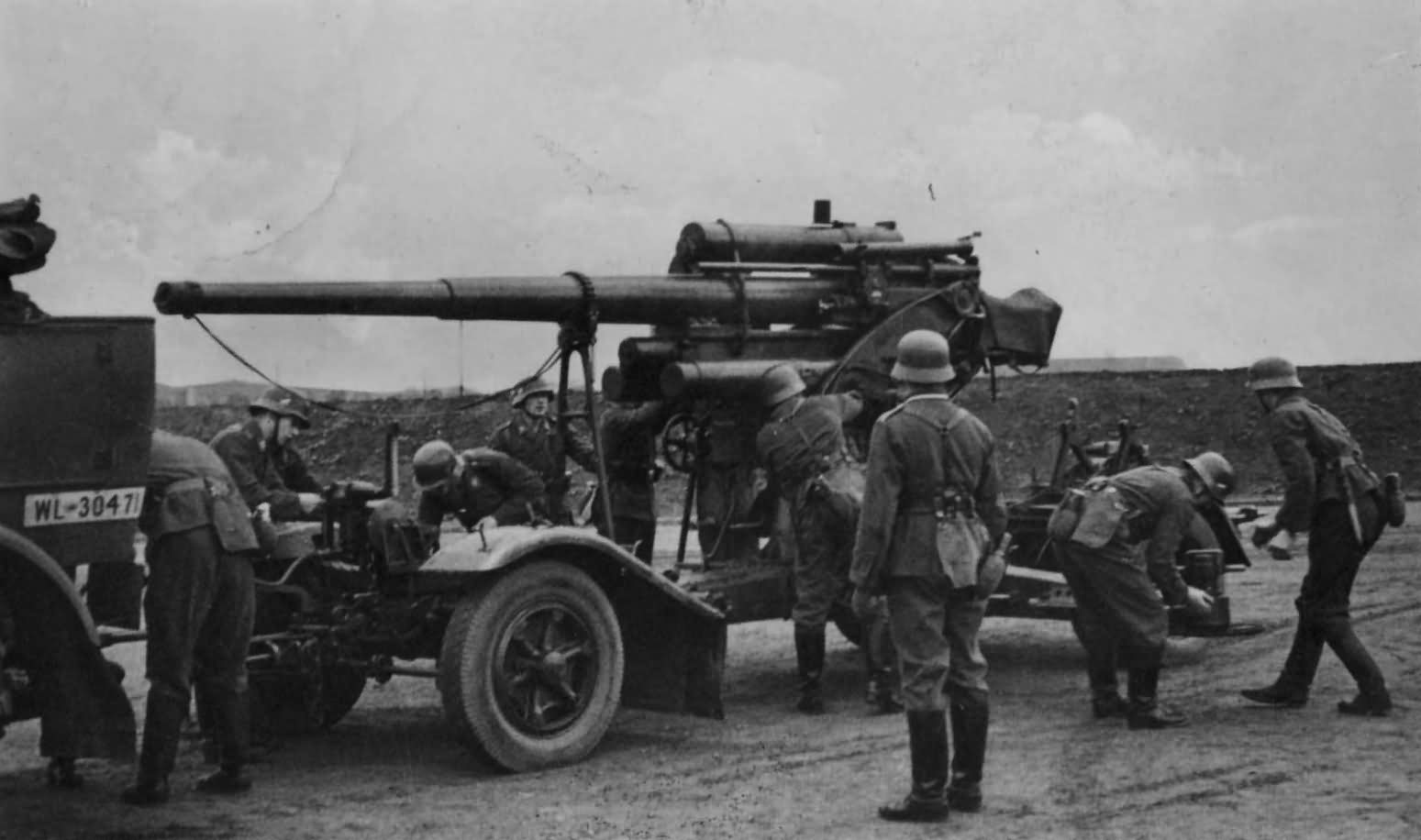
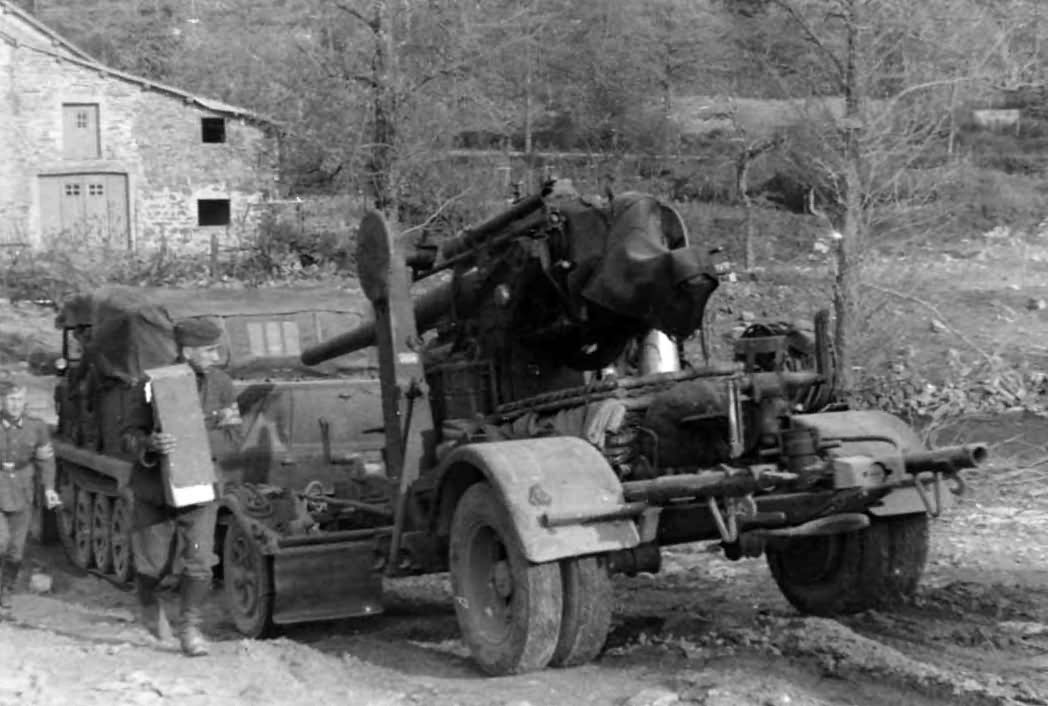
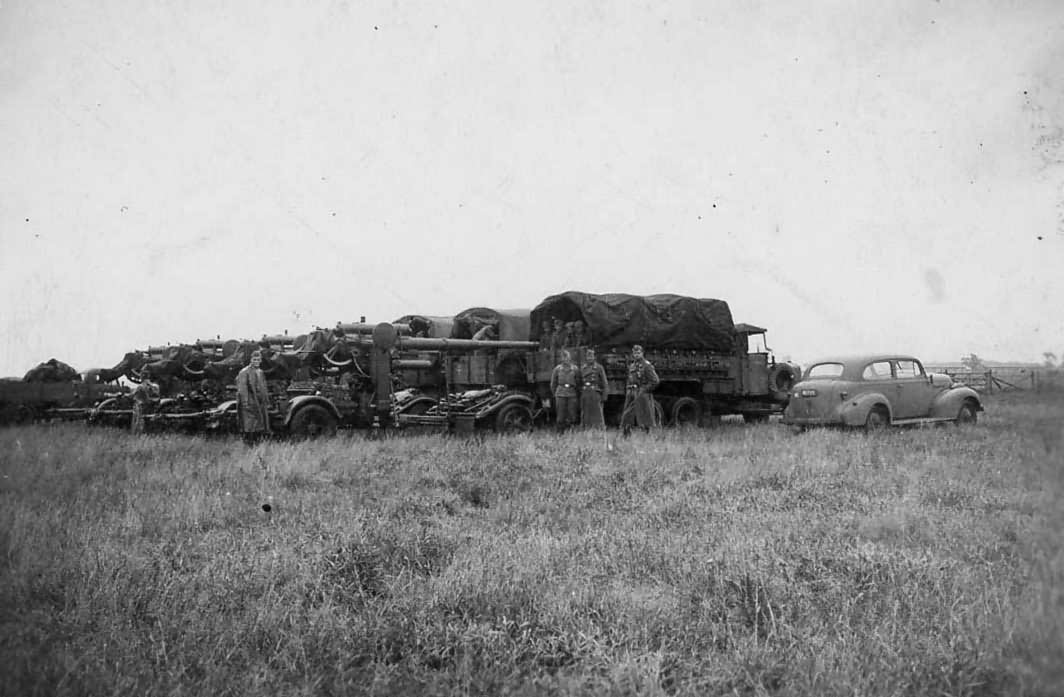
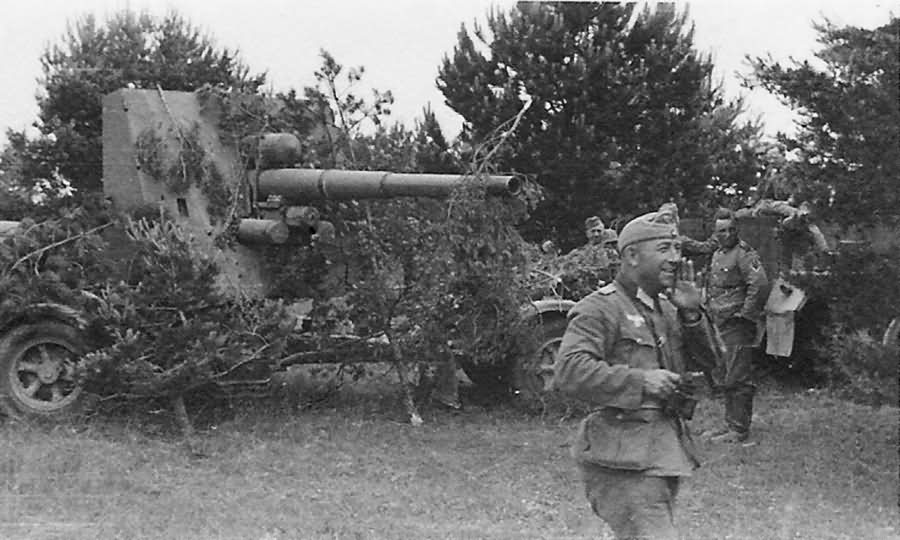
The 8.8 cm Flak 18/36/37/41 (commonly known as the “Acht-Acht” or “Eighty-Eight”) was a legendary German heavy anti-aircraft gun that became equally famous as one of World War II’s most effective anti-tank weapons. Developed jointly by Krupp and Bofors to bypass post-WWI armaments restrictions, it featured a high muzzle velocity, a cruciform mount for 360-degree rotation, and a semi-automatic breech delivering 15–20 rounds per minute. First combat-tested in the Spanish Civil War, the original Flak 18 was soon upgraded to the Flak 36 and Flak 37, introducing a multi-section barrel, improved transport limbers, and advanced fire-control telemetry. A higher-performing model, the Flak 41, increased range to 15,000 meters and rate of fire to 25 RPM, but saw limited production due to field maintenance complexities. During the 1940 Battle of France, the Wehrmacht famously discovered that the 88 mm was uniquely capable of penetrating heavy Allied armor like the British Matilda II and French Char B1. Able to pierce over 150 mm of armor at ranges up to 2 kilometers, it proved devastating in the open terrain of North Africa and the Eastern Front. By August 1944, nearly 11,000 units were in service across both front-line anti-tank units and Reich home air defense batteries, remaining effective until the end of the war.