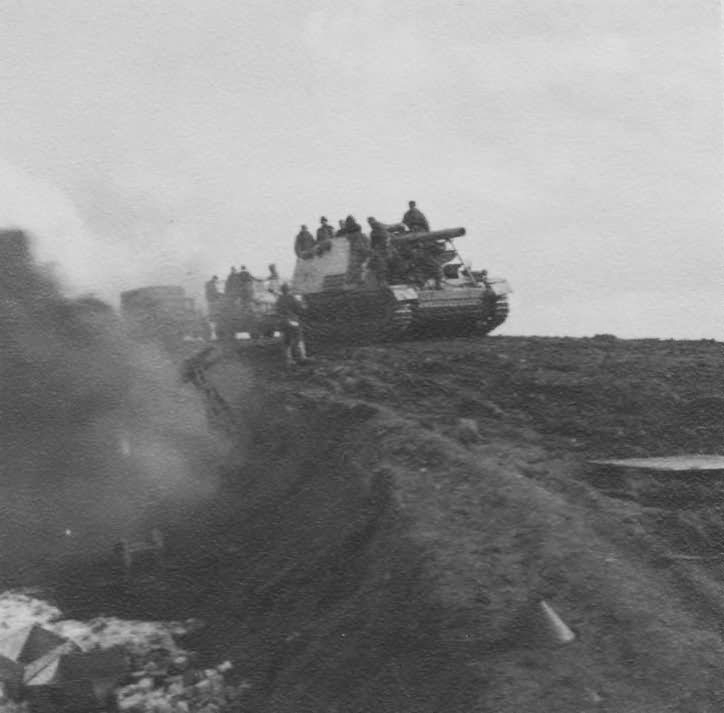
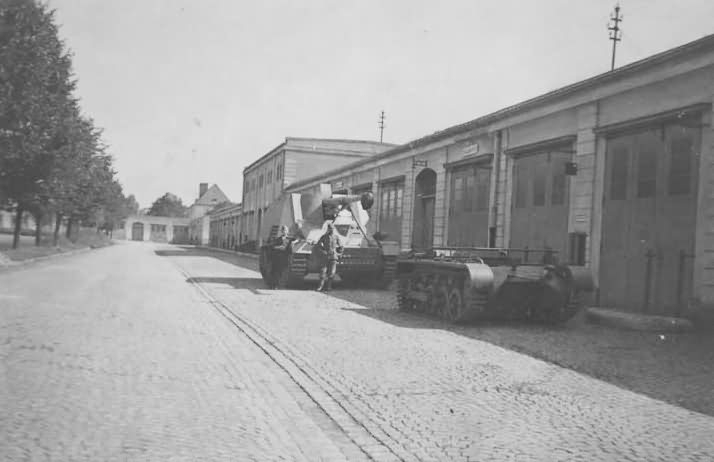
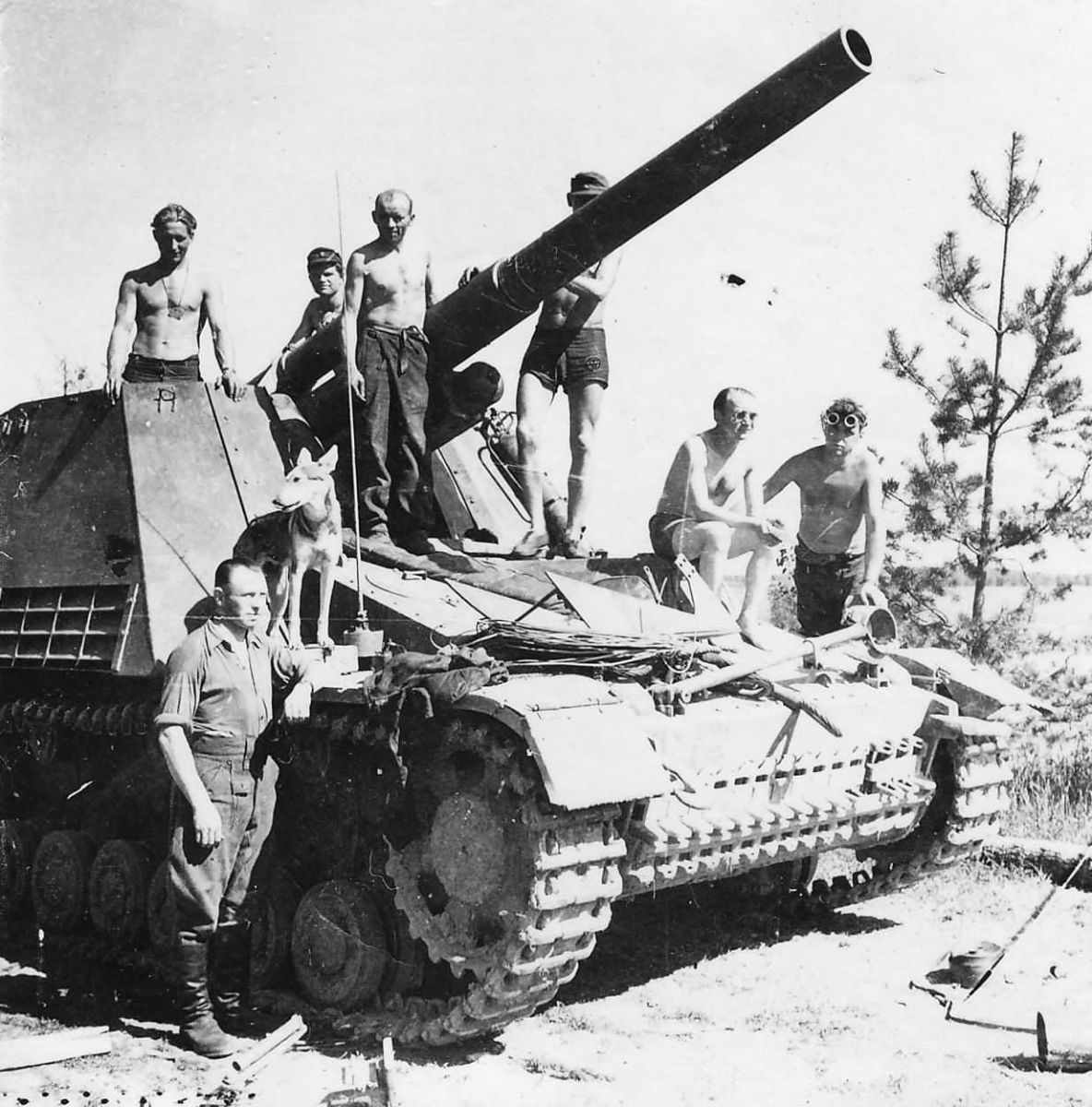
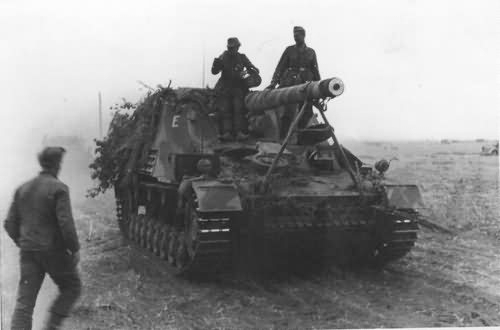
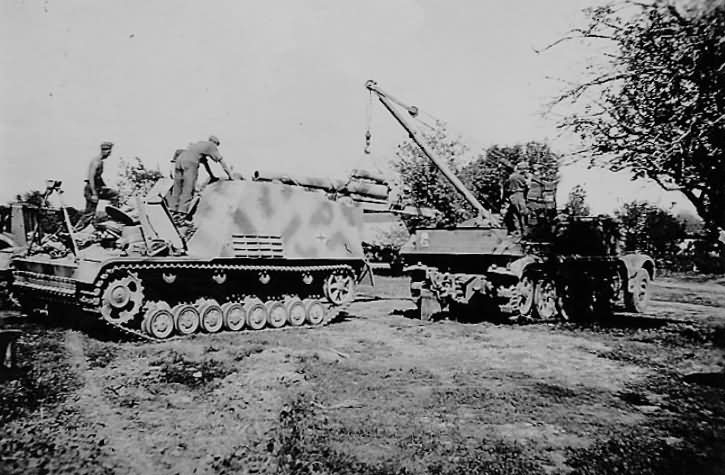
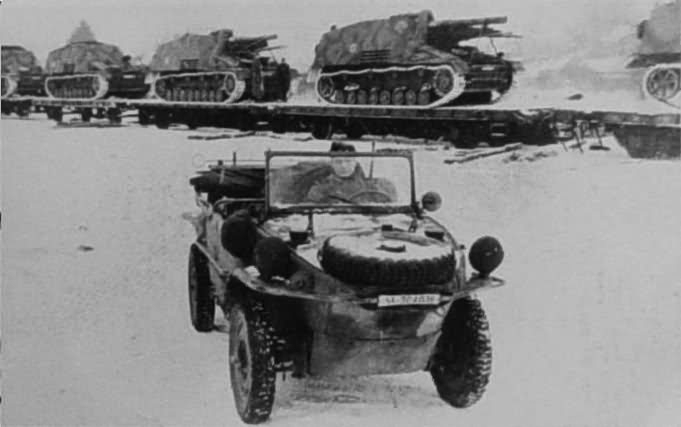
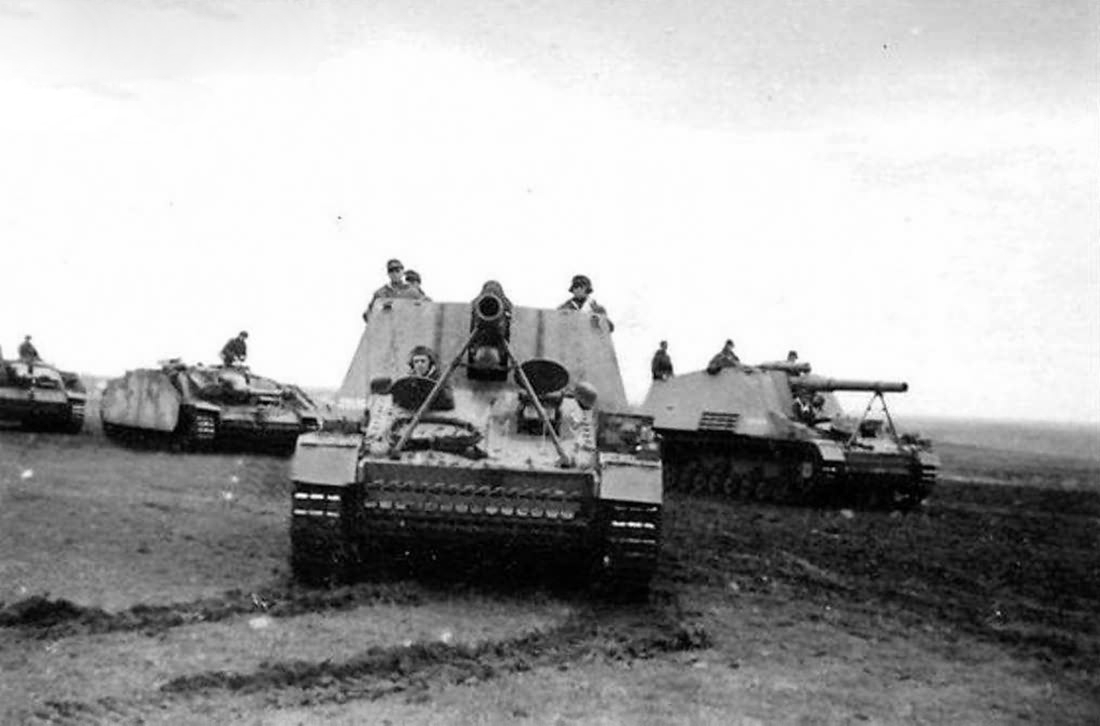
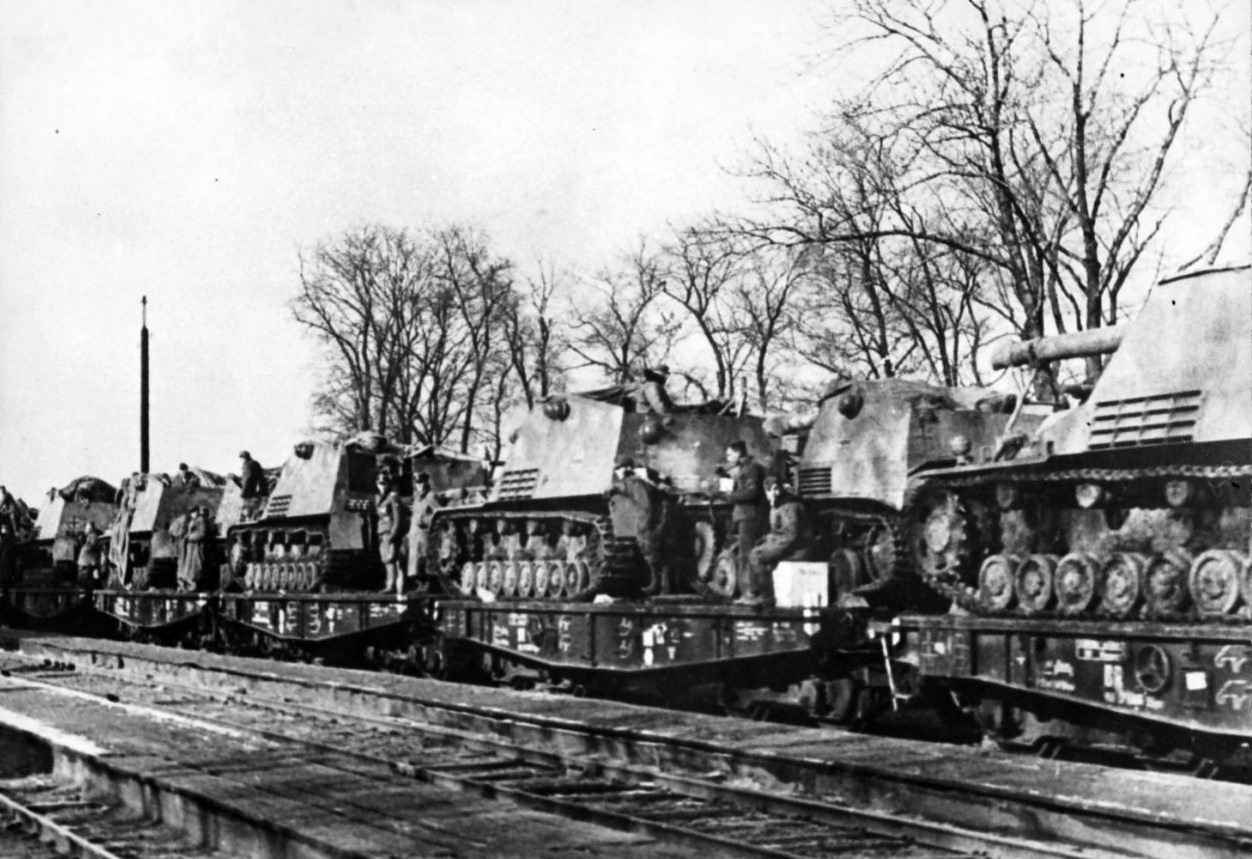
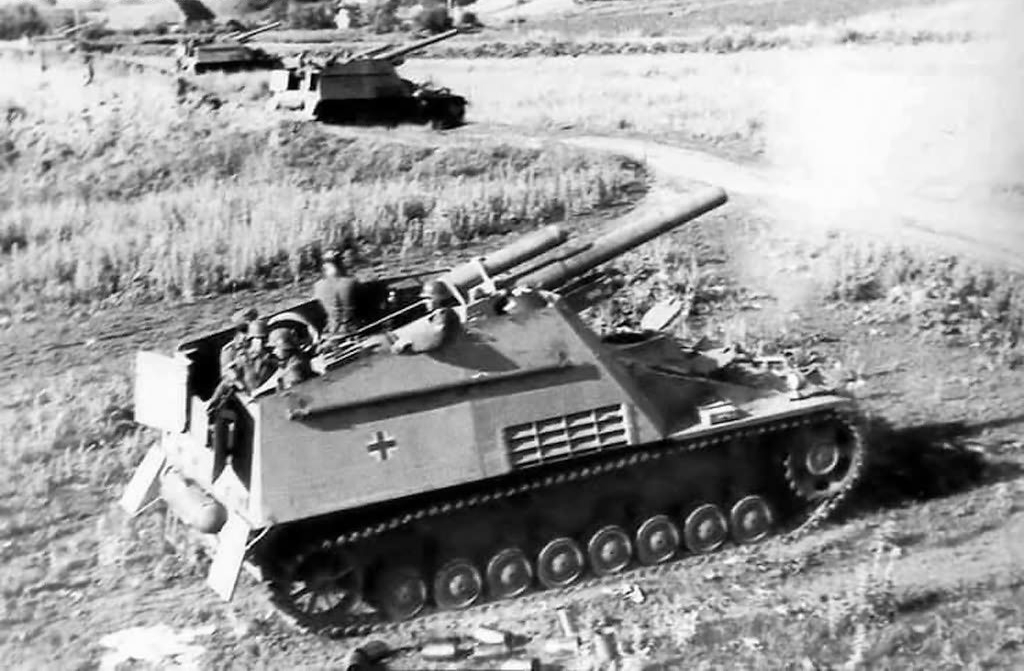
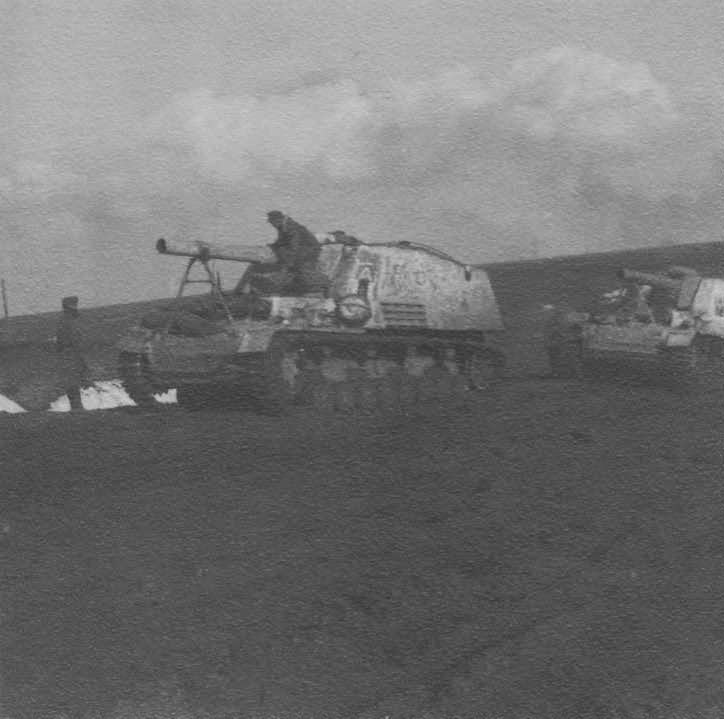
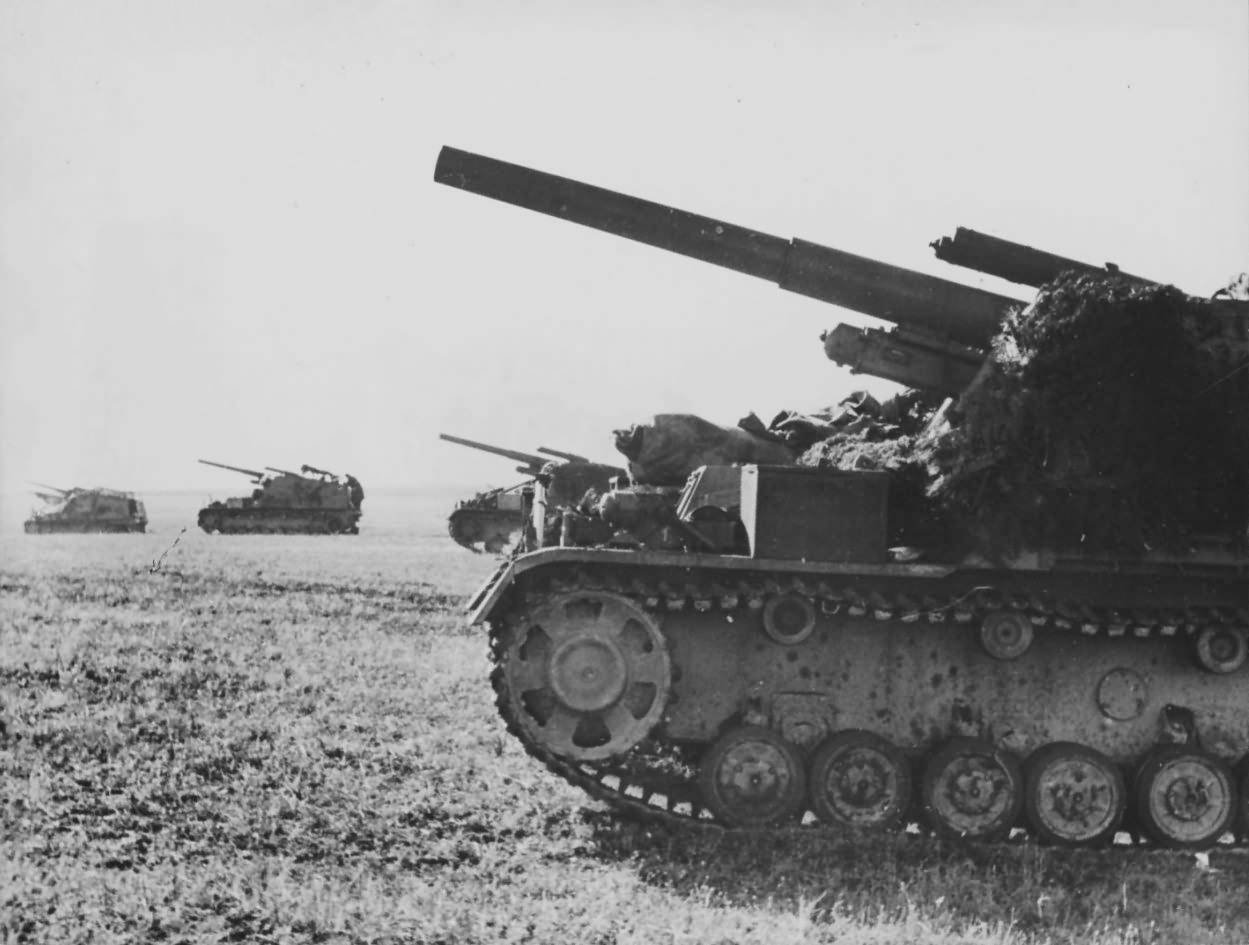
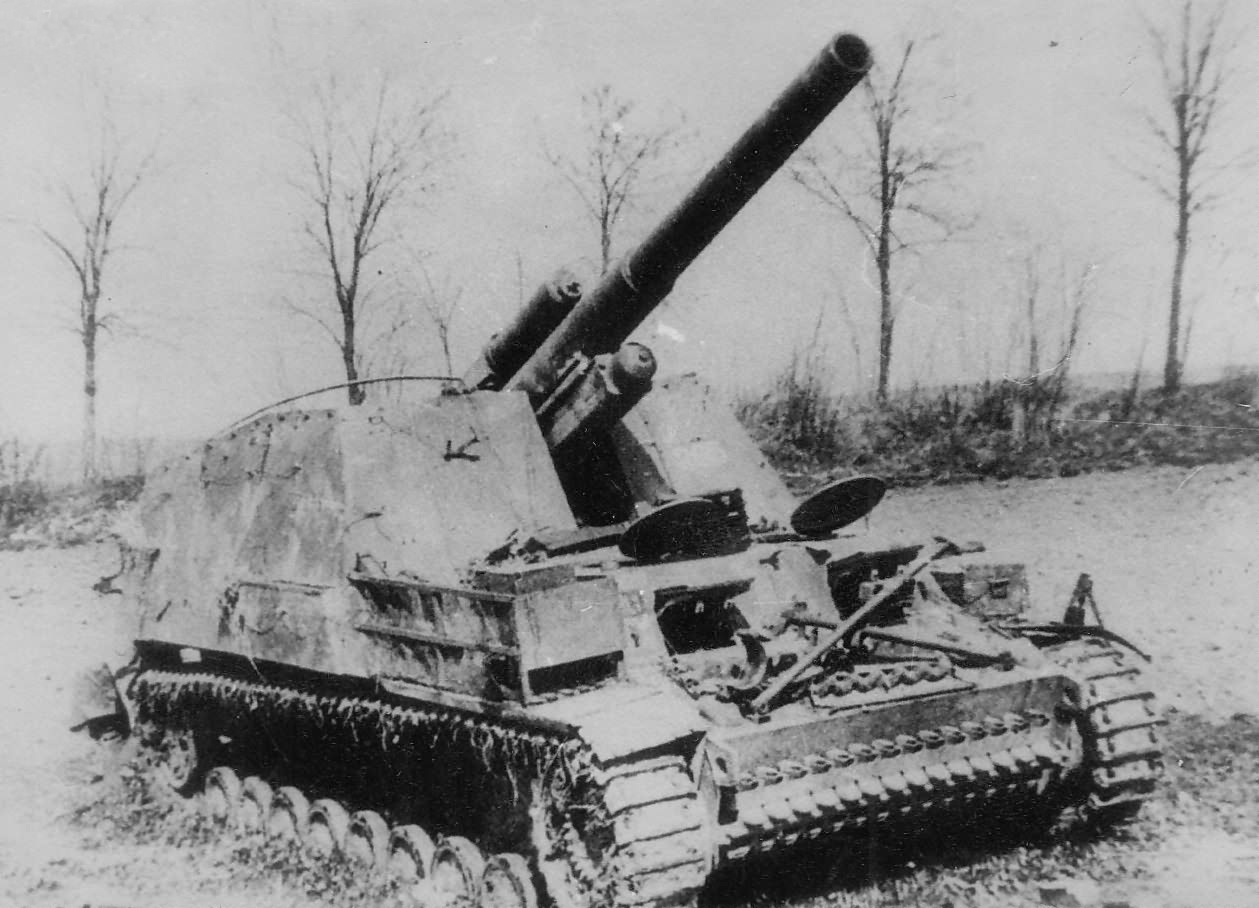
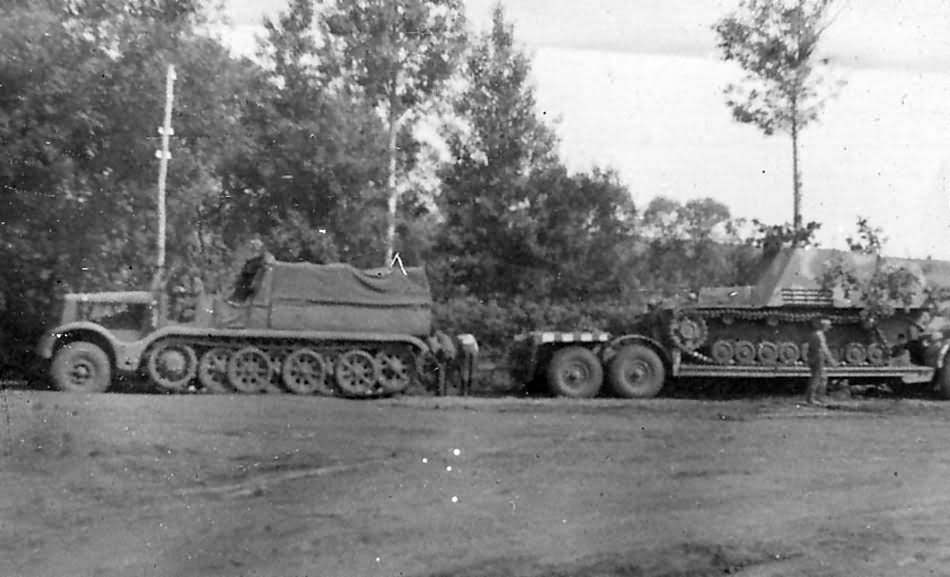
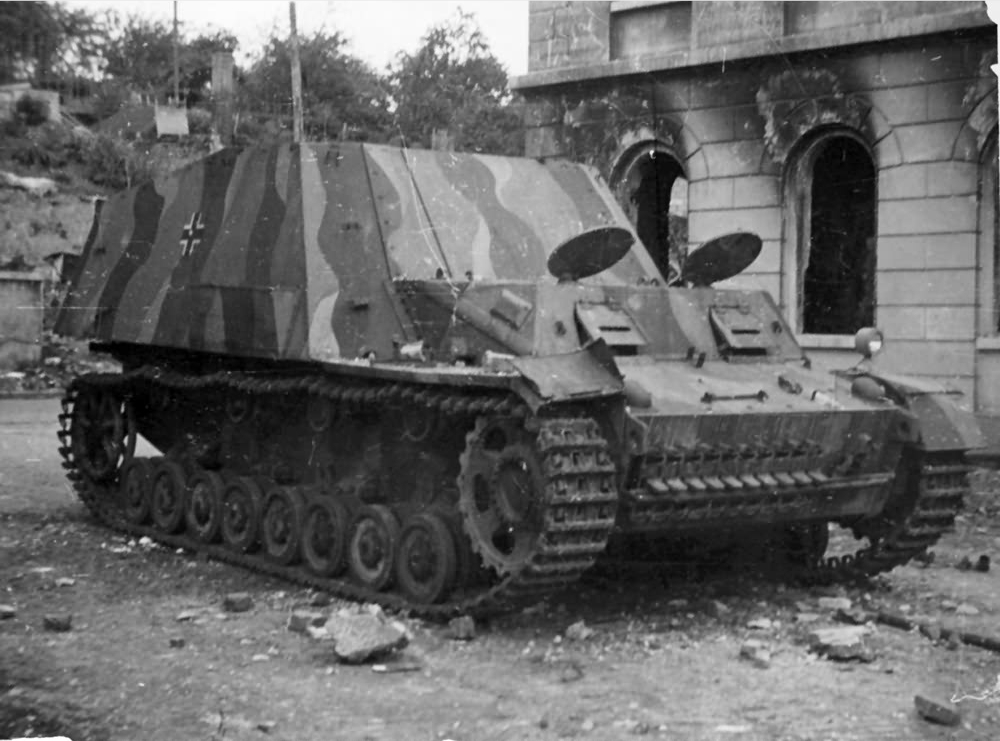
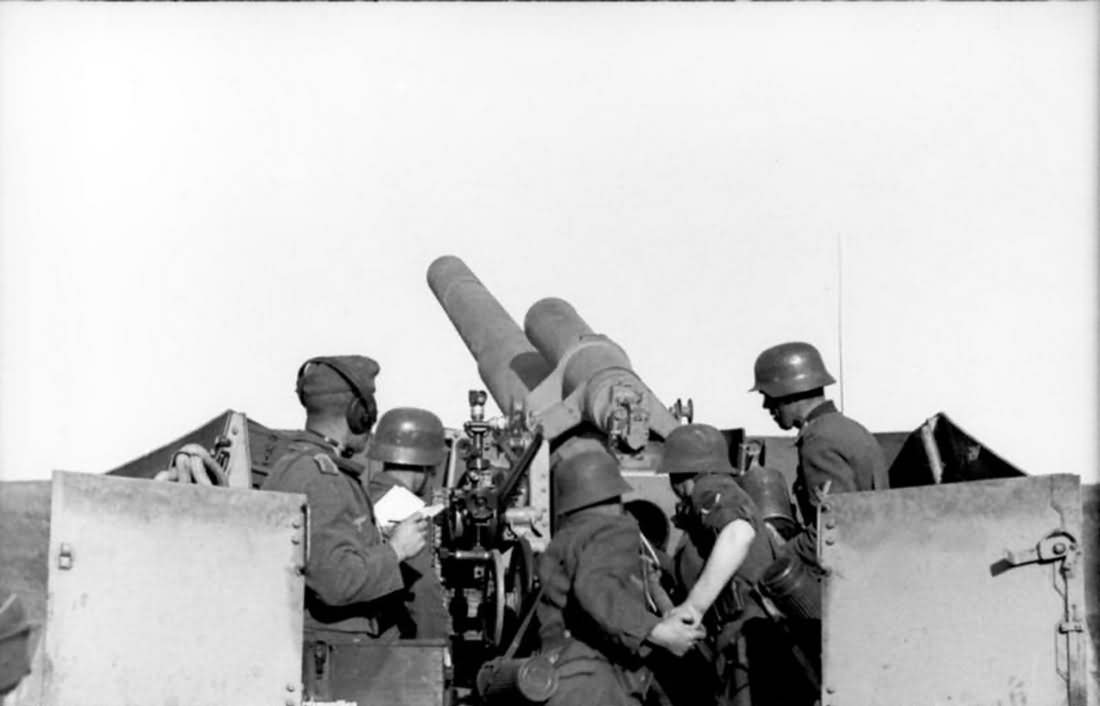
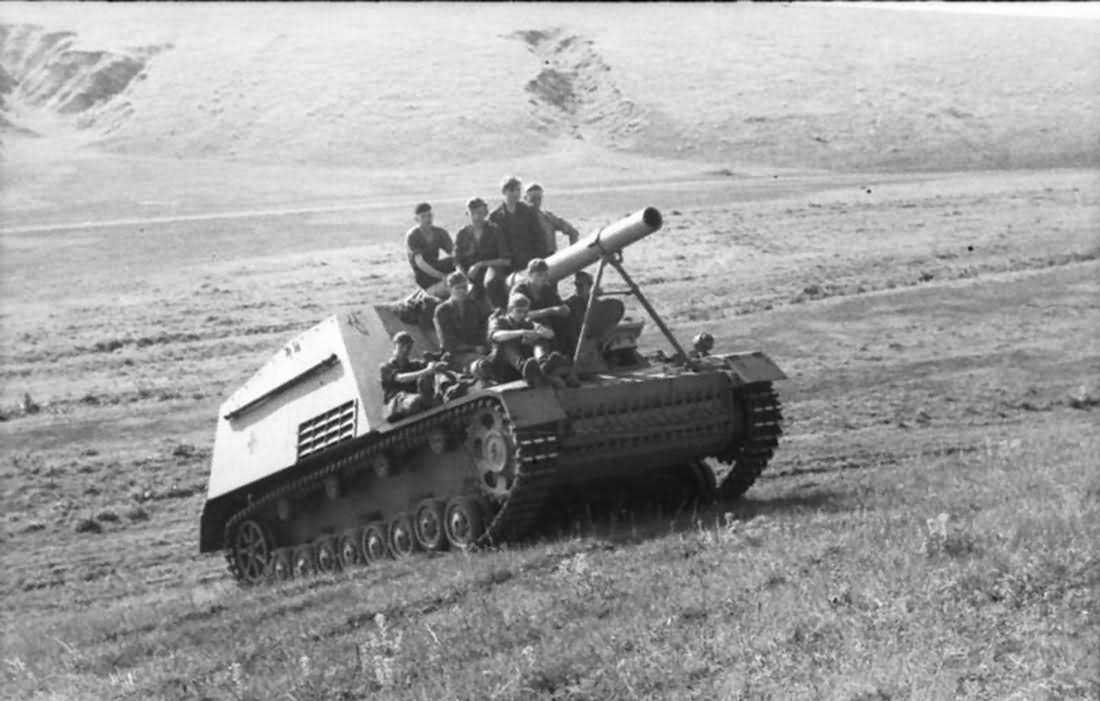
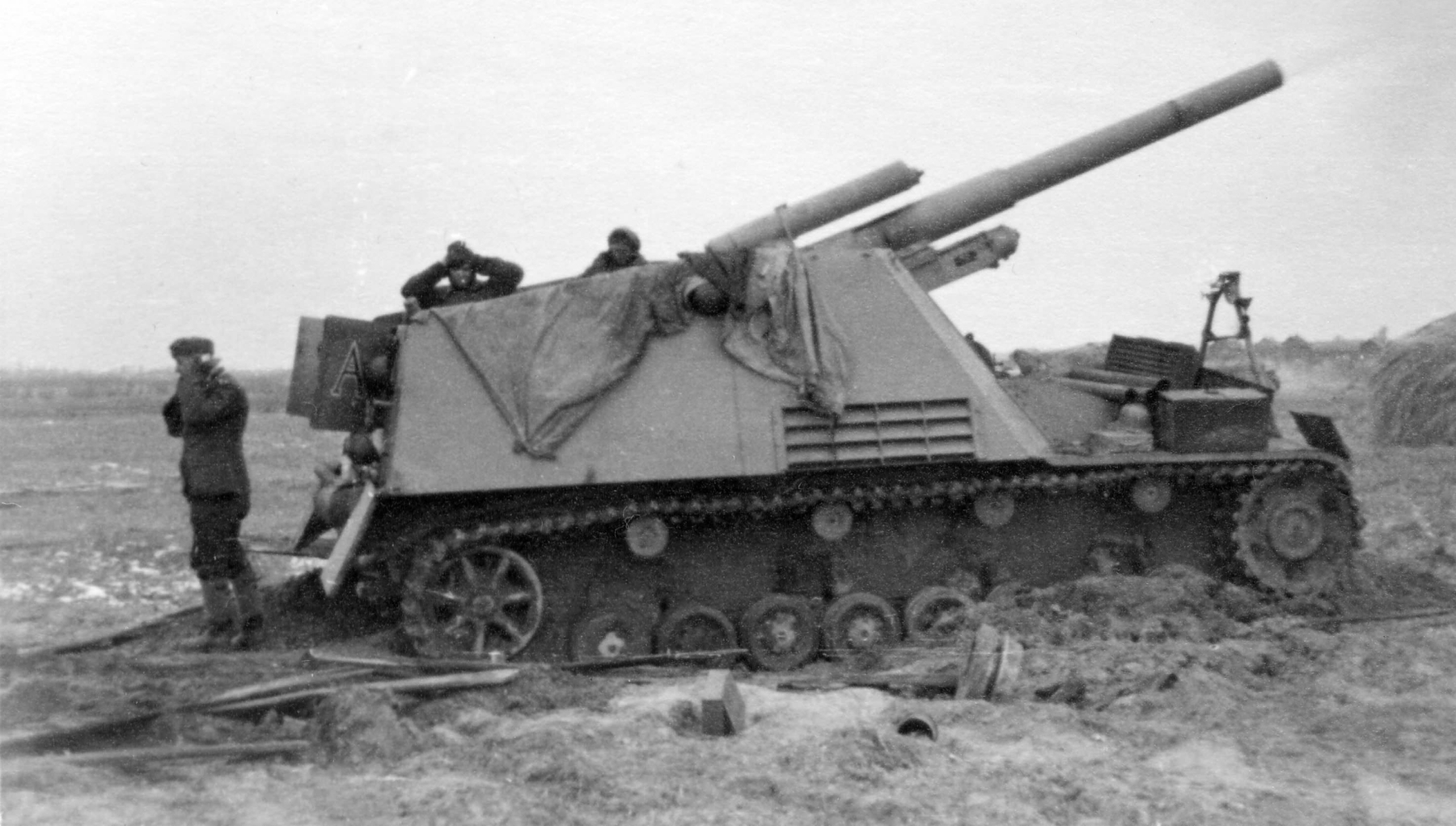
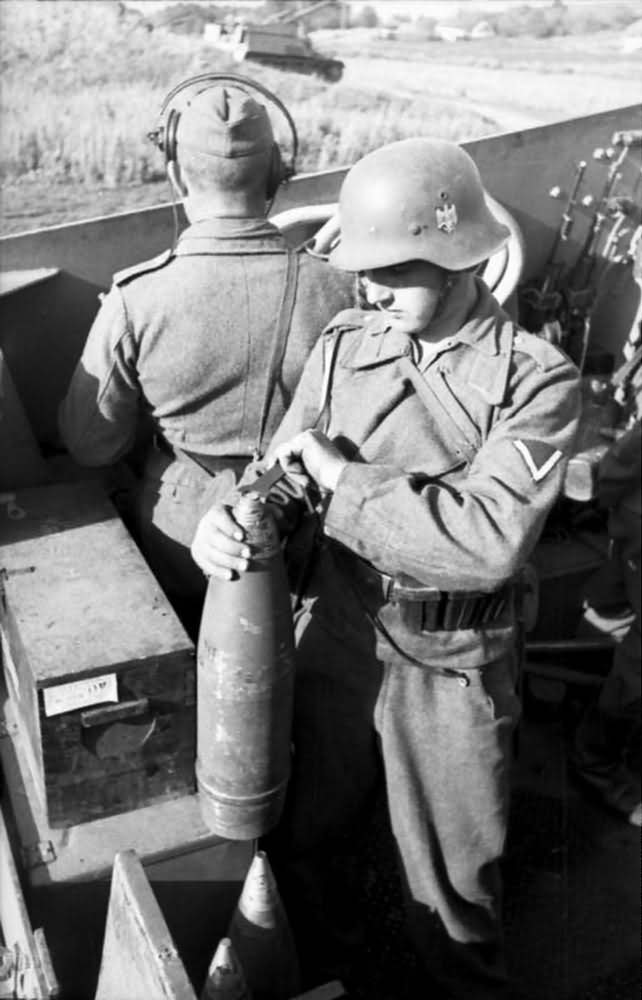
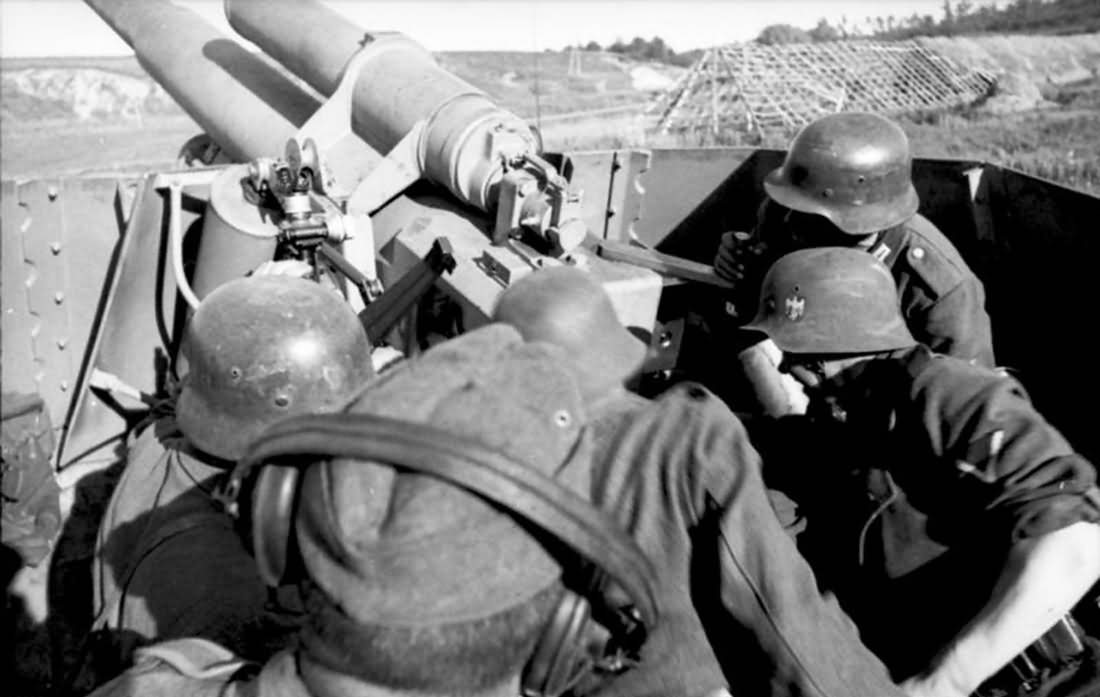
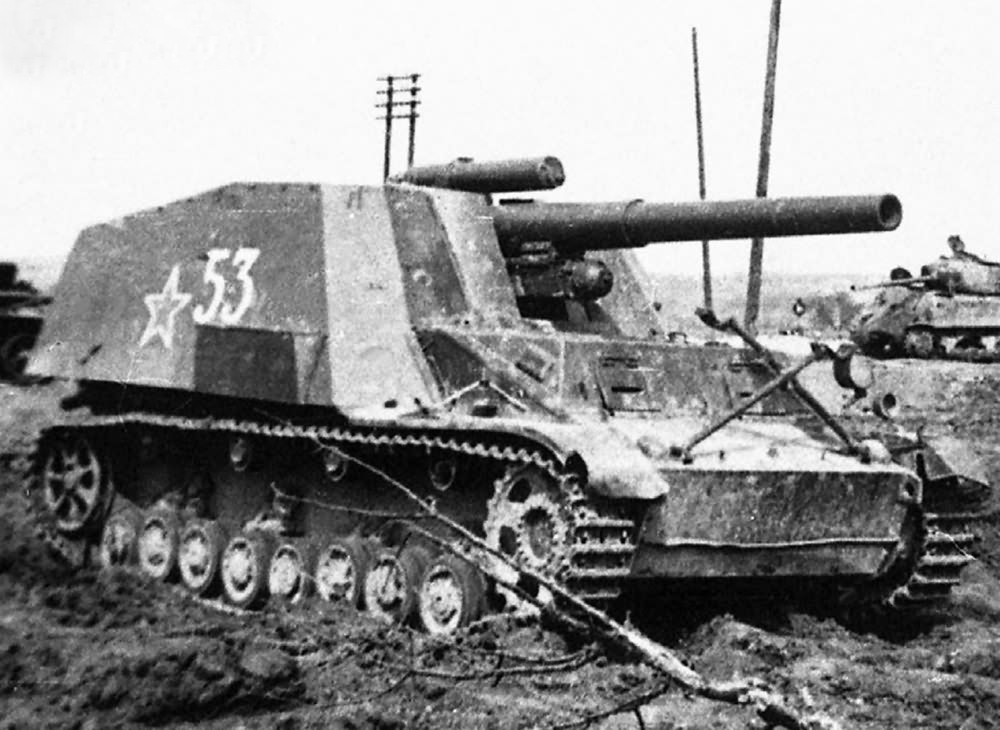
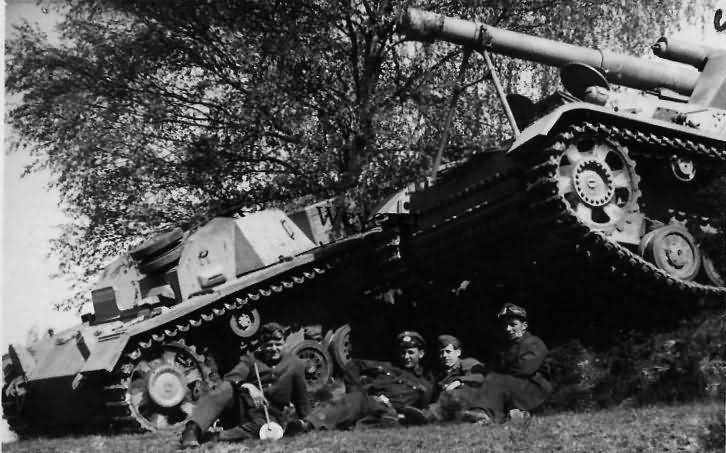
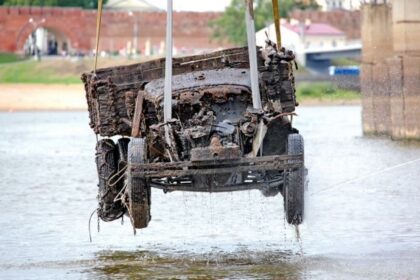
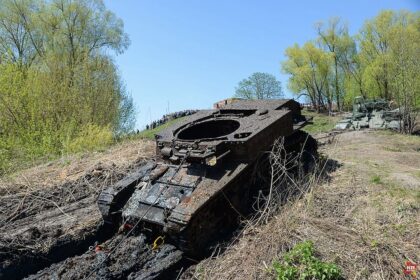
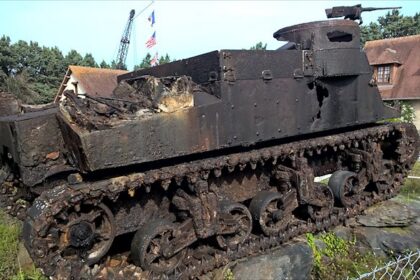
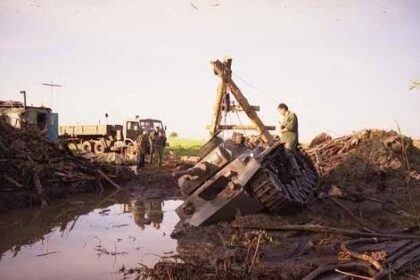
The Hummel (German for “Bumblebee”), officially designated Sd.Kfz. 165 Panzerfeldhaubitze 18M auf Geschützwagen III/IV, was a German self-propelled howitzer designed in 1942 to provide armored divisions with mobile heavy artillery on the Eastern Front. Built on a hybrid Geschützwagen III/IV chassis—combining the Panzer III’s steering system with the Panzer IV’s engine, chassis, and suspension—it featured a center-mounted engine and an open-topped rear fighting compartment armed with a 15 cm sFH 18/1 L/30 howitzer. Because the gun compartment held limited ammunition, an unarmed transport variant called the Munitionsträger Hummel was created, which could be converted back to carry a howitzer in the field if needed. First seeing major action during the Battle of Kursk in 1943 within specialized heavy artillery batteries, around 700 standard Hummels and 157 ammunition carriers were built by the end of World War II, though Hitler officially ordered the name “Hummel” dropped in February 1944 for being unfitting for a combat vehicle.