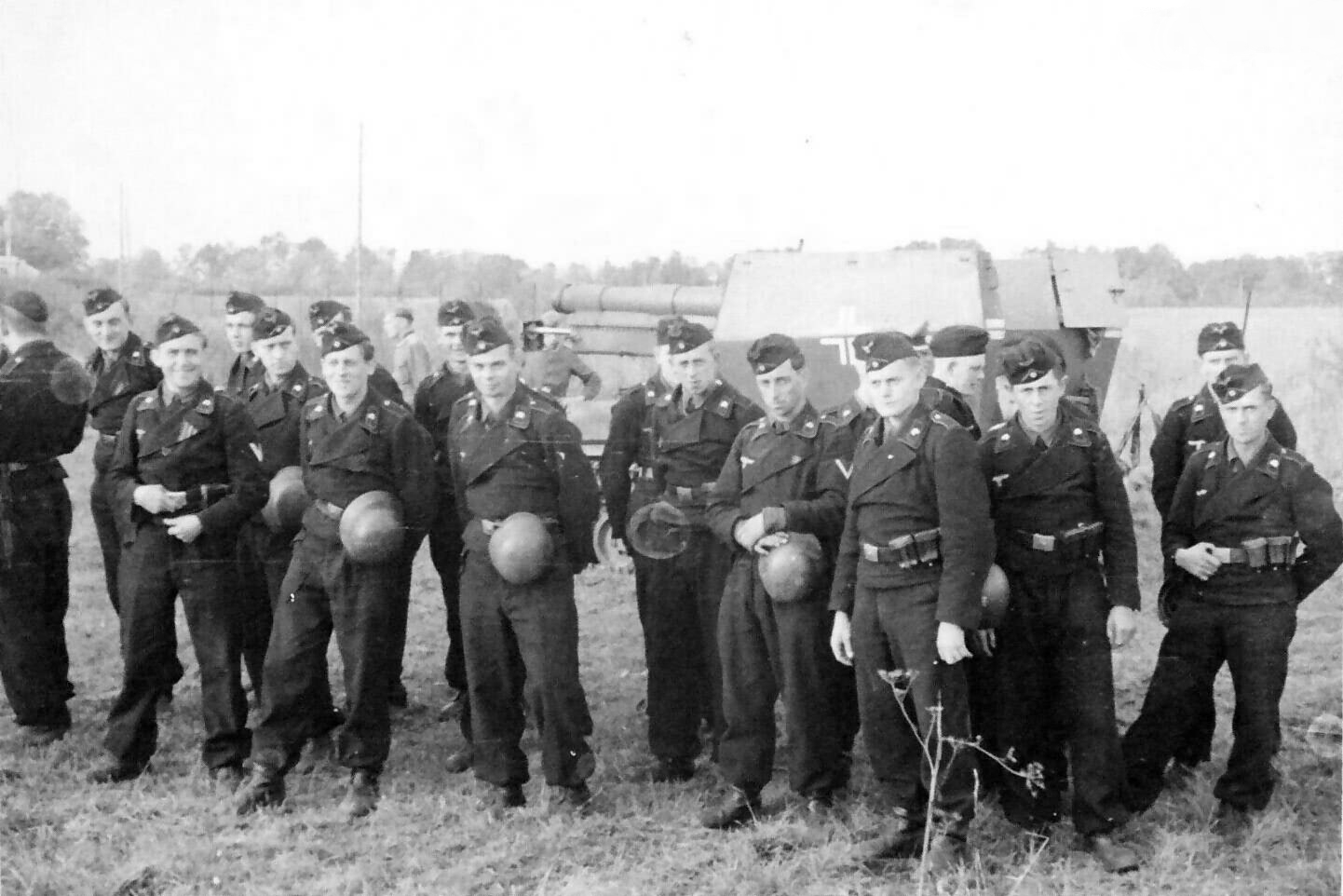
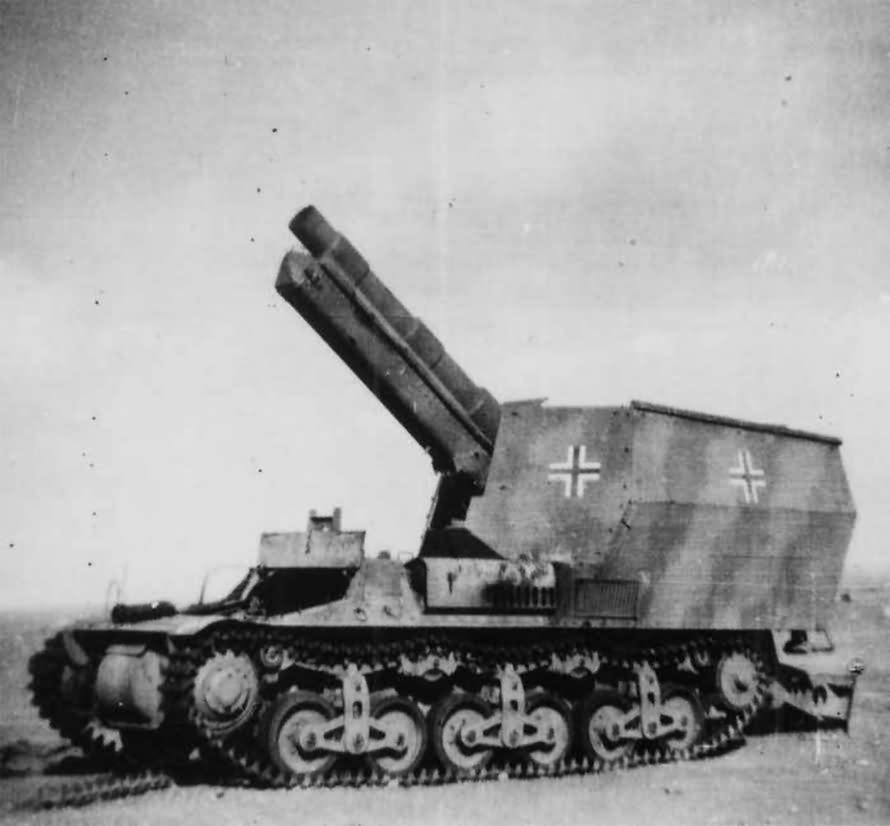
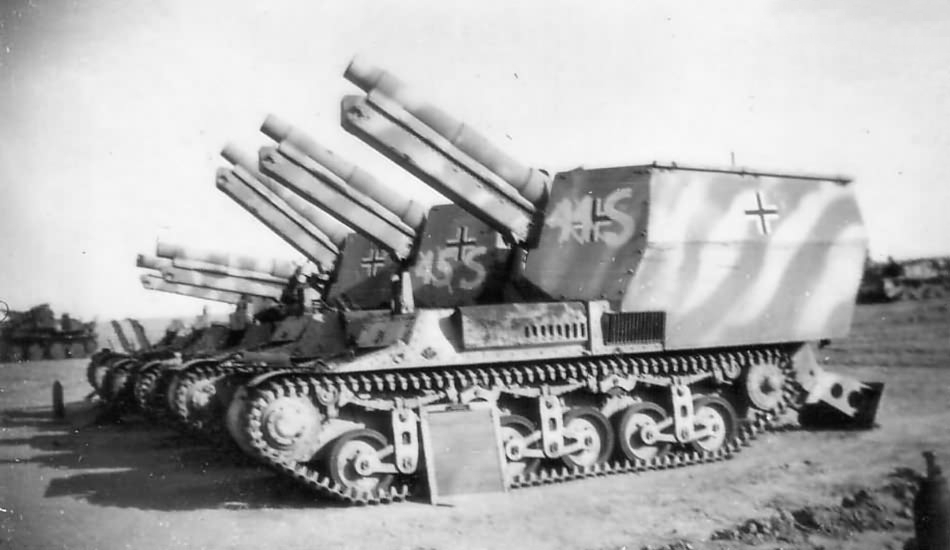
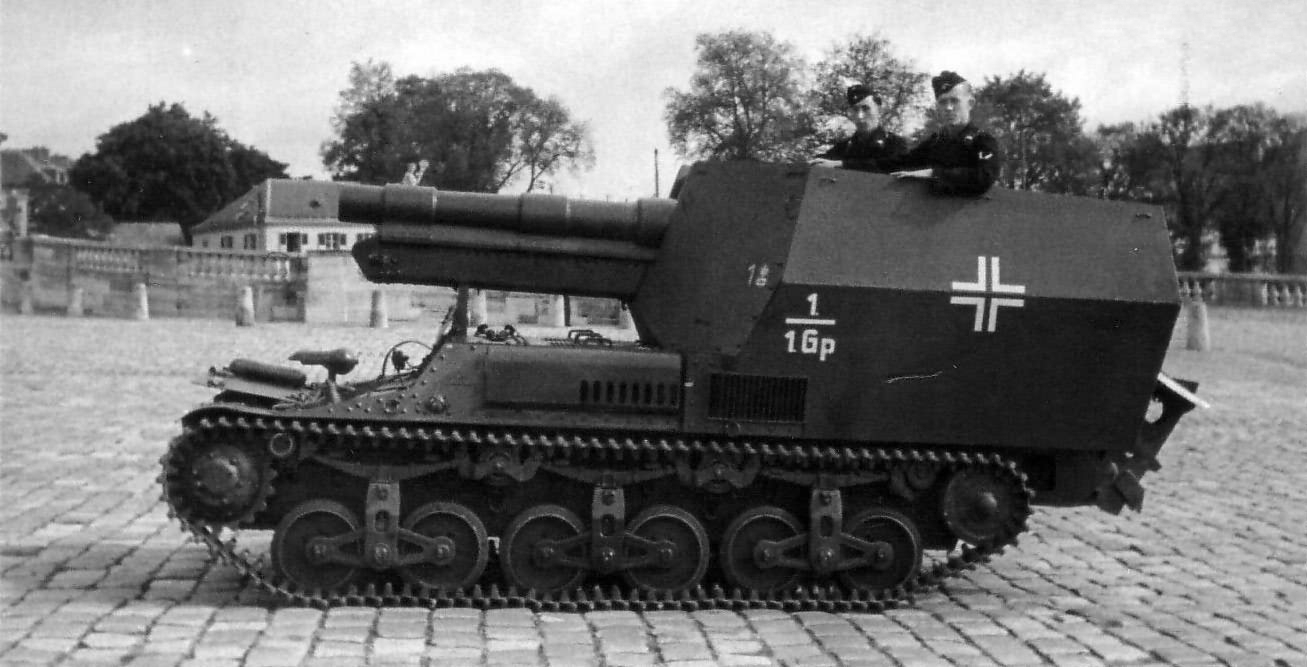
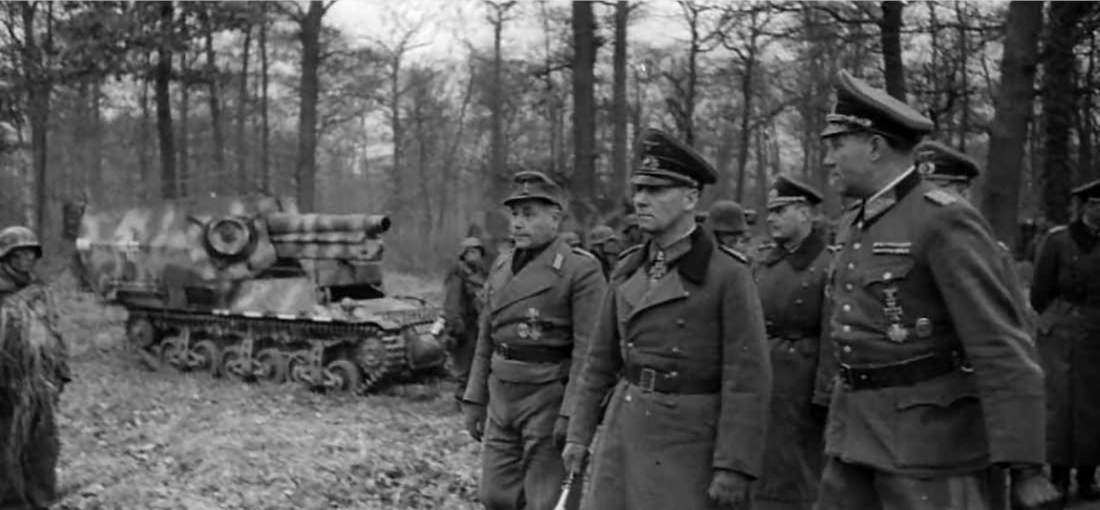
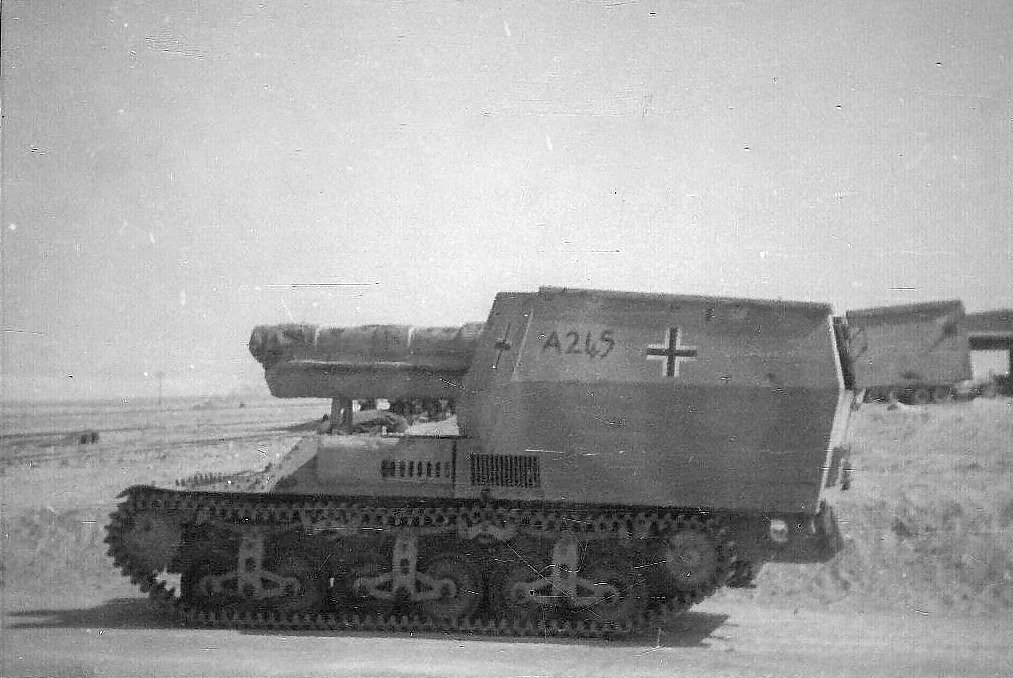
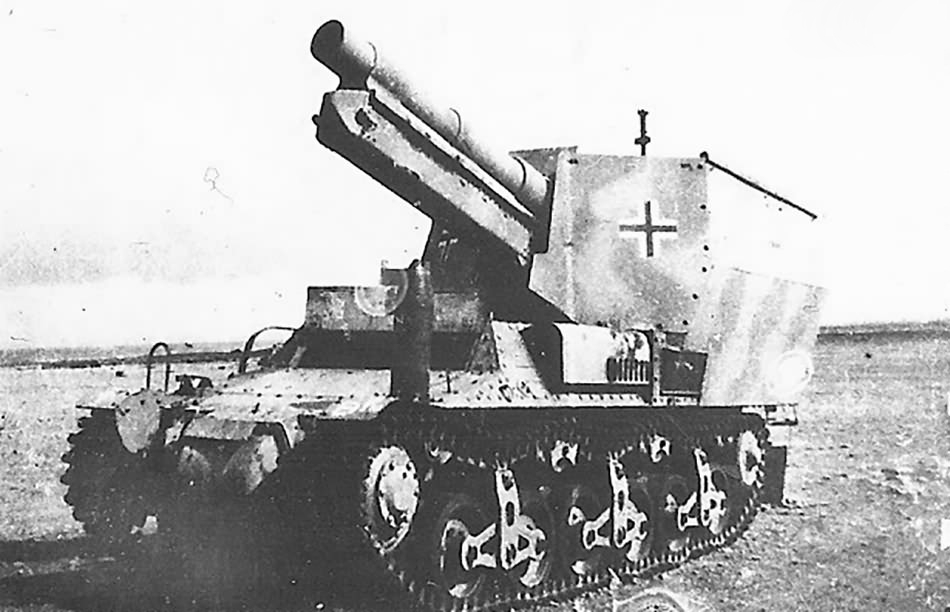
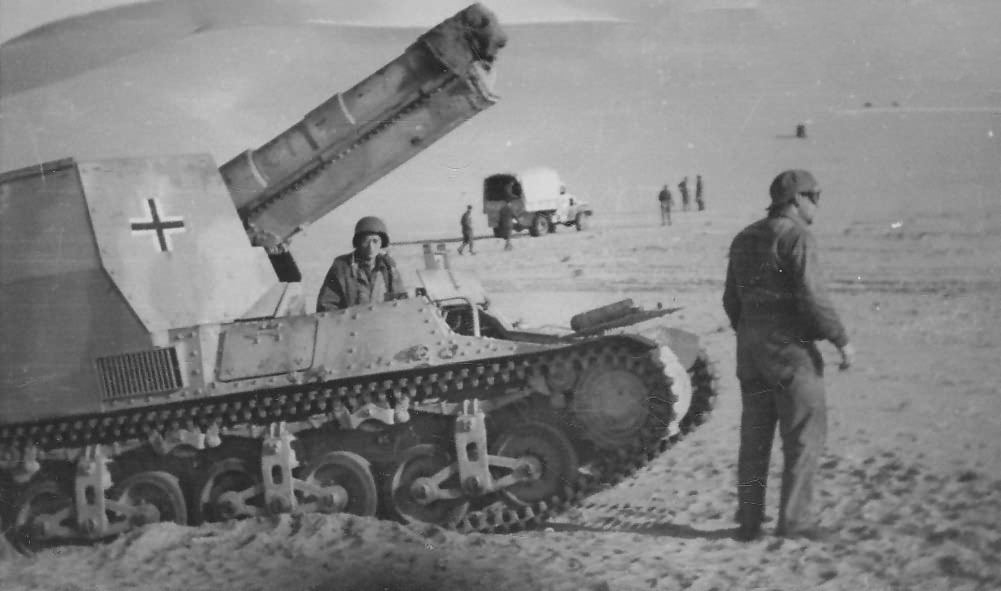
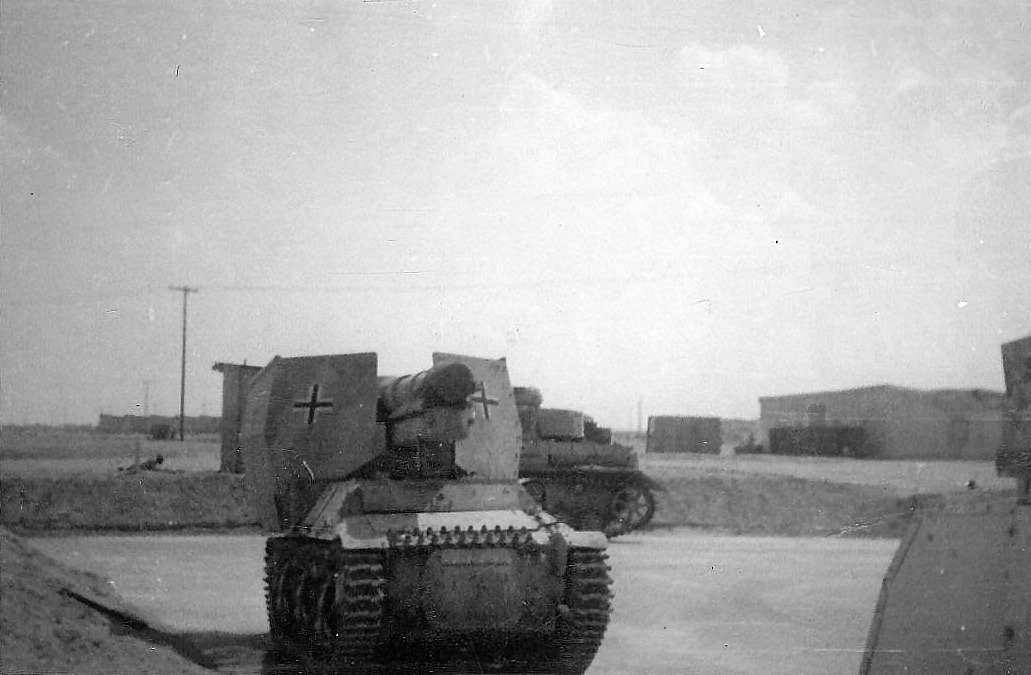
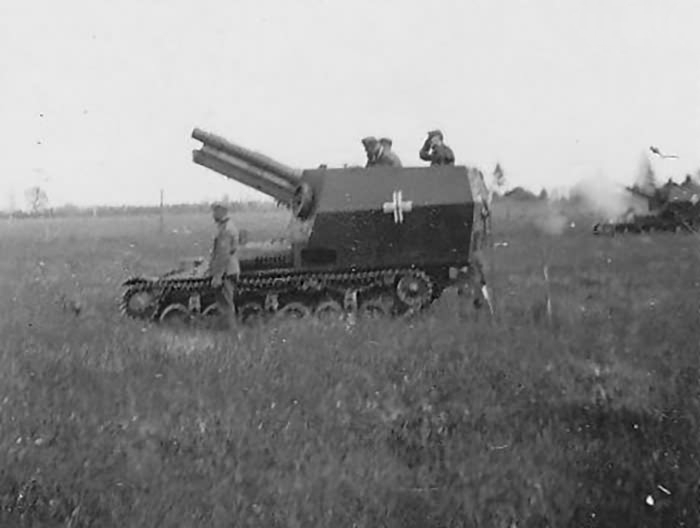
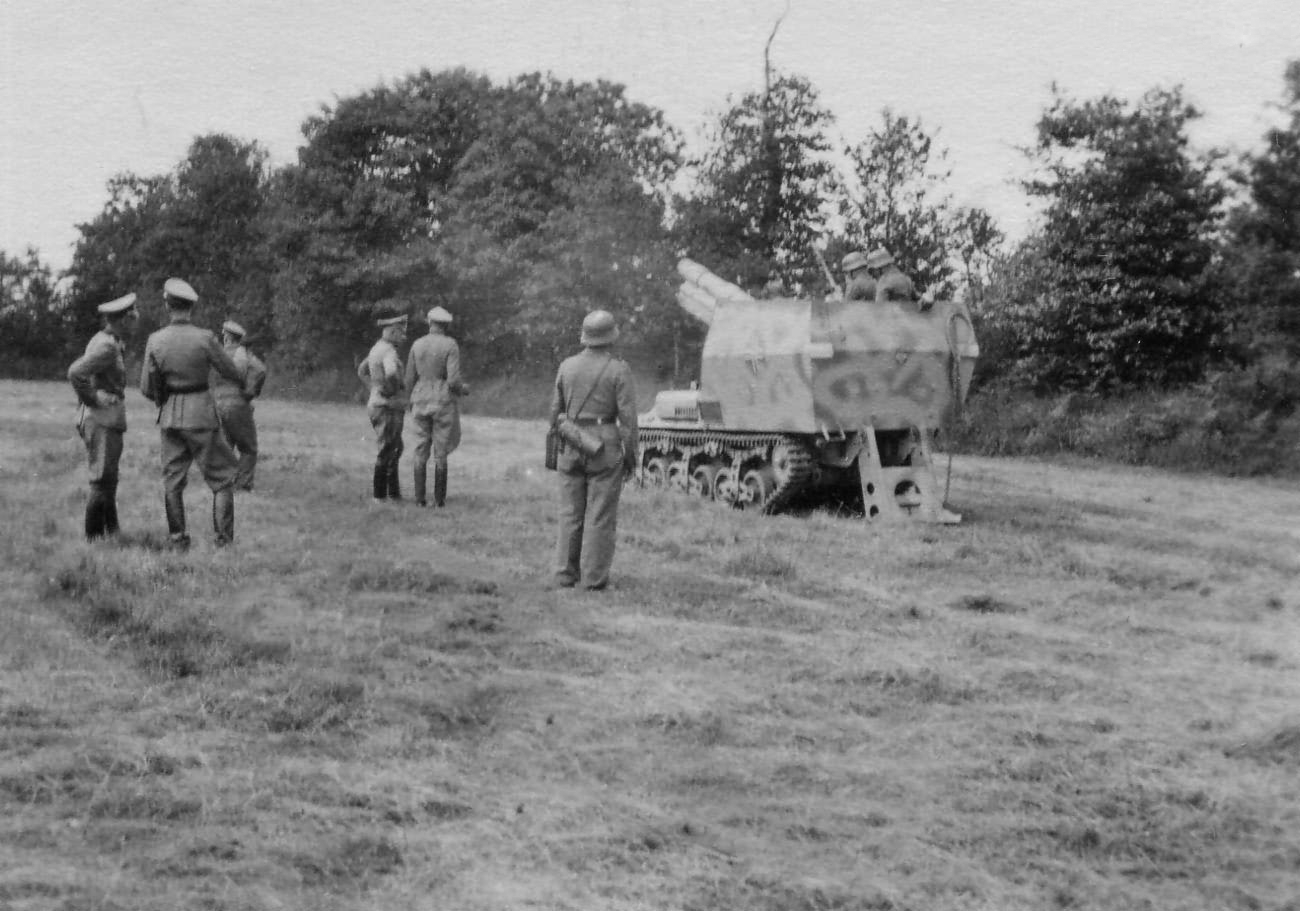
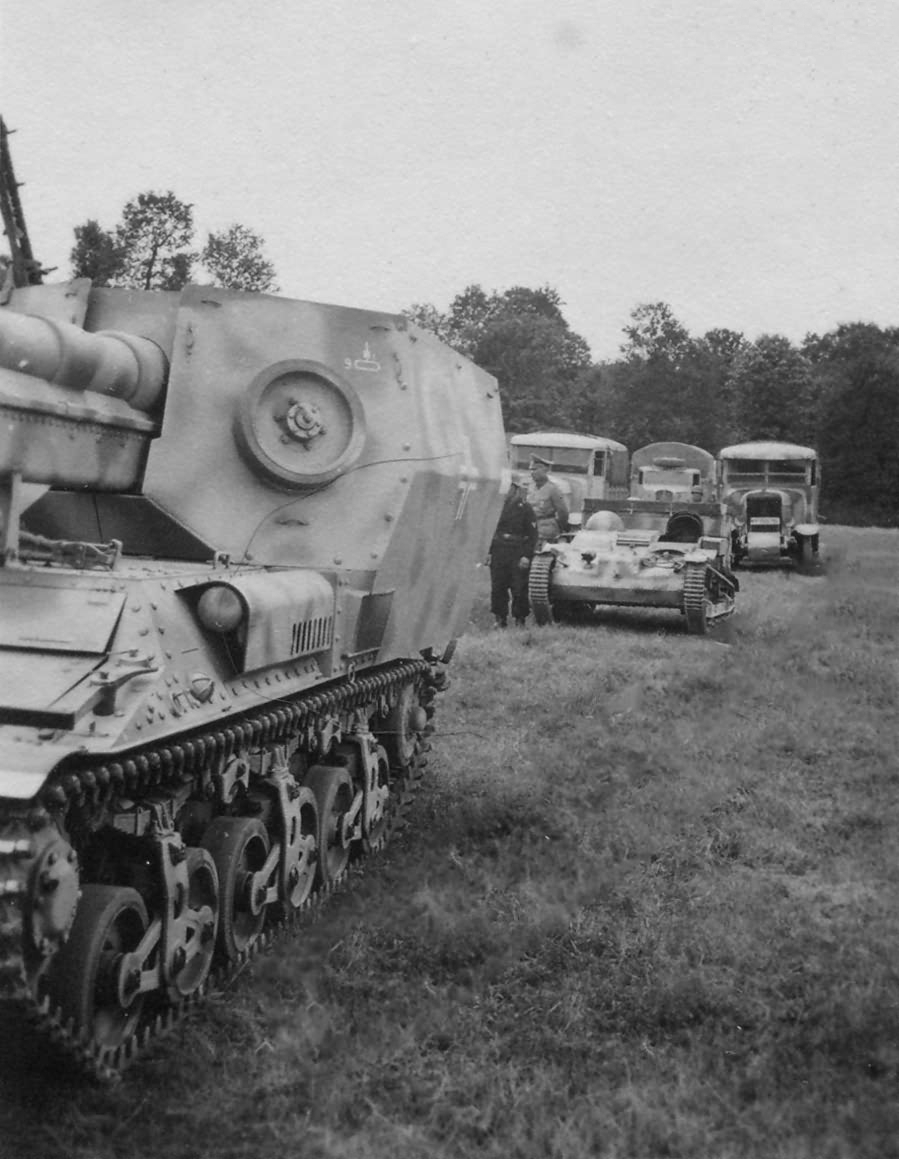
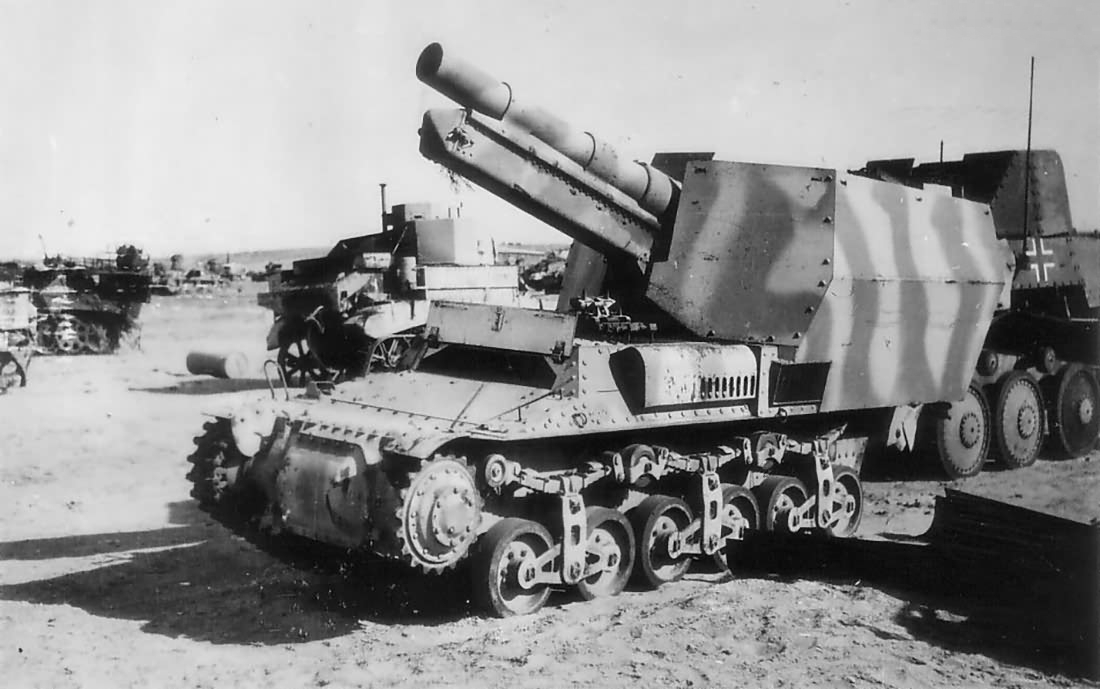
The 15 cm sFH 13/1 (Sf) auf Geschützwagen Lorraine Schlepper(f) (Sd.Kfz. 135/1) was an improvised German self-propelled howitzer developed during World War II to provide mobile, long-range indirect artillery support for advancing Panzer and infantry forces. Built by mounting the World War I-era 15 cm sFH 13 howitzer onto captured French Lorraine 37L armored tractor chassis, it offered a cost-effective, highly mobile alternative to traditional horse-drawn or half-track-towed artillery. The design featured an open-topped rear compartment that protected its crew from small arms fire and shrapnel, though its high-mounted gun had a limited traverse of 5 degrees left and right, necessitating a rear-mounted retractable spade to absorb recoil.Production was initiated in May 1942 following Hitler’s directive to motorized units, particularly Erwin Rommel’s Afrika Korps. Initial manufacturing was handled by Alkett in Berlin, followed by further assembly in France by Baukommando Becker, resulting in a total production of between 102 and 166 units depending on historical sources, identifiable across three distinct production sub-variants based on spade lengths and front armor details.Operationally, the first batch of 30 units was shipped to North Africa in mid-1942, where 23 survived Allied transit attacks and participated in key actions at El Alamein with the 15th, 21st, and 90th Light Divisions before all were lost by December 1942. The remaining units built in France were issued to Western theater formations, including the reconstituted 21st Panzer Division, seeing combat during the 1944 Normandy campaign until the last operational vehicles were destroyed in the Falaise Pocket in August 1944. Today, only two original examples survive: one preserved at the US Army Artillery Museum at Fort Sill, Oklahoma, and another displayed at the El Alamein War Museum in Egypt.