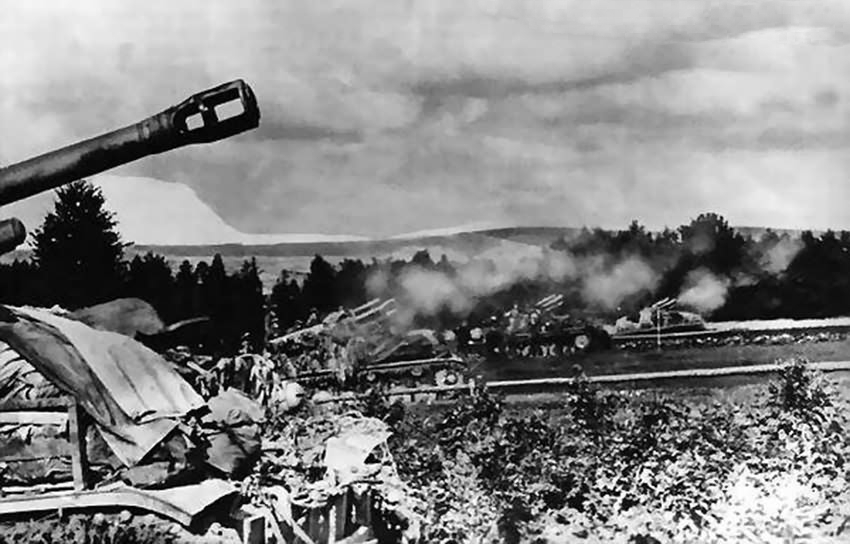
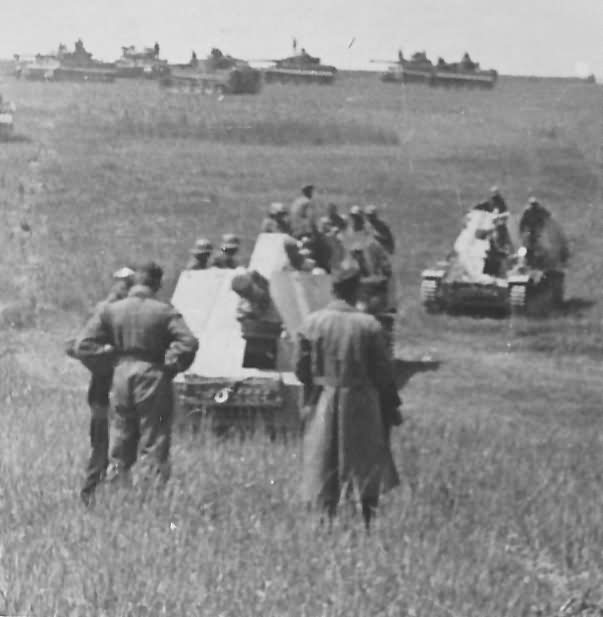
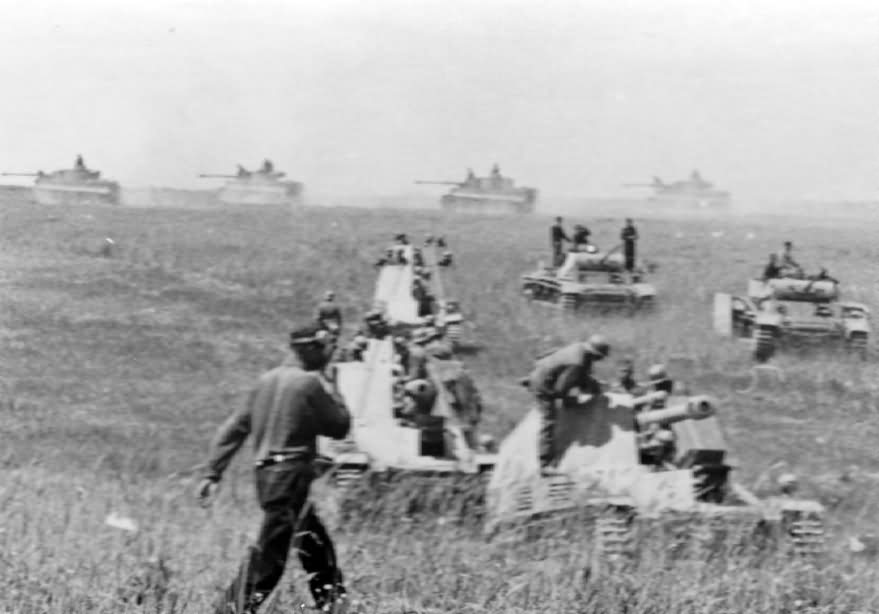
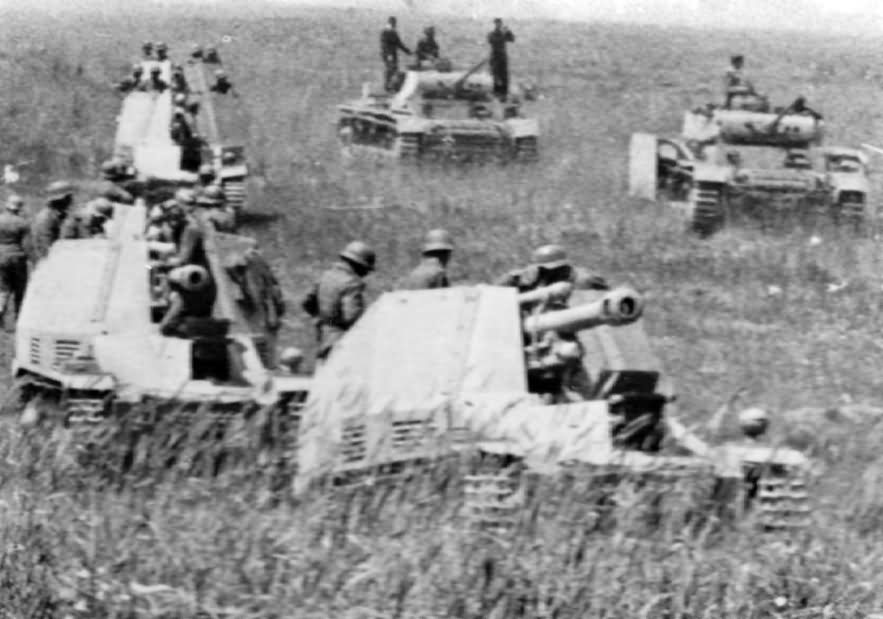
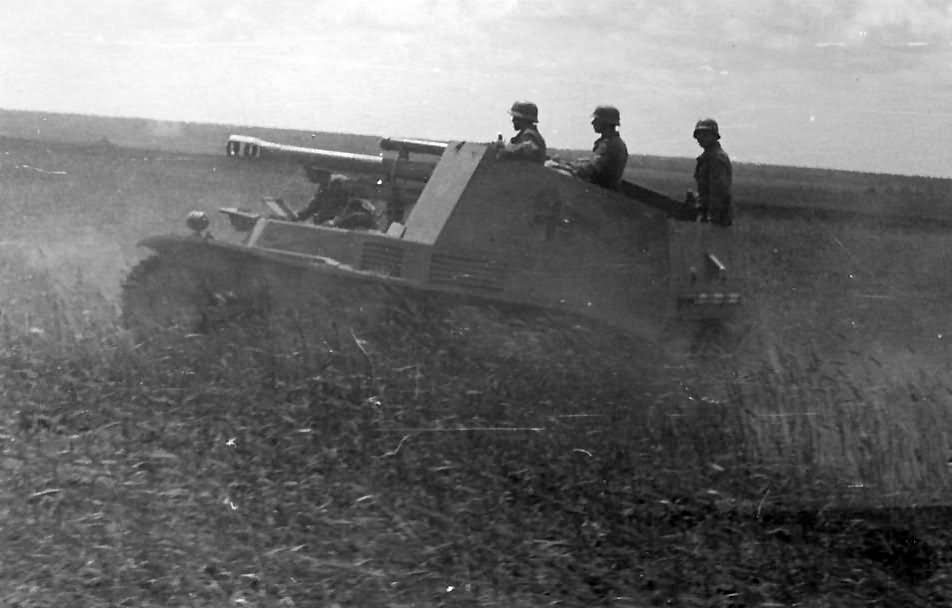
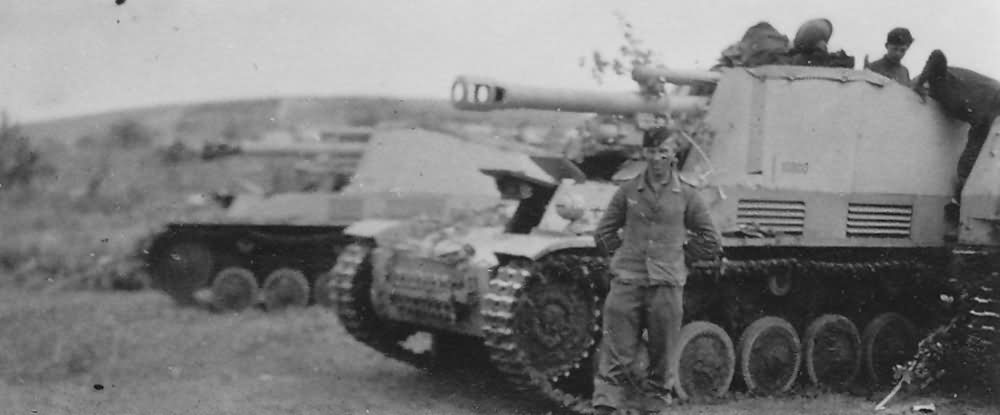
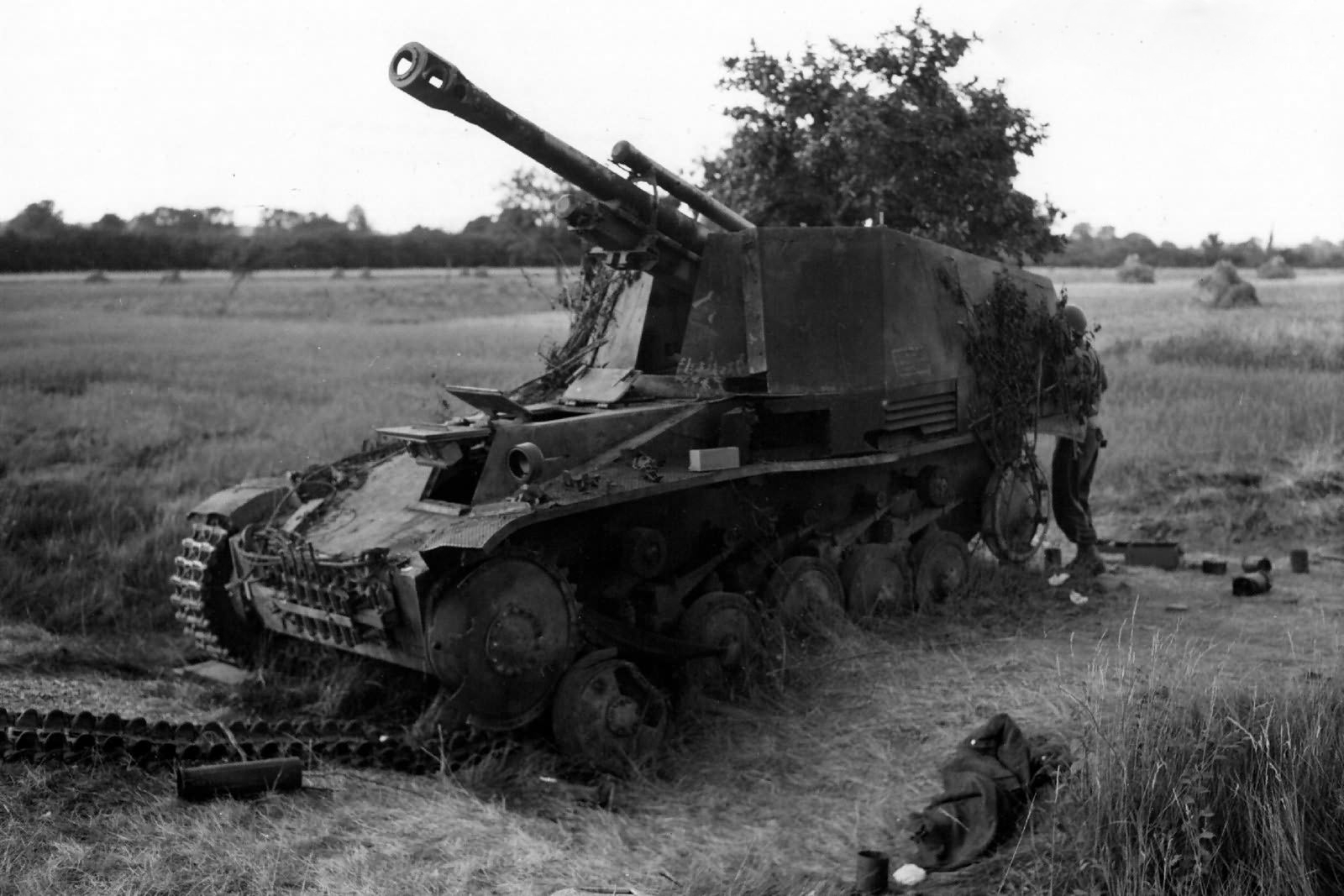
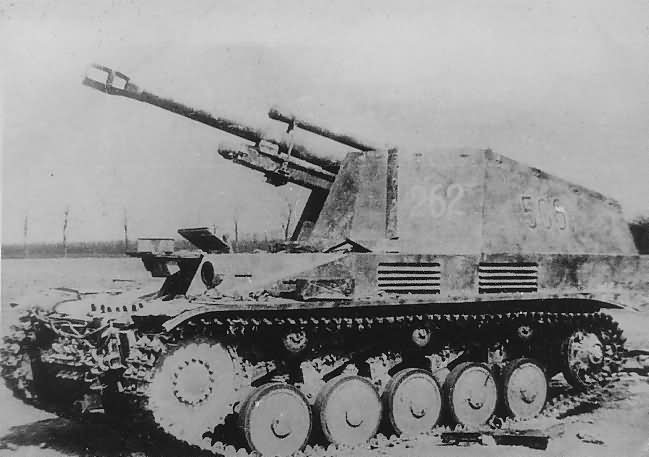
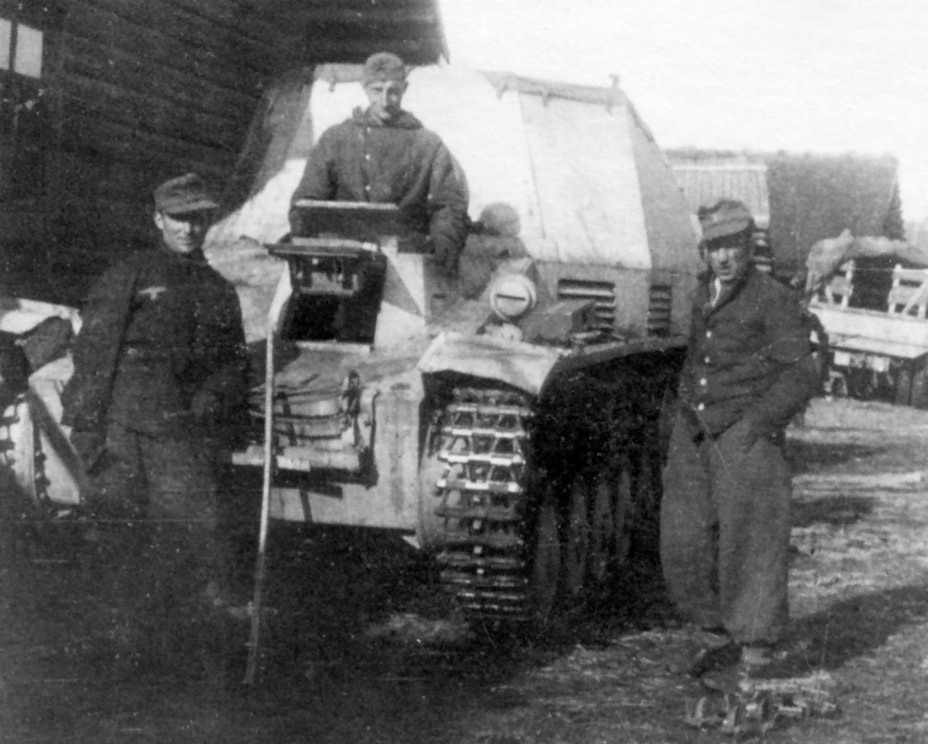
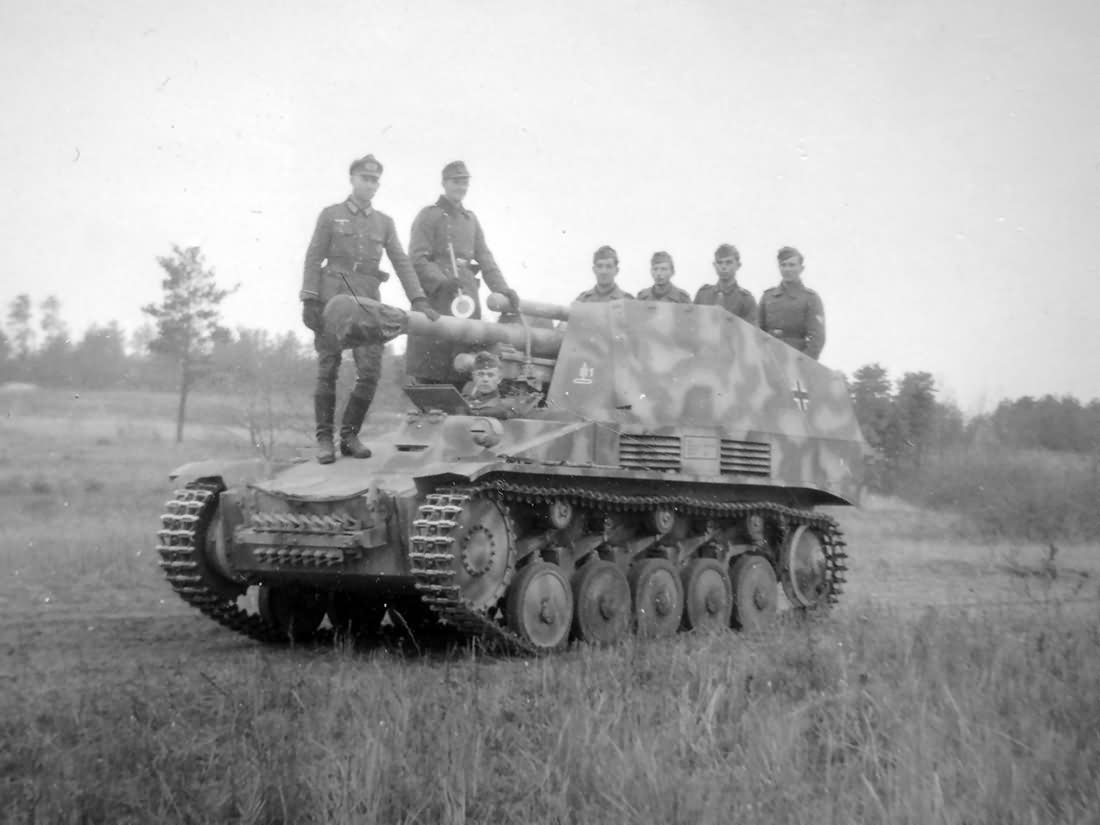
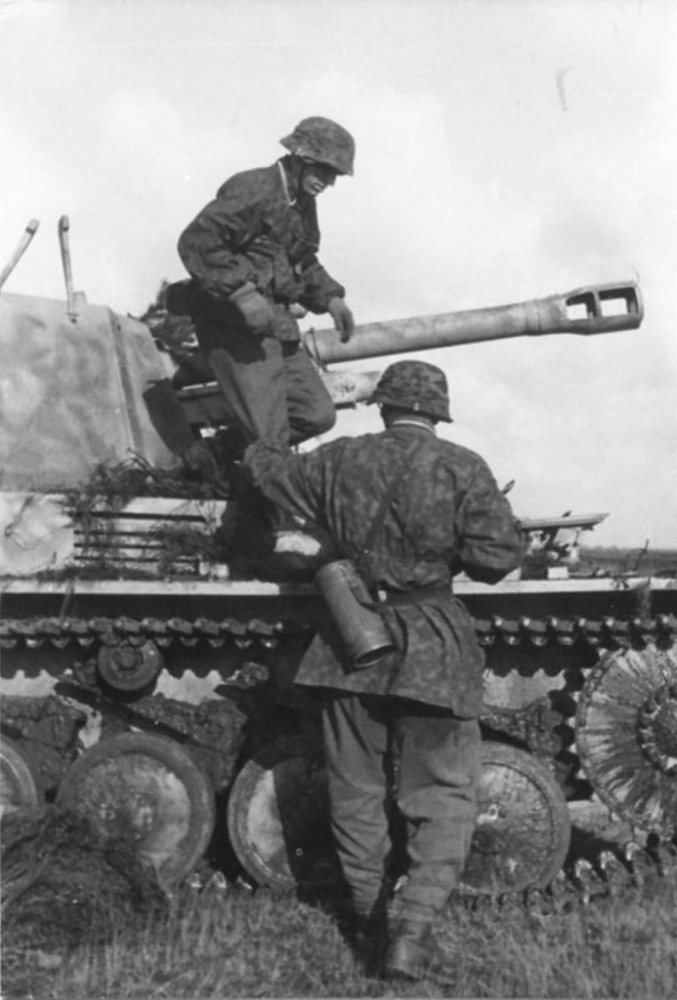
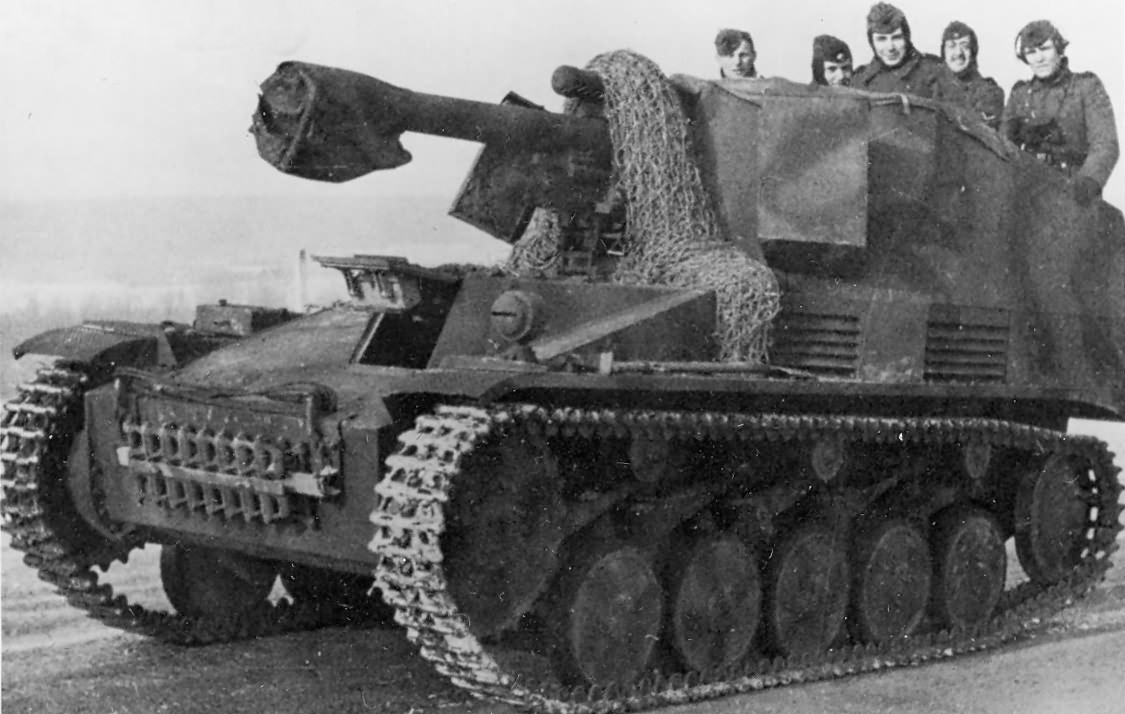
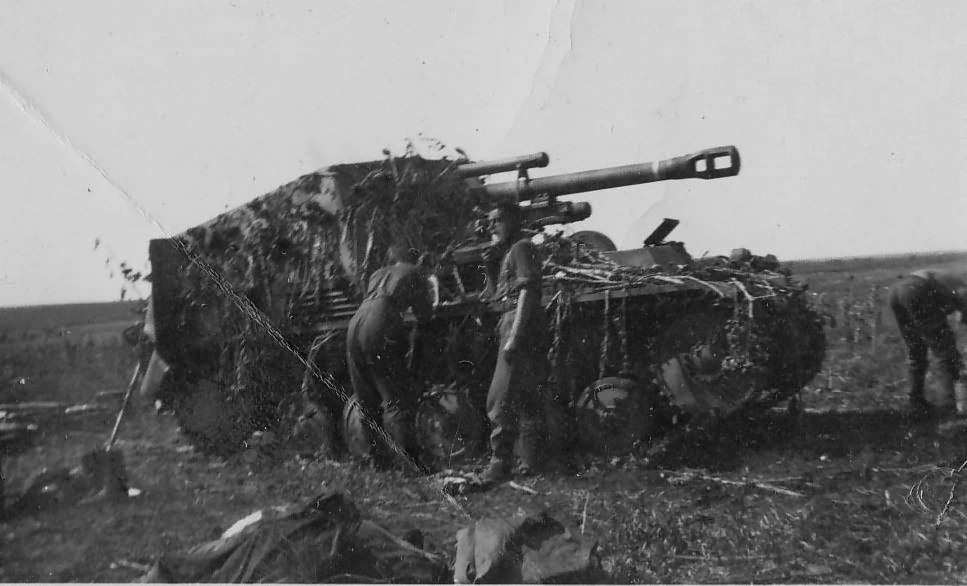
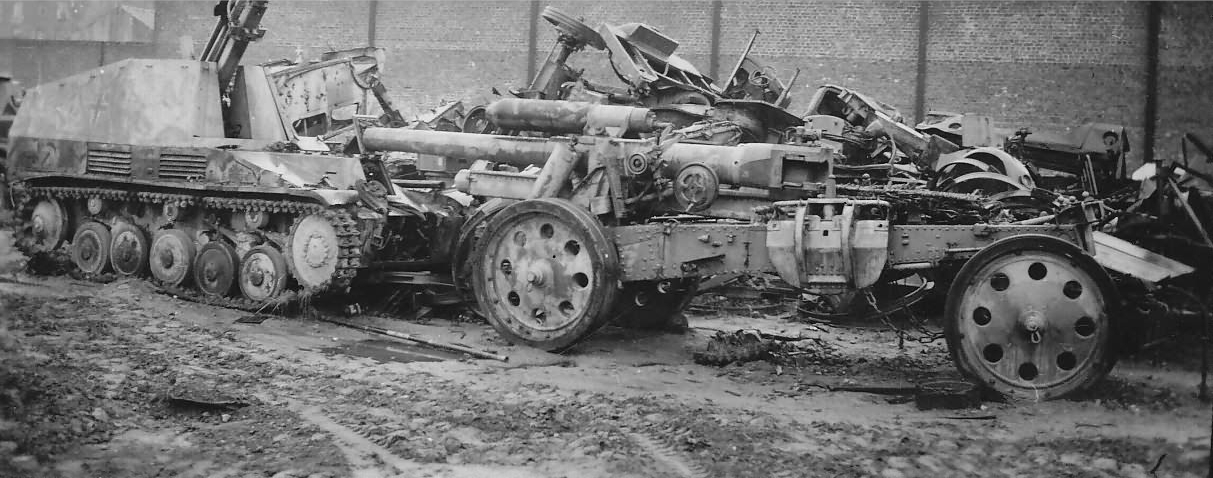
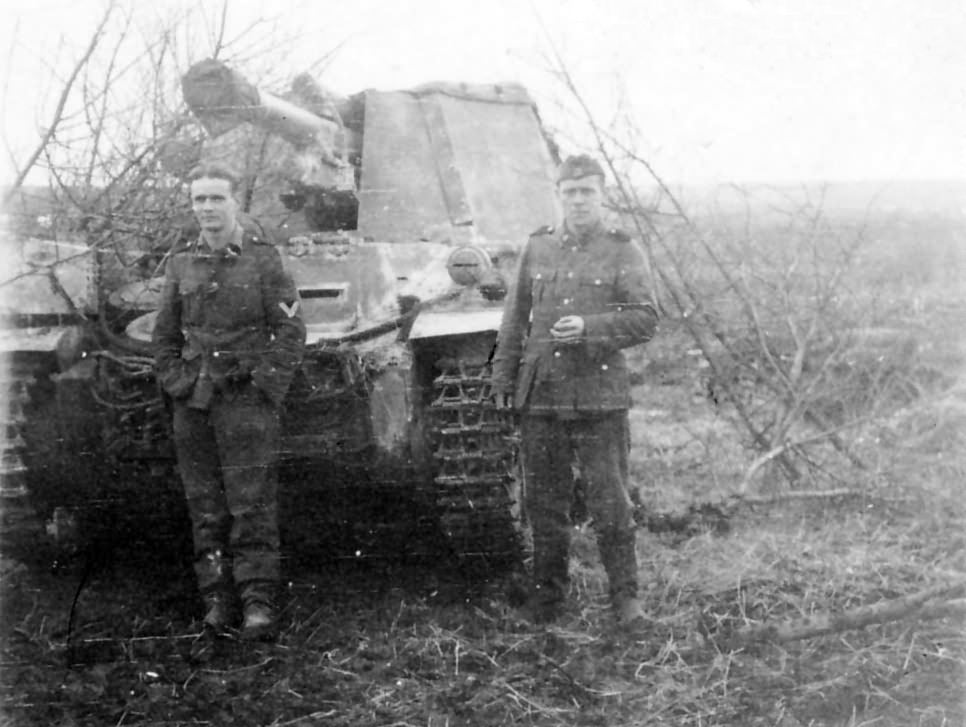
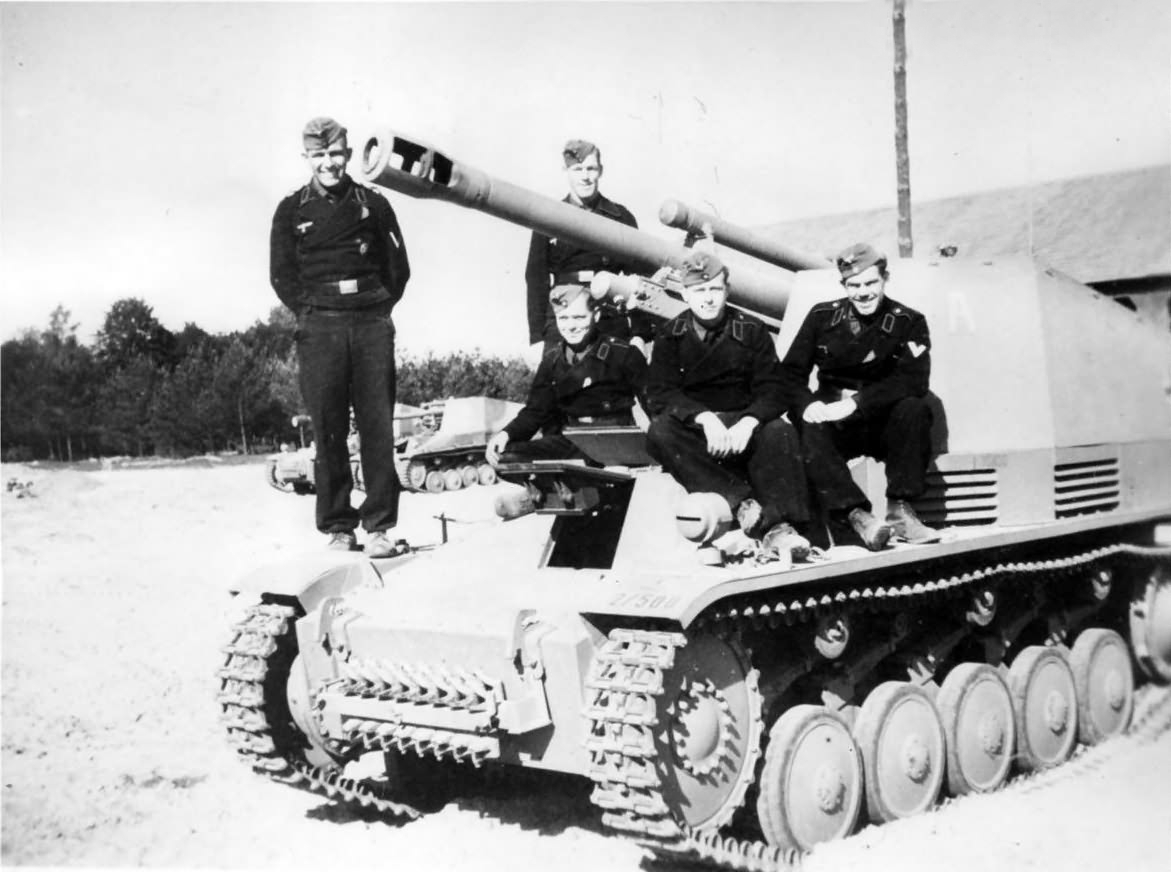
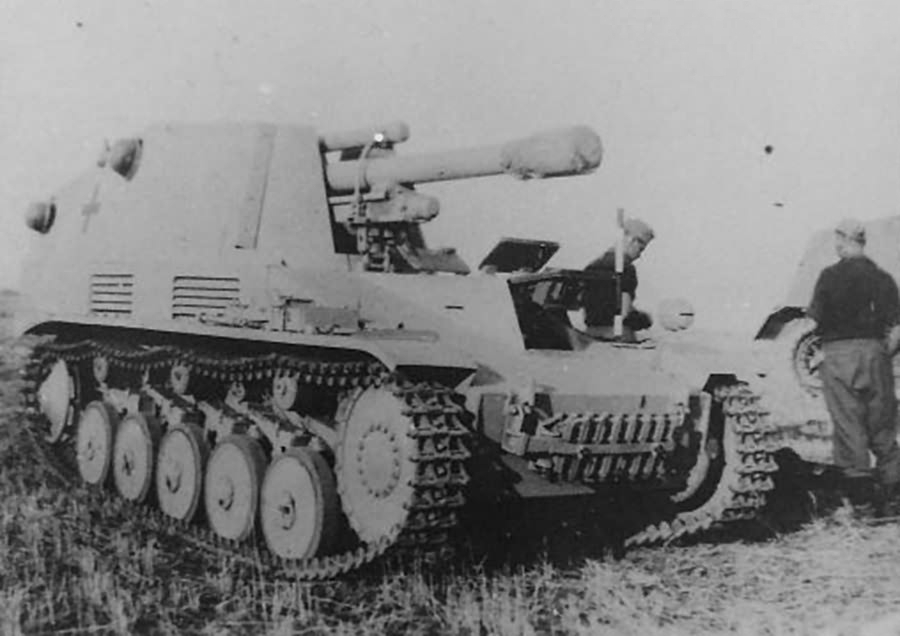
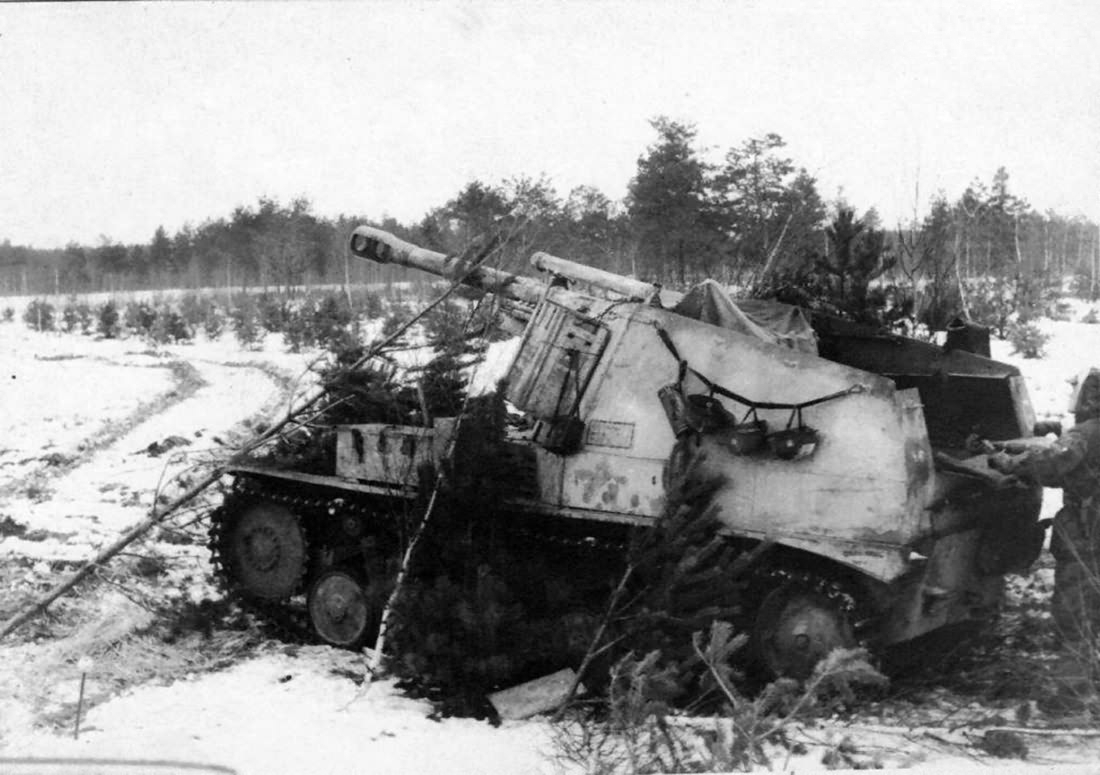
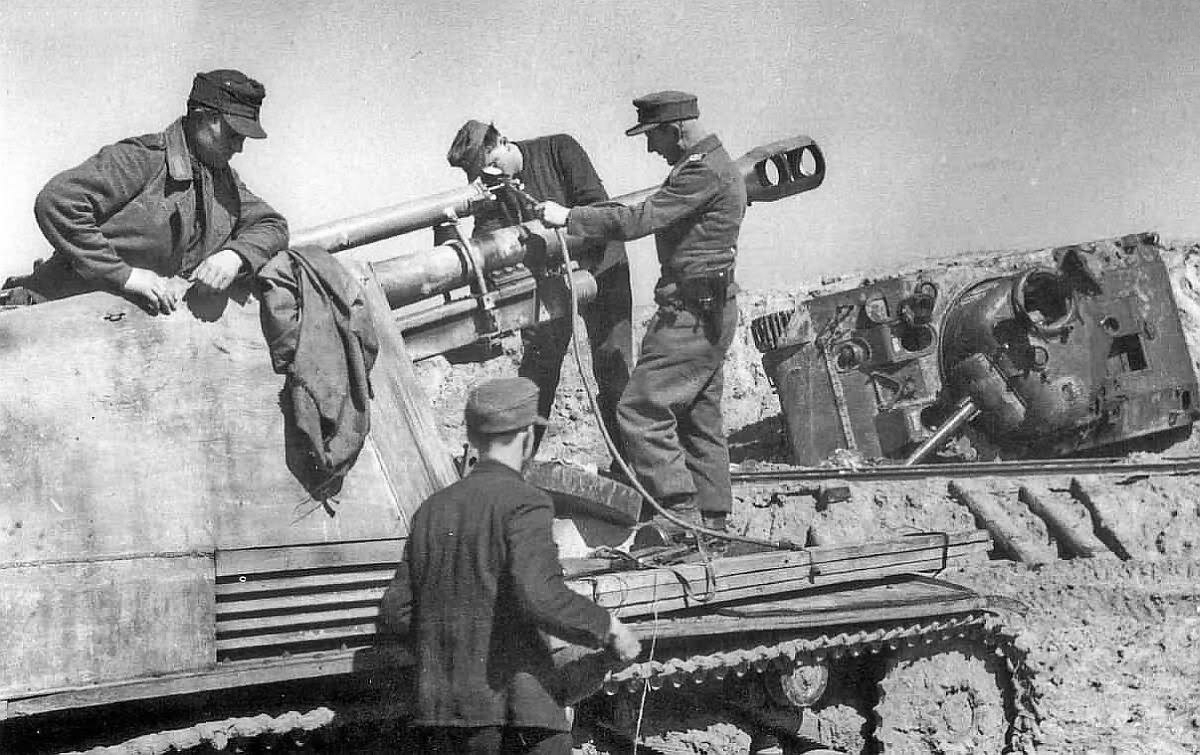
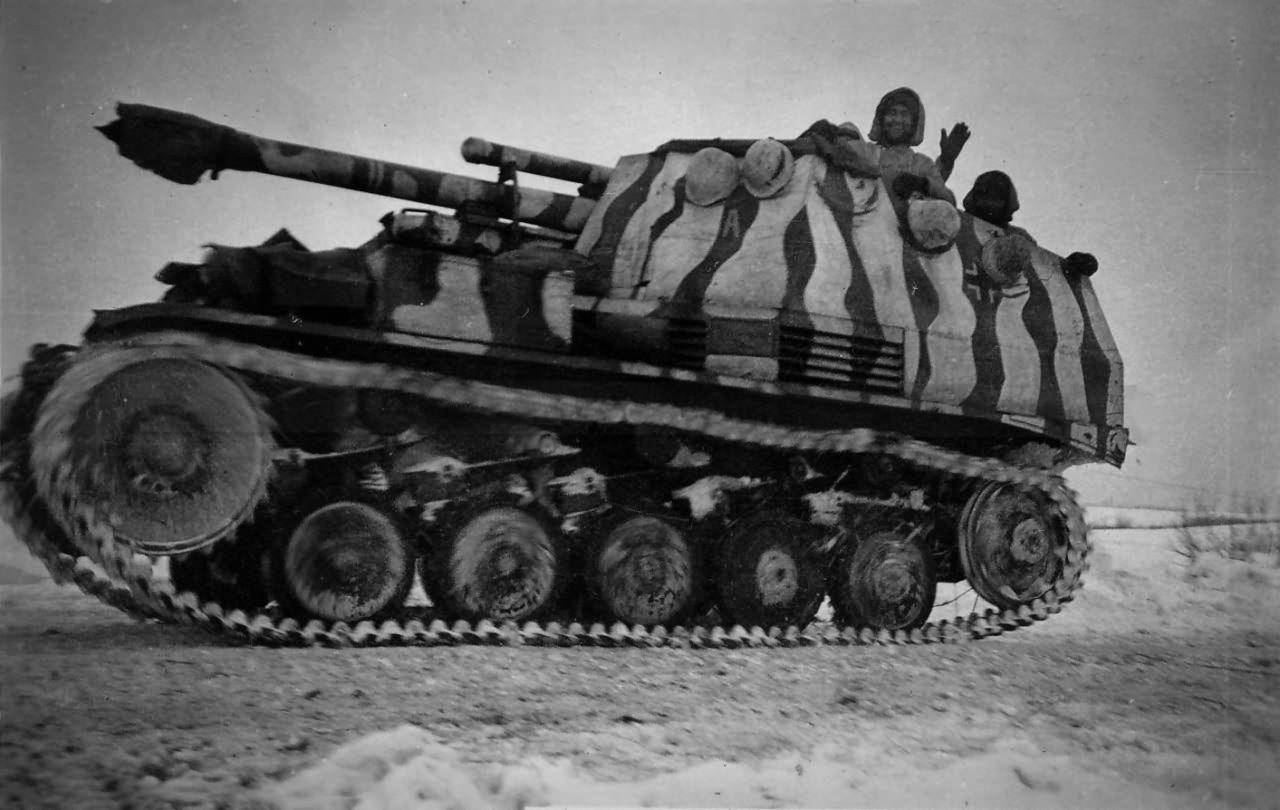
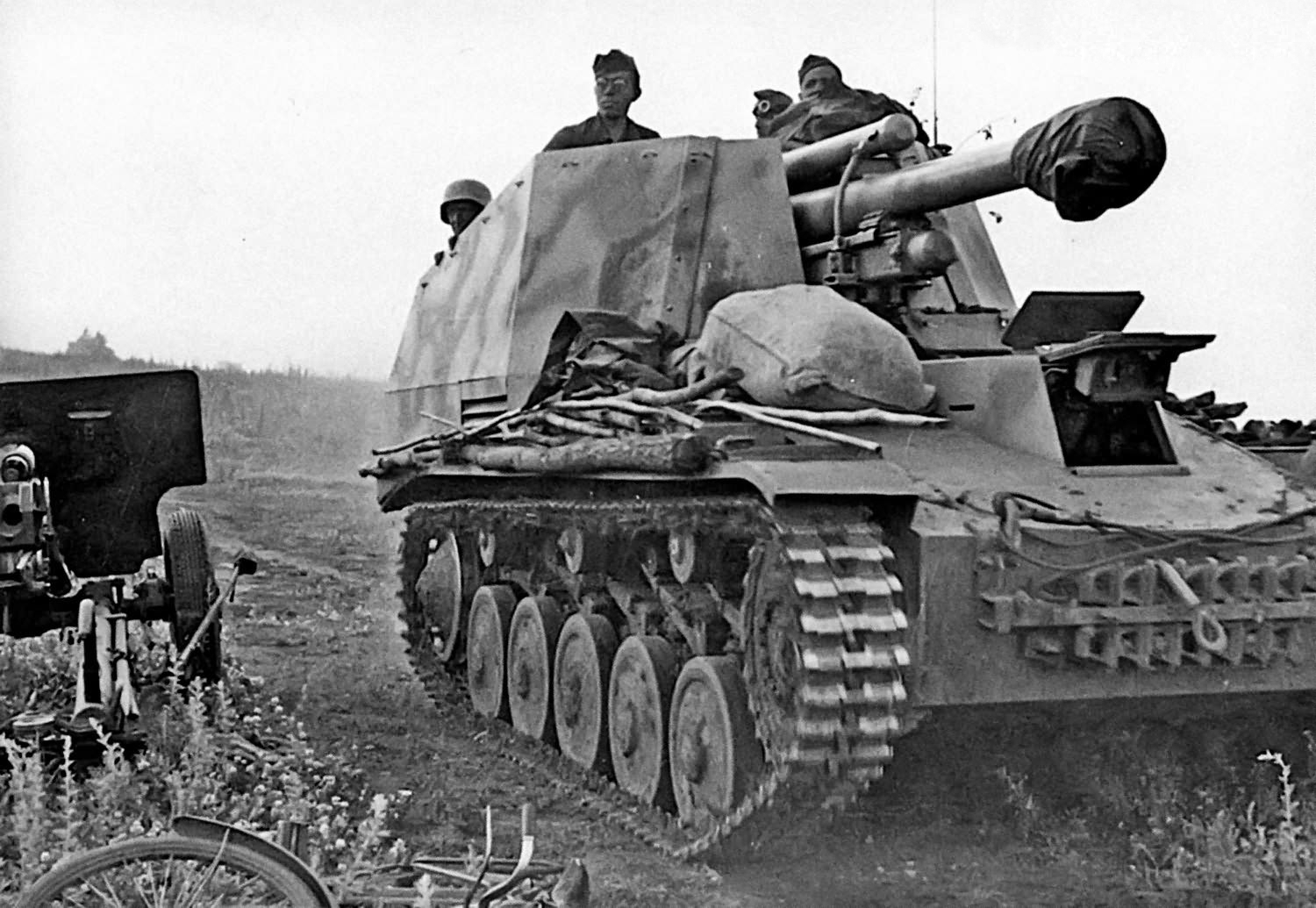
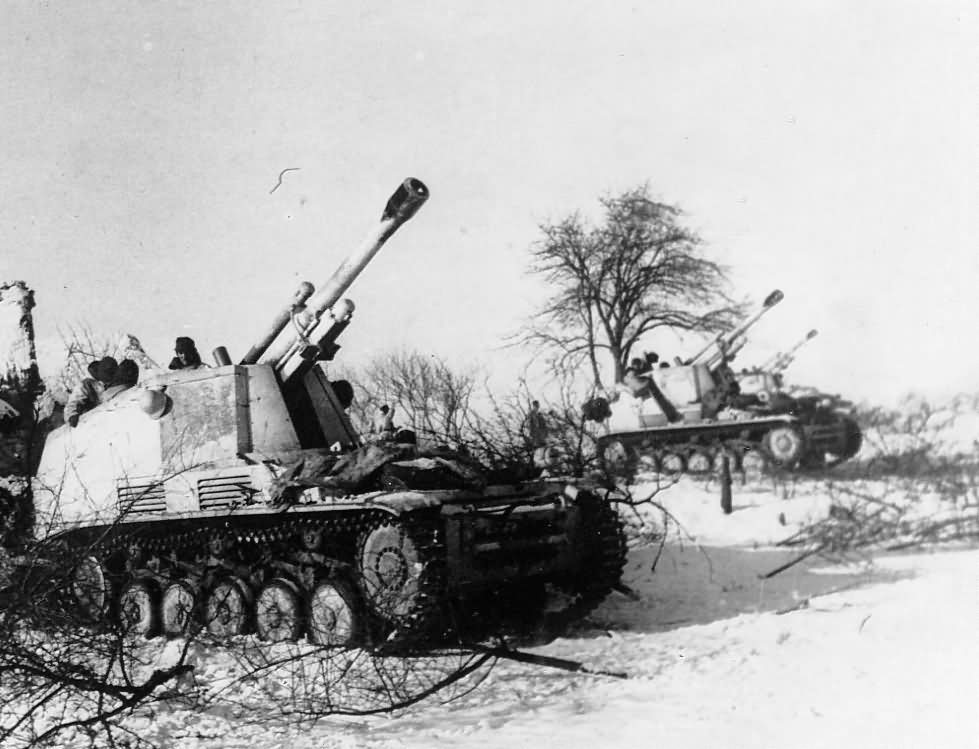
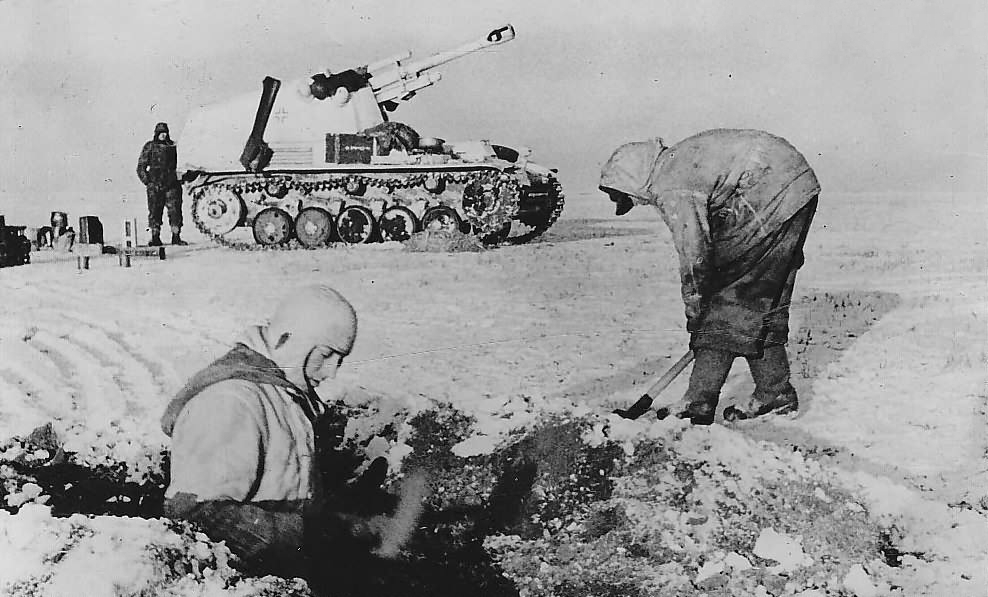
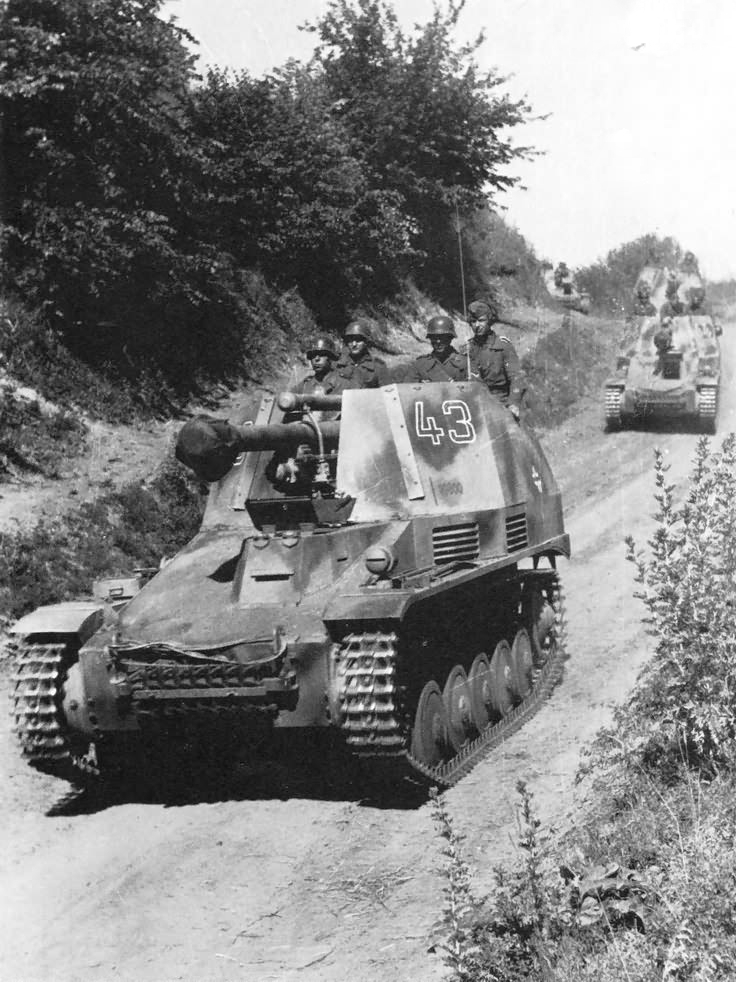
The Wespe (German for “Wasp”), officially designated Leichte Feldhaubitze 18/2 auf Fahrgestell Panzerkampfwagen II (Sf) Sd.Kfz. 124, was a highly successful German self-propelled field howitzer used during World War II. Built on the chassis of the obsolete Panzer II tank, which was no longer effective in its original light armor role after the 1940 invasion of France, the vehicle was engineered by Alkett using the Panzer II Ausf. F hull. By moving the engine to the center of the chassis, designers created space at the rear to mount a standard 10.5 cm leFH 18 light field howitzer enclosed within an open-topped armored superstructure. Entering combat on the Eastern Front in 1943, the Wespe proved so effective that Adolf Hitler ordered all remaining Panzer II production to be dedicated exclusively to it, prioritizing it over other variants like the Marder II. Between February 1943 and July 1944—when advancing Soviet forces halted manufacturing at facilities in Warsaw—676 combat units and 159 dedicated ammunition carriers were produced.