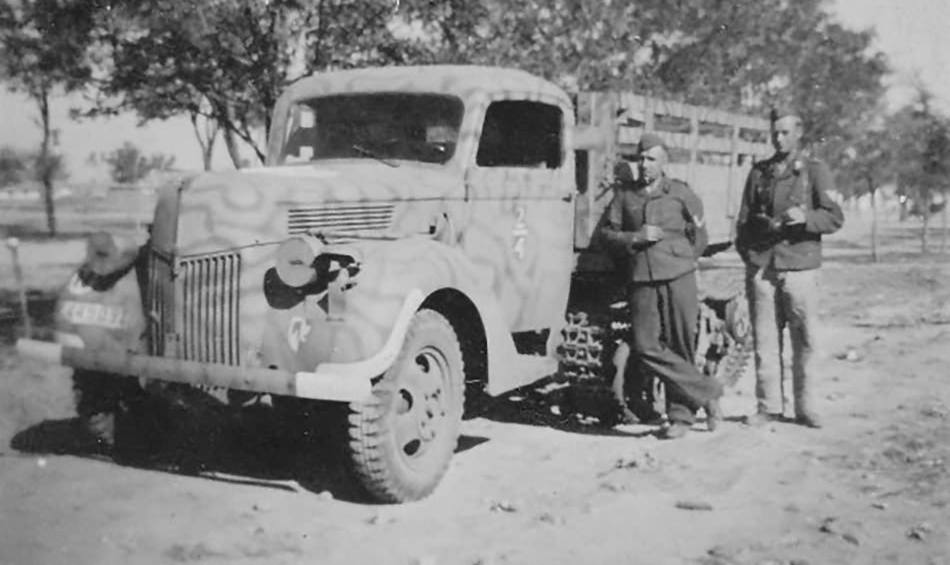
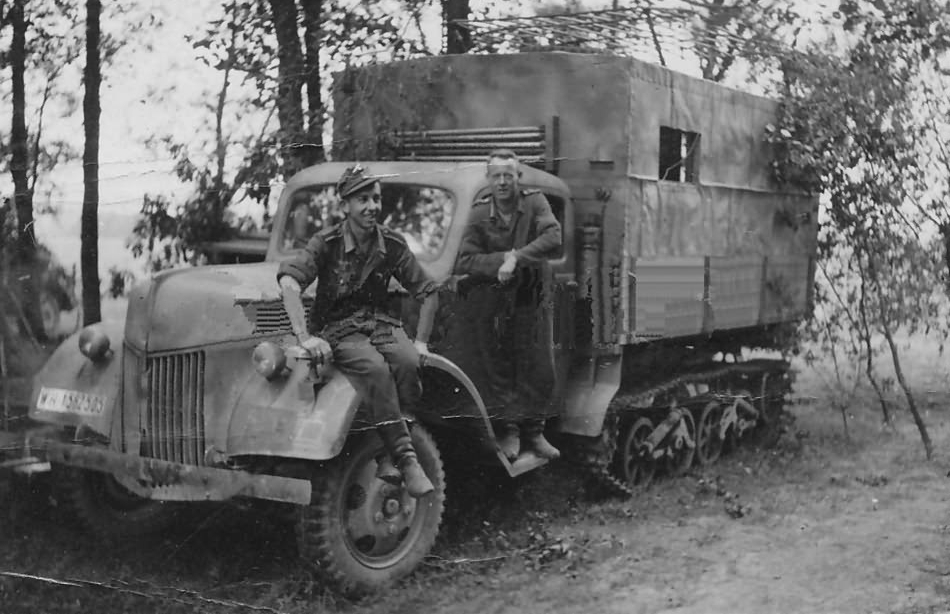
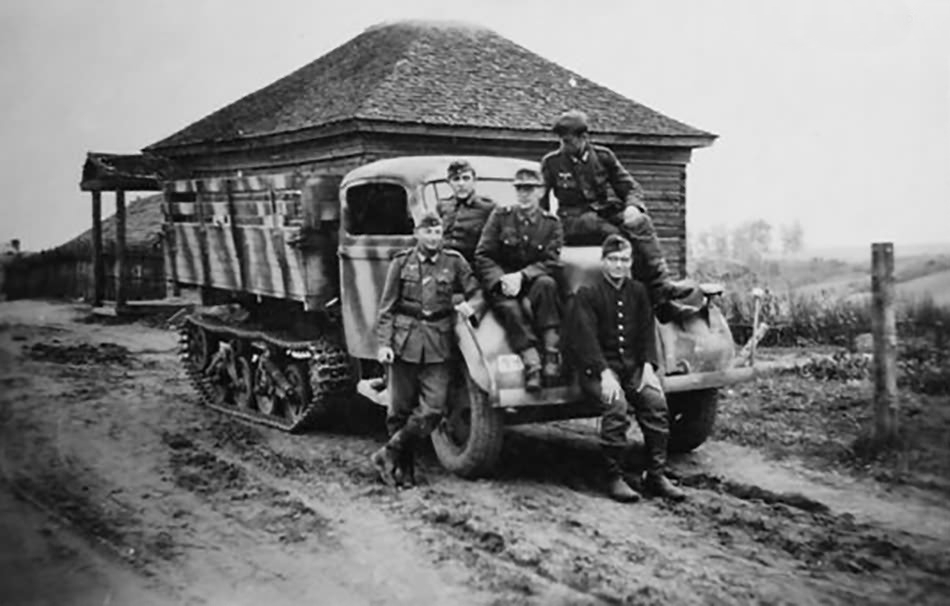
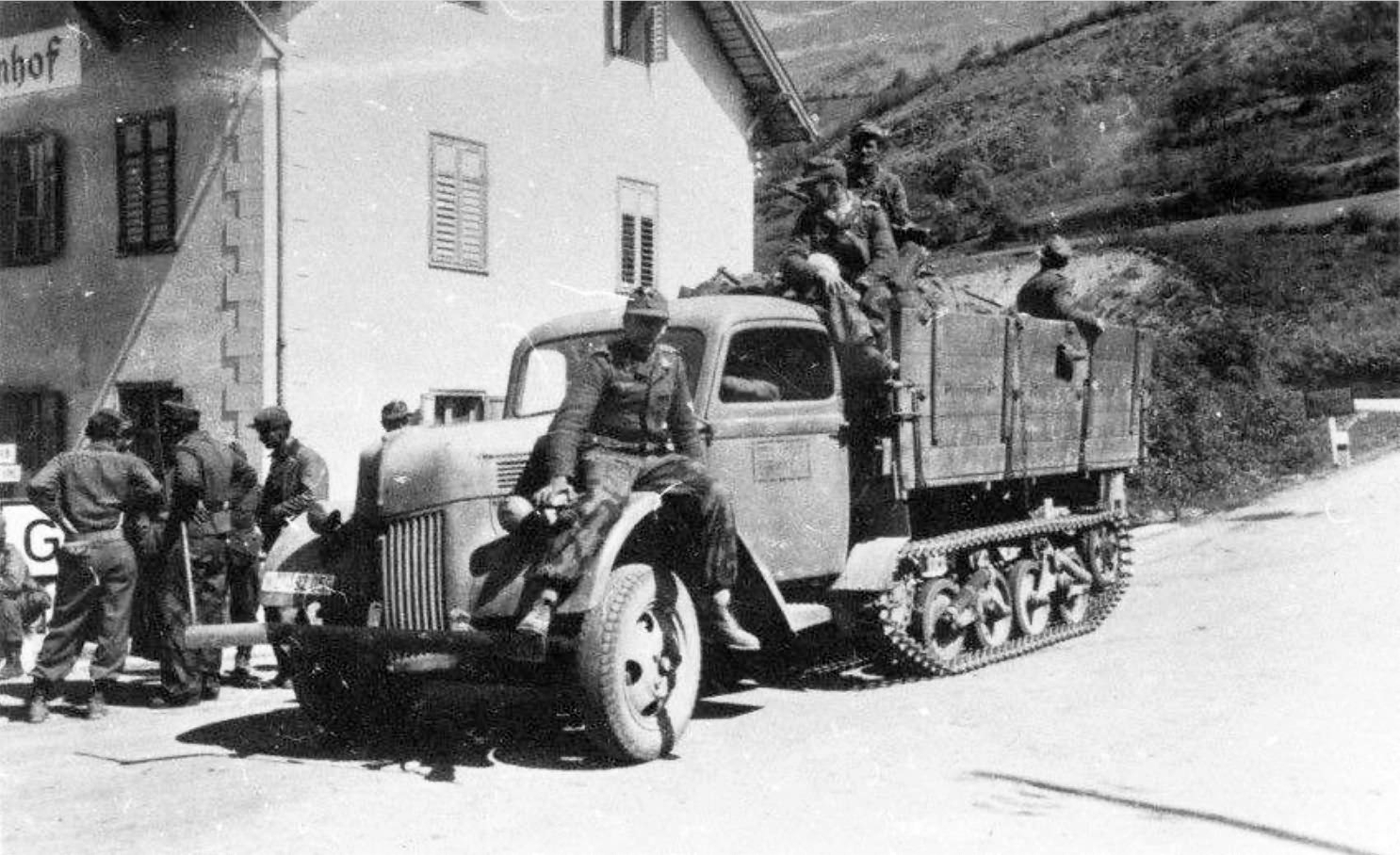
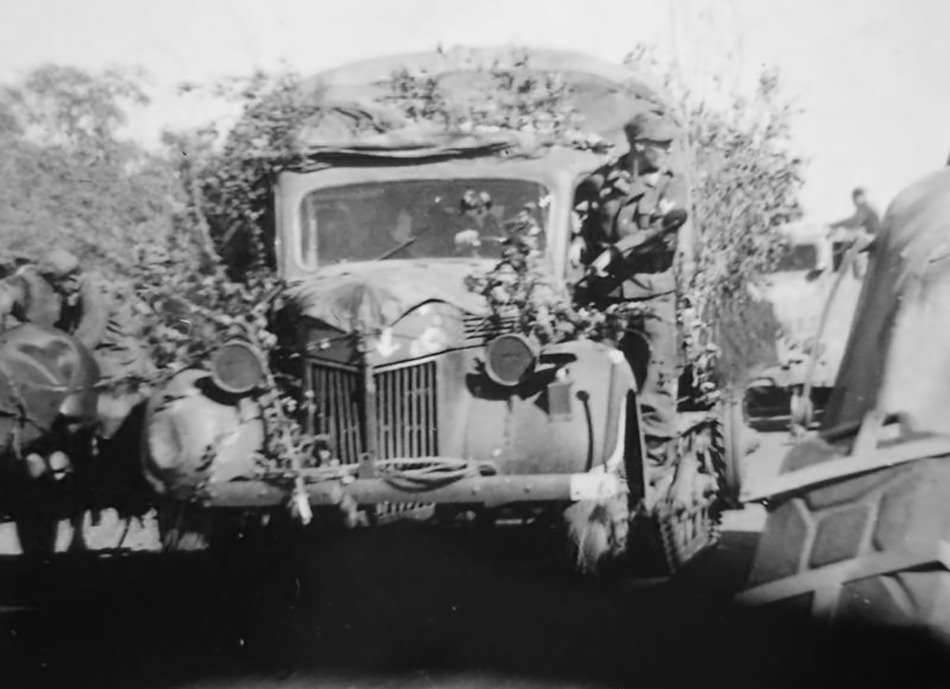
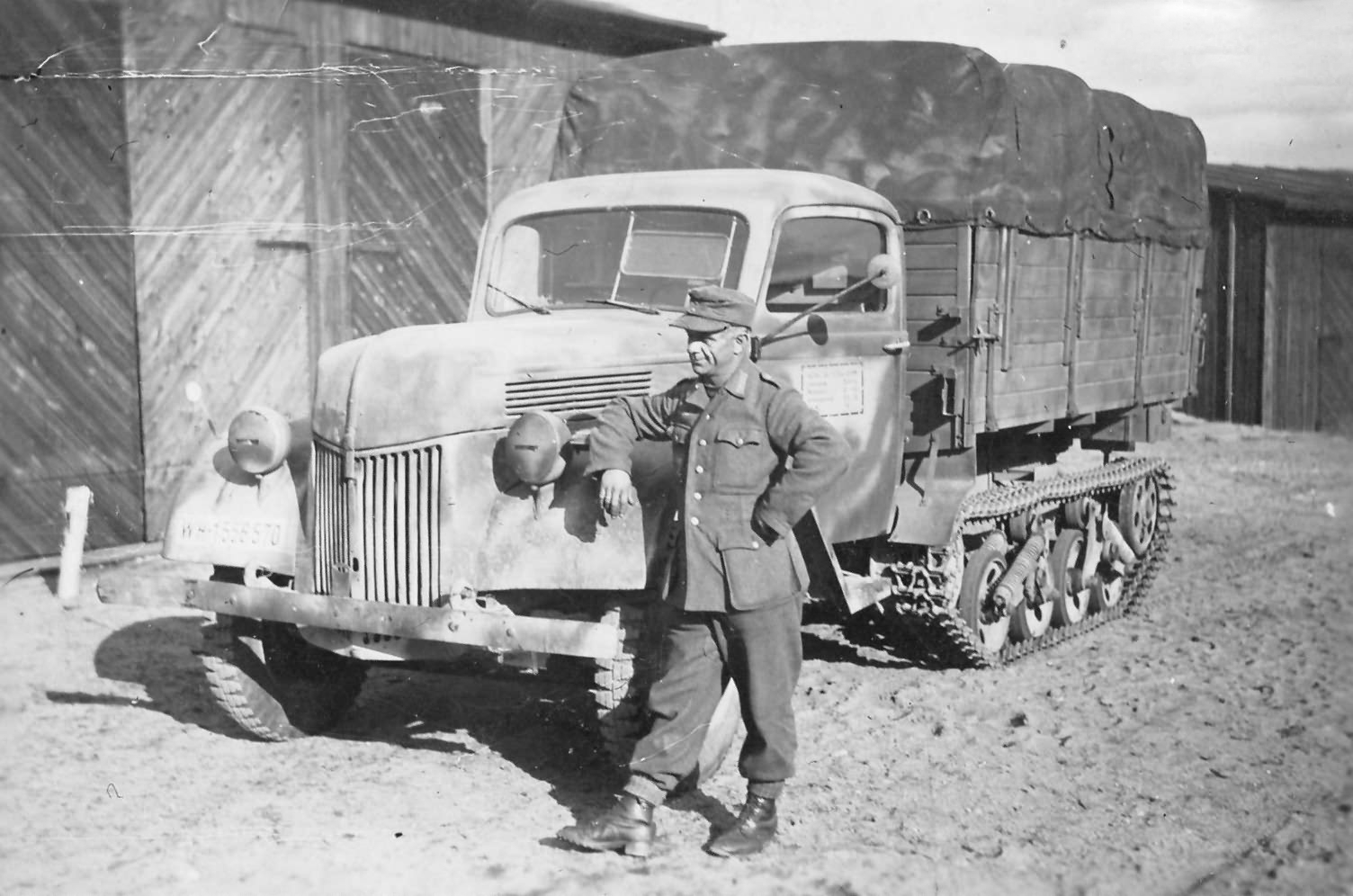
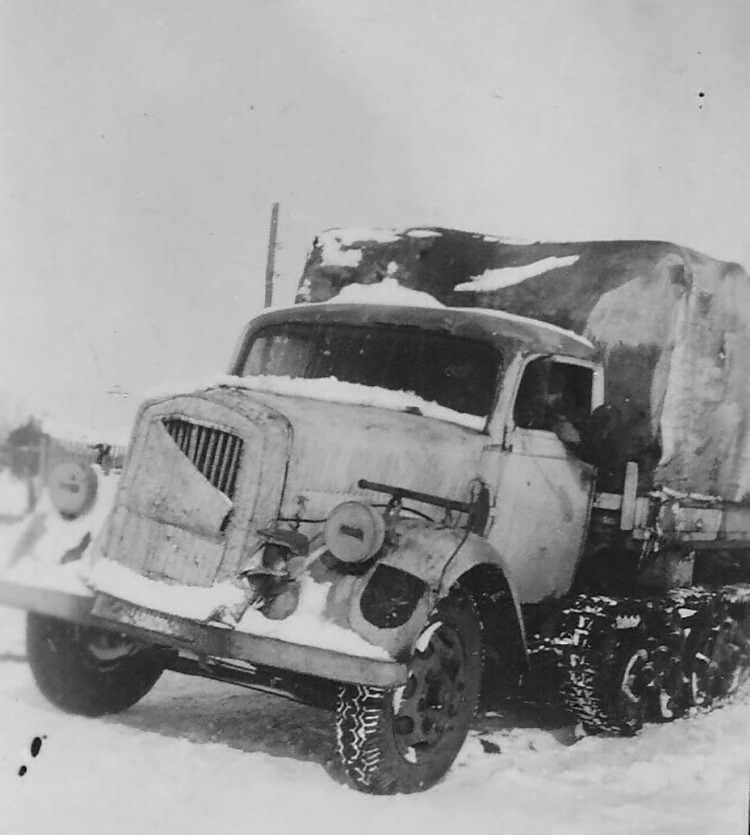
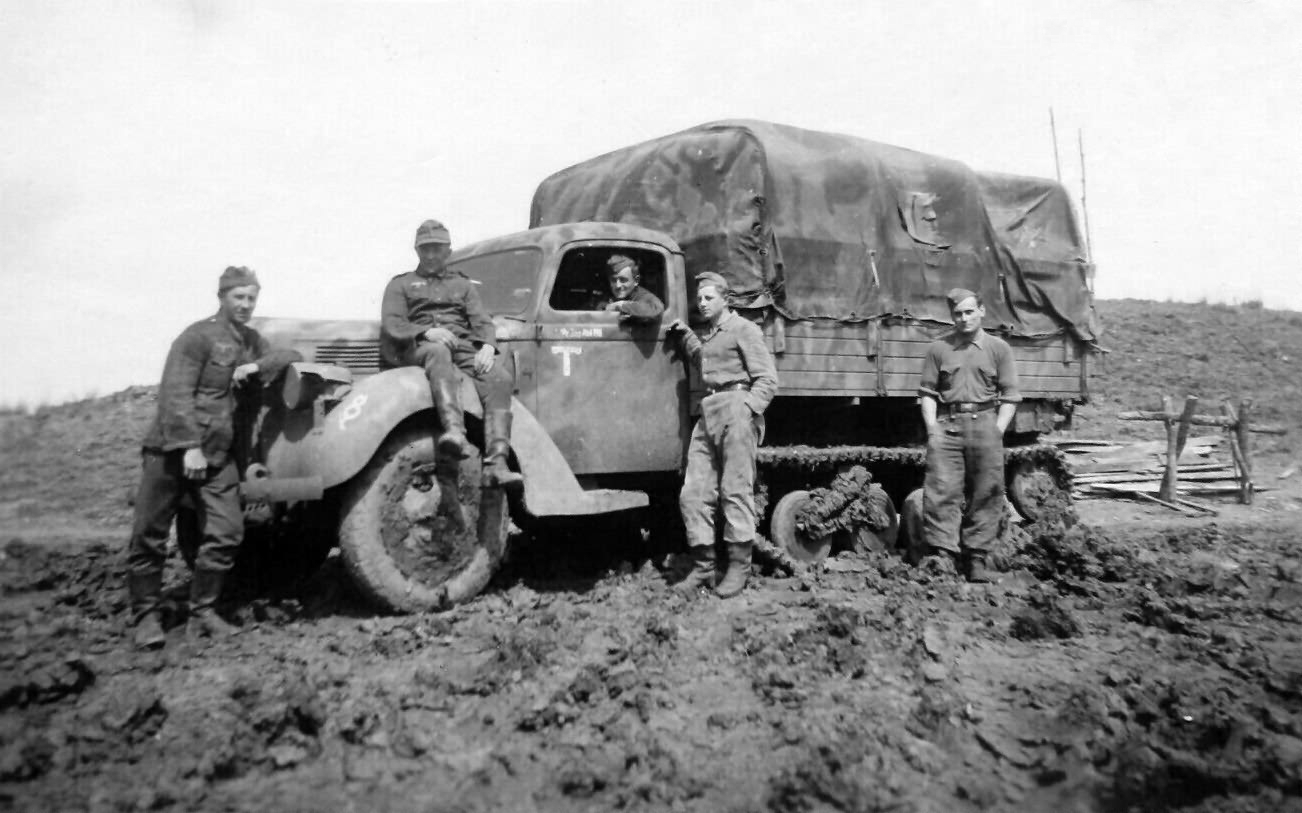
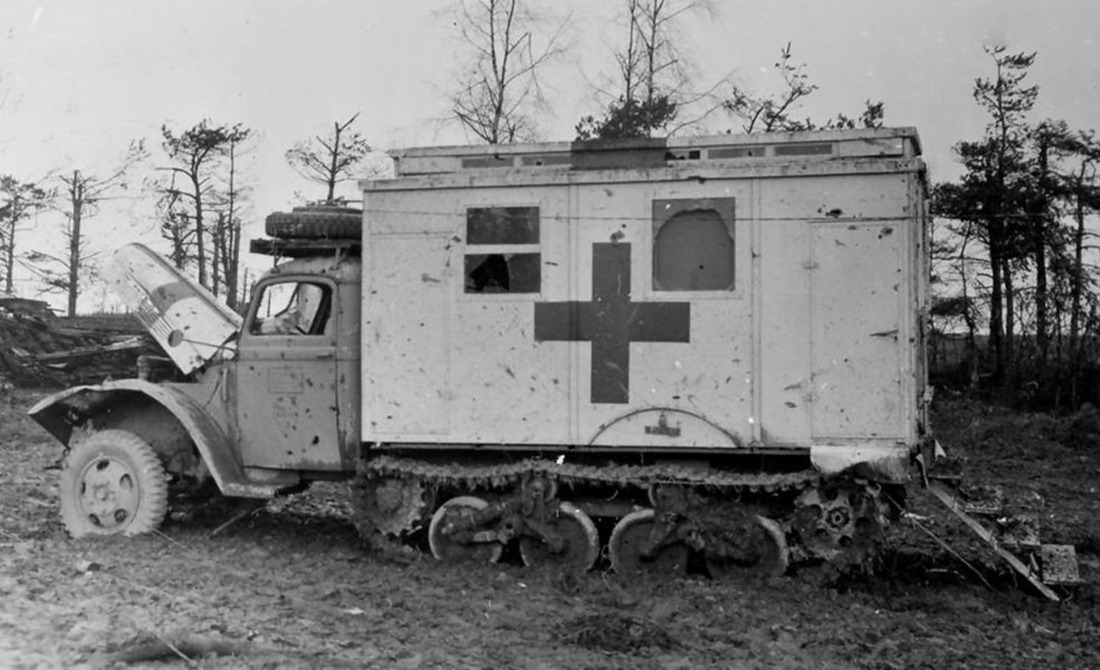
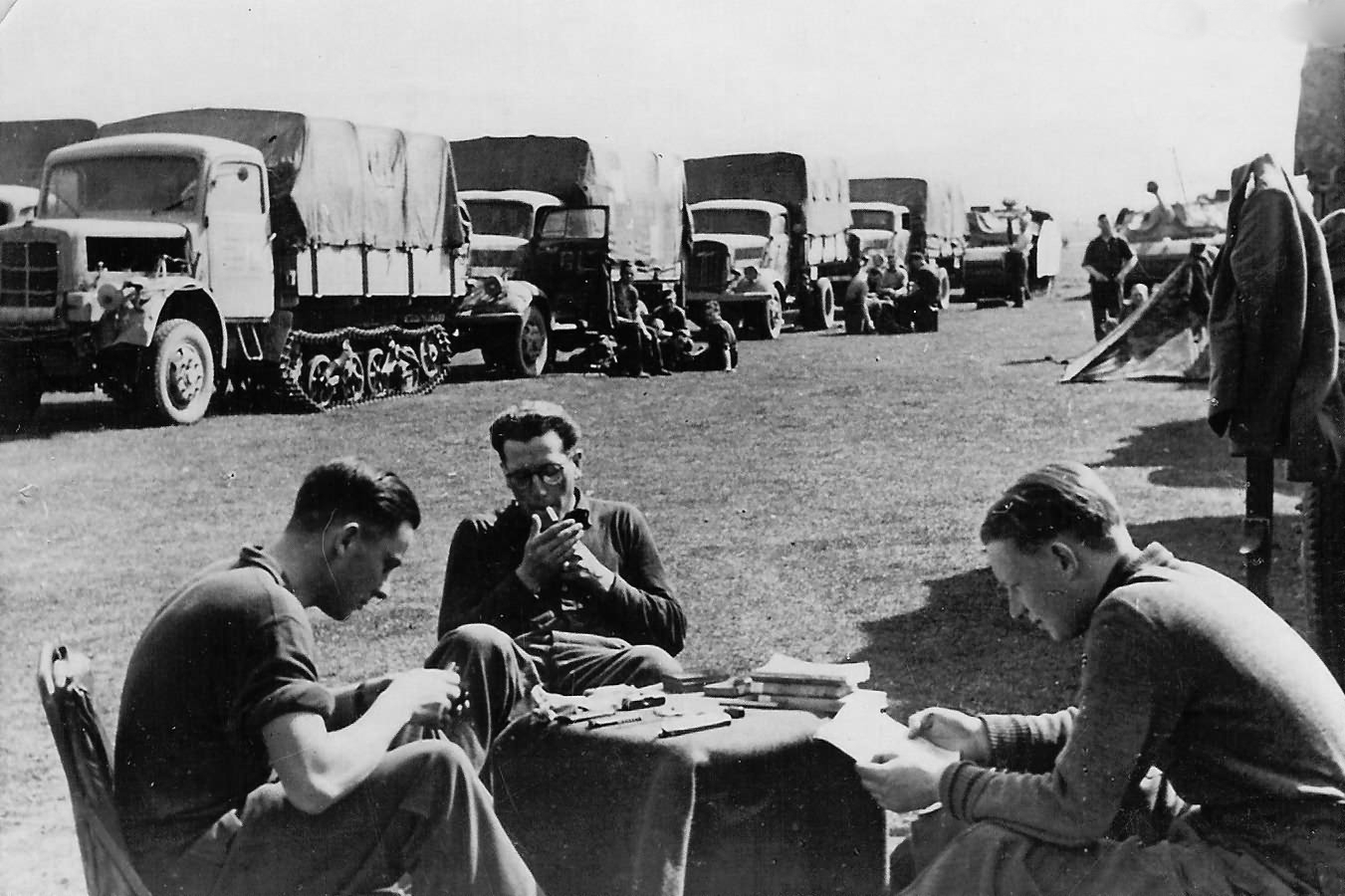
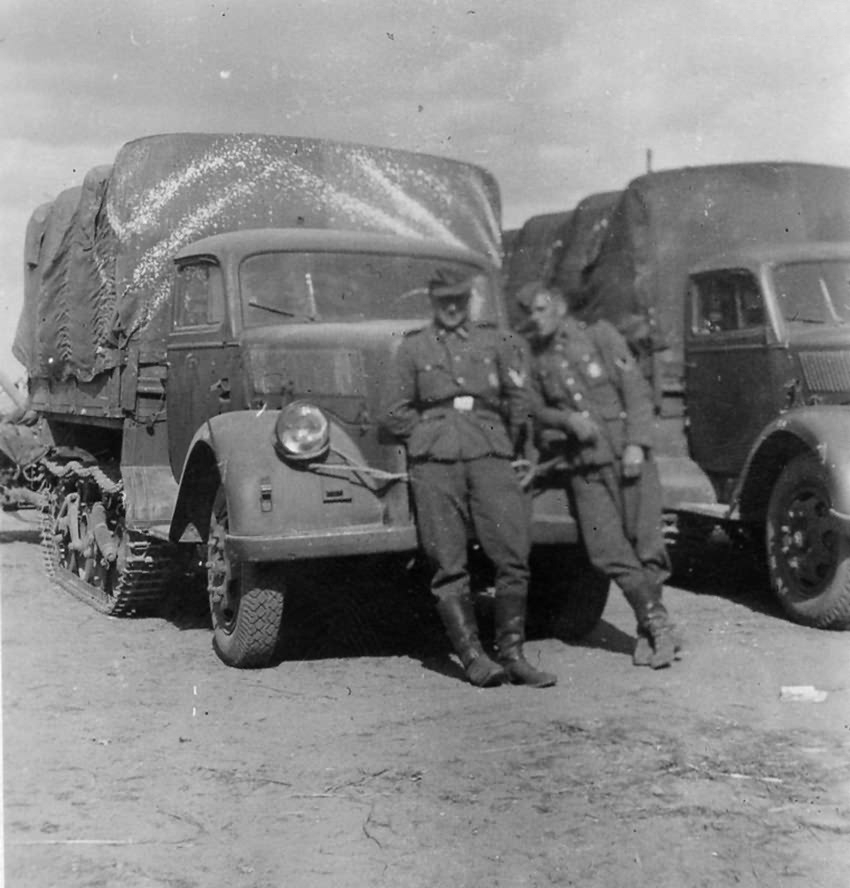
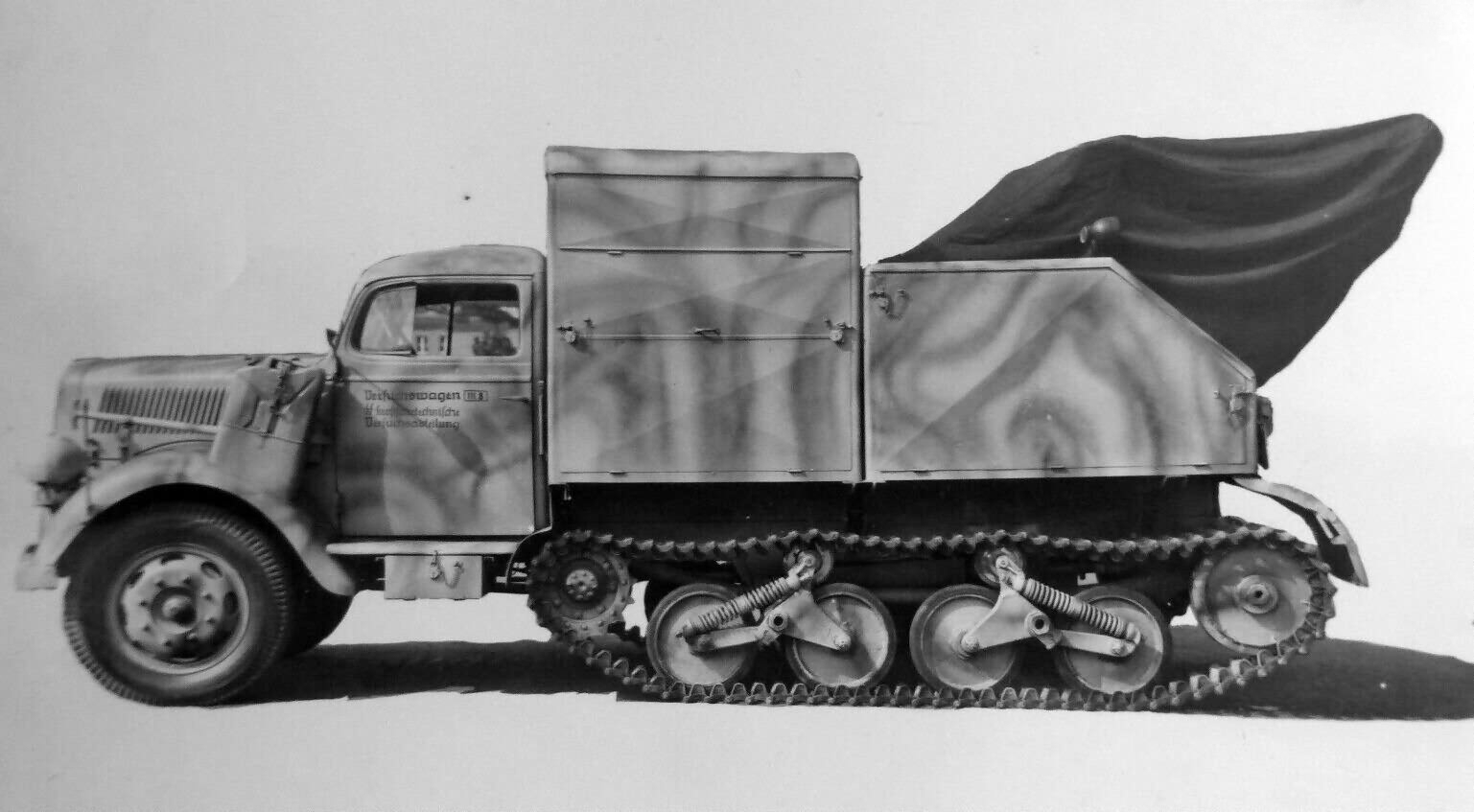
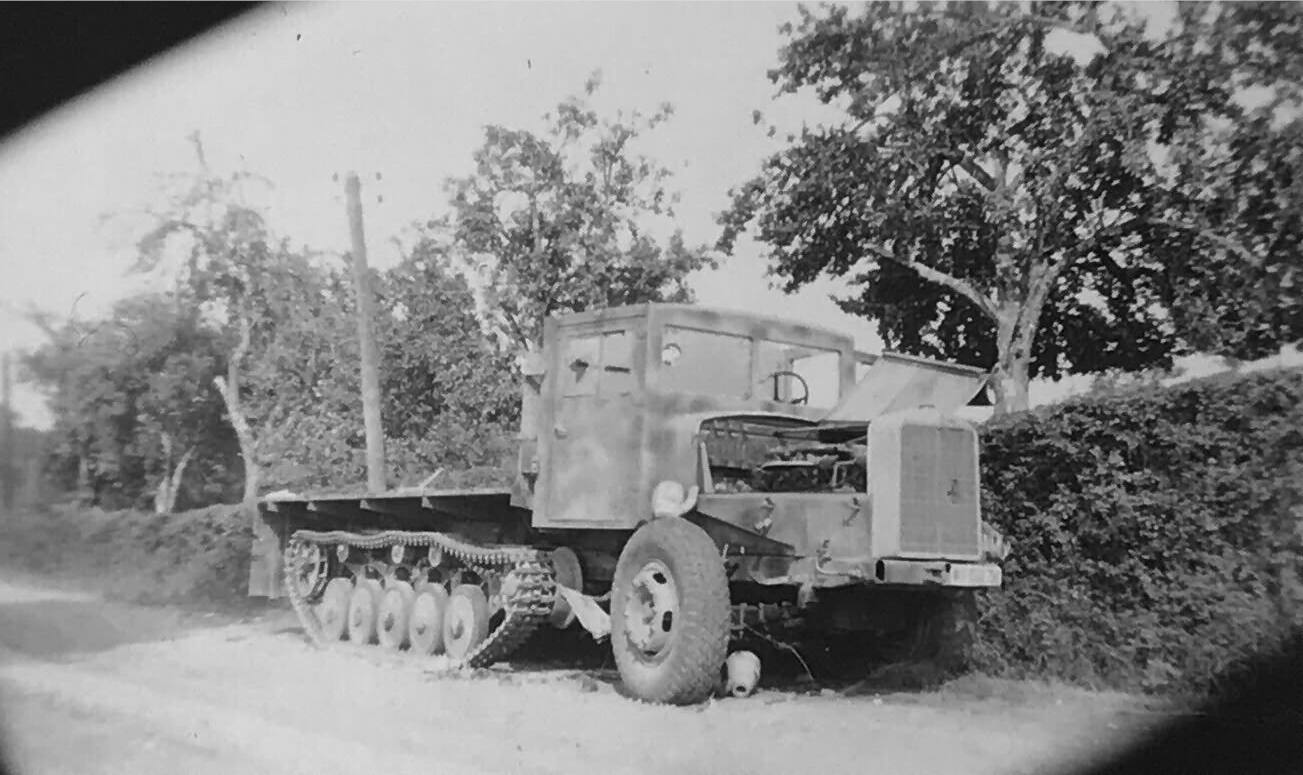
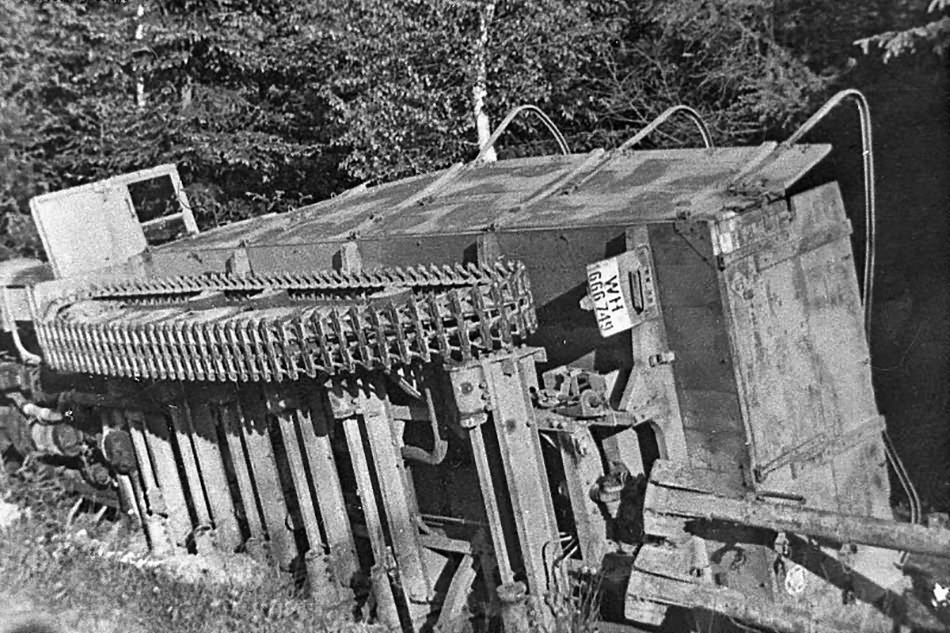
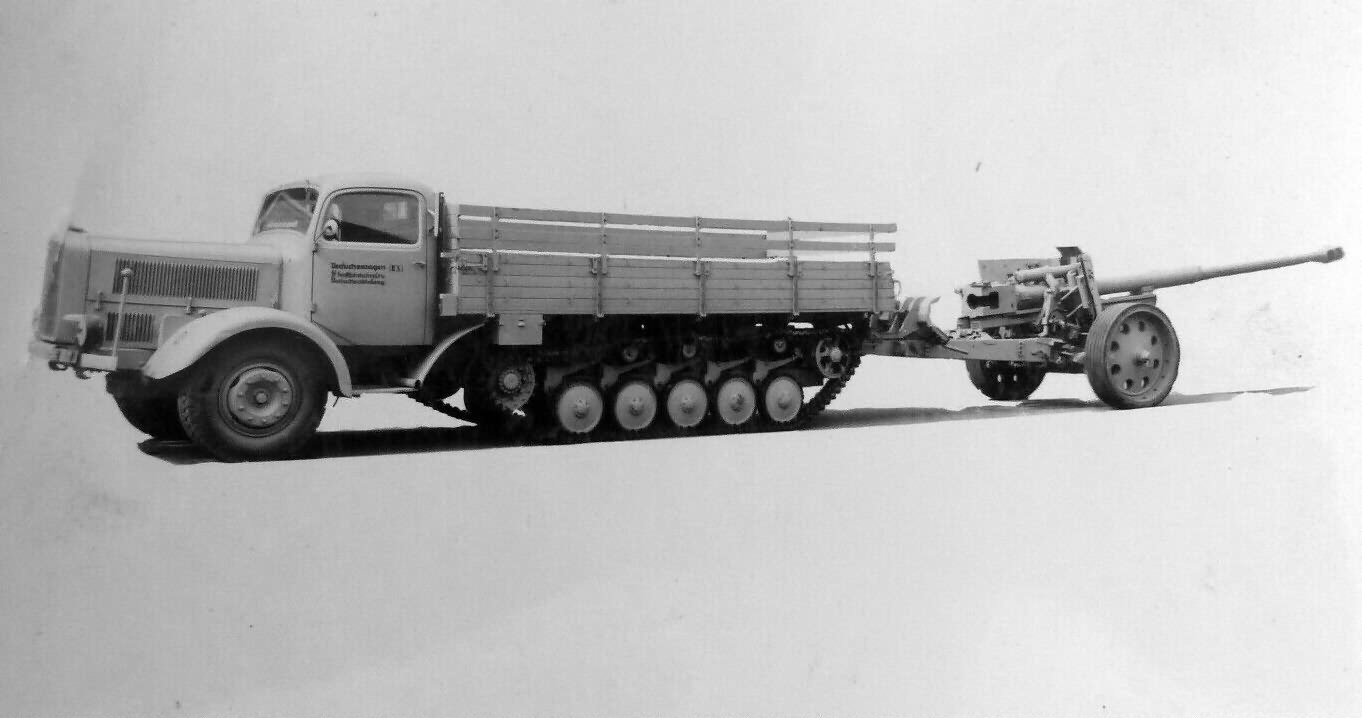
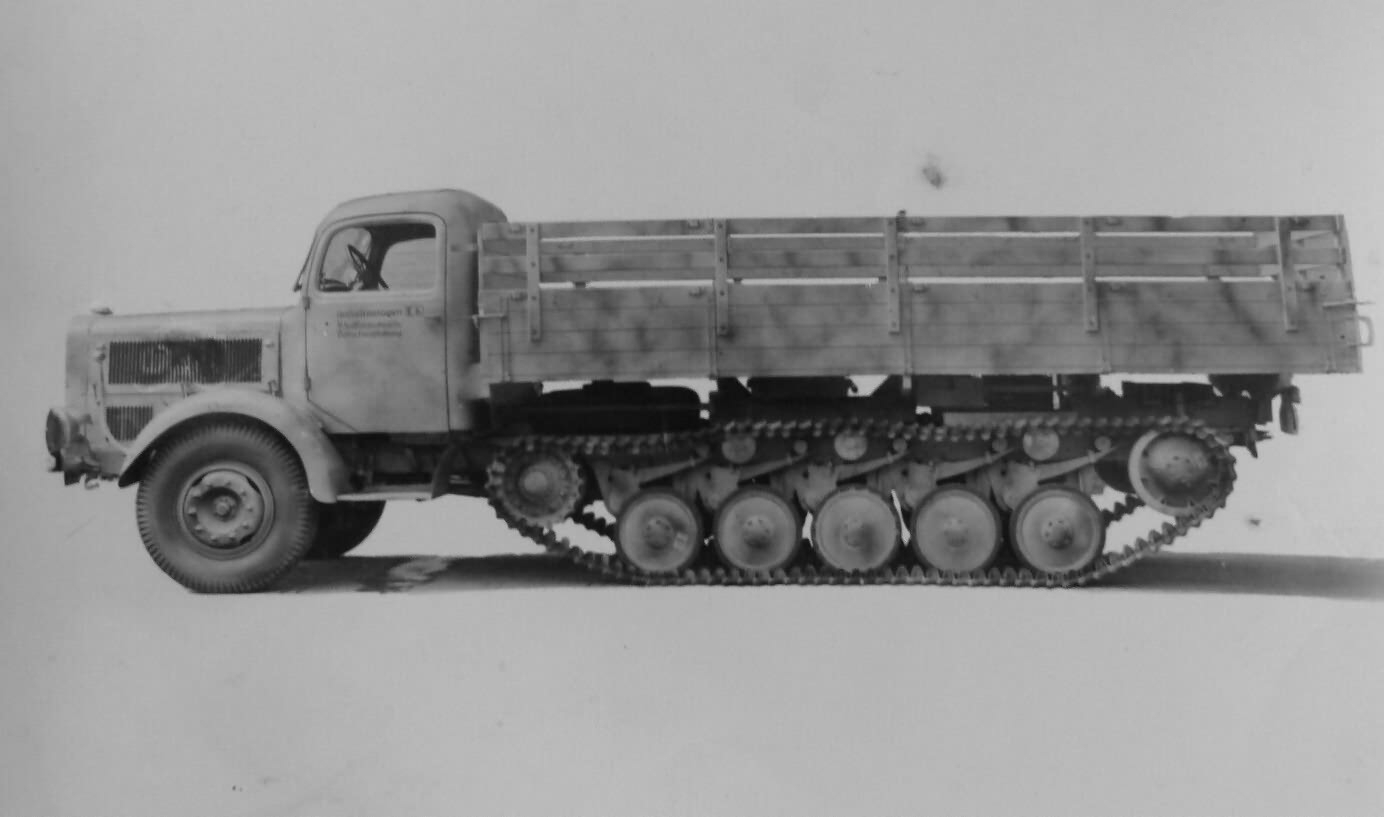
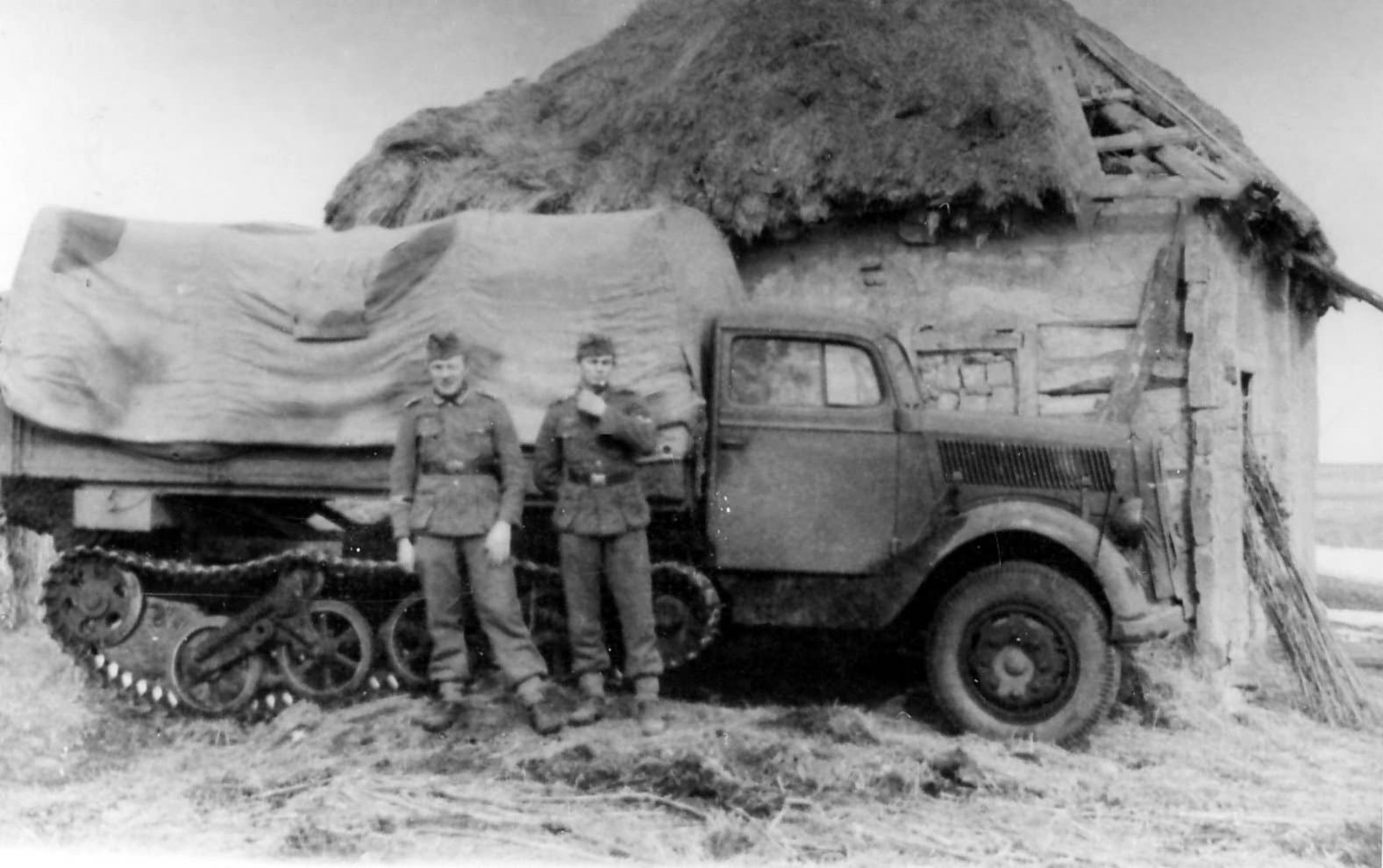
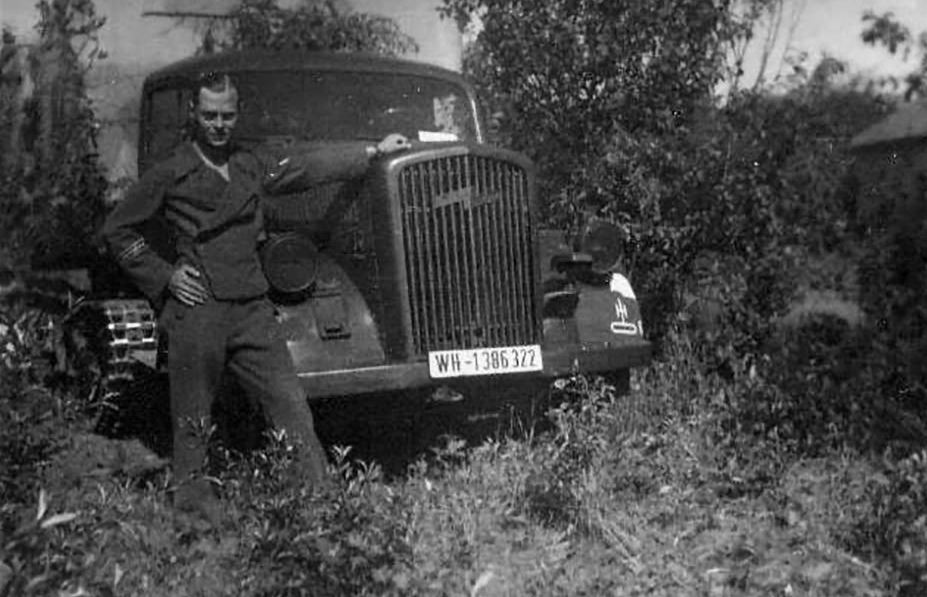
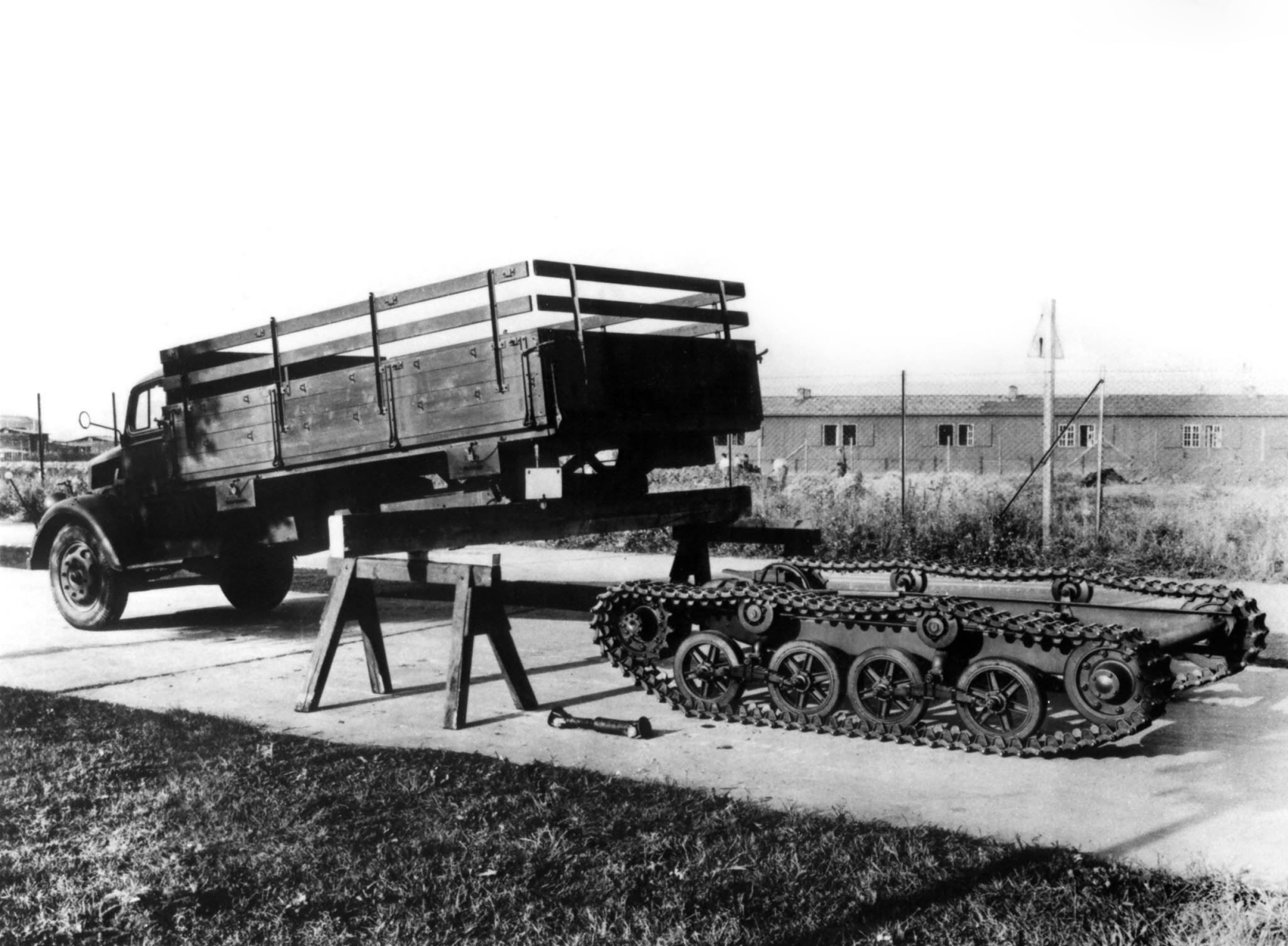
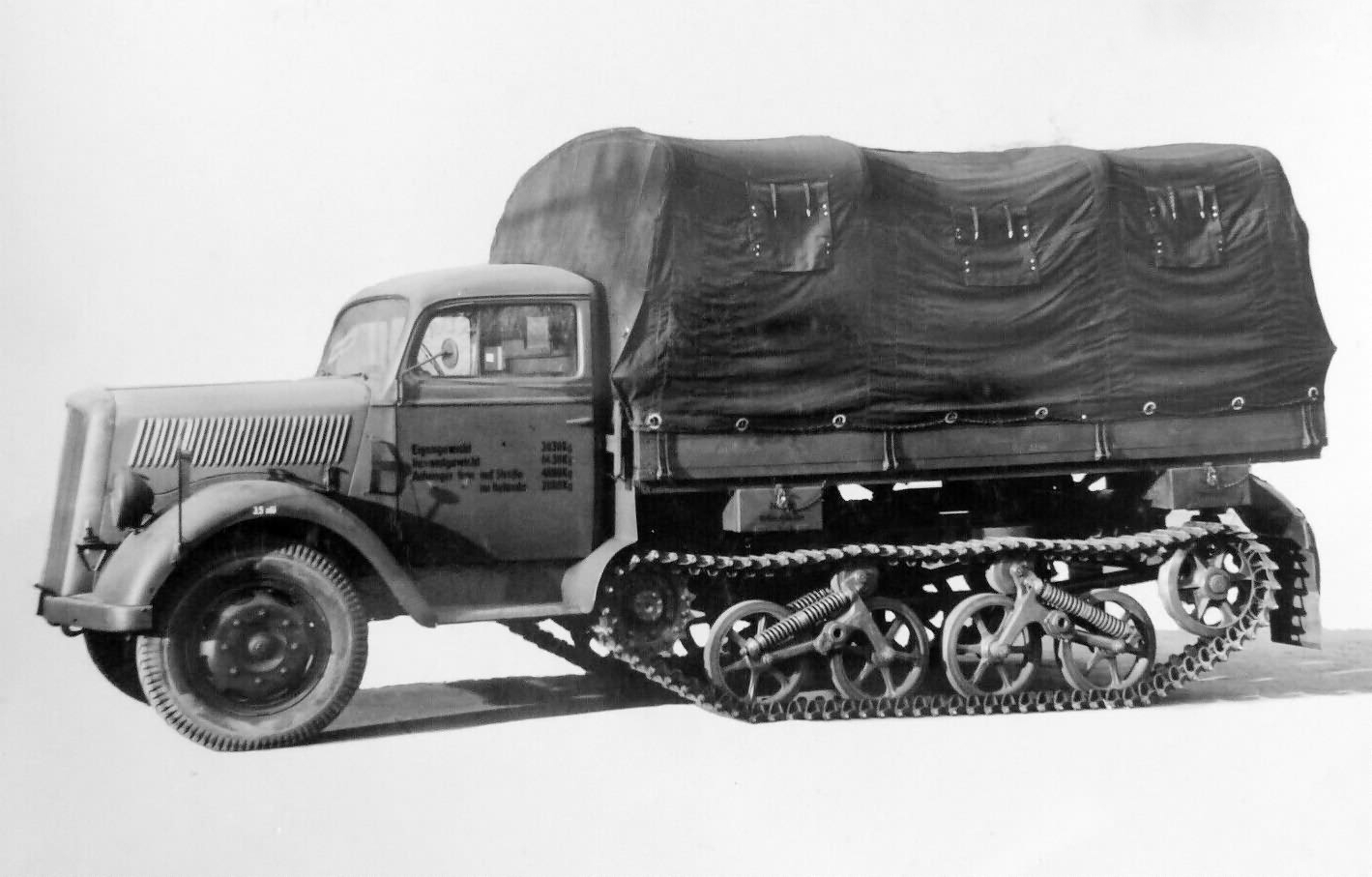
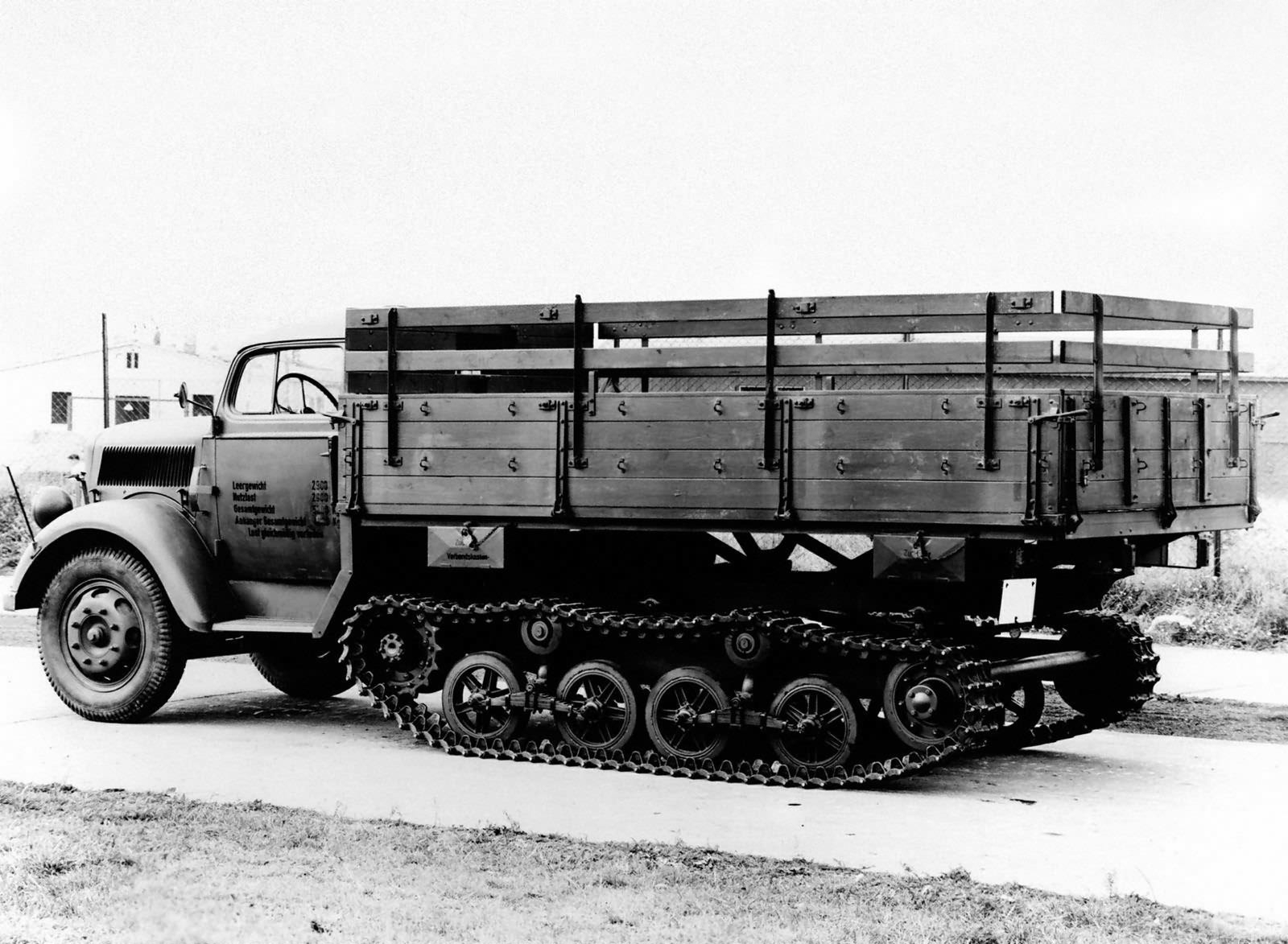
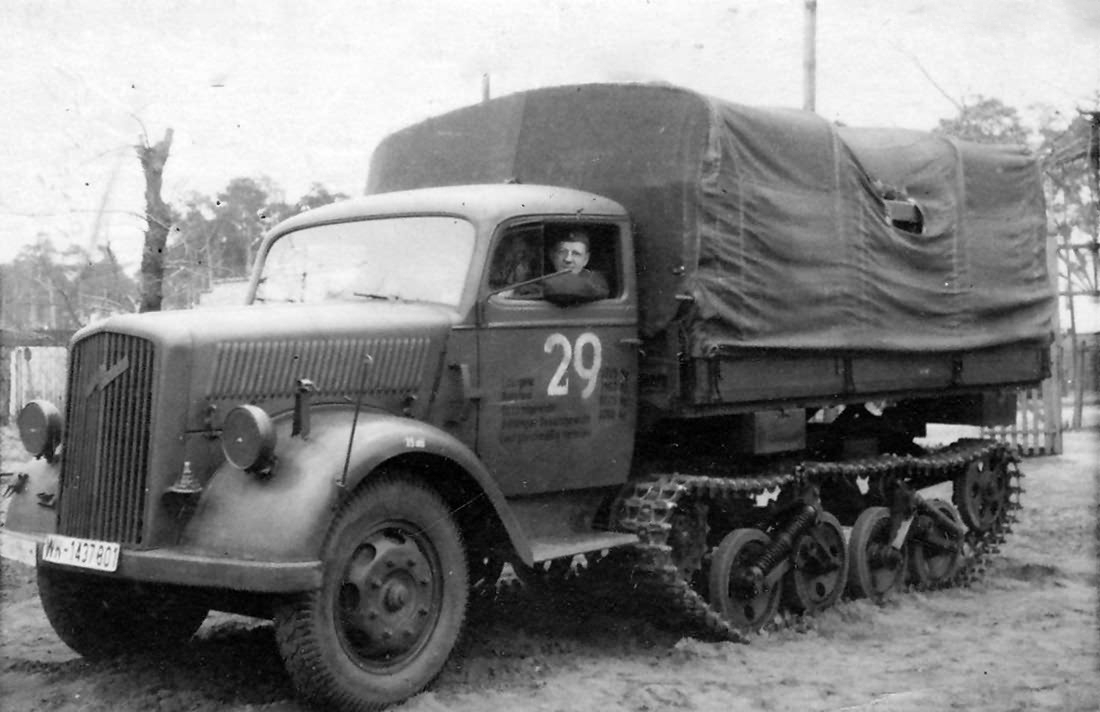
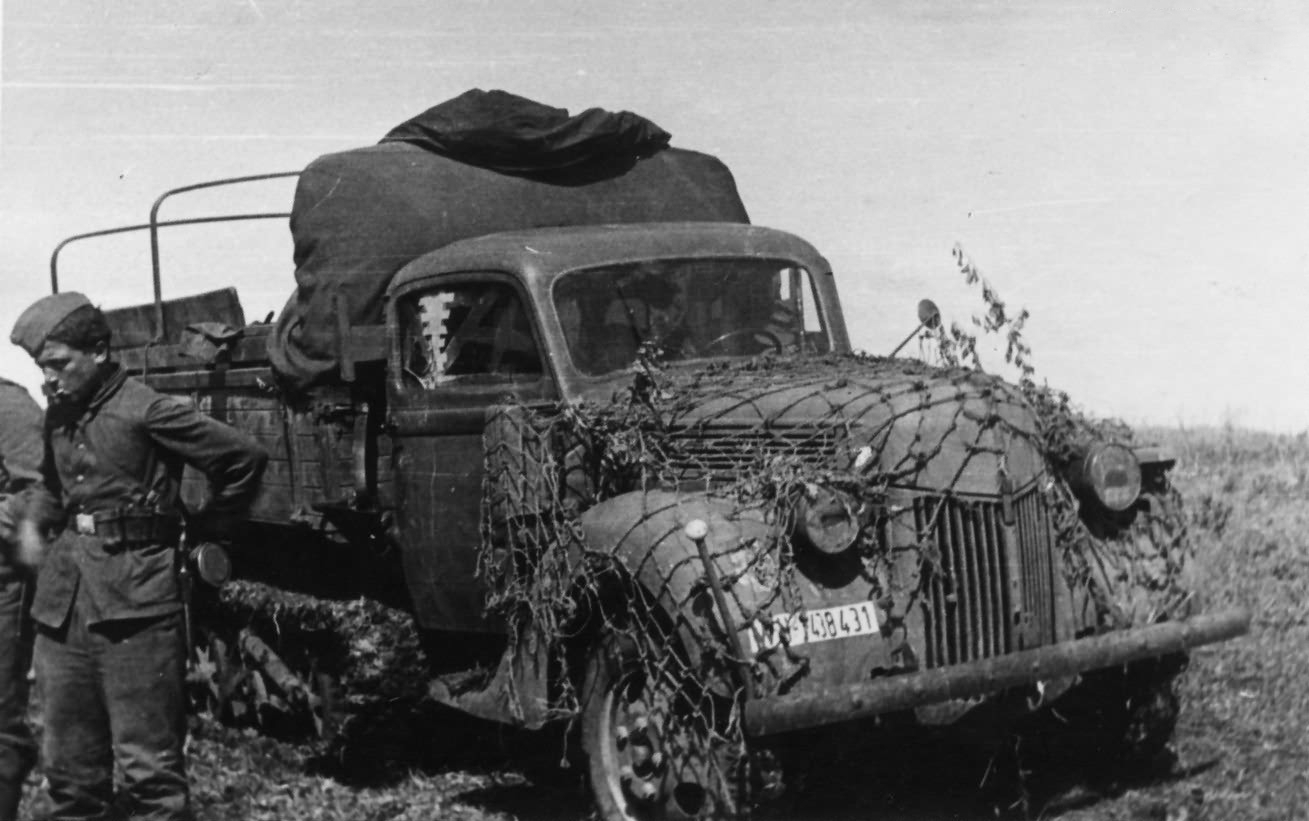
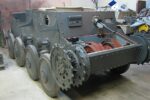
The Maultier (German for “Mule”) was a series of German half-track military utility trucks developed during World War II by replacing the rear axle of standard wheeled commercial trucks with a tracked suspension system. Introduced after the harsh conditions of the 1941–1942 Russian winter exposed the severe limitations of conventional two-wheel-drive trucks in deep mud (rasputica) and snow, the Maultier was created as an affordable, mass-produced transport solution to support rear-echelon supply lines while saving dedicated half-tracks for front-line combat. Originally field-improvised by the SS Division Das Reich using a Ford V3000 truck and Carden-Loyd track components, serial production ran from 1942 to 1944 across four major manufacturers: Ford-Werke, Opel, Klöckner-Humboldt-Deutz (KHD), and Daimler-Benz.Most light variants (Ford, Opel, and KHD) used Carden-Loyd-style track assemblies and had a reduced 2-ton payload, while the heavy Mercedes-Benz L 4500 variant utilized sturdier Panzer II track assemblies to retain its full 4.5-ton capacity. Over 21,000 factory units were built alongside more than 2,100 field conversions, serving primarily as supply trucks, ambulances, light anti-aircraft platforms (equipped with 2 cm FlaK 30 or 3.7 cm FlaK 36 guns), and armoured rocket launchers (Panzerwerfer 42). Although Maultiers were vital to maintaining German logistics on the Eastern Front, their higher fuel consumption, shorter range, and lower performance compared to purpose-built half-tracks ultimately led to the development of the schwerer Wehrmachtschlepper (sWS) as their intended successor.