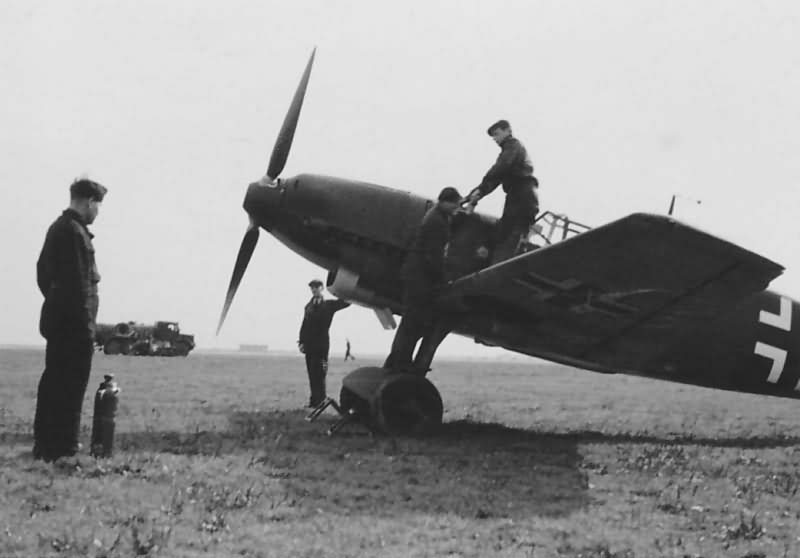
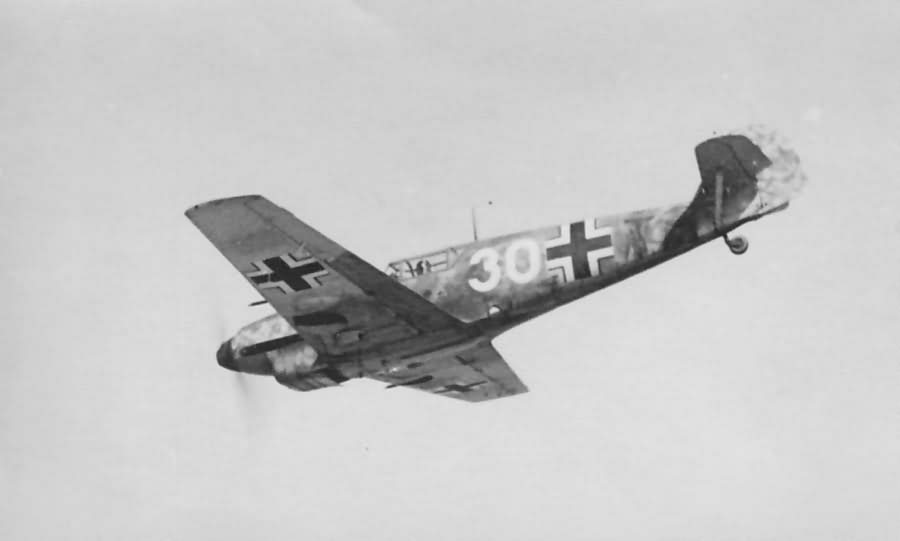
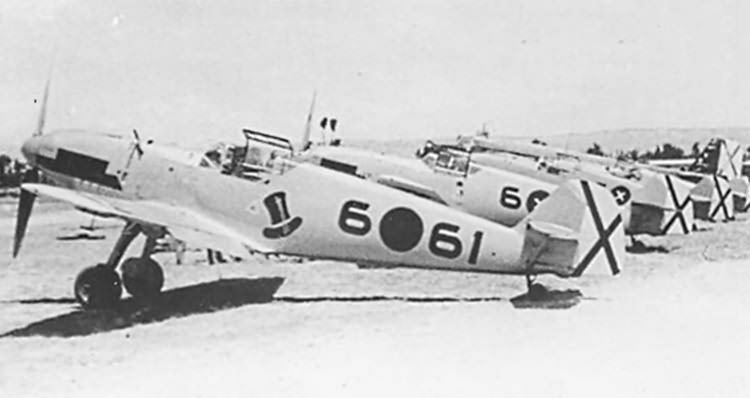
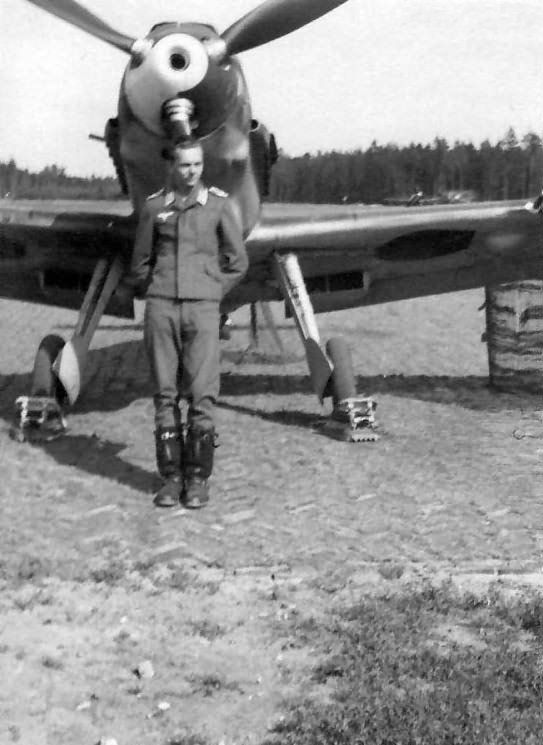
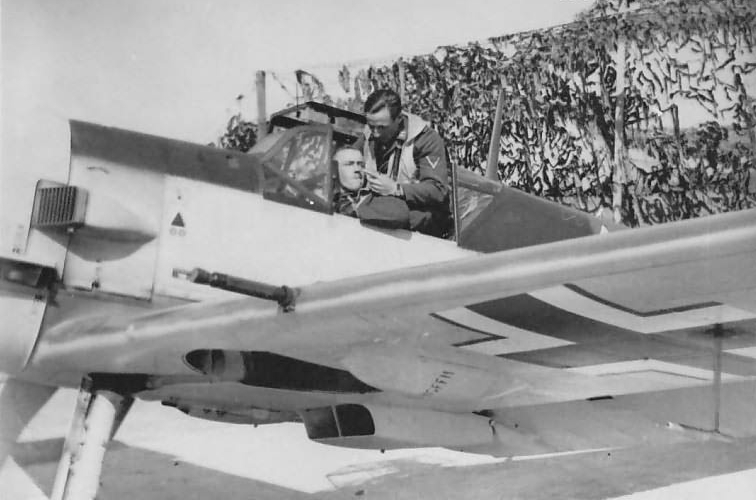
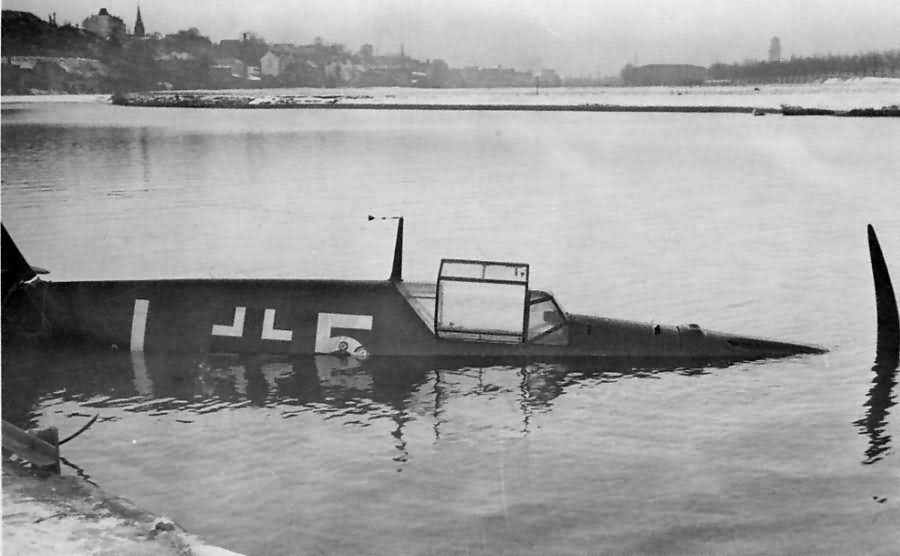
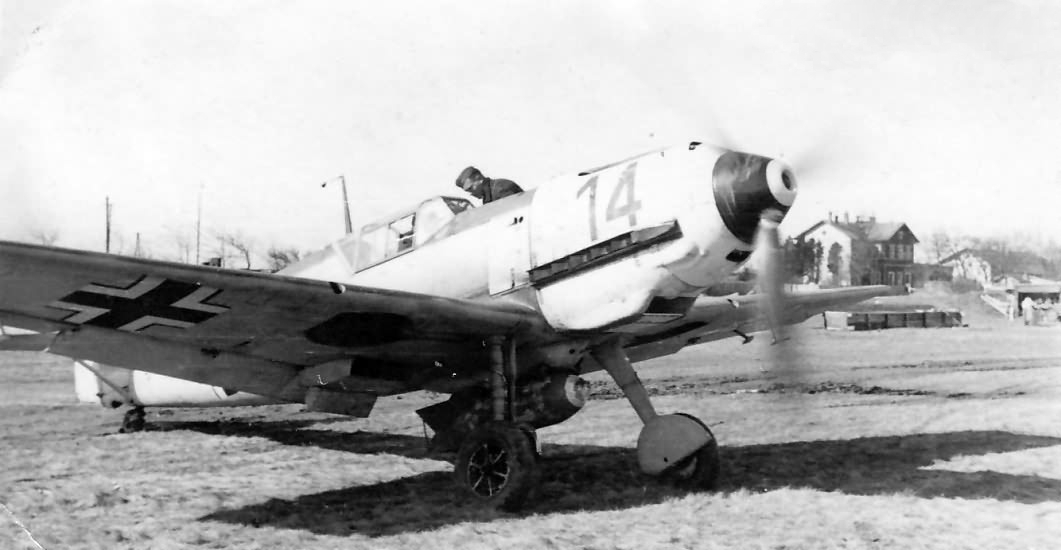
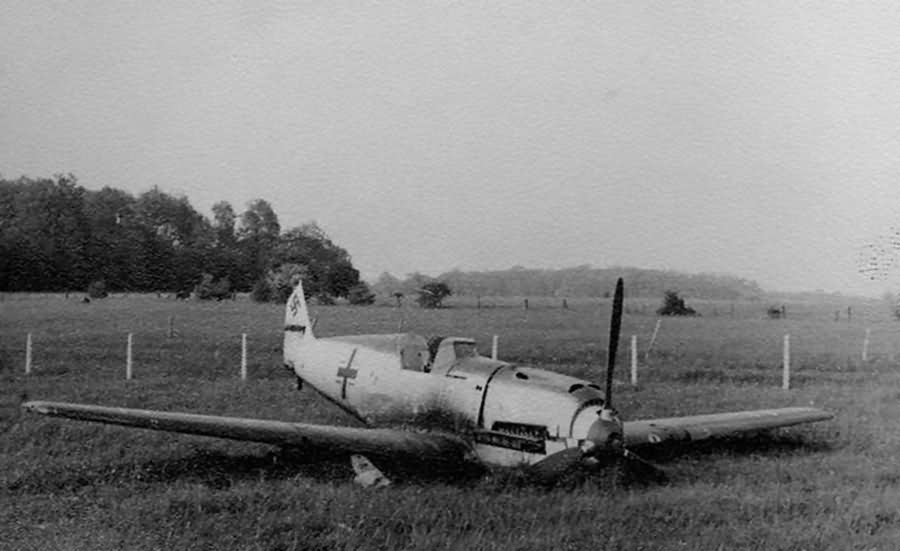
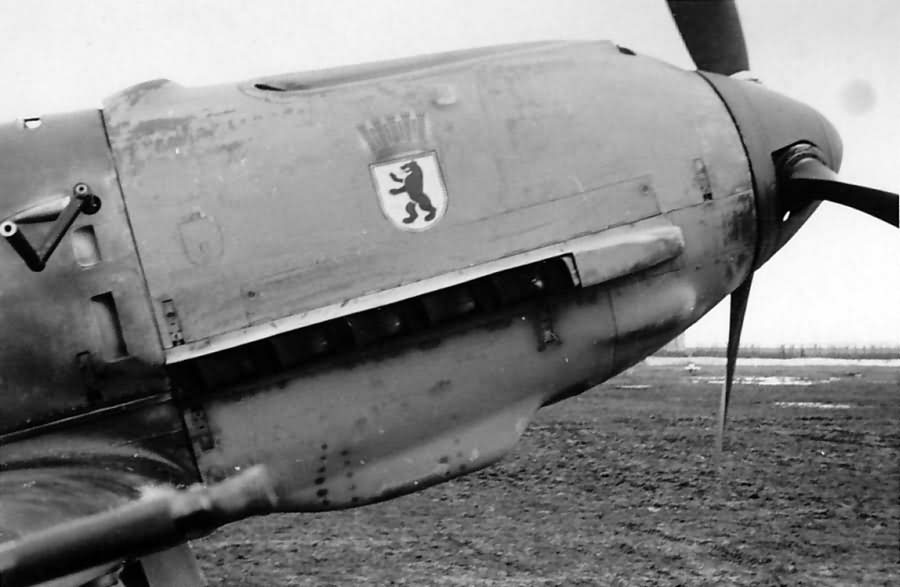
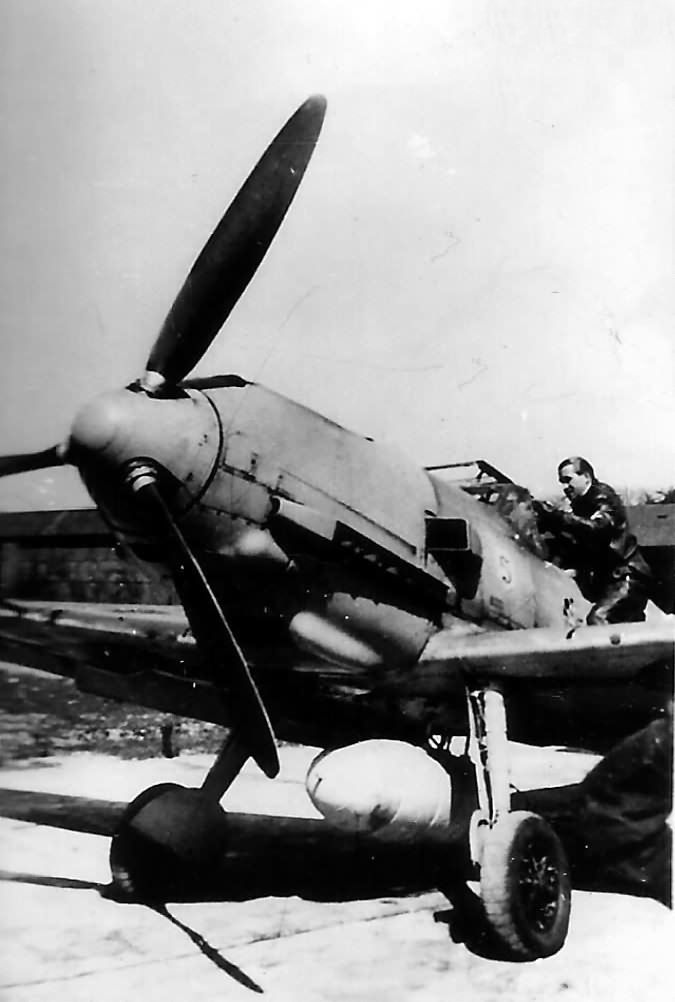
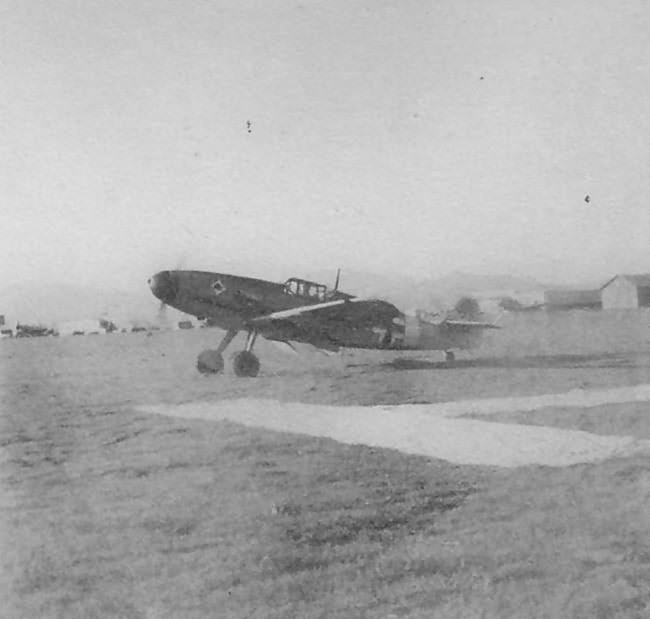
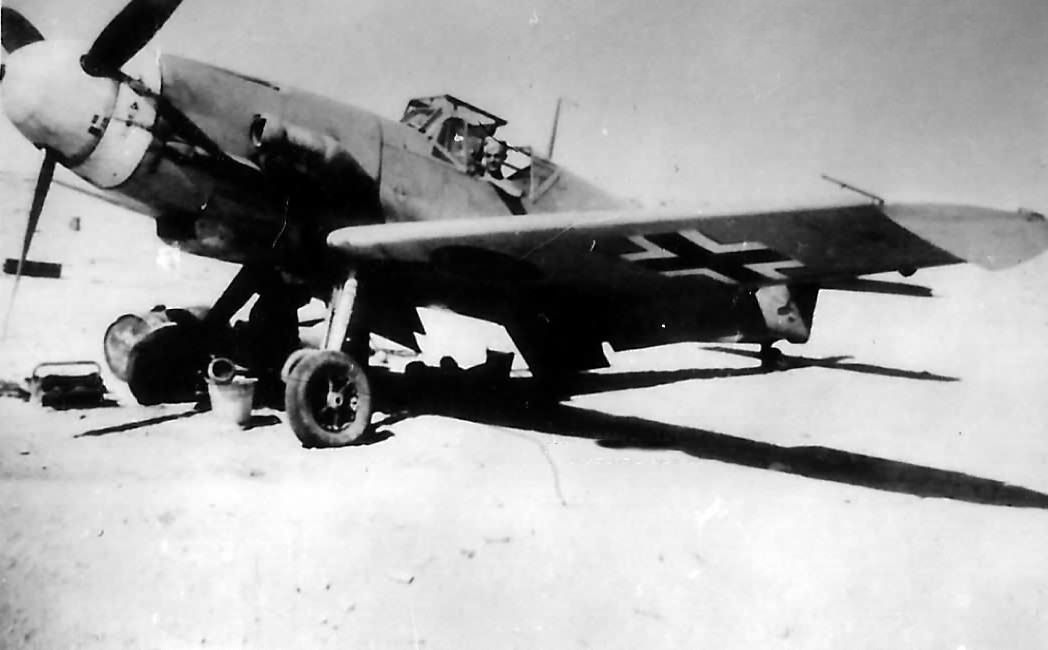
The Messerschmitt Bf 109, designed in 1934 by a team including Willy Messerschmitt and Robert Lusser at Bayerische Flugzeugwerke, was the primary fighter aircraft of the Luftwaffe during World War II, with approximately 33,000 units produced across numerous variants. Beating out the He 112 in comparative trials due to its superior speed and climb rate, the all-metal, low-wing monoplane featured an enclosed cockpit, retractable landing gear, and a powerful inline engine (starting with the Rolls-Royce Kestrel, transitioning to Junkers Jumo engines in early B, C, and D variants, and later powered by high-performance Daimler-Benz DB 601, 605, and DB 605DB/DC engines).Continually upgraded throughout the war, the Bf 109 evolved from the early 465 km/h variant B into iconic frontline types: the cannon-armed “Emil” (E), which fought against British Spitfires and Hurricanes during the Battle of England; the aerodynamically refined “Friedrich” (F); the heavily produced, high-altitude “Gustav” (G); and the ultimate production variant, the “Kurfürst” (K-4), which reached speeds of roughly 730 km/h and a ceiling of 12,500 meters. While revered for its excellent maneuverability at speeds between 350 and 420 km/h and formidable firepower (combining machine guns like the MG 17 or MG 131 with engine-mounted and wing-mounted autocannons like the MG FF/M, MG 151/20, or MK 108), the Bf 109 was notoriously demanding to fly during takeoff and landing due to poor forward visibility and narrow-track landing gear tendencies, and it suffered from a relatively short combat range. Experimental versions were also developed, including the high-altitude Höhenjäger (H) series, the twin-fuselage Zwilling (Z) bomber destroyer, and various reconnaissance and tropical modifications.