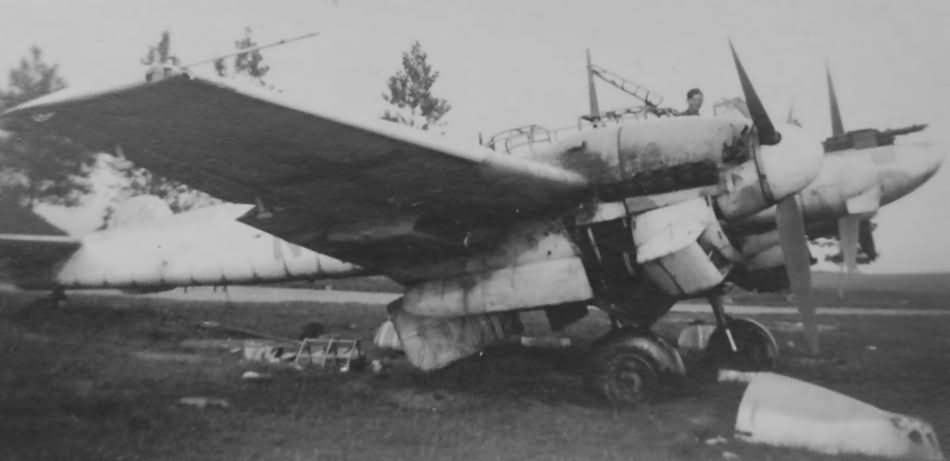
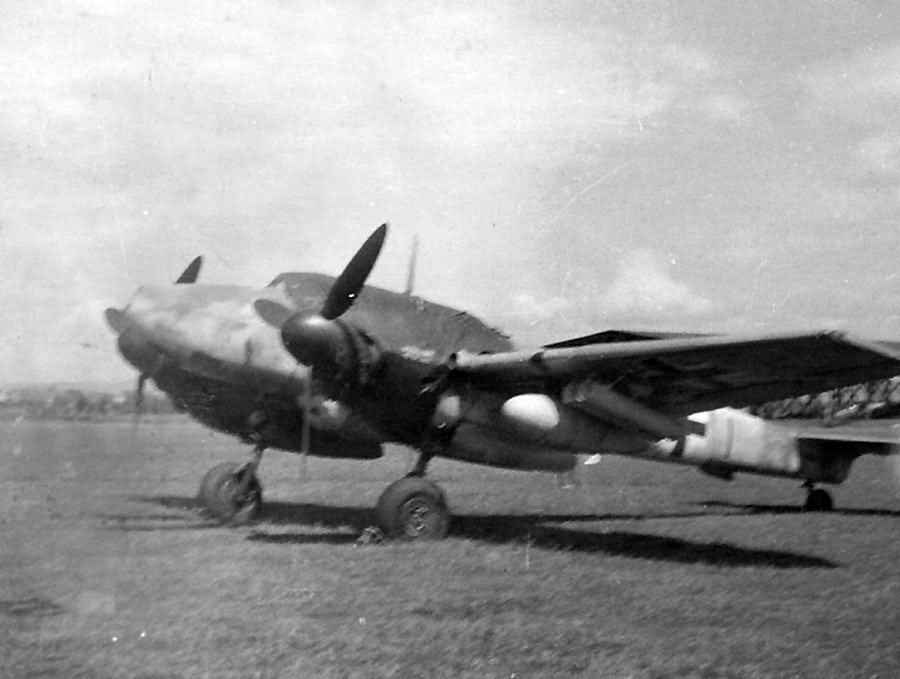
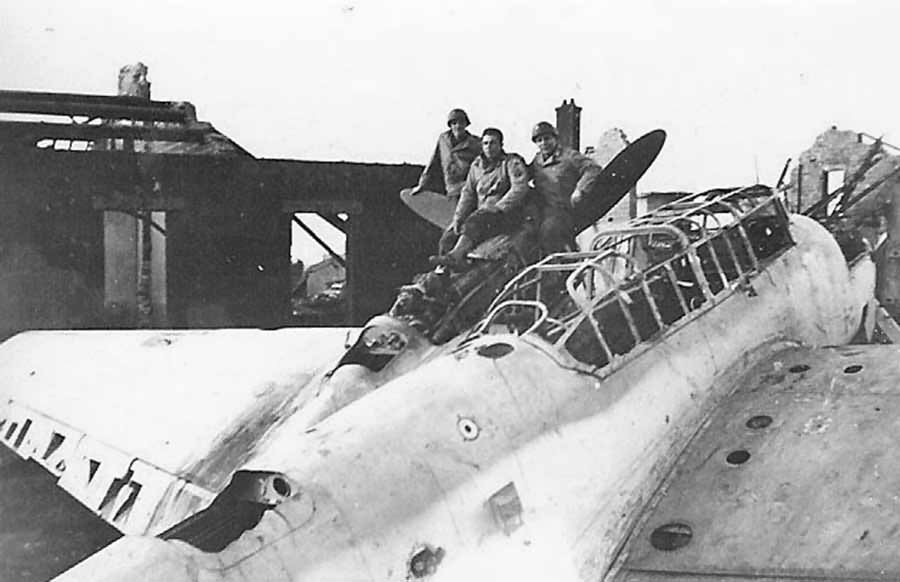
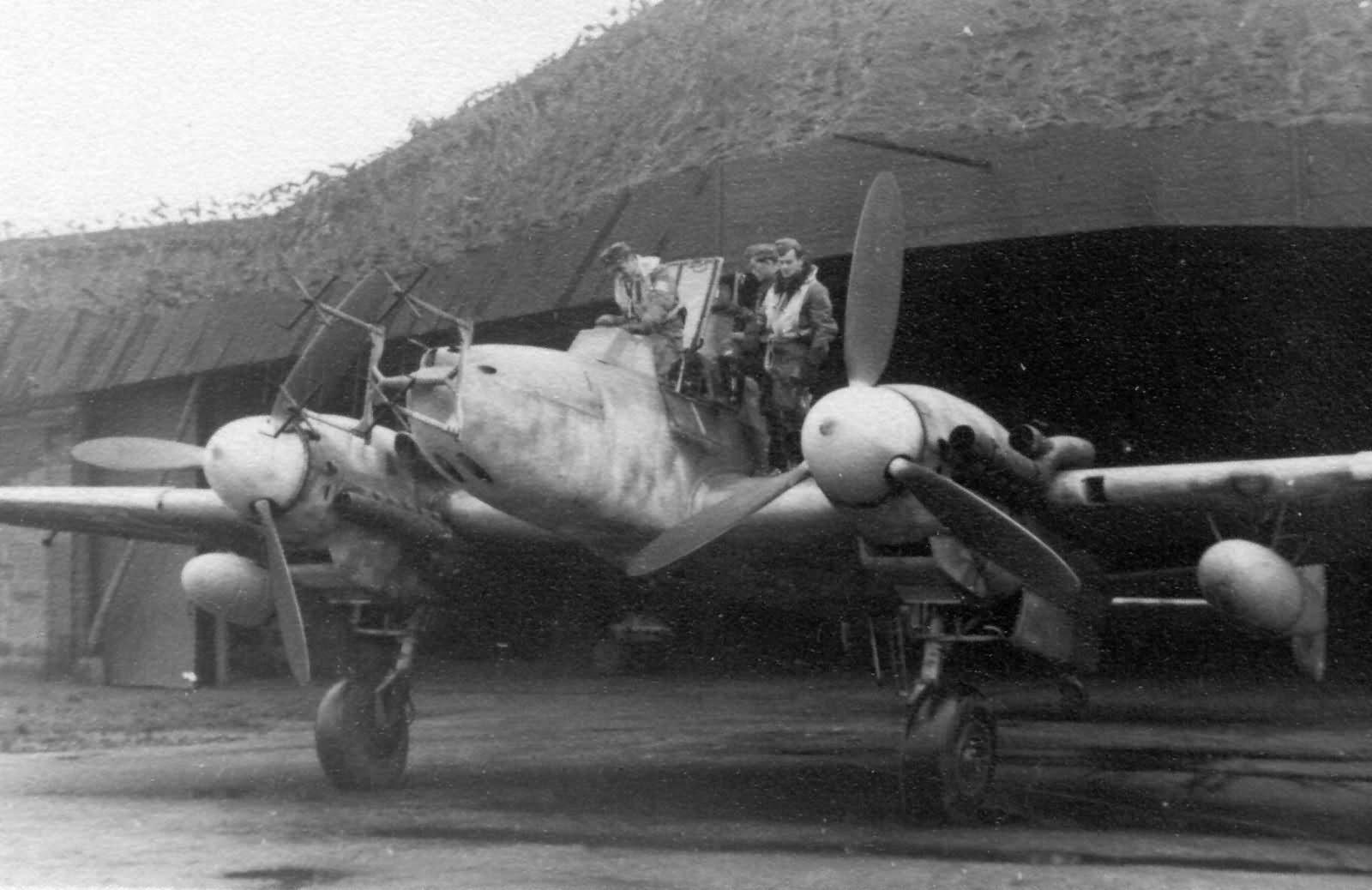
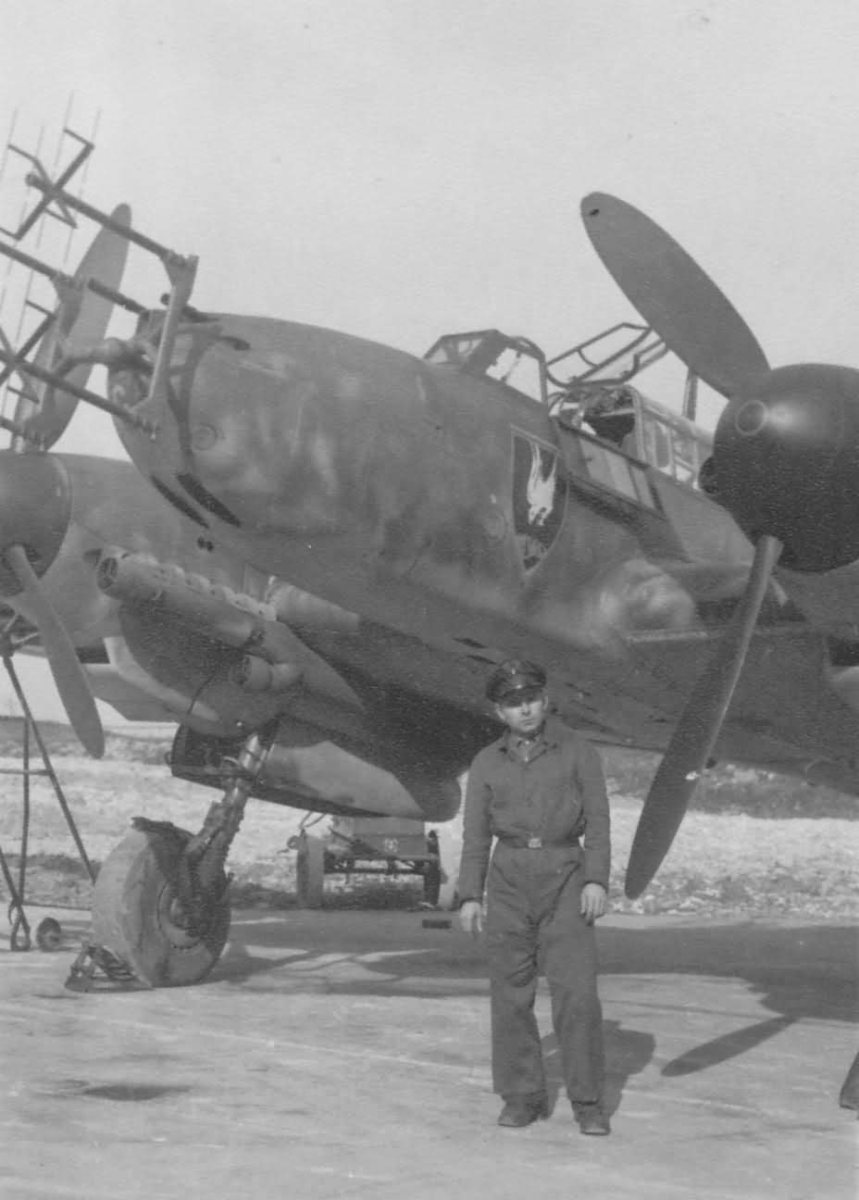
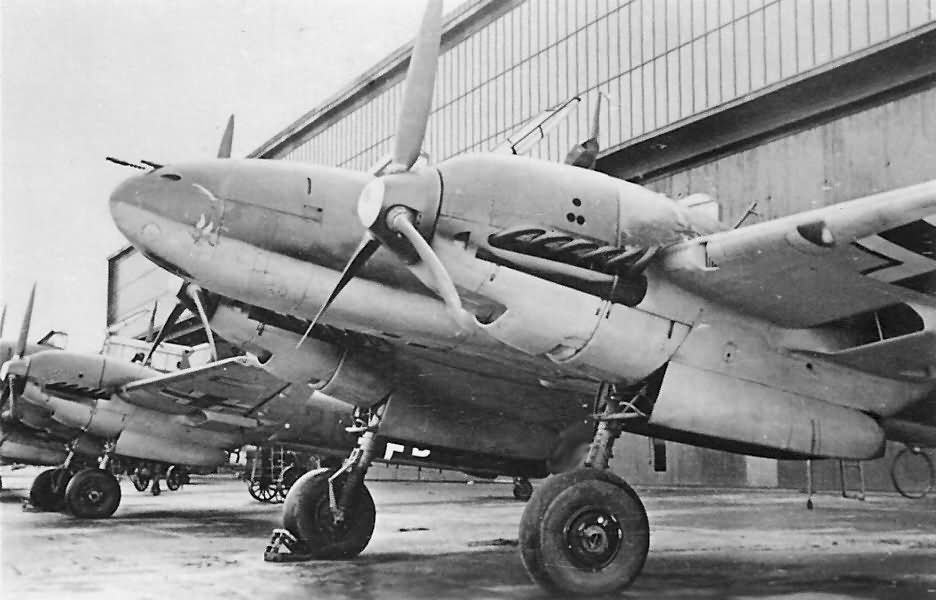
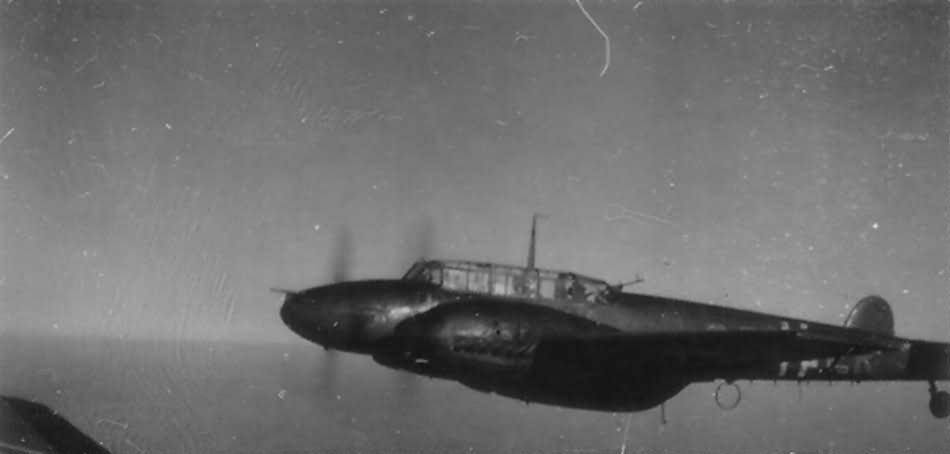
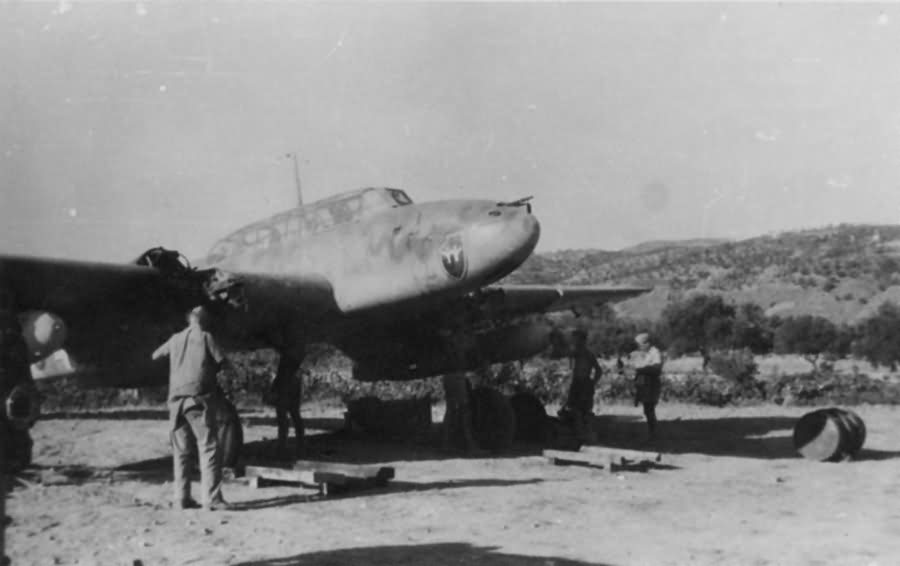
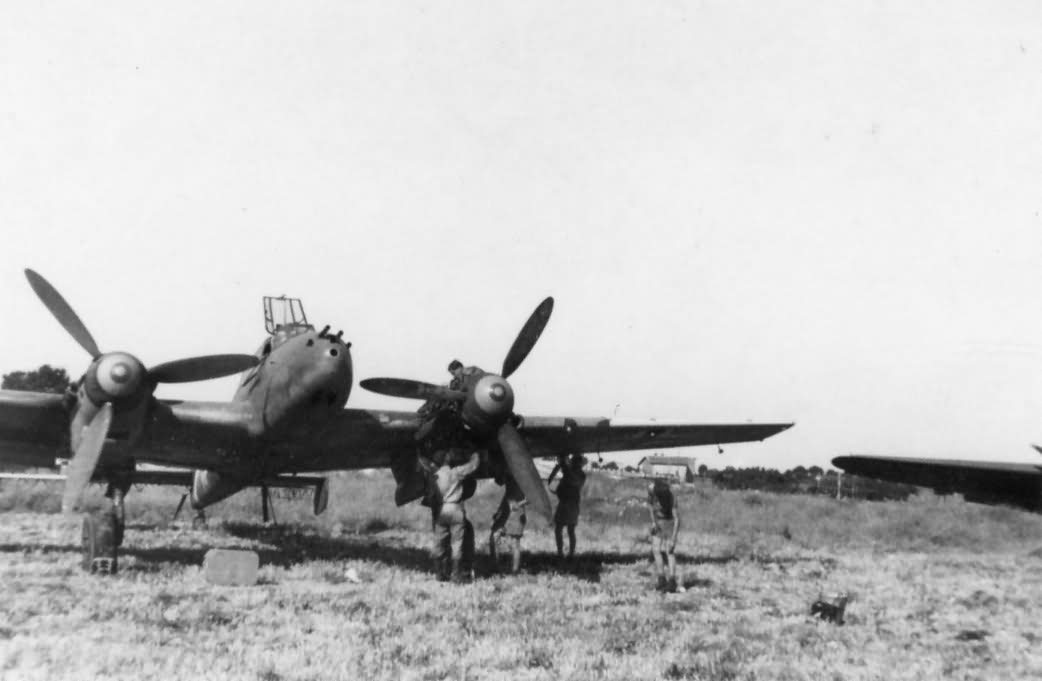
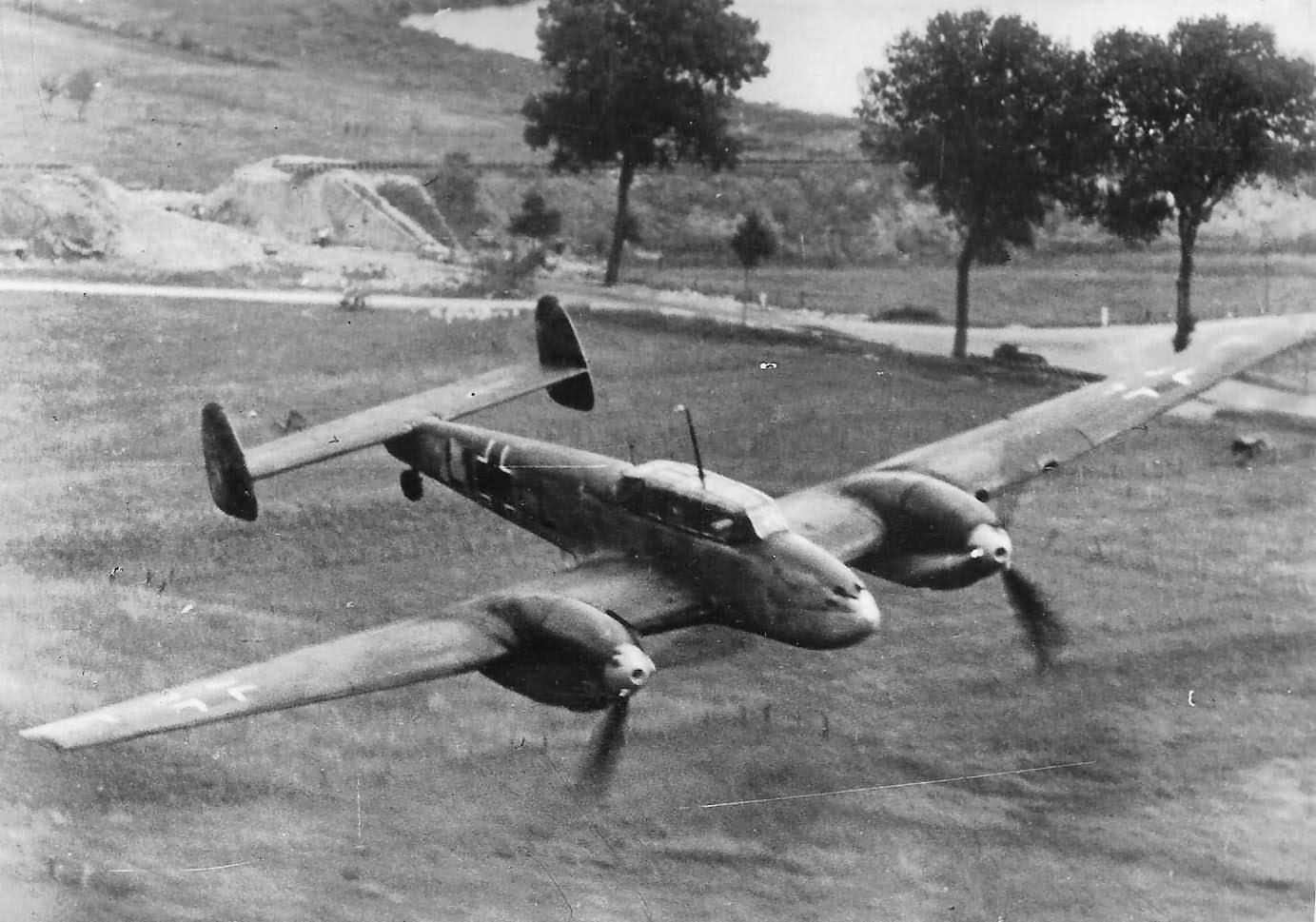
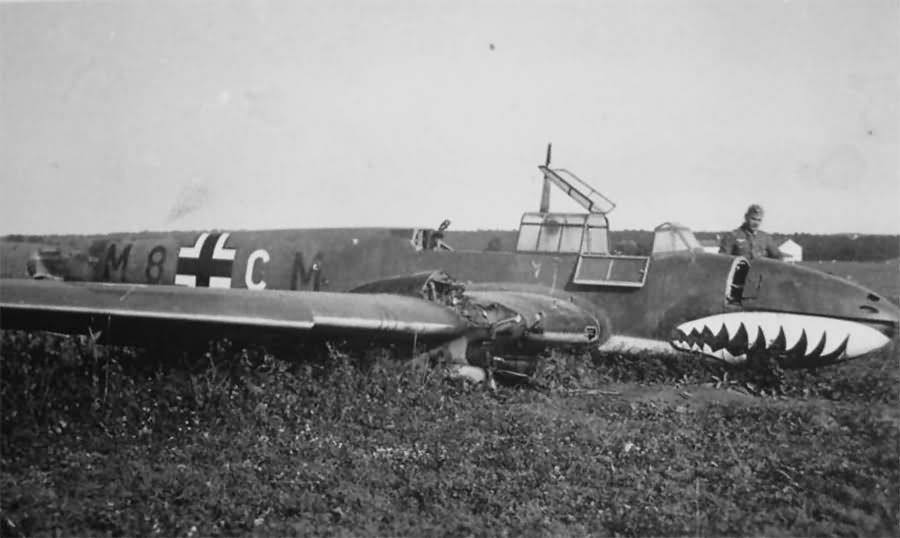
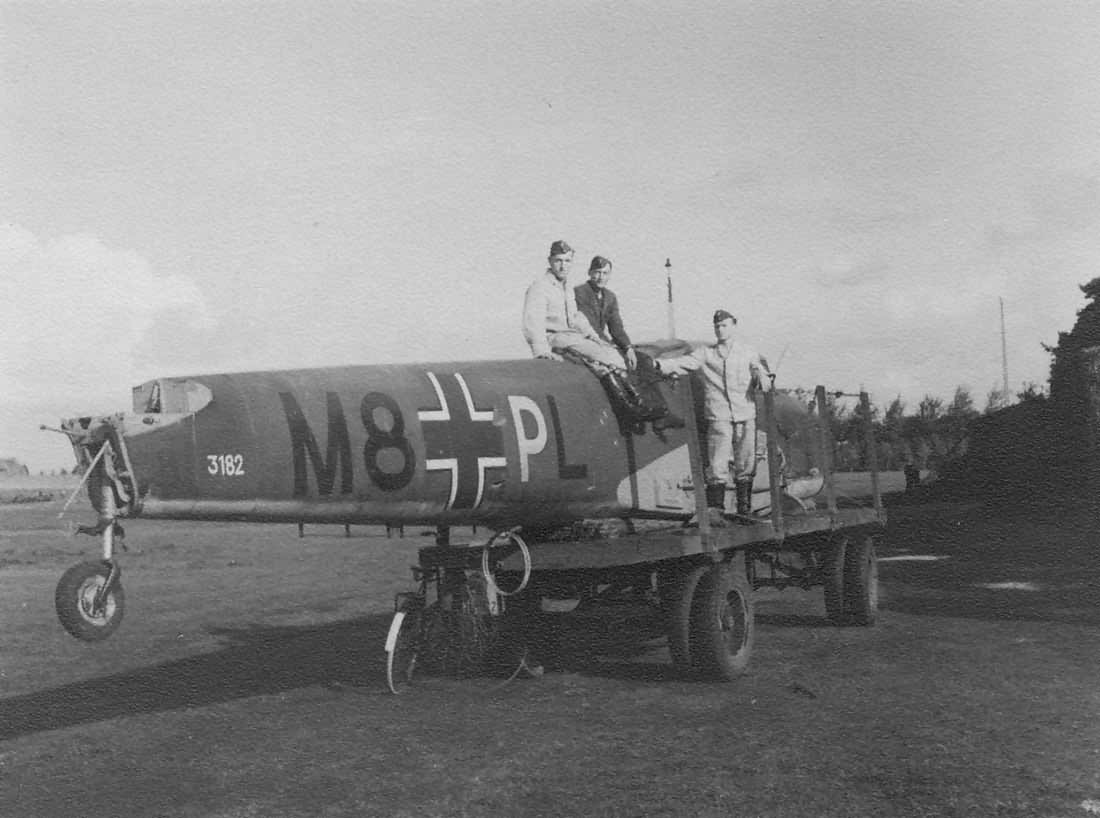
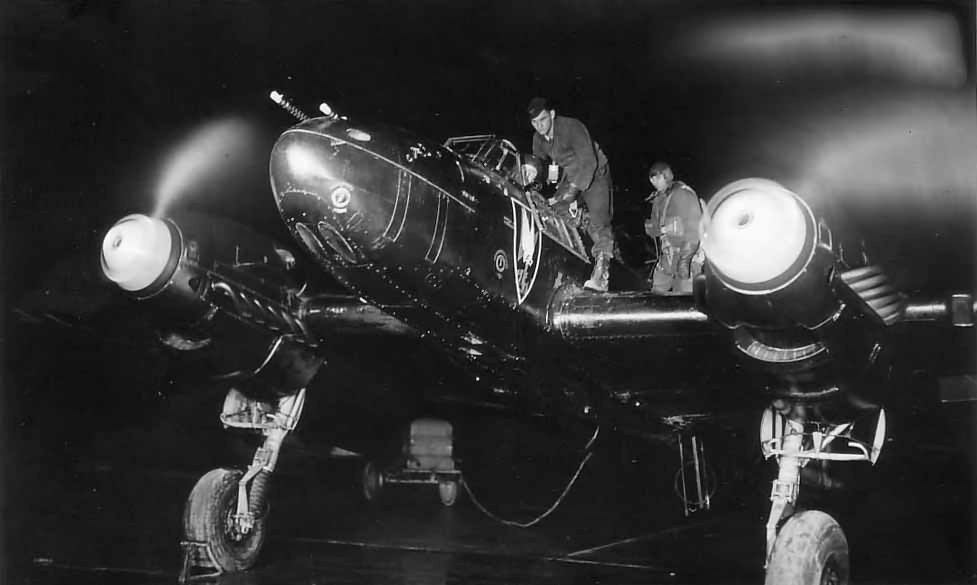
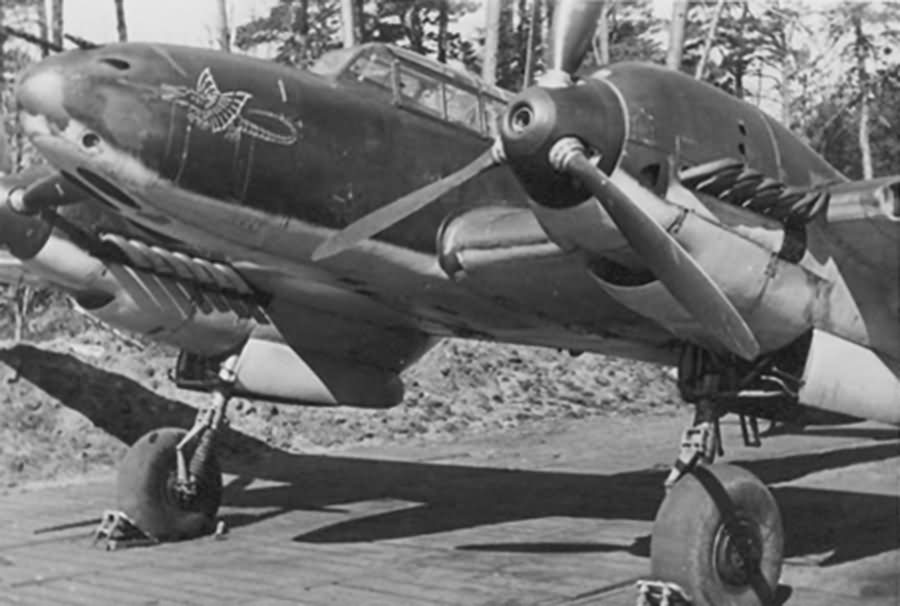
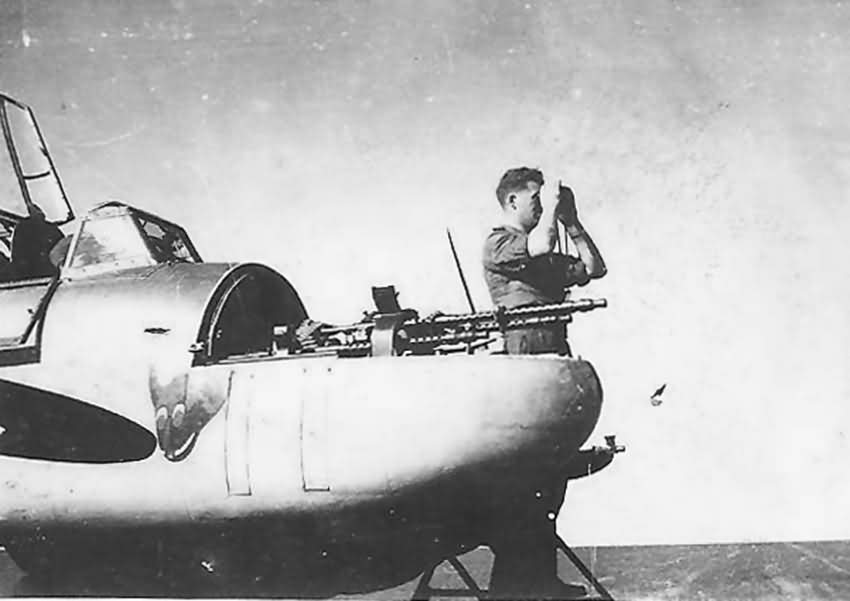
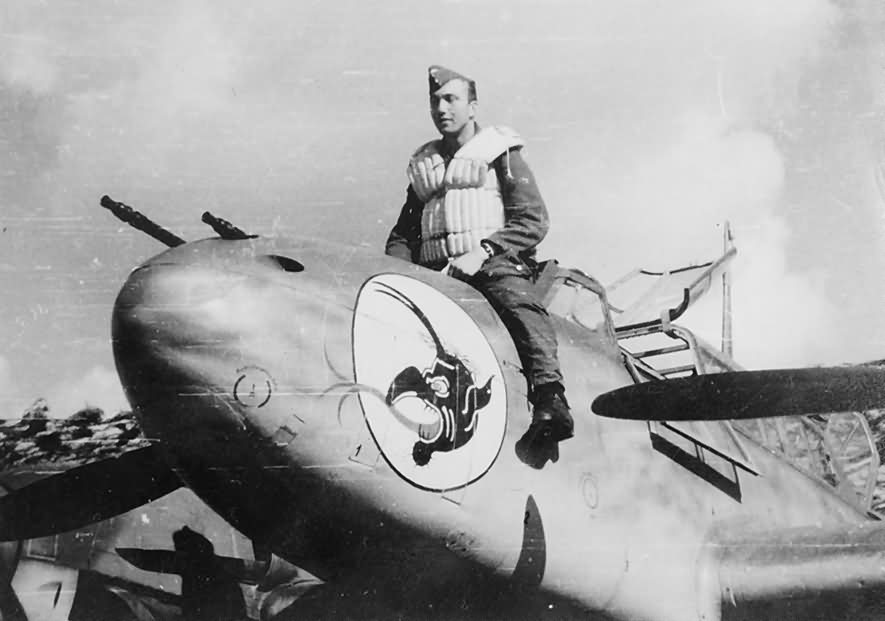
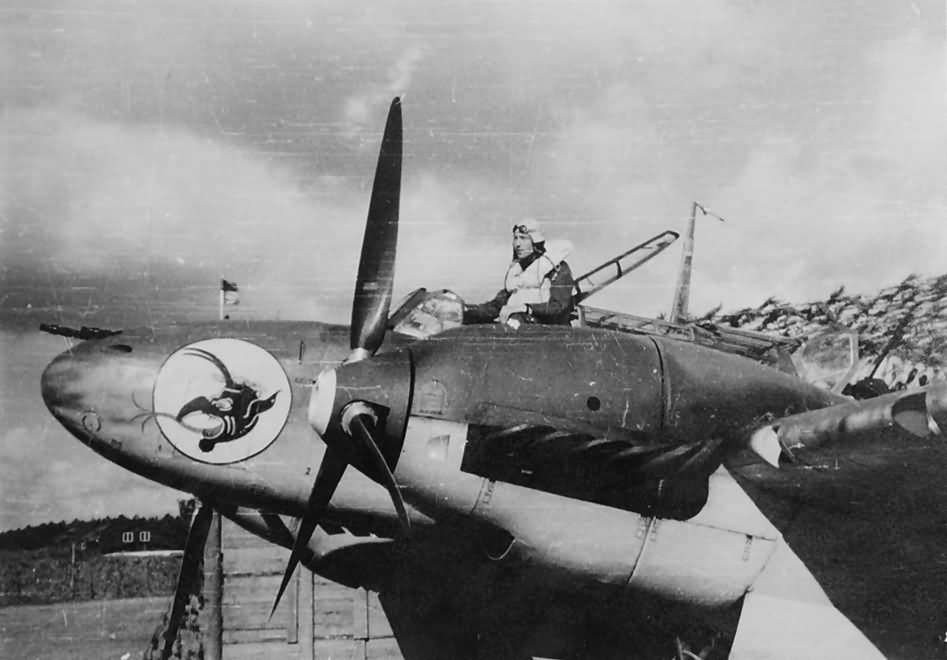
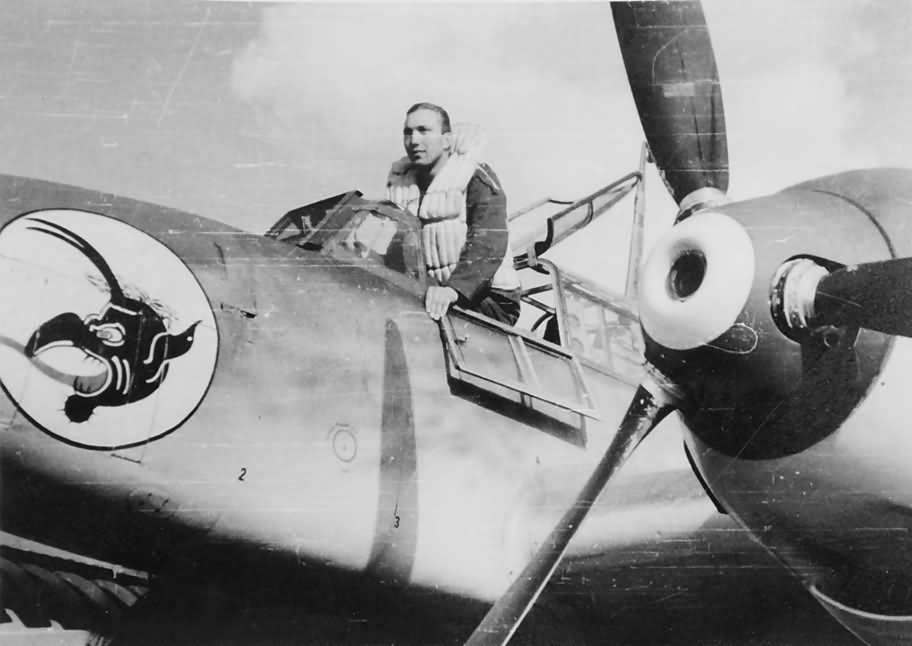
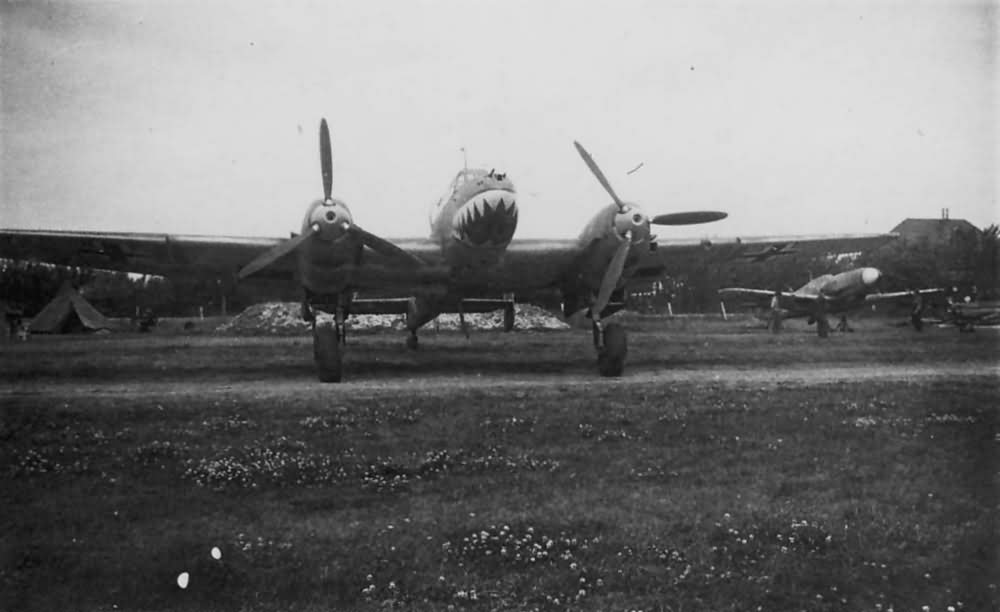
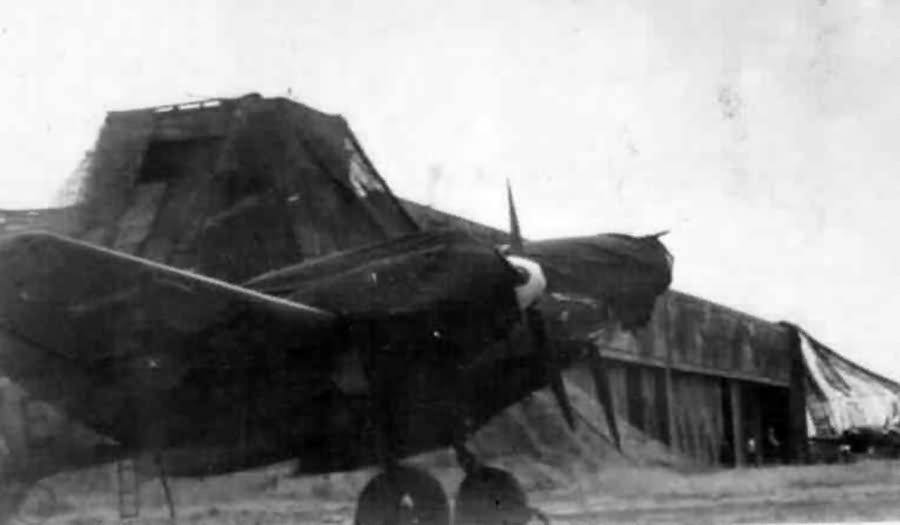
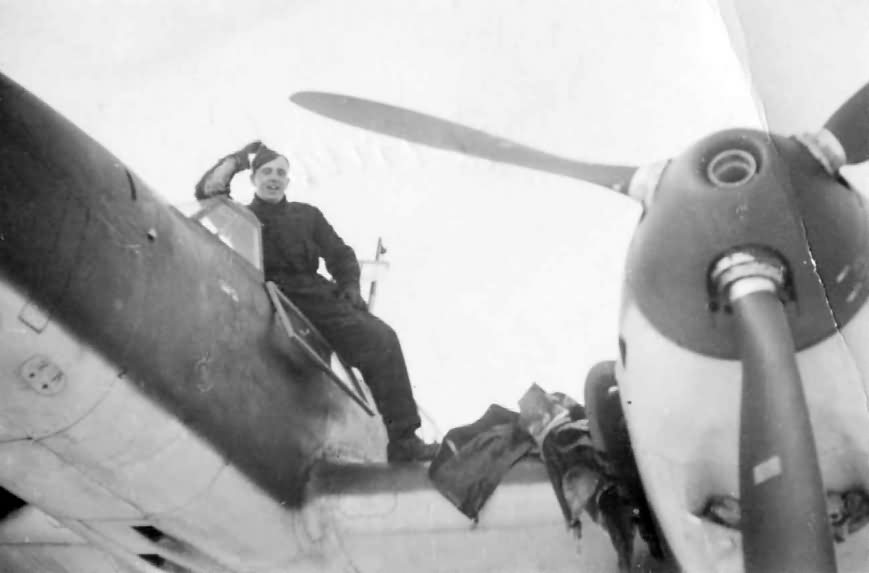
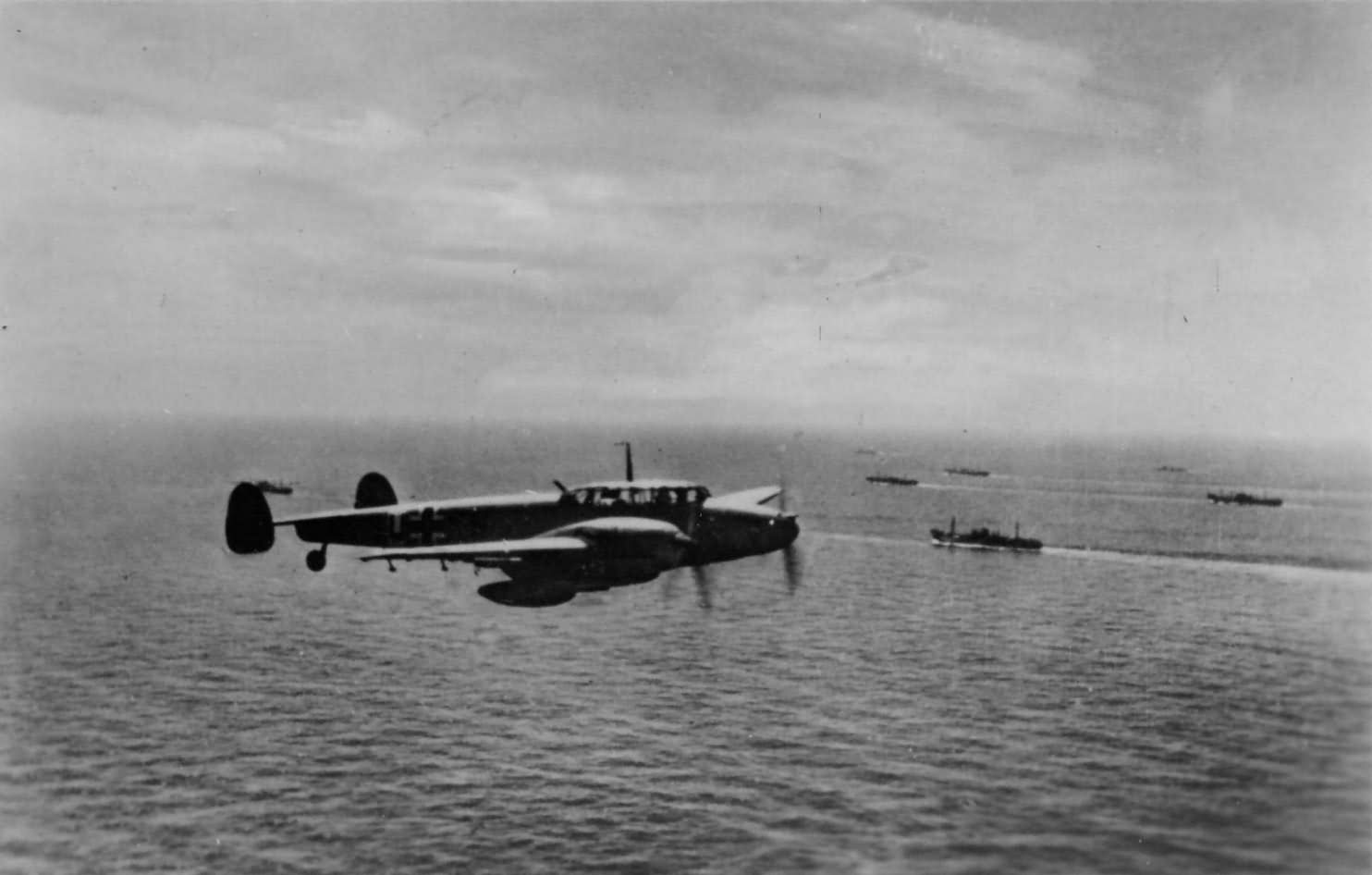
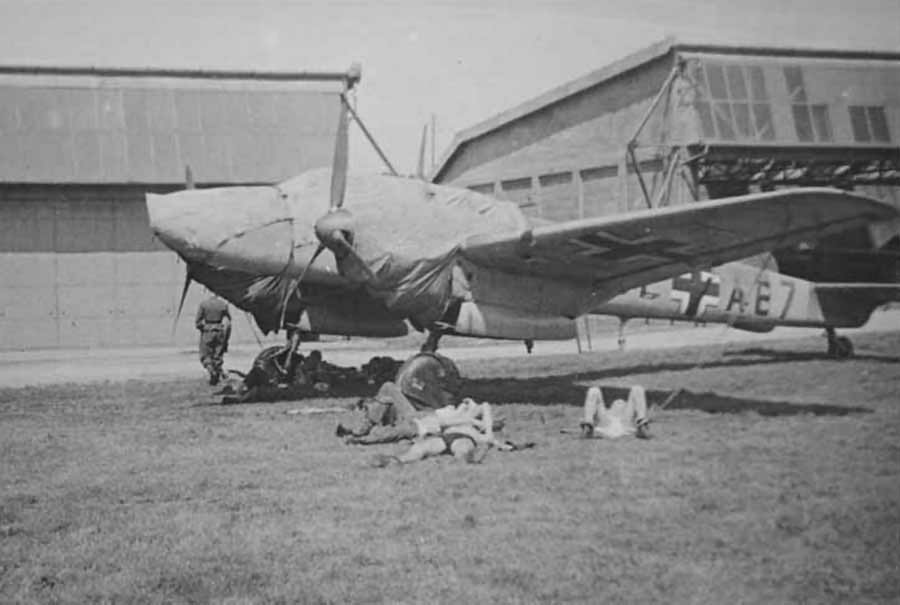
Messerschmitt Bf 110 Zerstörer was a German twin-engine, all-metal heavy fighter, fighter-bomber, and reconnaissance aircraft designed by Willy Messerschmitt and produced from 1939 to 1945, with 5,760 total units built across several variants (A through H). First flown on May 12, 1936, the aircraft featured a cantilever low-wing design, a twin-tail assembly, a multi-piece glass canopy accommodating a two-to-three-person crew, and nose-mounted armament combining four 7.92 mm MG 17 machine guns with two 20 mm MG FF autocannons, supplemented by a rear-firing MG 15 machine gun for defense. Powered initially by Junkers Jumo 210 engines in prototype and early production versions (A and B), the Bf 110 reached its full operational potential in the main production C series with 1,100 hp Daimler-Benz DB 601A-1 engines, with subsequent variants utilizing DB 601F and DB 605B-1 engines delivering up to 1,475 hp. Though fast and heavily armed, its limited maneuverability, sluggish control responses, and vulnerable cooling systems made it ill-suited for dogfighting single-engine fighters—as demonstrated in the September Campaign against Polish PZL P.11s and most notably during the Battle of Britain, where heavy losses forced the Luftwaffe to adopt defensive tactics. However, equipped with onboard radar, upward-firing Schräge Musik autocannons, and heavy armament, later variants (such as the Bf 110G night fighter) proved exceptionally effective against Allied heavy bombers, serving as the backbone of Germany’s nocturnal aerial defense until the end of the war.