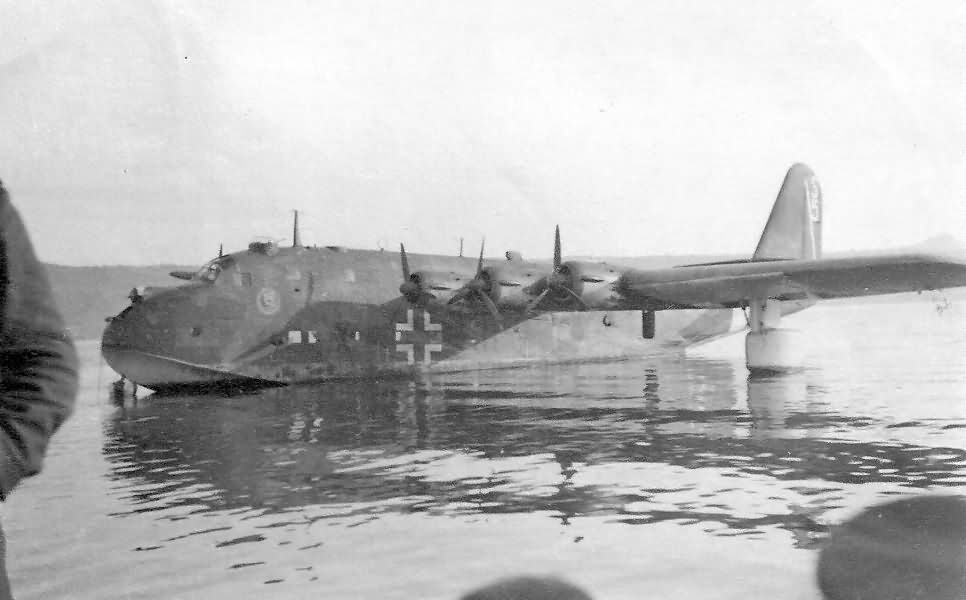
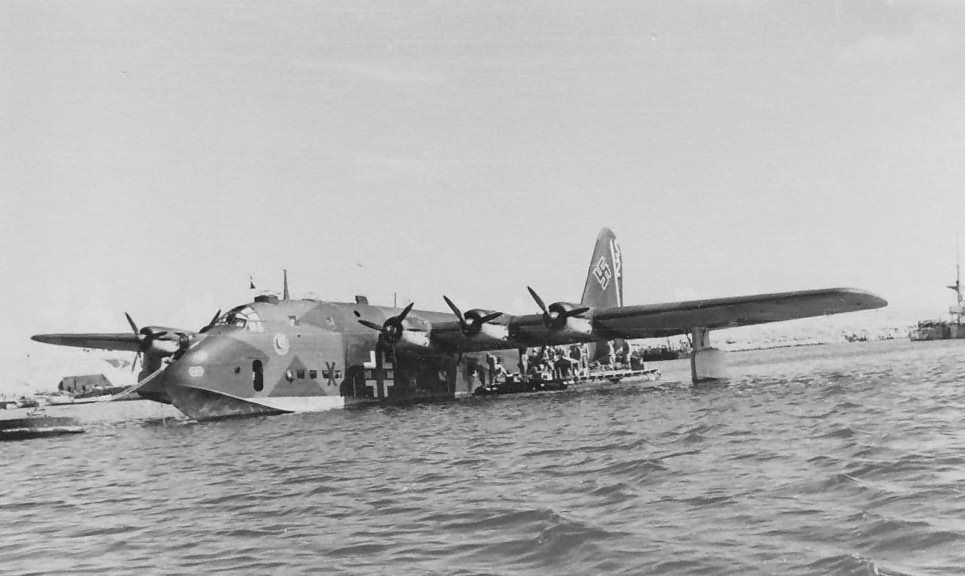
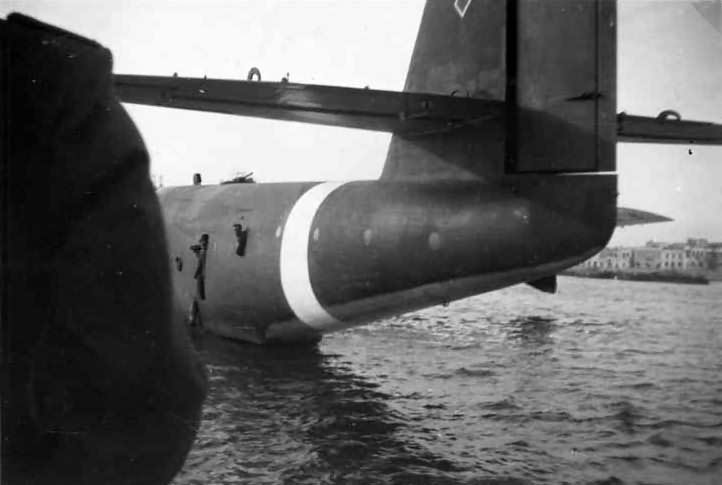
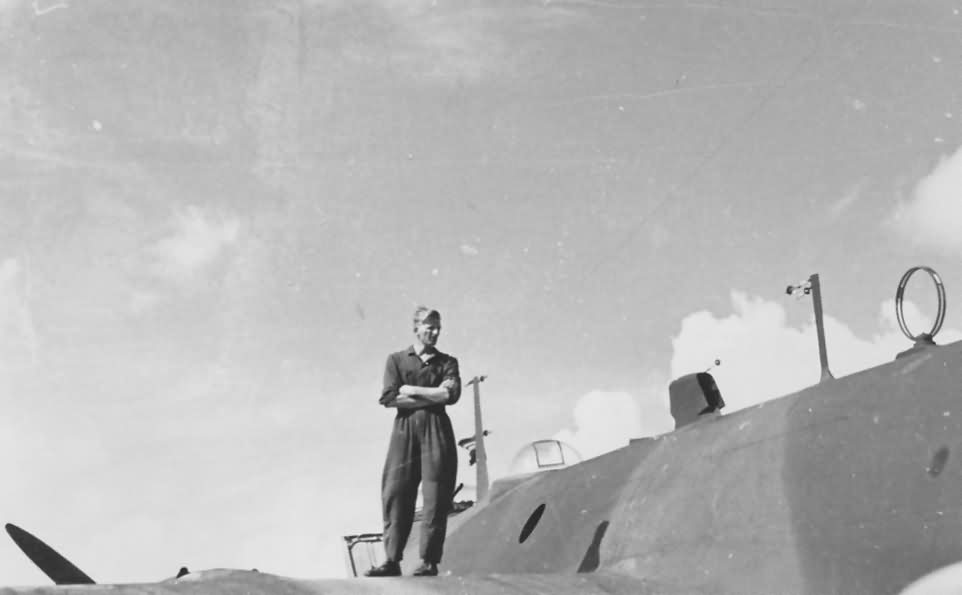
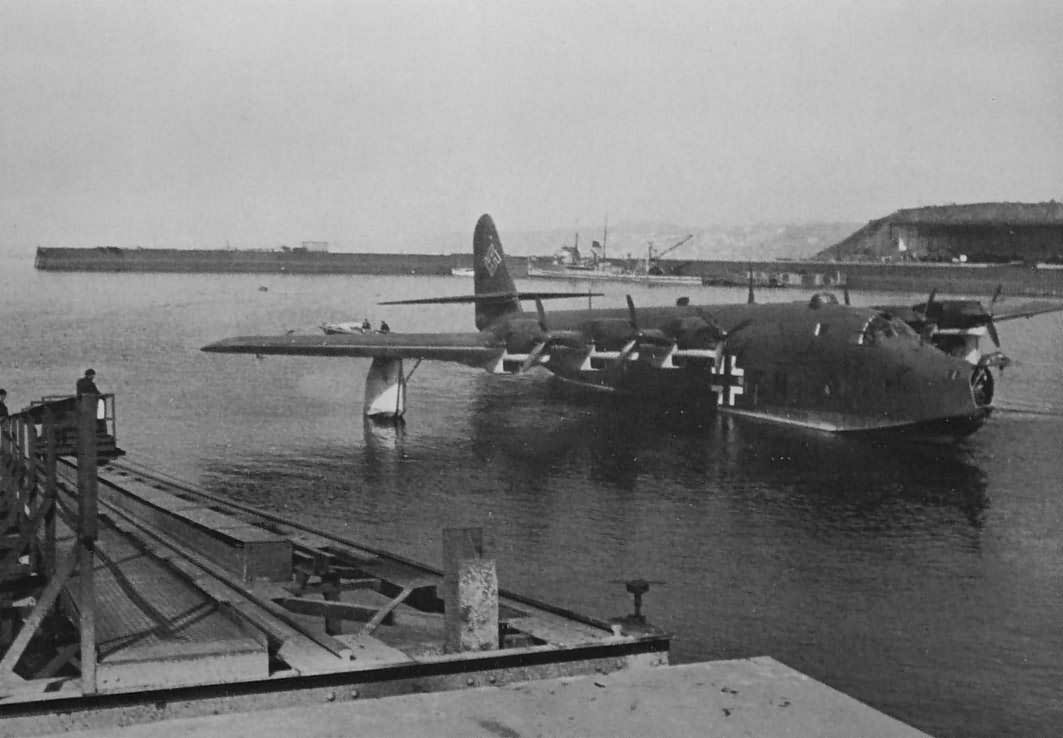
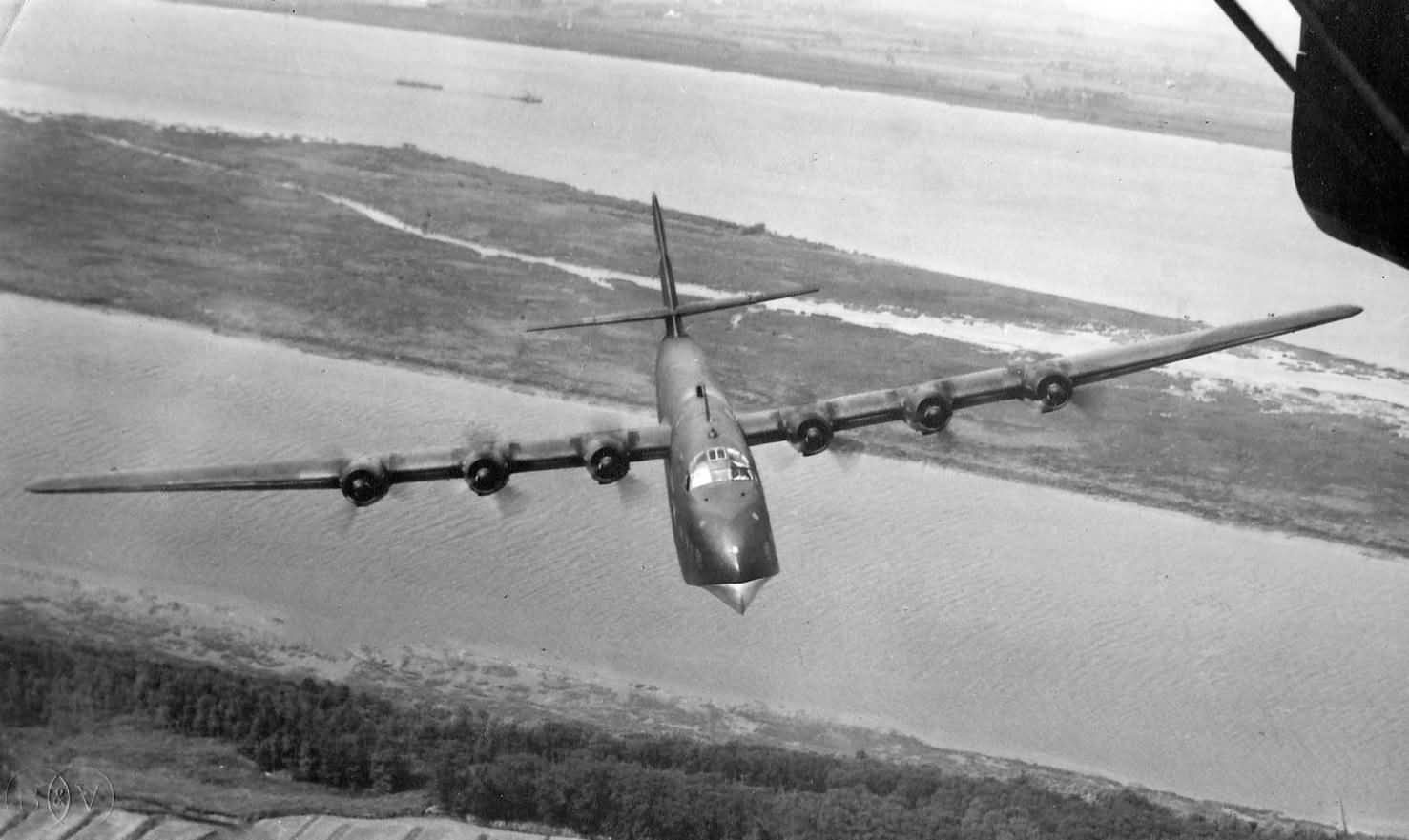
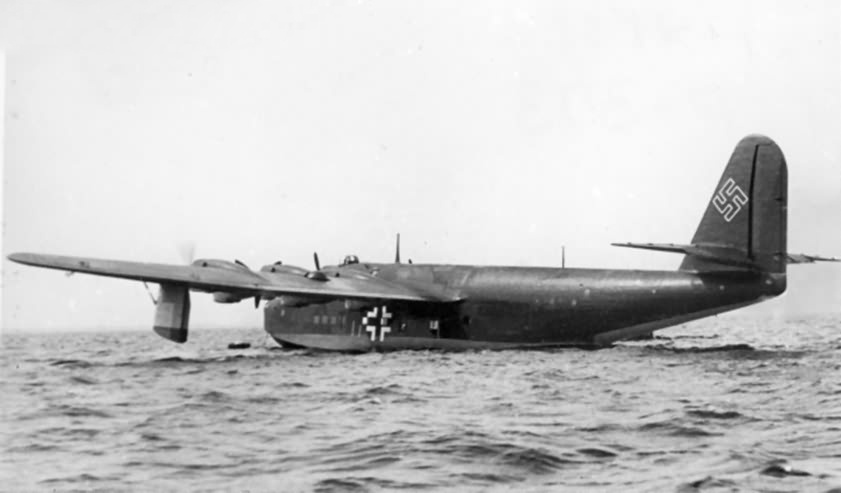
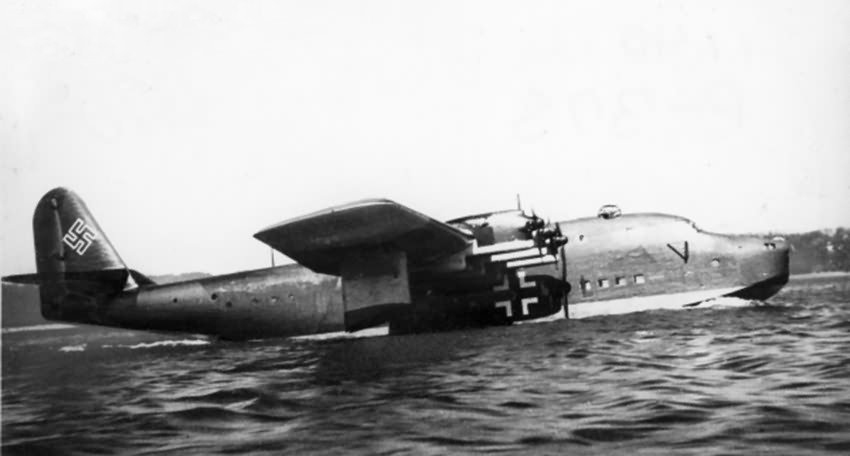
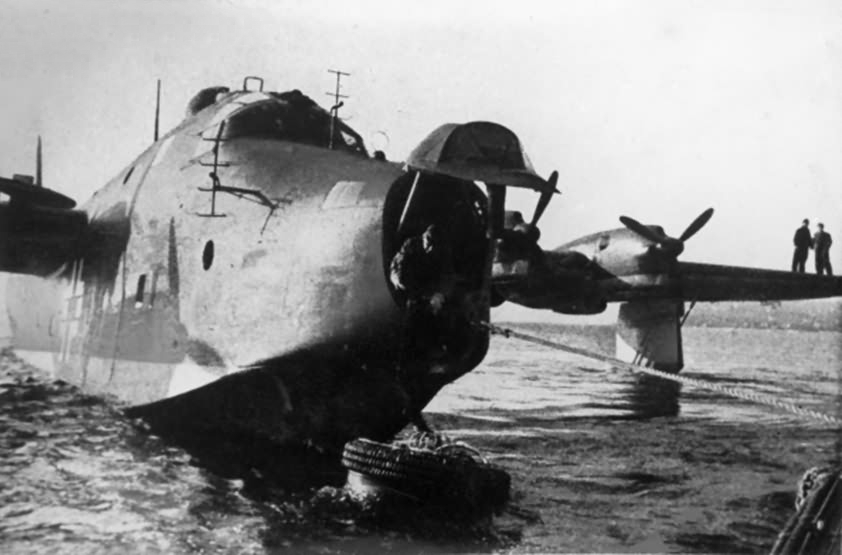
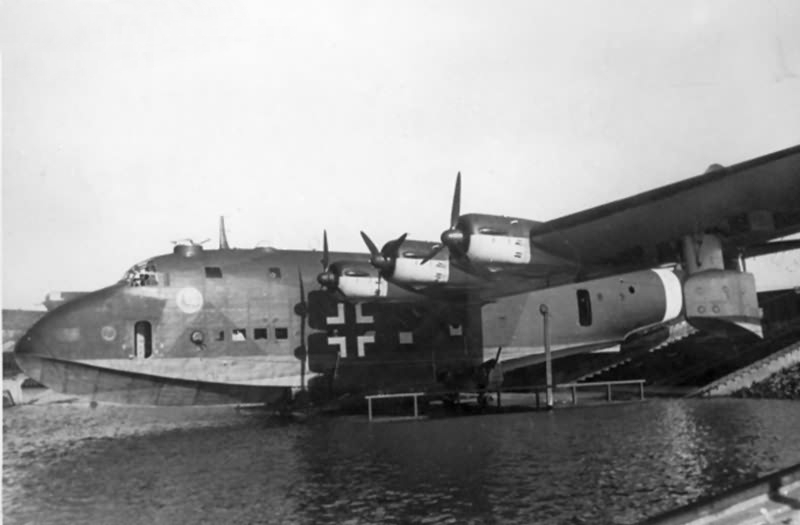
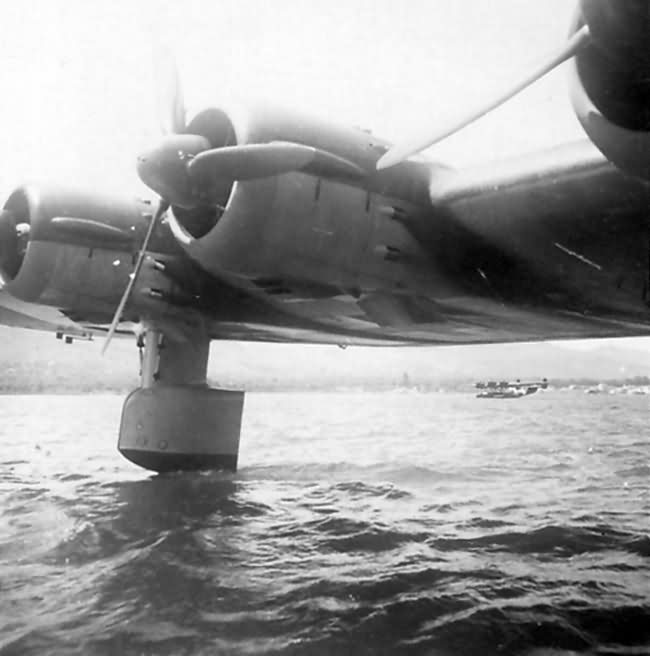
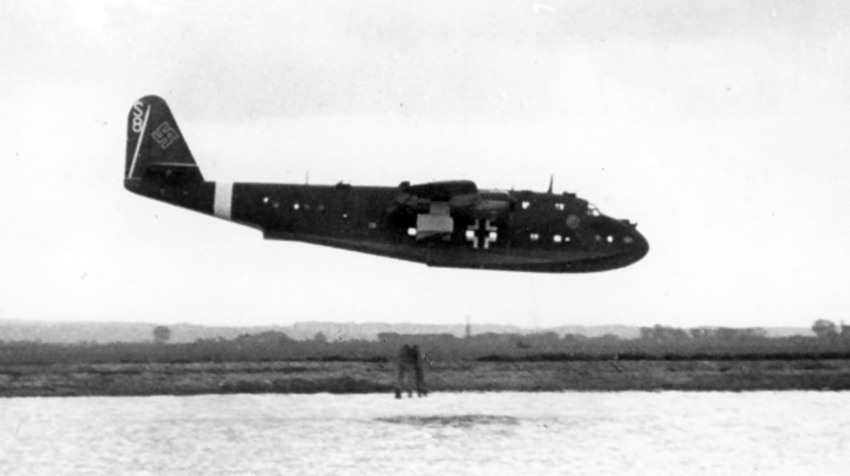
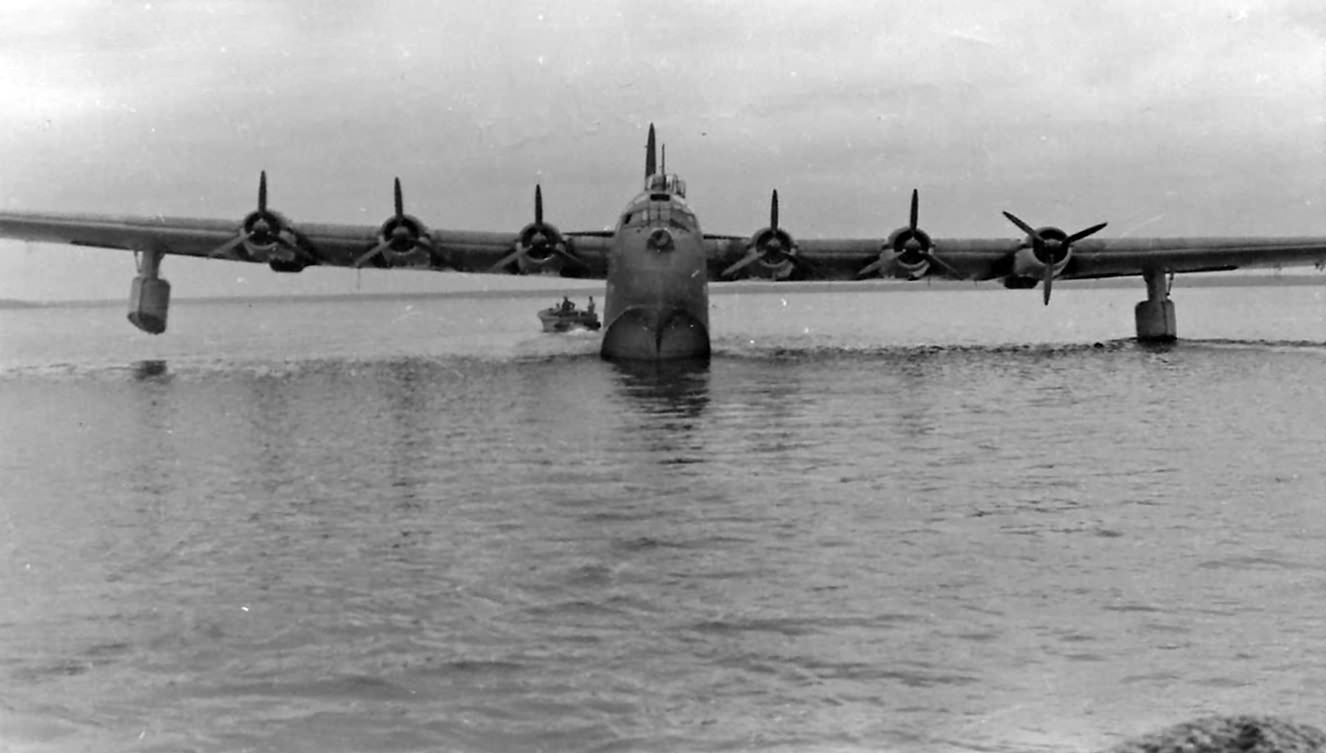
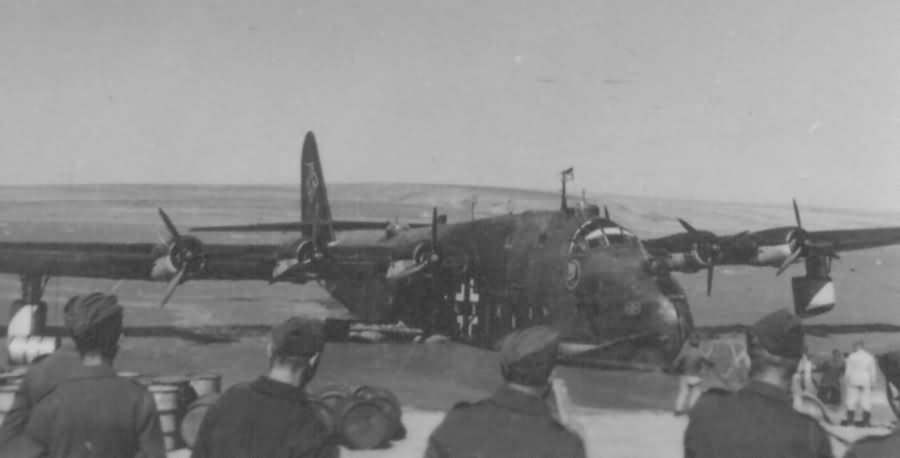
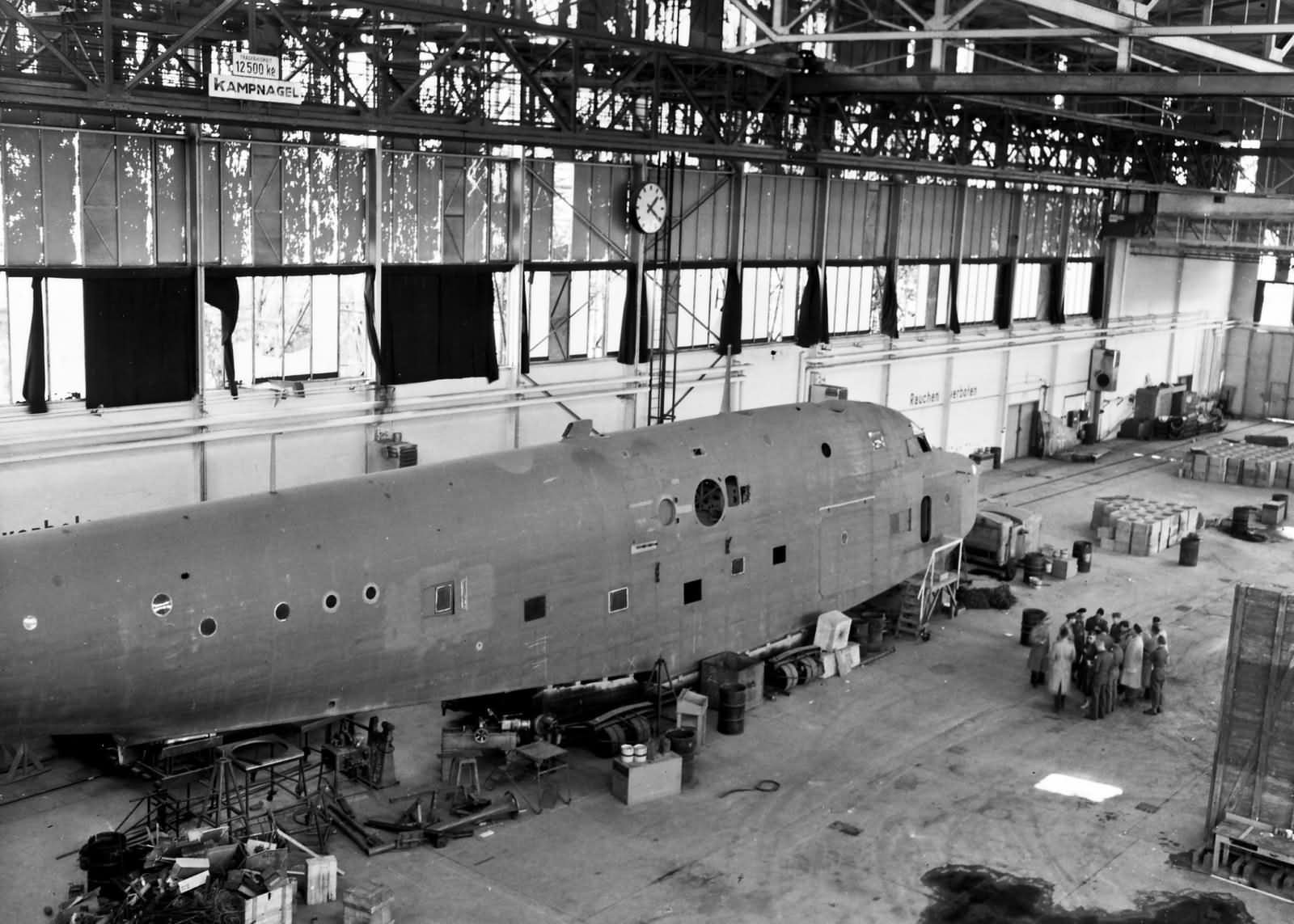
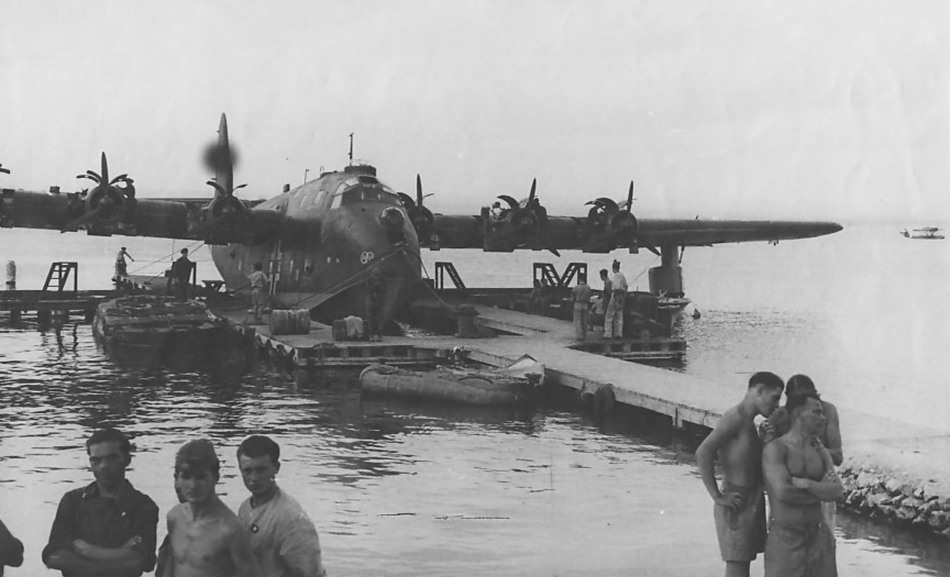
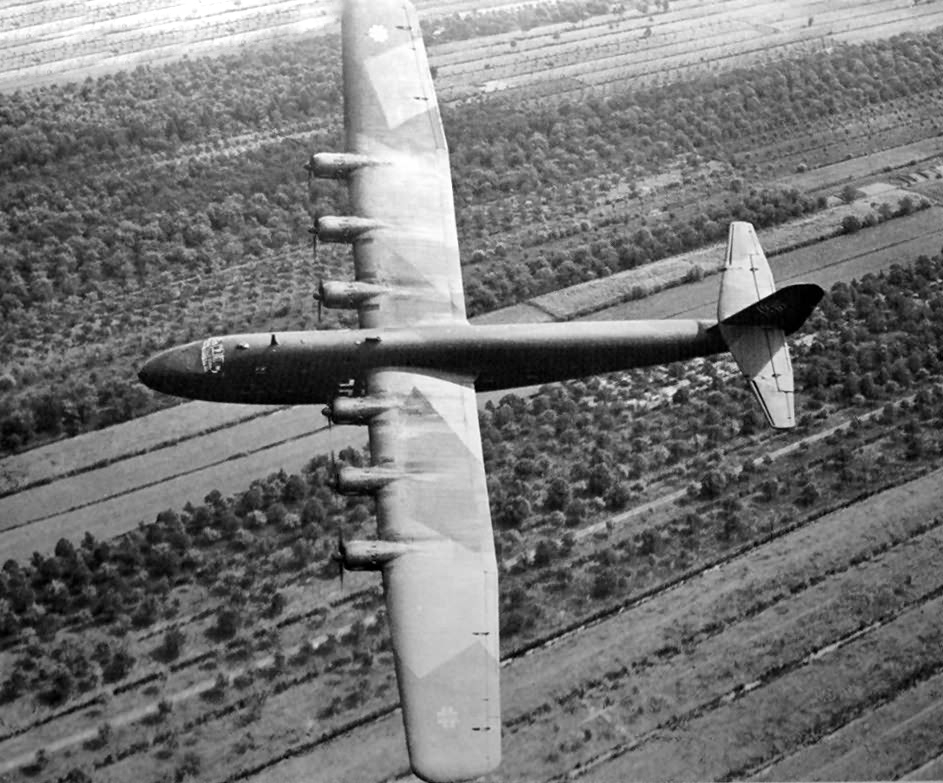
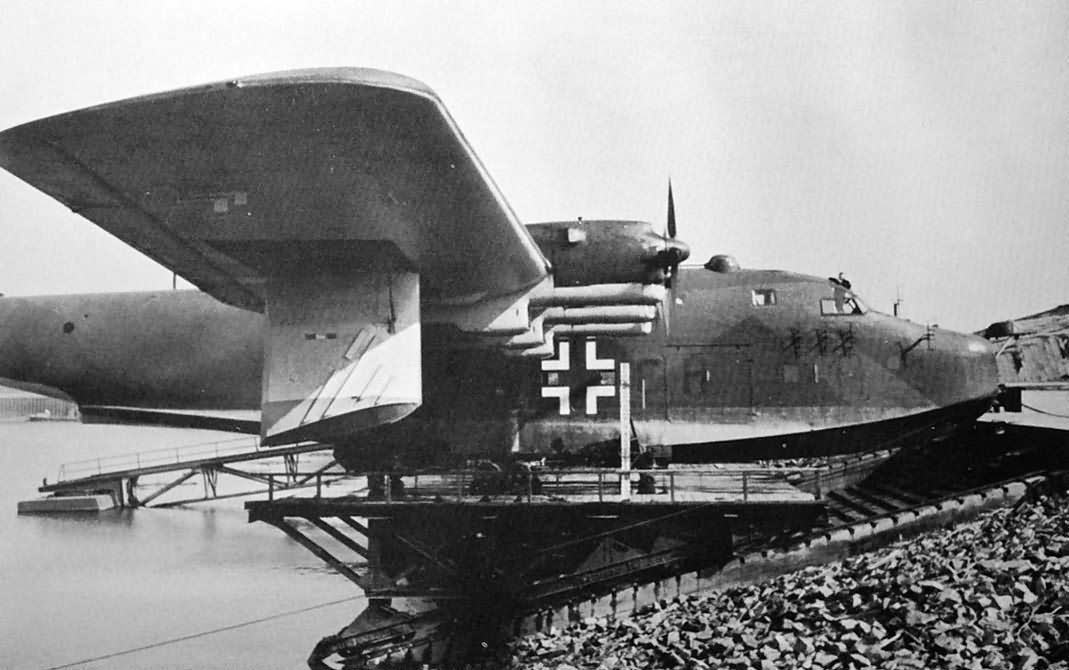
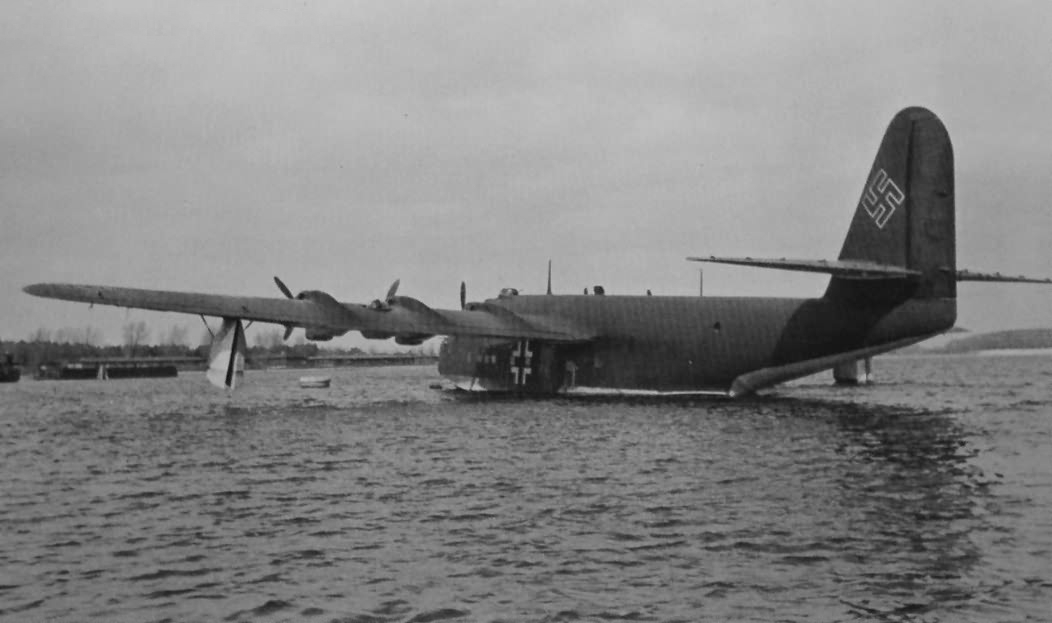
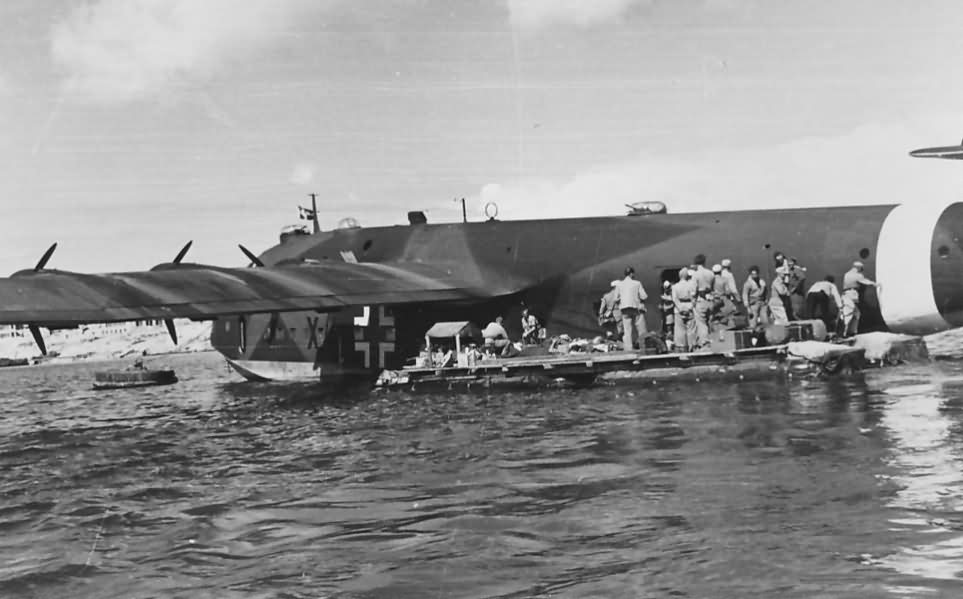
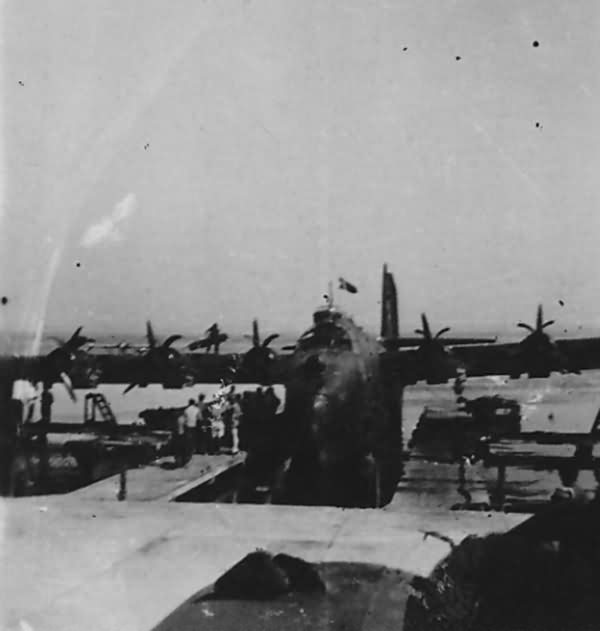
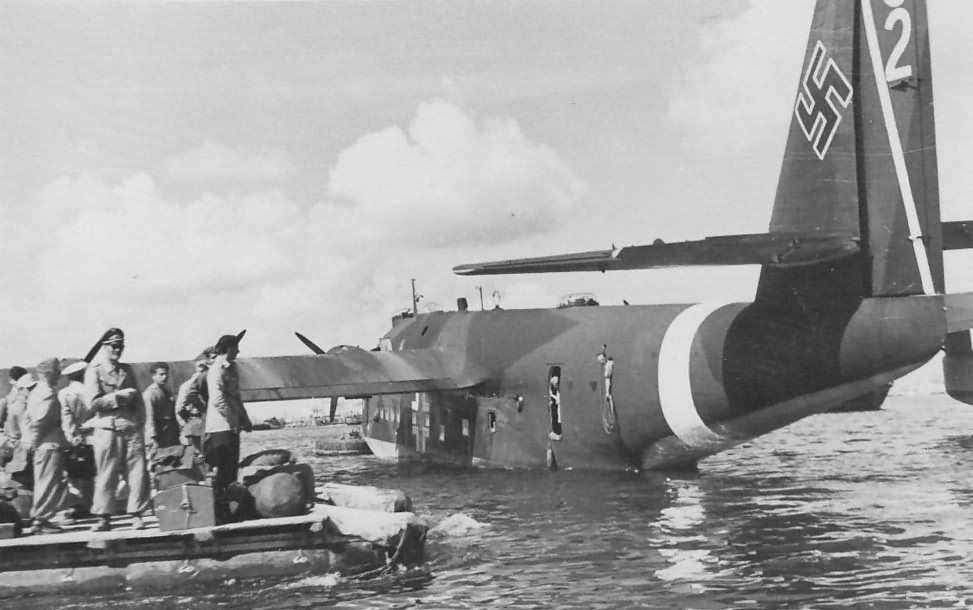
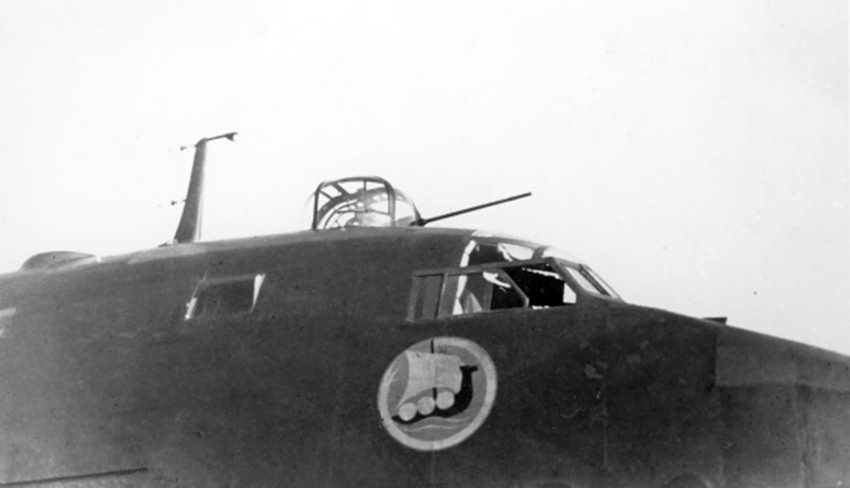
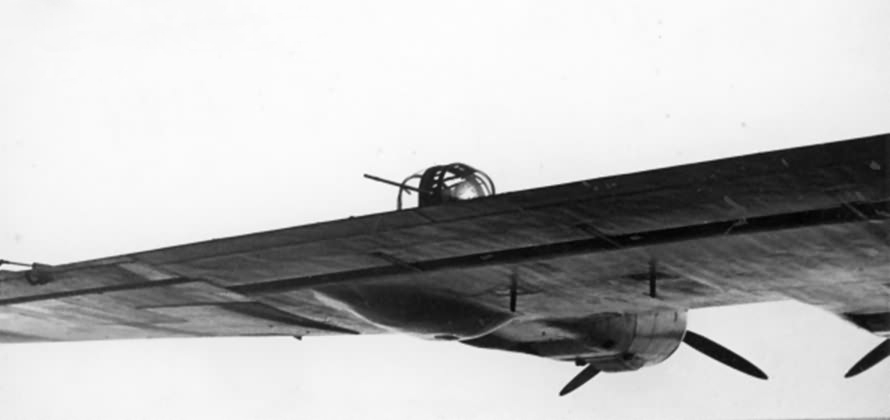
Blohm & Voss BV 222 “Wiking” was a German six-engine, high-wing, all-metal flying boat originally commissioned in 1937 by Deutsche Luft Hansa as a transatlantic passenger transport capable of carrying up to 24 daytime or 16 overnight passengers. First flown on September 7, 1940, development was requisitioned by the Luftwaffe for WWII military transport and long-range maritime reconnaissance, ultimately producing 13 varied prototypes through April 1944. Operated by specialized units like Lufttransportstaffel 222 and Aufklärungsgruppe 129, BV 222s flew transport routes between Italy, Greece, and North Africa—carrying tens of thousands of kilograms of supplies and evacuating hundreds of wounded soldiers—and conducted long-range Atlantic patrols out of Biscarrosse, France, and bases in Norway. Equipped with defensive machine guns, radars (such as the FuG 200 Hohentwiel), and various powerplants (including Bramo 323 and Jumo 207C engines), individual aircraft participated in notable wartime actions, such as a July 1944 Arctic rescue mission to Alexandra Land for a stranded weather station crew, and even scored an air-to-air victory over a British Avro Lancaster in October 1942. Most BV 222s were destroyed in combat, during Allied bombings, or scuttled by their own crews at war’s end, though three captured prototypes (V11–V13) were intensively evaluated by Allied forces before being scrapped.