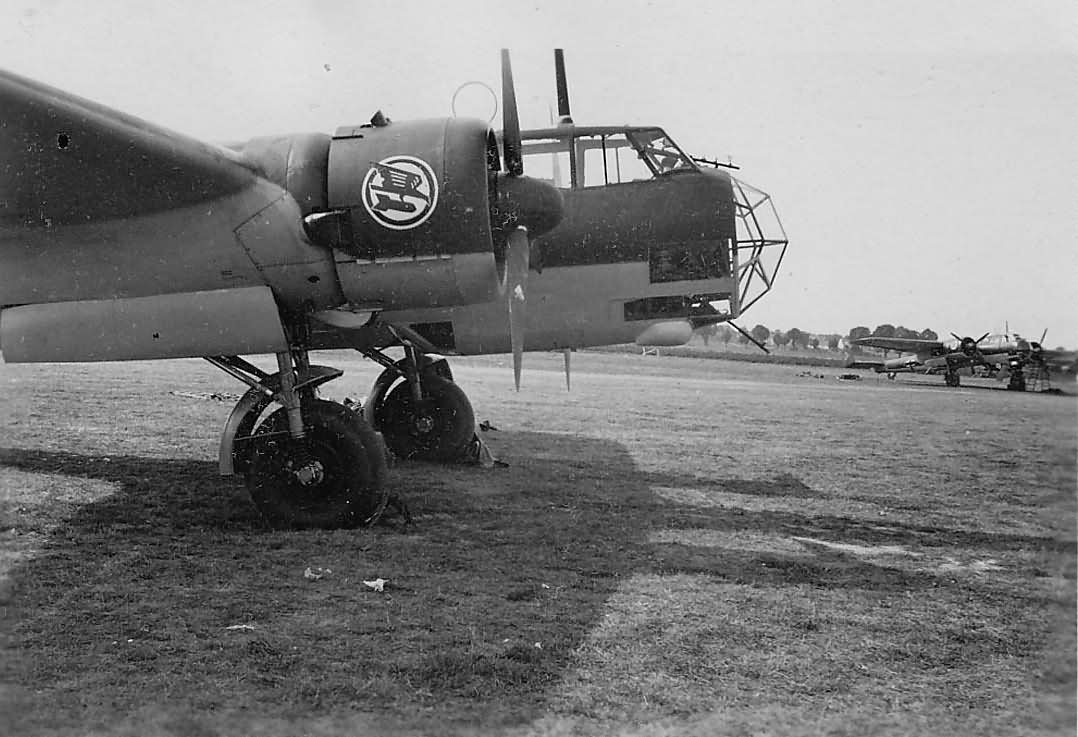
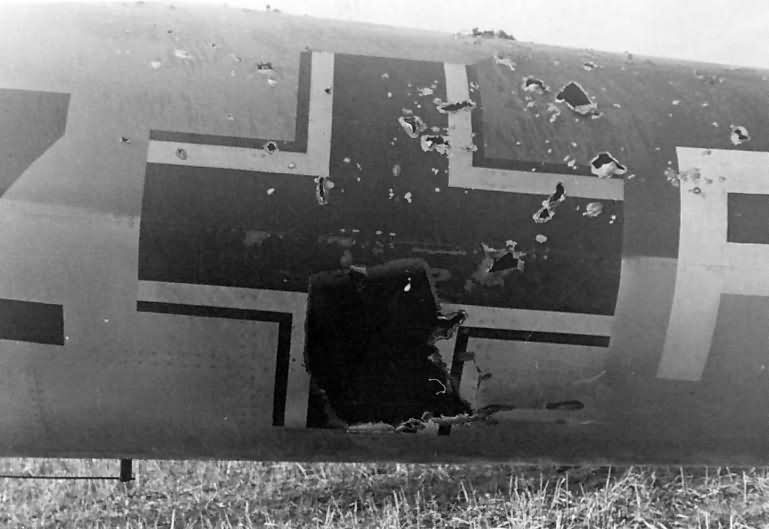
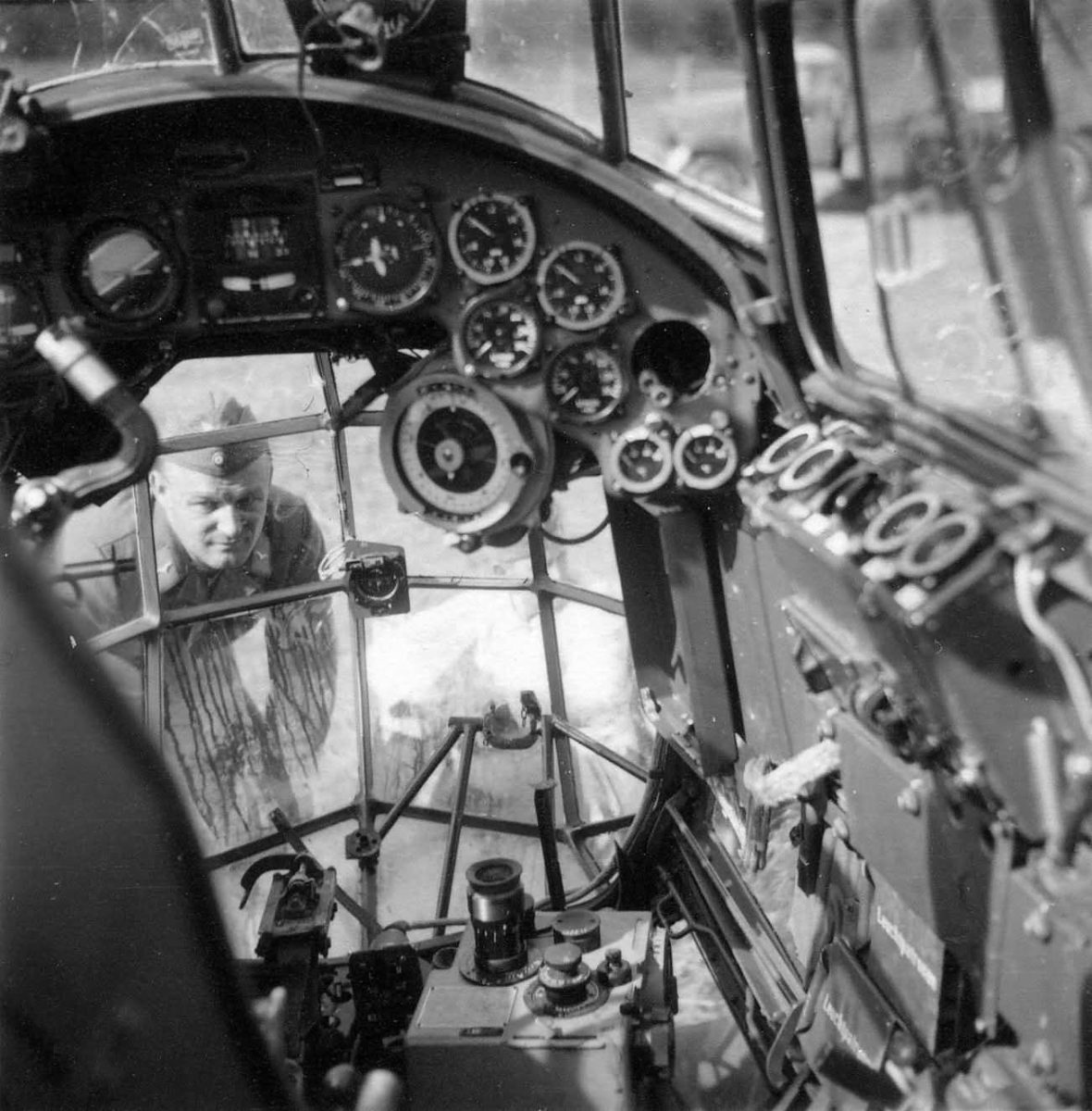
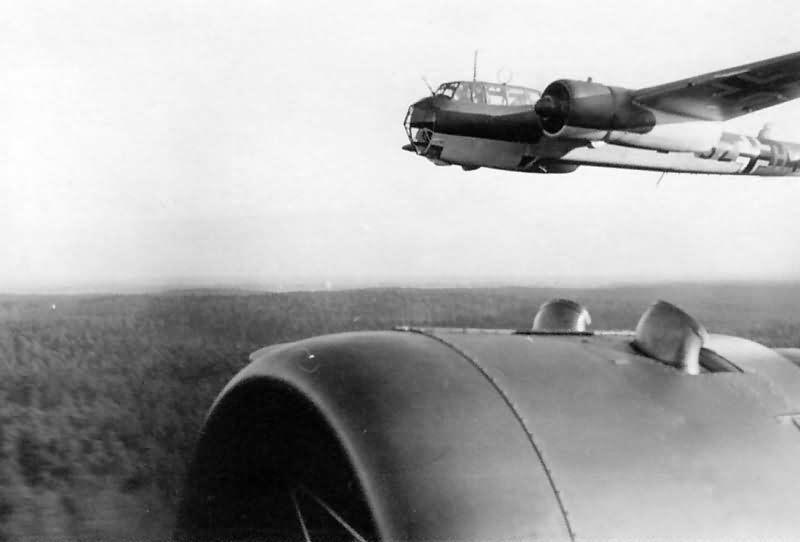
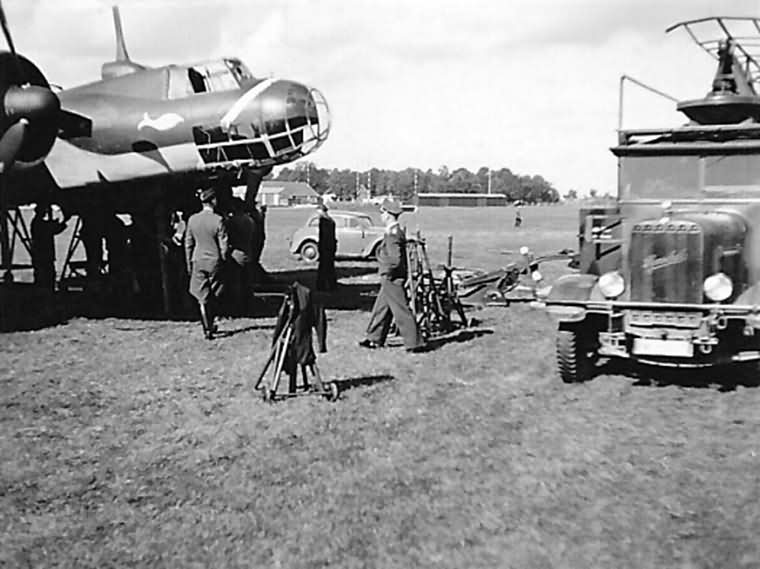
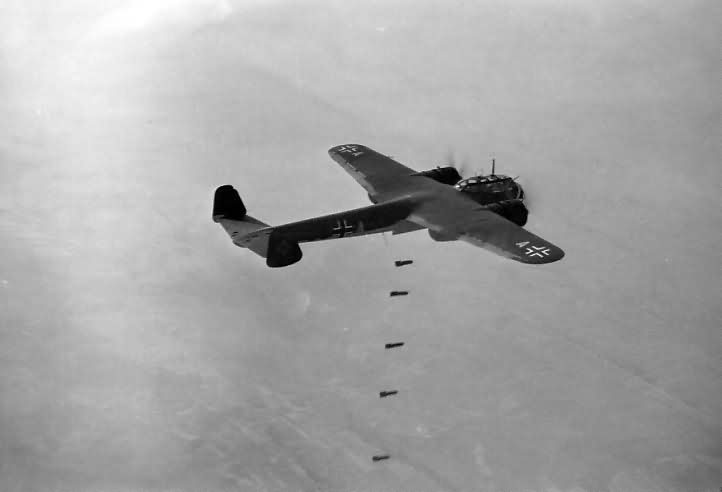
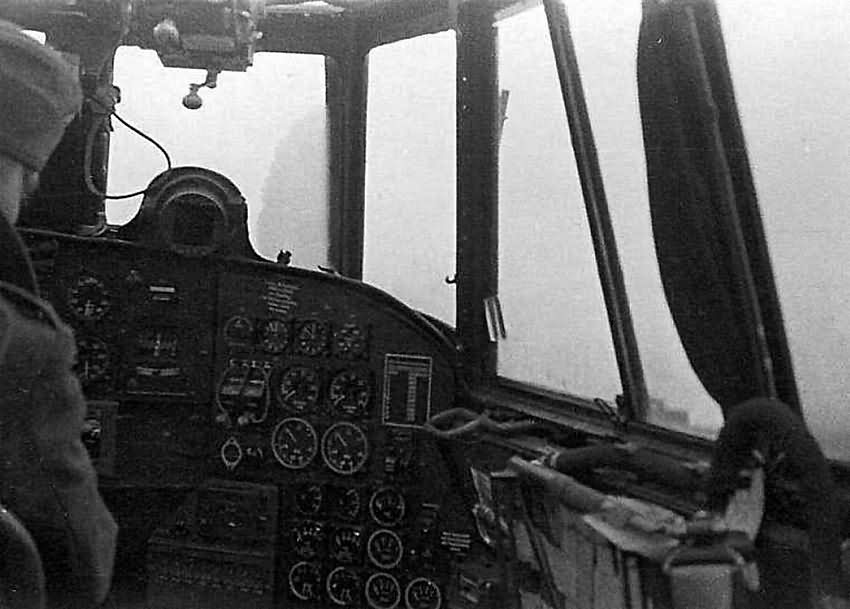
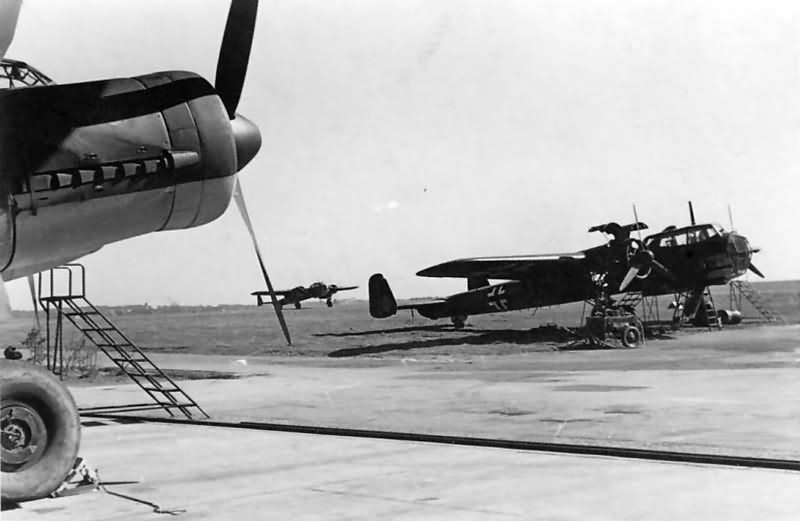
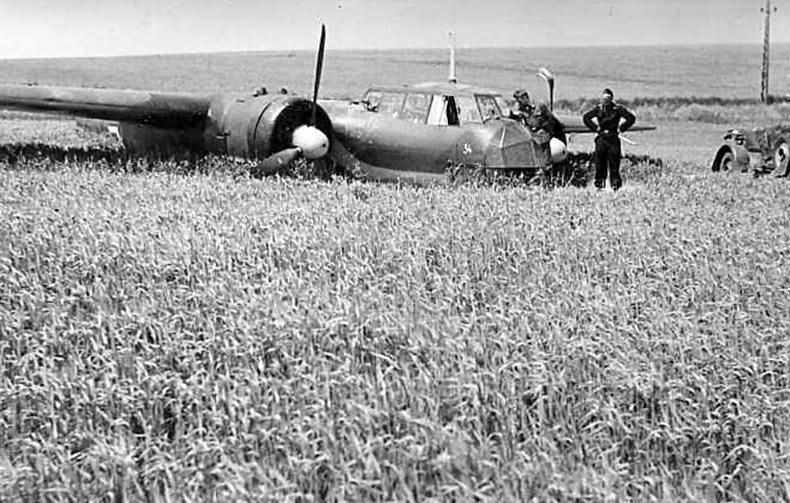
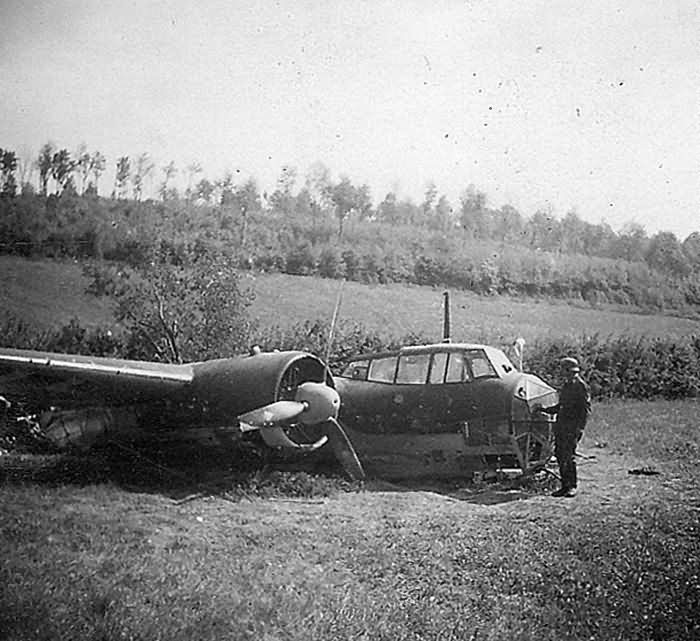
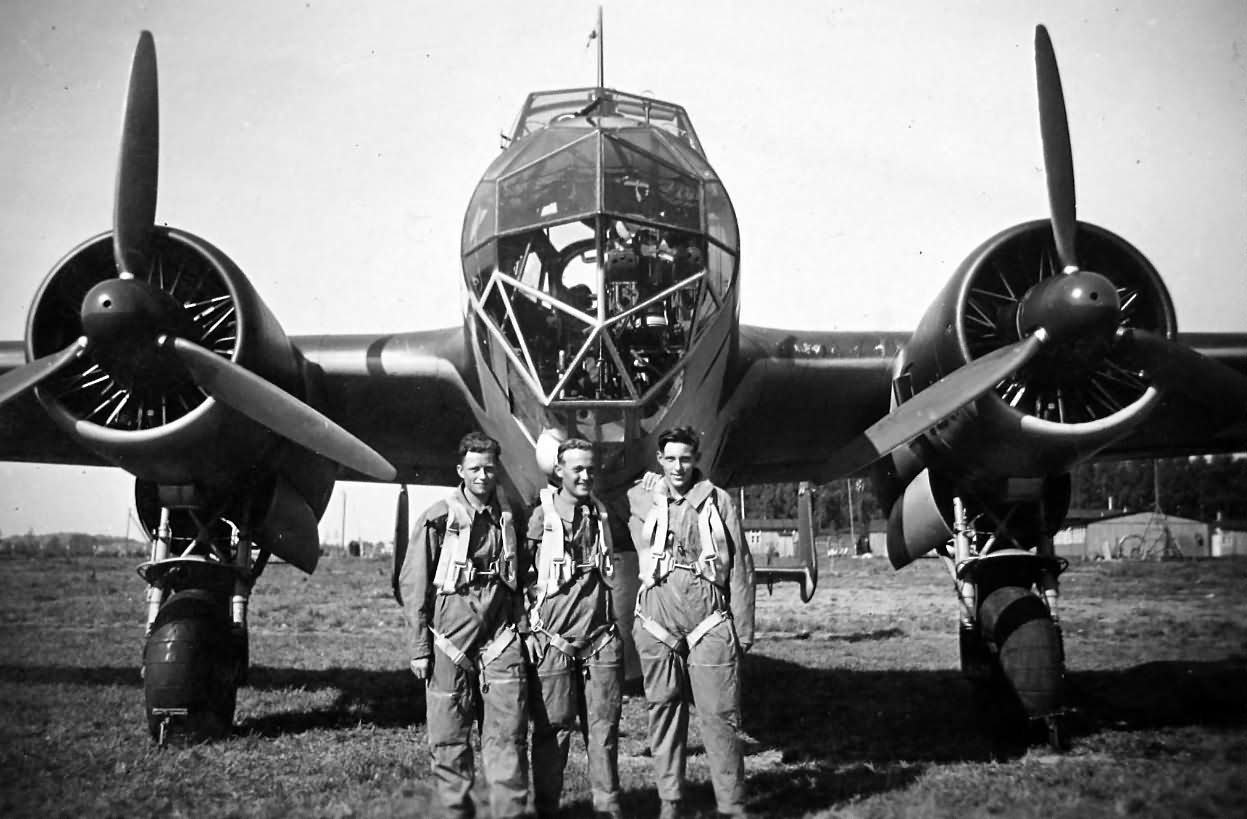
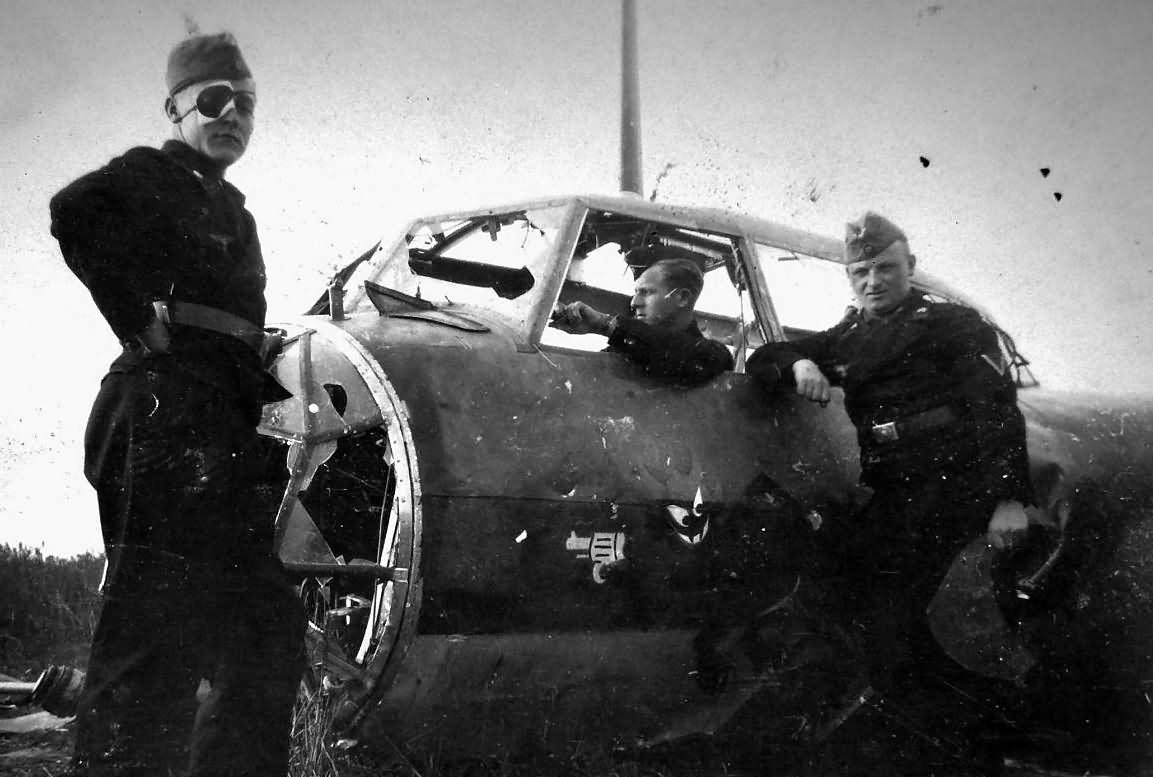
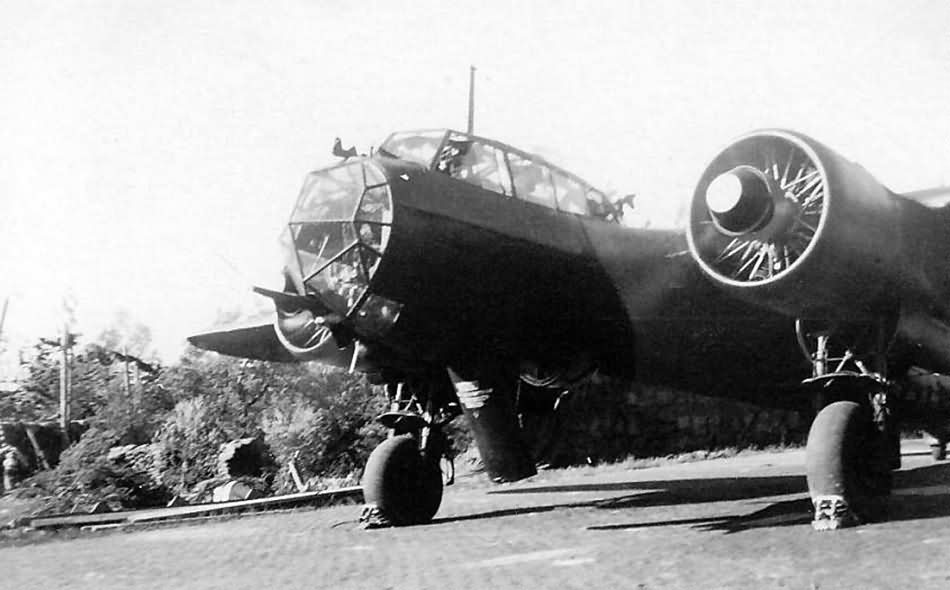
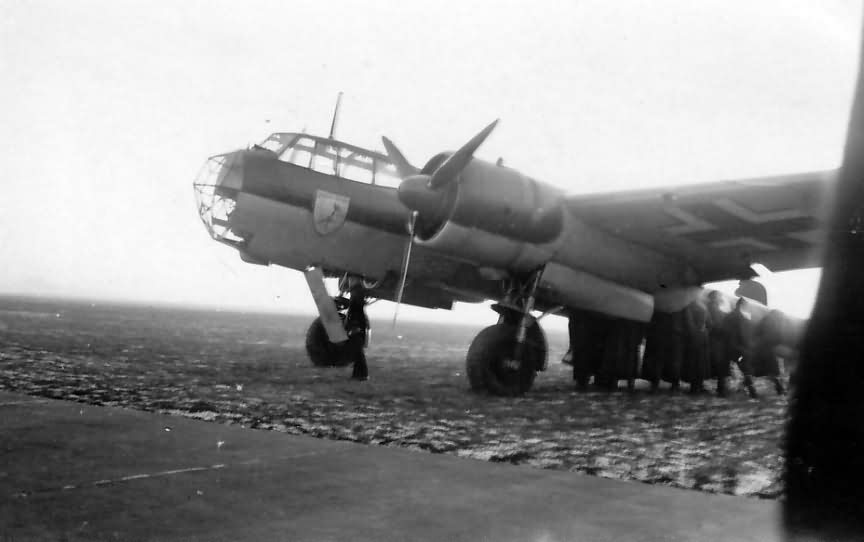
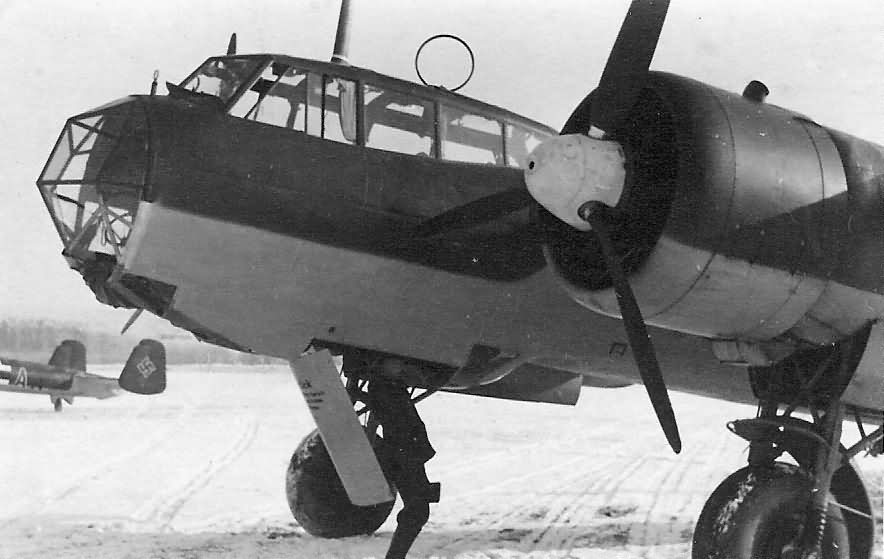
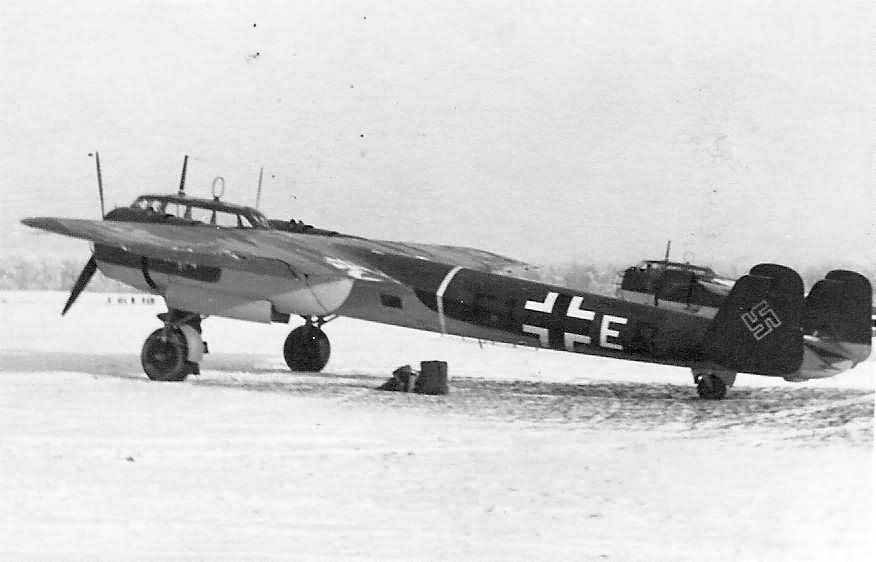
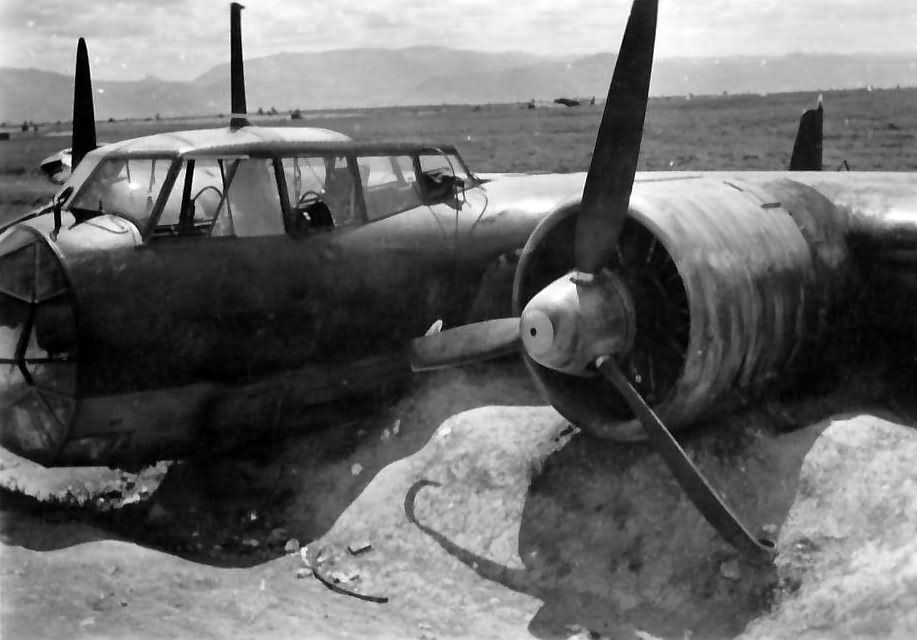
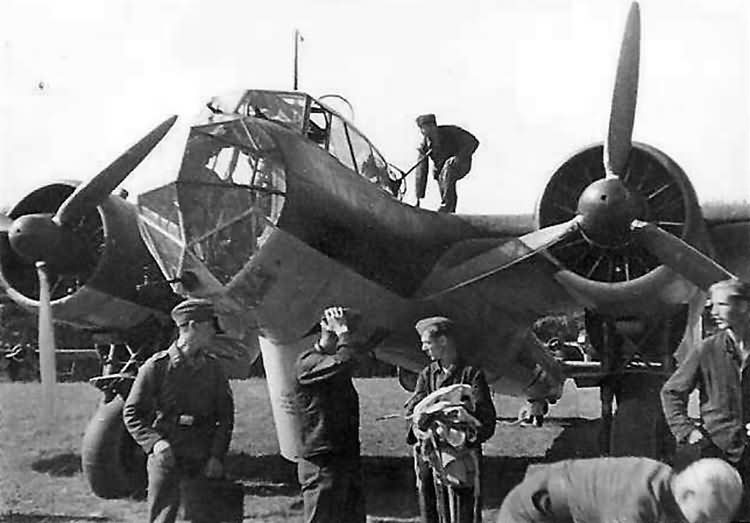
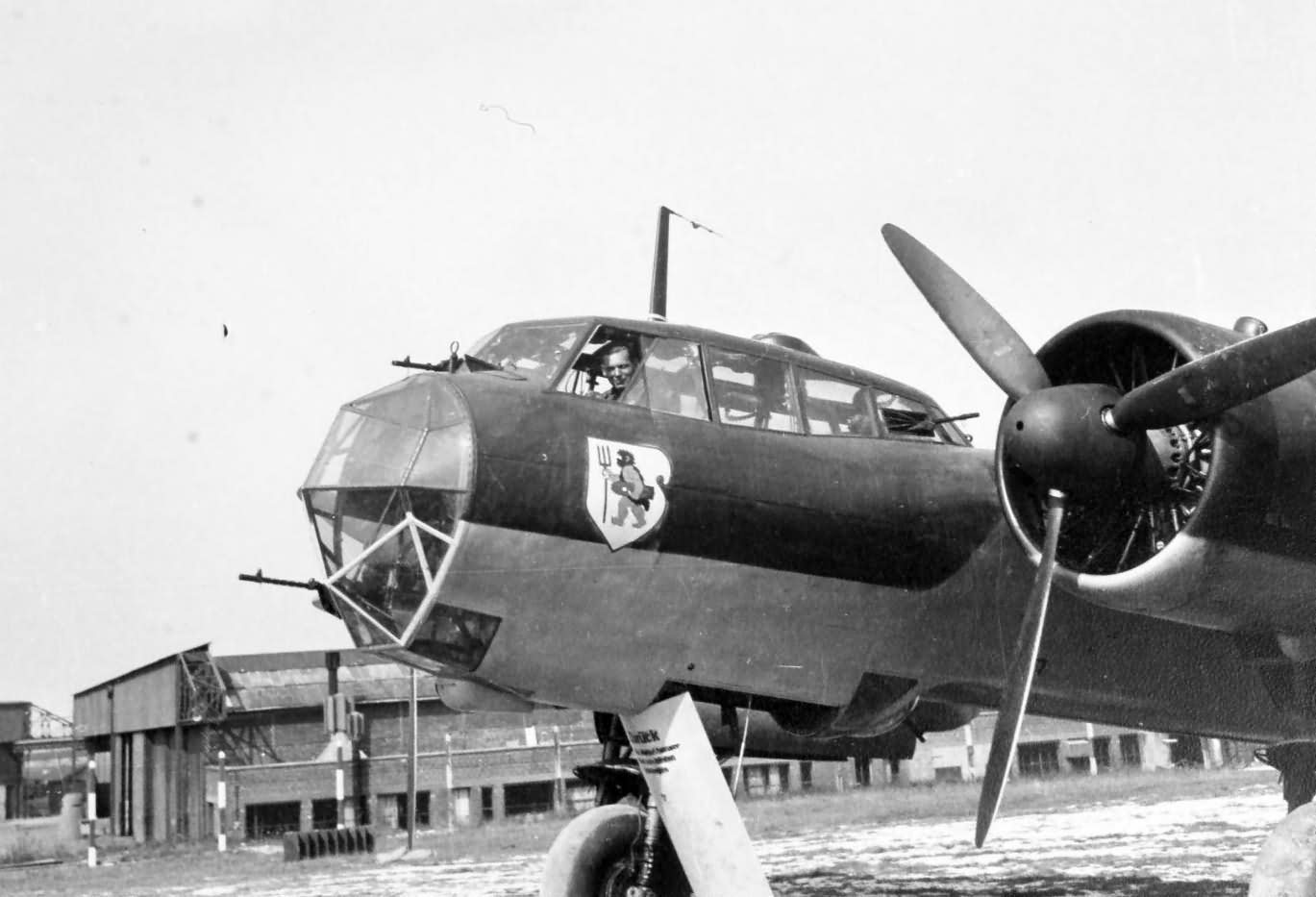
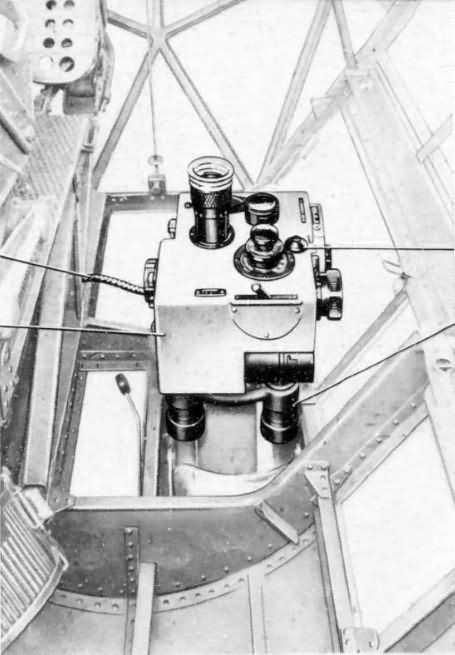
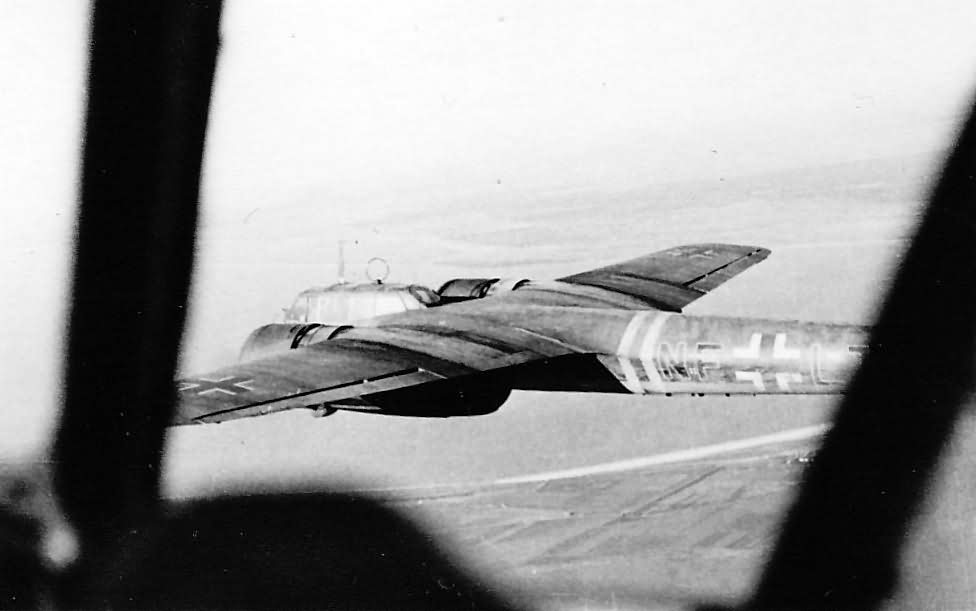
Dornier Do 17, nicknamed the “Flying Pencil” (Fliegender Bleistift) due to its exceptionally slender fuselage, was a major German twin-engine bomber, reconnaissance aircraft, and night fighter used by the Luftwaffe during the early years of World War II. Developed in 1934 by Dornier Flugzeugwerke initially under the guise of a high-speed commercial mail and passenger plane for Lufthansa to circumvent Versailles Treaty restrictions, the aircraft was rejected for civilian passenger use due to its cramped cabin. Reconfigured as a Schnellbomber (fast bomber) capable of outrunning contemporary fighters, early prototypes (V1–V14) introduced a twin-tail design for improved stability and tested various powerplants. The aircraft entered mass production across multiple variants: the early Do 17E/F powered by BMW VI engines; the Do 17K produced under license for Yugoslavia; the Do 17M/P/S/U featuring upgraded airframes and BMW Bramo or BMW 132 engines; and the most widely produced variant, the Do 17Z (872 built), which featured a enlarged, glazed nose cabin for a four-person crew, increased defensive armament (up to eight MG 17 machine guns), Bramo 323P Fafnir engines (1,010 hp), and a 1,000 kg bomb capacity. Though highly effective and faster than Polish fighters during the September 1939 invasion of Poland, the Do 17 suffered high losses against modern RAF fighters in the Battle of Britain due to its modest speed and range, leading to its eventual replacement by the Ju 88 and Do 217. In its final operational roles, retired airframes were converted into maritime reconnaissance planes (Z-5), dual-control trainers (Z-4), night fighters equipped with heavy nose armament, infrared sensors, and FuG 202 Lichtenstein radars (Do 17Z-10 Kauz), while an export derivative with DB 601 engines was produced as the Do 215 (101 units built).