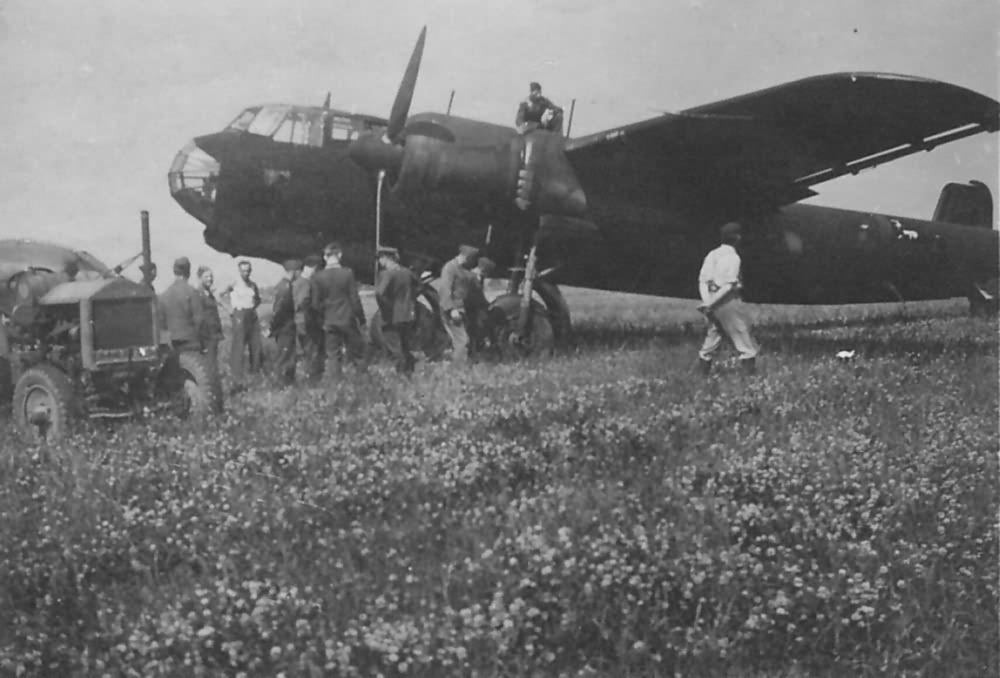
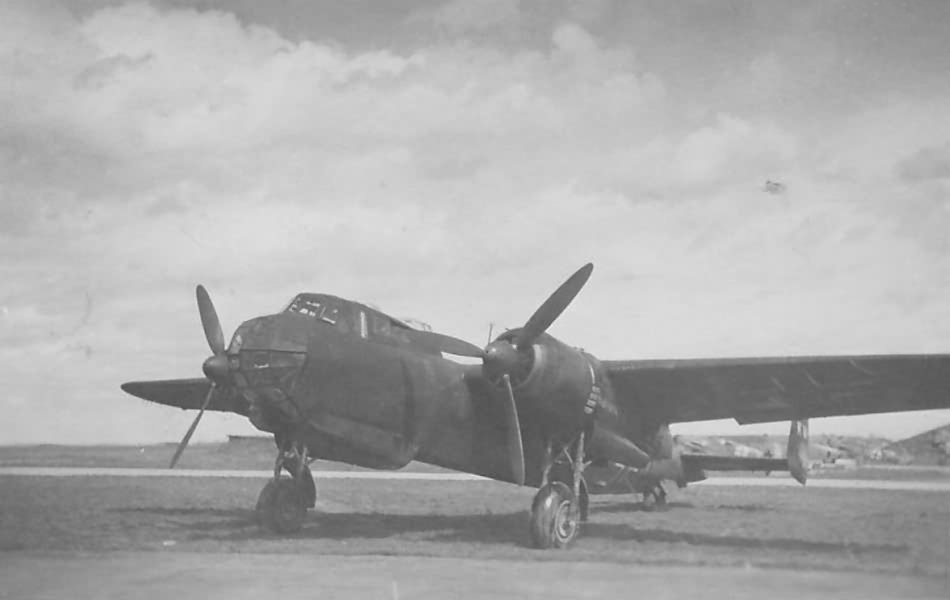
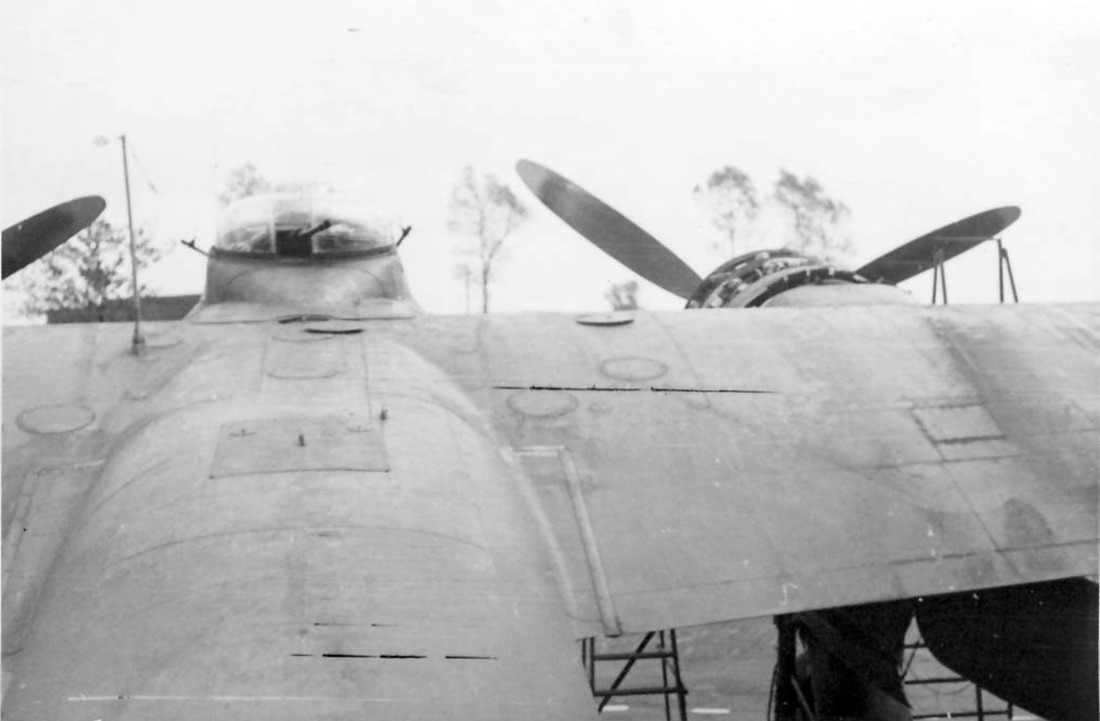
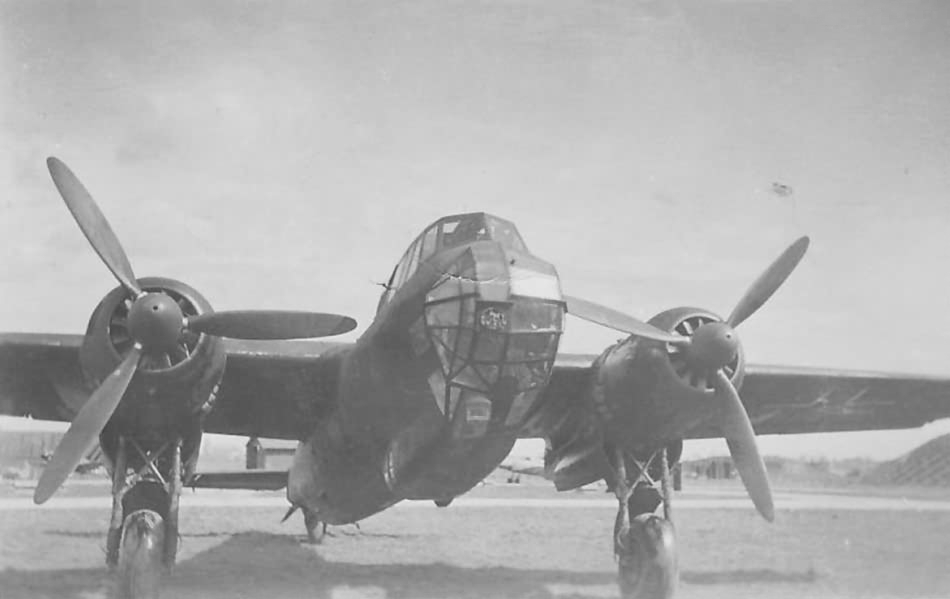
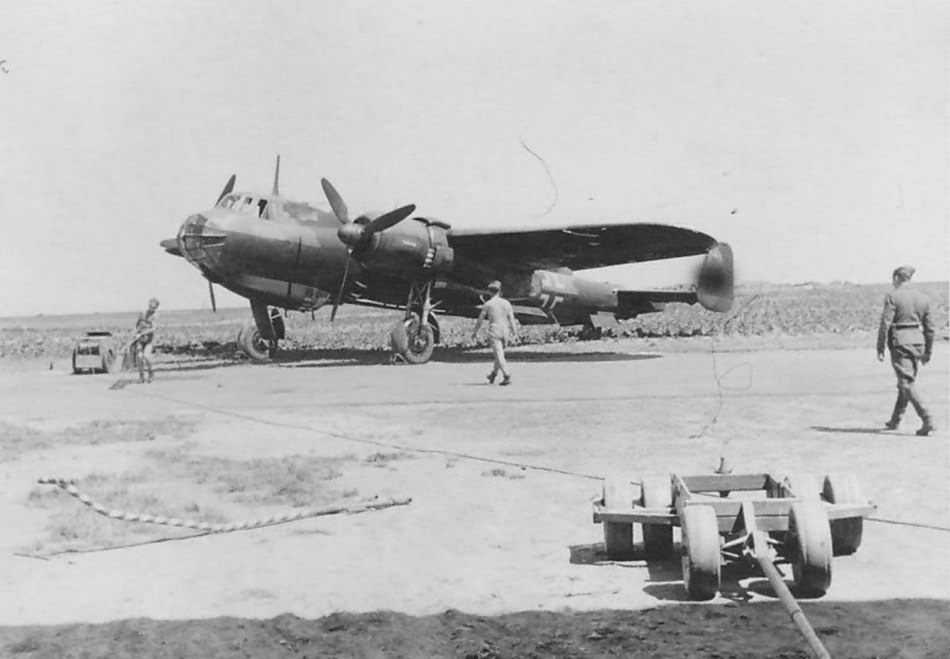
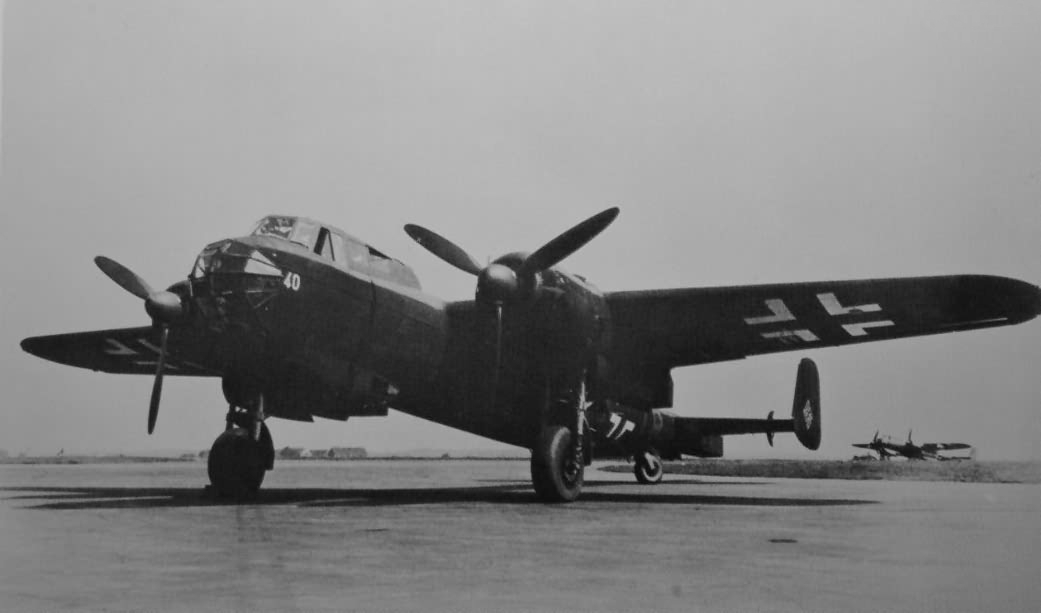
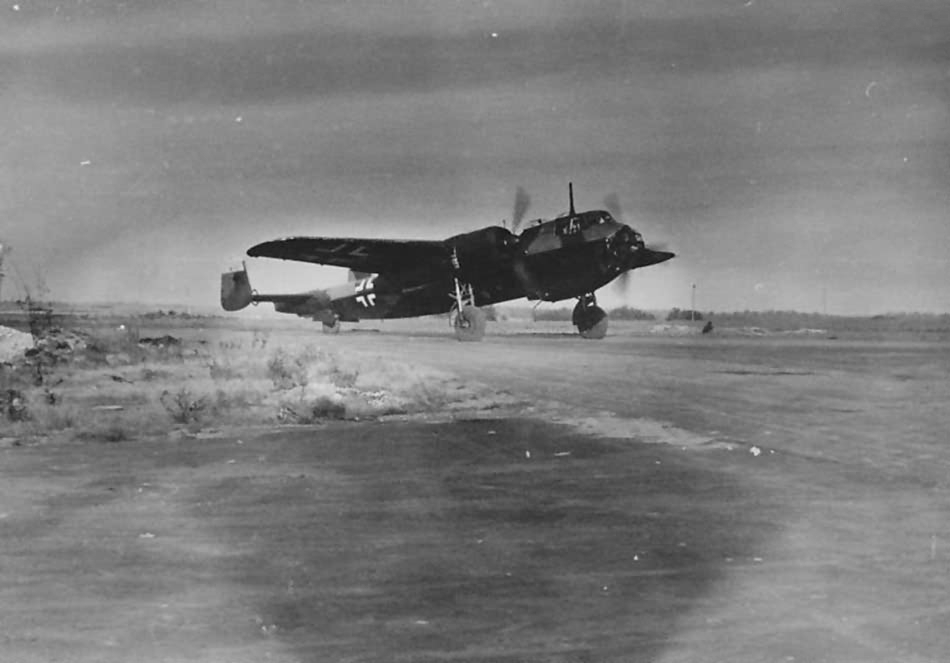
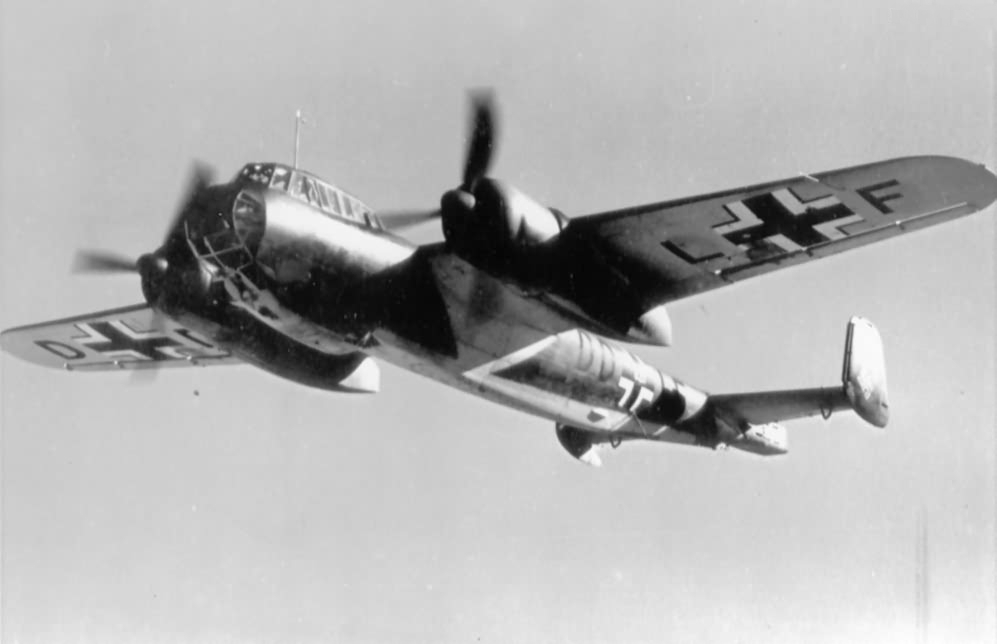
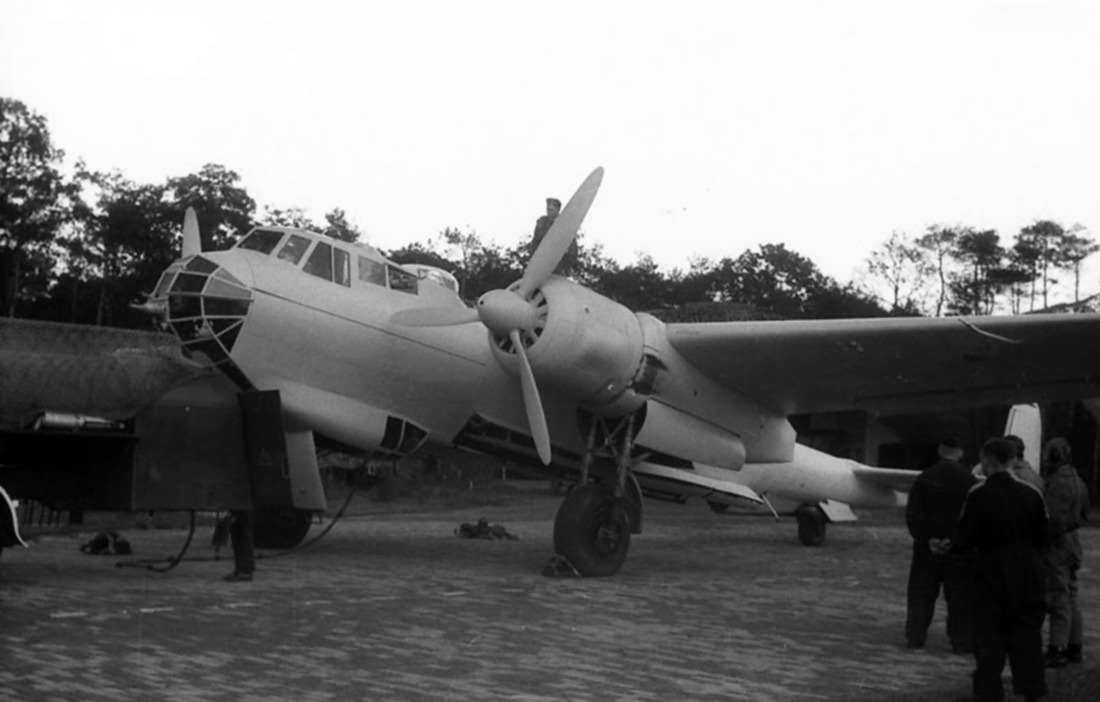
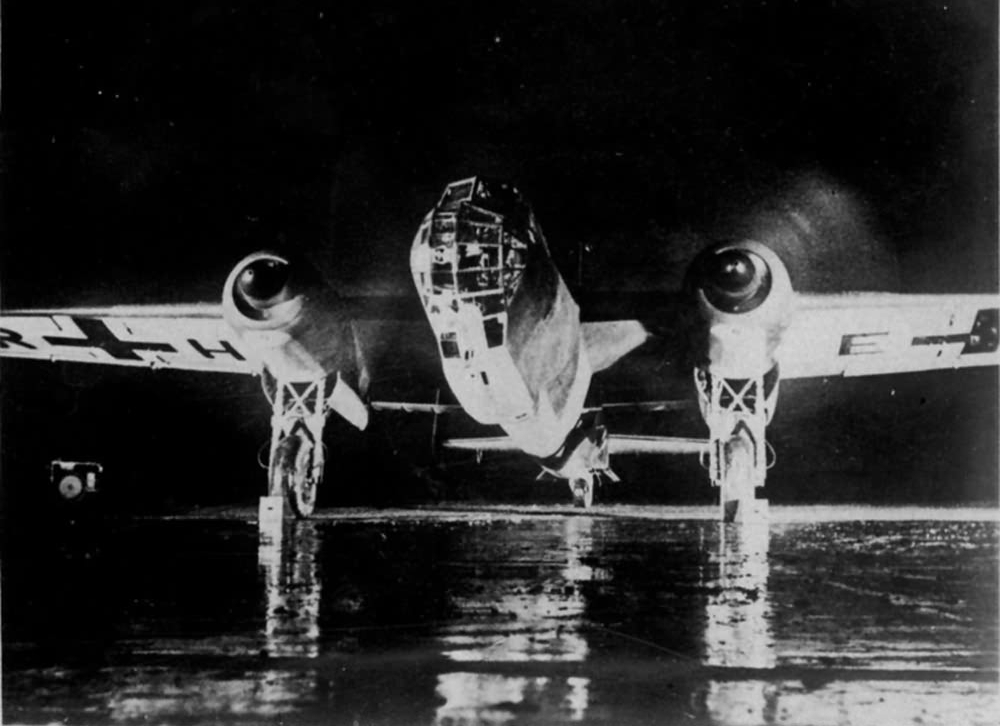
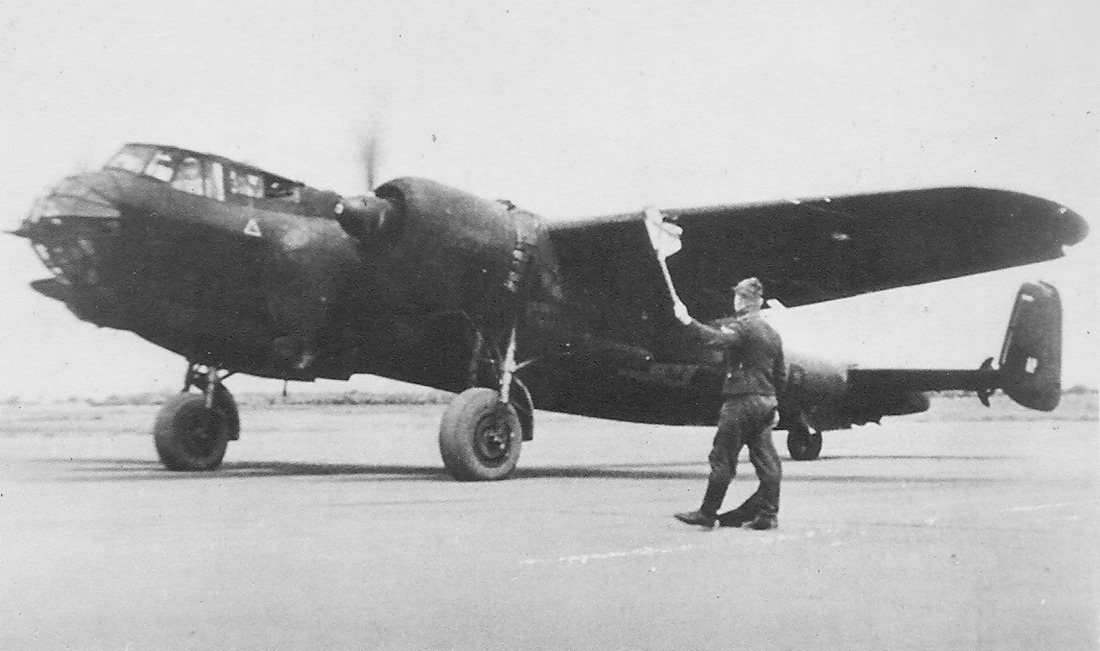
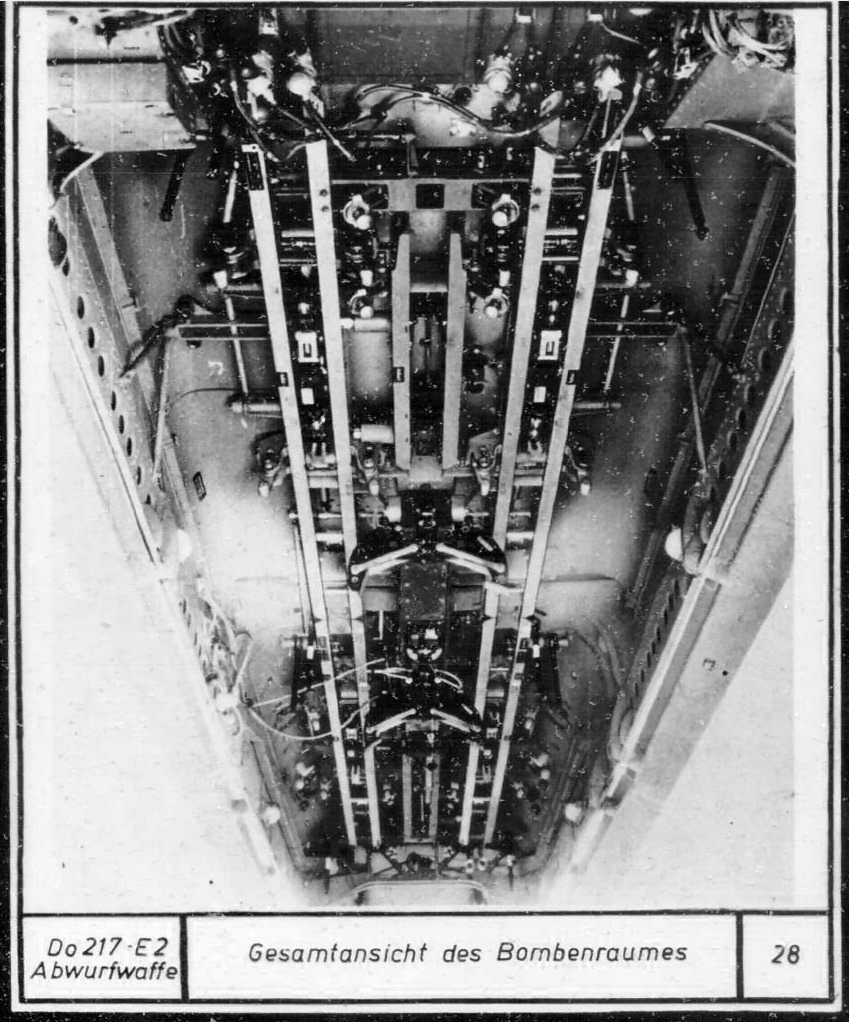
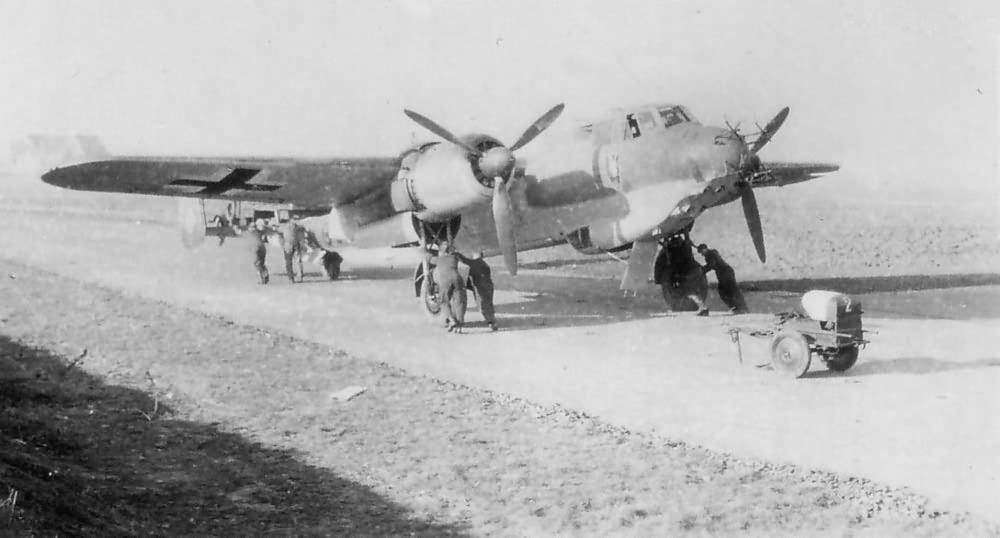
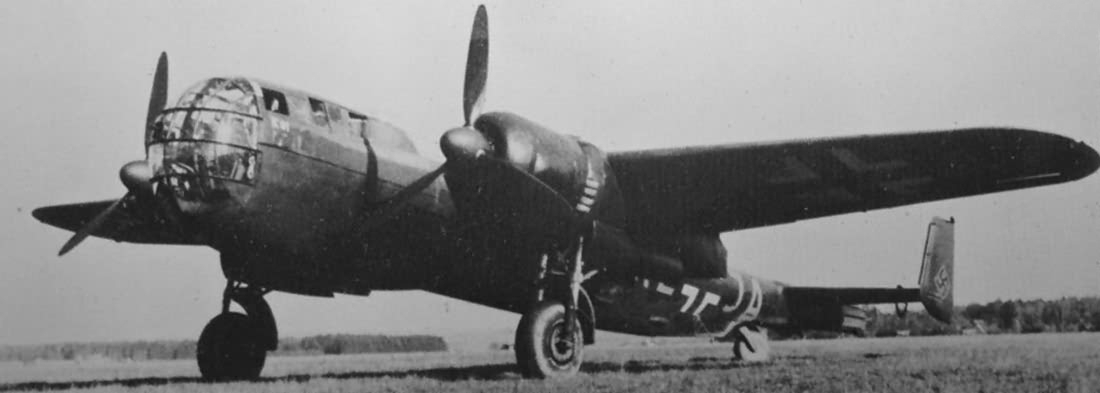
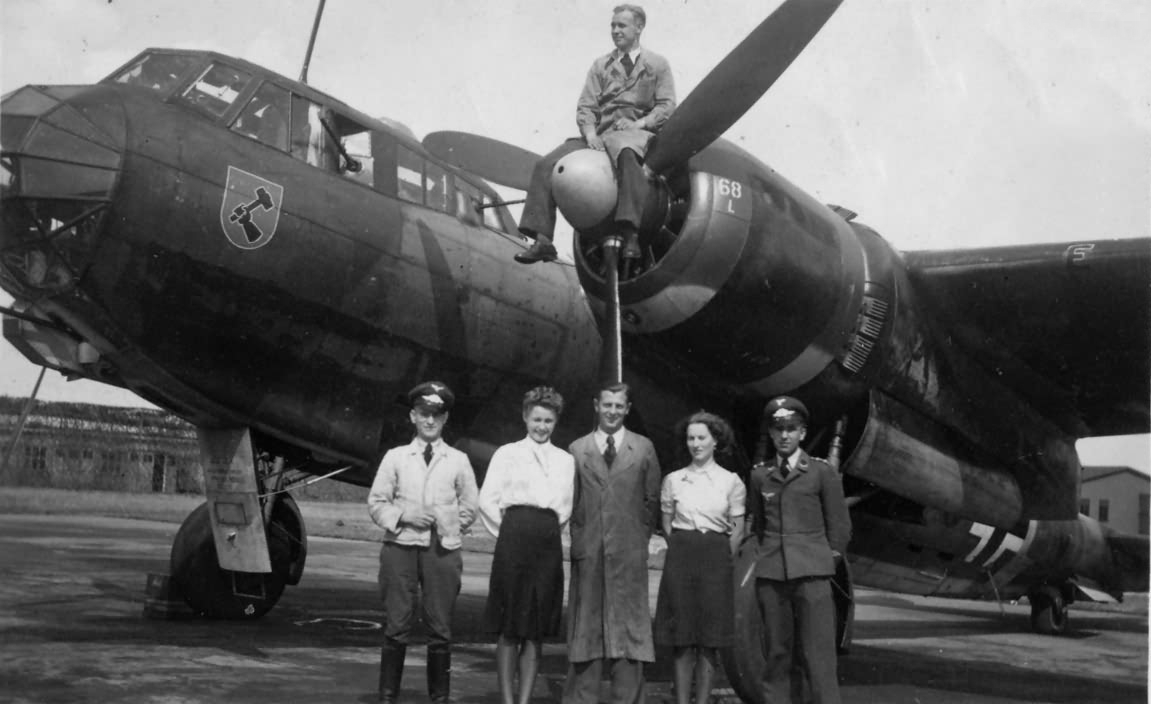
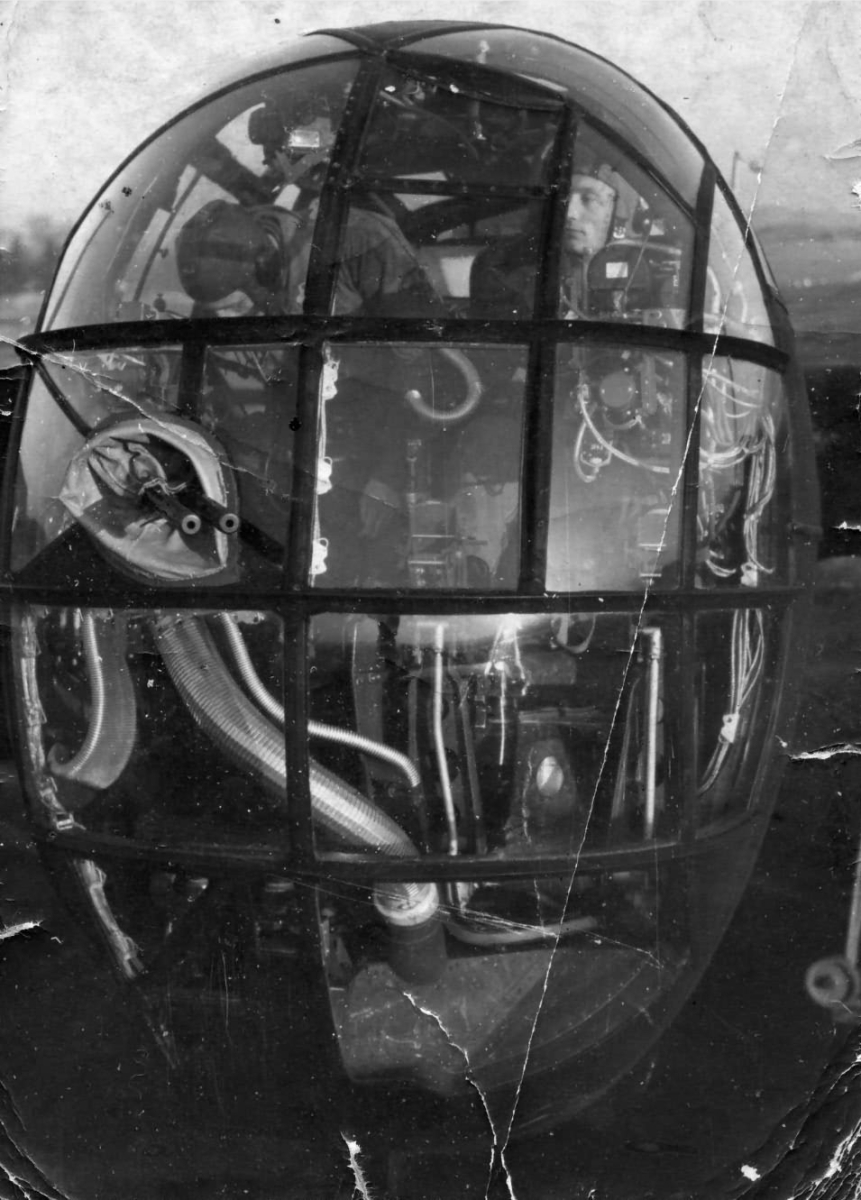
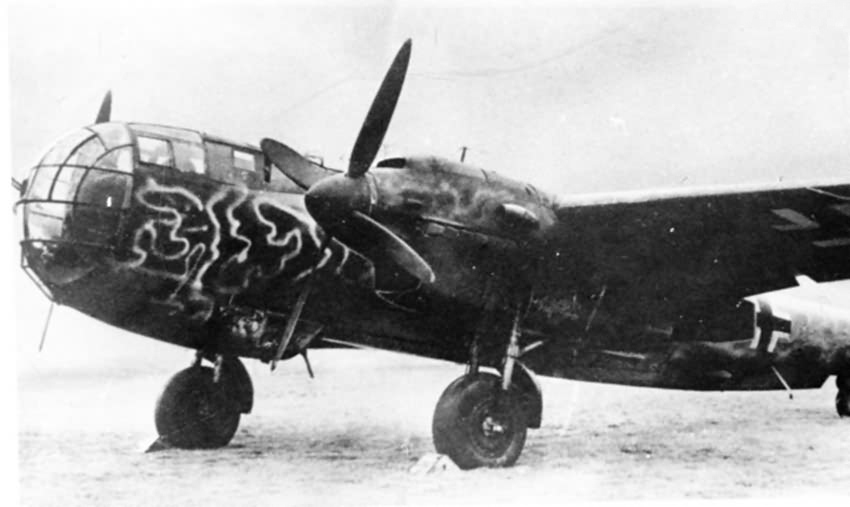
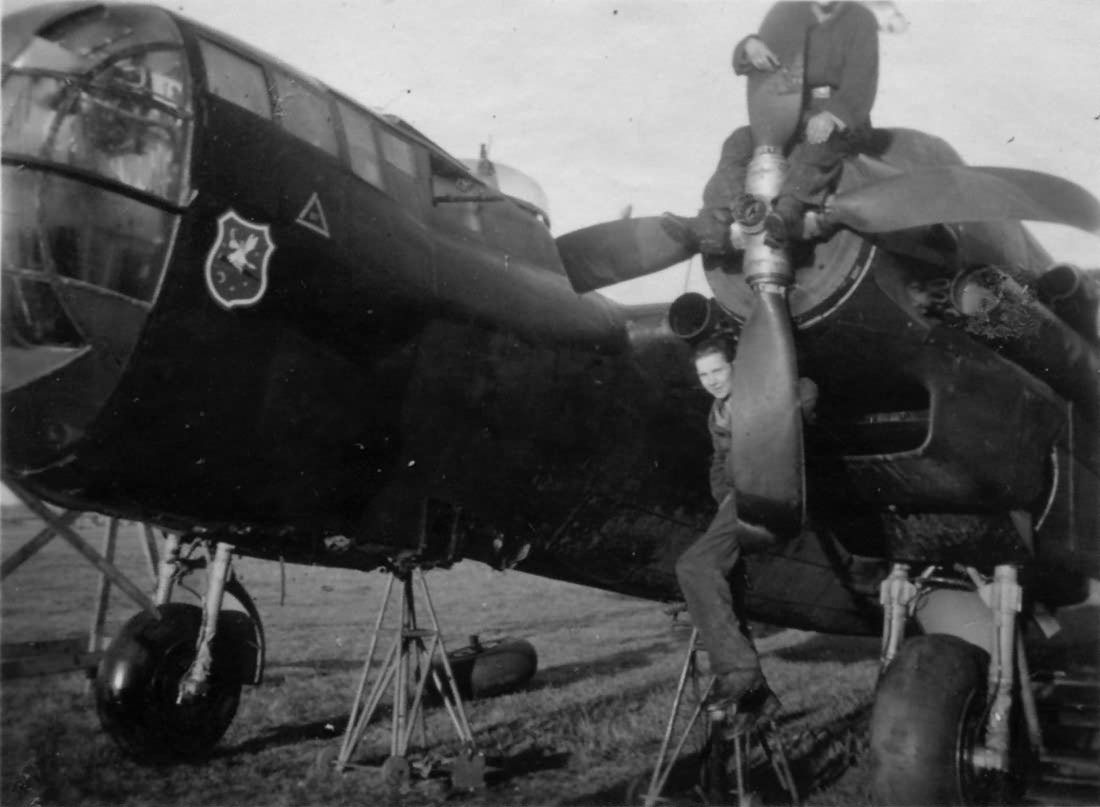
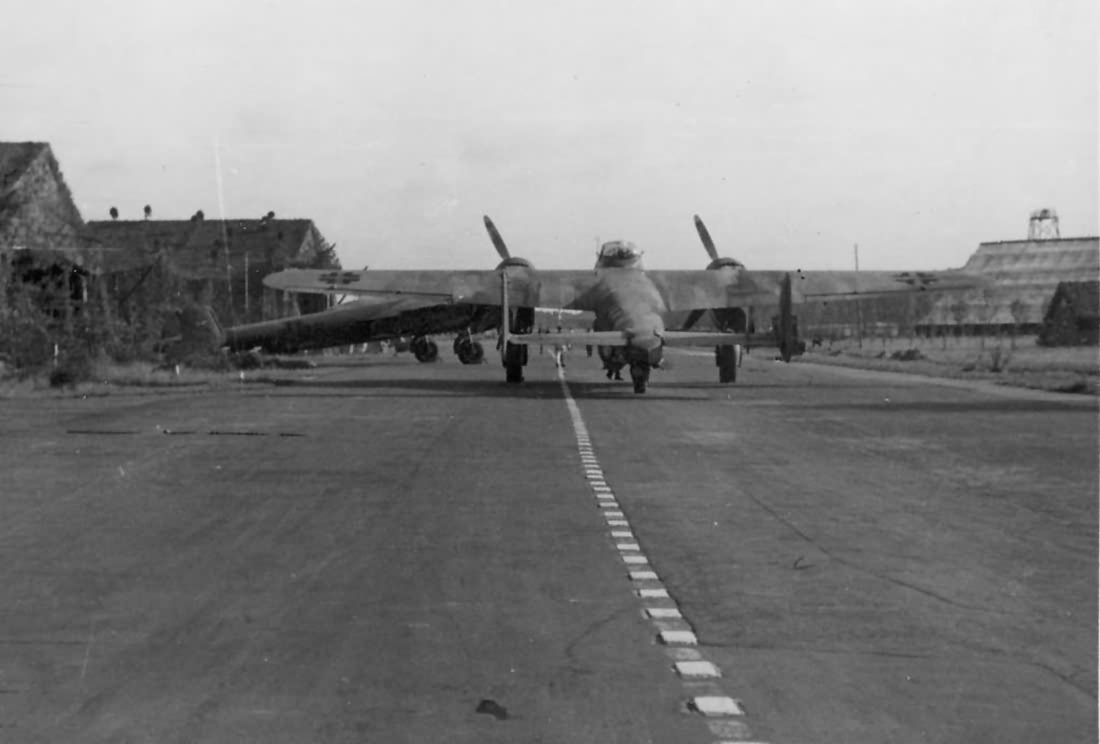
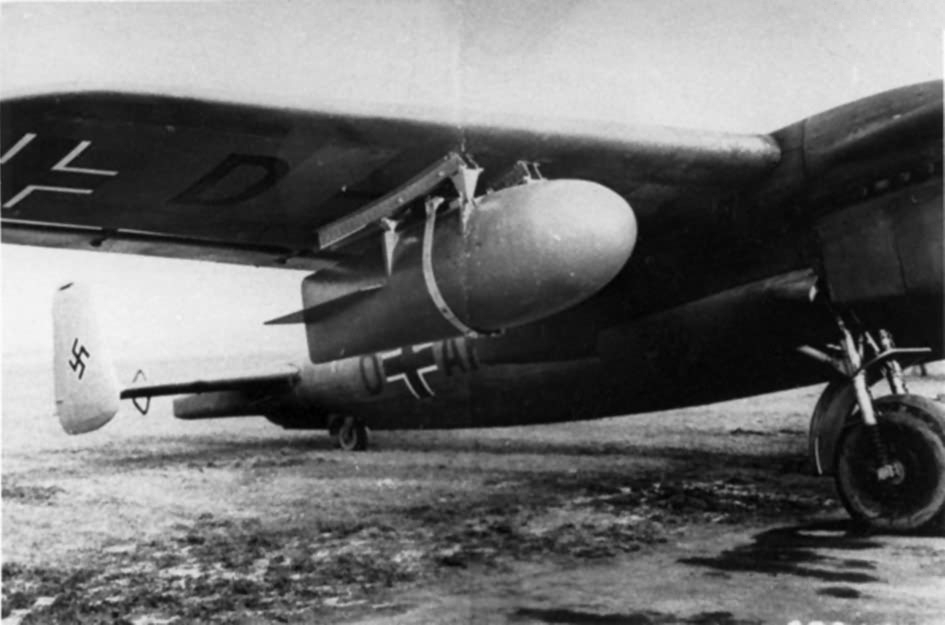
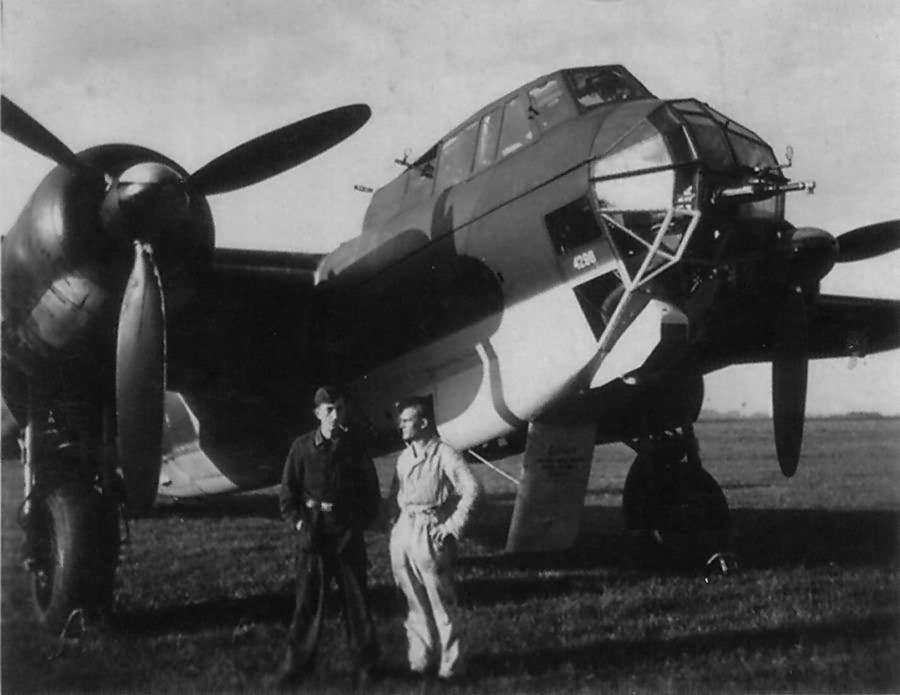
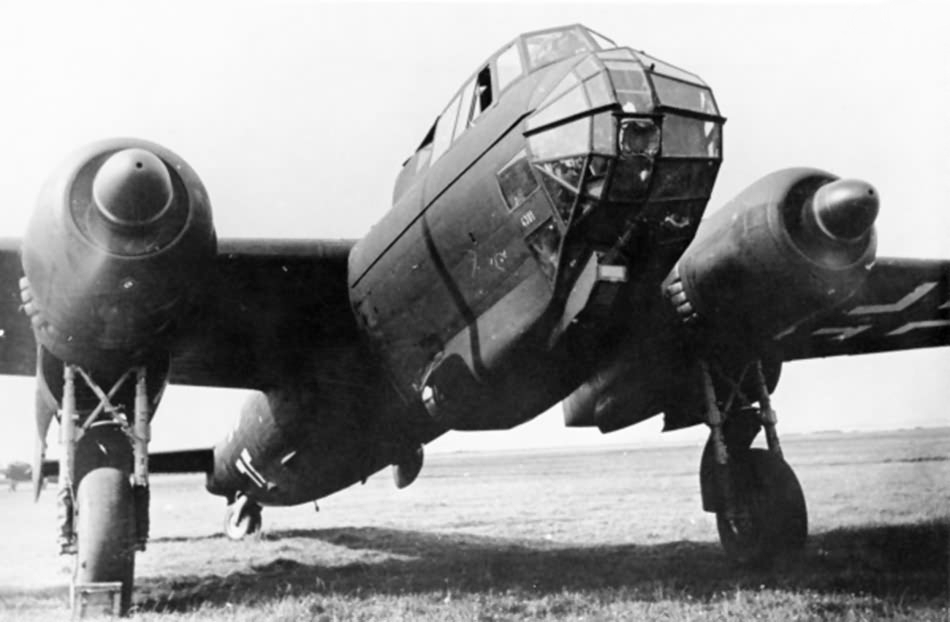
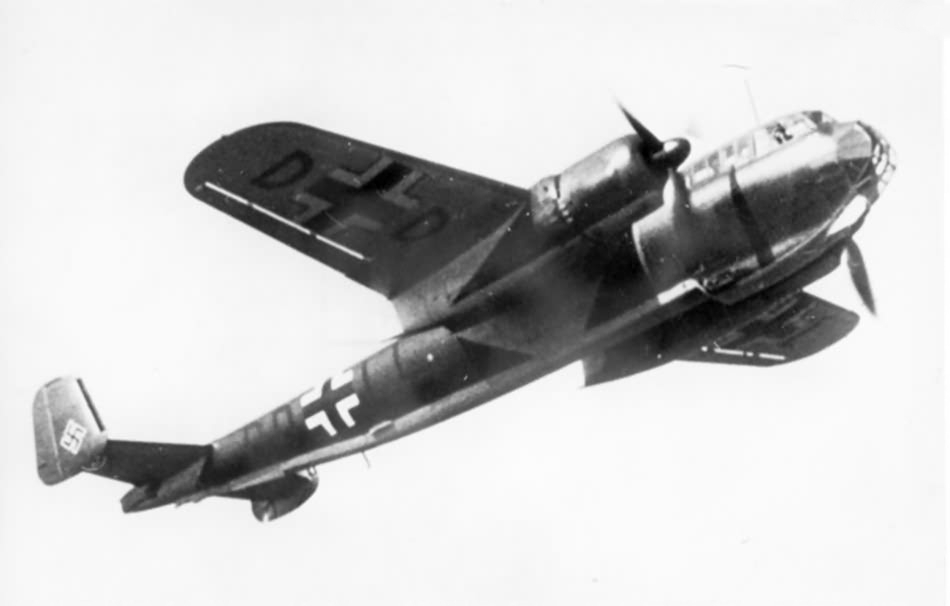
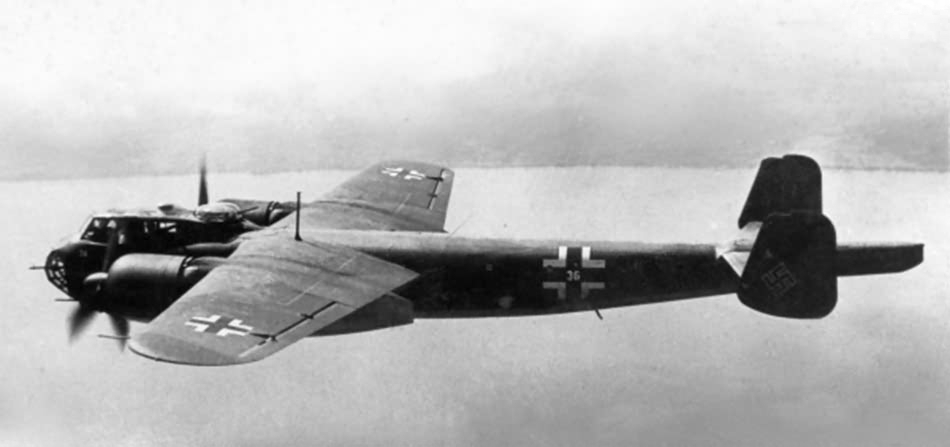
Dornier Do 217 was a German twin-engine medium bomber, reconnaissance aircraft, and heavy night fighter produced during World War II. Although it shared a similar layout with the earlier Do 17, it was an entirely separate design that weighed twice as much. First flown on October 4, 1938 (prototype V1), development progressed through testing until the Do 217 V9 was approved in 1940, introducing features like electrically retractable landing gear and hot-air wing leading-edge de-icing systems. Major production models included the initial Do 217E series (around 800 built, powered by BMW 801 radial engines and featuring remote-controlled defensive armament), the night bomber Do 217K (950 built, with a fully glazed nose), and the Do 217M powered by DB 603 inline engines. High-altitude pressurized variants conducted deep strategic reconnaissance over Britain and the Eastern Front throughout most of the war, while Do 217N versions served as heavily armed radar-equipped night fighters using upward-firing Schräge Musik autocannons. Notably, Do 217R strike aircraft were adapted to carry early precision-guided munitions—most famously using a Fritz X guided bomb on September 9, 1943, to sink the surrendering Italian battleship Roma. The type also participated in the 1942 “Baedeker Raids” against British cities with KG 2 and saw its final combat action on April 12, 1945, when KG 200 launched guided bomb attacks against Soviet Odra River crossings.