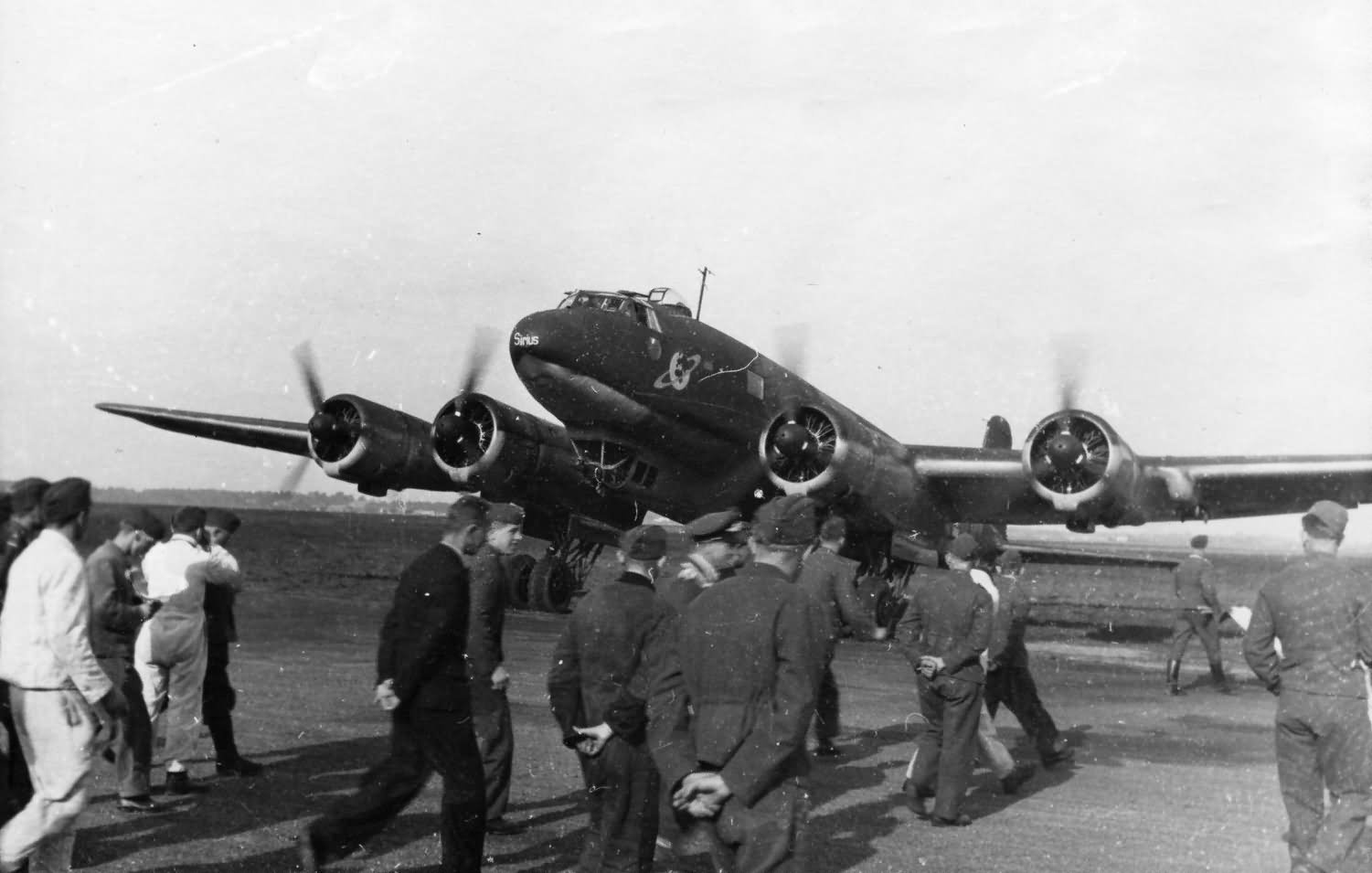
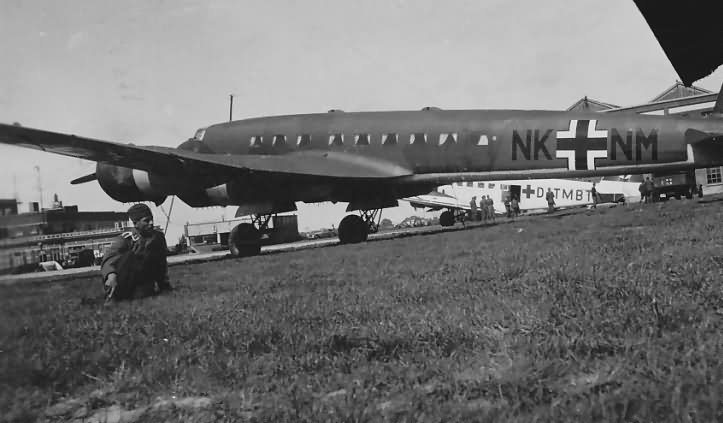
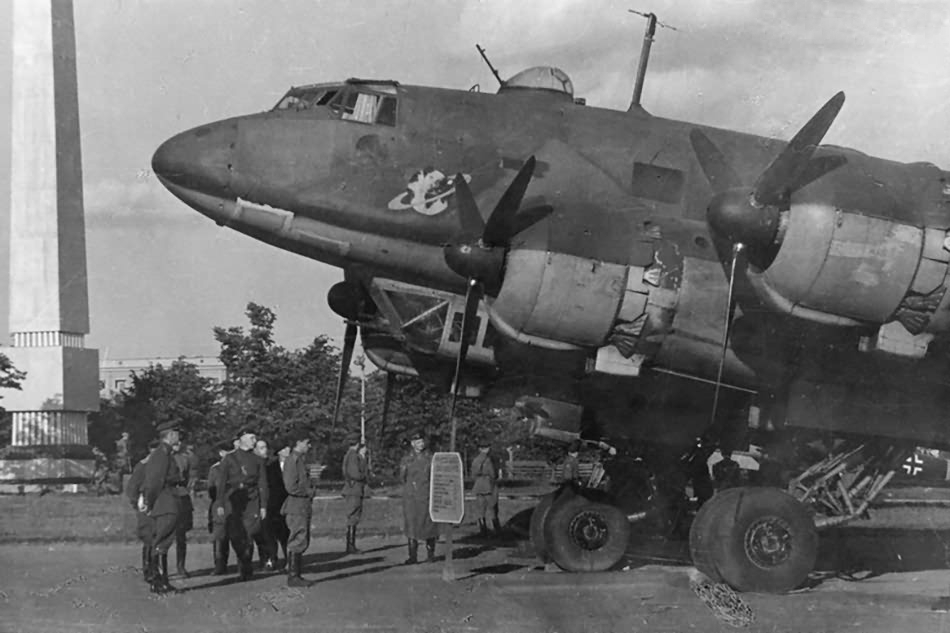
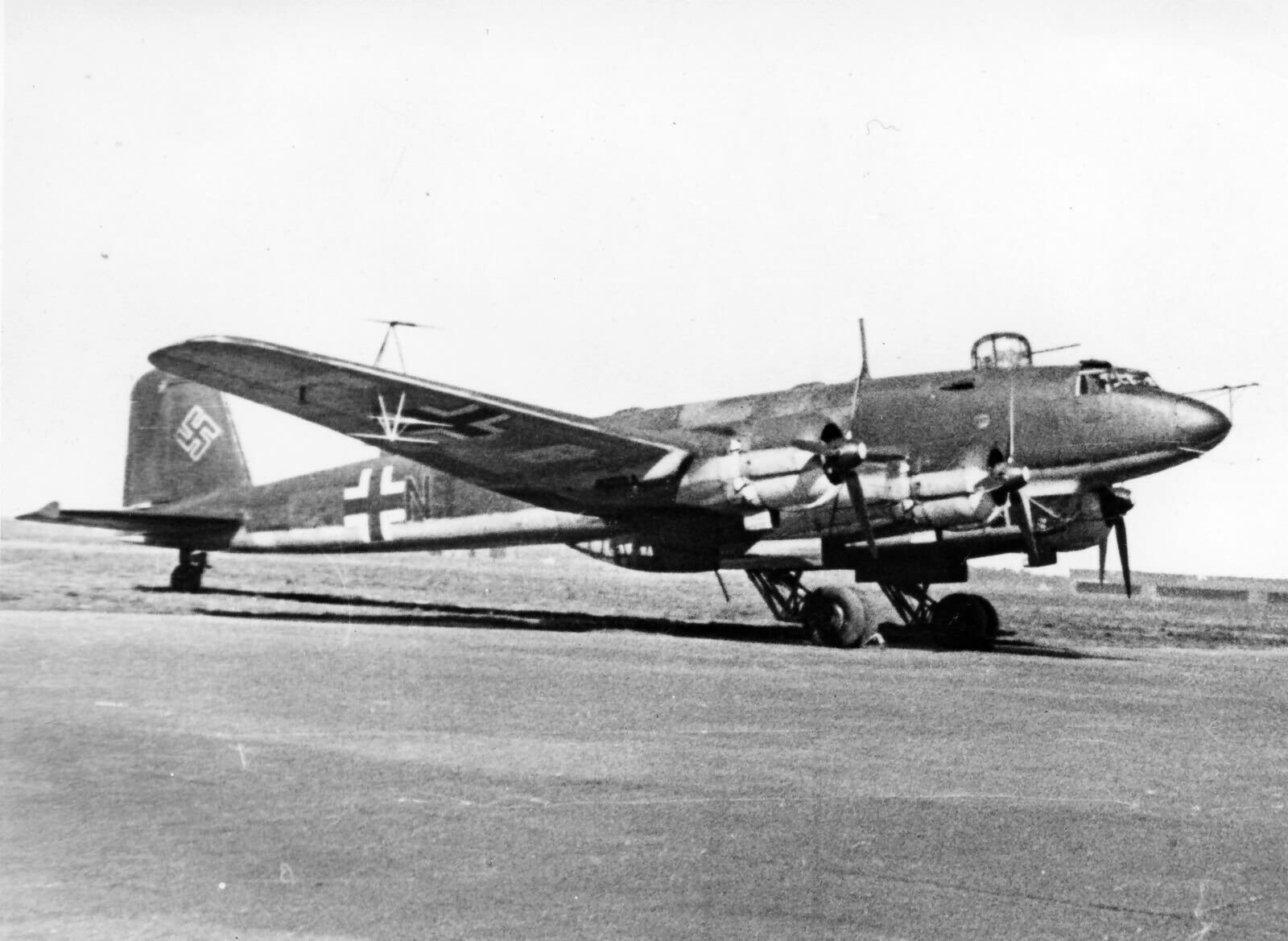
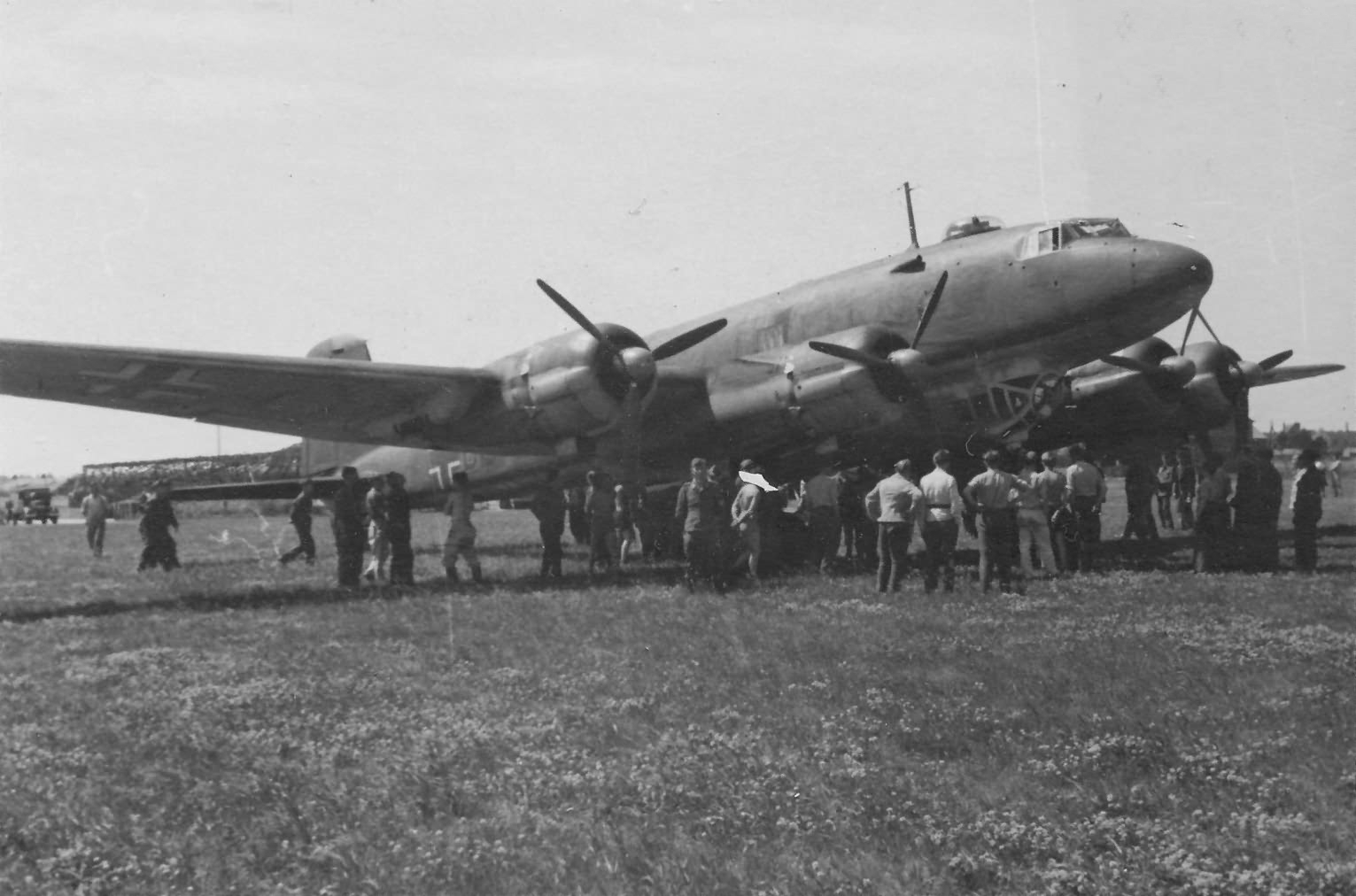
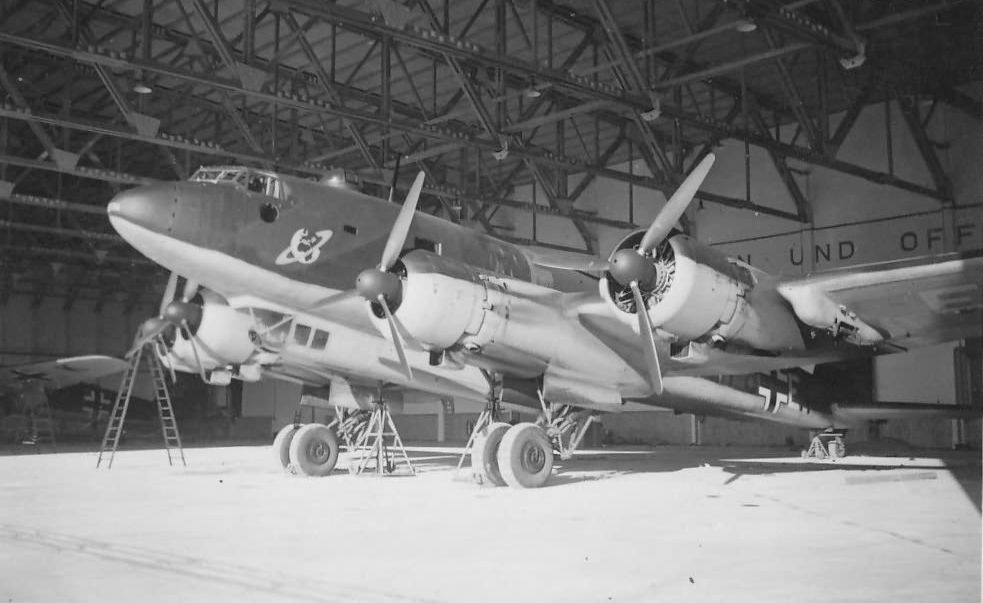
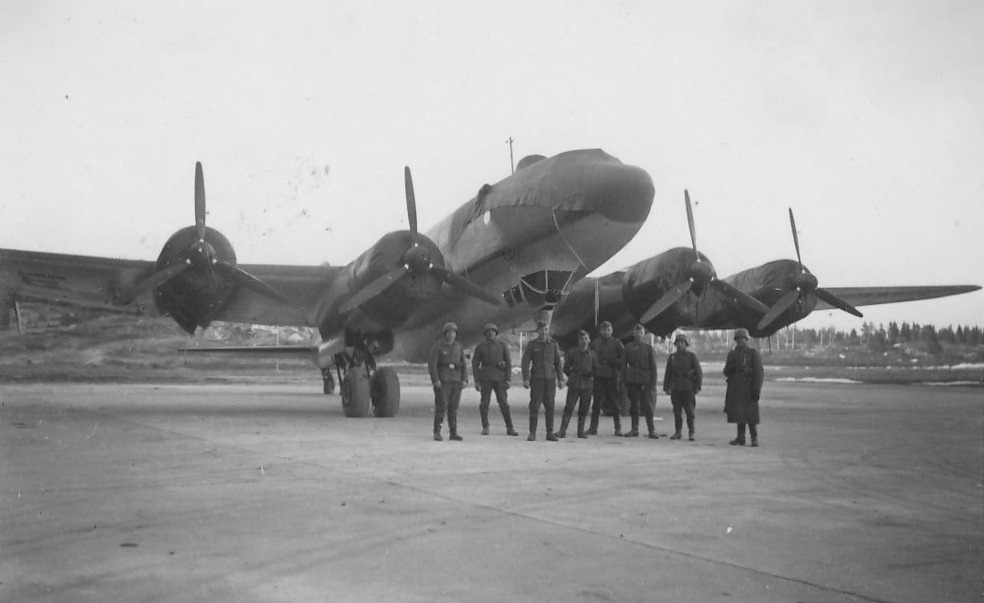
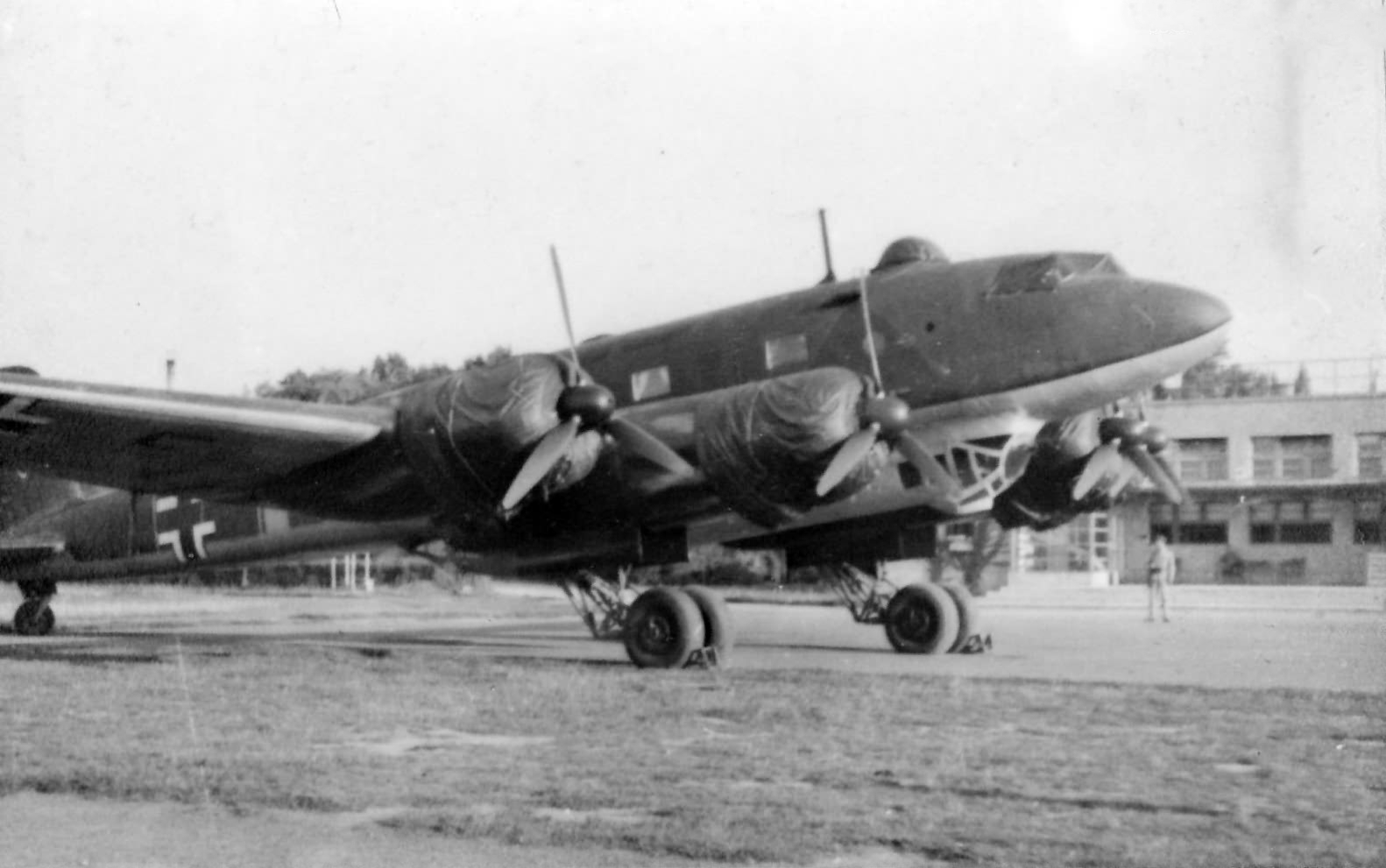
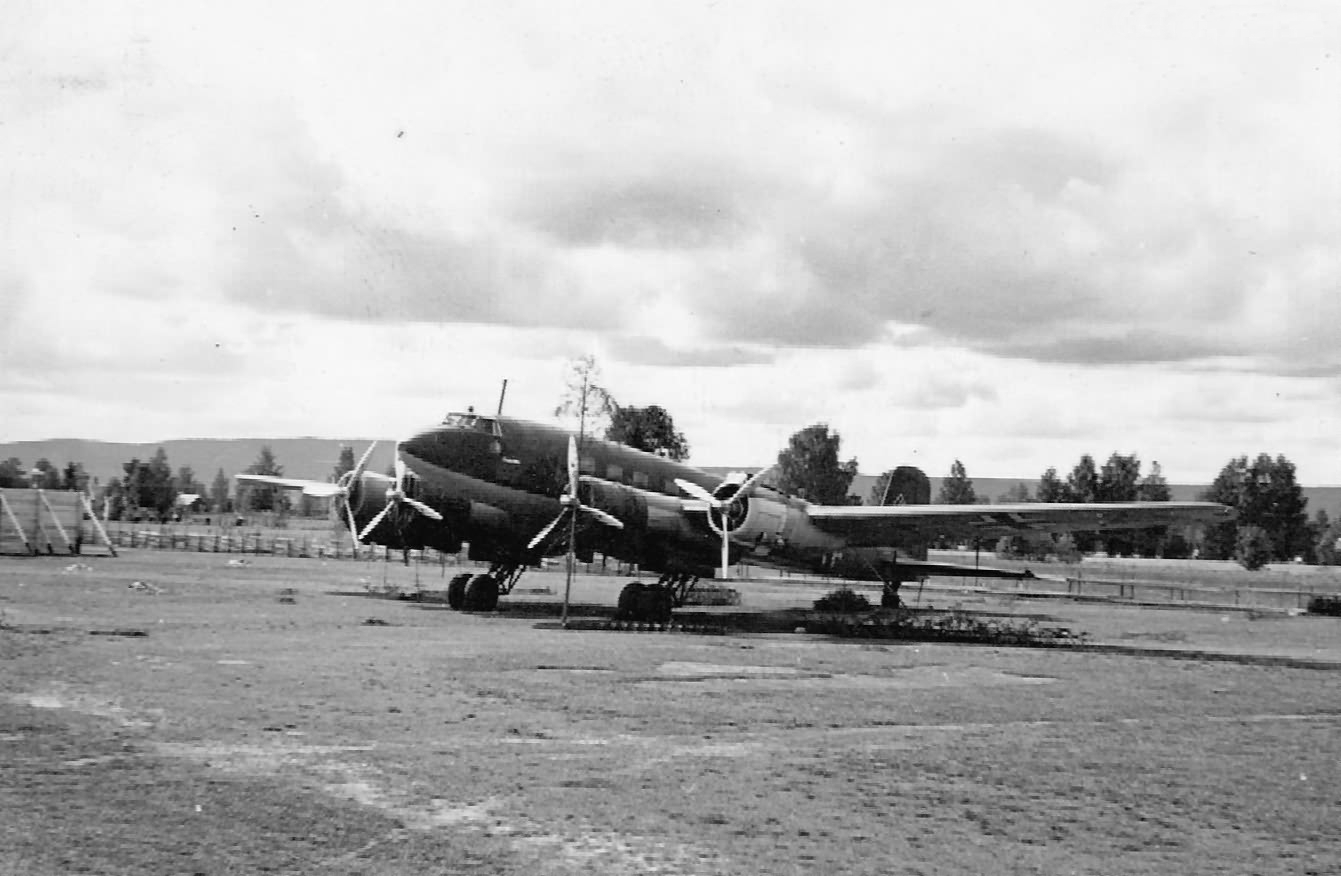
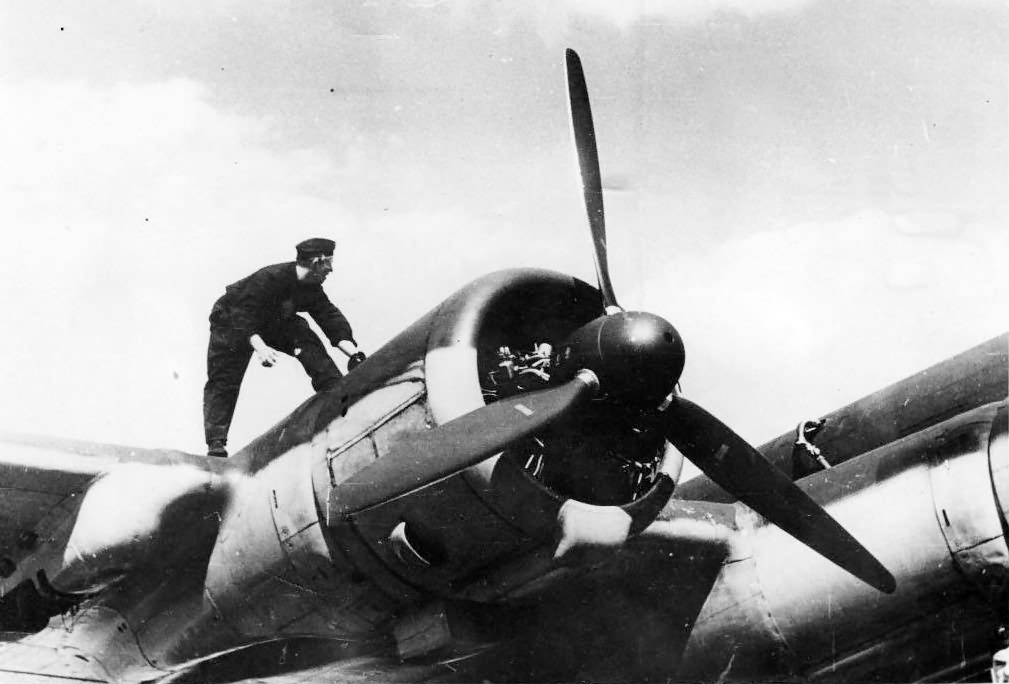
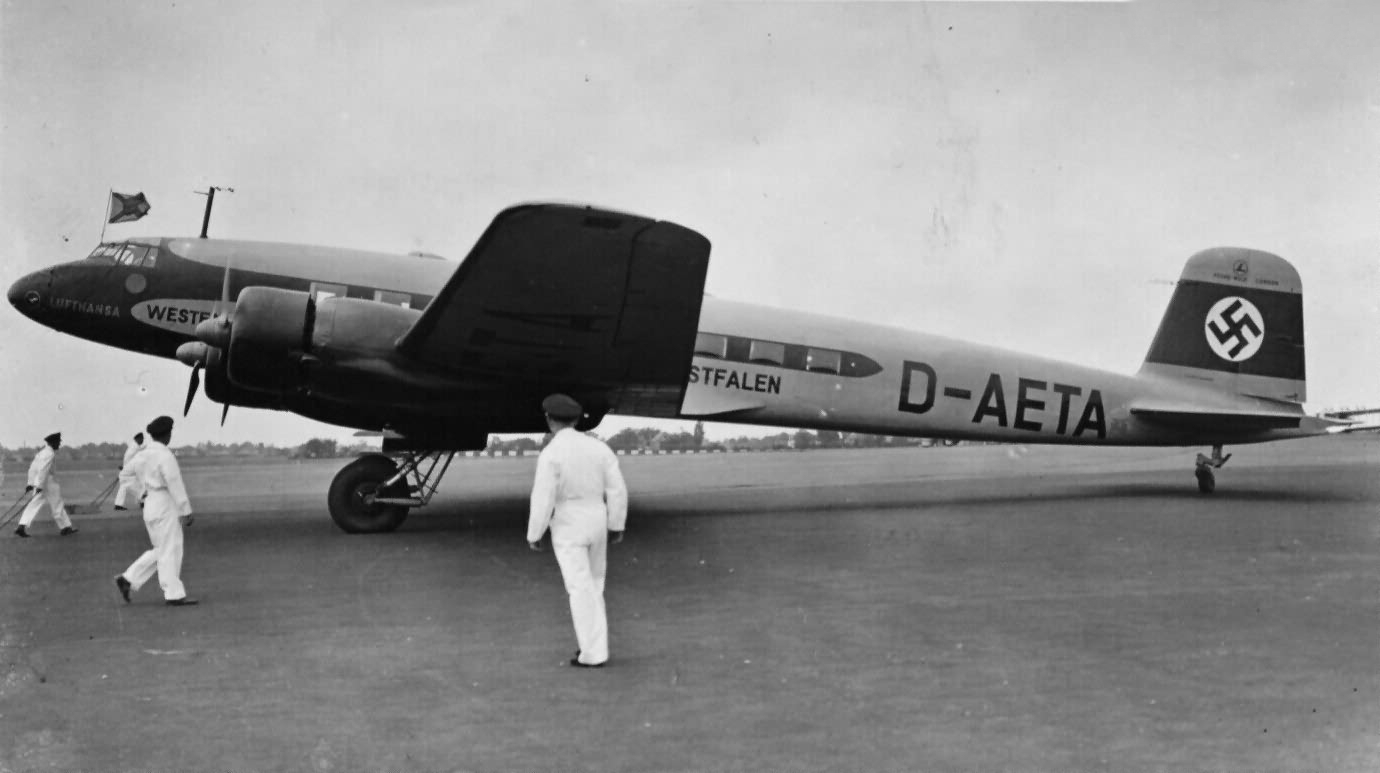
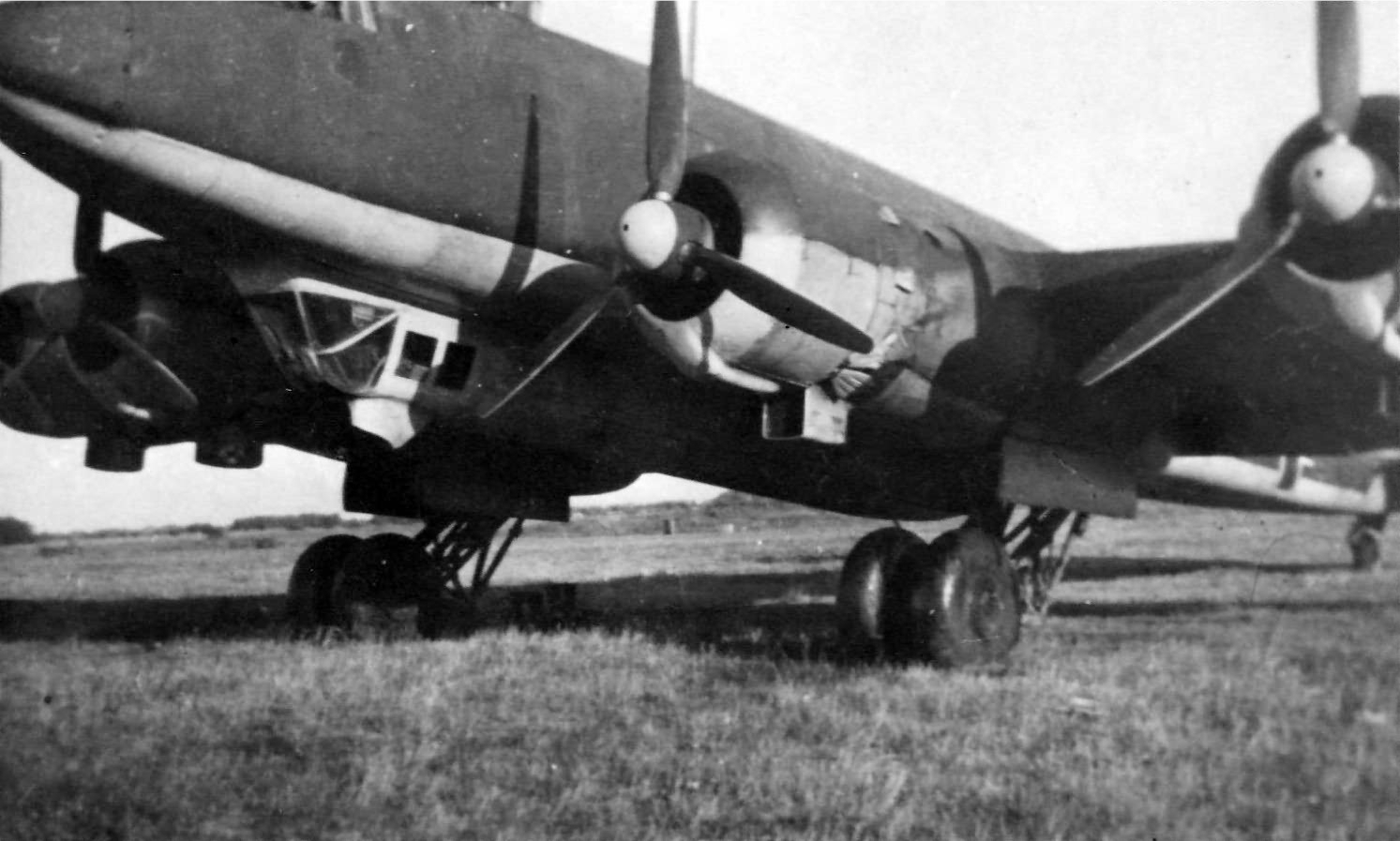
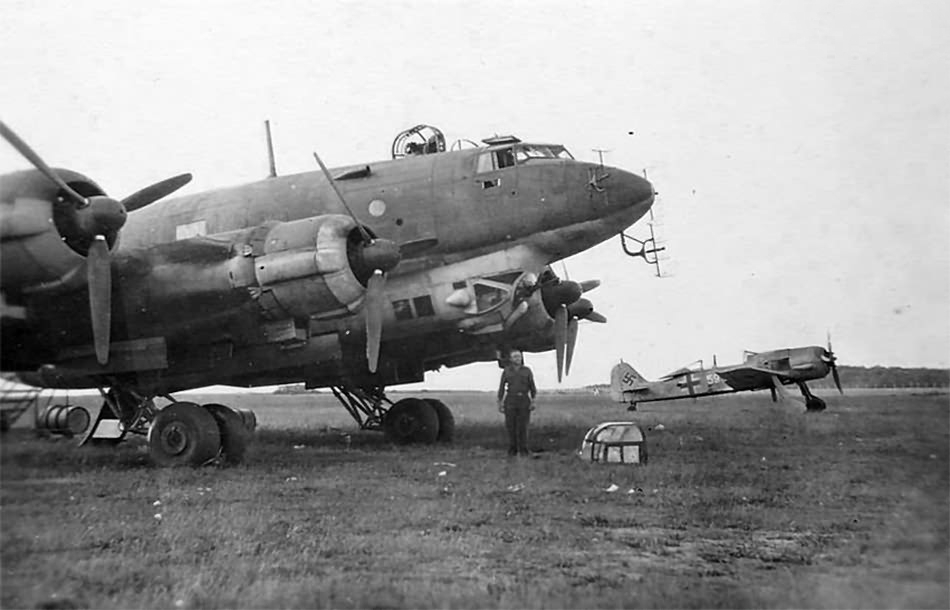
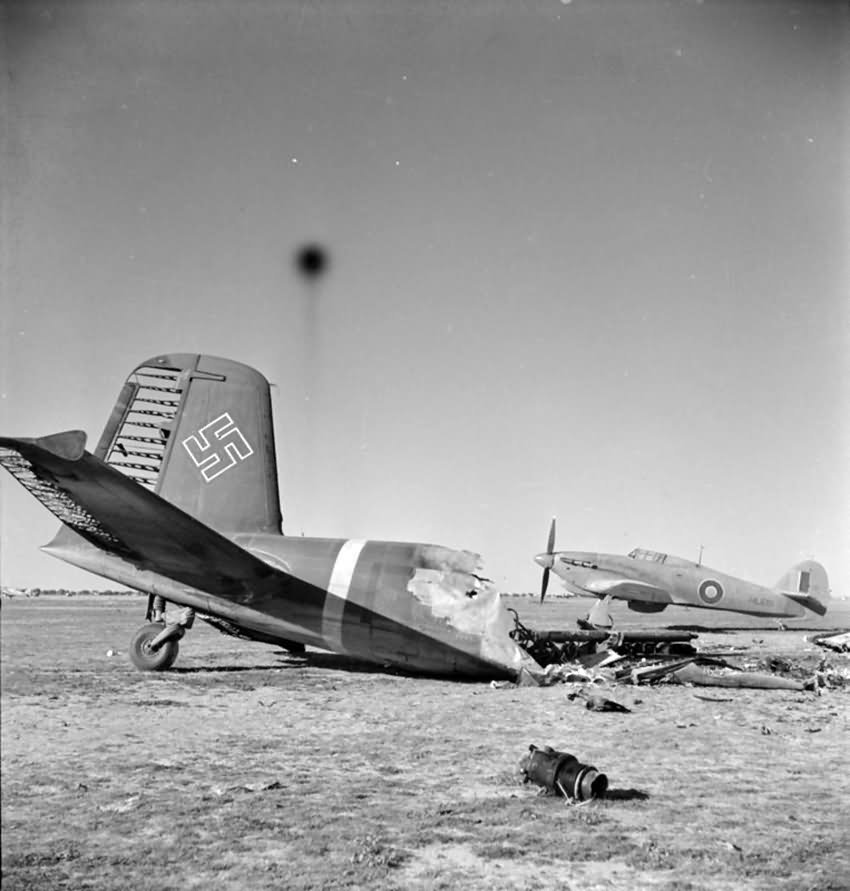
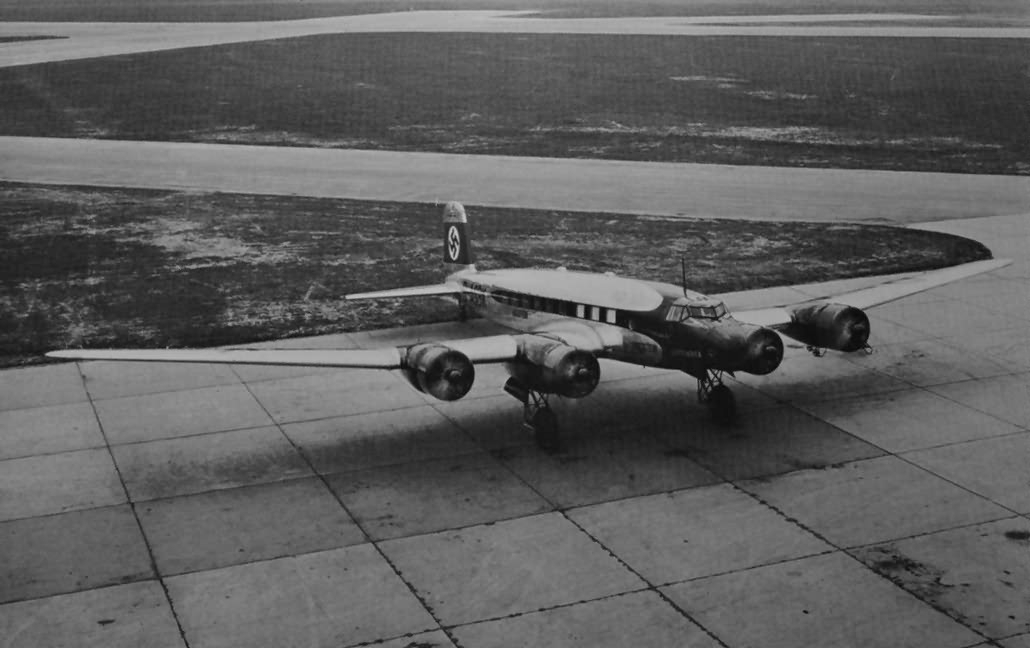
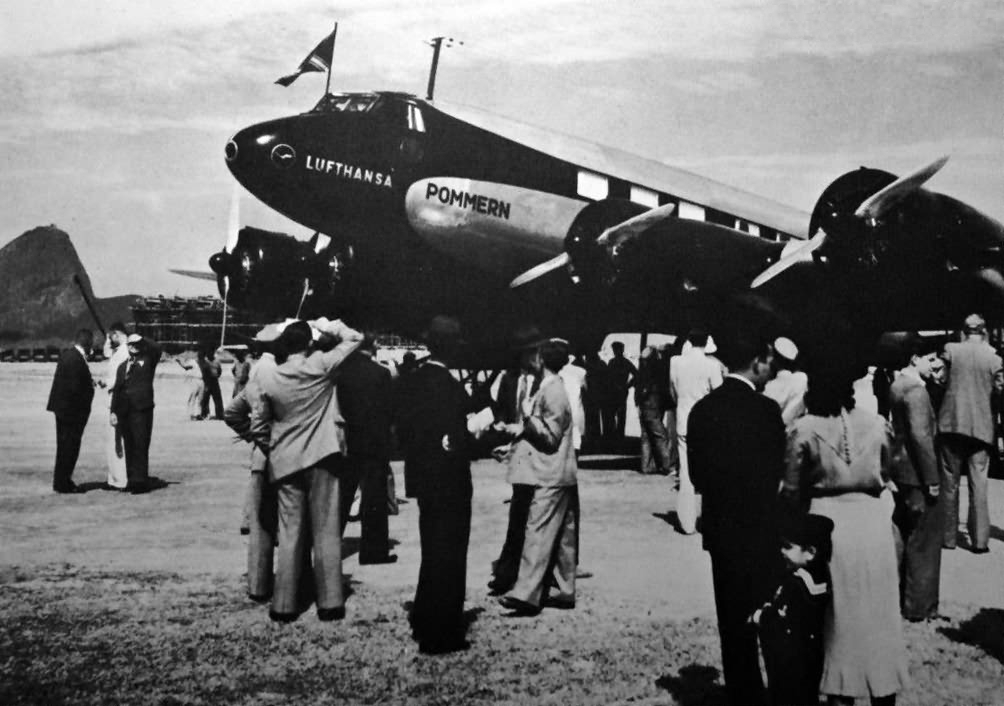
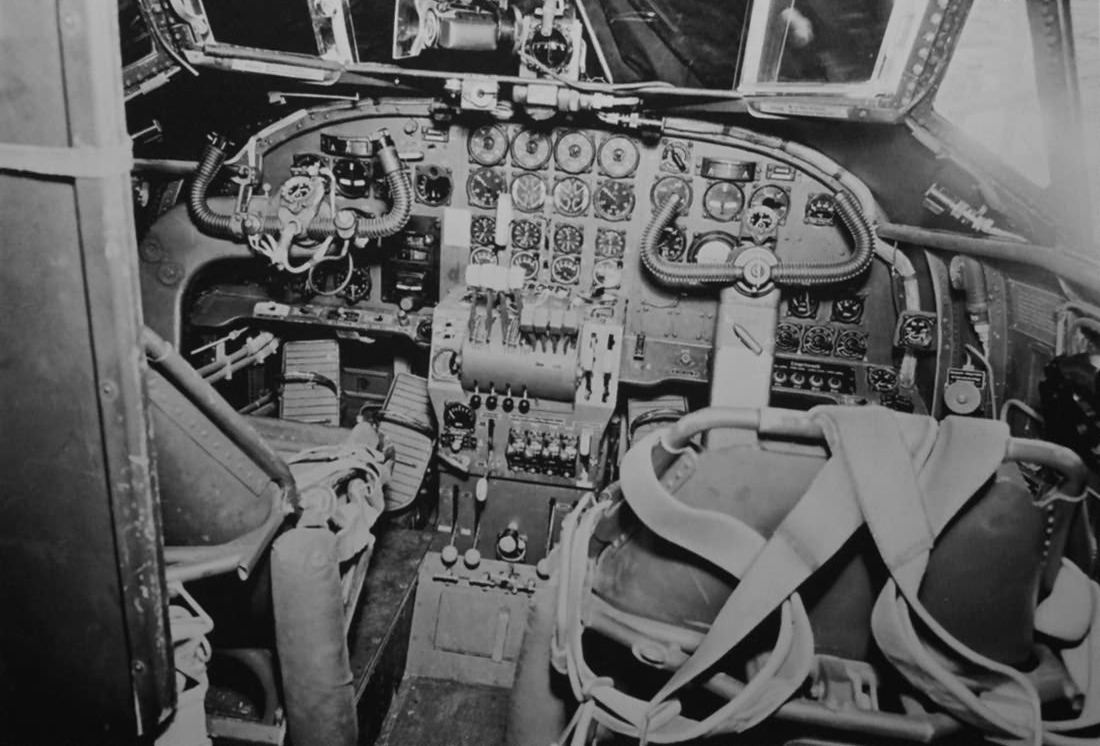
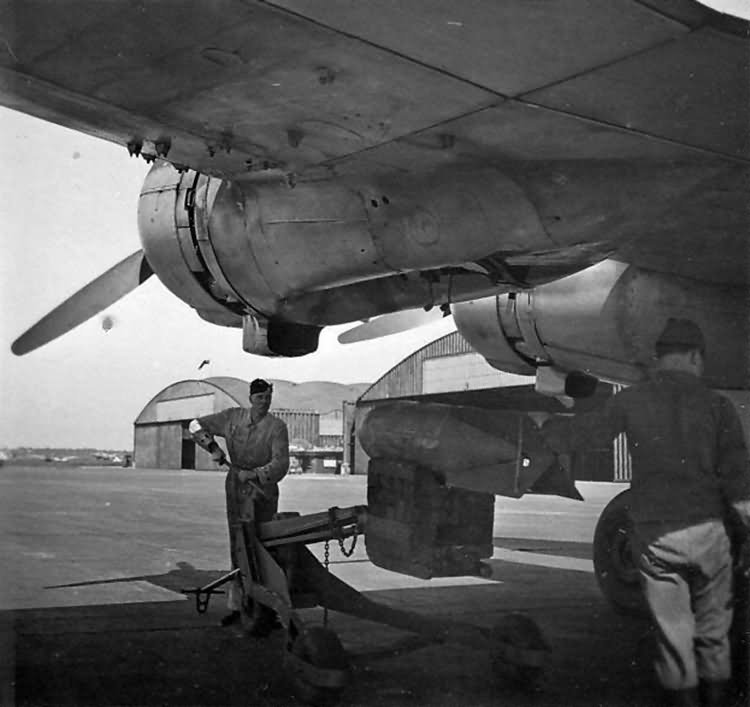
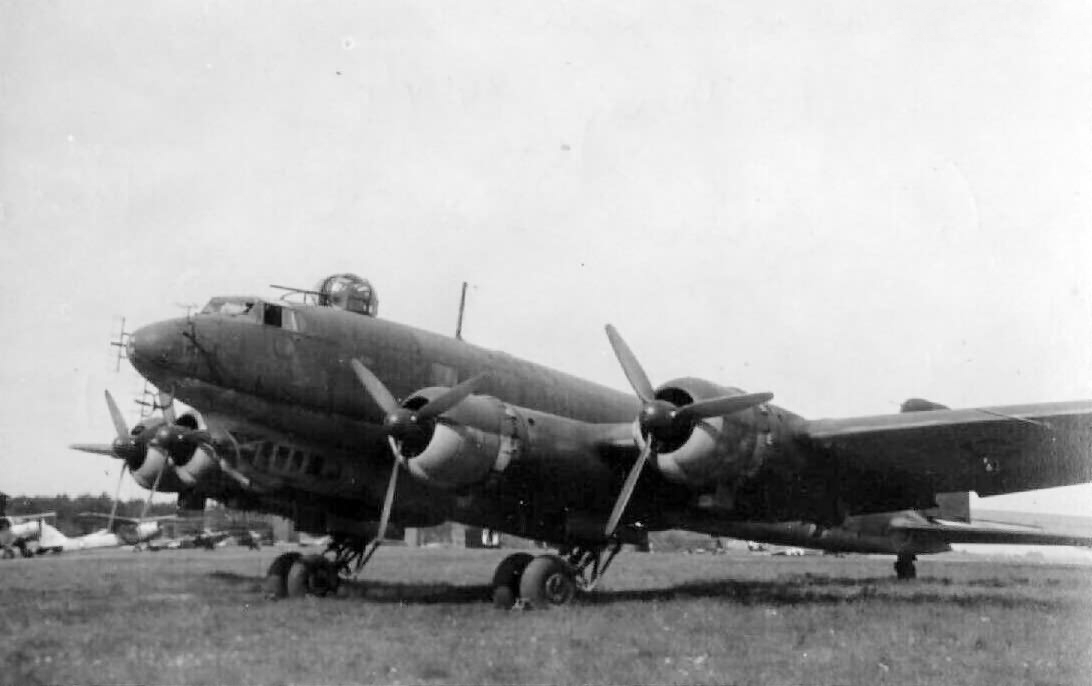
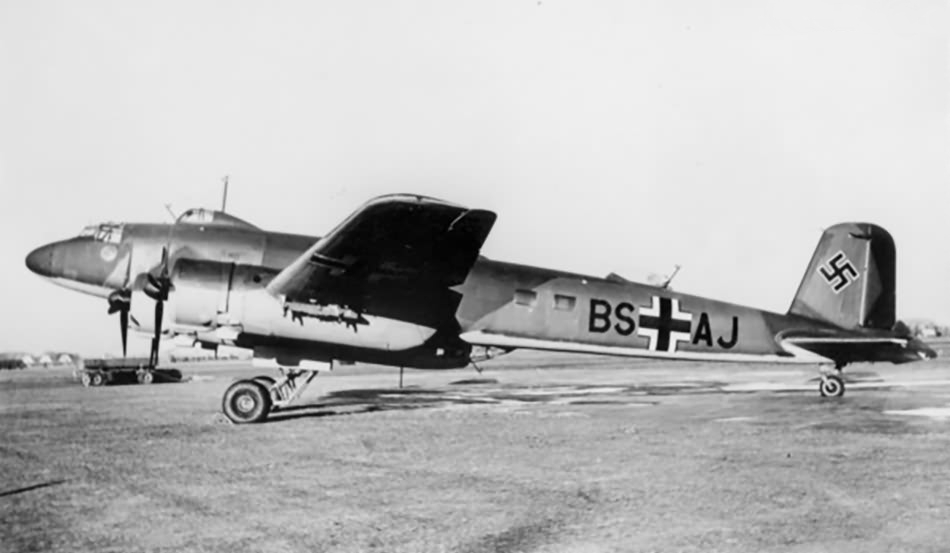
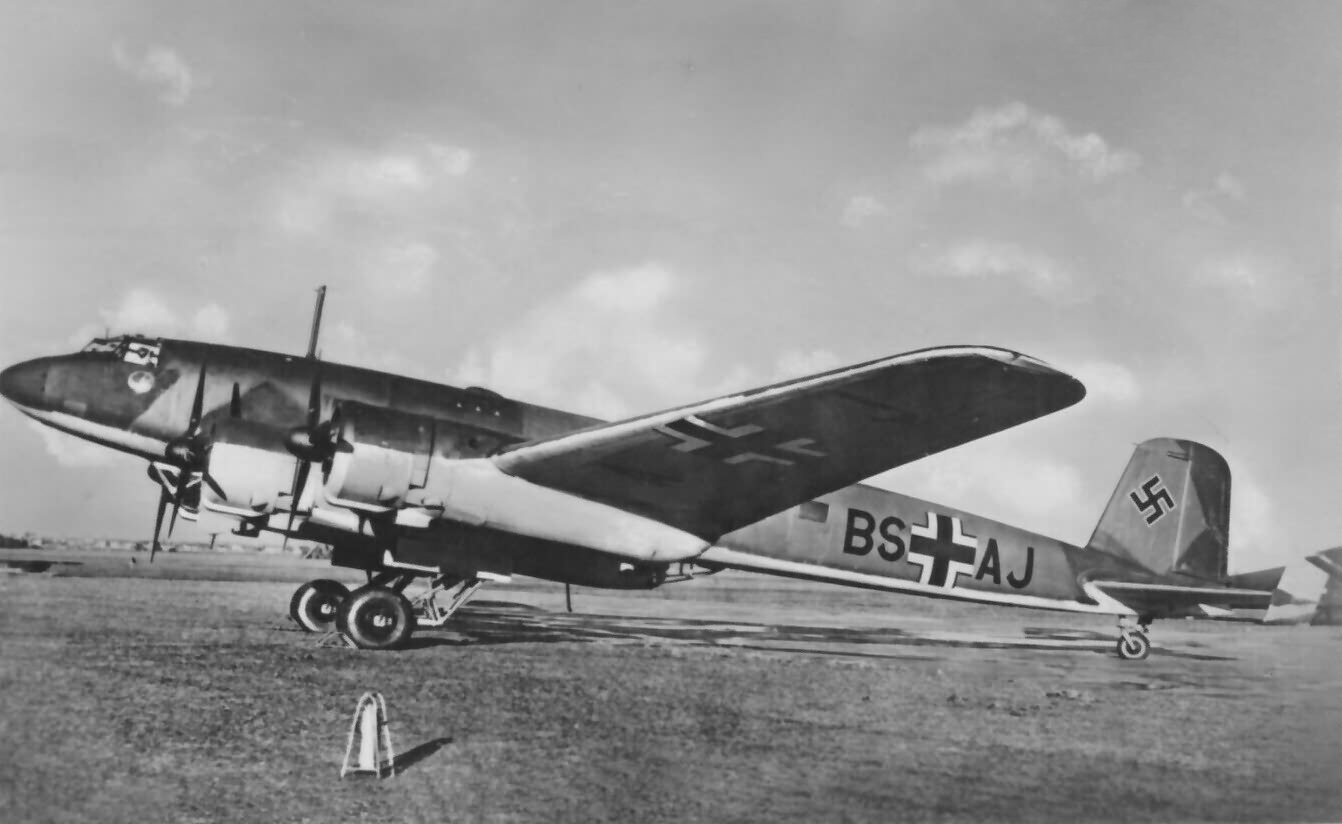
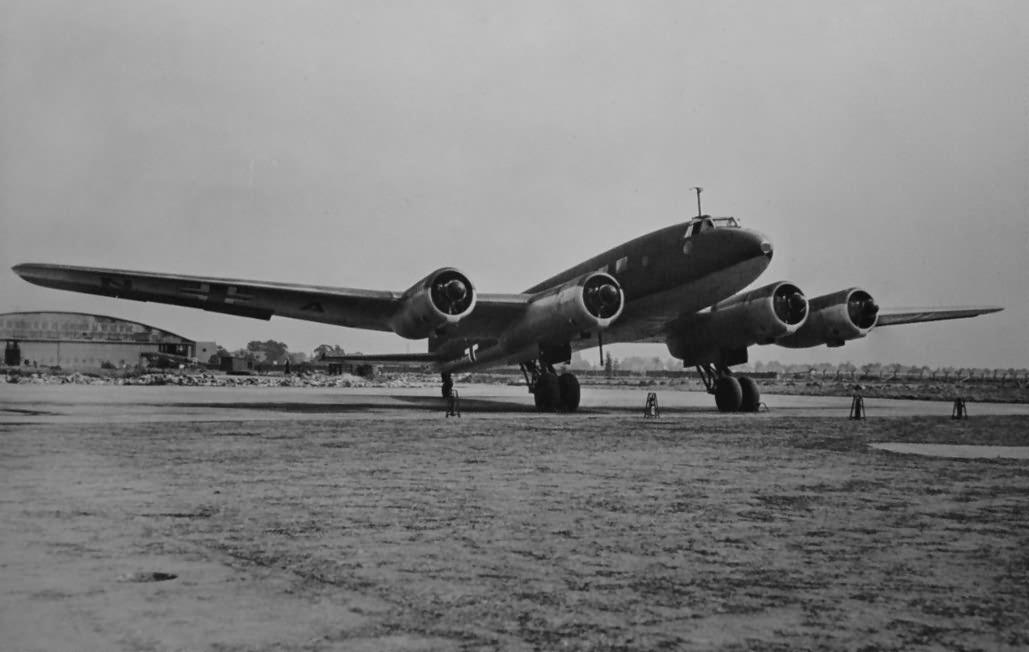
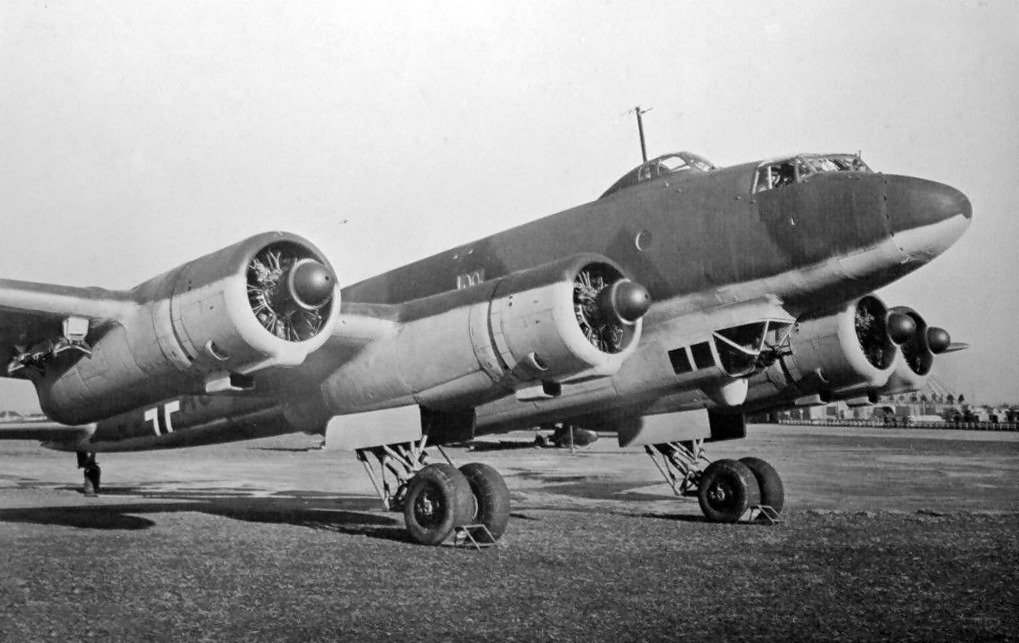
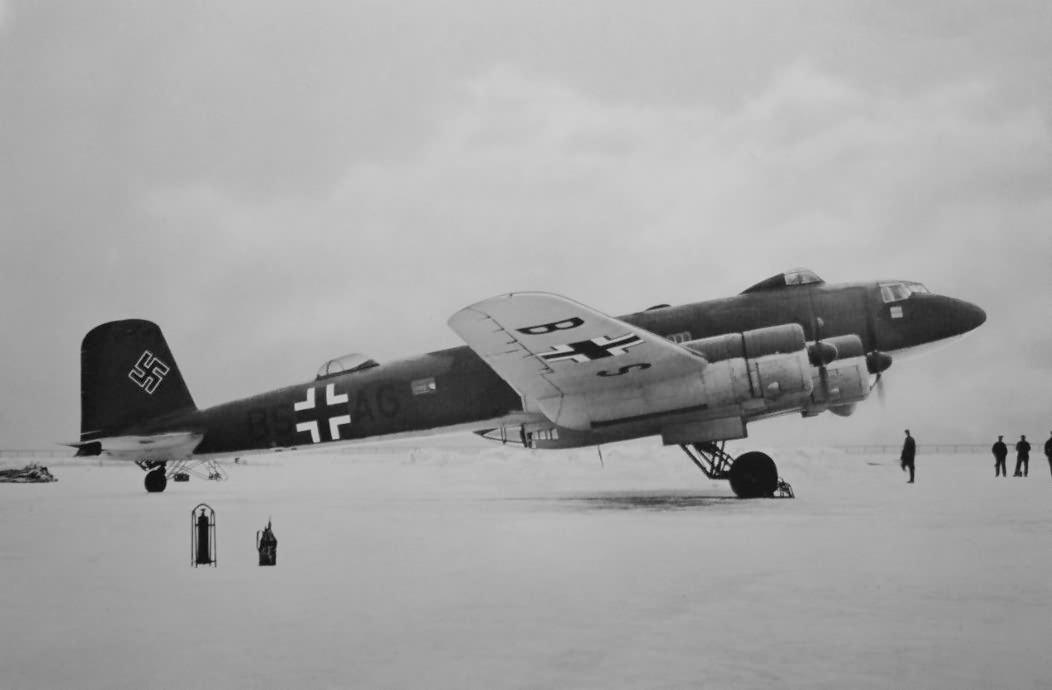
The Focke-Wulf Fw 200 Condor was a German four-engine, all-metal high-wing monoplane originally developed by Focke-Wulf as a 26-passenger long-range transatlantic airliner for Lufthansa to replace the aging Ju 52. First flown in 1937, the civilian Condor gained worldwide fame in 1938 by making non-stop record-breaking flights between Berlin and New York (completing the journey in just under 25 hours), as well as to Cairo and Tokyo. Following the outbreak of World War II, production shifted entirely to military variants, with 263 of the 276 total built units delivered to the Luftwaffe as long-range maritime patrol aircraft, bombers, and transports. Adapted from a 1939 Japanese request for maritime reconnaissance, the primary military variant—the Fw 200C—was powered by four 1,200 hp BMW Bramo Fafnir 323R-2 radial engines and operated by a crew of 7 or 8. Although plagued by structural weaknesses that often led to airframe failure upon landing, the Condor enjoyed its “golden age” from 1940 to 1941 operating with I./KG 40. Attacking Atlantic convoys with up to 2,100 kg of bombs, it sank over 363,000 GRT of Allied shipping, including famous liners like the Vandyck and Empress of Britain. As the Allies countered with catapult-launched fighters (CAM ships) and escort carriers like HMS Audacity, the Fw 200 transitioned primarily to tracking convoys for U-boats, supplying trapped troops during the Battle of Stalingrad, and launching anti-ship guided missiles (Hs 293) in later variants like the C-8. Replaced on frontline Atlantic patrols by the Junkers Ju 290 and Heinkel He 177 by early 1944, remaining airframes served in transport roles—including VIP transports for figures like Adolf Hitler and Heinrich Himmler. In 2021, following a nearly two-decade multi-organization restoration effort of an airframe recovered from a Norwegian fjord, an Fw 200 was reassembled for public display at Berlin’s Tempelhof Airport.