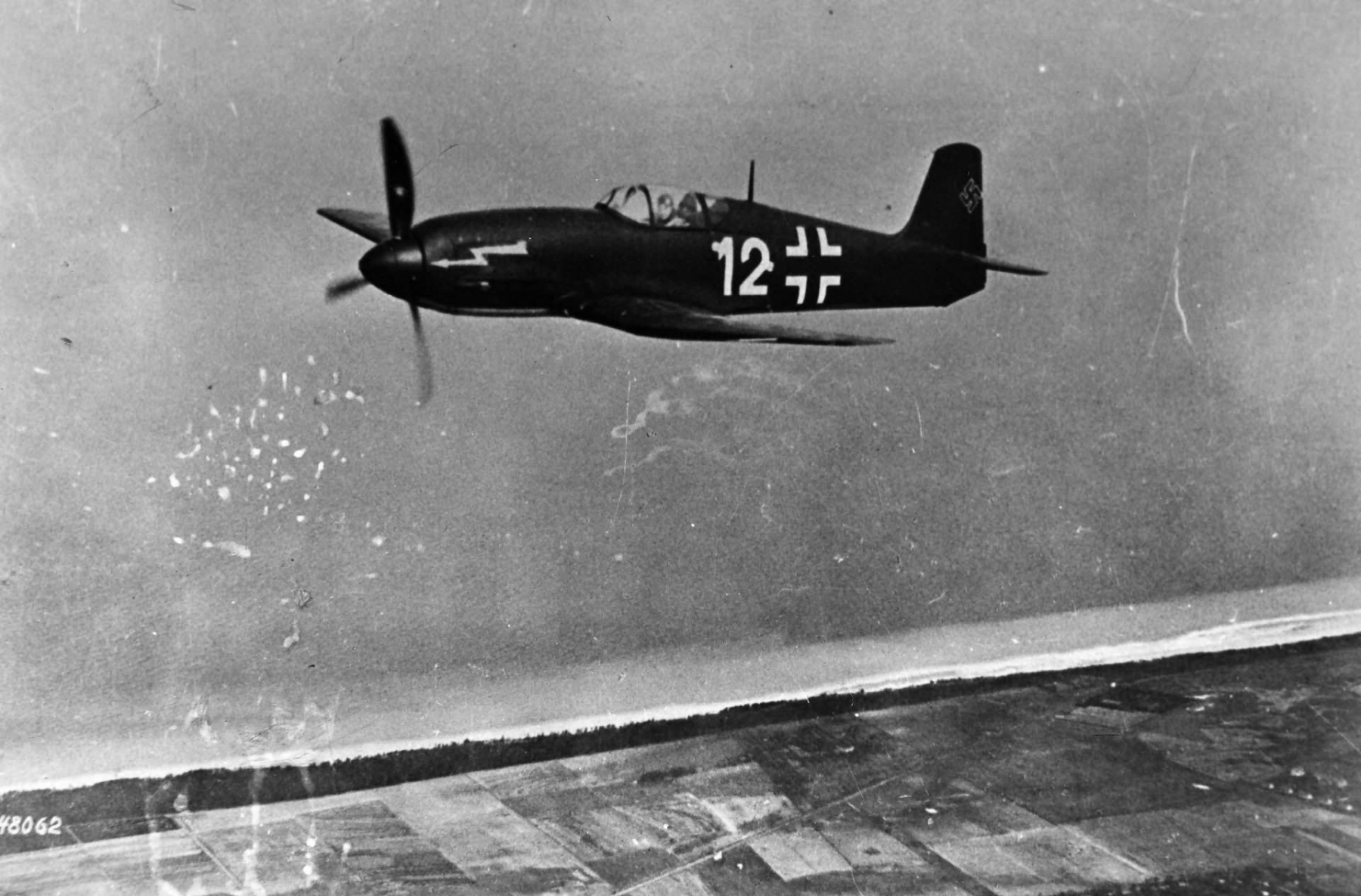
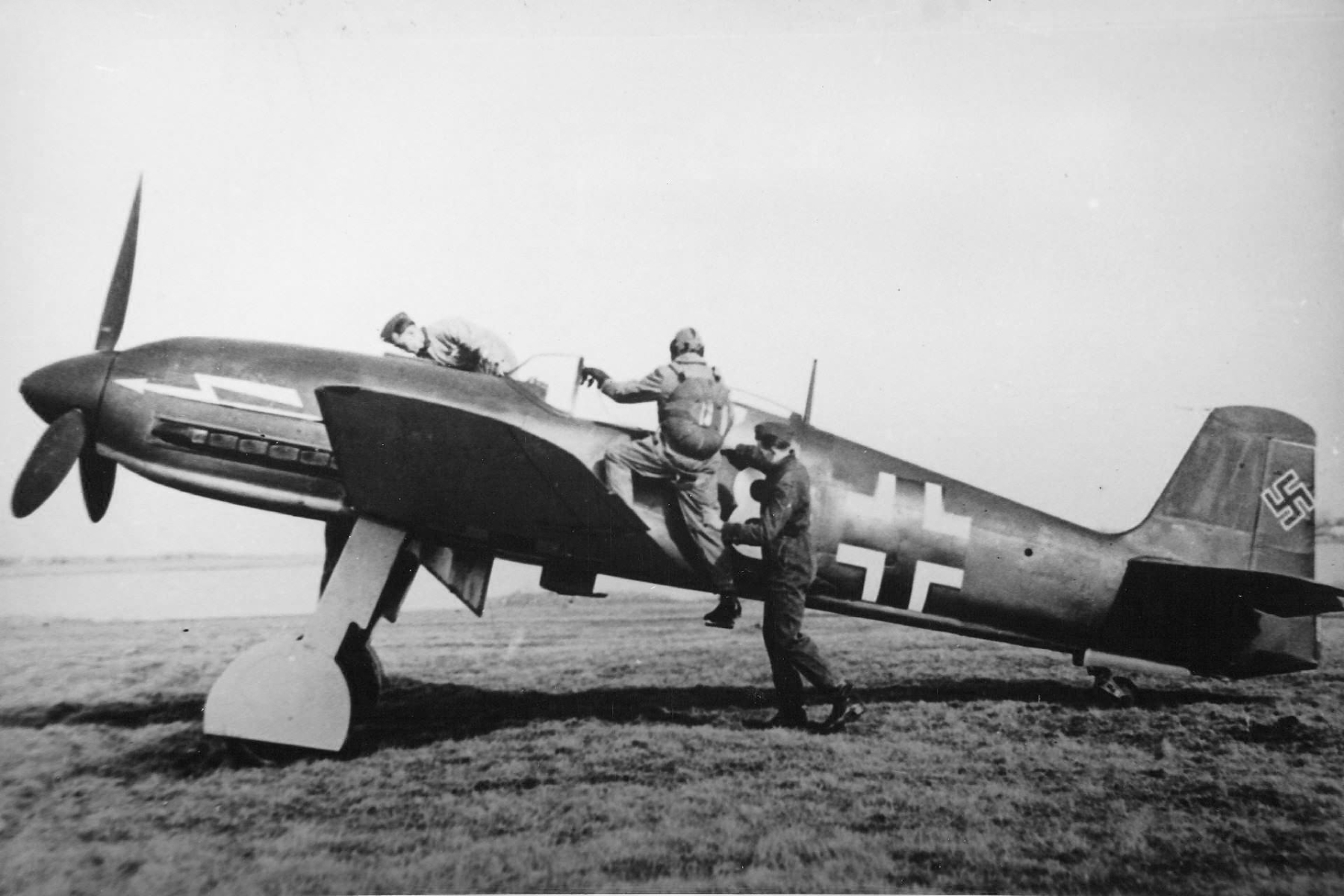
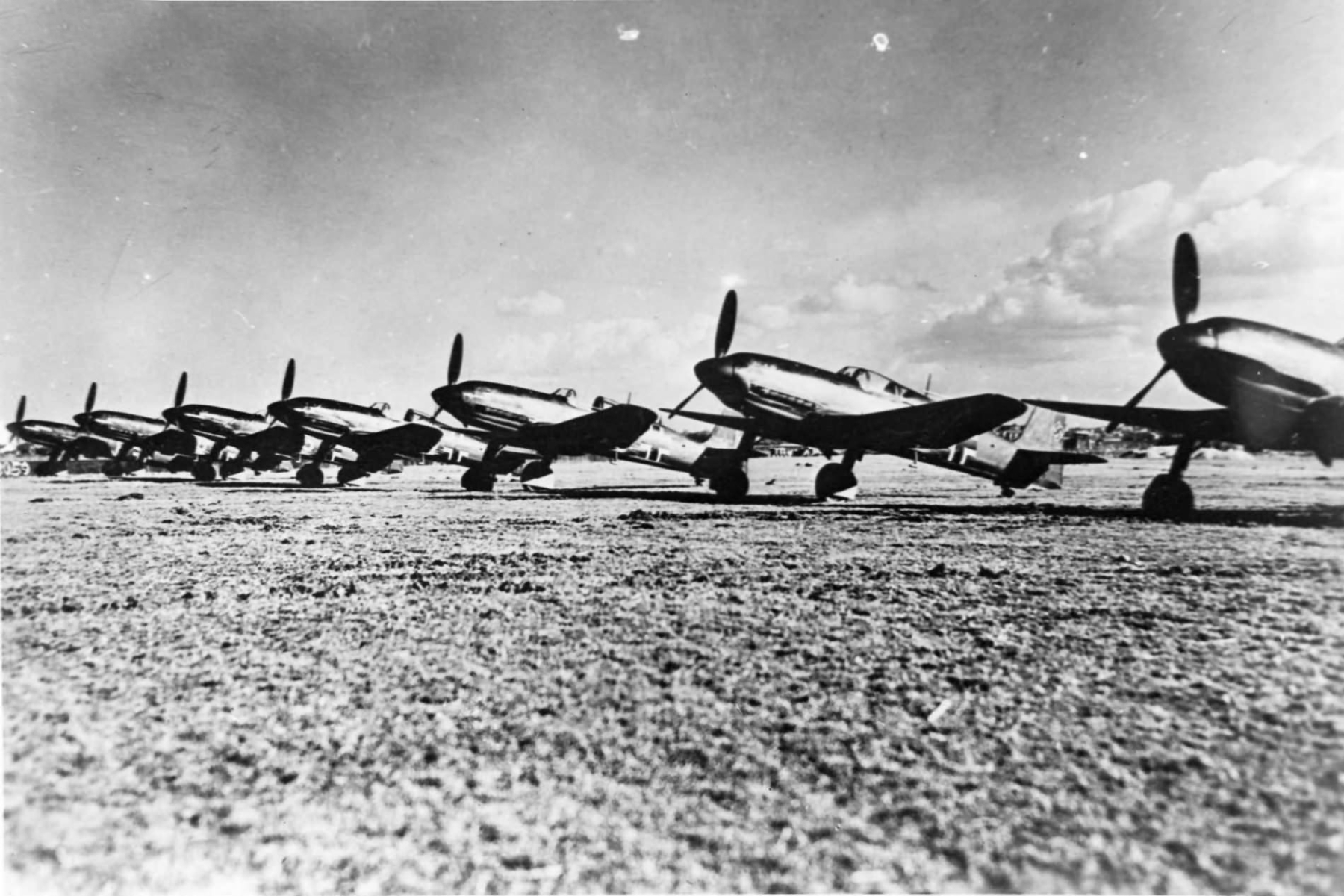
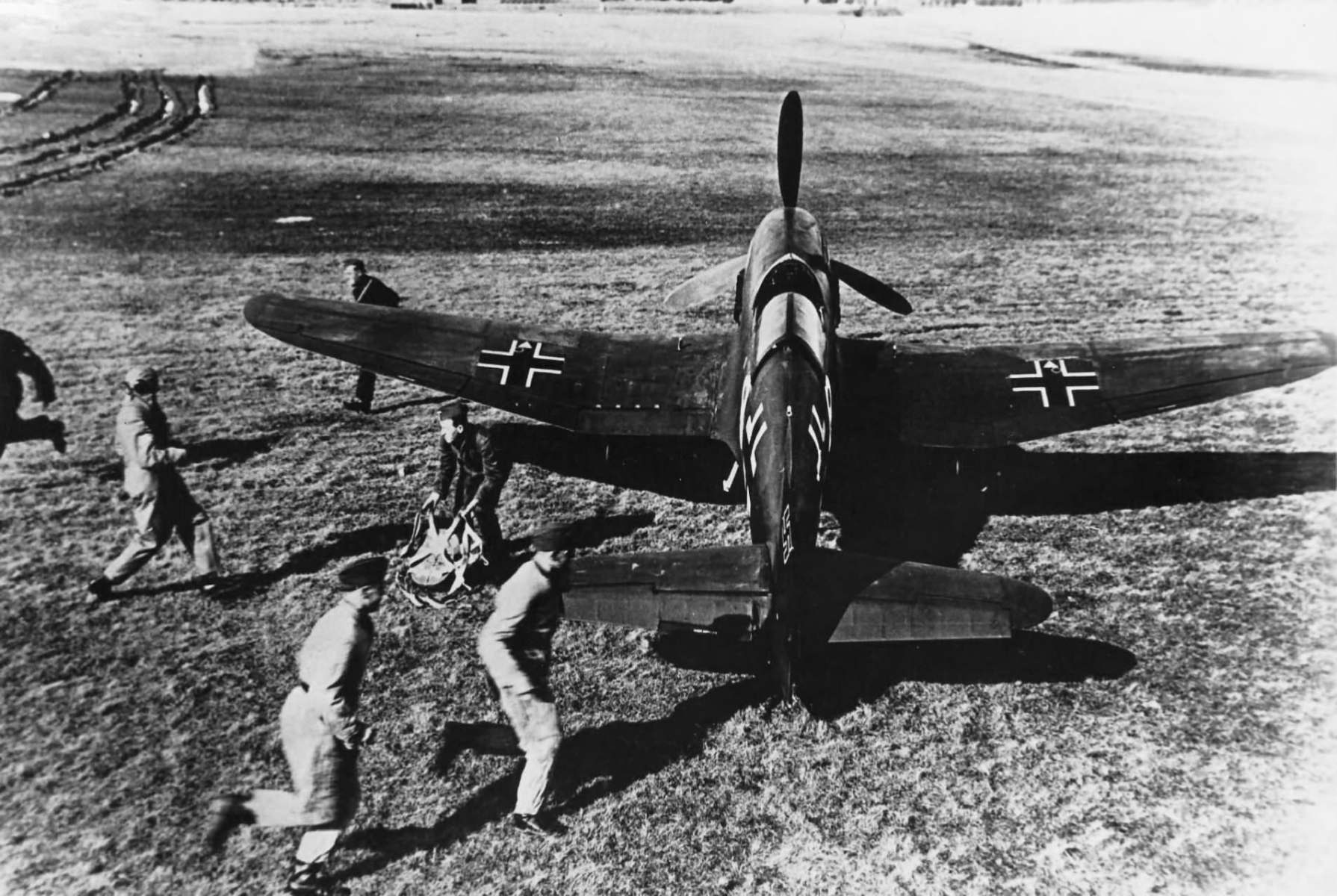
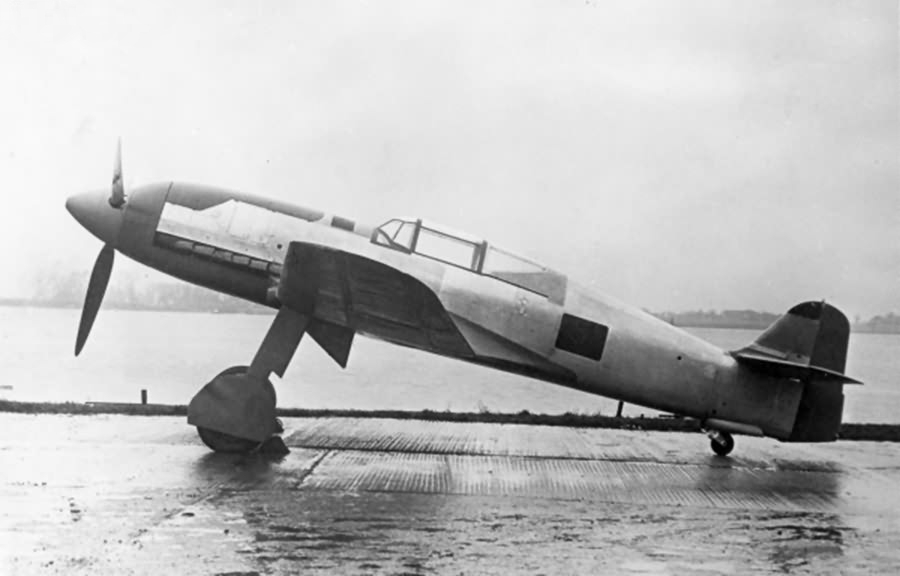
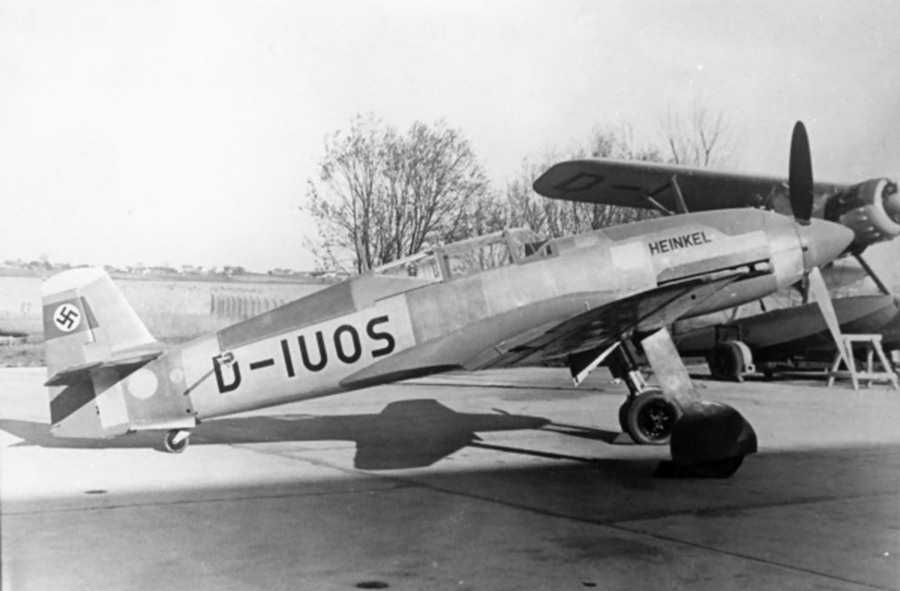
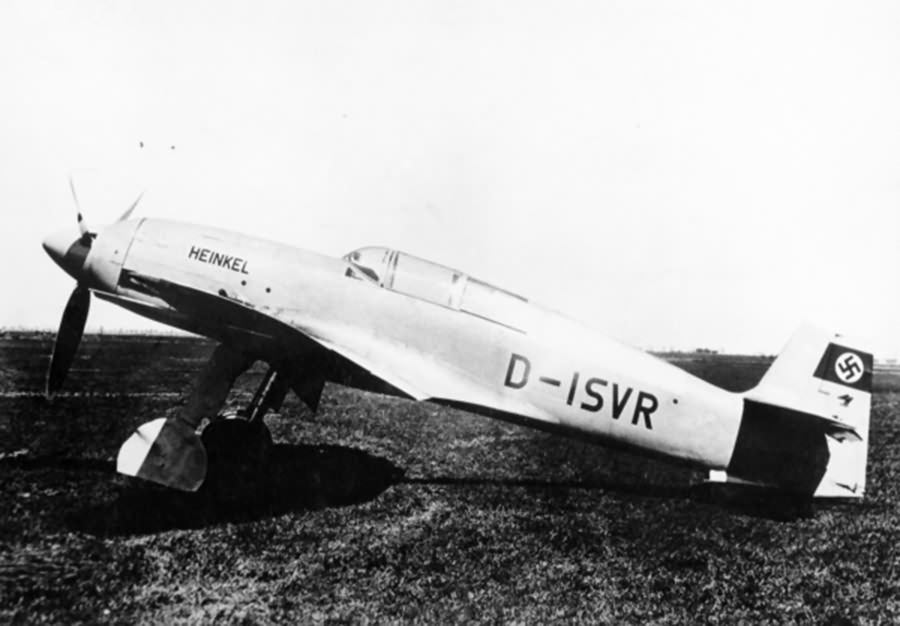
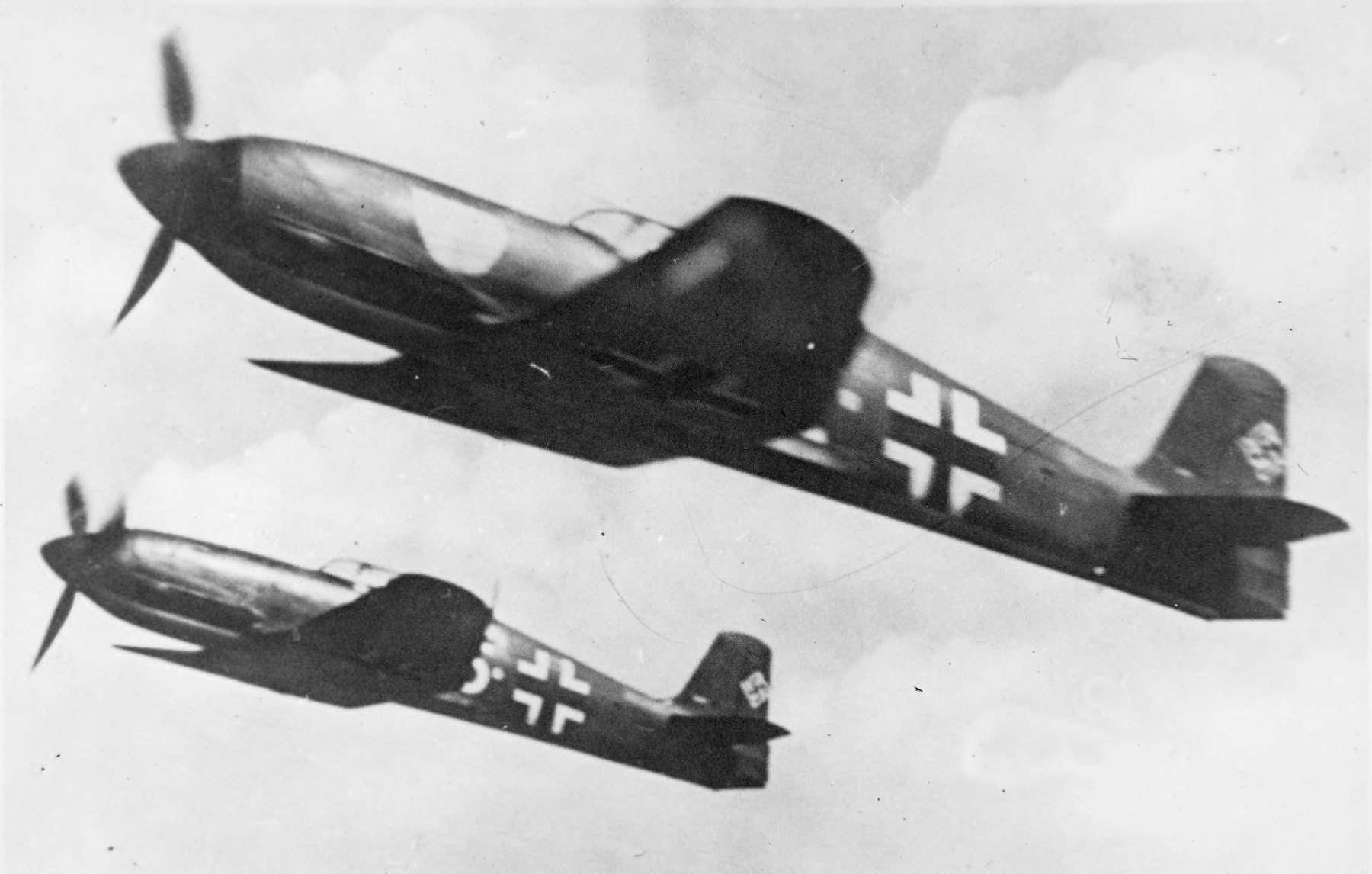
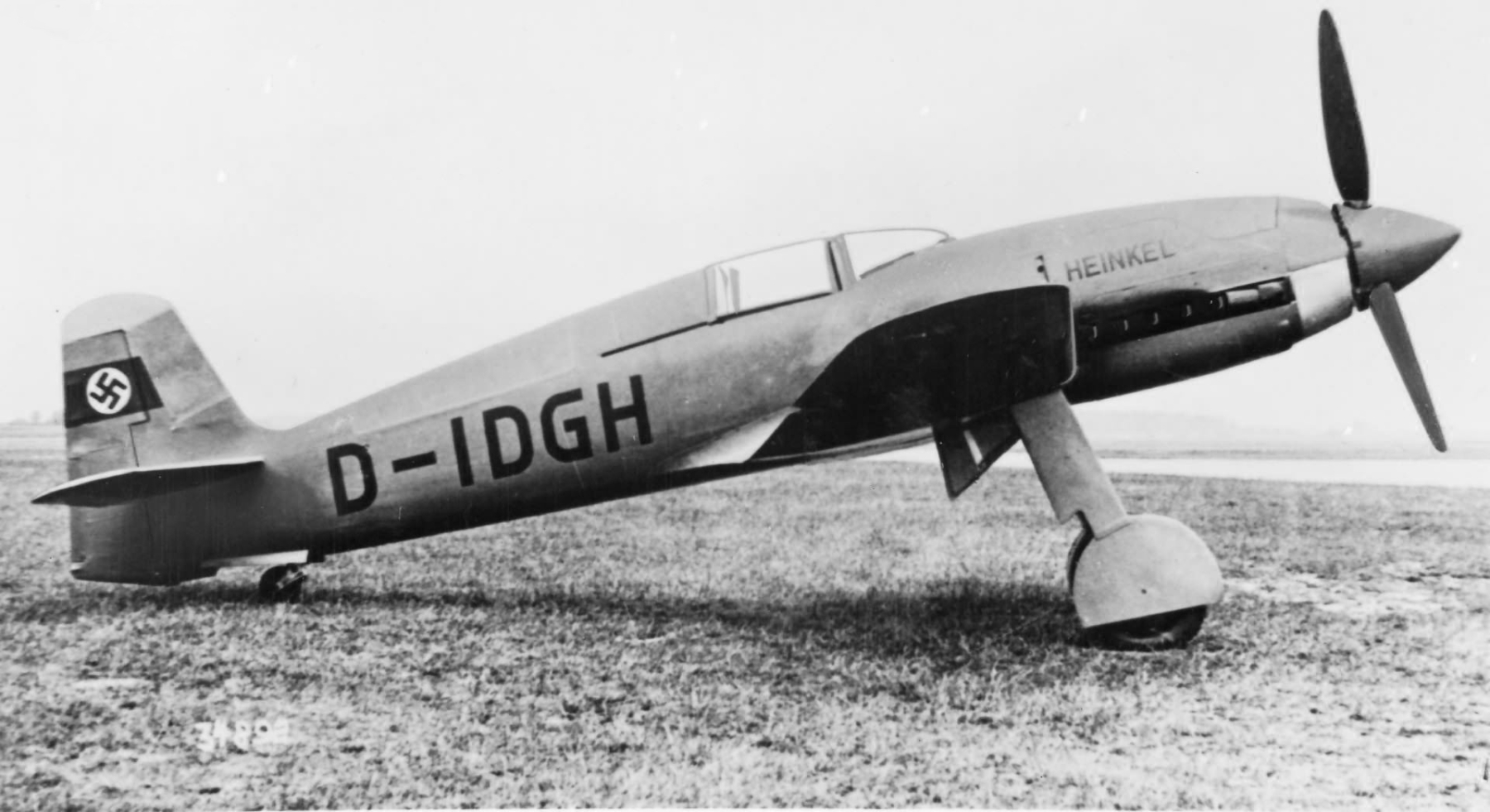
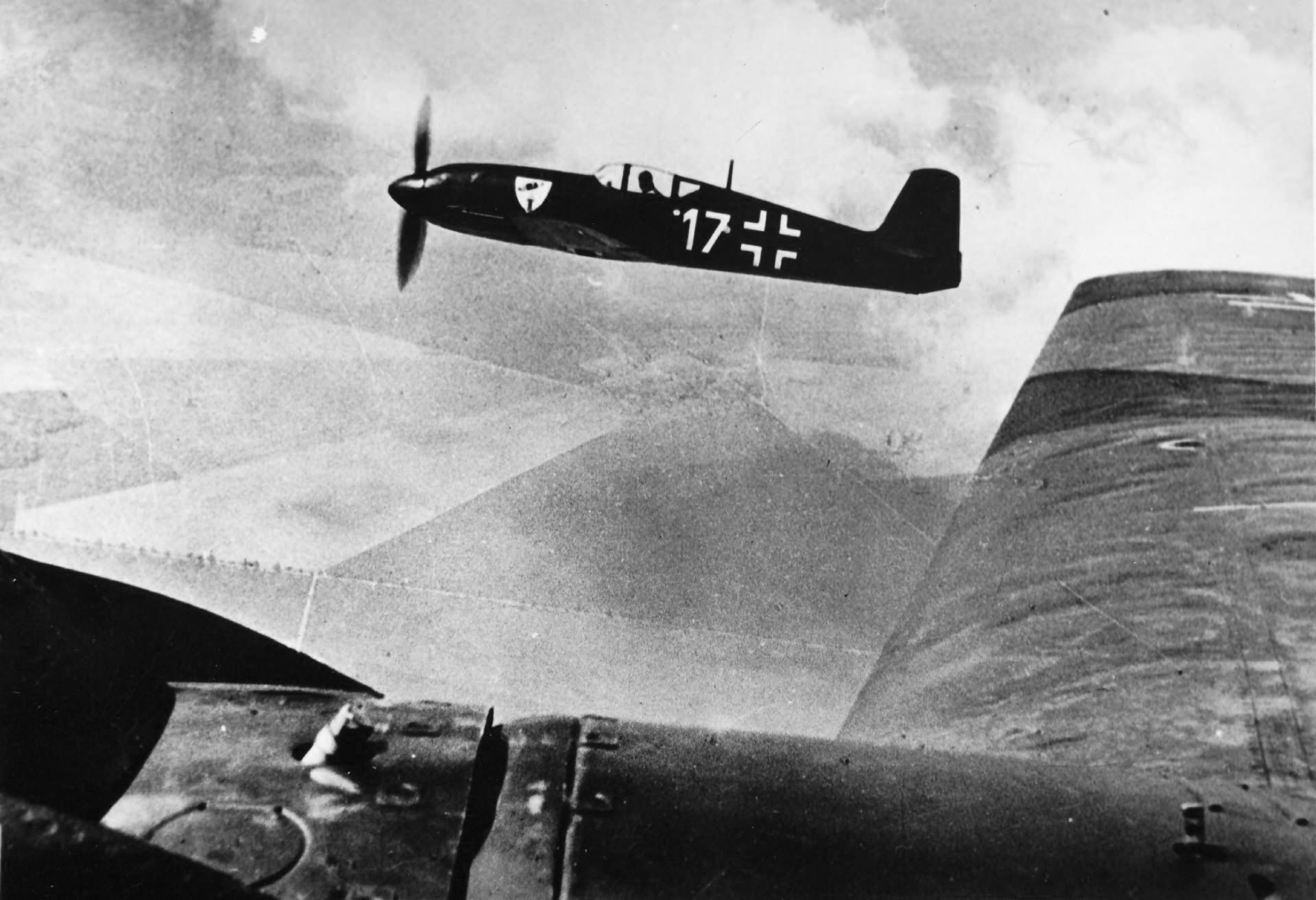
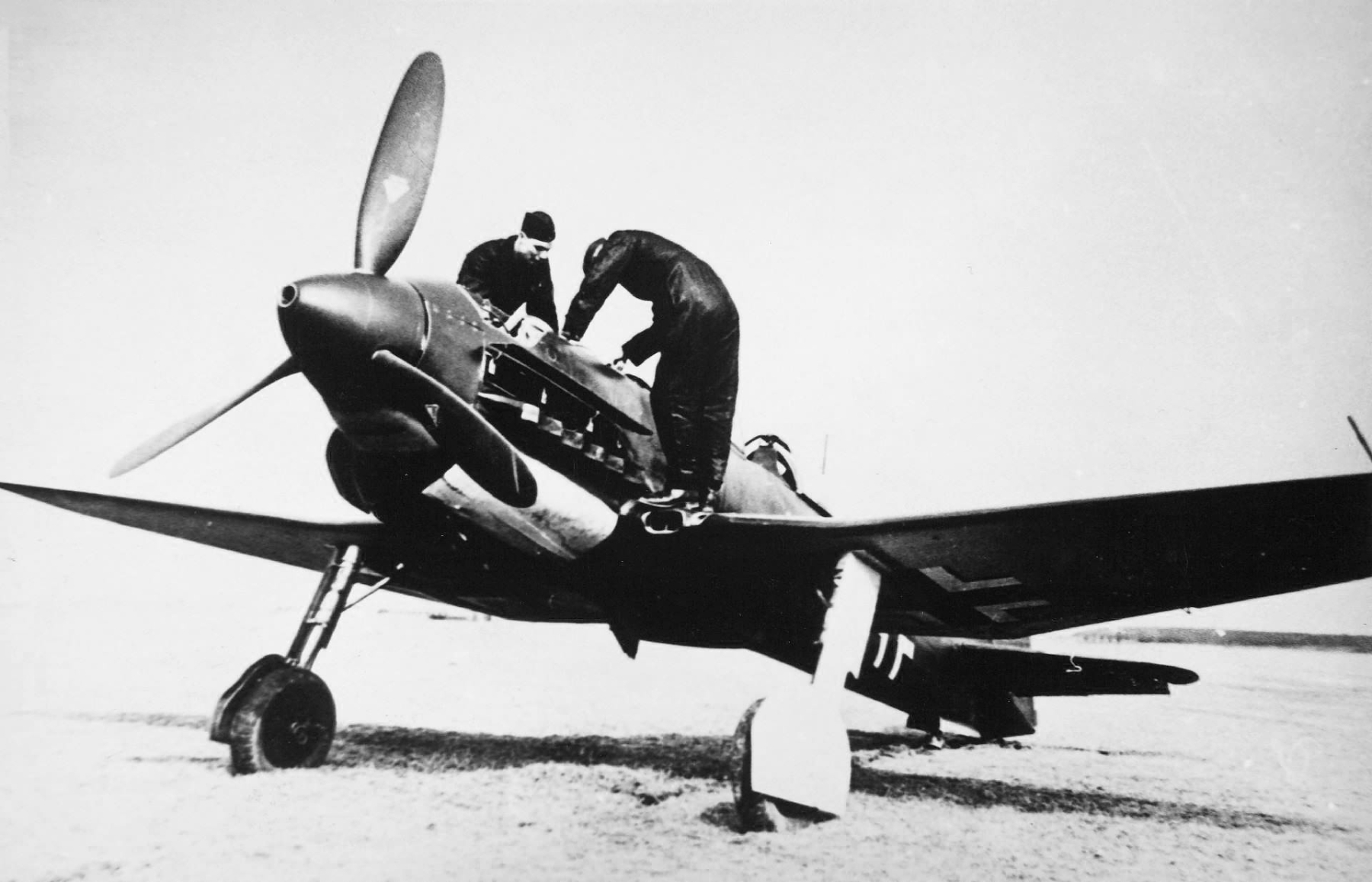
Heinkel He 100 was a German high-speed fighter aircraft developed by Heinkel just prior to World War II during the competition for the Luftwaffe’s primary single-seat fighter, which it ultimately lost to the Messerschmitt Bf 109. Designed with streamlined aerodynamics to maximize performance, the aircraft featured innovative technical solutions, including a complex surface-evaporative cooling system that circulated coolant through tubes in the fuselage, wings, and tail (using easily replaceable panels), an engine mounted directly to the fuselage skin rather than a traditional engine mount, and a retractable auxiliary radiator deployed during takeoff to prevent overheating. Although the innovative design generated significant international interest—resulting in six test airframes being purchased by the Soviet Union and three by Japan (whose design influenced the Kawasaki Ki-61)—it never entered mass production, and the 12 completed airframes were assigned to local air defense at Heinkel’s factories. Additionally, Nazi propaganda heavily exploited the aircraft by painting these few airframes in various unit insignia and publicizing them under the fake designation Heinkel He 113, successfully deceiving Allied intelligence into believing a new, highly effective German fighter was in widespread frontline service.