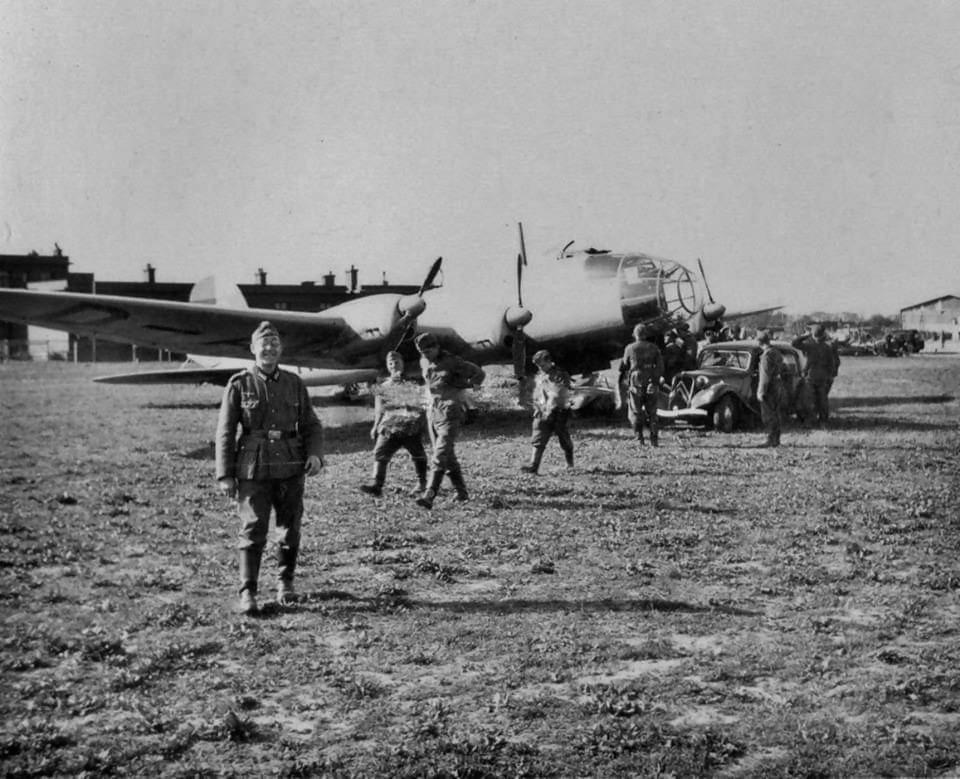
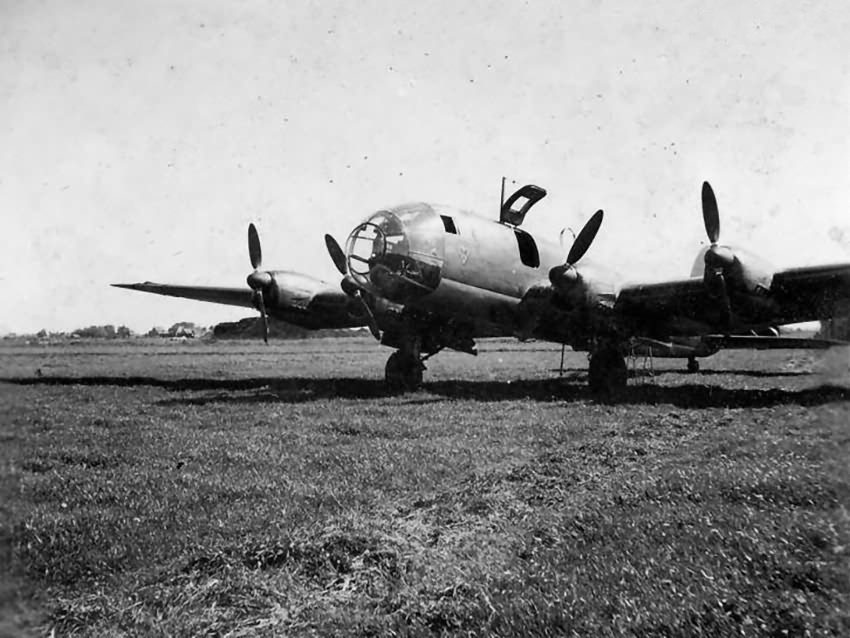
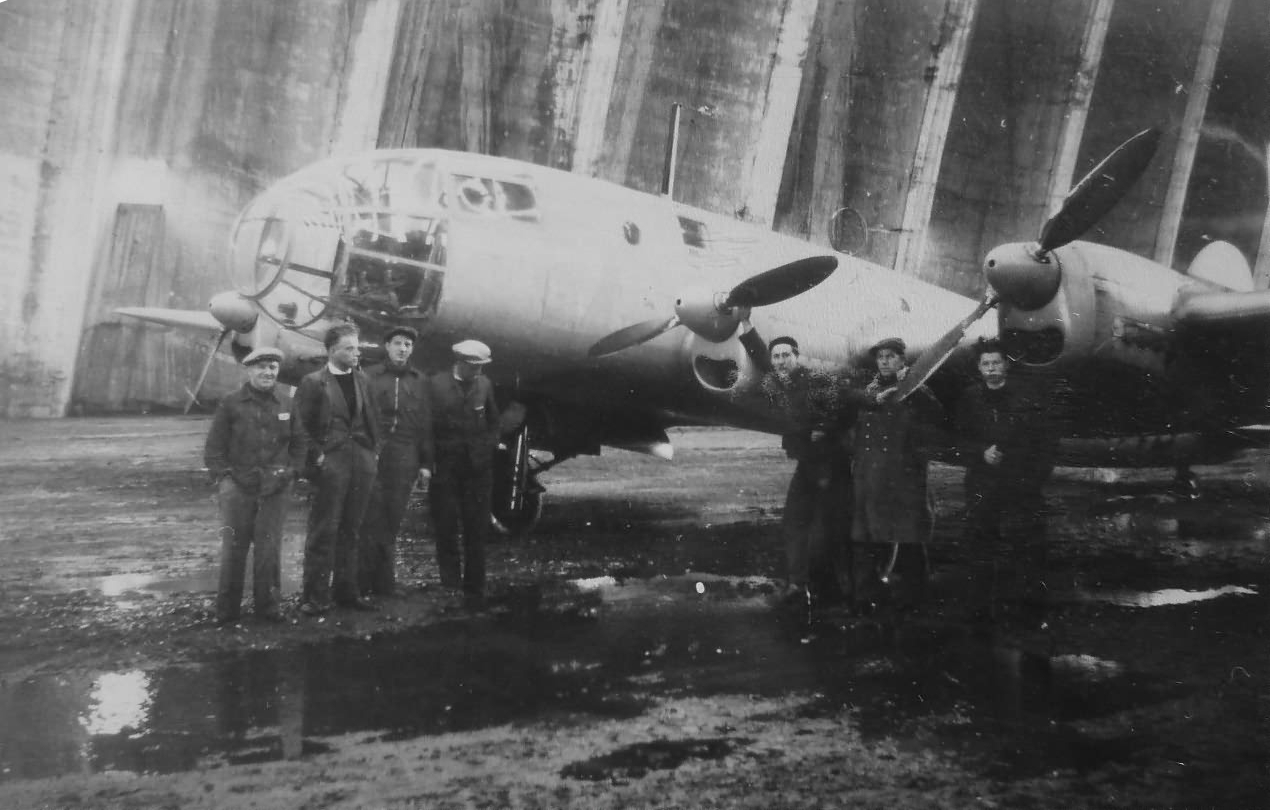
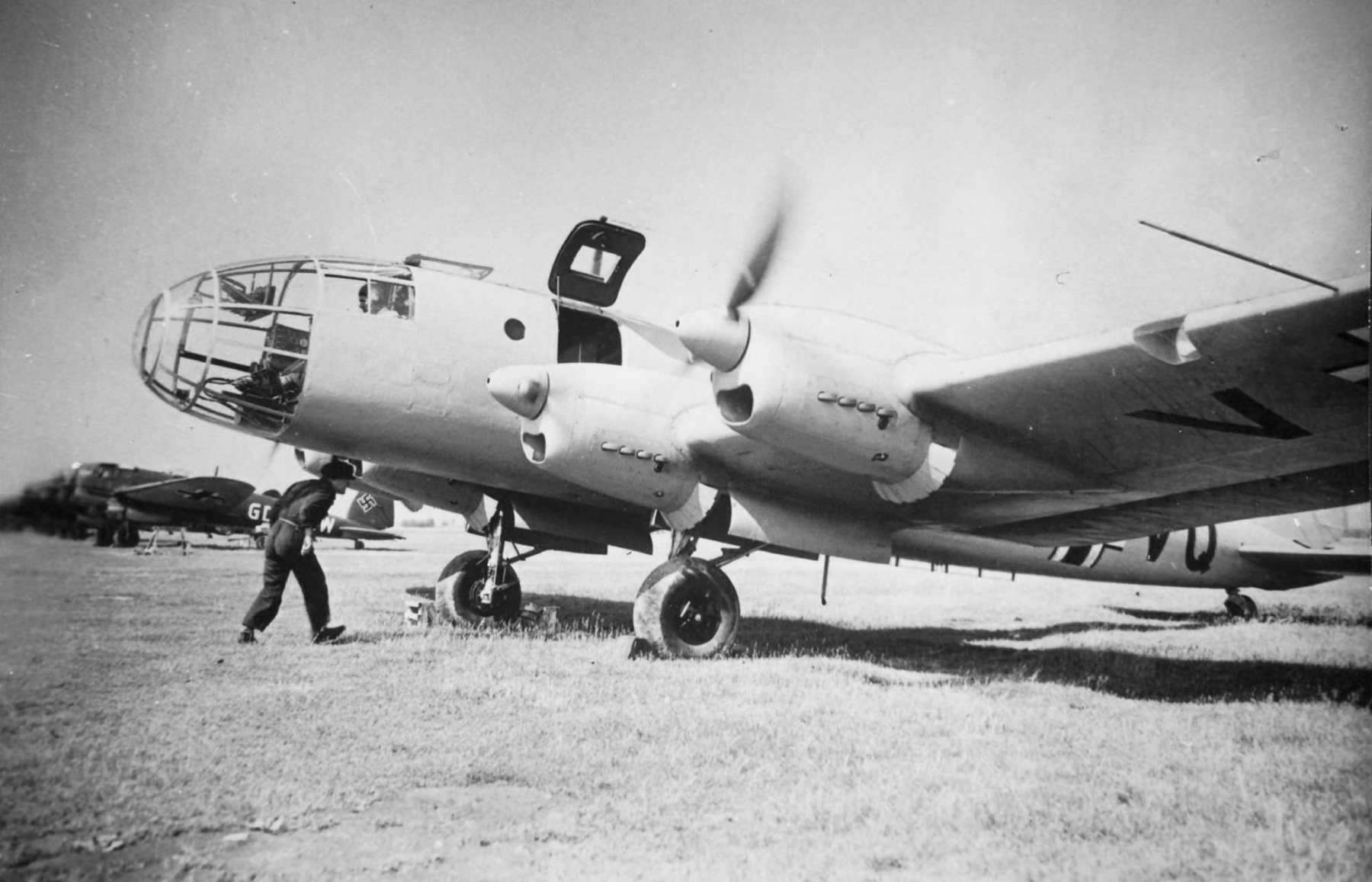
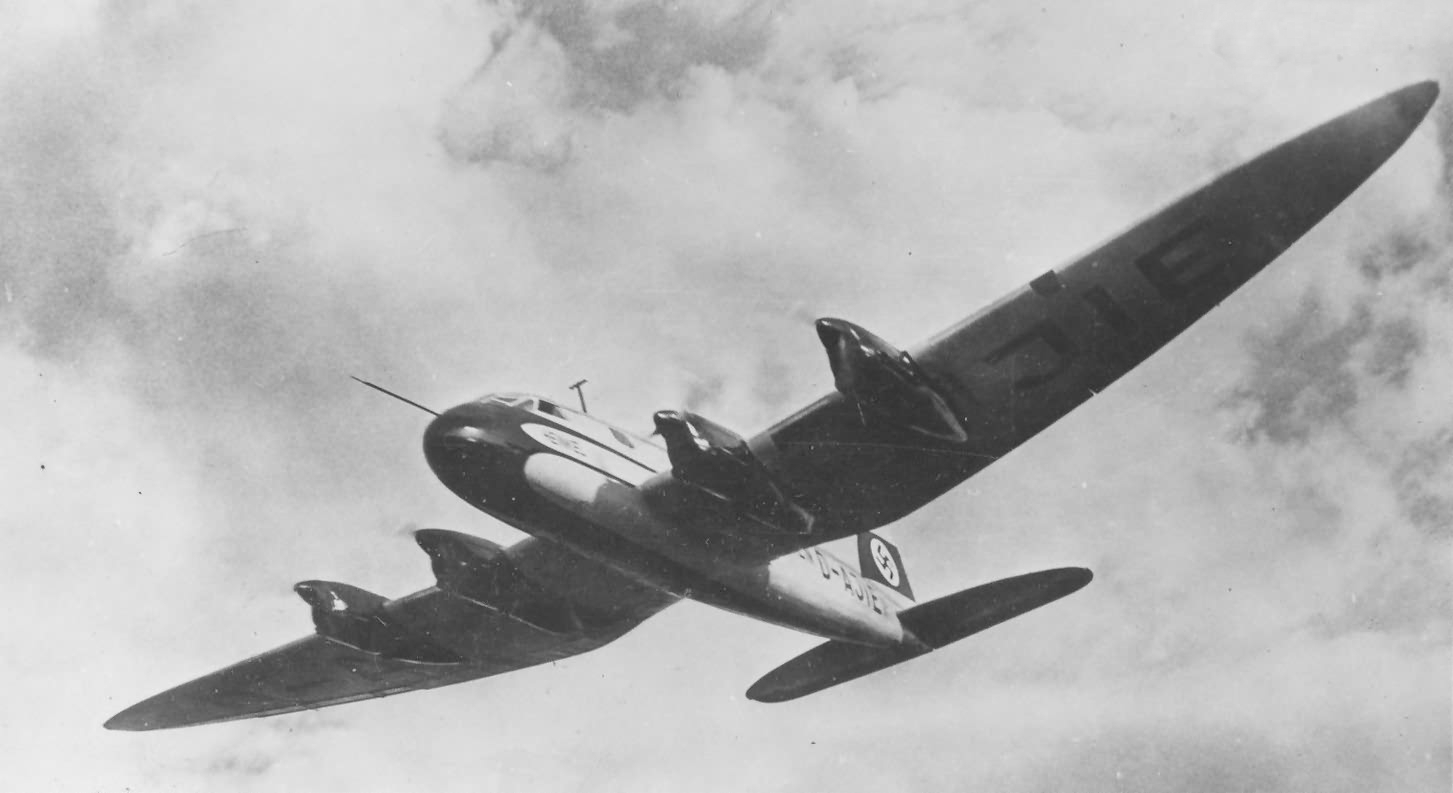
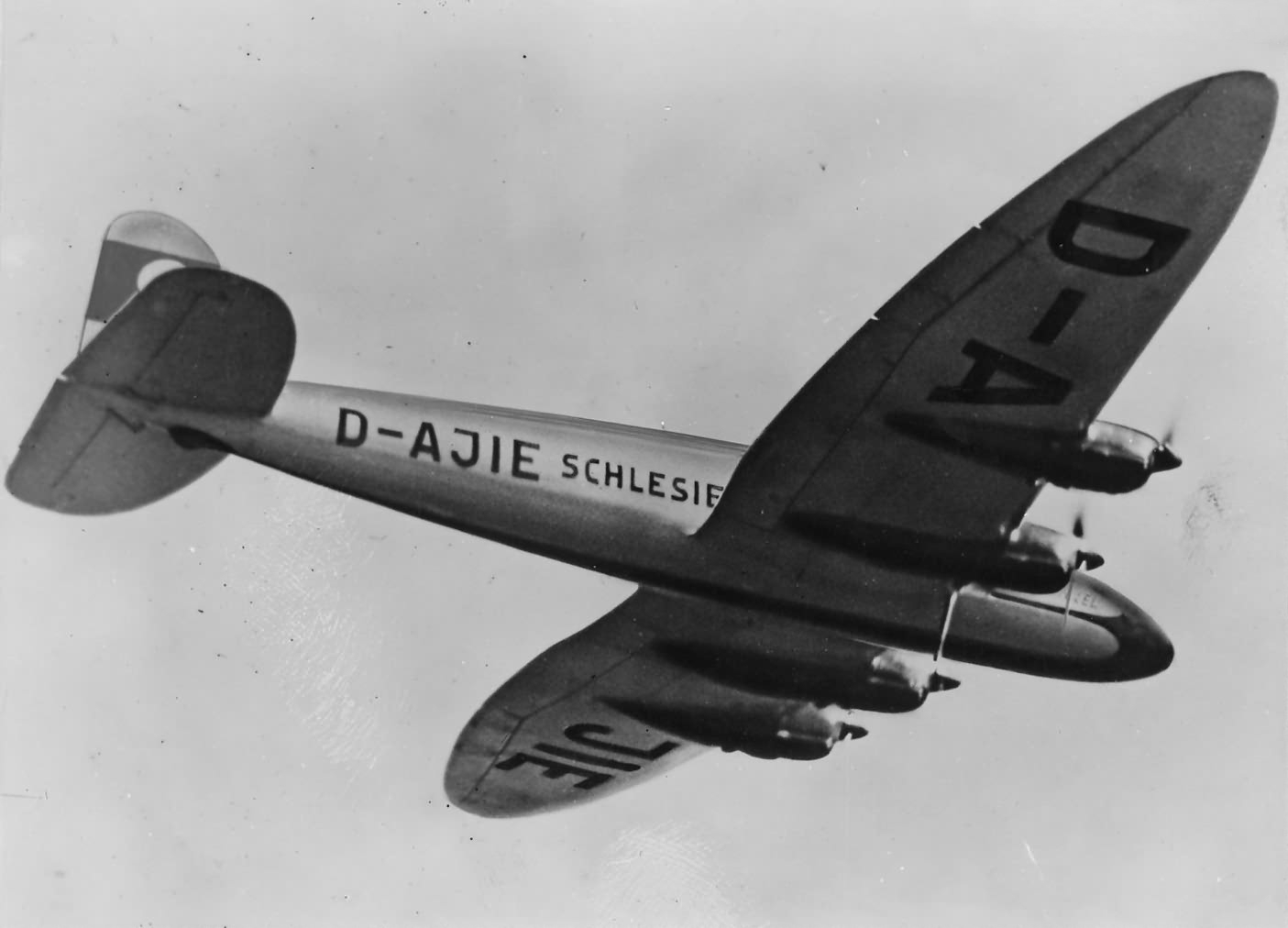
Heinkel He 116 was a German four-engine, low-wing long-range transport and reconnaissance aircraft of mixed construction, featuring retractable classical landing gear. Developed by Heinkel in the mid-1930s to satisfy a Deutsche Luft Hansa requirement for a high-altitude, long-range mail and cargo plane capable of reaching the Far East (primarily Japan), the design adapted proven elements from the He 111 airframe paired with four smaller, highly economical engines. While early prototypes achieved remarkable endurance, they fell short of desired operational ceilings; nevertheless, two of the early civil prototypes (He 116 A) were acquired by Japan and operated by Manchurian Air Lines on the Tokyo–Hsingking route under registrations J-BAKD and J-EAKF. Special record-breaking derivatives, such as the He 116 R (V-3) featuring extended wings and increased fuel capacity, achieved notable endurance milestones, including a 10,000 km flight completed in 46 hours and 18 minutes on July 30, 1938. With the onset of World War II, the military requisitioned surviving units and produced five specialized military variants (He 116 B) fitted with fully glazed noses and reconnaissance cameras; however, due to low speed, modest operating ceilings, and a total lack of defensive armament, the type was deemed unsuited for front-line combat and was instead relegated to cartographic survey crew training, mapping, and courier duties until the end of its service. Out of a total production run of 14 airframes, eight were civil He 116 A variants, one was the He 116 R record aircraft, and five were military He 116 B models.