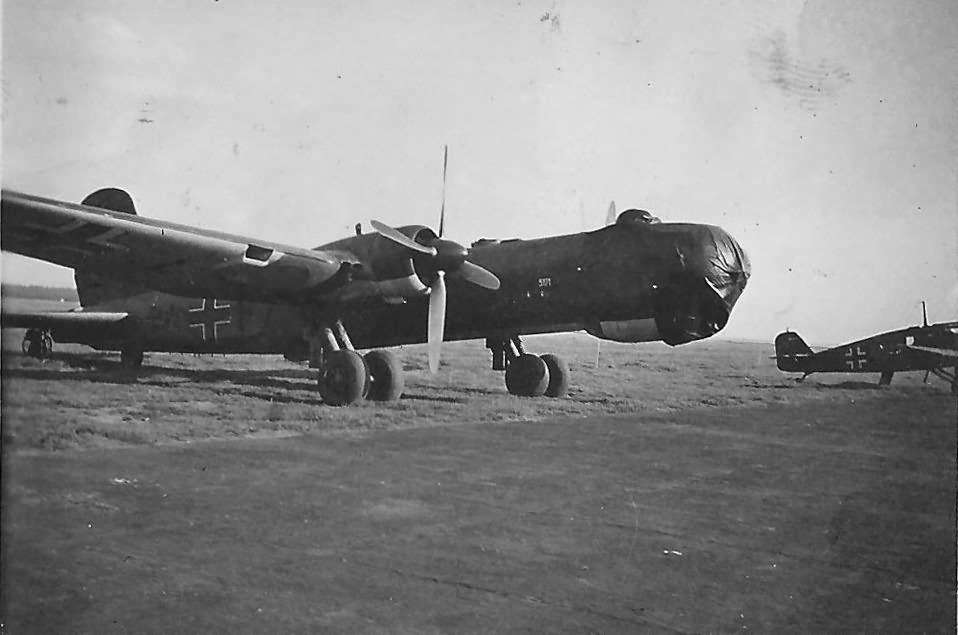
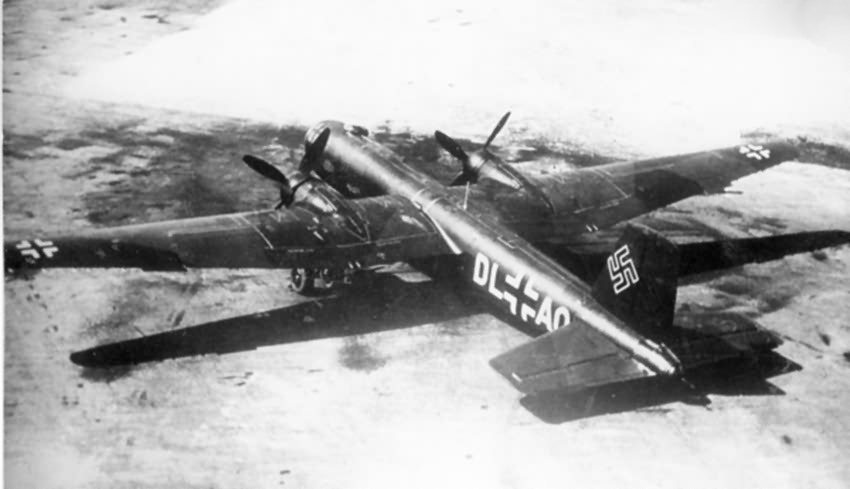
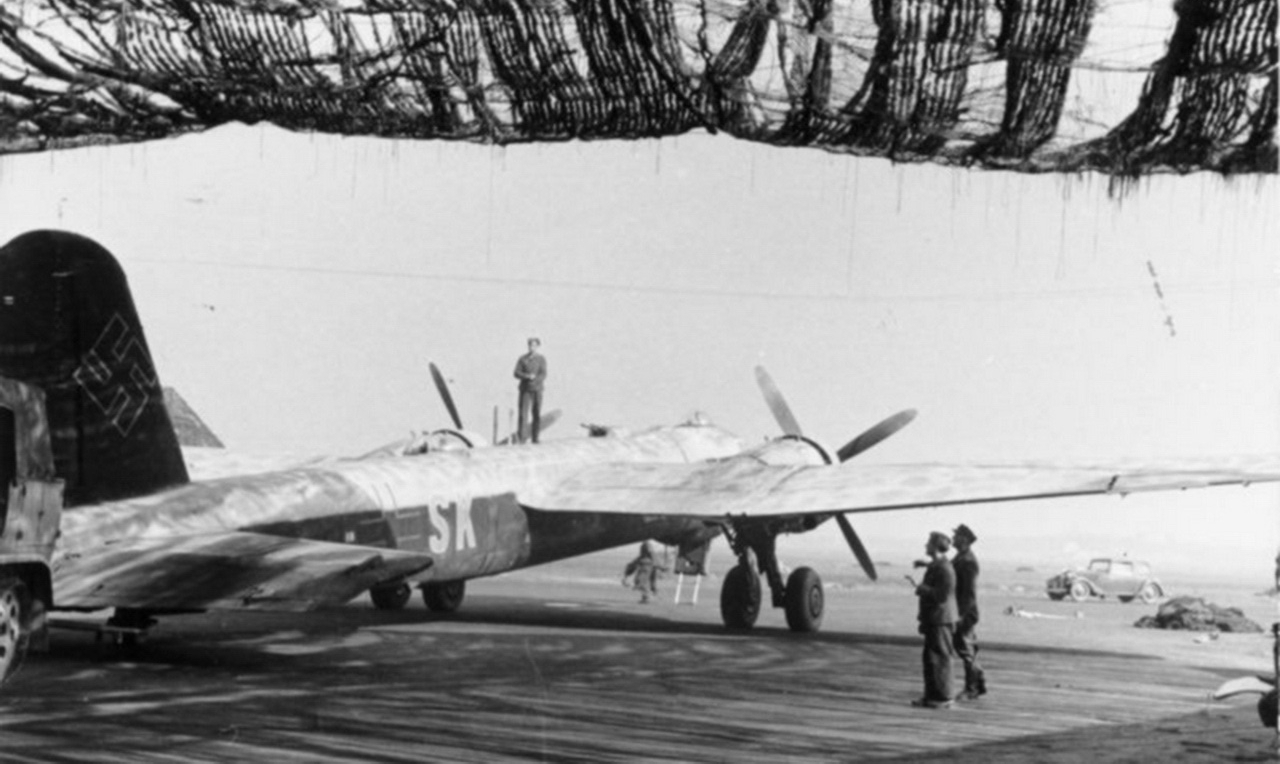
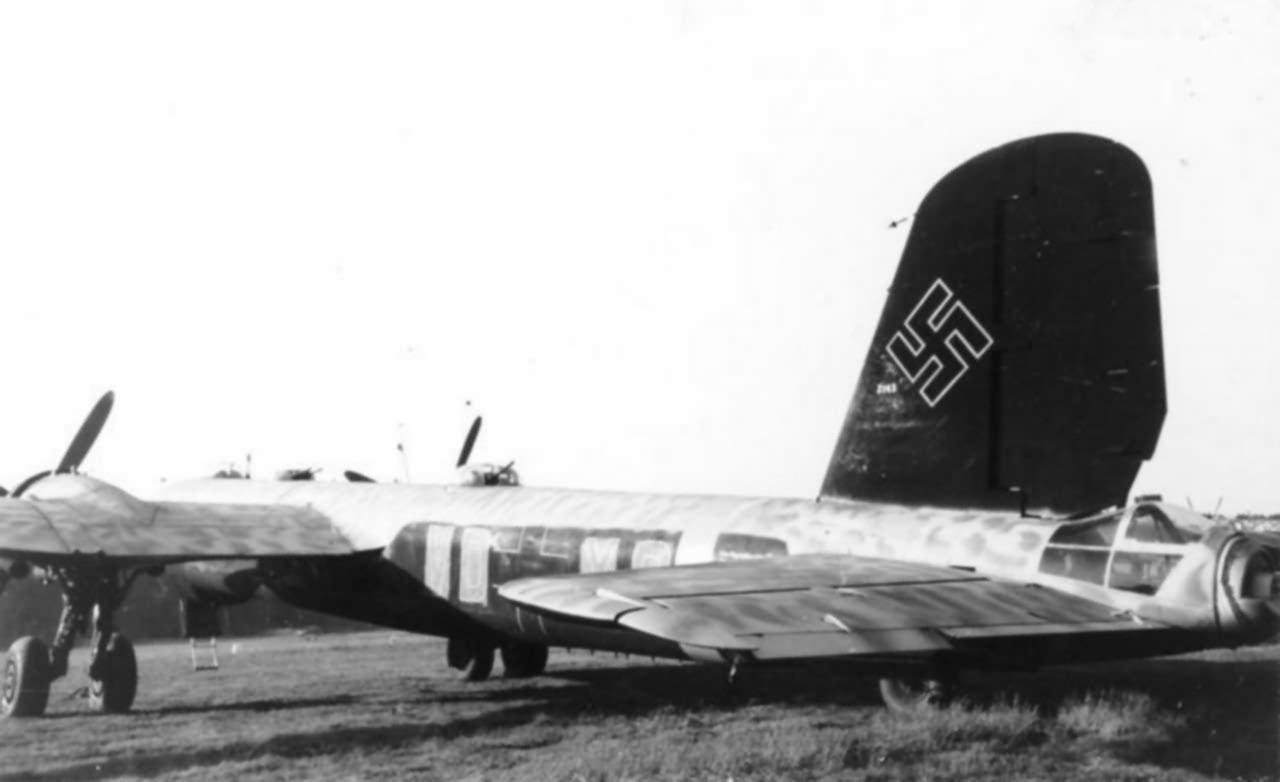
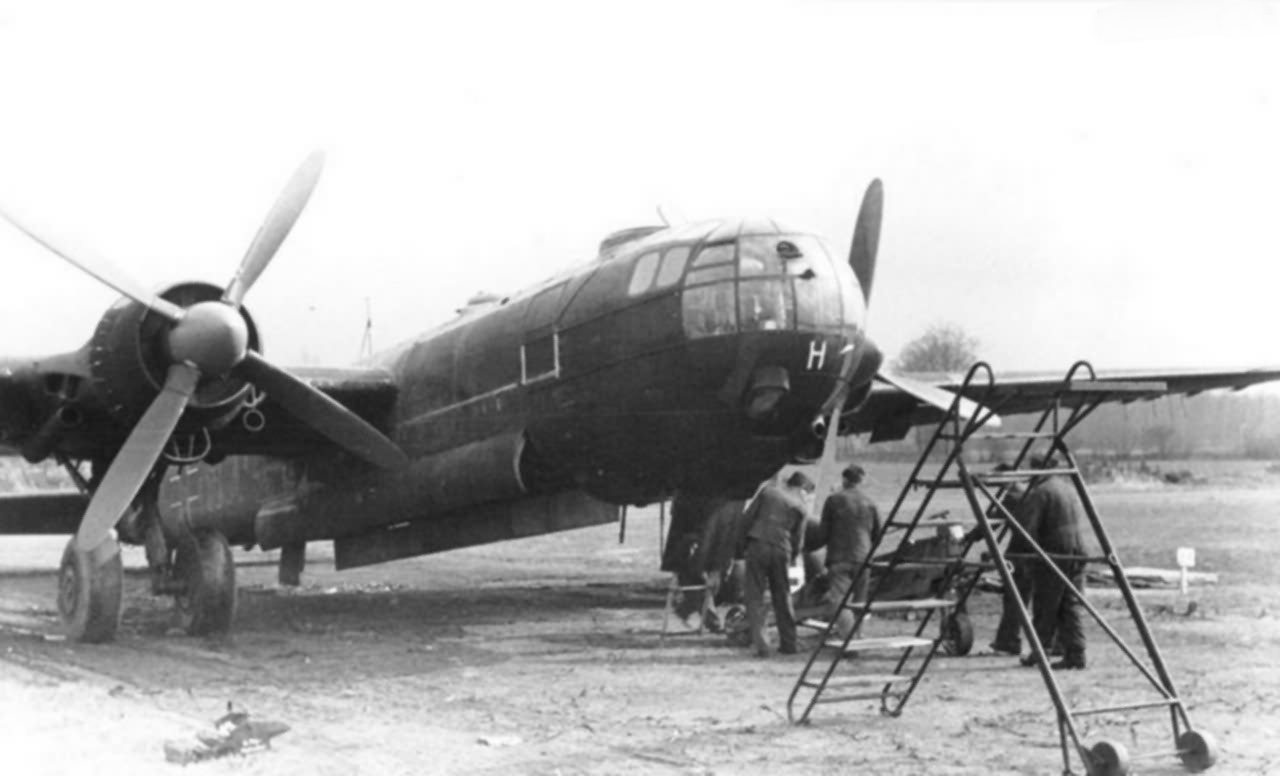
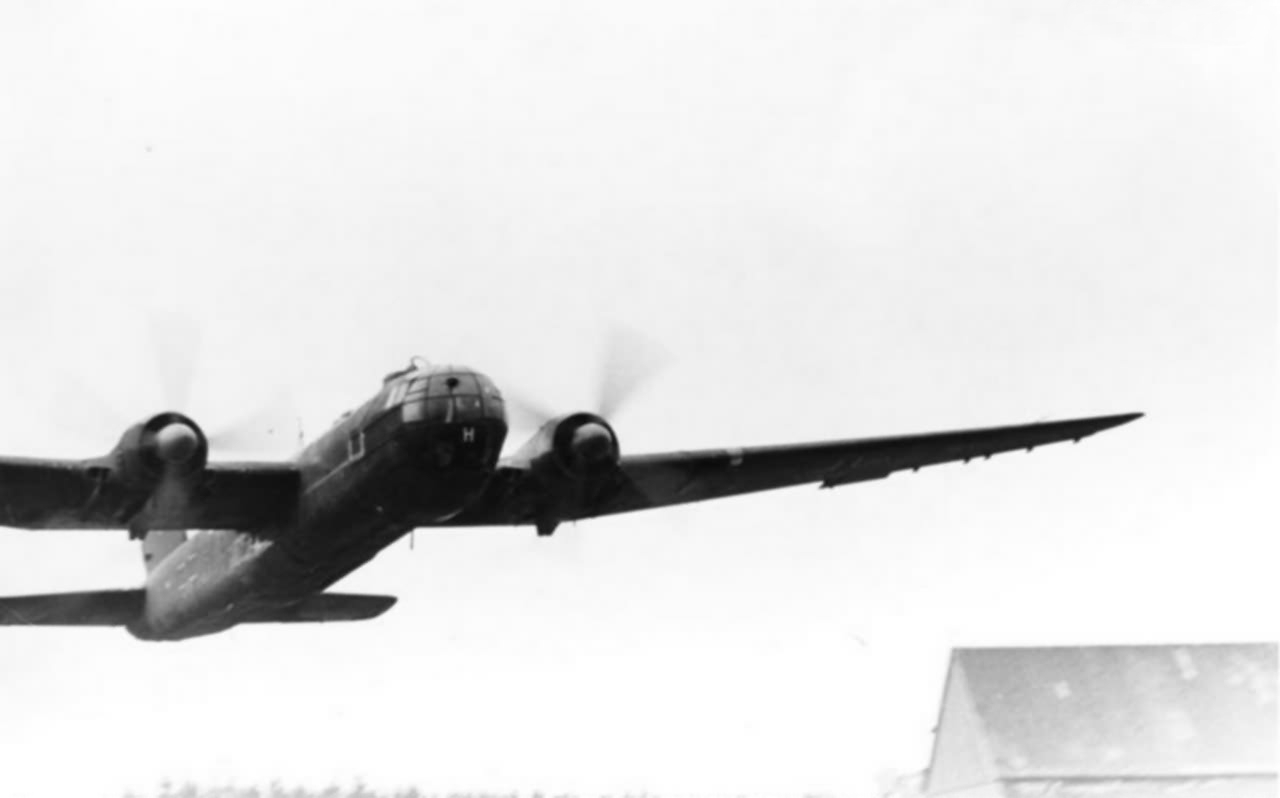
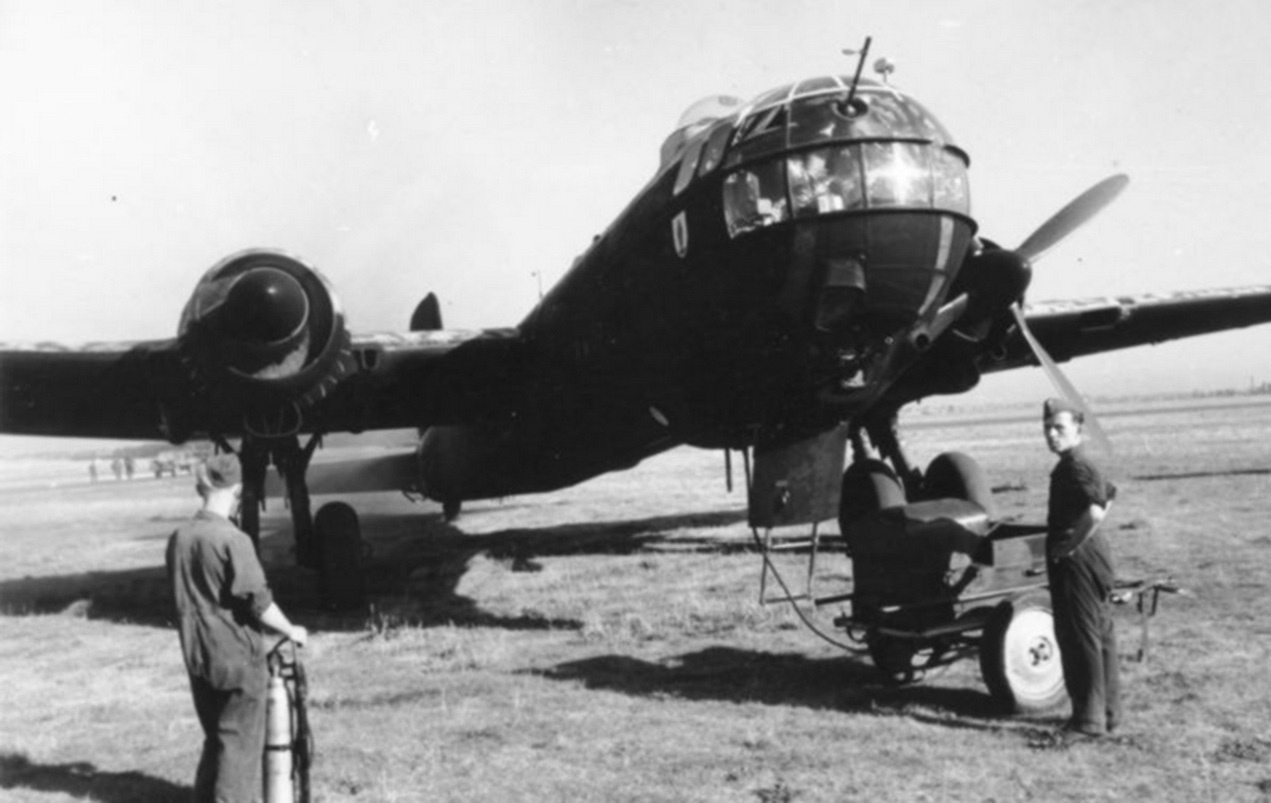
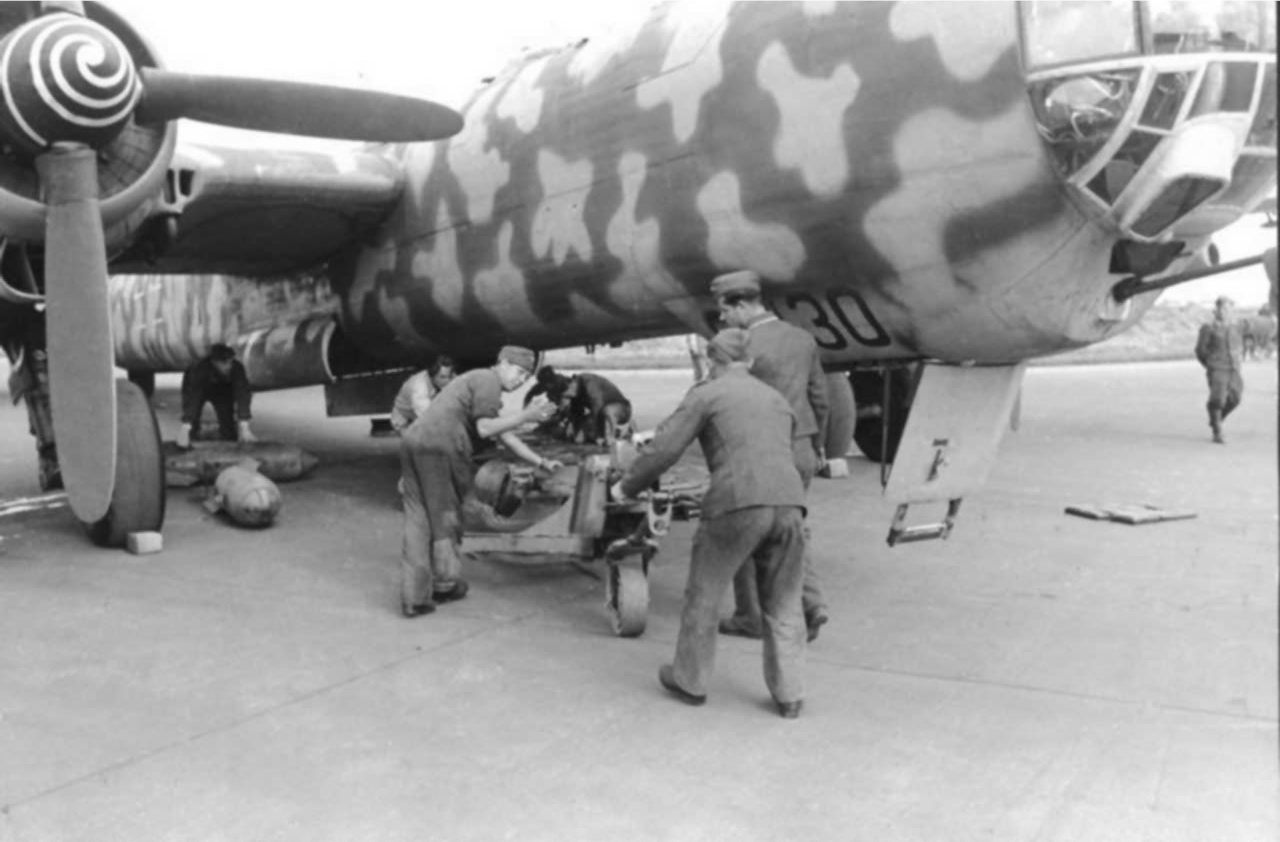
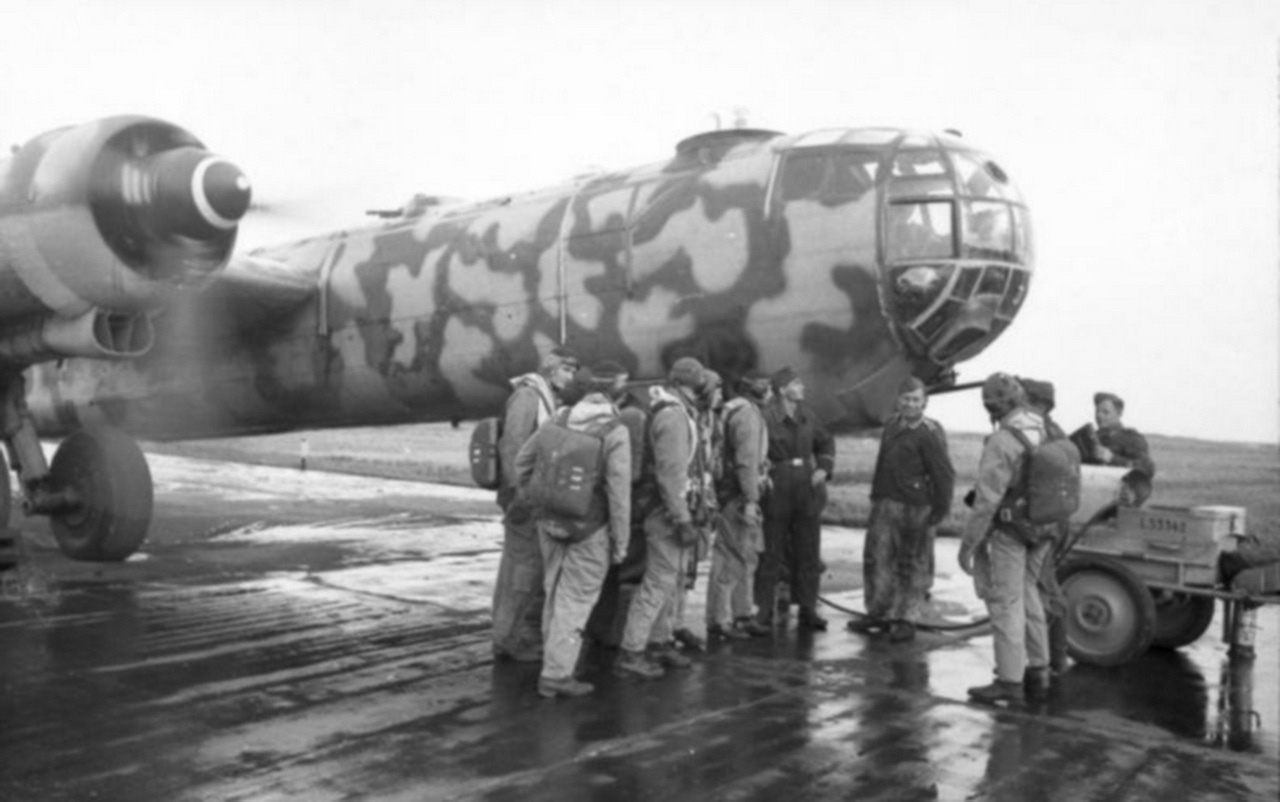
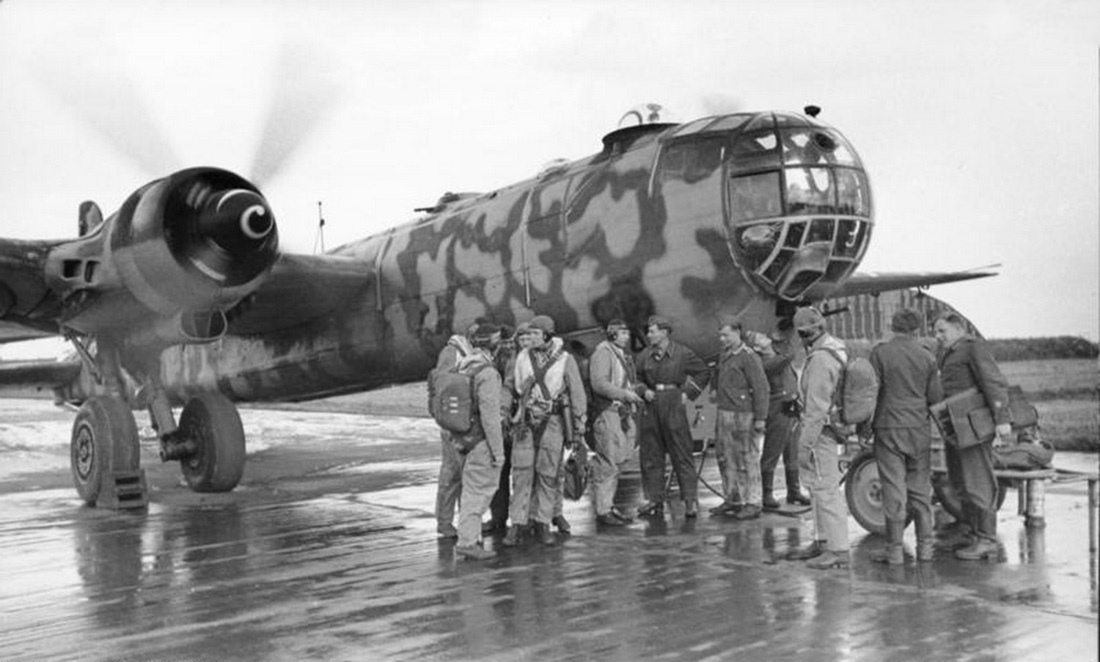
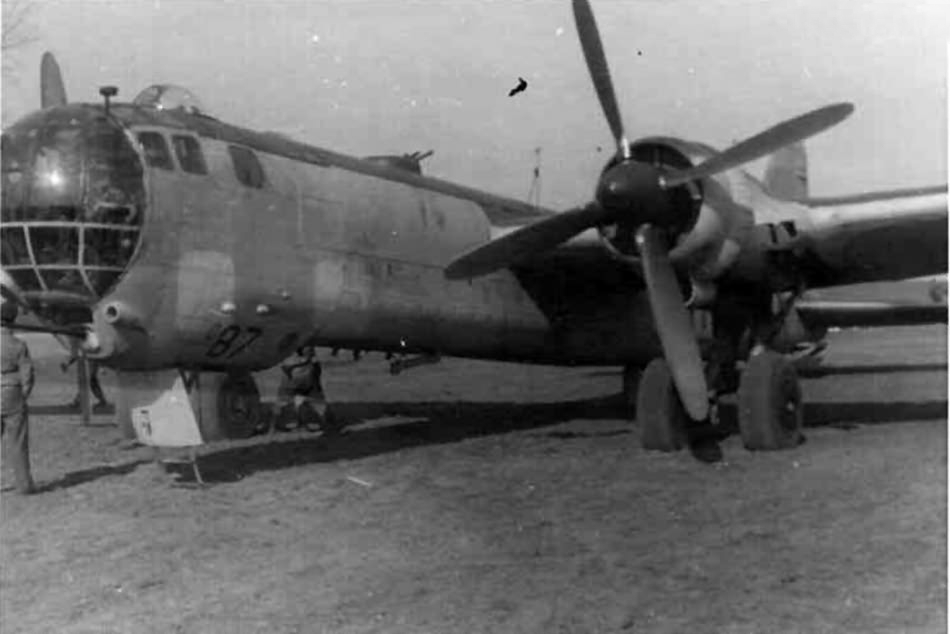
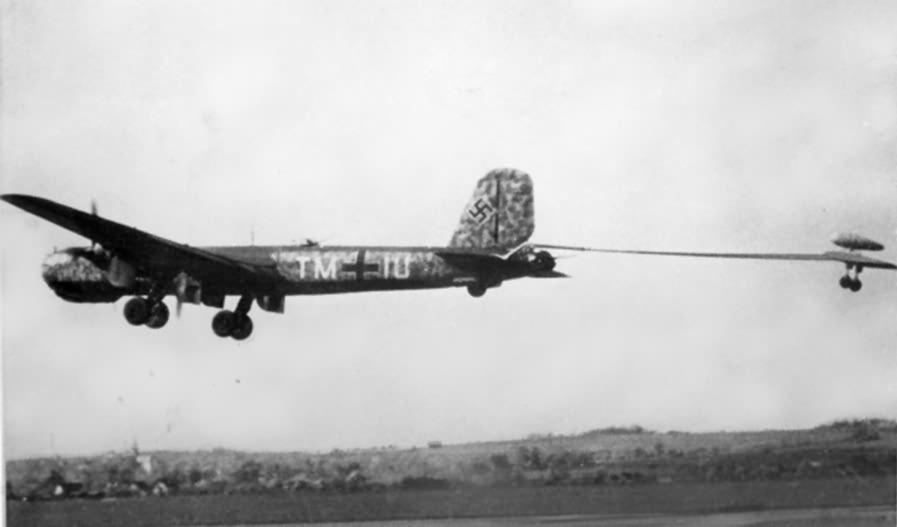
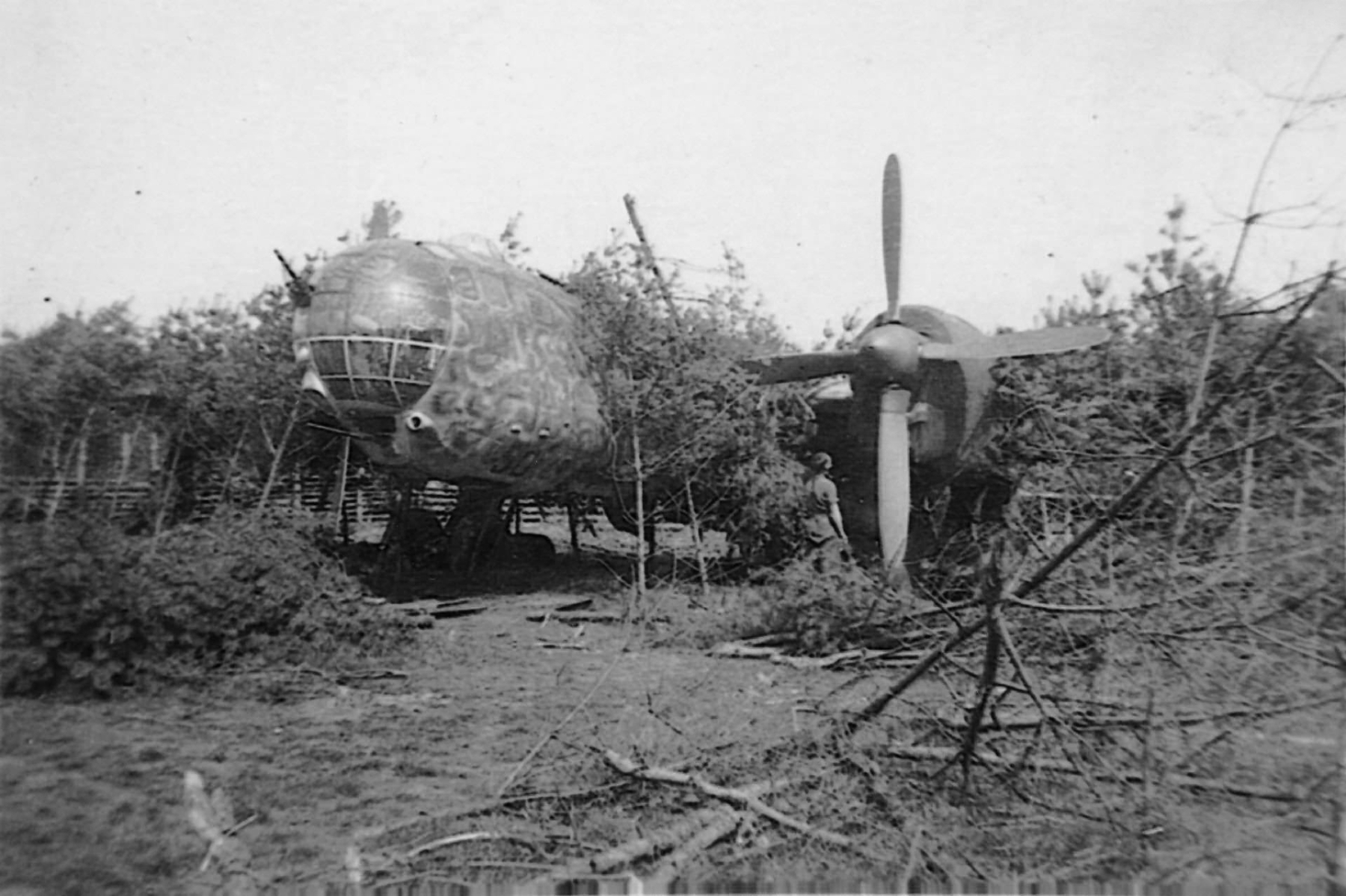
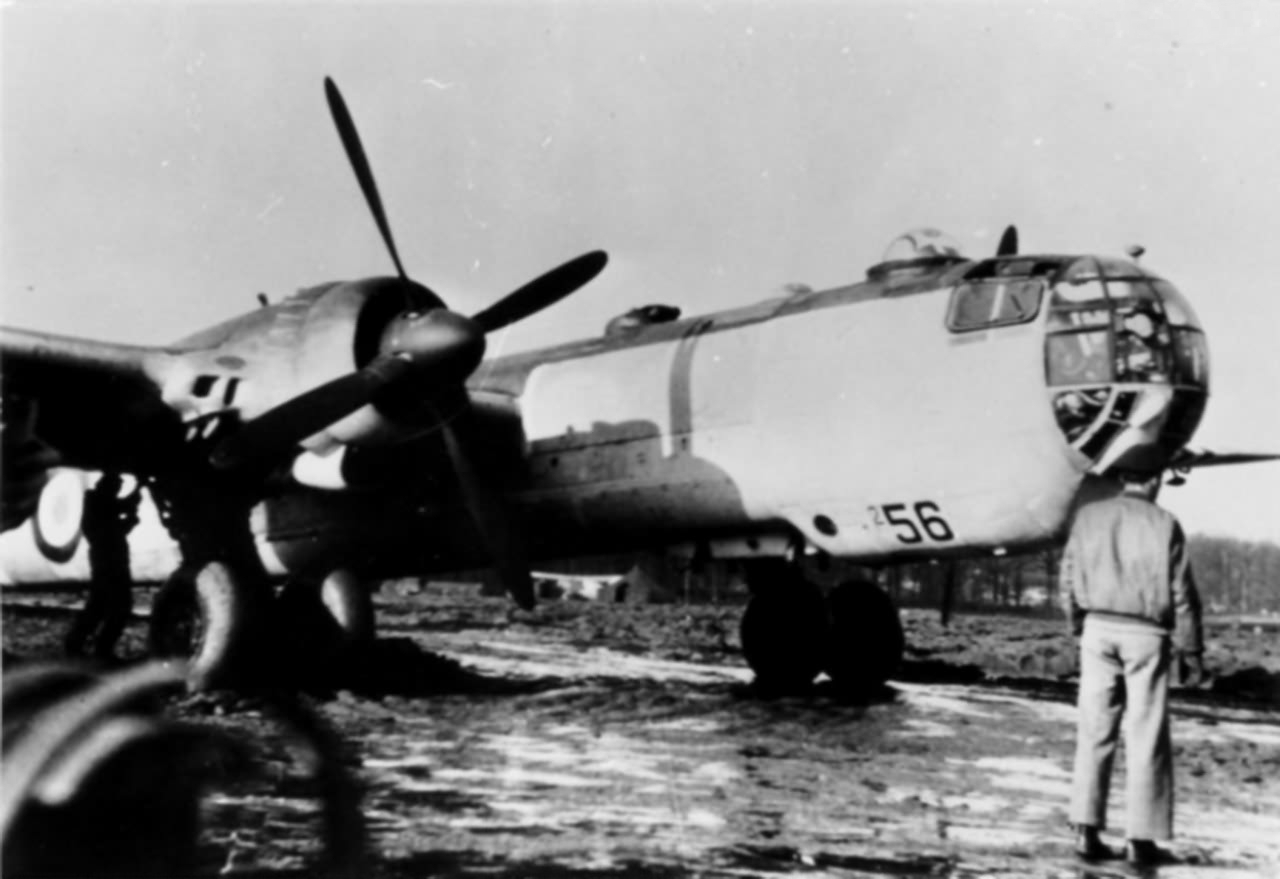
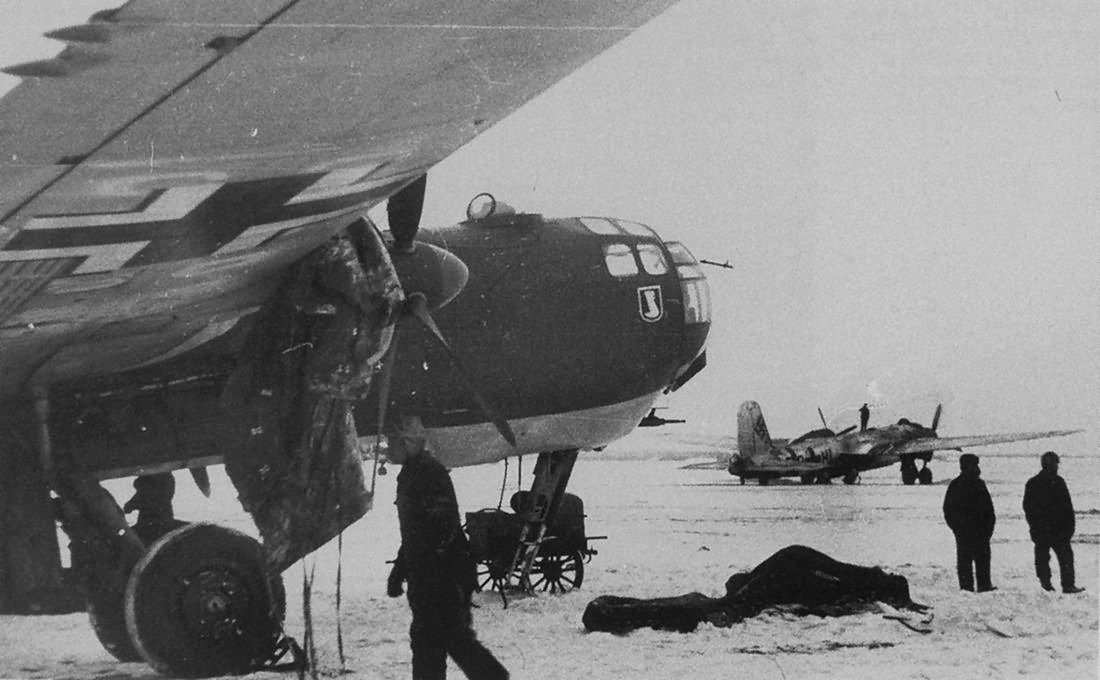
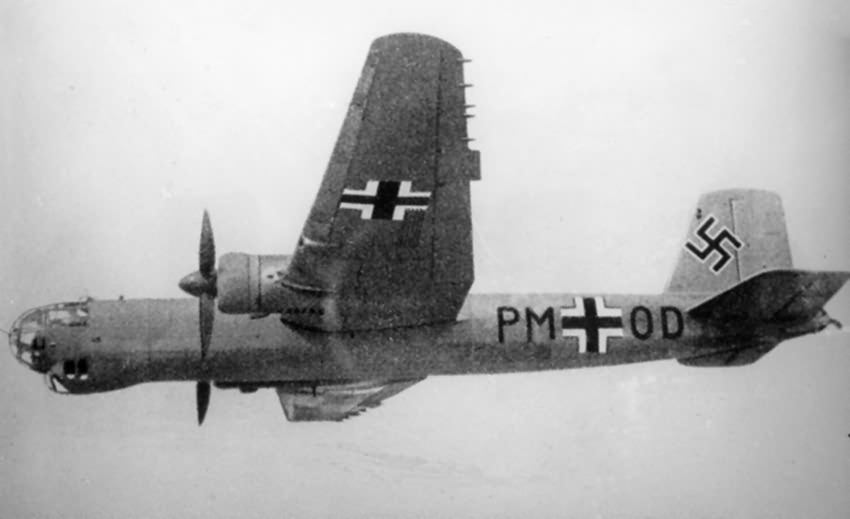
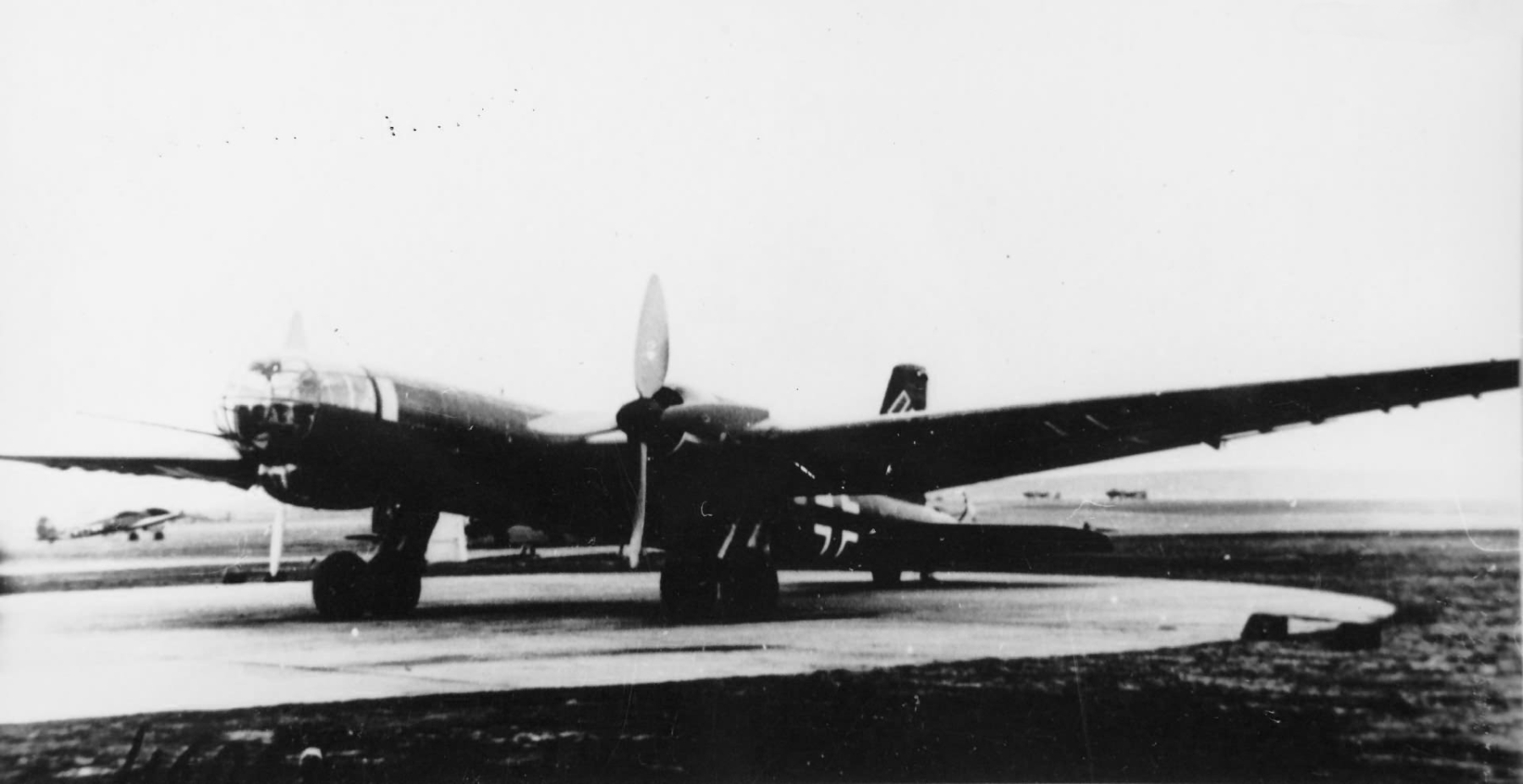
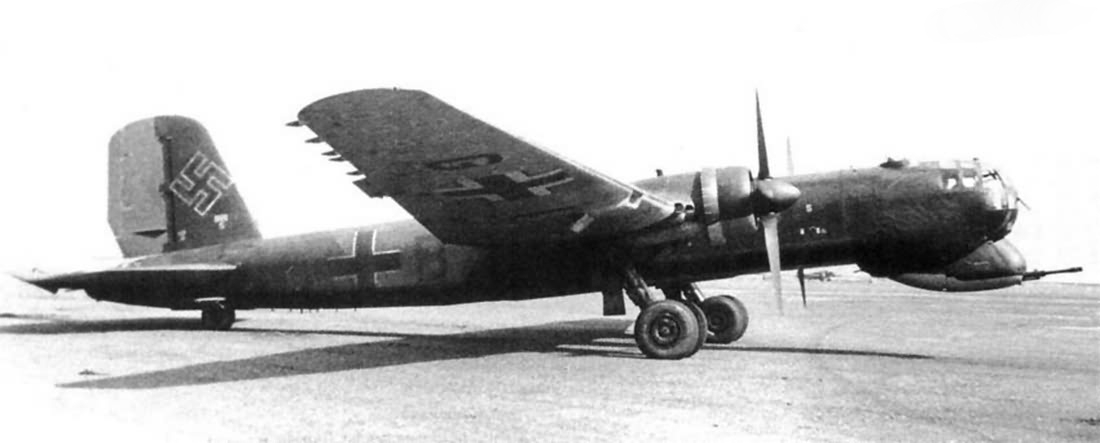
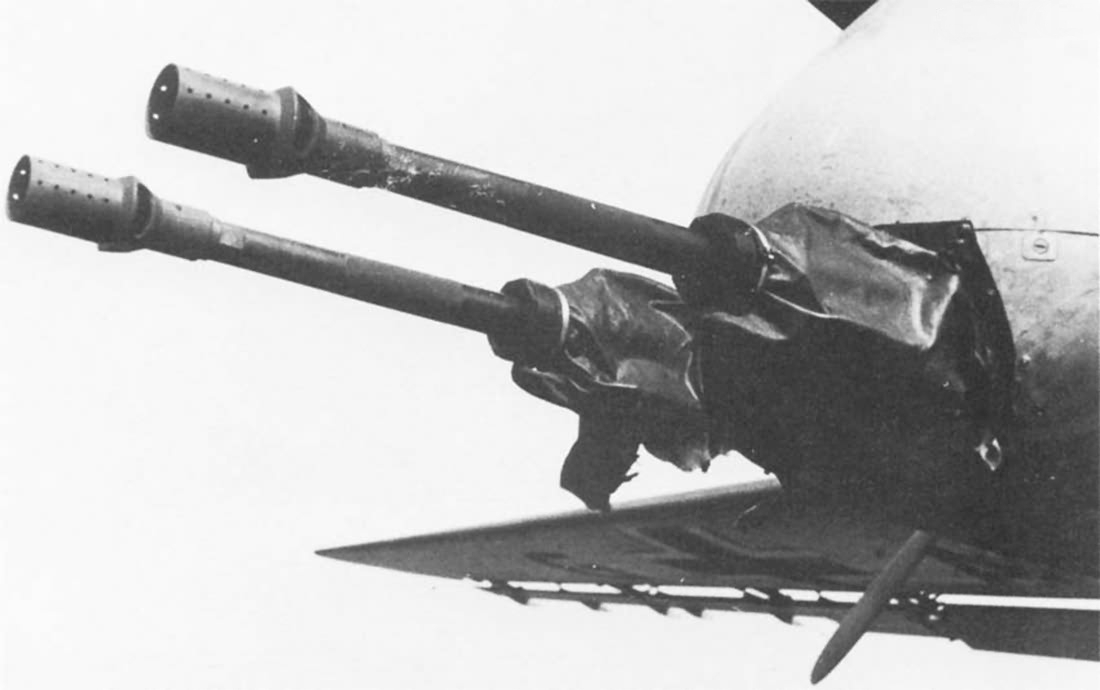
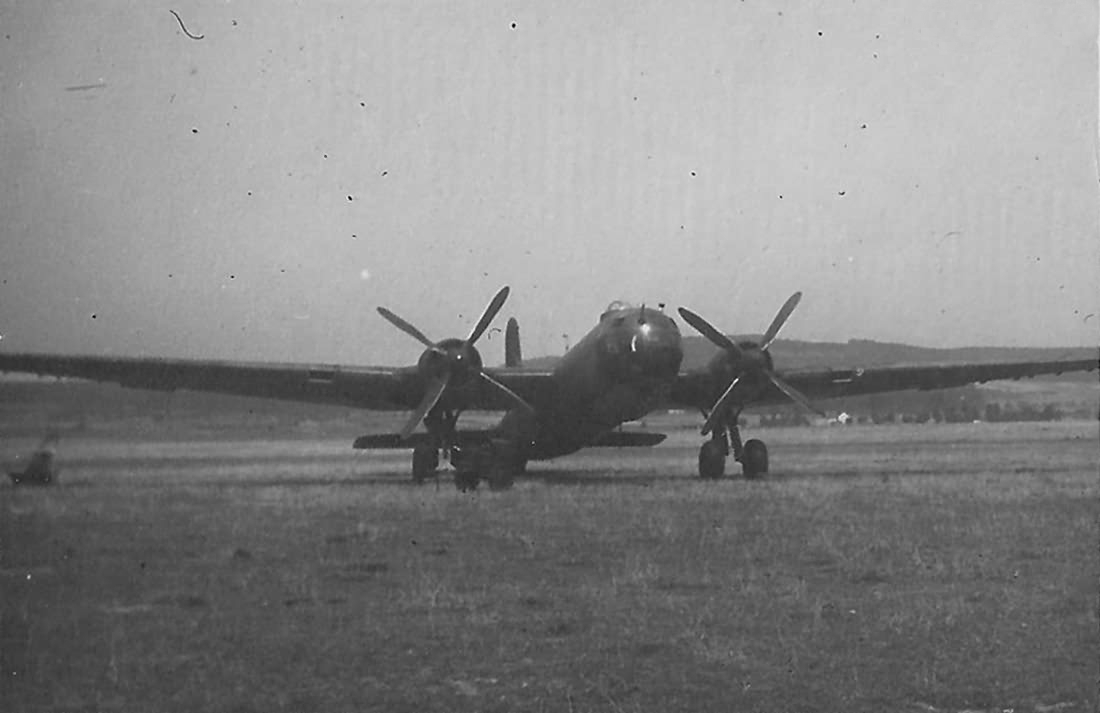
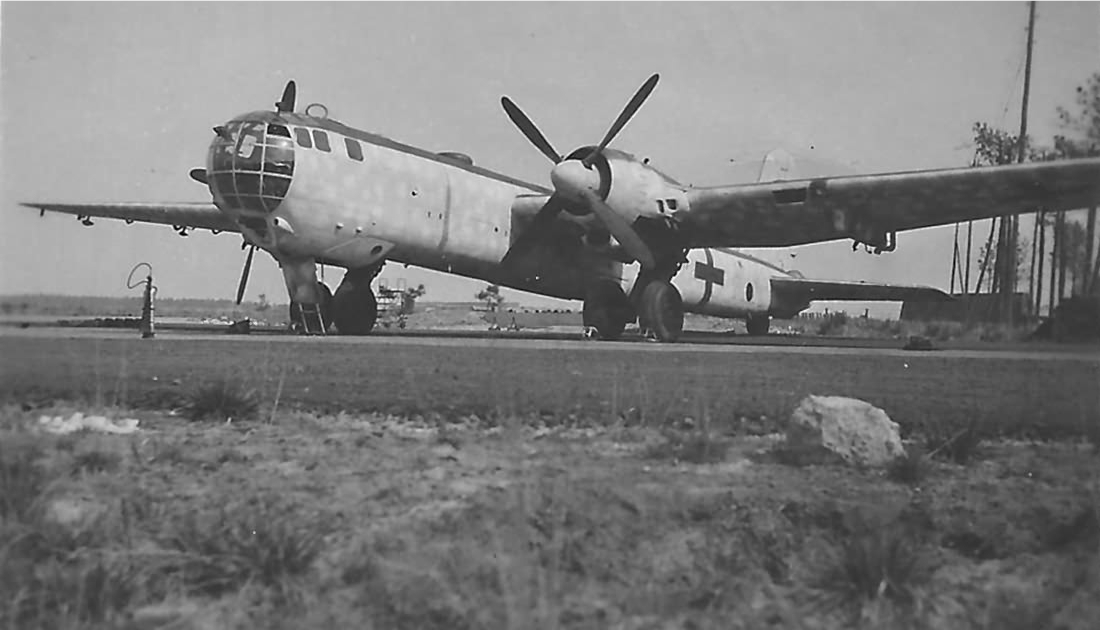
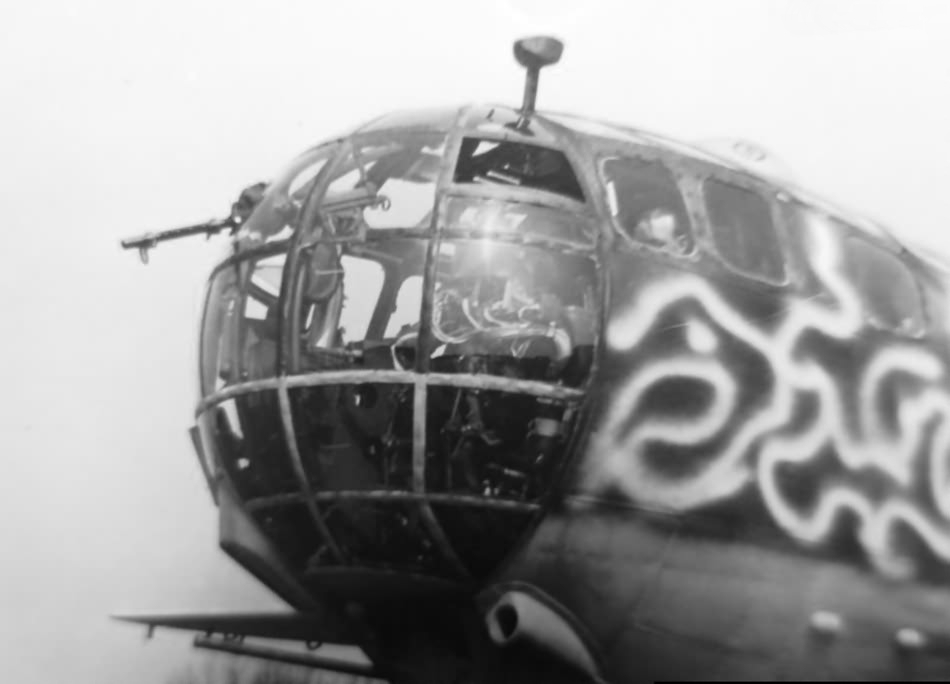
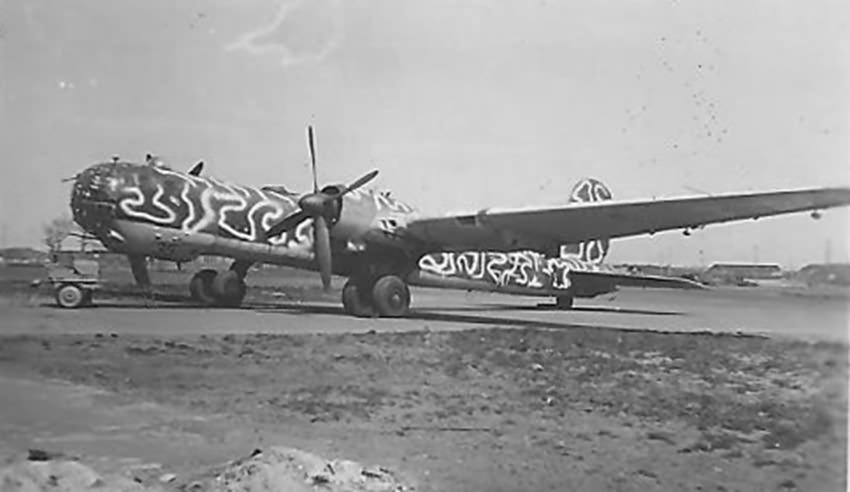
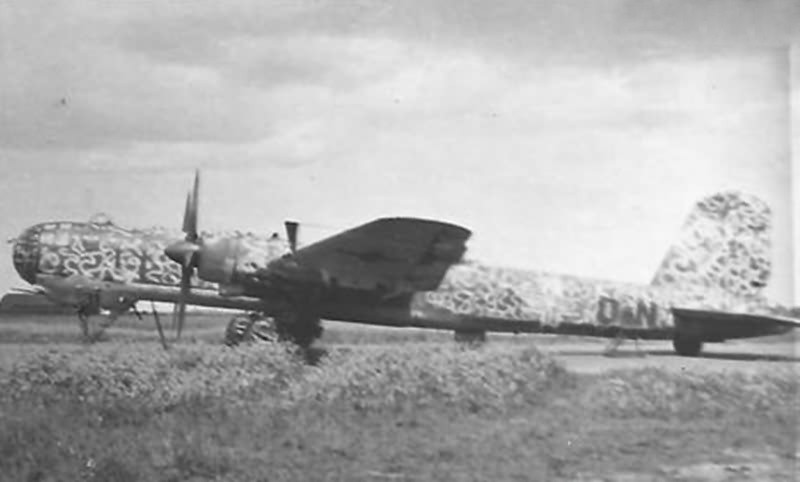
Heinkel He 177 Greif (“Griffin”) was Germany’s only operational heavy strategic bomber of World War II, designed by Siegfried Günter to meet a 1937 Reichsluftfahrtministerium requirement for a long-range bomber capable of carrying 1,000 kg of bombs over 6,600 km while exceptionally retaining dive-bombing capabilities. To minimize drag and improve aerodynamics, the aircraft featured a unique propulsion system consisting of four Daimler-Benz DB 605 inline engines paired in tandem inside two nacelles (designated as DB 606 or DB 610 engines), each driving a single 4.5-meter four-bladed propeller to give the four-engine aircraft the visual silhouette of a twin-engine plane. However, the complex arrangement caused severe overheating, lubrication, and fire hazards in early prototypes (V1–V8) and initial pre-production models (A-0 and A-1), earning the type a reputation for engine fires and causing heavy operational losses during early deployments, such as transport missions during the Battle of Stalingrad. The design matured in the elongated He 177A-3 and the main production He 177A-5 (565 built), which resolved the thermal issues, strengthened the airframe, and integrated advanced missile-launching capabilities. Equipped to carry precision-guided munitions like the Henschel Hs 293 anti-ship missile and Fritz X guided bomb, He 177s operated with units like KG 40 and KG 100 over the Atlantic and Mediterranean—sinking 26 Allied supply ships and transports in minelaying and missile operations—as well as taking part in Operation Steinbock raids over Britain and strategic bombing strikes over the Eastern Front with KG 1. Despite its formidable speed, high ceiling, and heavy payload, critical fuel shortages in late 1944 forced the Luftwaffe to ground the fuel-thirsty fleet and divert manufacturing priorities entirely toward fighter production, leaving most surviving airframes abandoned before the war’s end.