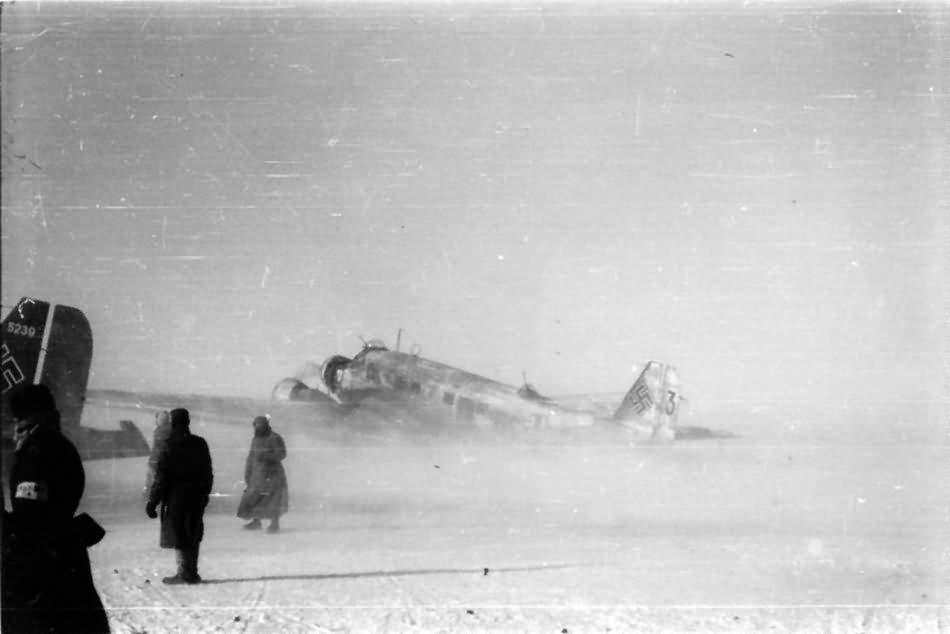
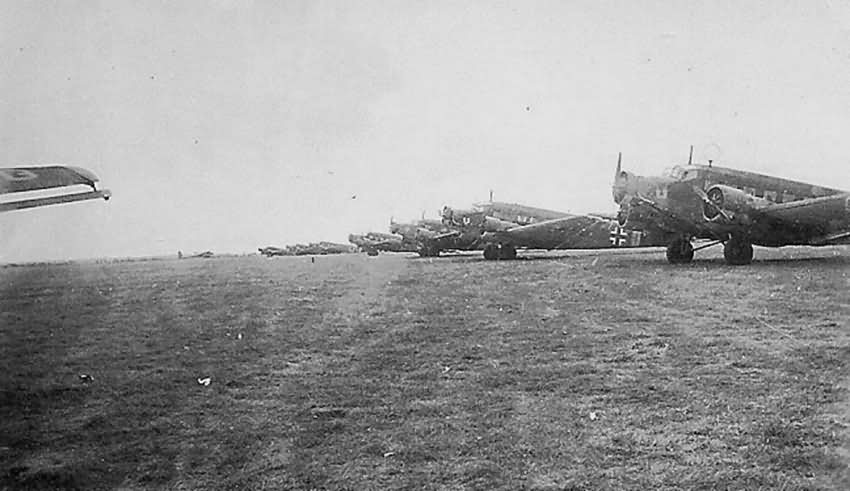
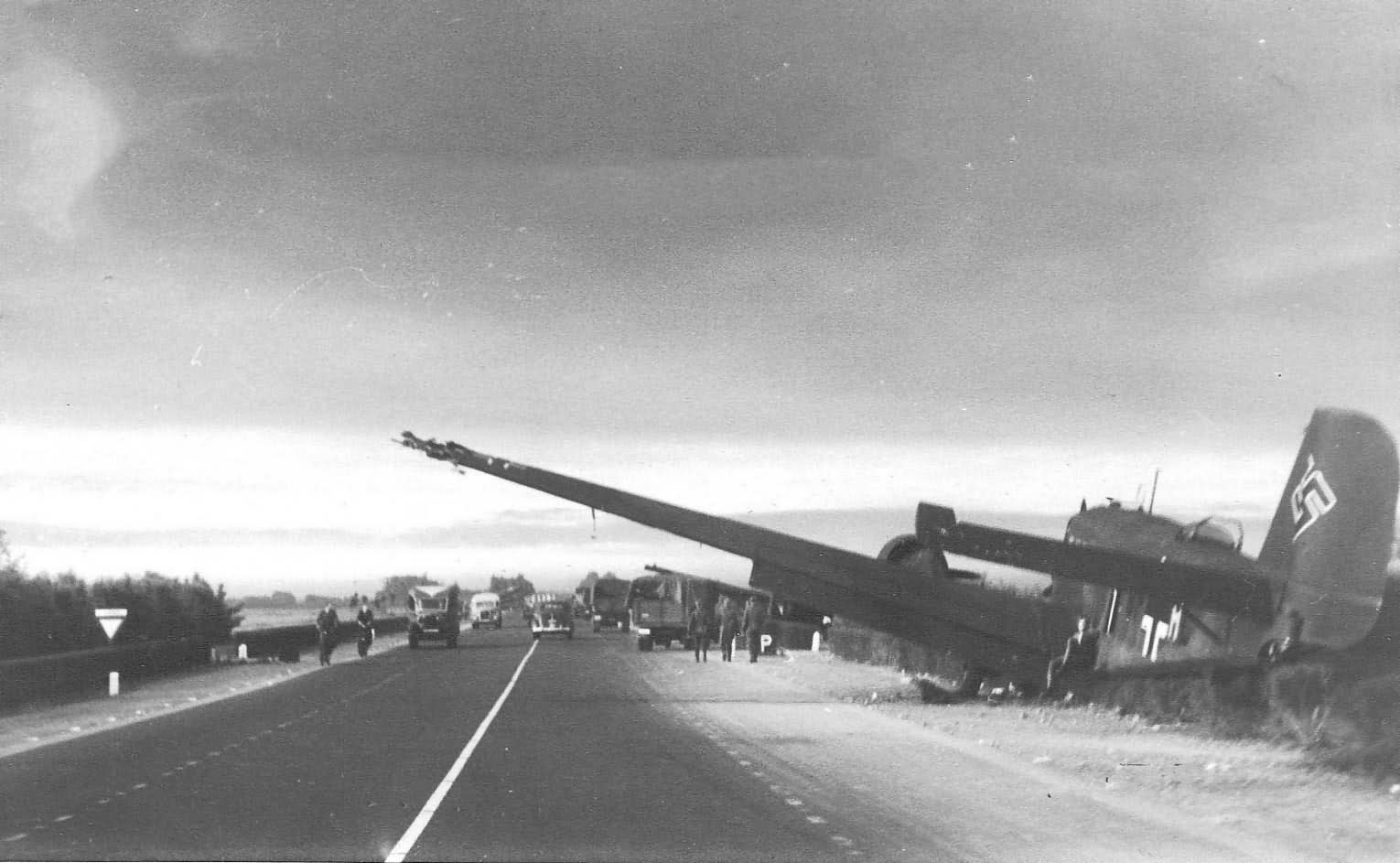
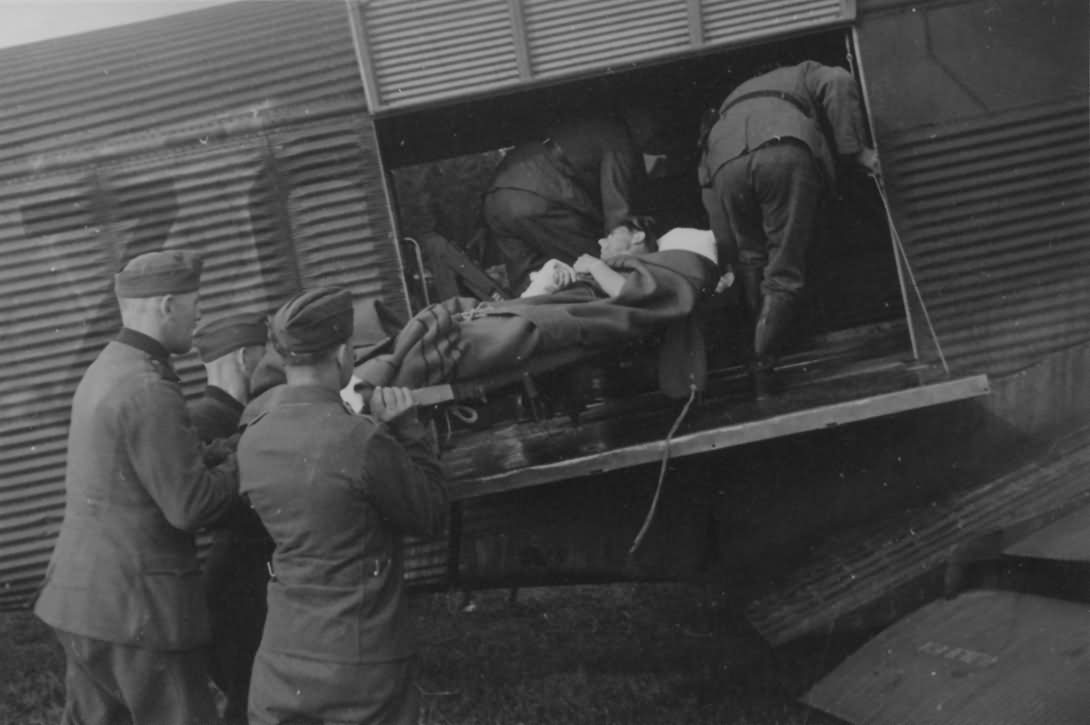
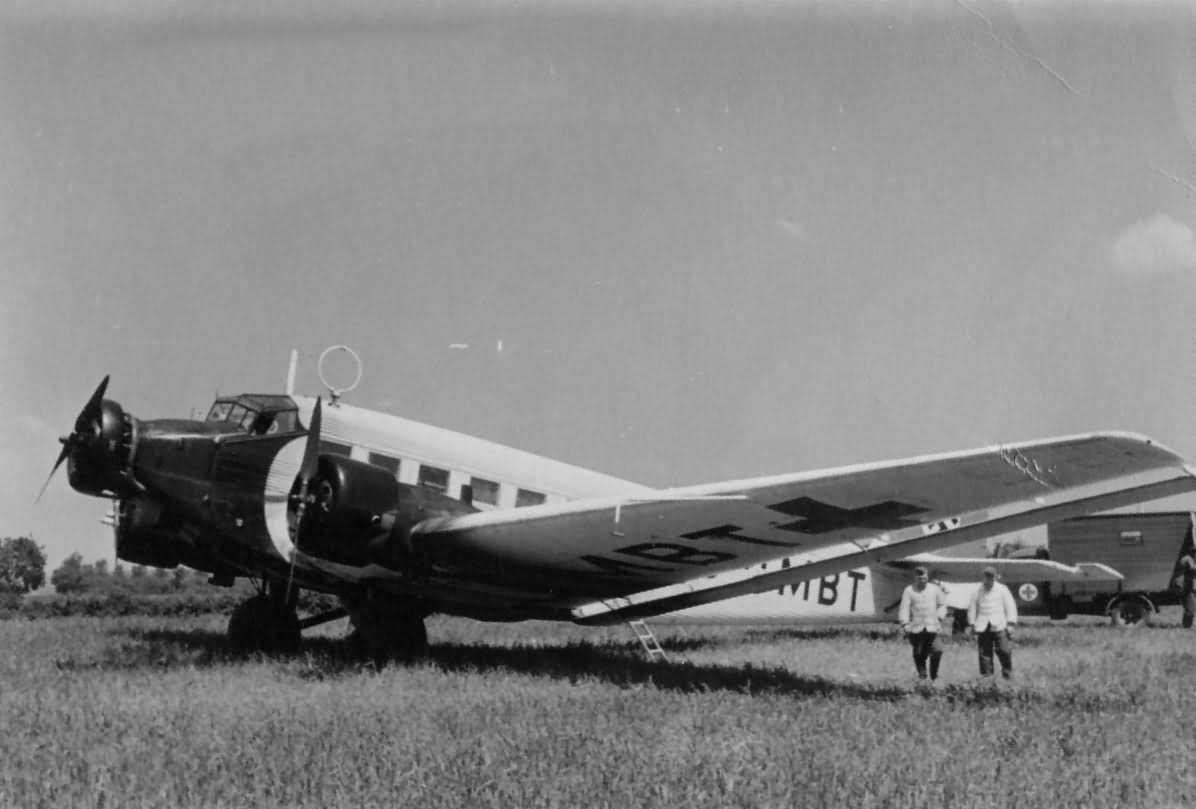
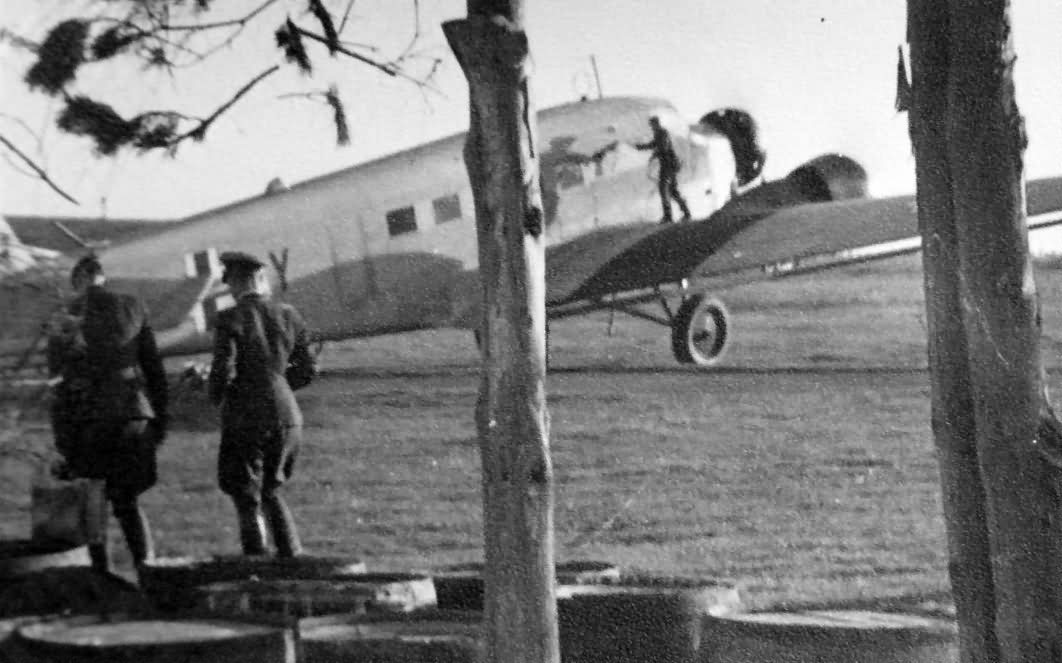
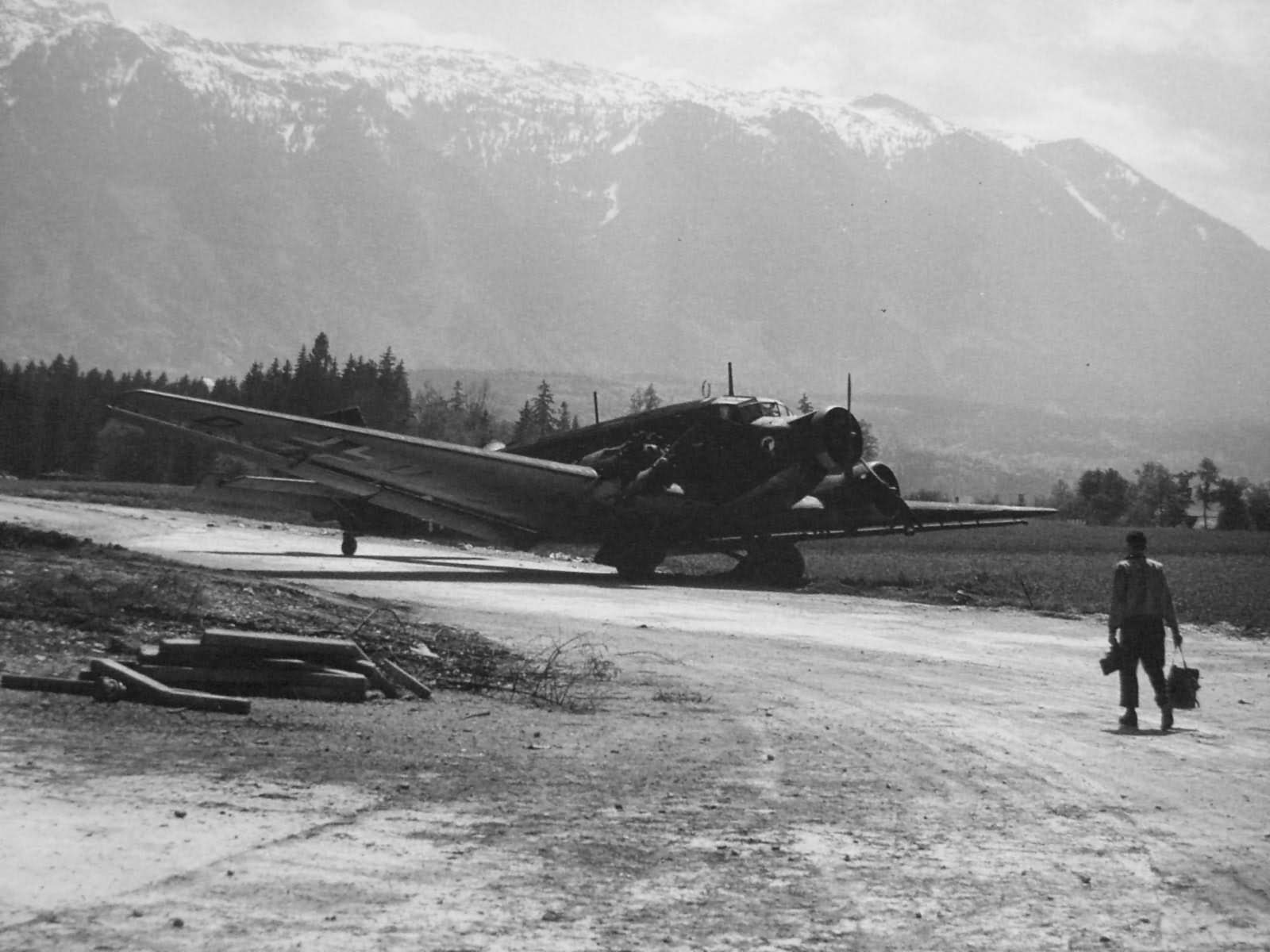
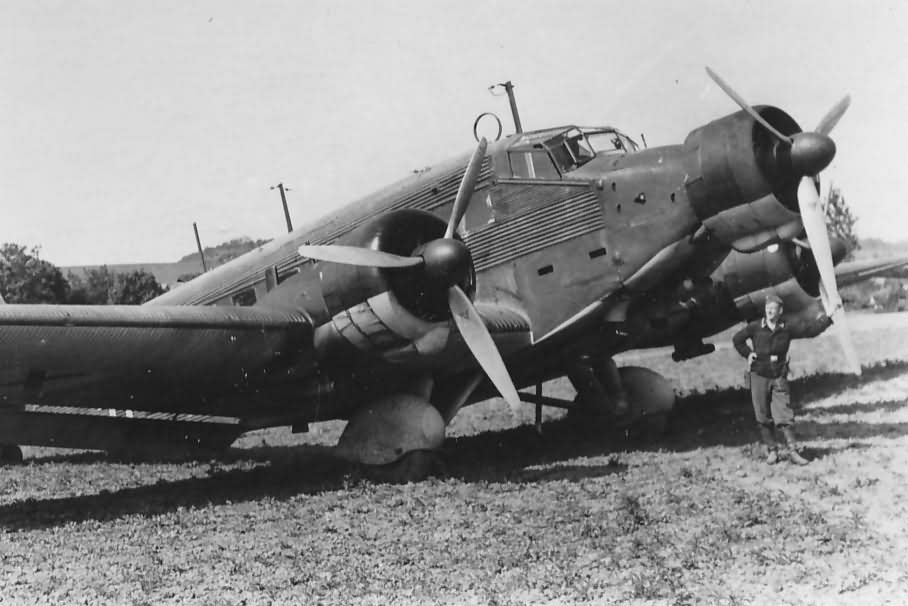
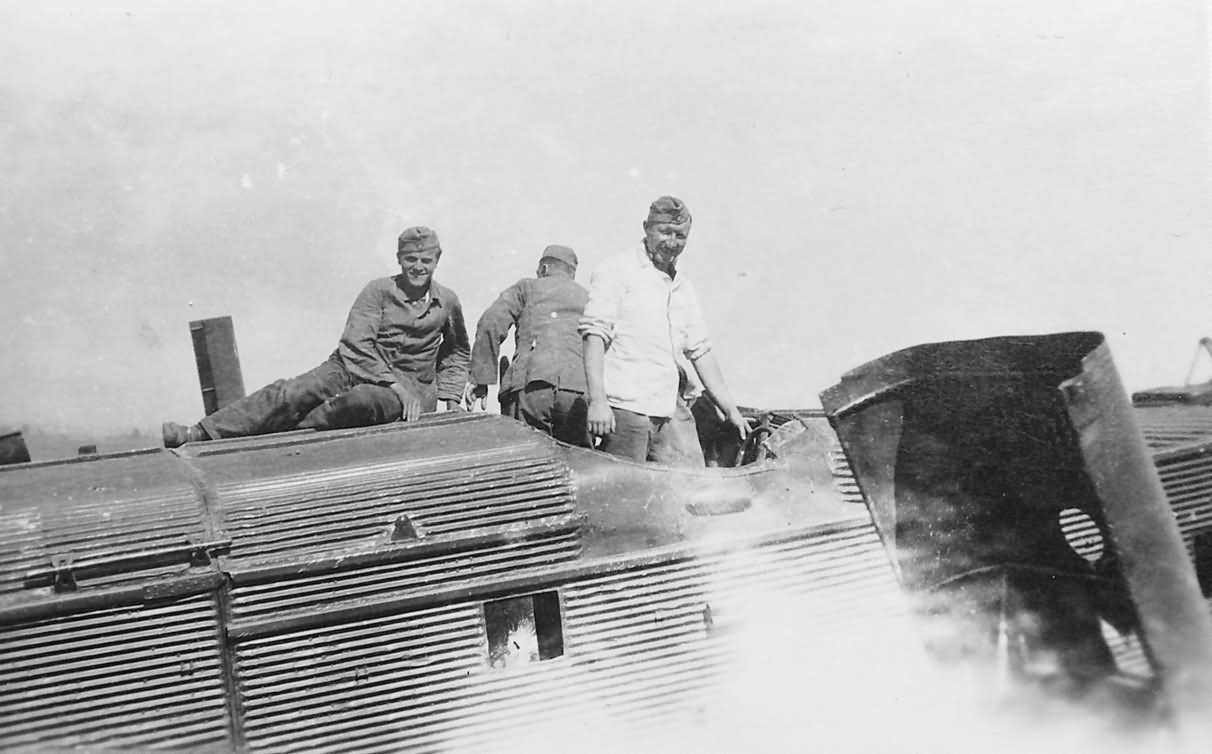
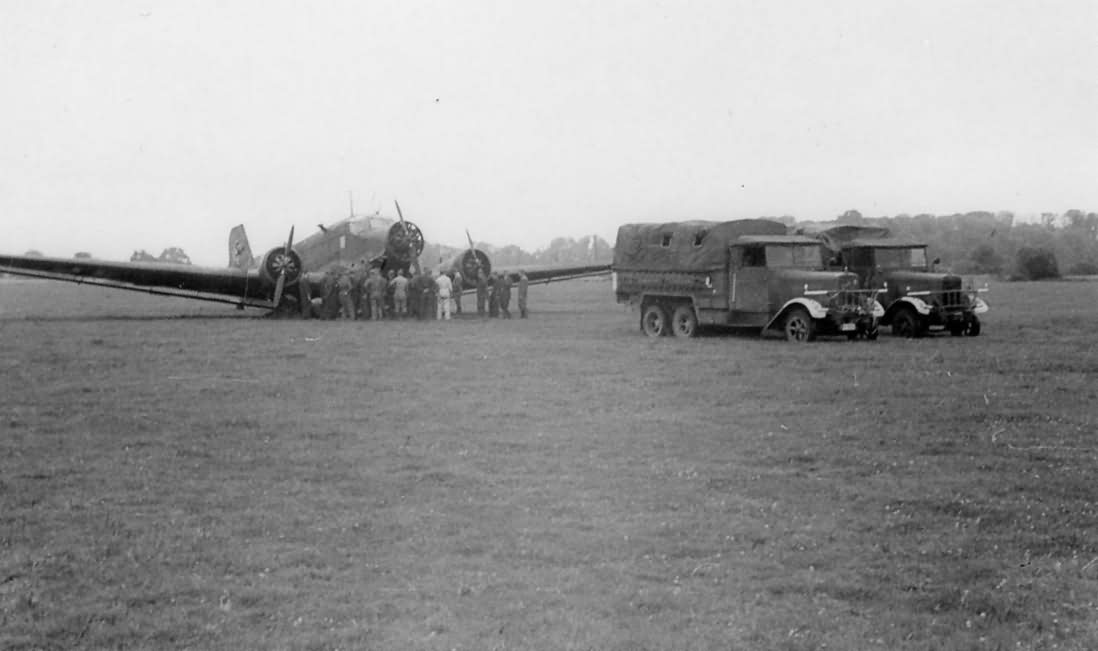
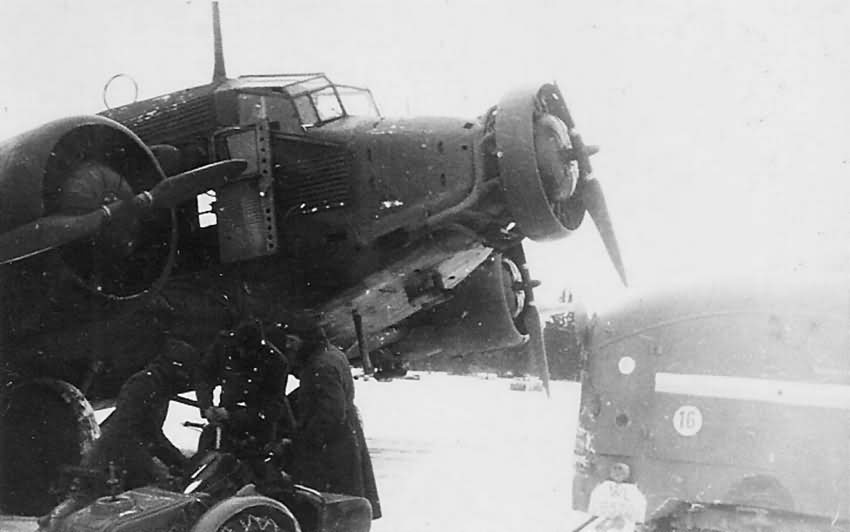
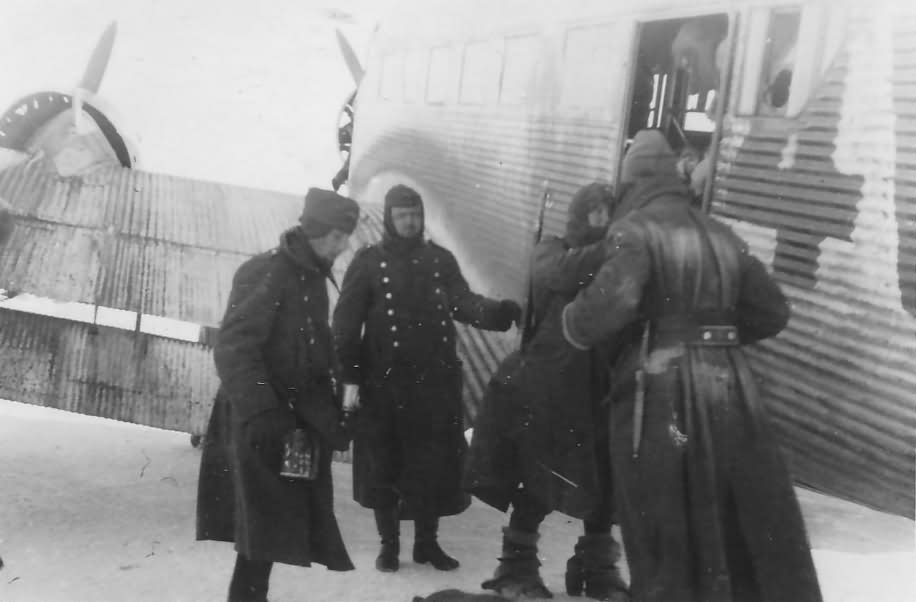
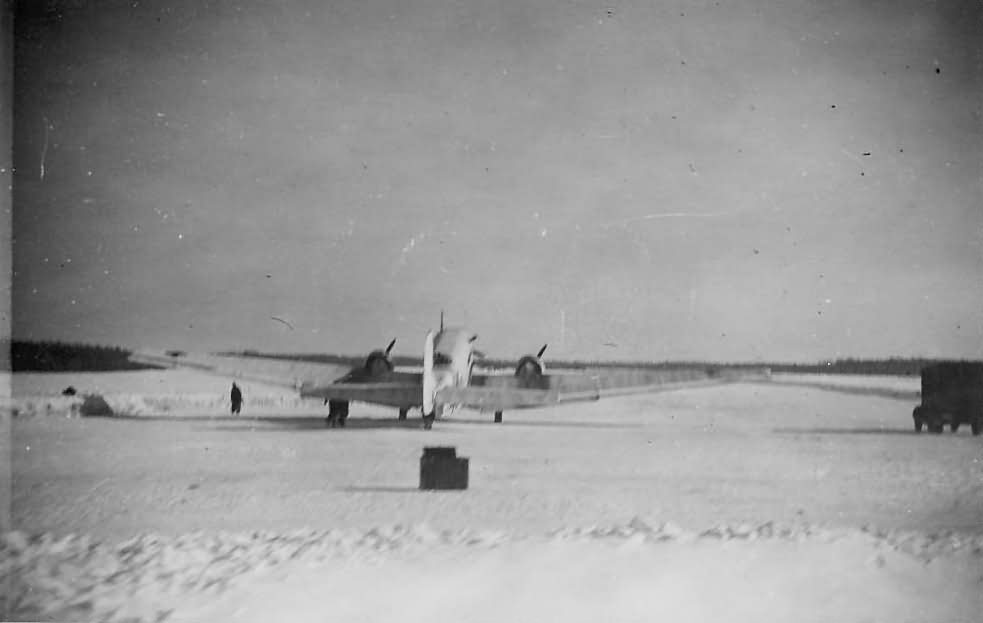
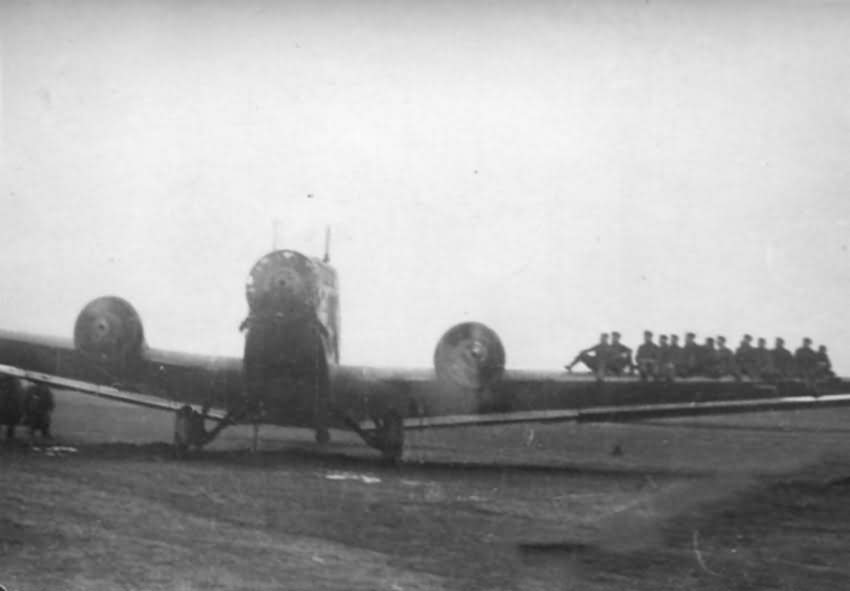
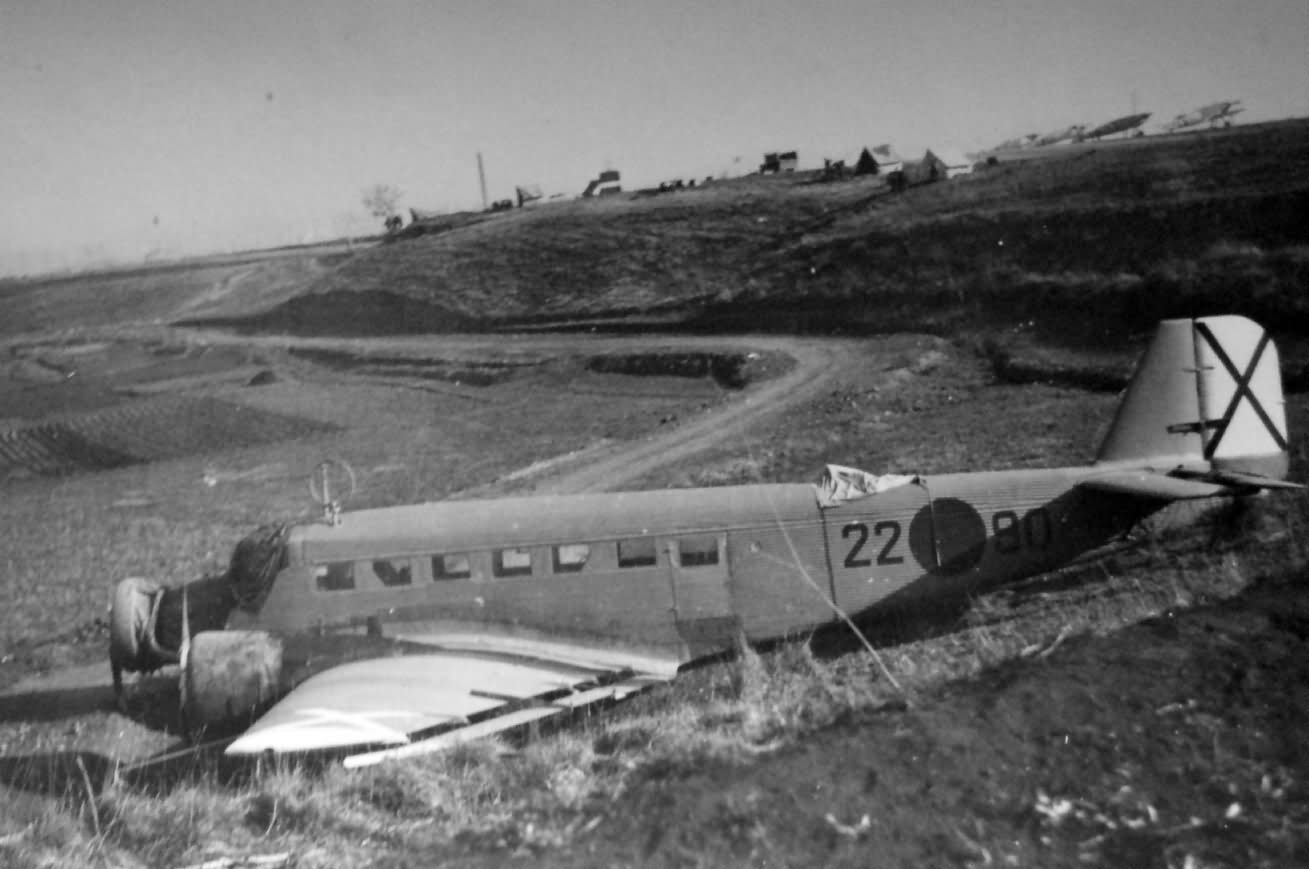
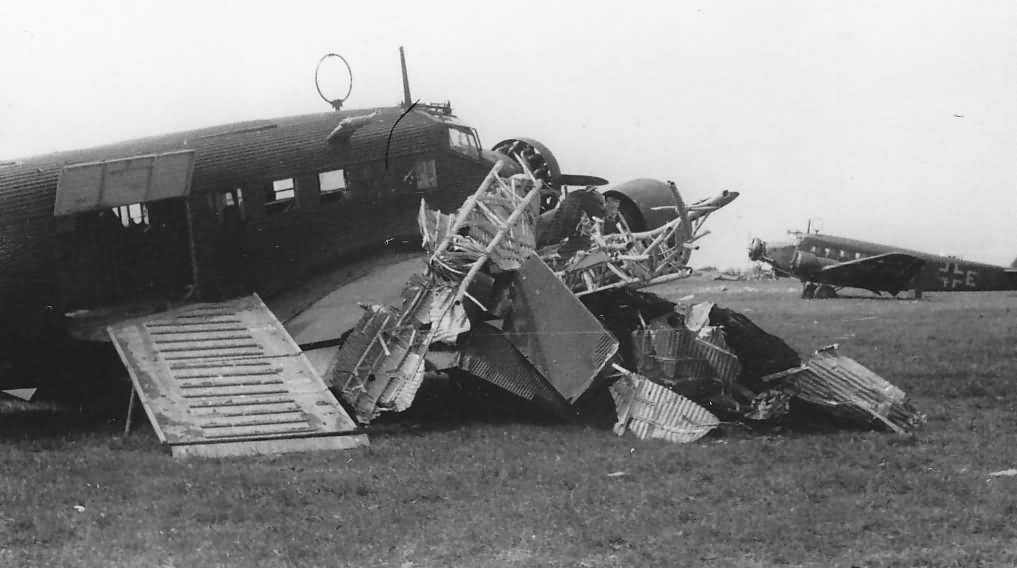
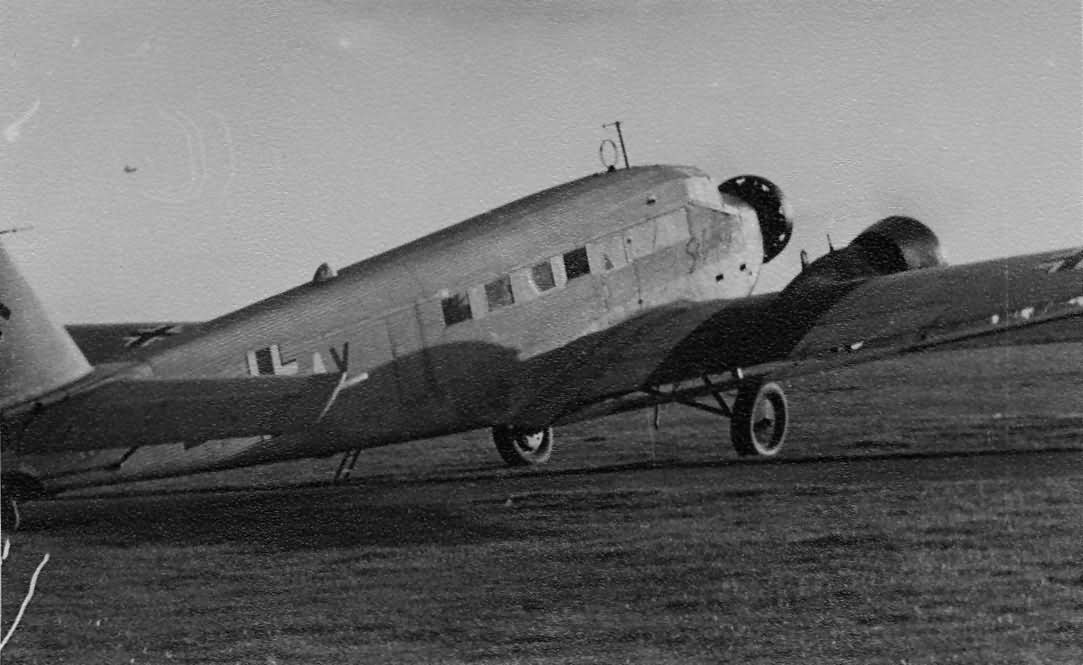
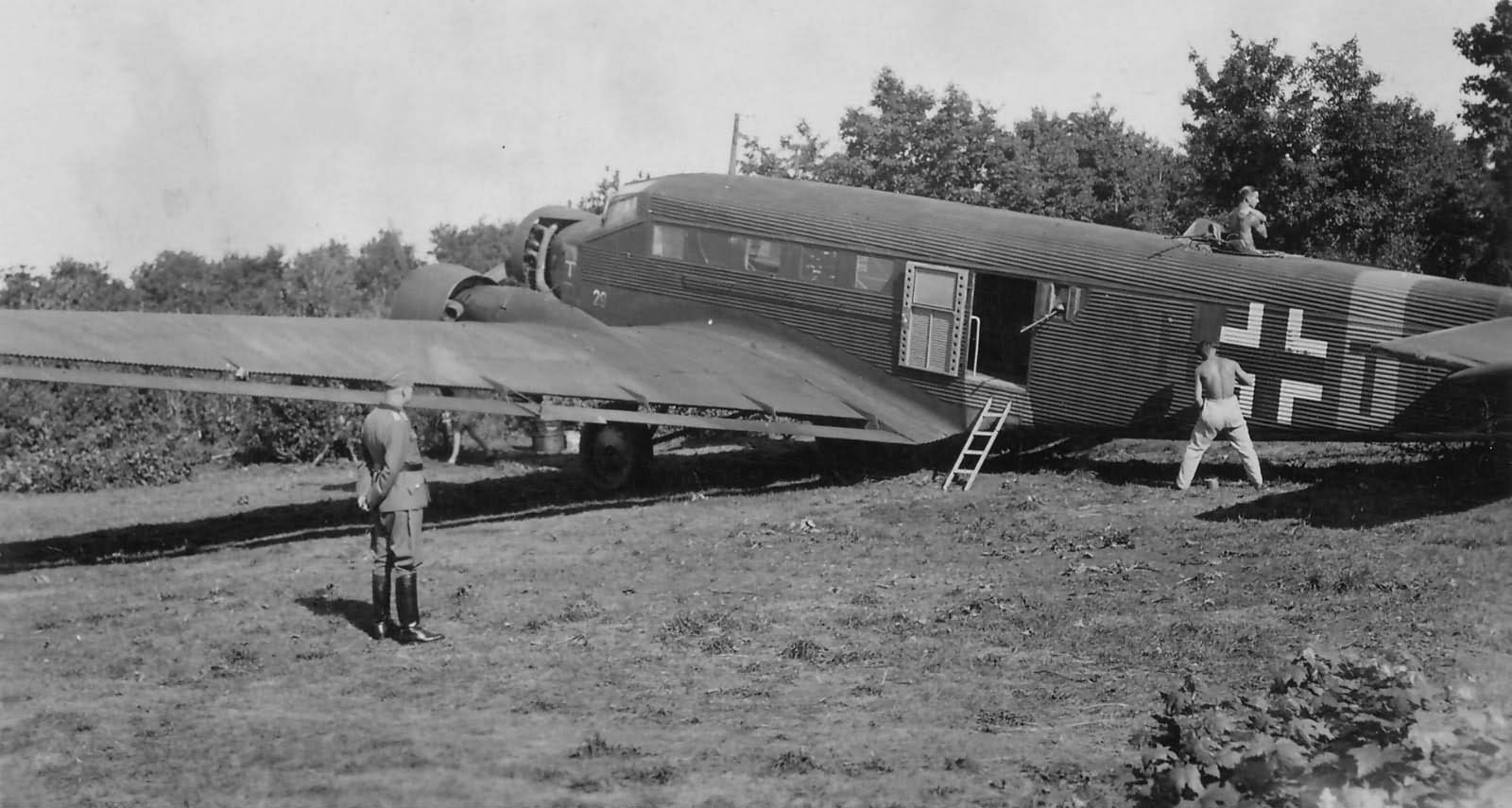
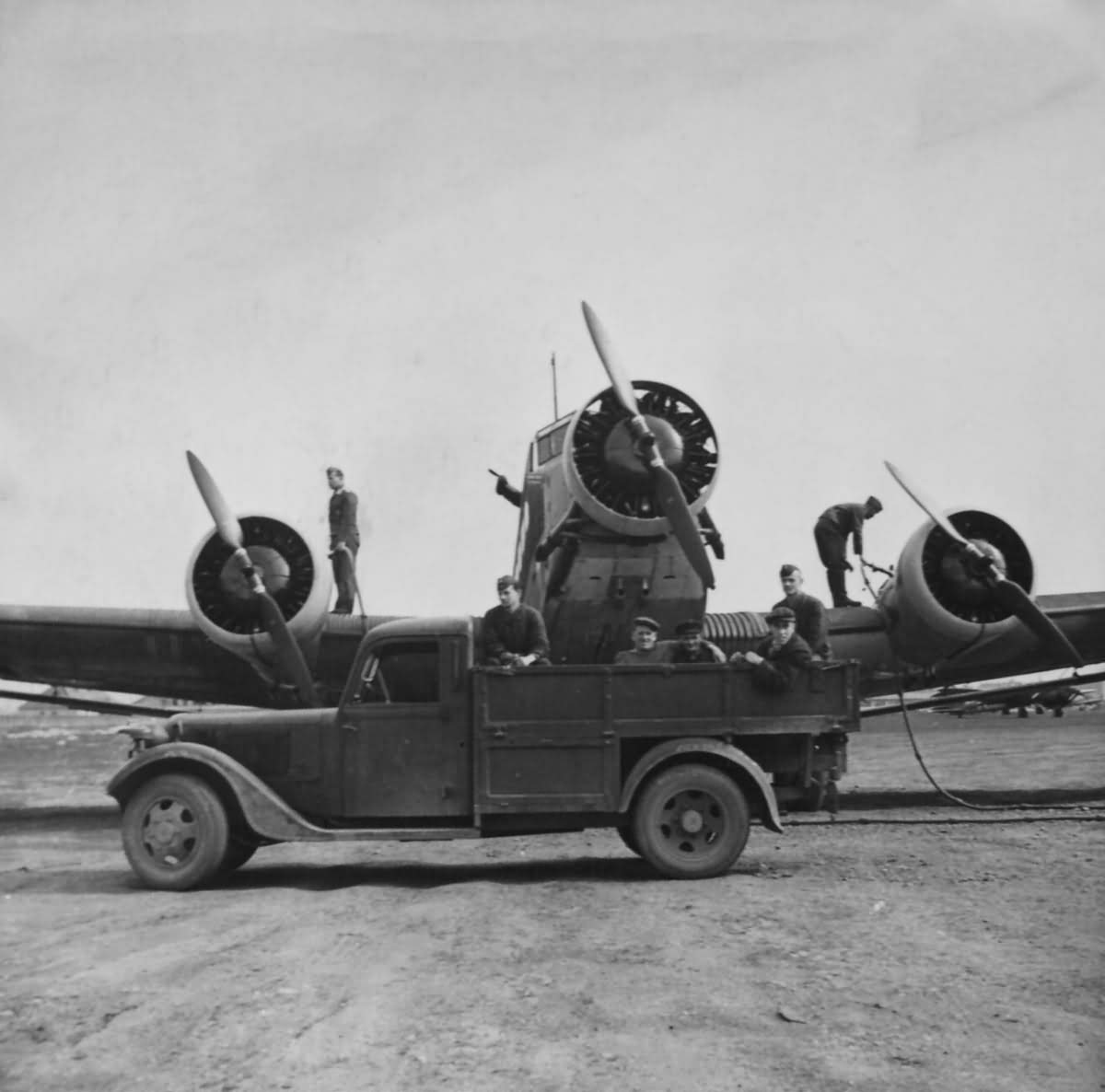
Junkers Ju 52 (affectionately nicknamed “Tante Ju” / “Auntie Ju”) was a German three-engine medium passenger and transport aircraft developed in the early 1930s by Junkers, serving as the logistical backbone of the Wehrmacht and Luftwaffe throughout World War II. Initially designed in 1929 as a single-engine airliner (Ju 52/1m), the design evolved in 1931 into the iconic three-engine configuration (Ju 52/3m), powered by three radial engines (typically 830 hp BMW 132s) and characterized by its rugged, corrugated duralumin skin. Before full-scale bomber production matured, it briefly served as an interim bomber (Behelfsbomber) during the Spanish Civil War—where it conducted the world’s first major military airlift by shuttling Nationalist troops from Morocco to Spain—and was widely adopted by commercial airlines globally, including Lufthansa and LOT Polish Airlines (which operated a single interned example, SP-AKX). Manufactured in over 4,800 units in Germany through mid-1944 (and produced post-war in France as the AAC.1 Toucan and Spain as the CASA C-352-L), the Ju 52 performed diverse wartime roles as a troop transport, glider tug, paratrooper platform, air ambulance, and magnetic mine-sweeper. It spearheaded major airborne operations across Poland, Norway, Western Europe (capturing Fort Eben-Emael and Dutch airfields), and Greece—most notably the costly airborne invasion of Crete in May 1941—and maintained vital resupply airlifts to isolated forces in Demjansk, Stalingrad, North Africa, and besieged Eastern Front strongholds like Poznań and Breslau. Renowned for its exceptional reliability and ability to operate from rough, unpaved airfields, the Ju 52 remained in active military and civilian service around the globe for decades after the war, with military operations continuing in Spain and Switzerland into the late 1970s.