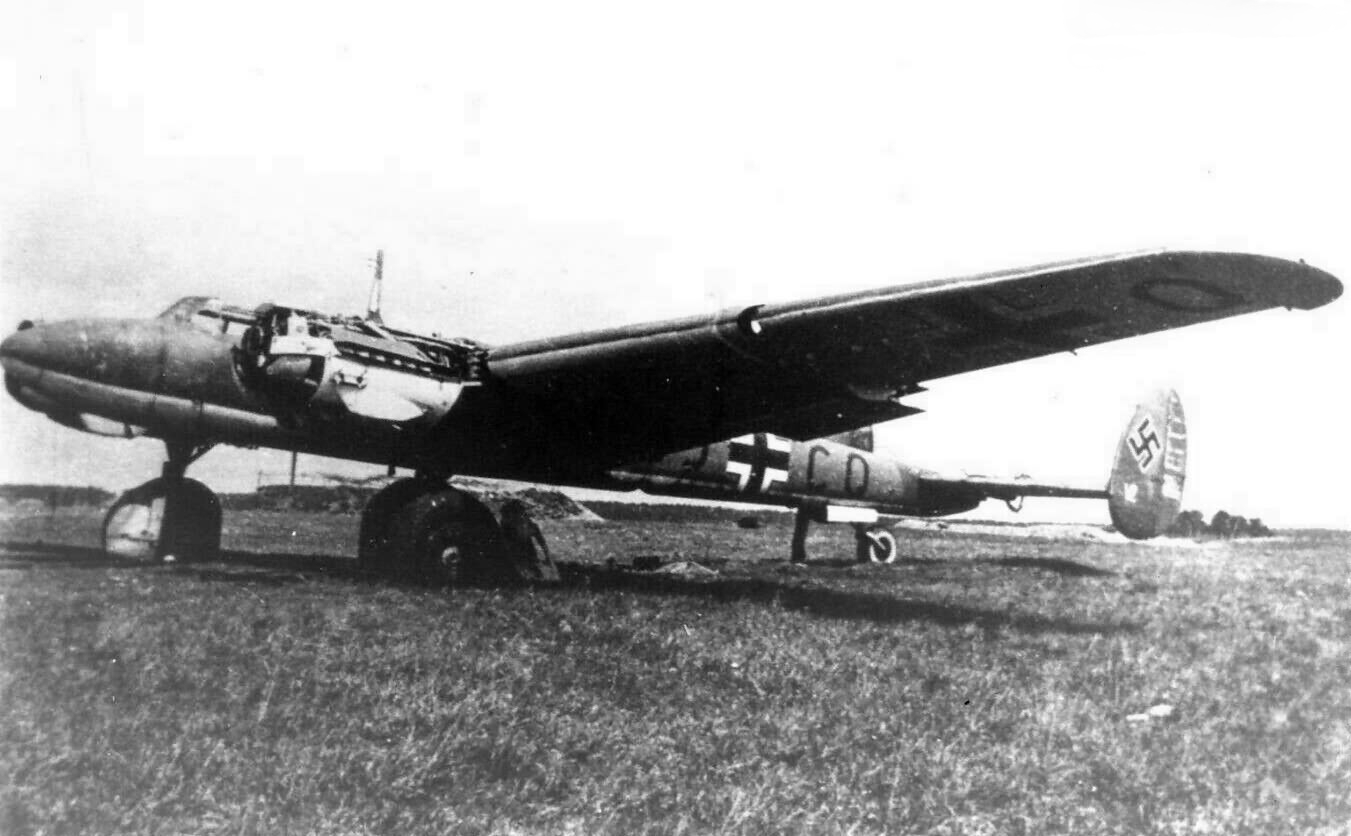
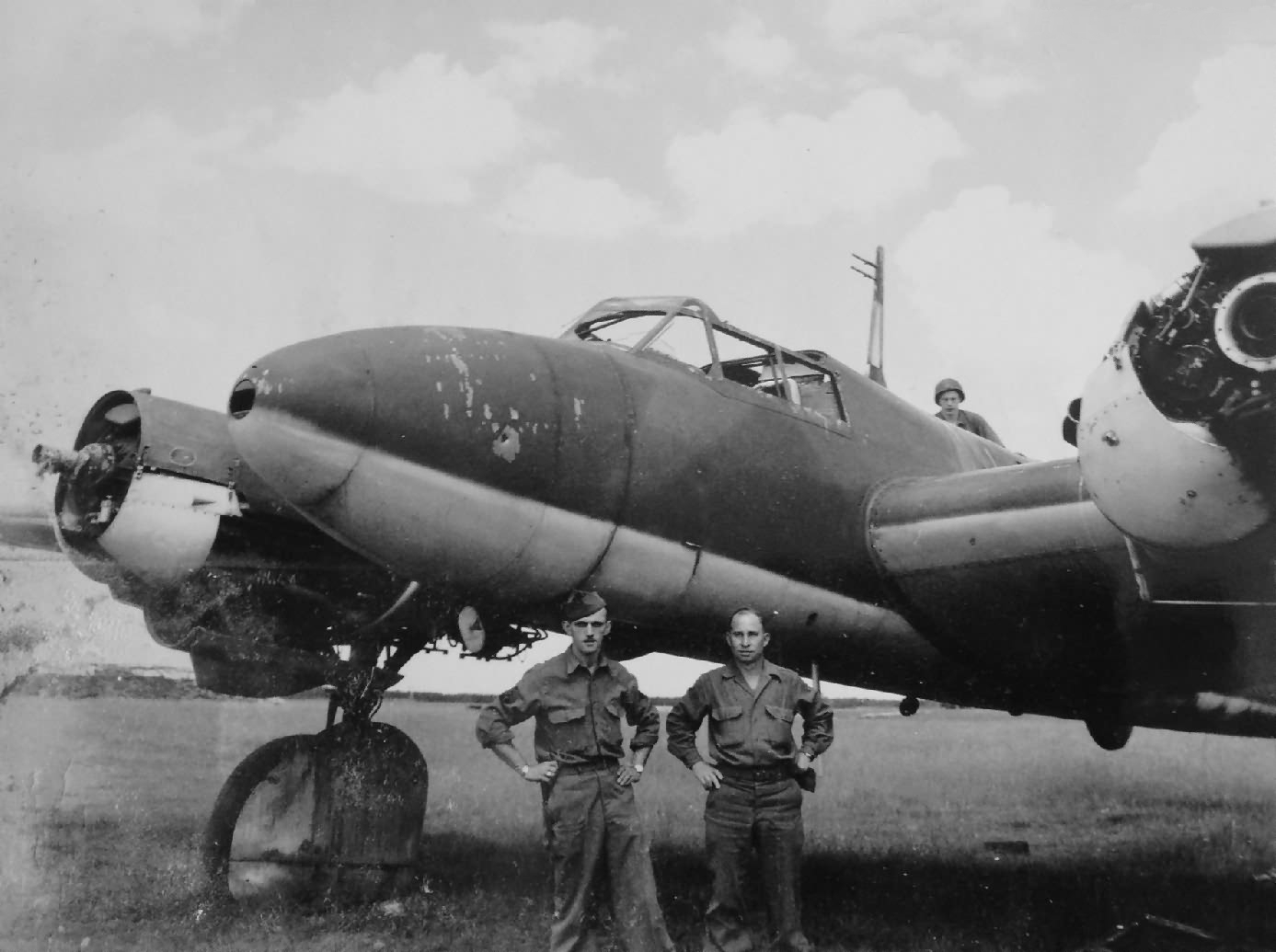
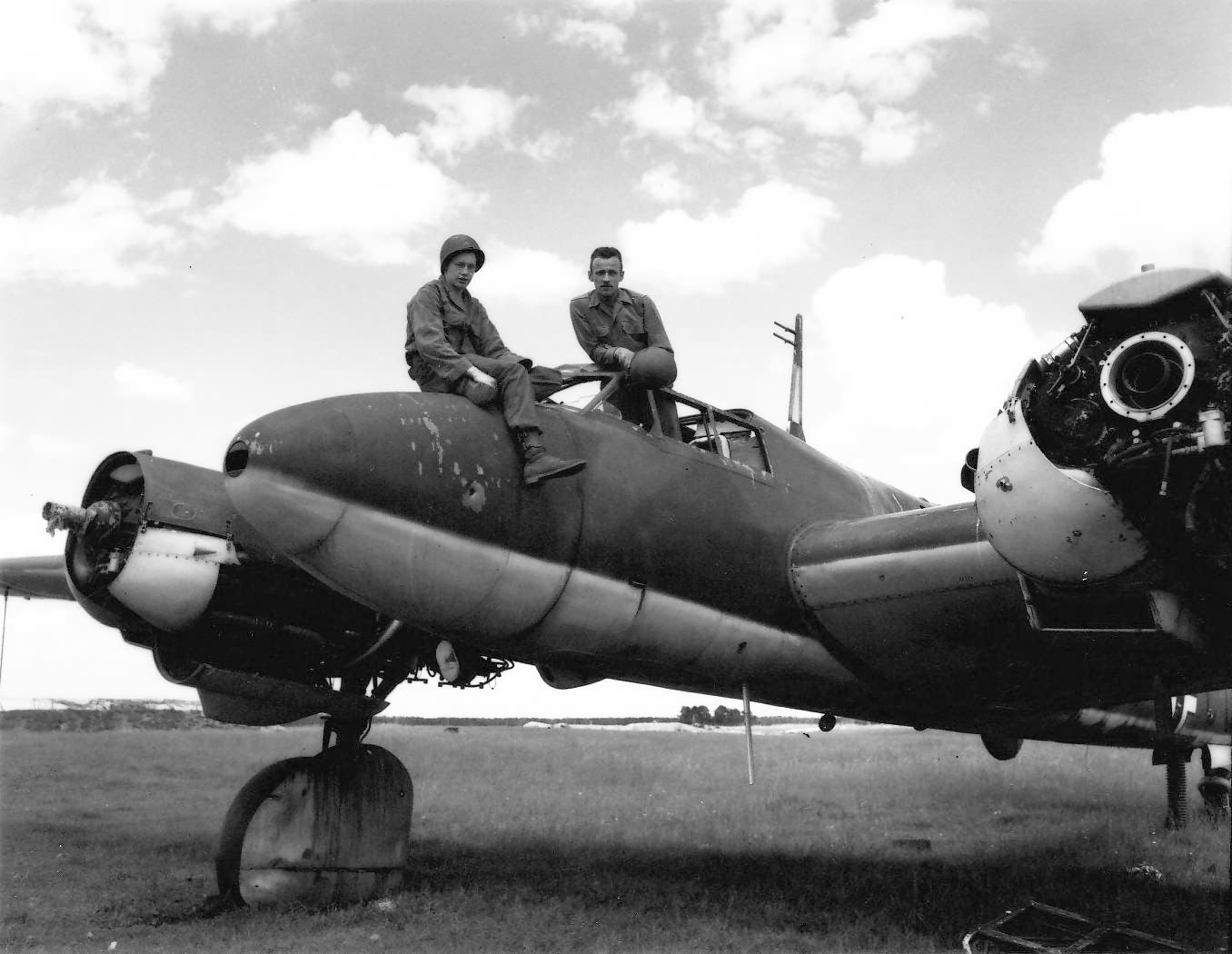
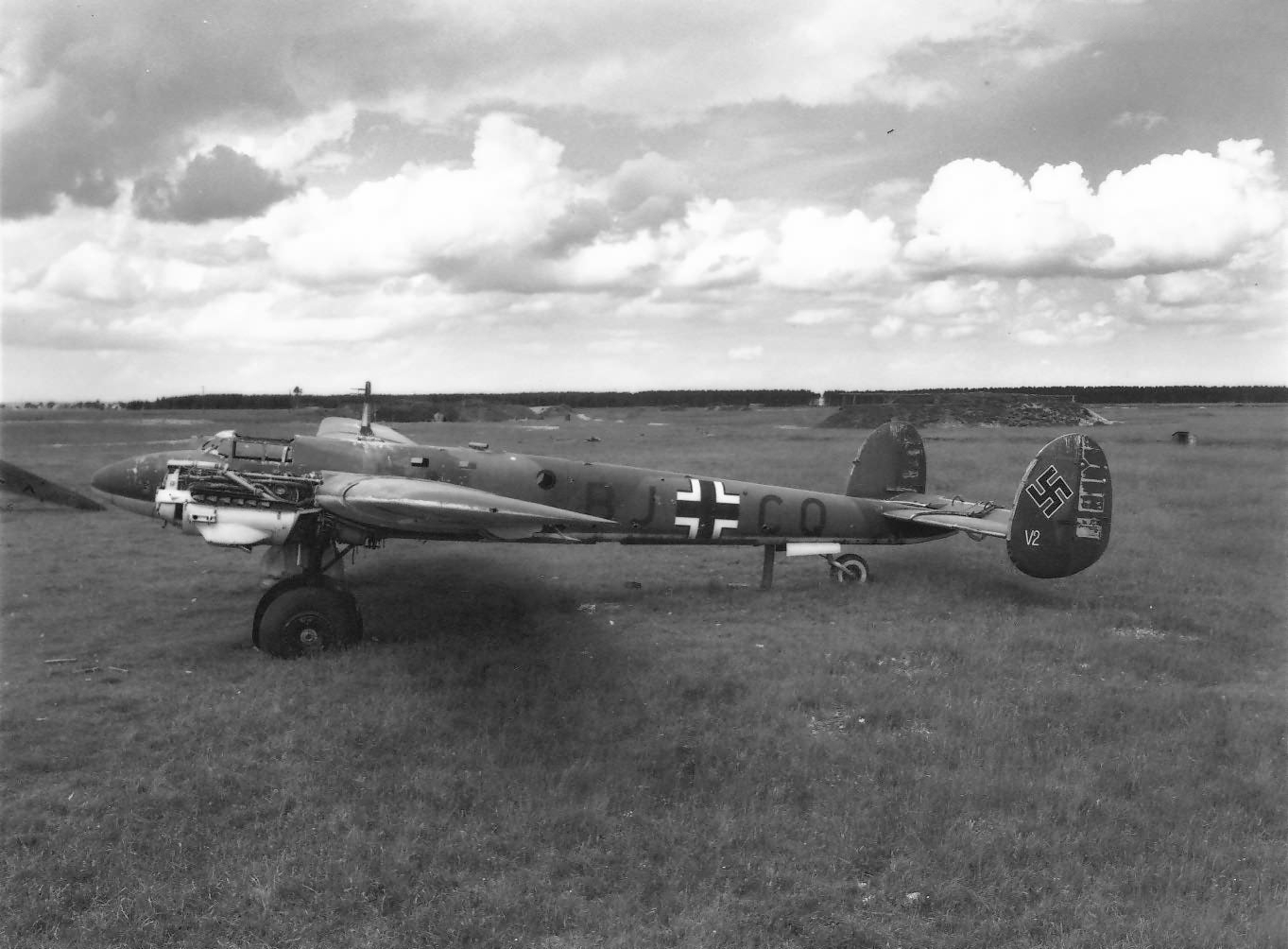
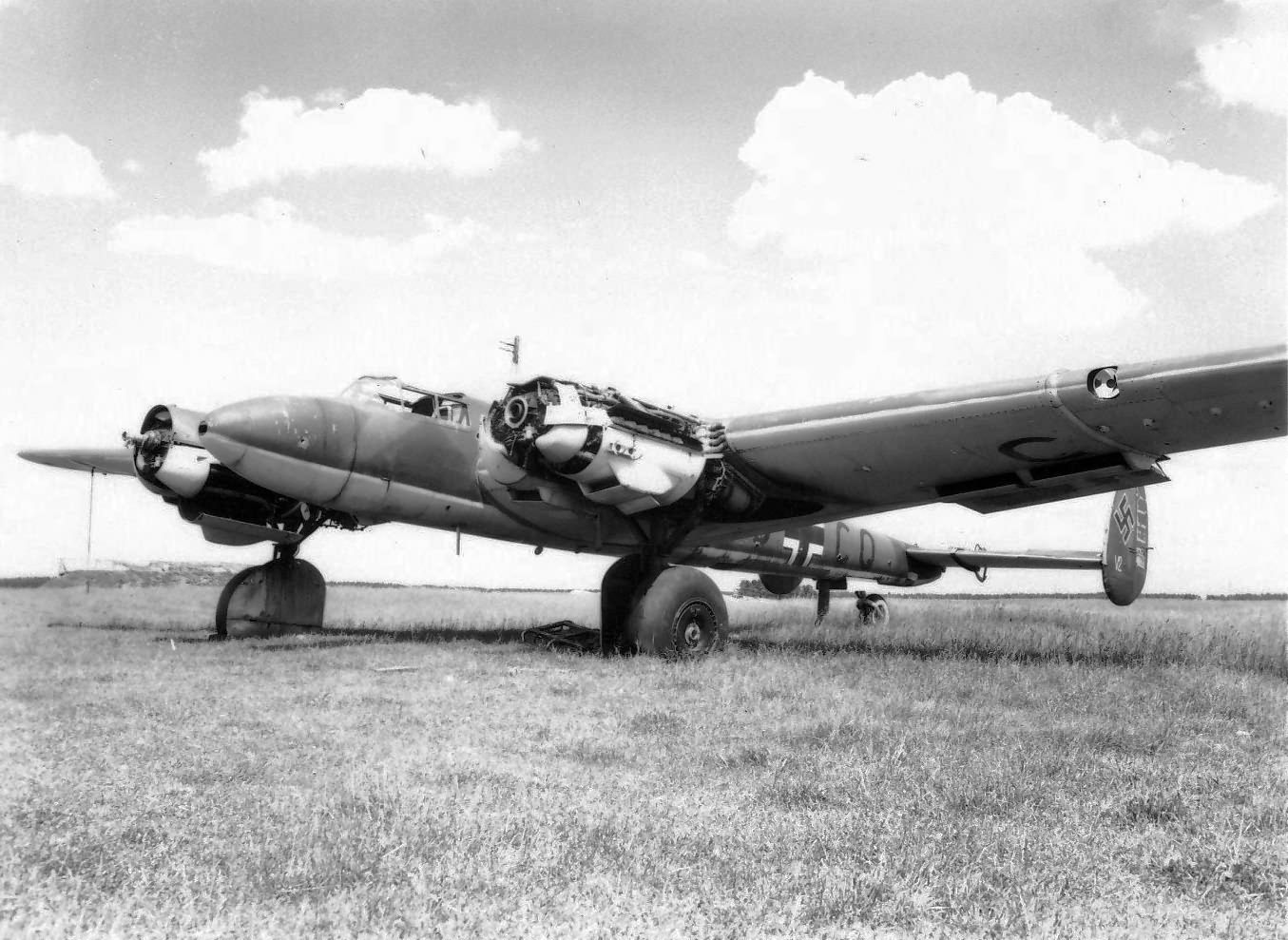
Messerschmitt Me 261 (dubbed “Adolfine”) was a long-range German reconnaissance and record-breaking aircraft developed during World War II. Designed in 1937 specifically to carry the Olympic flame non-stop from Berlin to Tokyo for the planned 1940 Olympic Games, its extreme endurance inspired efforts to adapt it as a long-range maritime reconnaissance plane. Featuring a streamlined duralumin semi-monocoque fuselage, twin fins, and two powerful “coupled” Daimler-Benz engines (DB 606/610), only three prototypes were built. Plans to mass-produce a military variant were abandoned due to the difficulty of installing defensive armaments. Prototypes V1 and V2 were used as electronics testing beds before being destroyed in a 1944 bombing raid at Lechfeld. The V3 prototype set a remarkable endurance benchmark in April 1943 by flying 4,473 km in 10 hours—demonstrating a maximum range potential of 11,000 km—and was subsequently assigned to the high-command reconnaissance unit Aufklärungsgruppe O.b.d.L in Oranienburg.