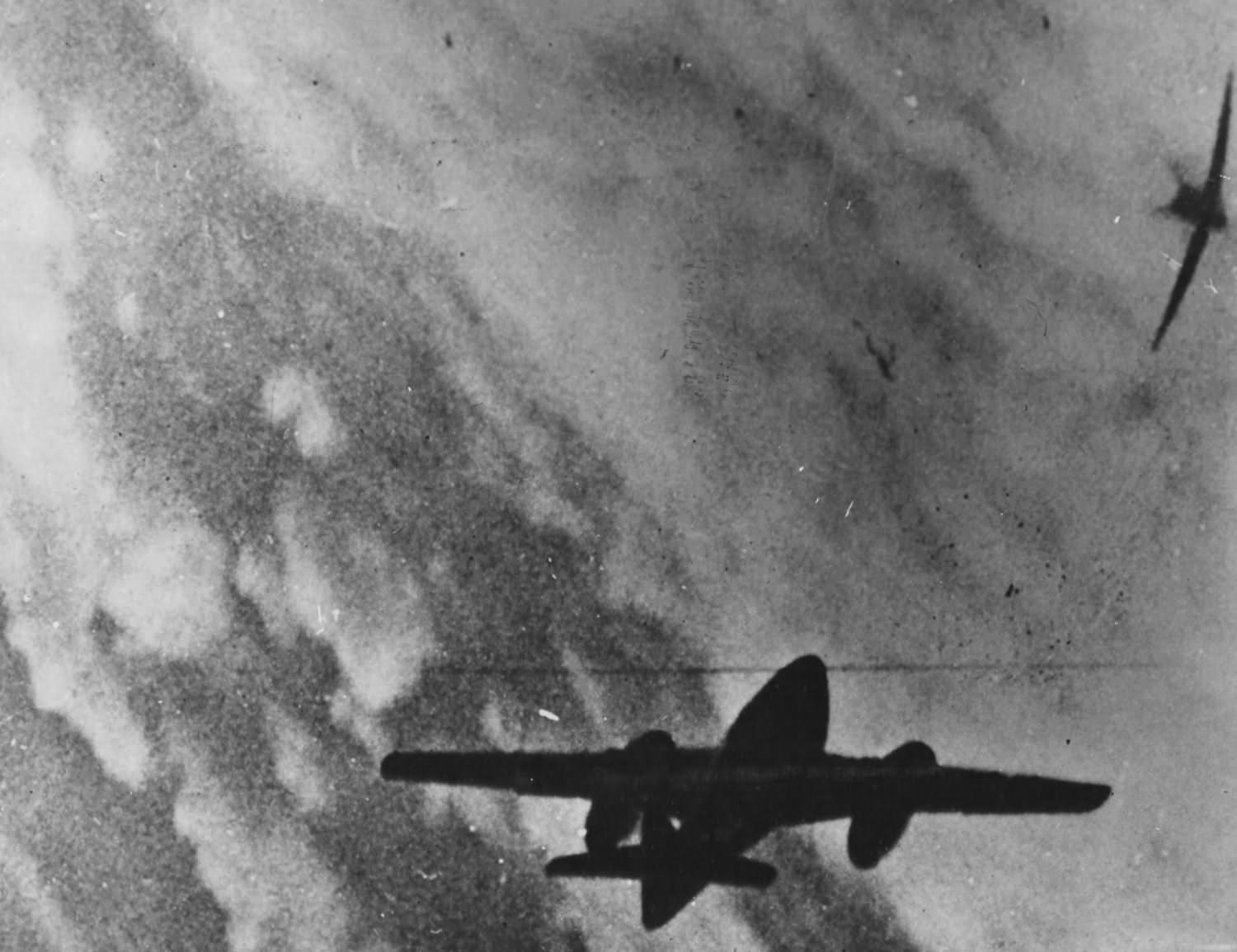
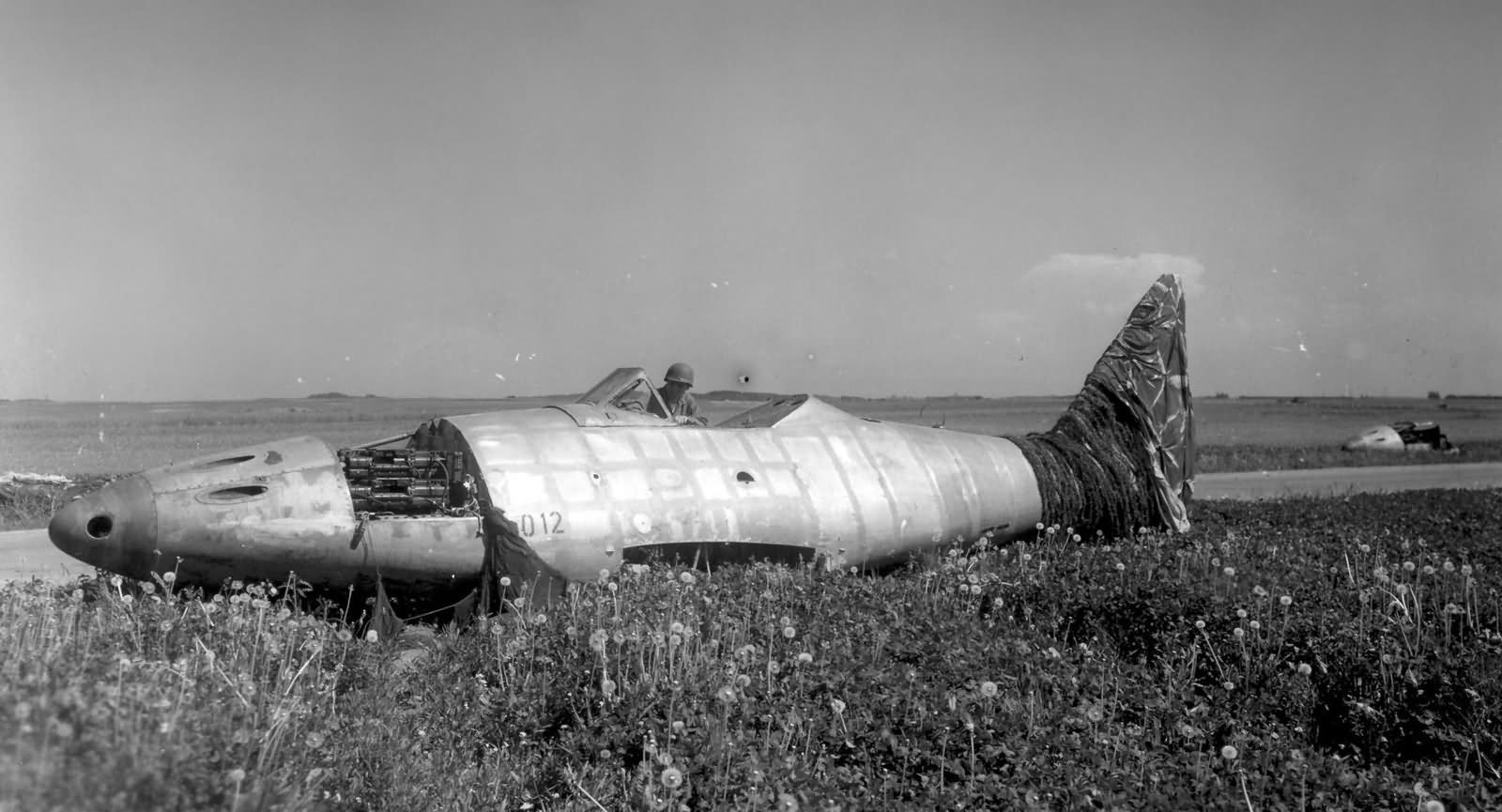
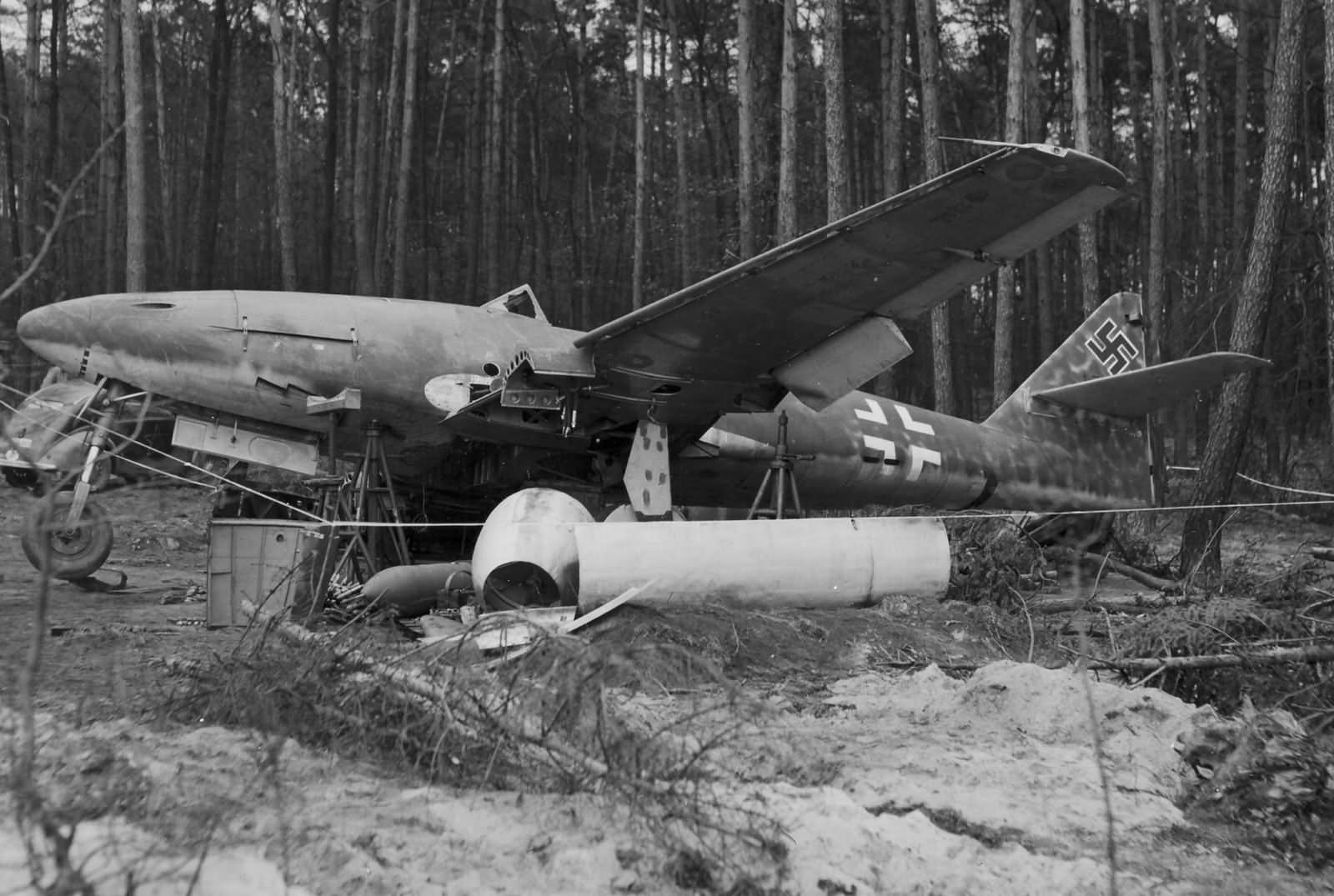
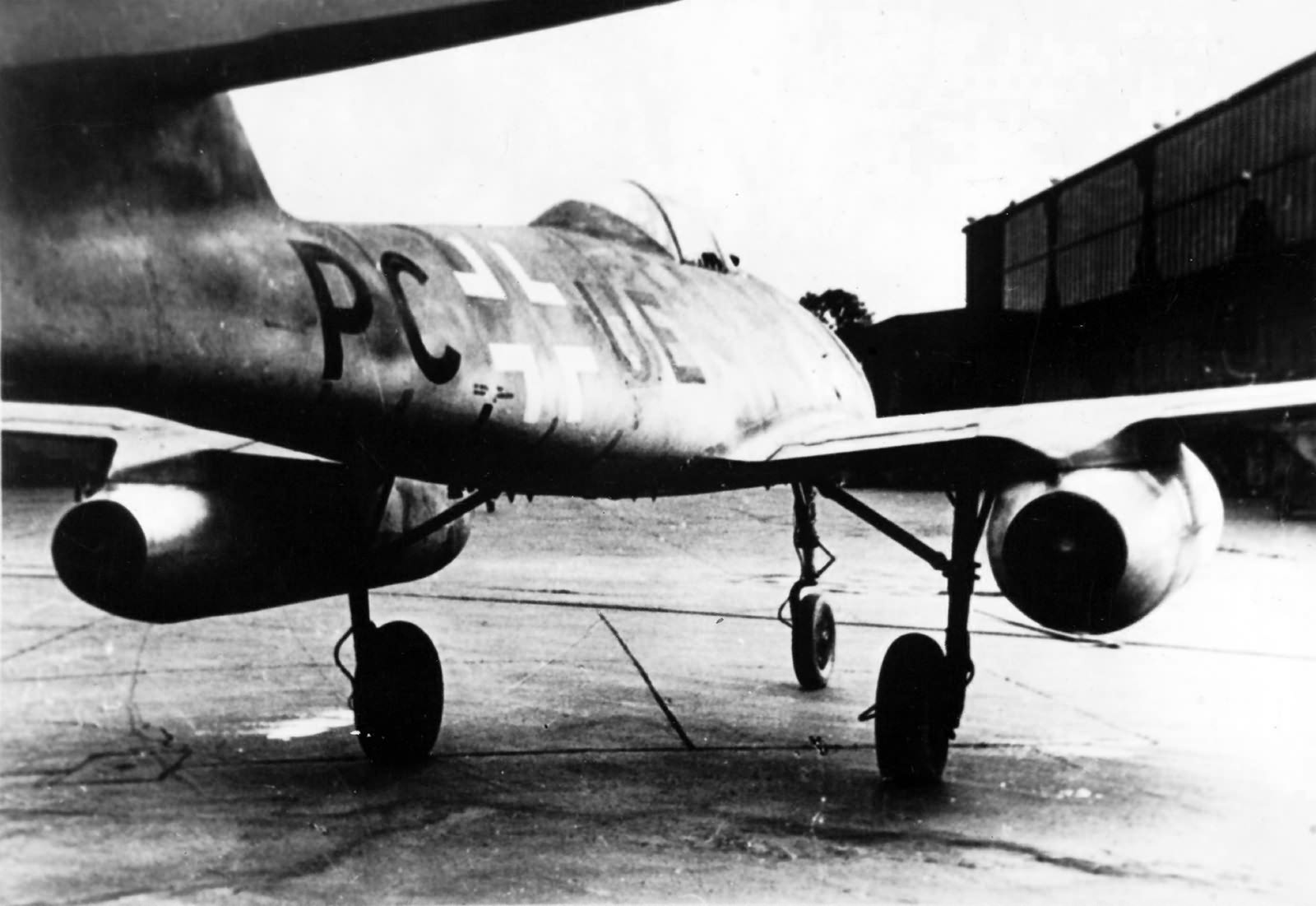
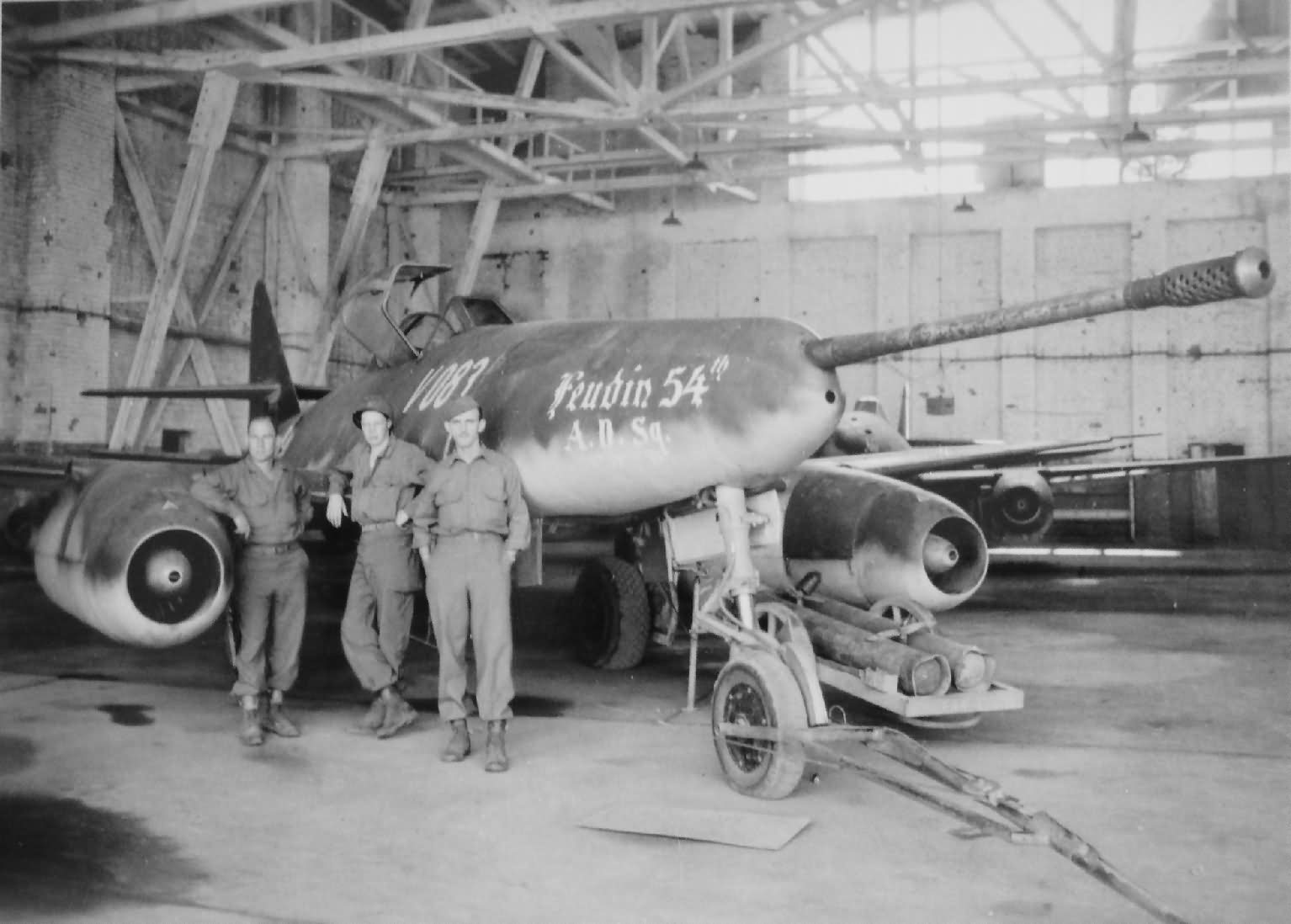
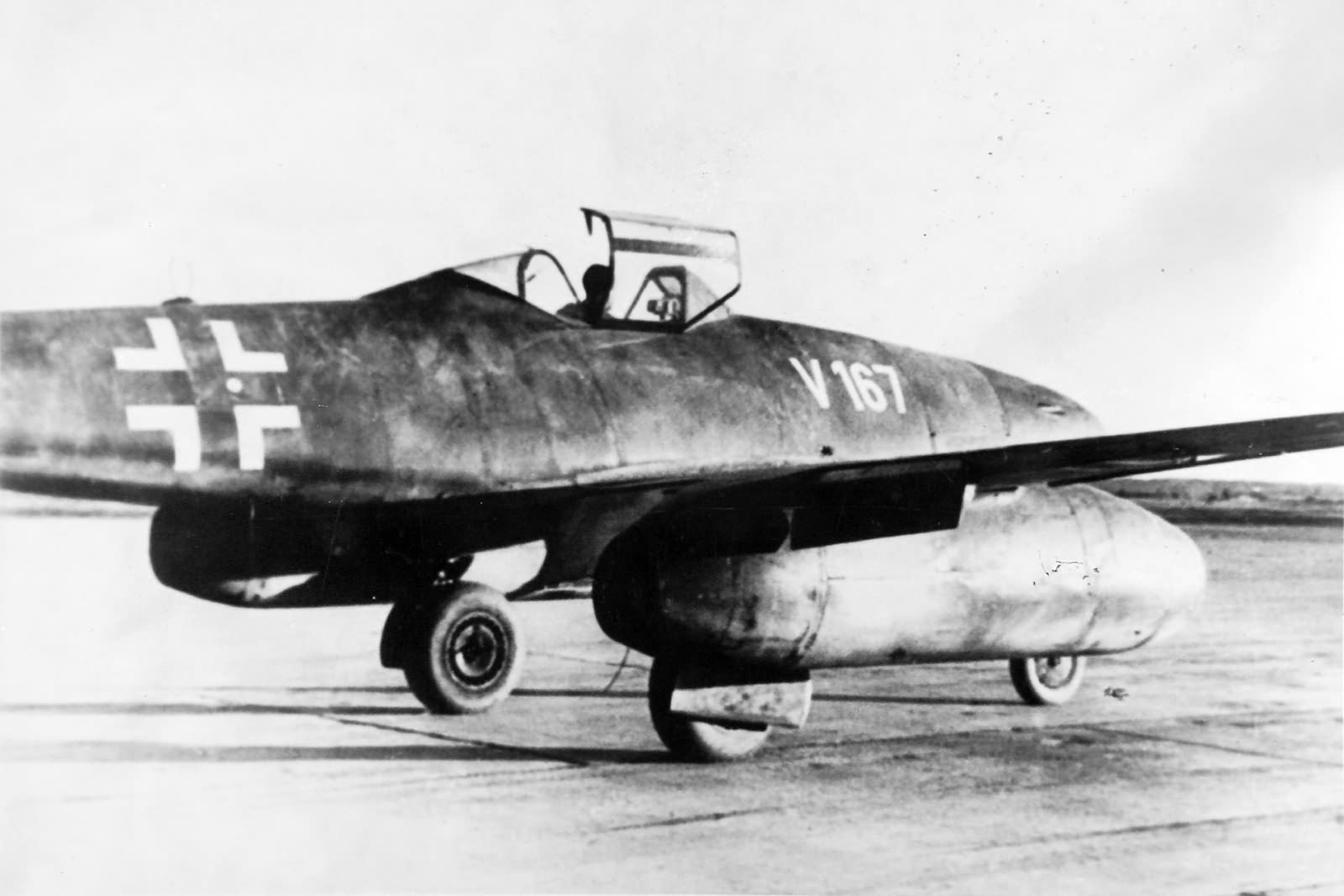
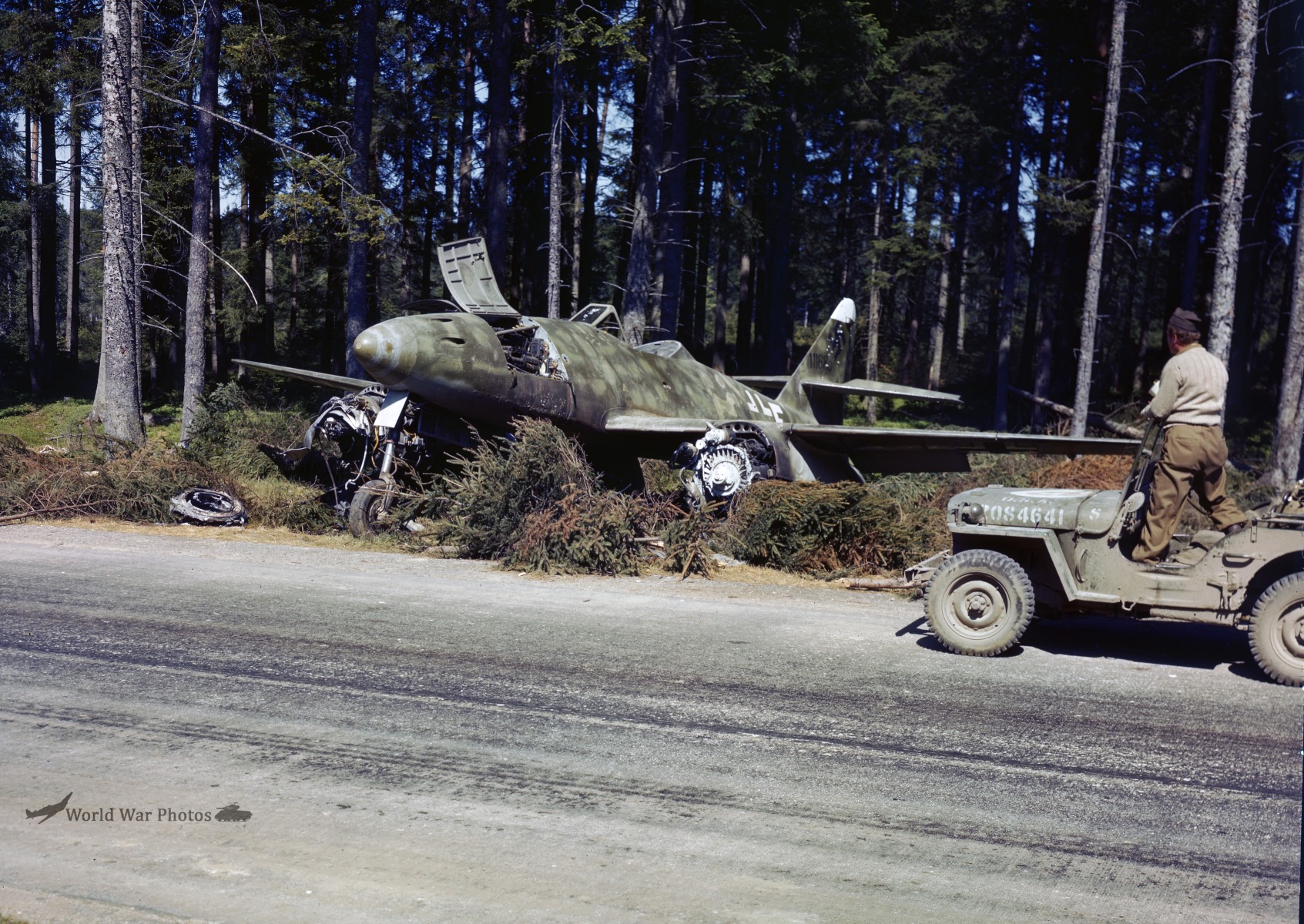
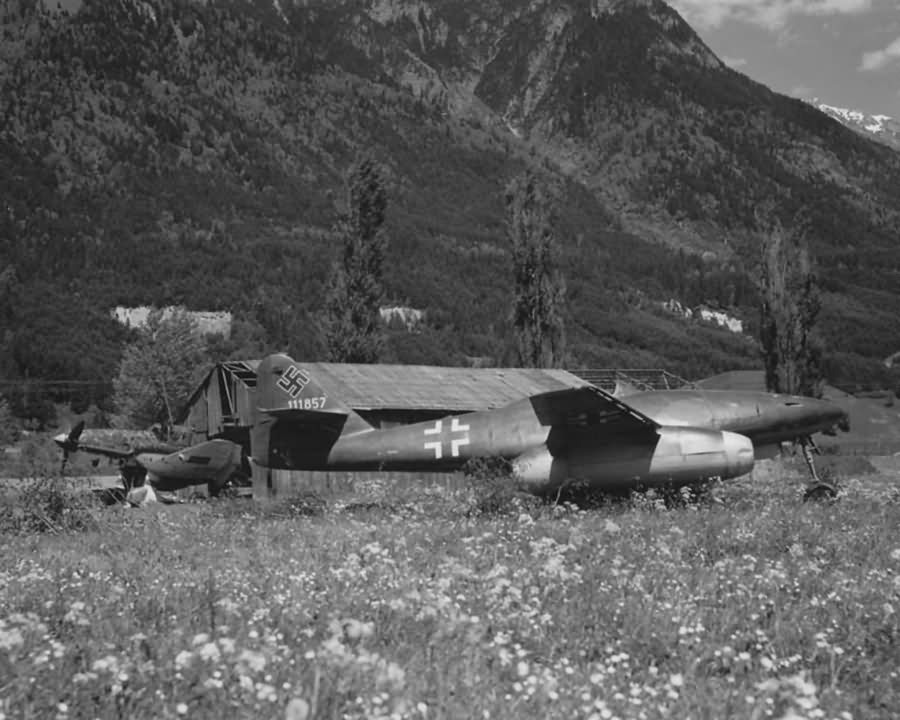
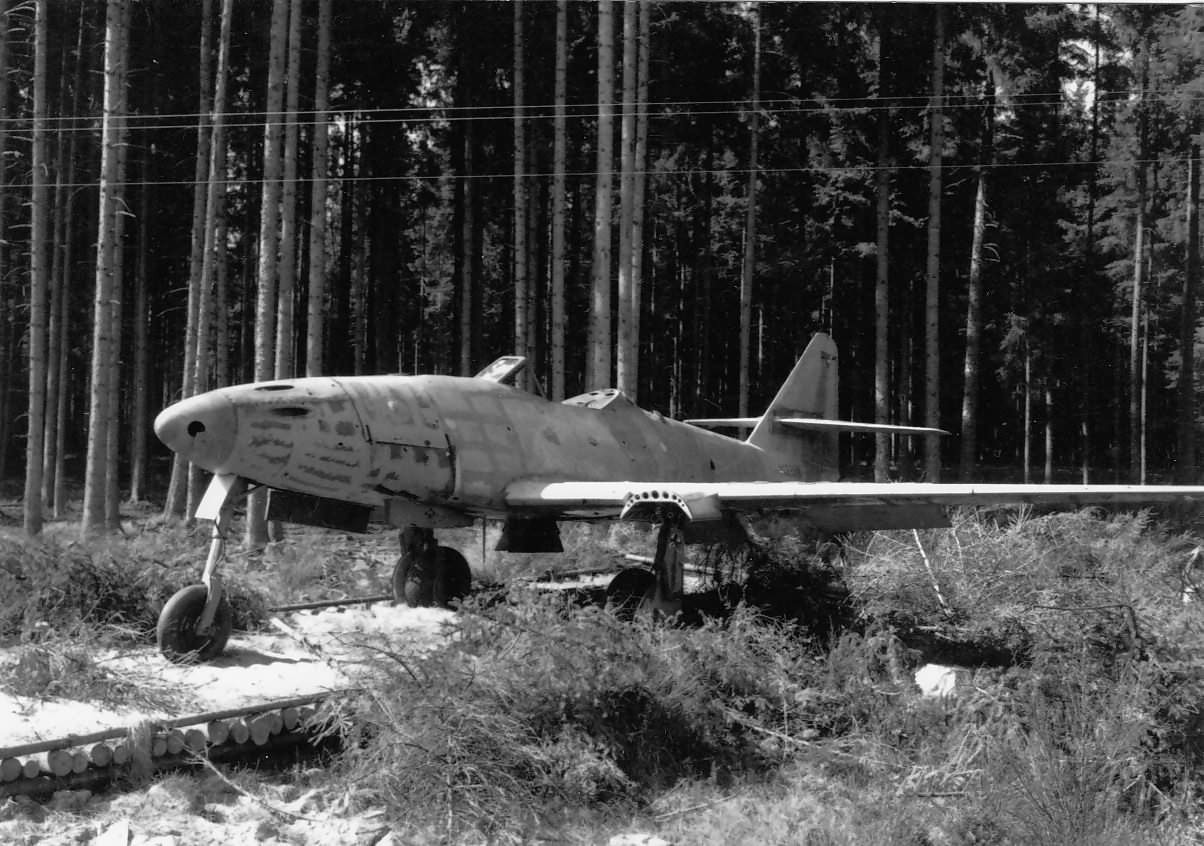
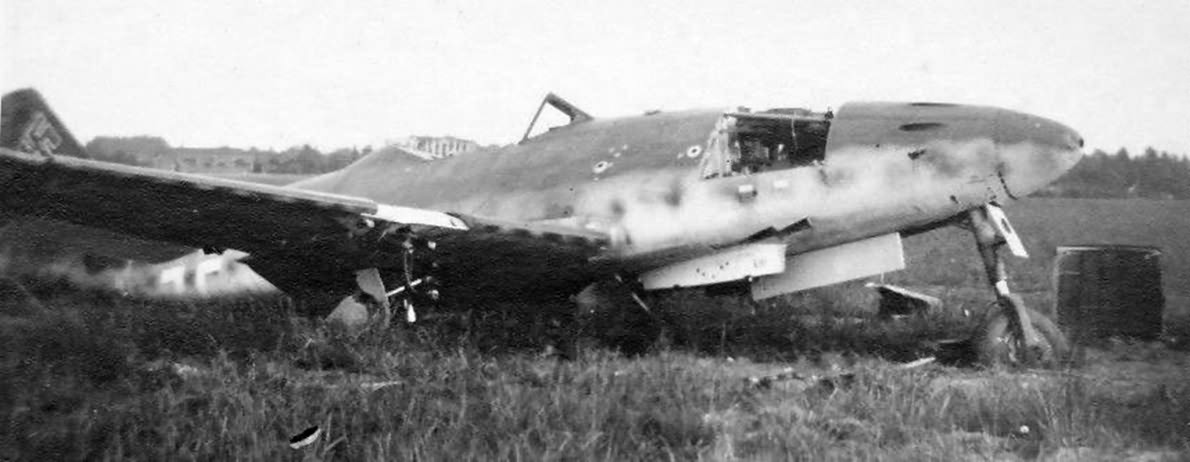
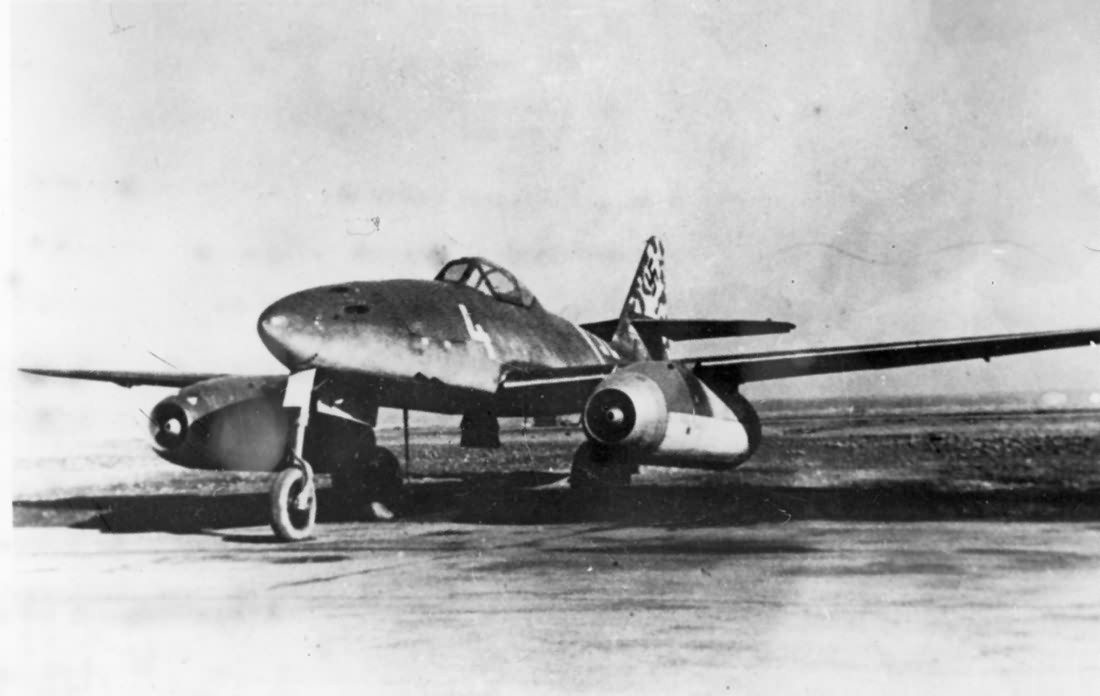
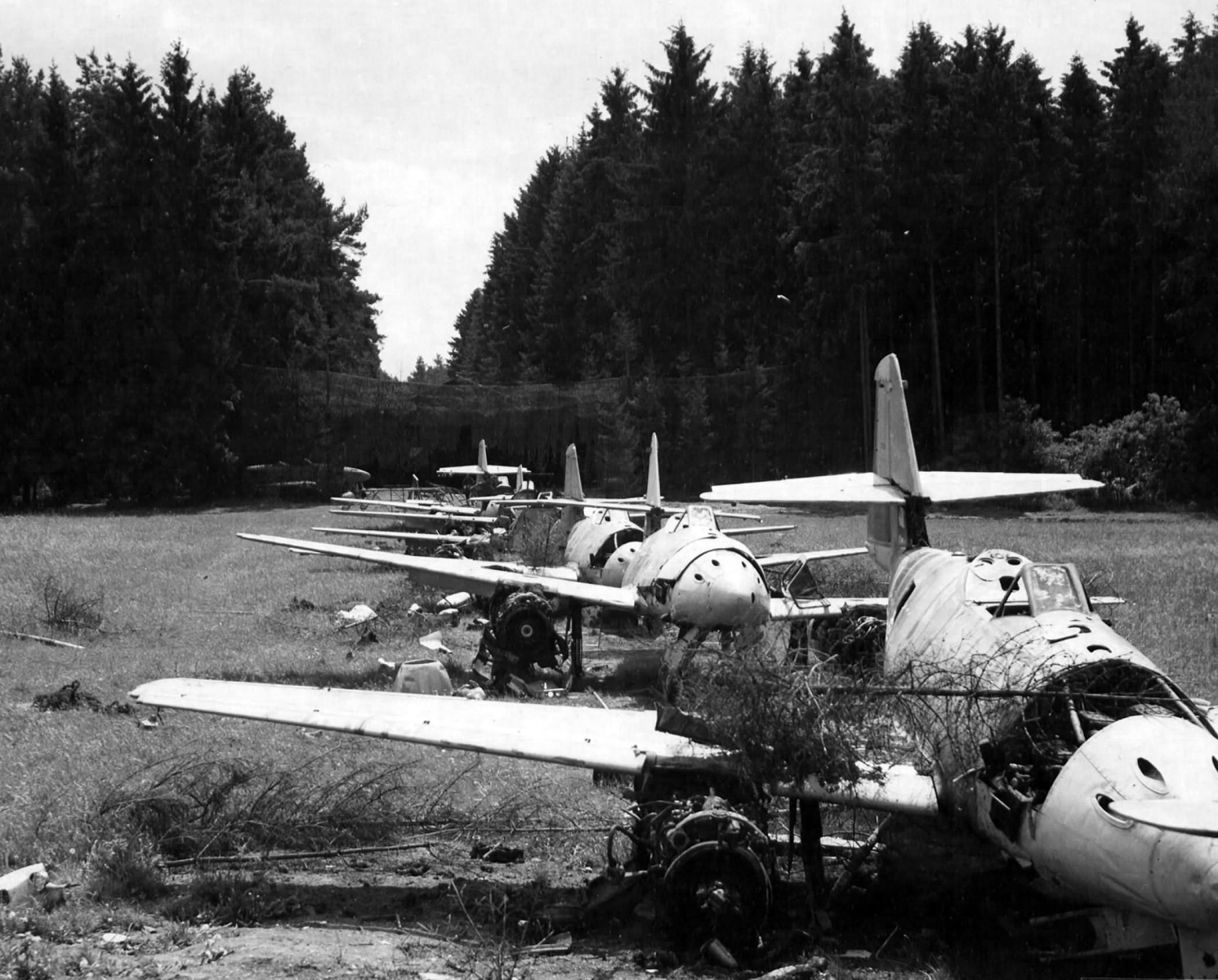
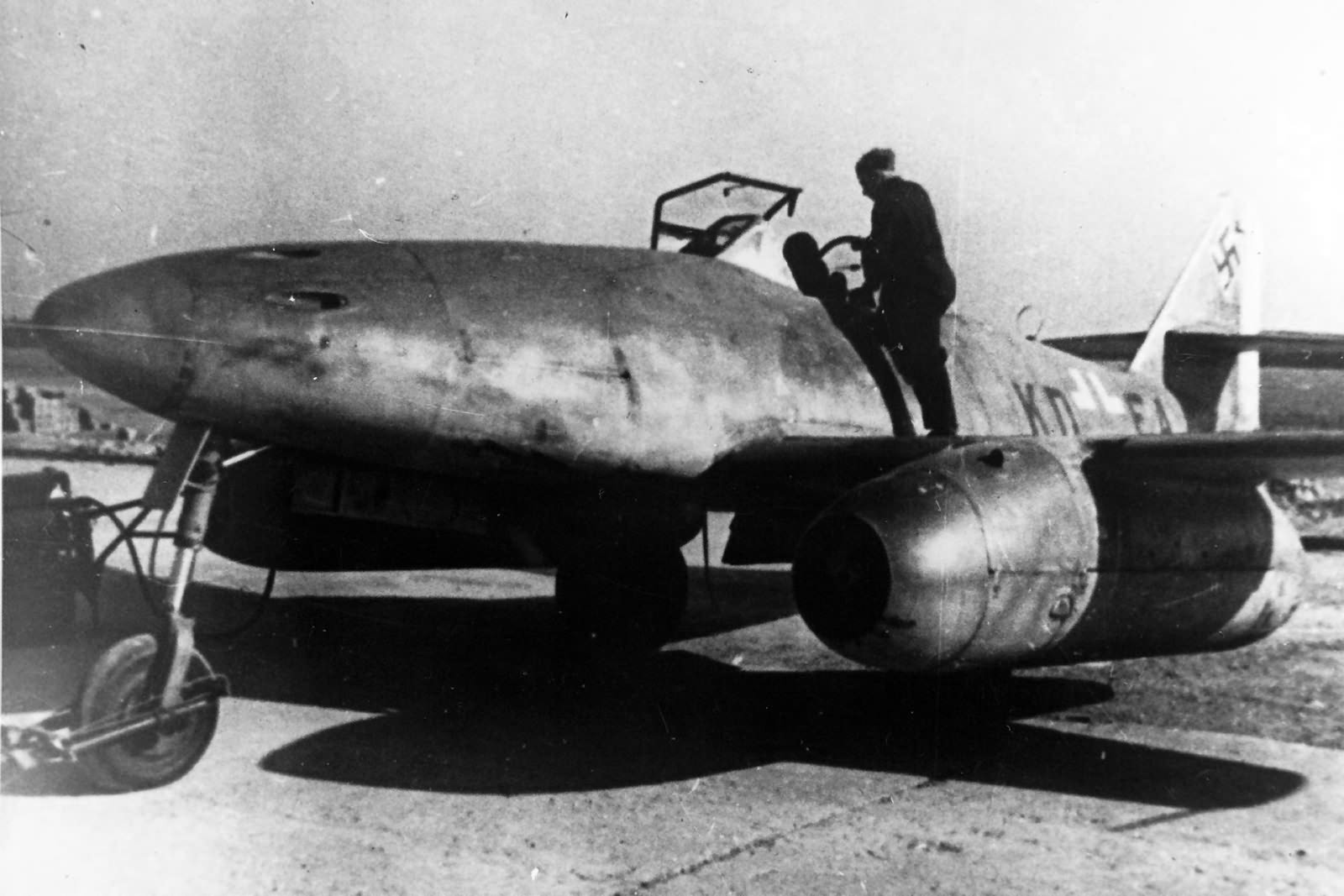
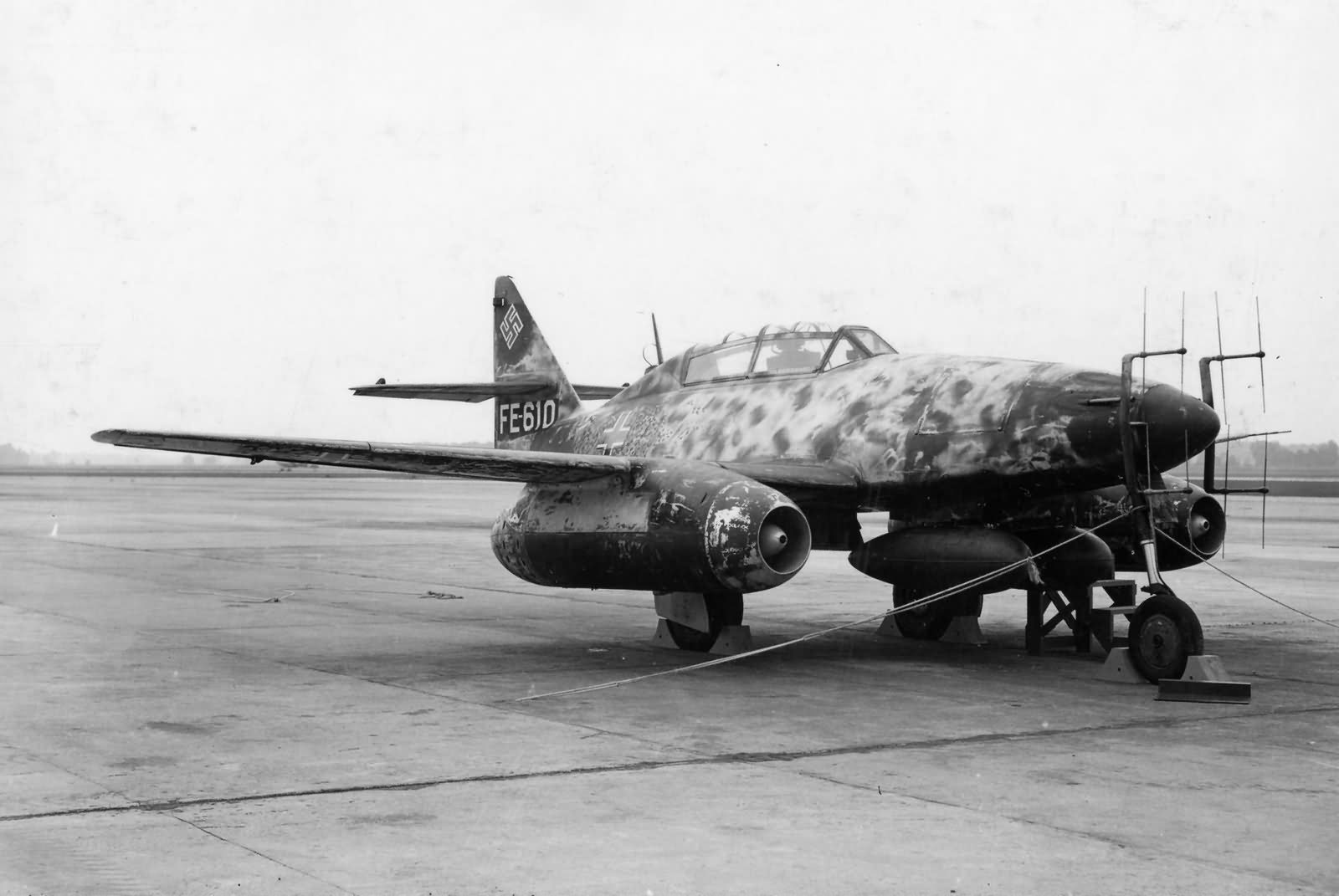
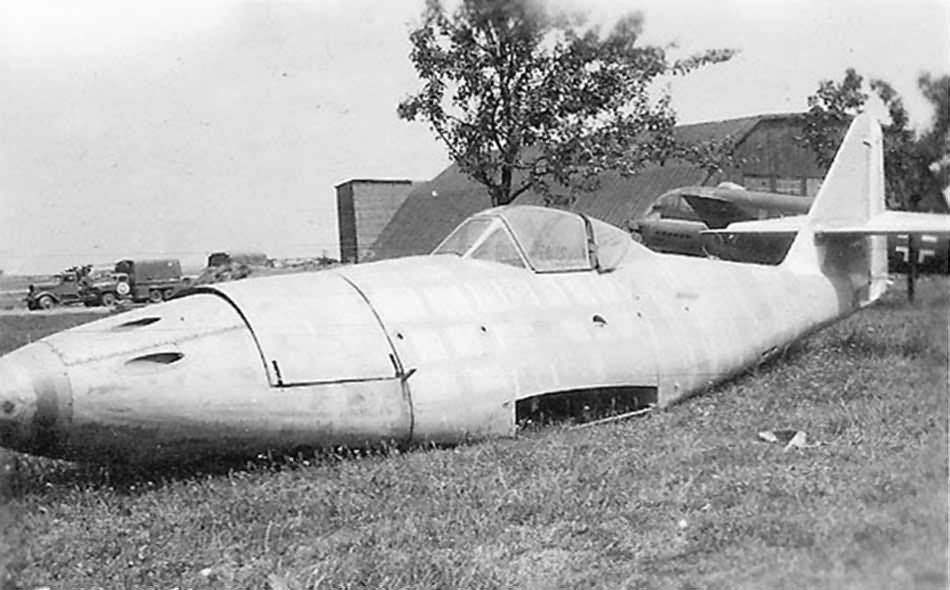
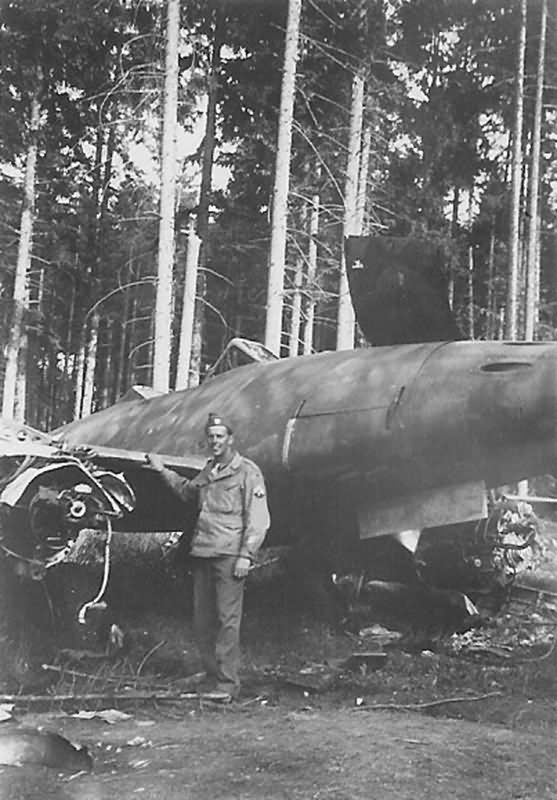
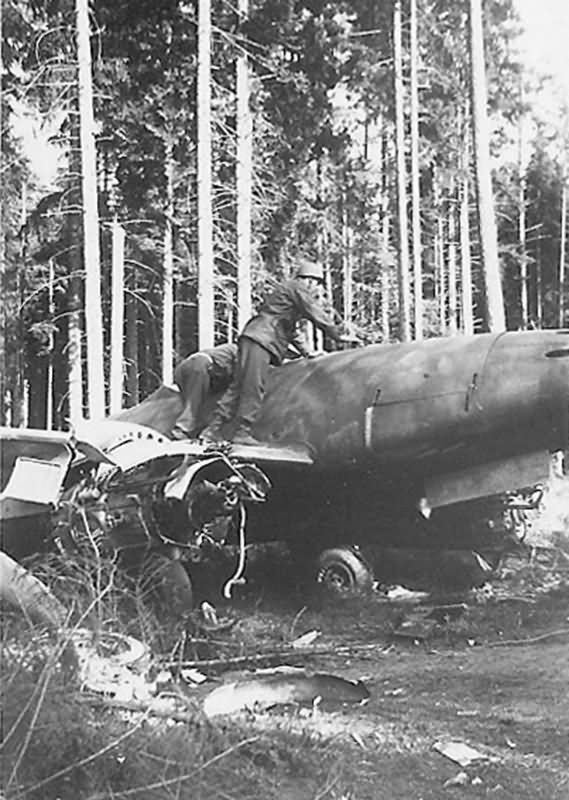
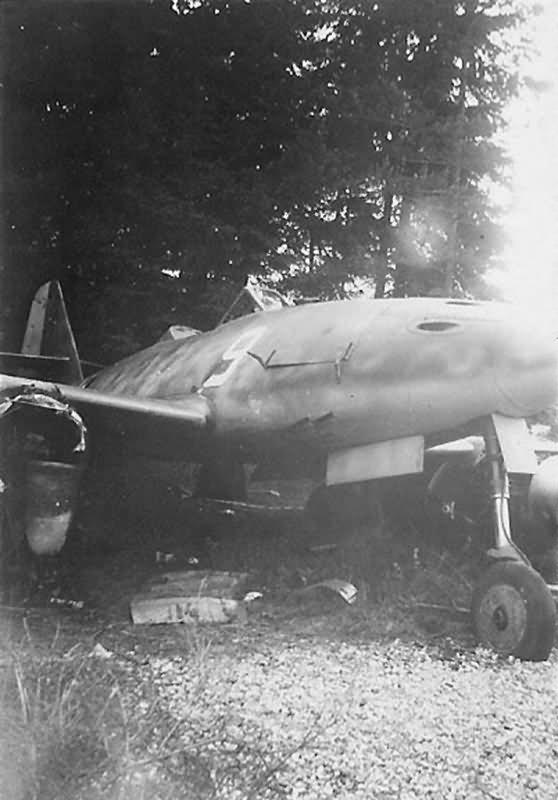
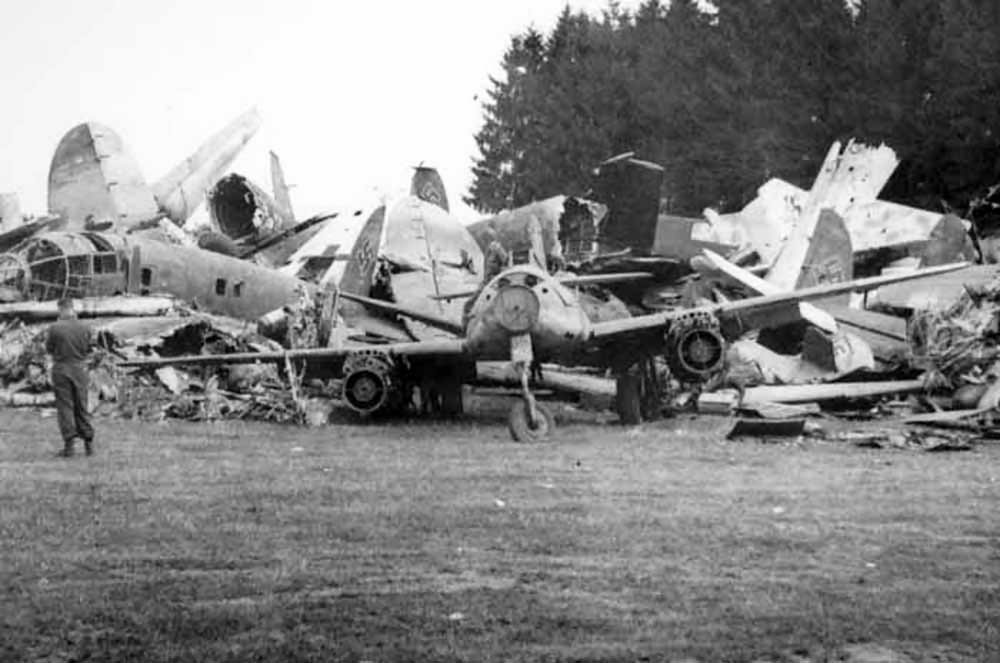
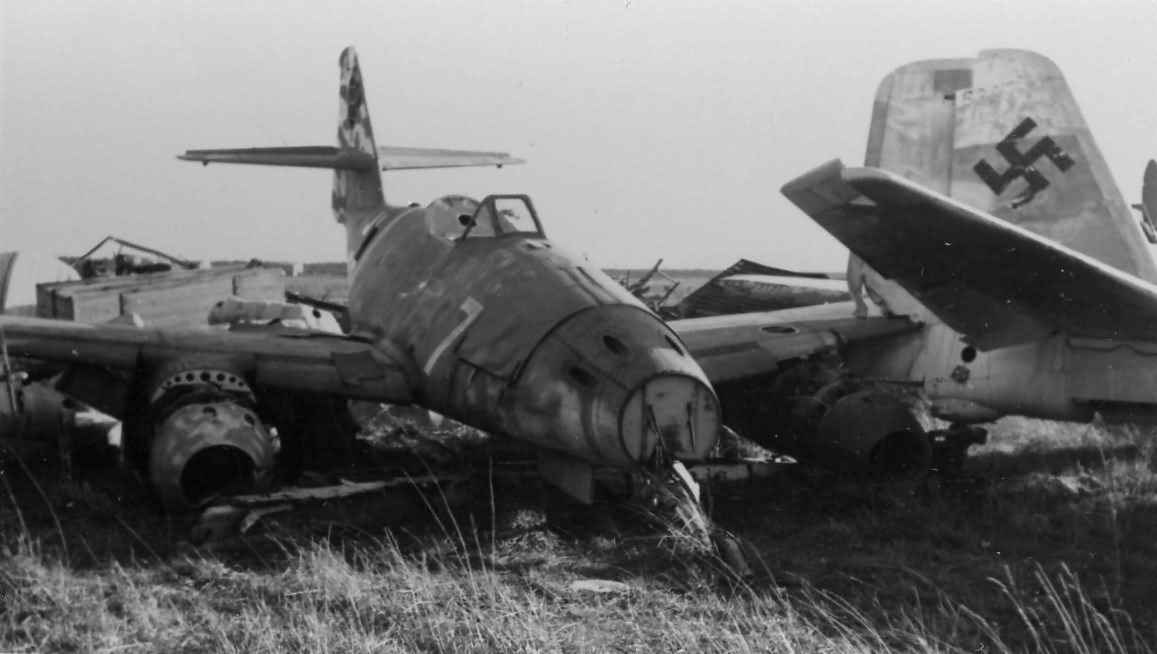
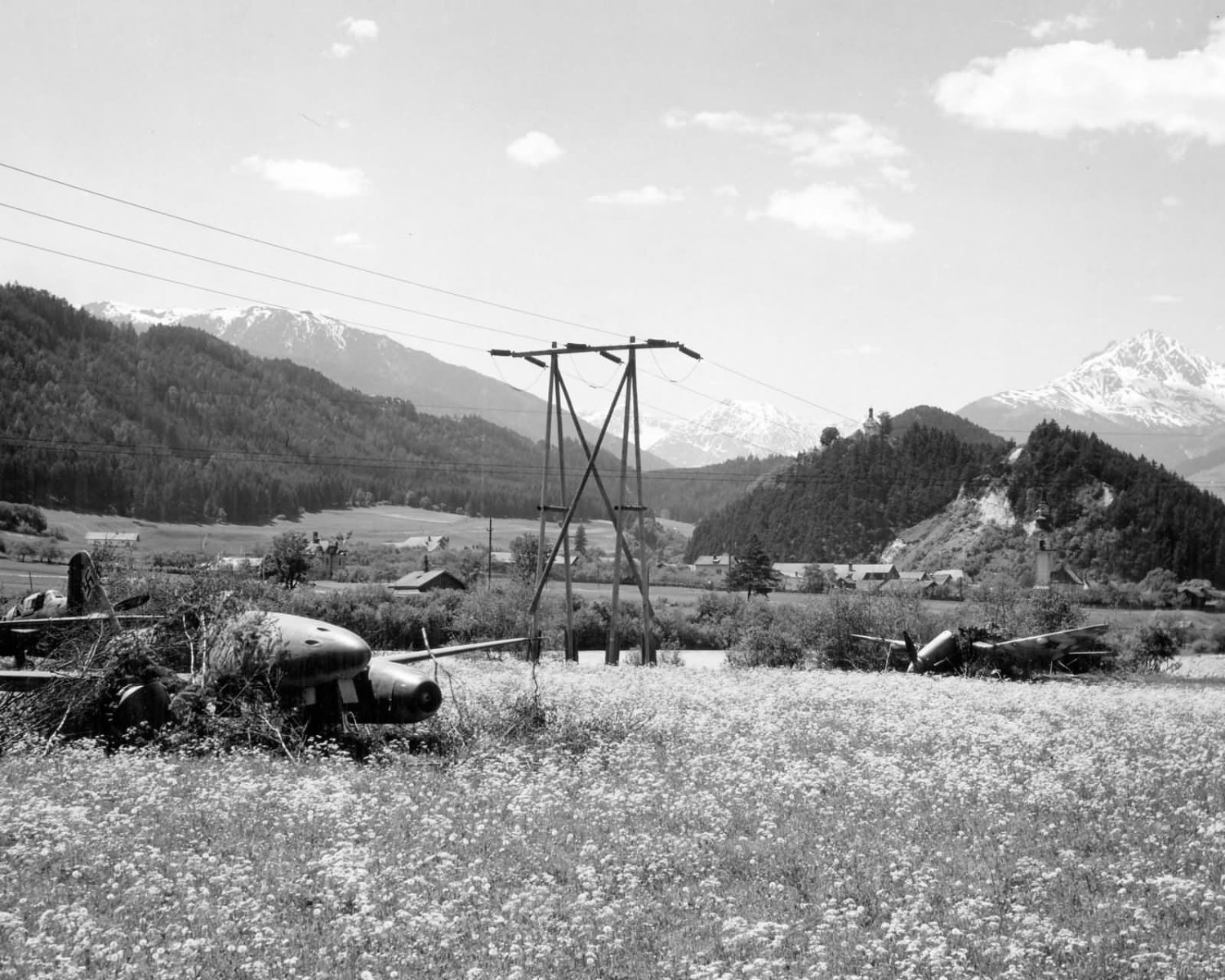
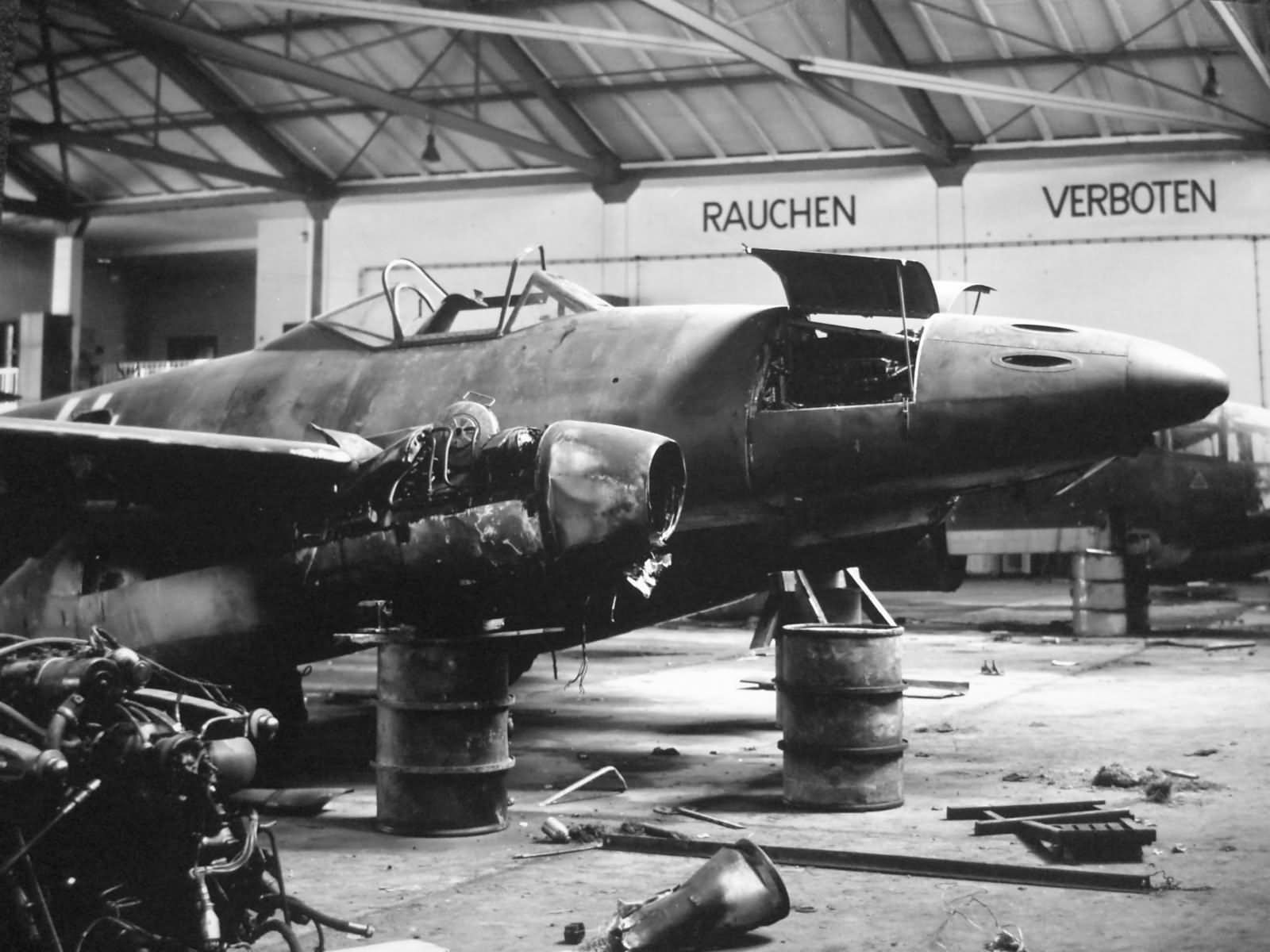
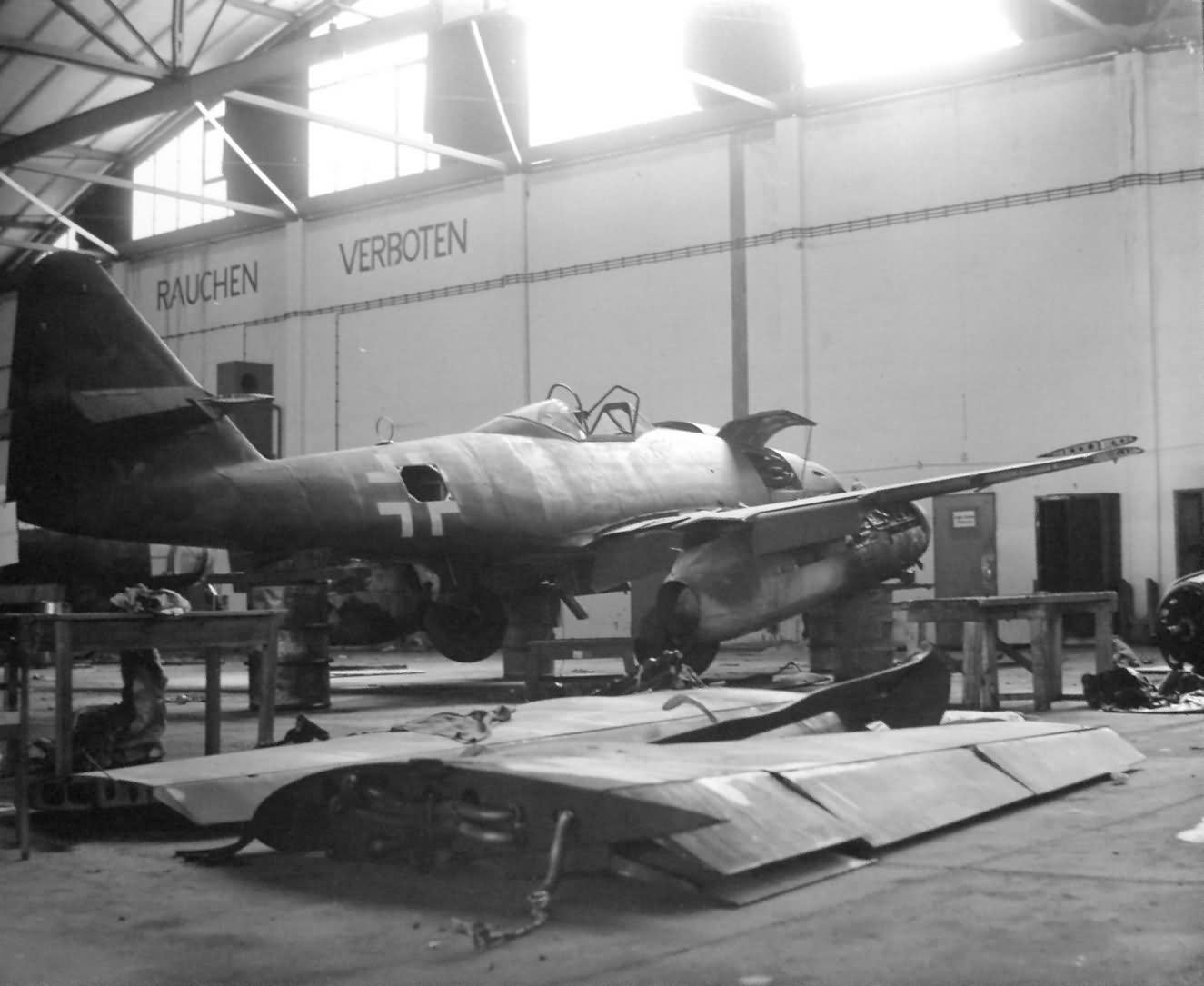
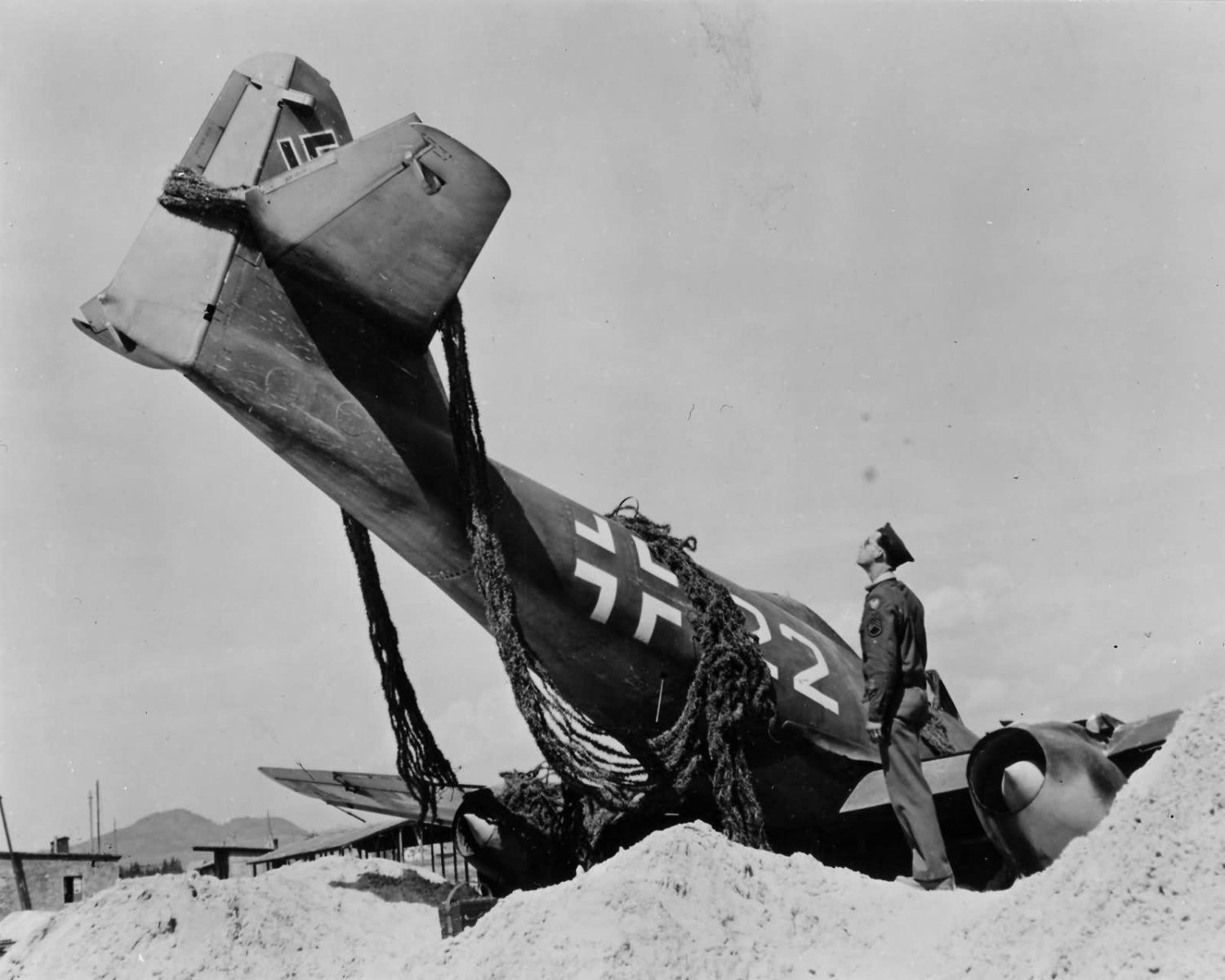
Messerschmitt Me 262 (Schwalbe / Sturmvogel) was the world’s first operational jet-powered fighter aircraft, produced by Germany during World War II. Designed in the late 1930s by Dr. Woldemar Voigt, the aircraft featured innovative swept wings and was powered by two Junkers Jumo 004 axial-flow turbojet engines, achieving speeds exceeding 800 km/h. Despite significant development delays caused by material shortages, technical challenges, and Hitler’s directive to adapt the design into a high-speed bomber (Jagdbomber), the Me 262 entered operational service in 1944. Produced in various configurations—including interceptor, fighter-bomber, reconnaissance, and radar-equipped night fighter variants—it was heavily armed with four 30 mm MK 108 cannon. While technically superior and scoring approximately 900 aerial victories against Allied formations for 100 combat losses, its impact was severely limited by fuel shortages, late deployment, and Allied strikes on German airfields. Out of 1,433 units produced, only about 300 saw active combat. After the war, the design inspired the Japanese Nakajima J9Y Kikka, was built in Czechoslovakia as the Avia S-92, and ushered in the jet age of aviation.