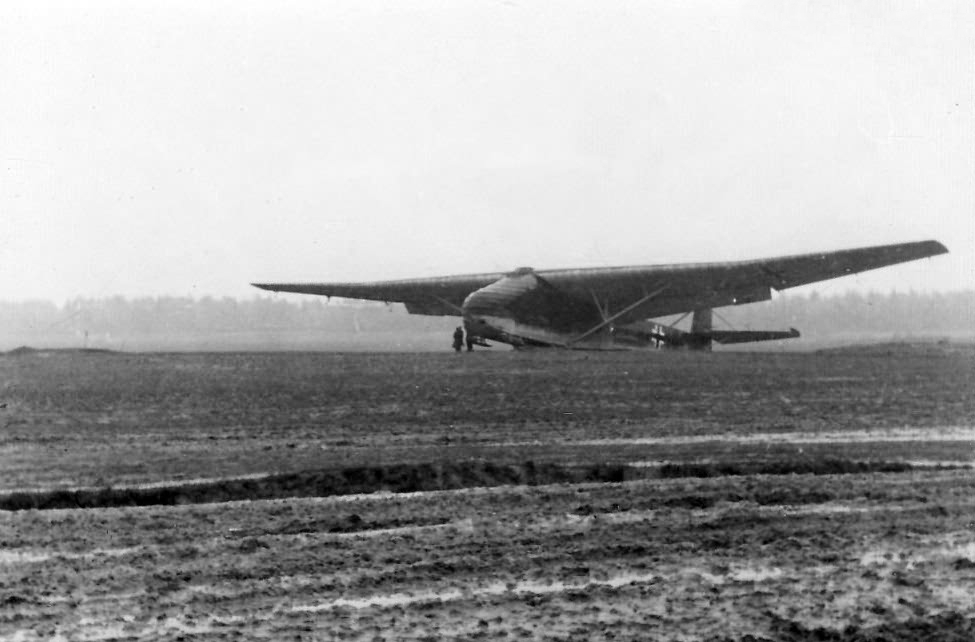
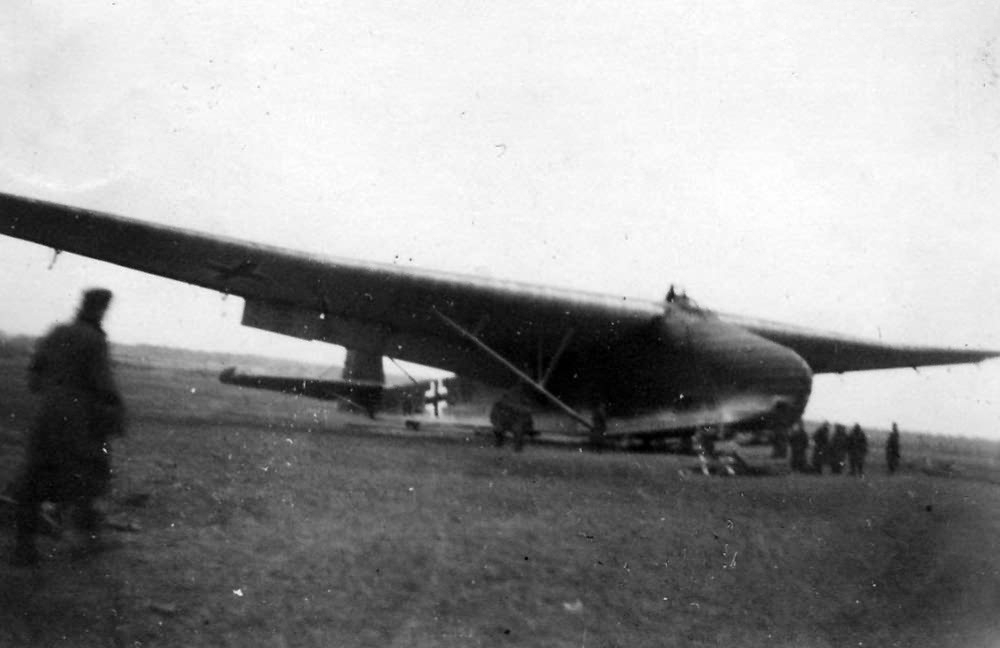
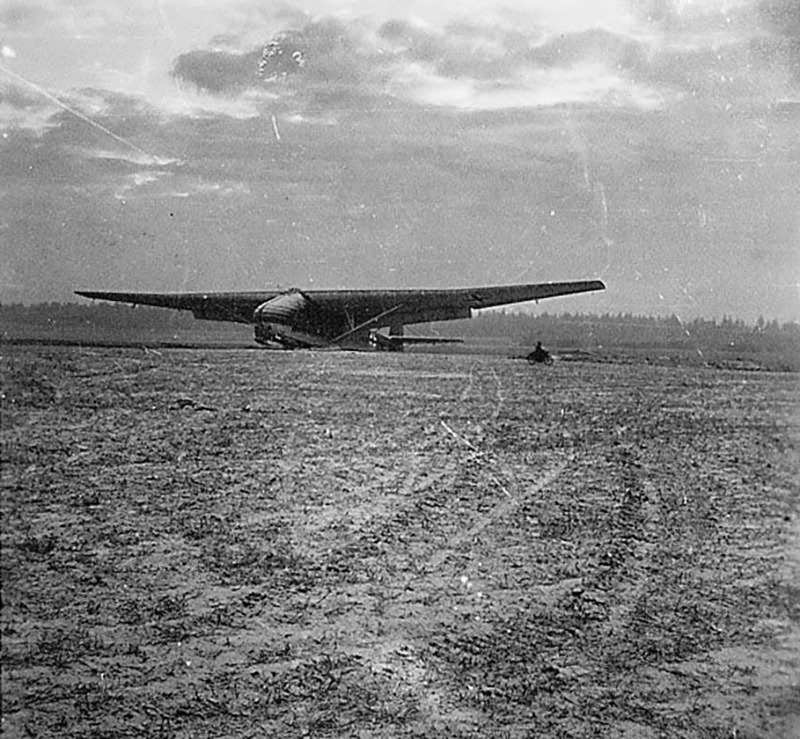
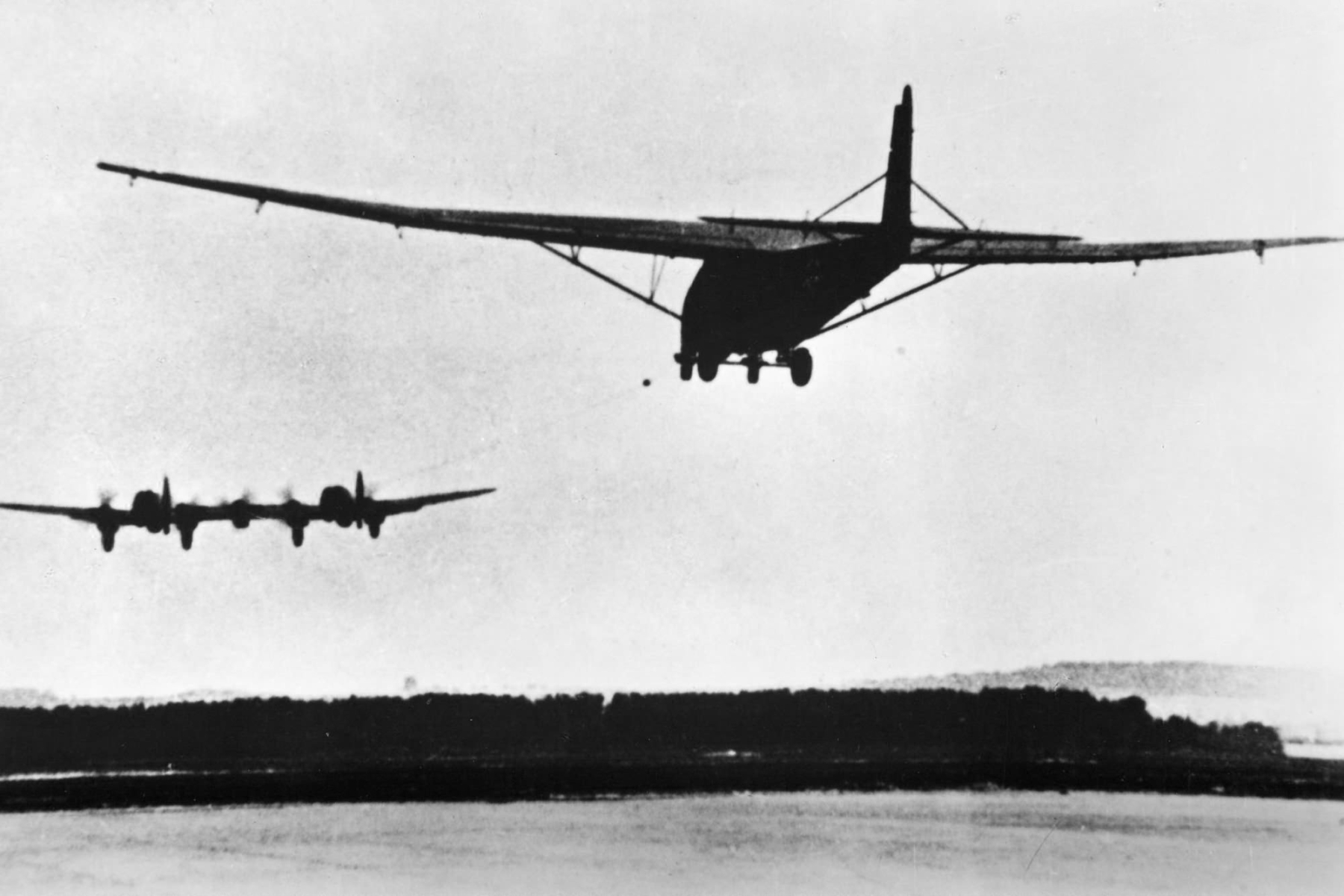
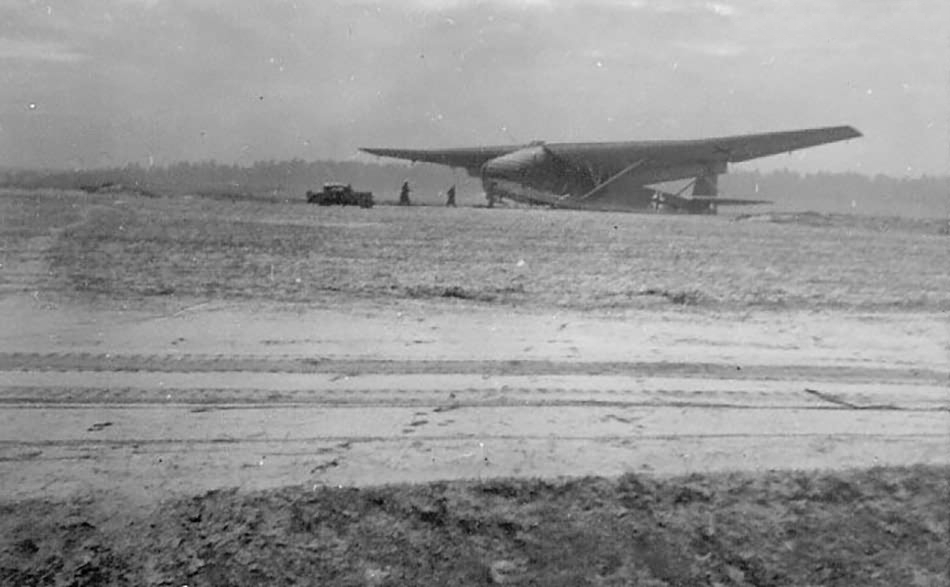
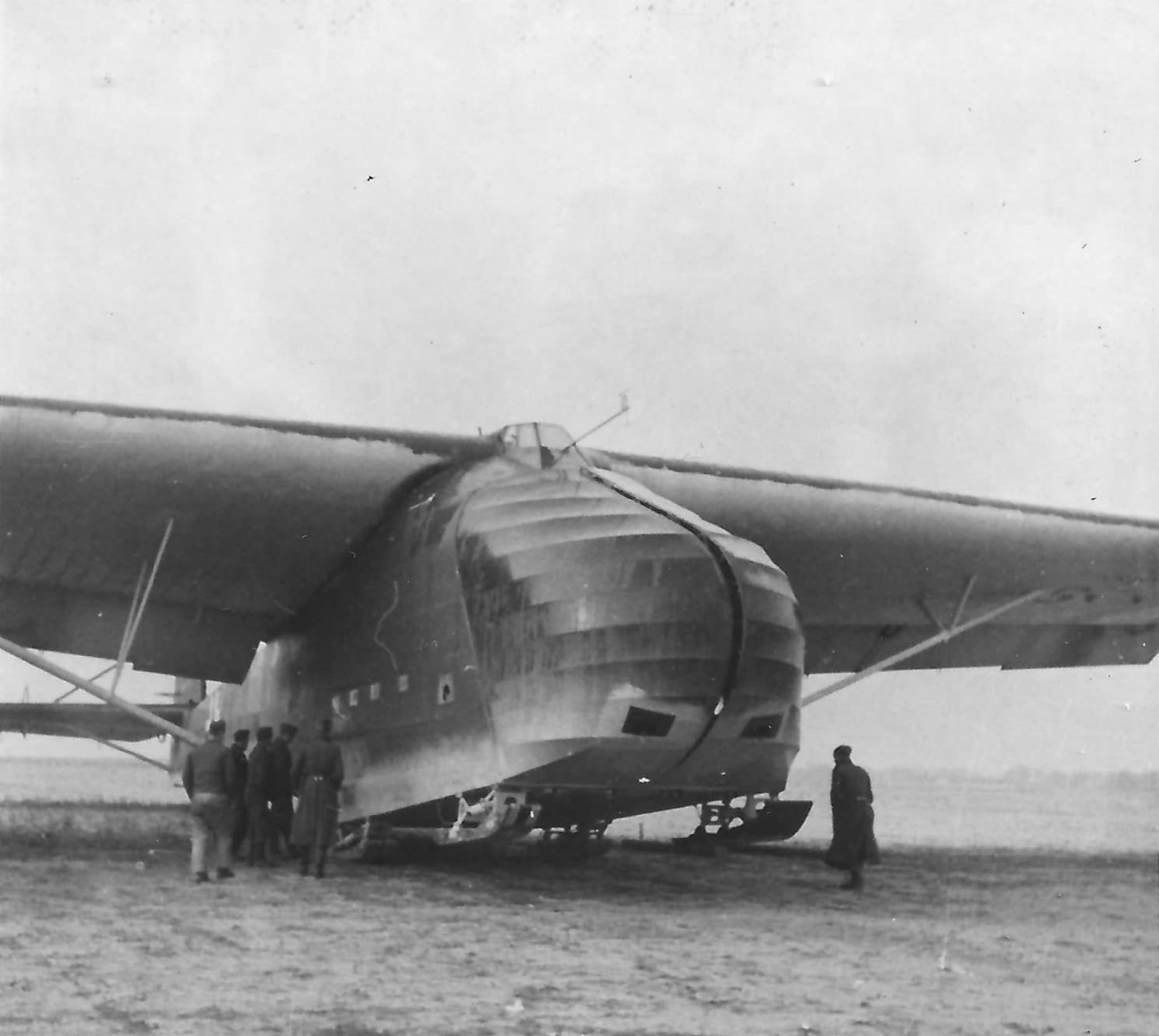
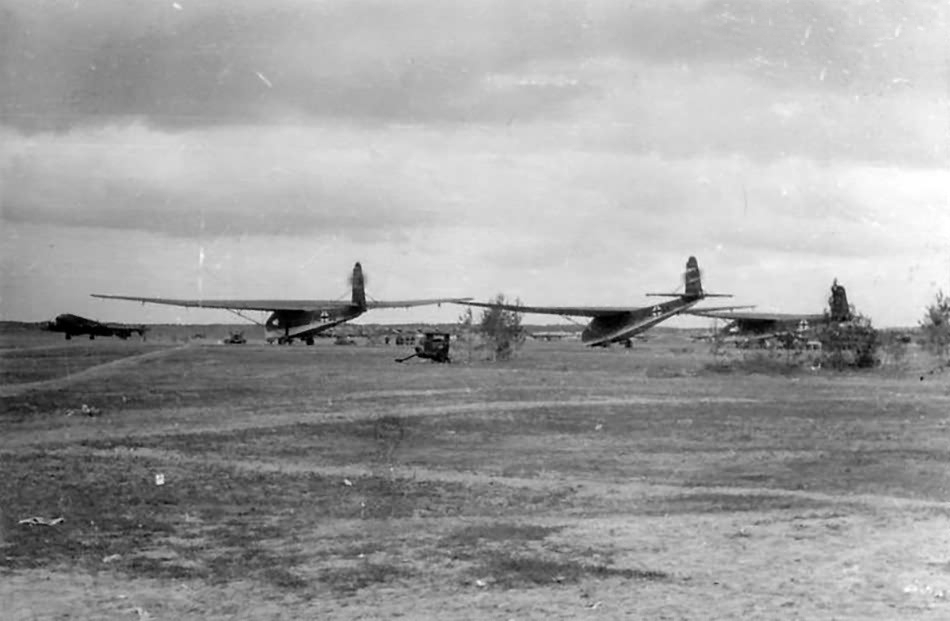
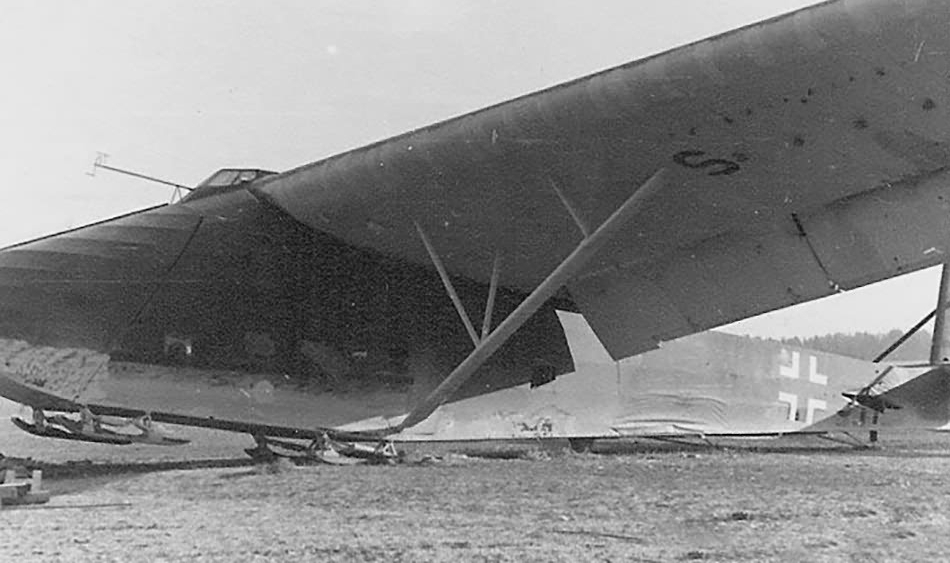
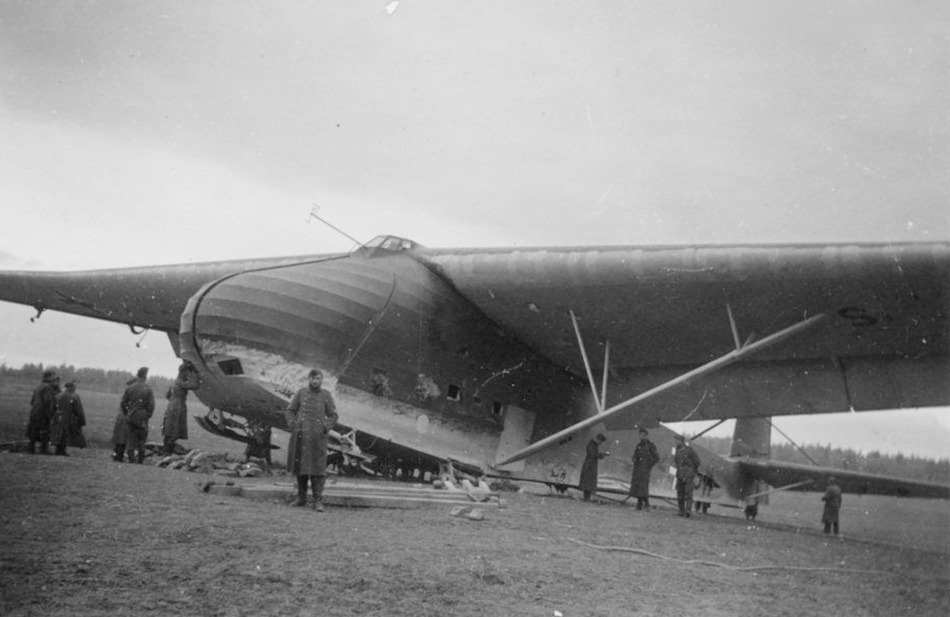
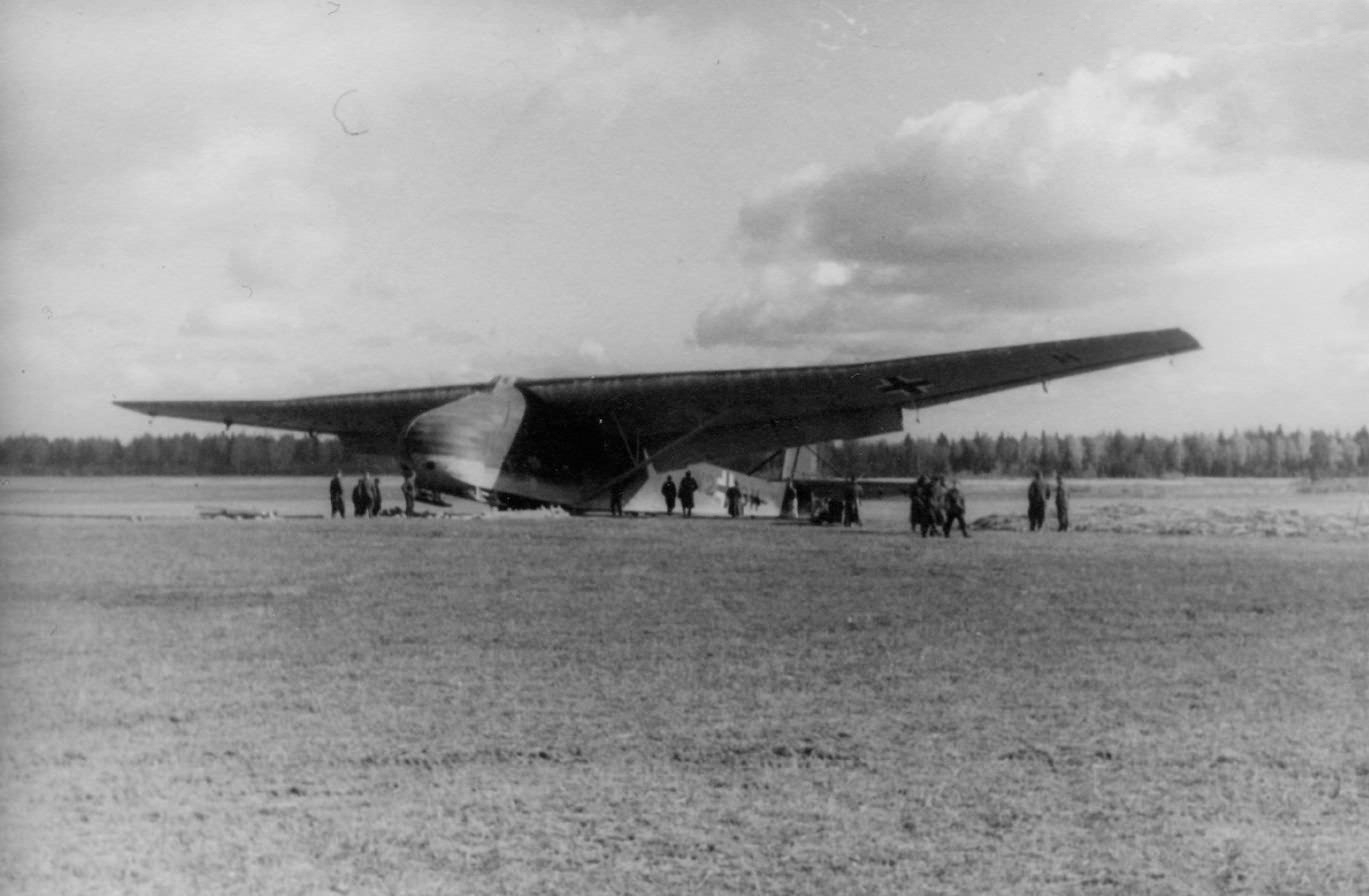
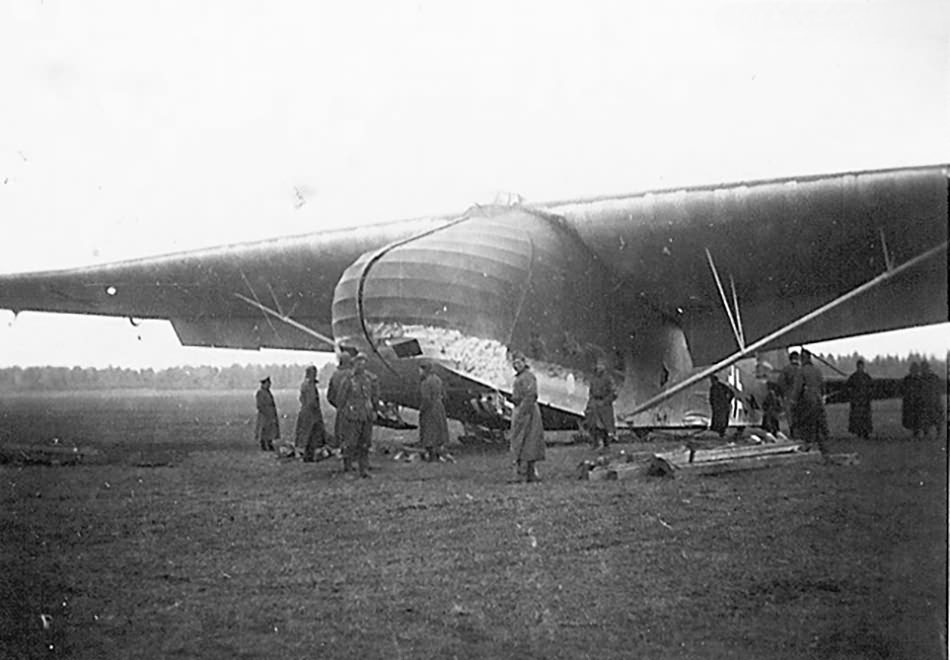
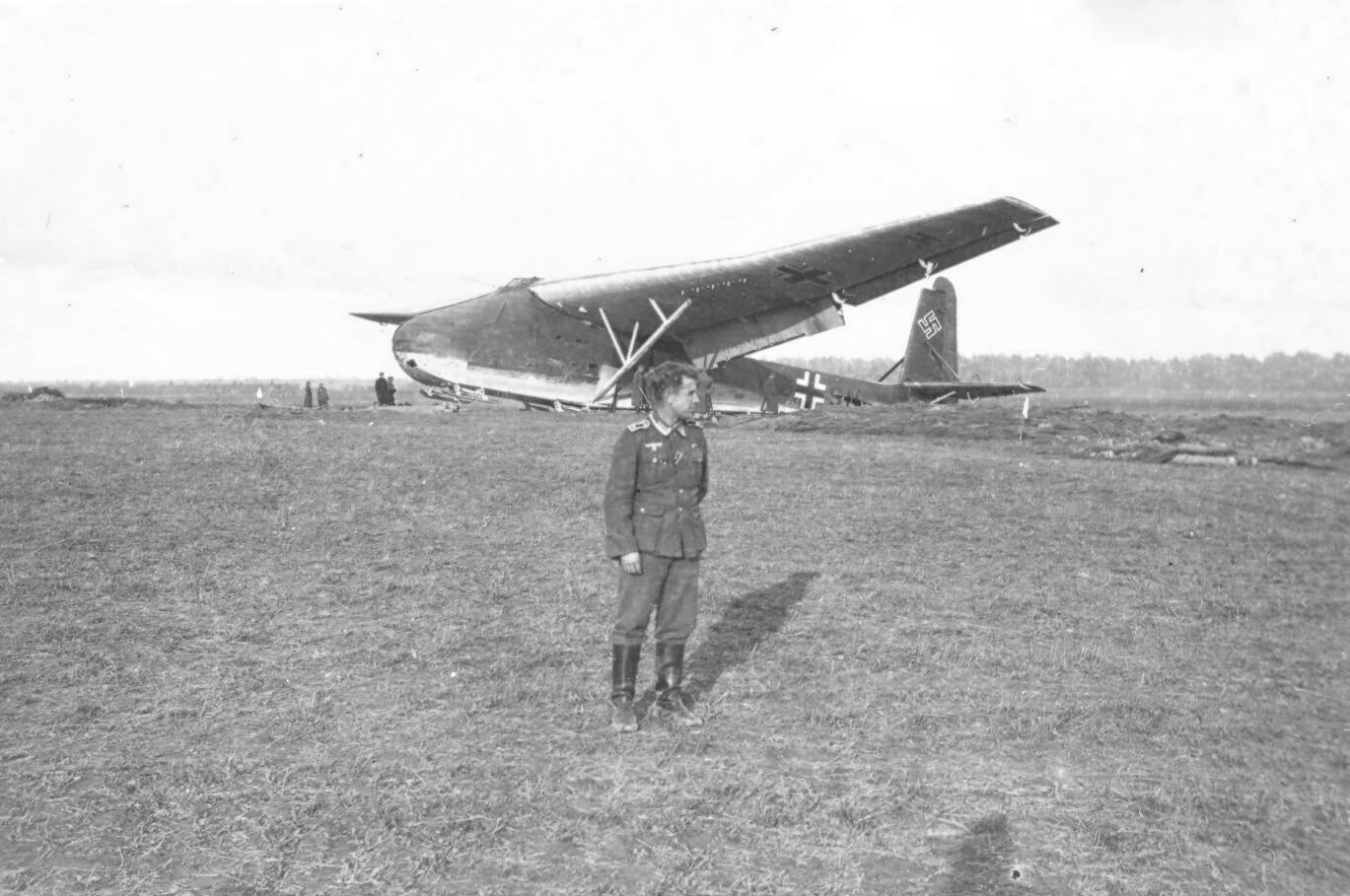
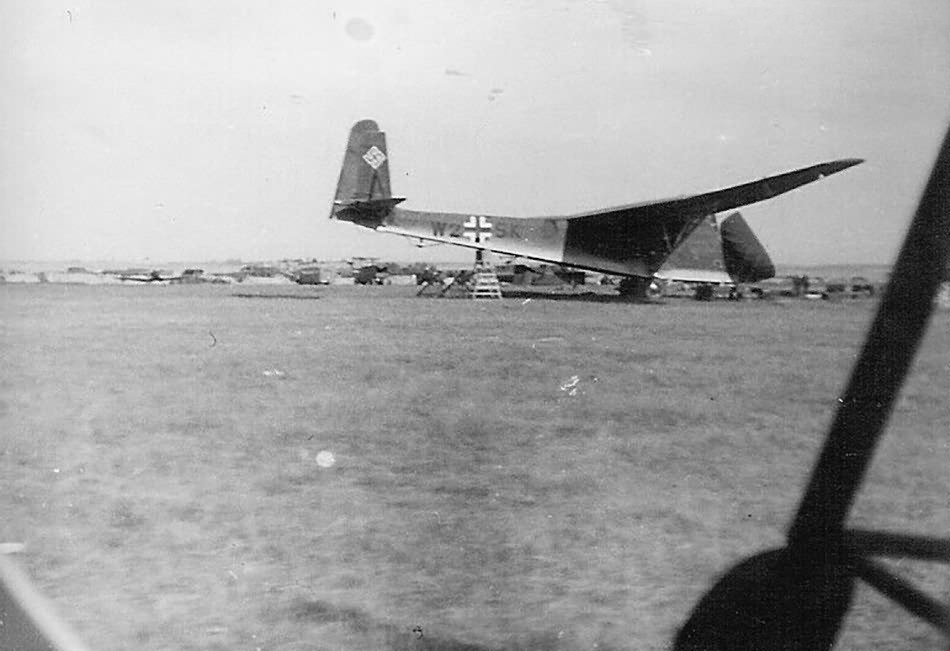
Messerschmitt Me 321 Gigant was a massive German heavy transport glider used on the Eastern Front between 1941 and 1943. Developed in late 1940 following the cancellation of Operation Sea Lion to rapidly airlift heavy armor and troops, the fabric-covered steel-tubing giant featured a 108 m³ cargo bay capable of carrying up to 22 tons—such as a Panzer III or IV tank, an 88 mm Flak gun with tractor, two fully loaded trucks, or 200 fully equipped troops. Featuring a clam-shell nose loading door, the glider required disposable wheeled takeoff dollies, jettisonable rocket boosters, and specialized tow planes such as the four-engine Ju 90, the five-engine He 111Z Zwilling, or a dangerous three-aircraft Troika formation of Bf 110s. Produced in two main variants (Me 321A-1 with a single pilot and Me 321B-1 with dual controls and defensive machine guns) totaling around 330 units, the glider proved extremely unwieldy and impractical to recover on the ground. Consequently, it saw limited operational service ferrying supplies across the Eastern Front before providing the direct structural foundation for the six-engined powered transport aircraft, the Messerschmitt Me 323 Gigant.