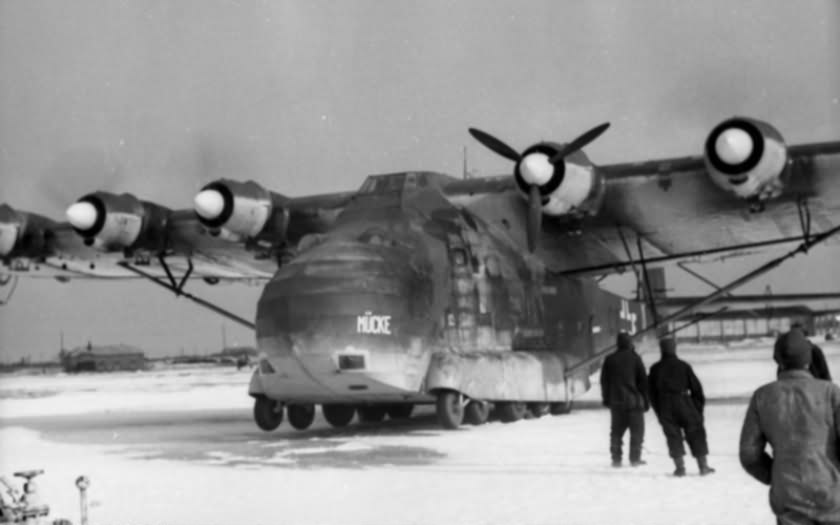
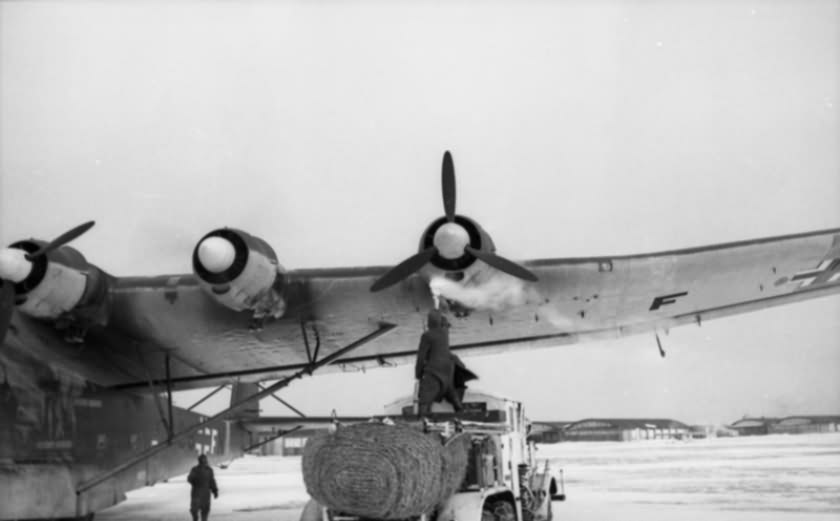
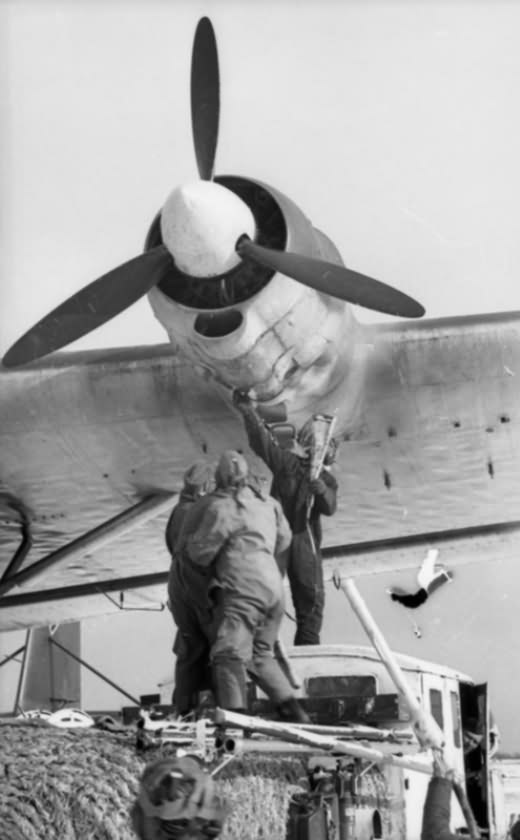
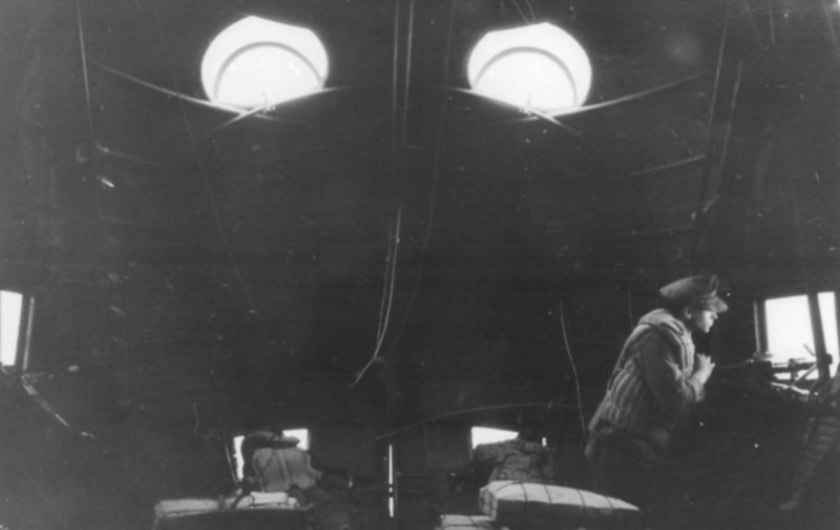
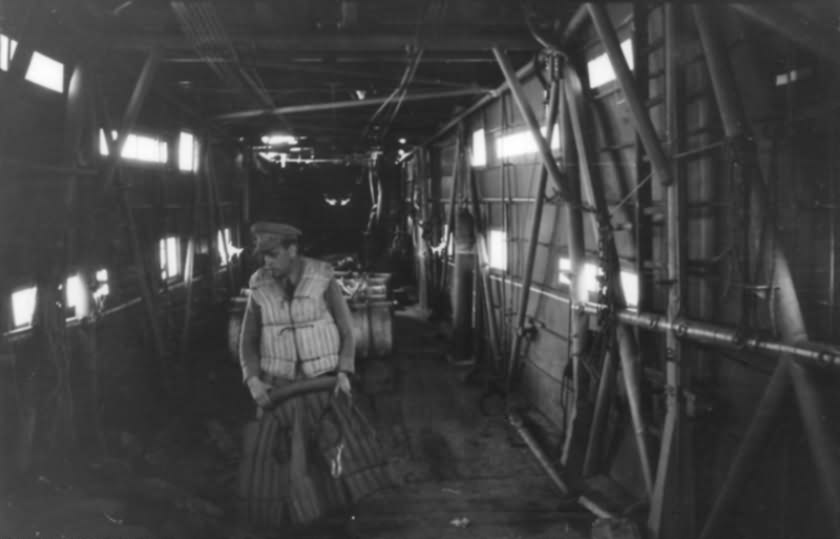
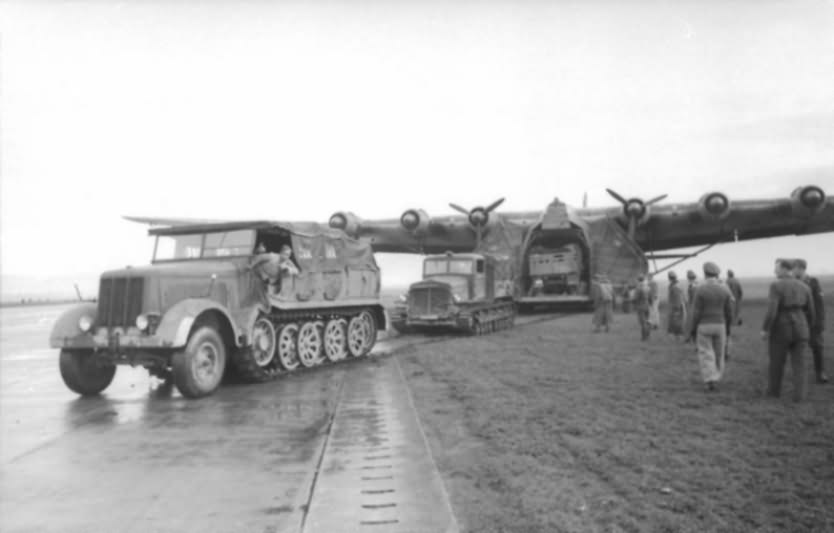
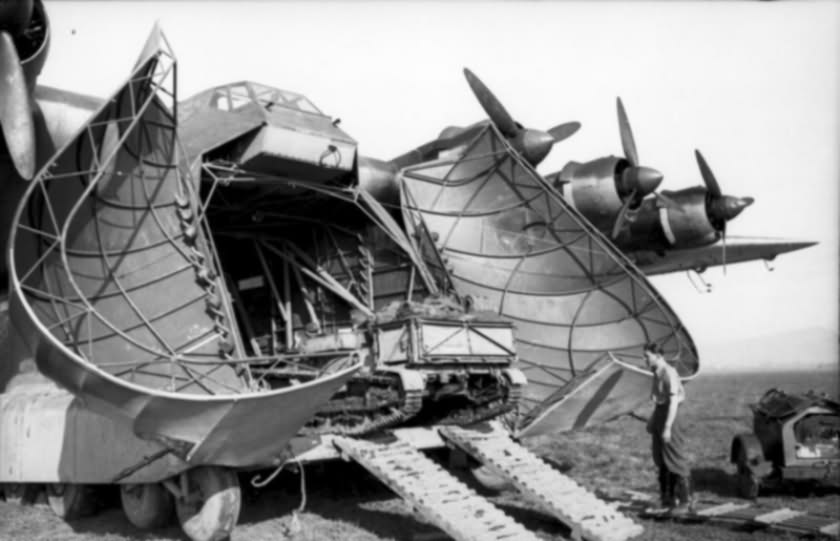
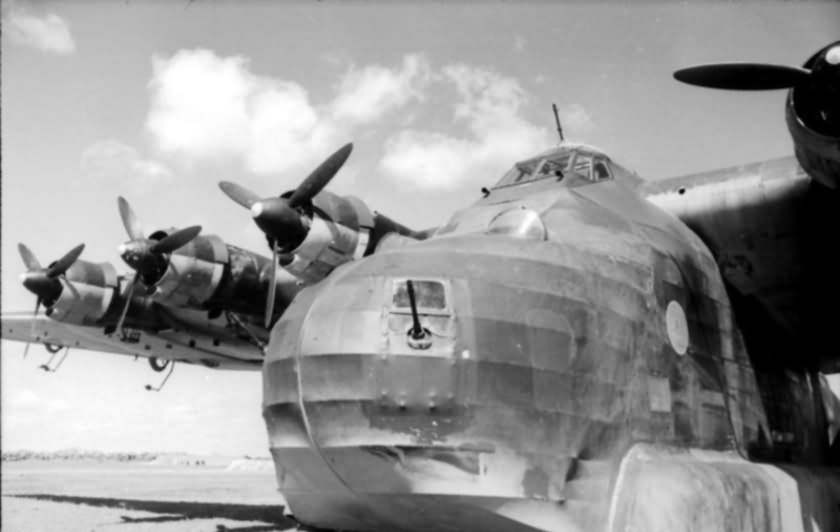
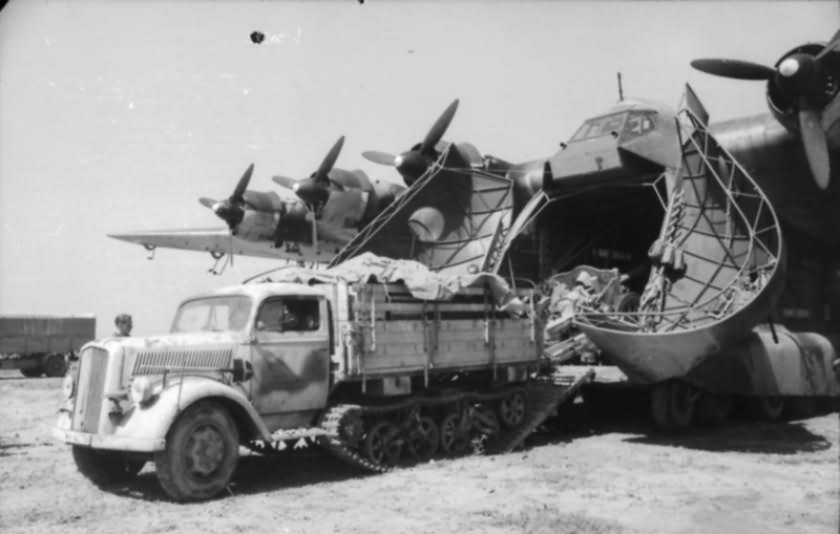
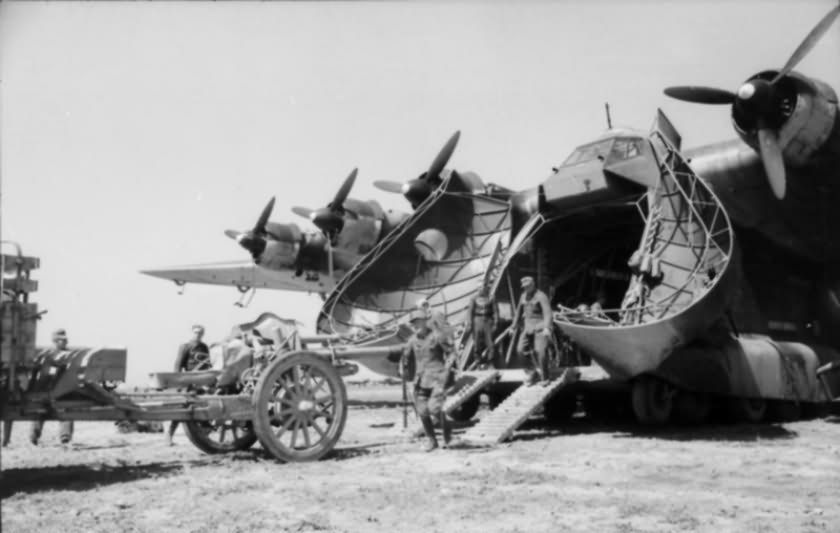
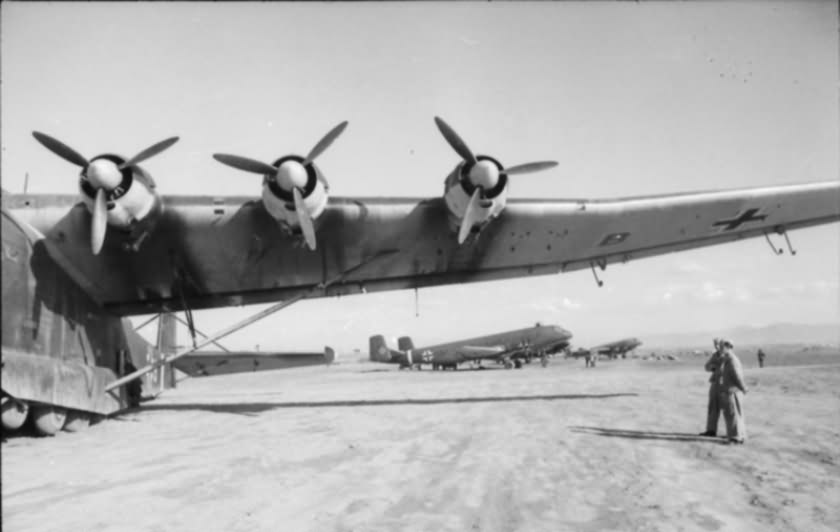
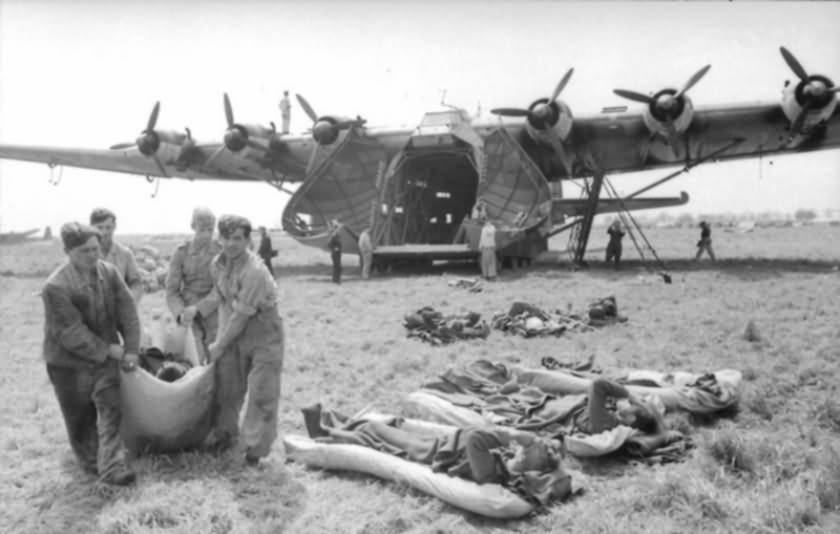
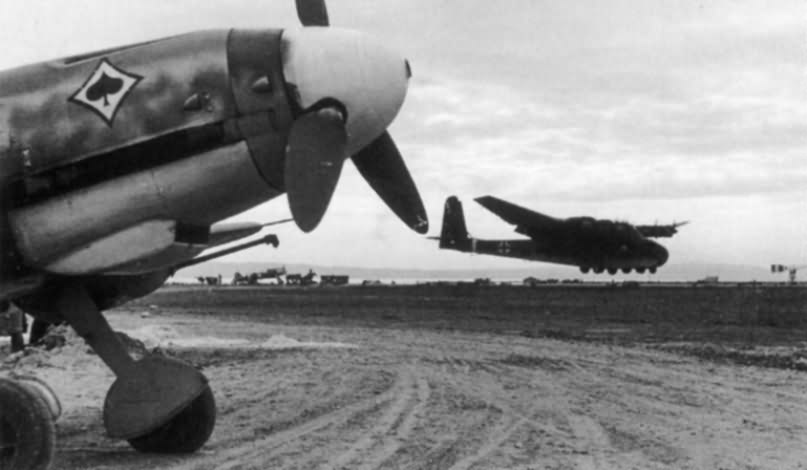
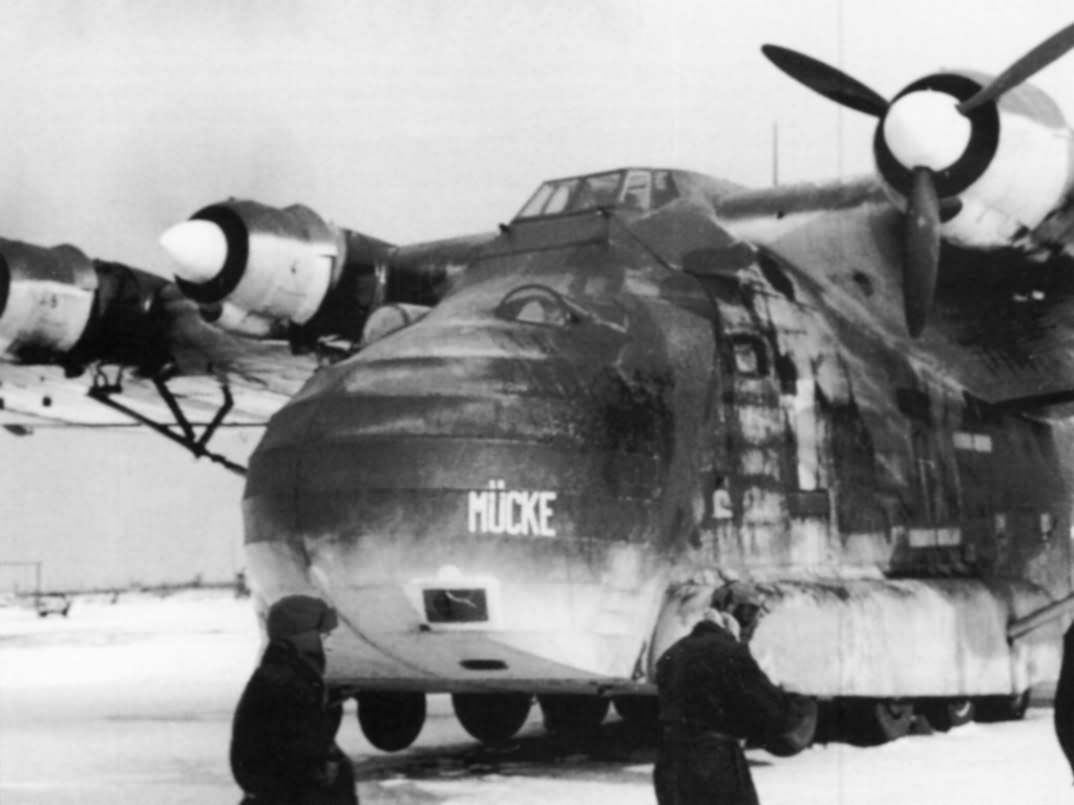
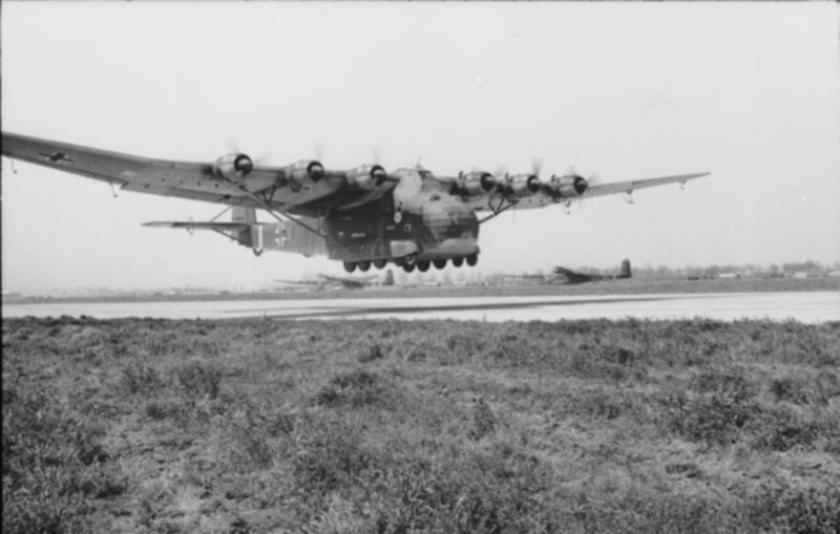
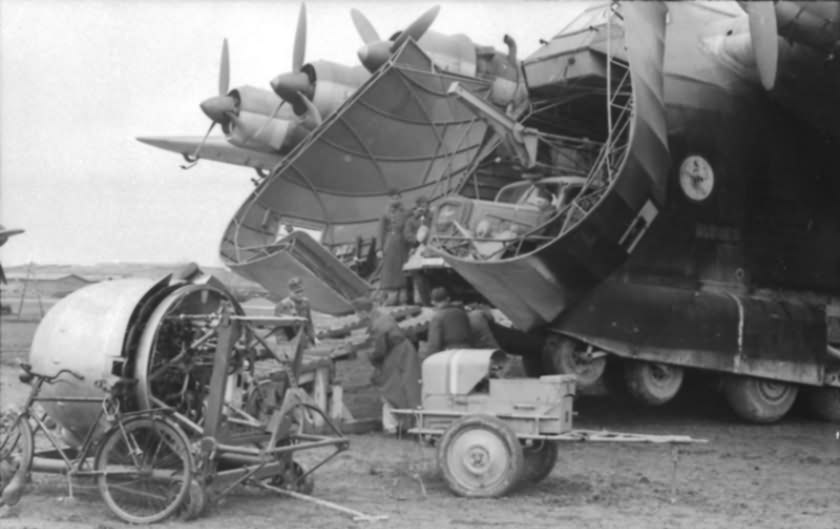
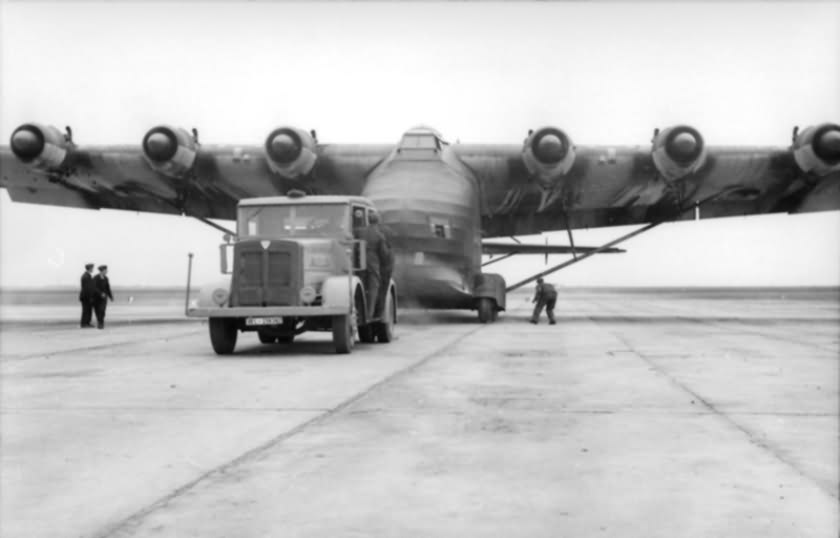
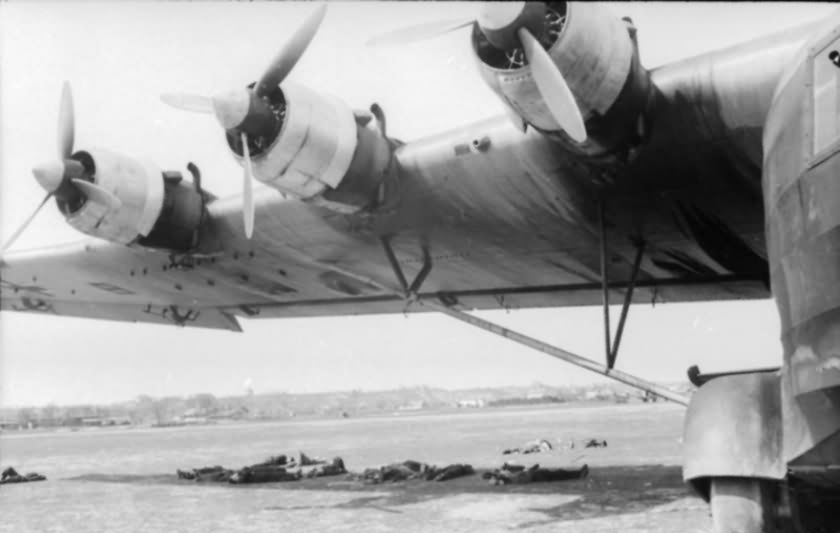
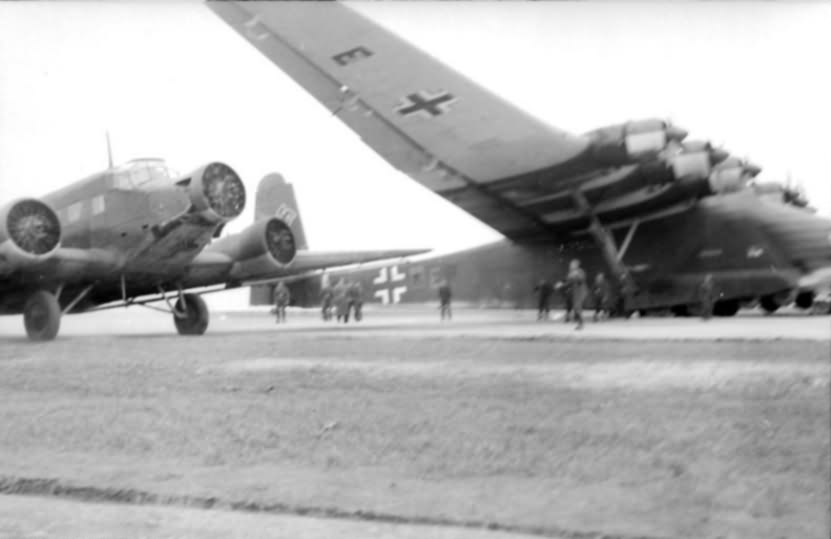
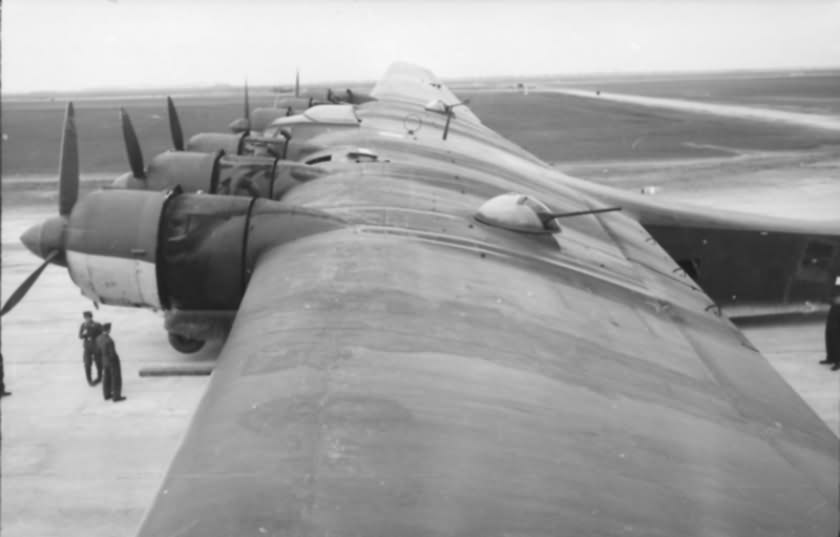
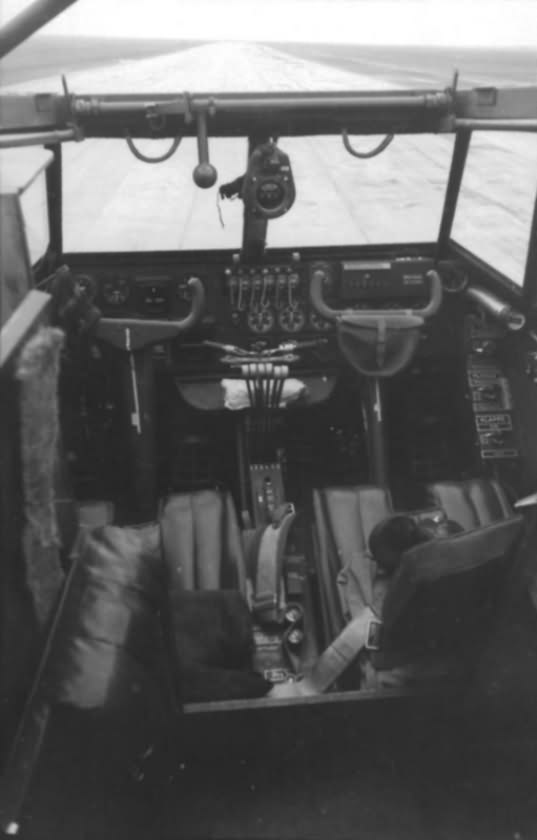
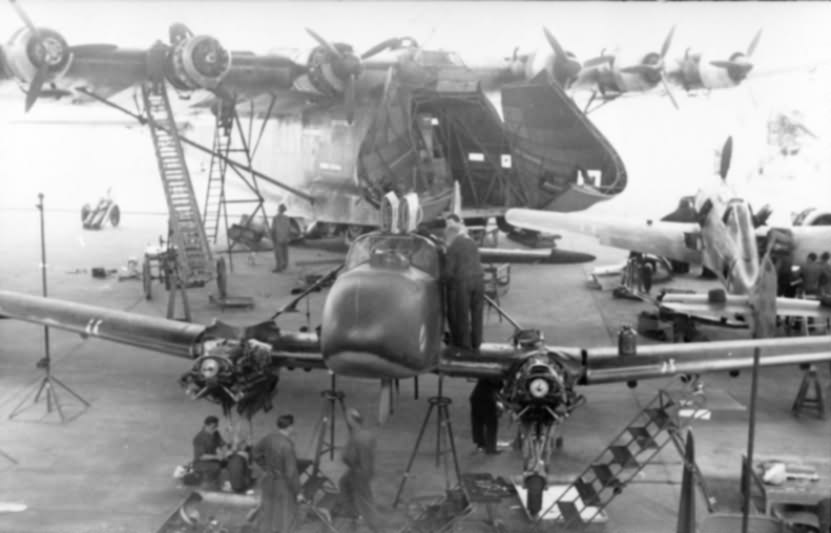
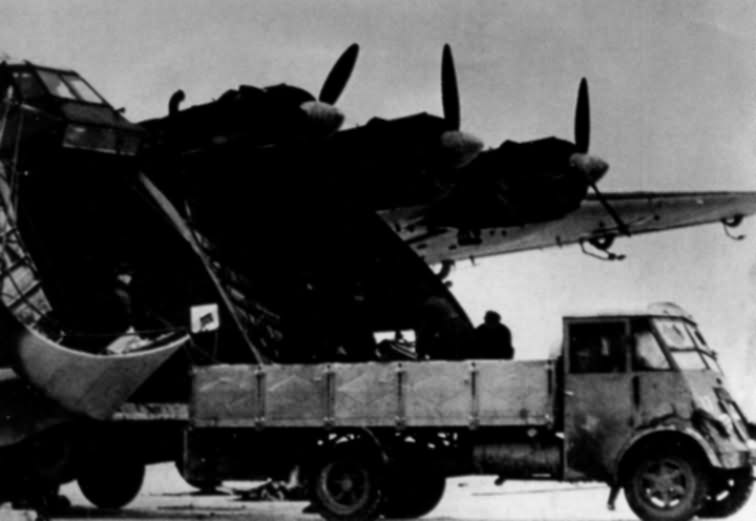
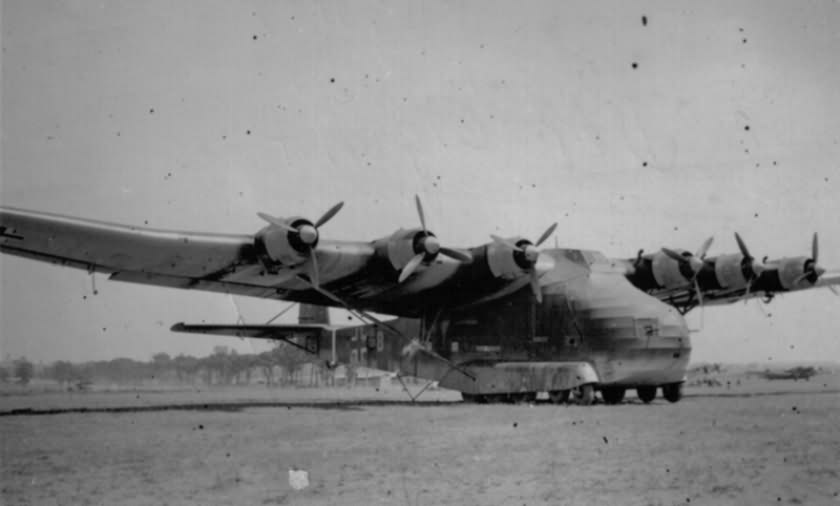
Messerschmitt Me 323 Gigant was the largest land-based military transport aircraft of World War II, developed from the Me 321 glider by the Messerschmitt firm starting in 1942. To overcome the towing shortages of the glider, designers equipped the tubular-steel and fabric-covered airframe with six captured French Gnome-Rhône 14N radial engines (ranging from 990 to 1,100 hp) and a unique 10-wheel fixed landing gear designed to distribute its massive weight. Featuring clamshell nose doors that opened for easy drive-in loading, the cargo bay offered five times the capacity of a standard Junkers Ju 52—capable of carrying an 8.8 cm Flak gun, 52 fuel barrels, up to 130 fully equipped troops, or even a record 340 soldiers in a pinch. Due to the heavy reliance on overheating French engines, the aircraft was notoriously underpowered and slow, earning it the ironic nickname “Leukoplast-Bomber” (“Plaster Bomber”) because of the canvas patches used to fix bullet holes. Produced between May 1942 and April 1944 in 201 to 209 units, Me 323s saw extensive service supplying the Afrika Korps (including a famous engagement over Pantelleria where Polish fighter pilots broke through the escort before Allied aircraft destroyed the transports), evacuating troops from Tunisia, and flying missions across all major fronts until the end of the war.