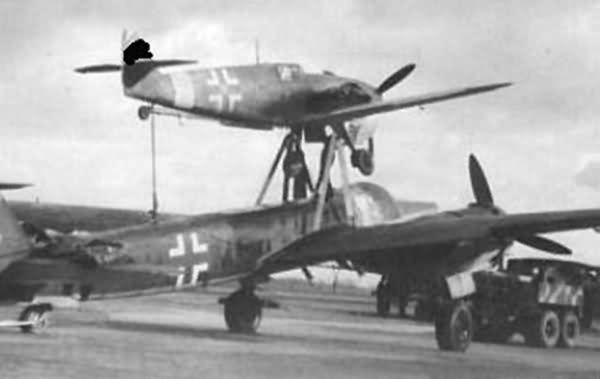
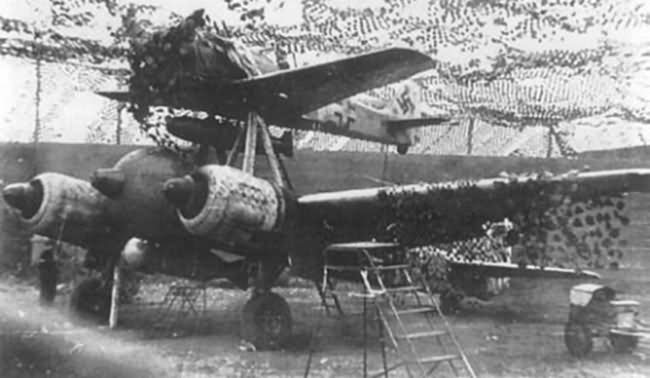
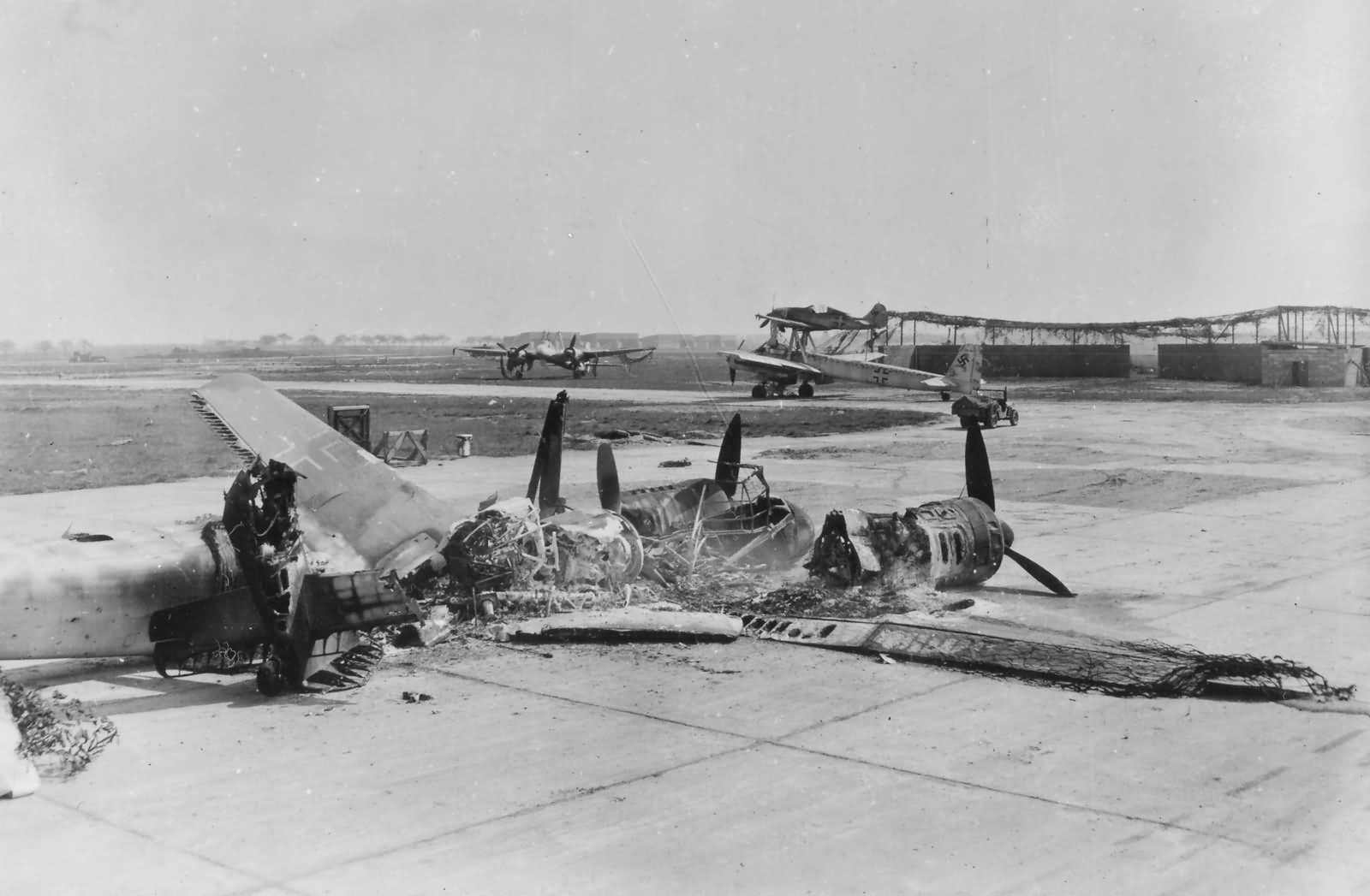
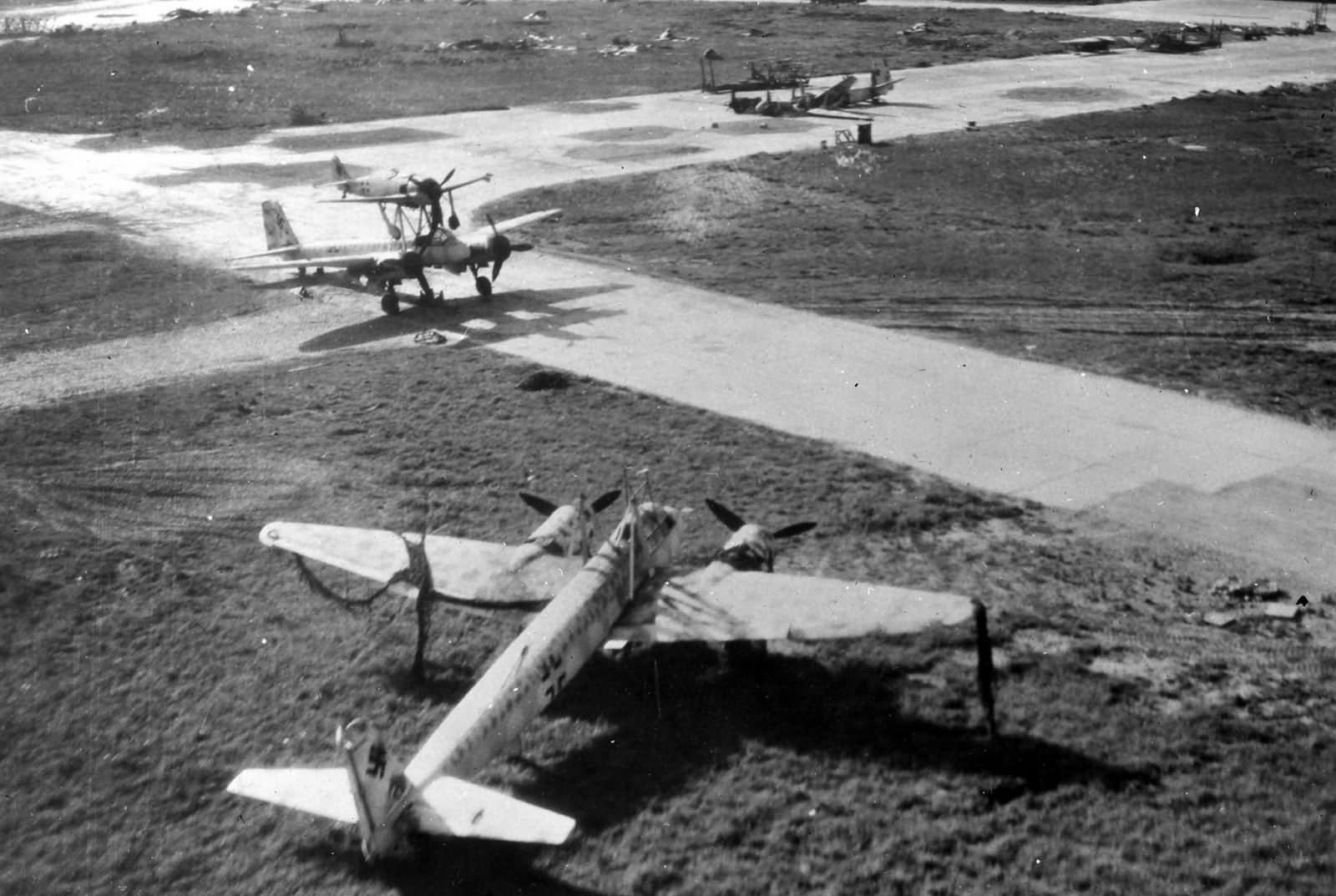
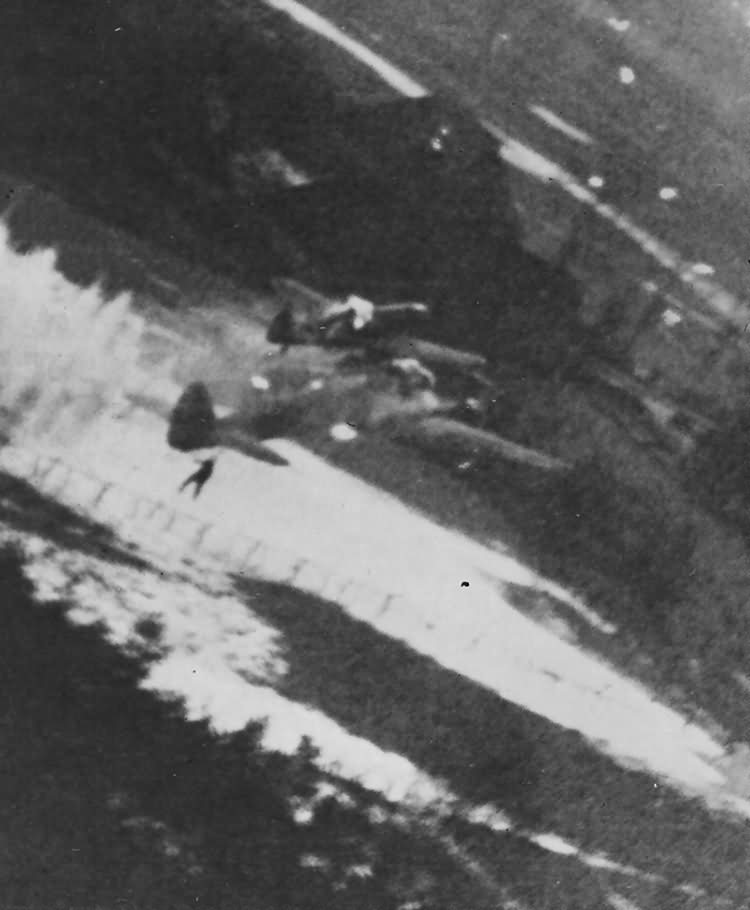
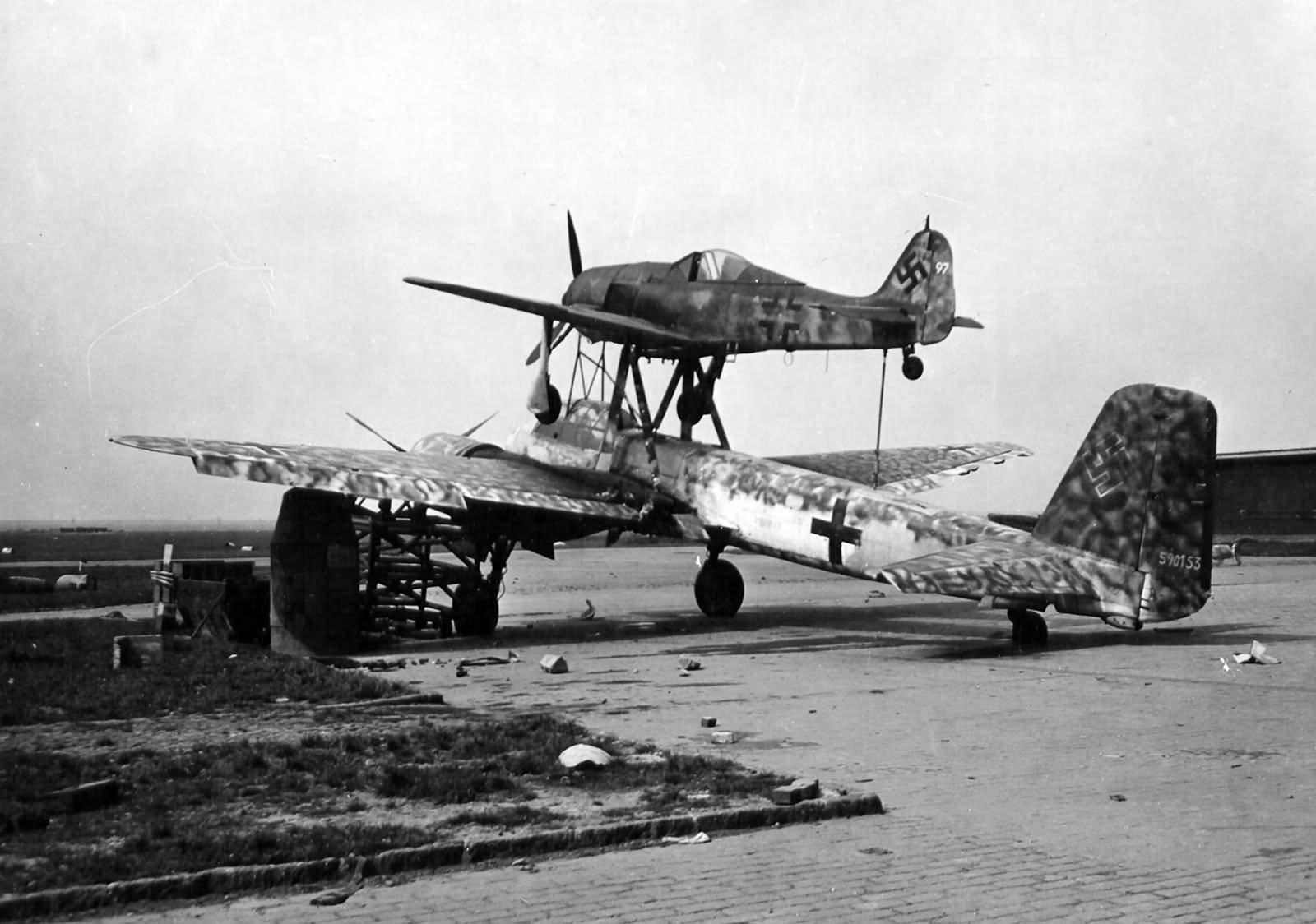
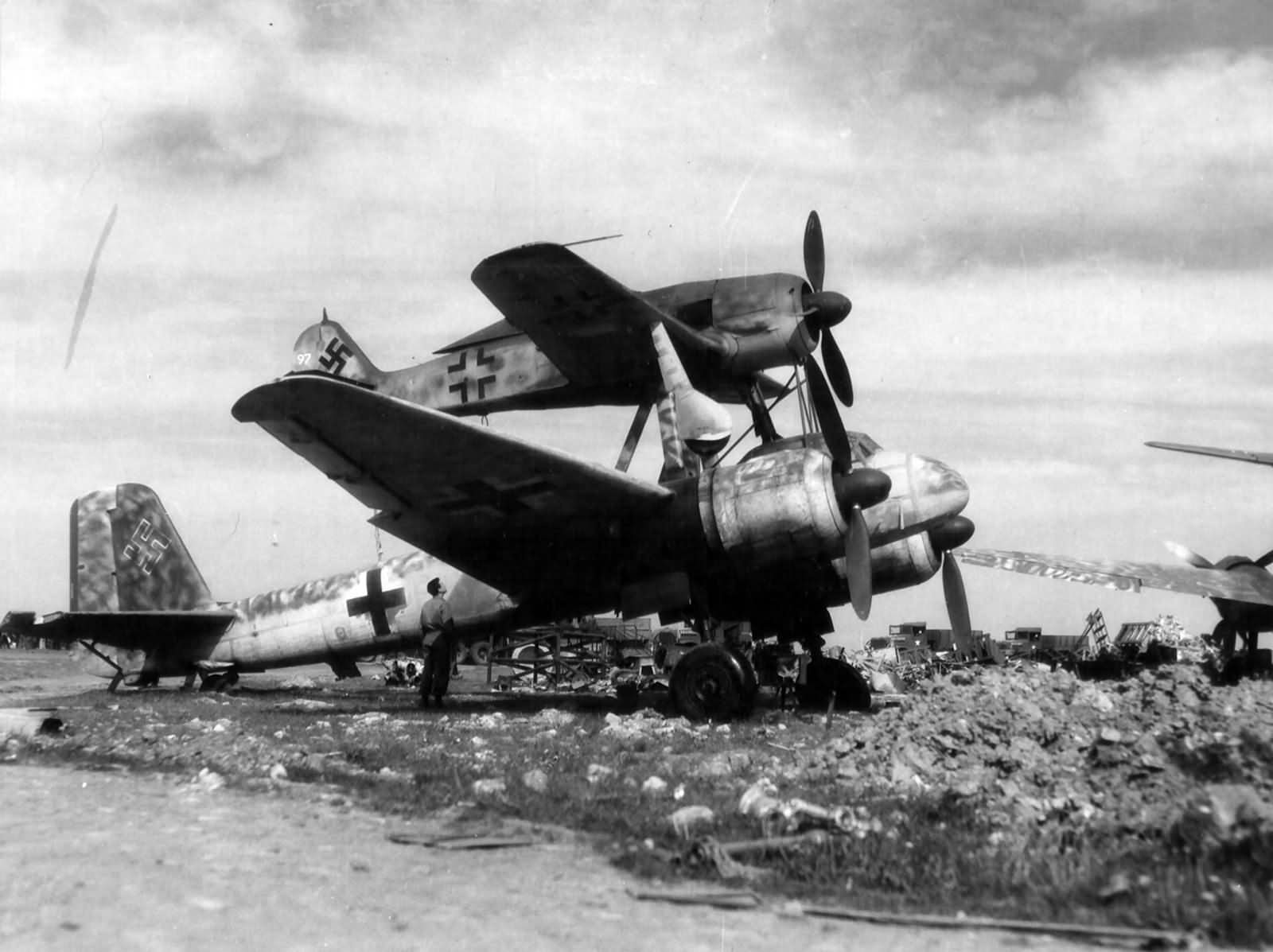
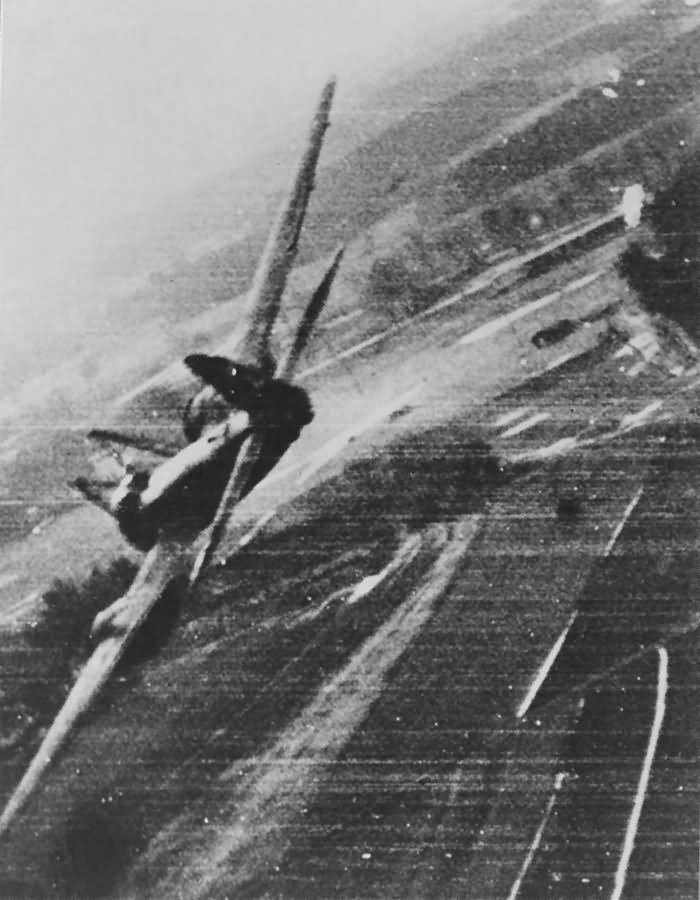
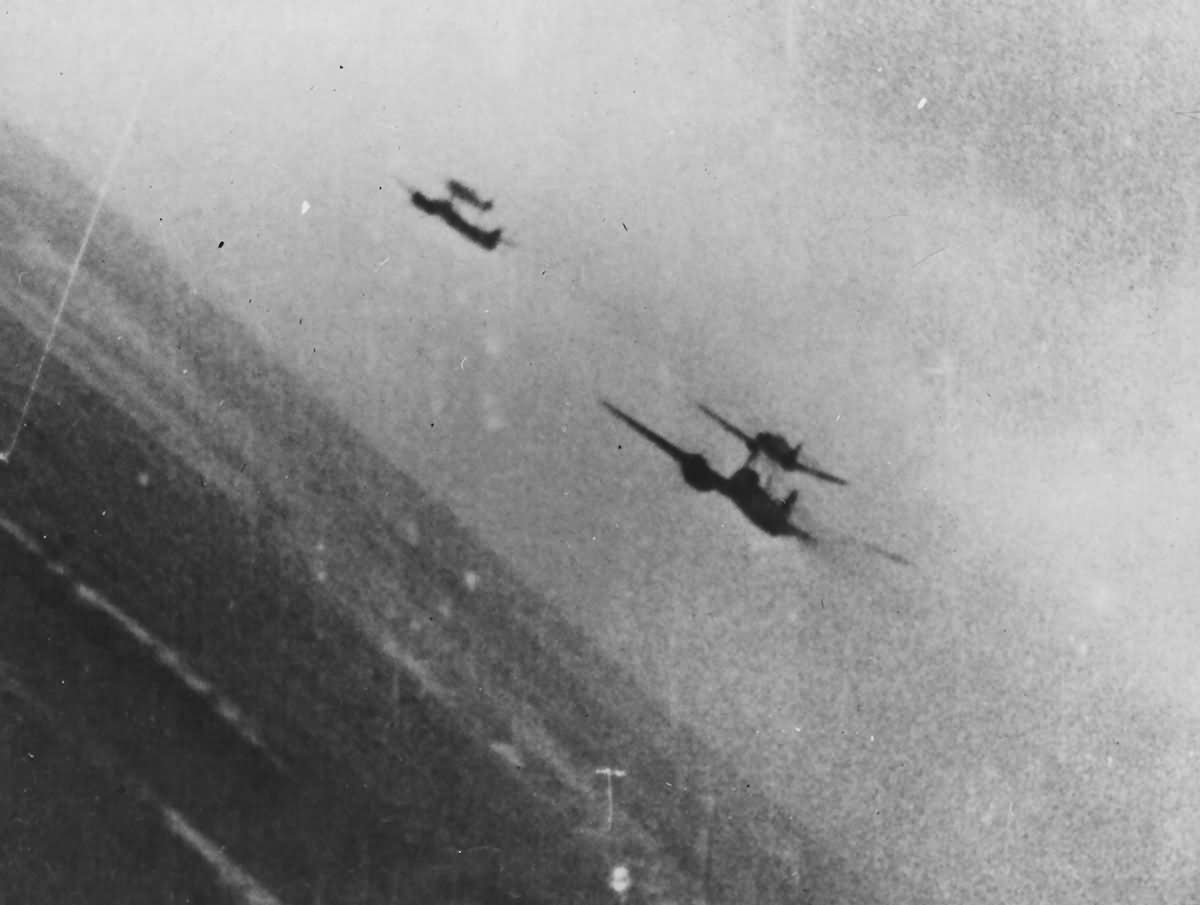
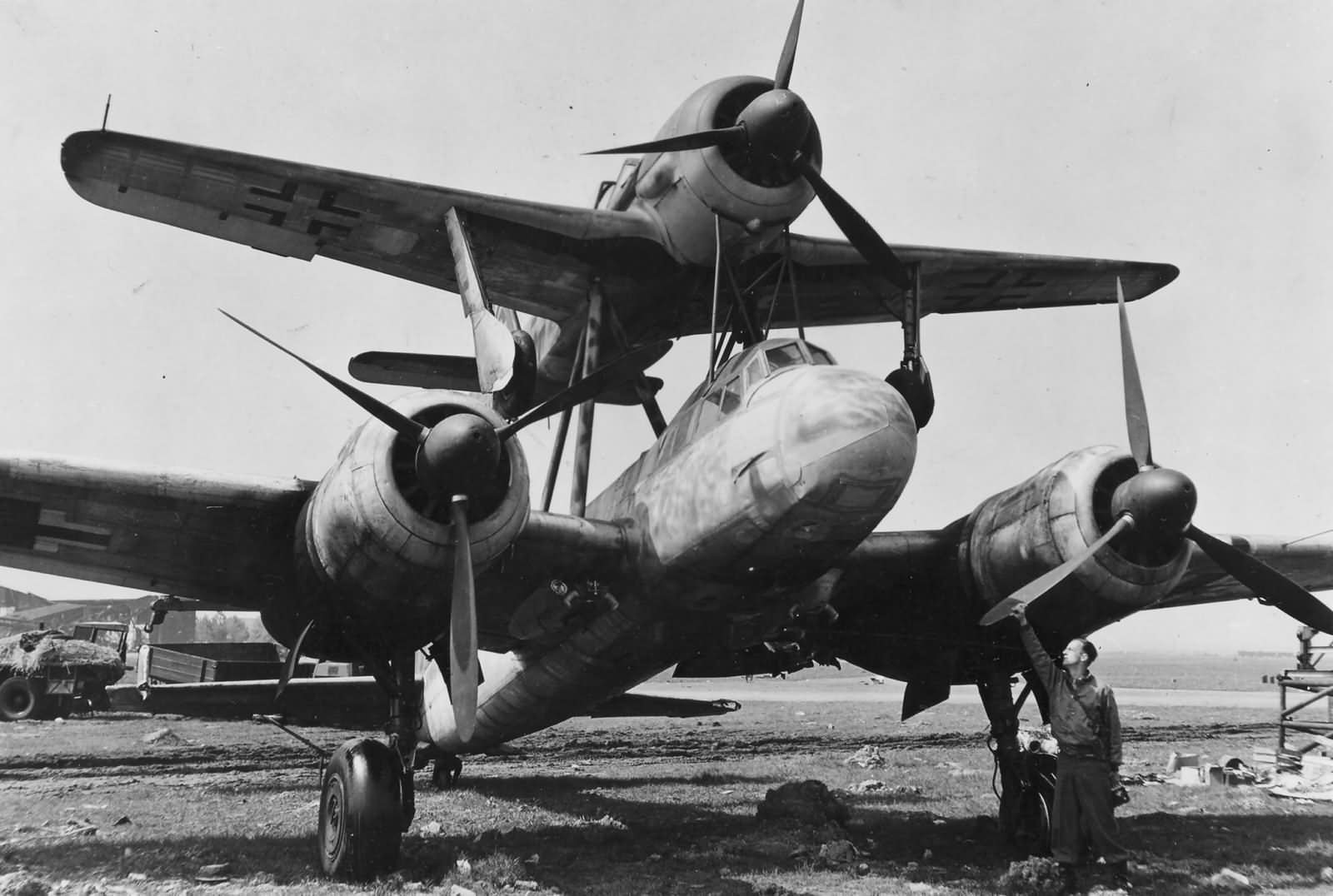
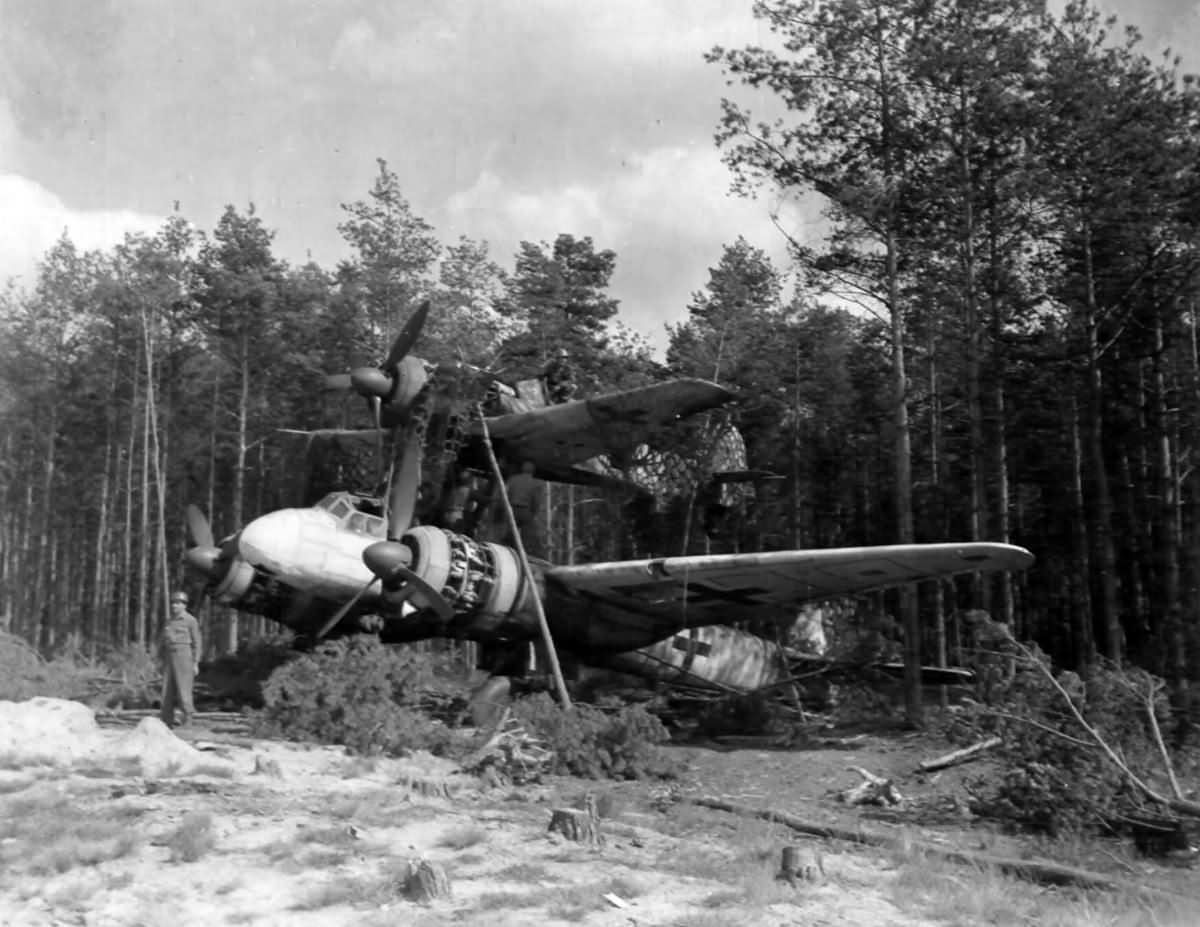
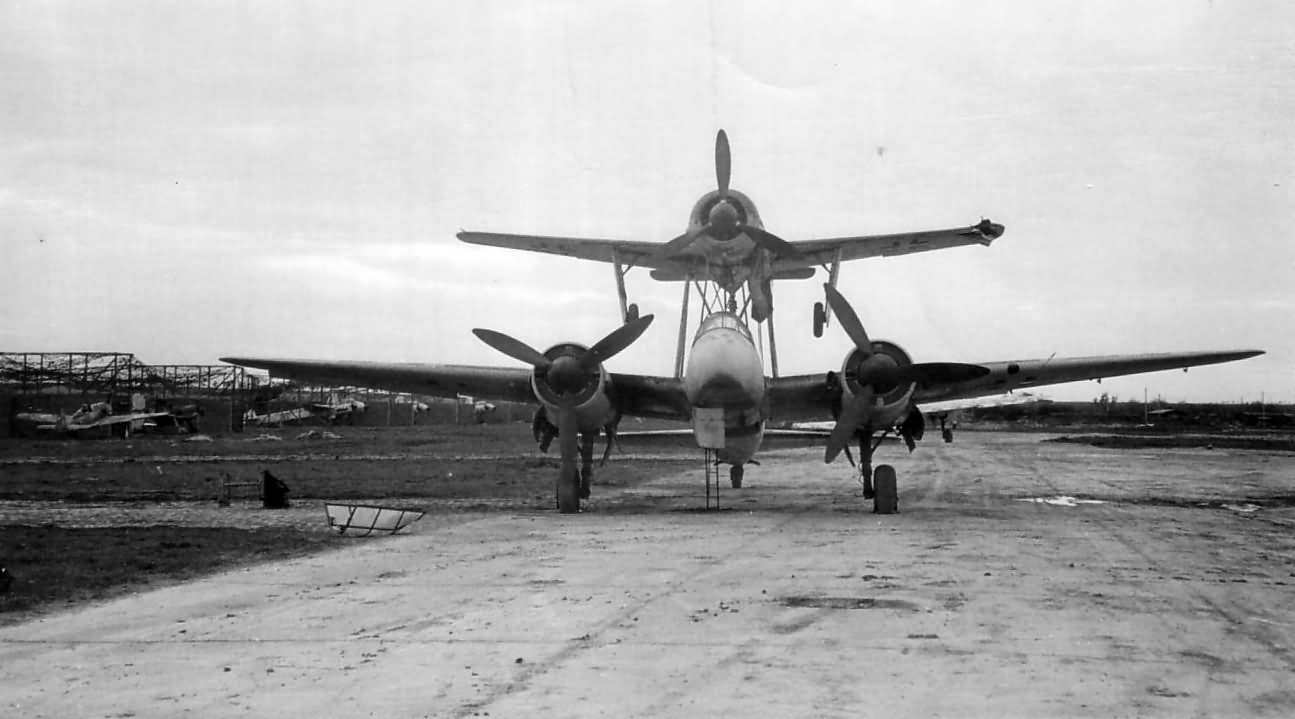
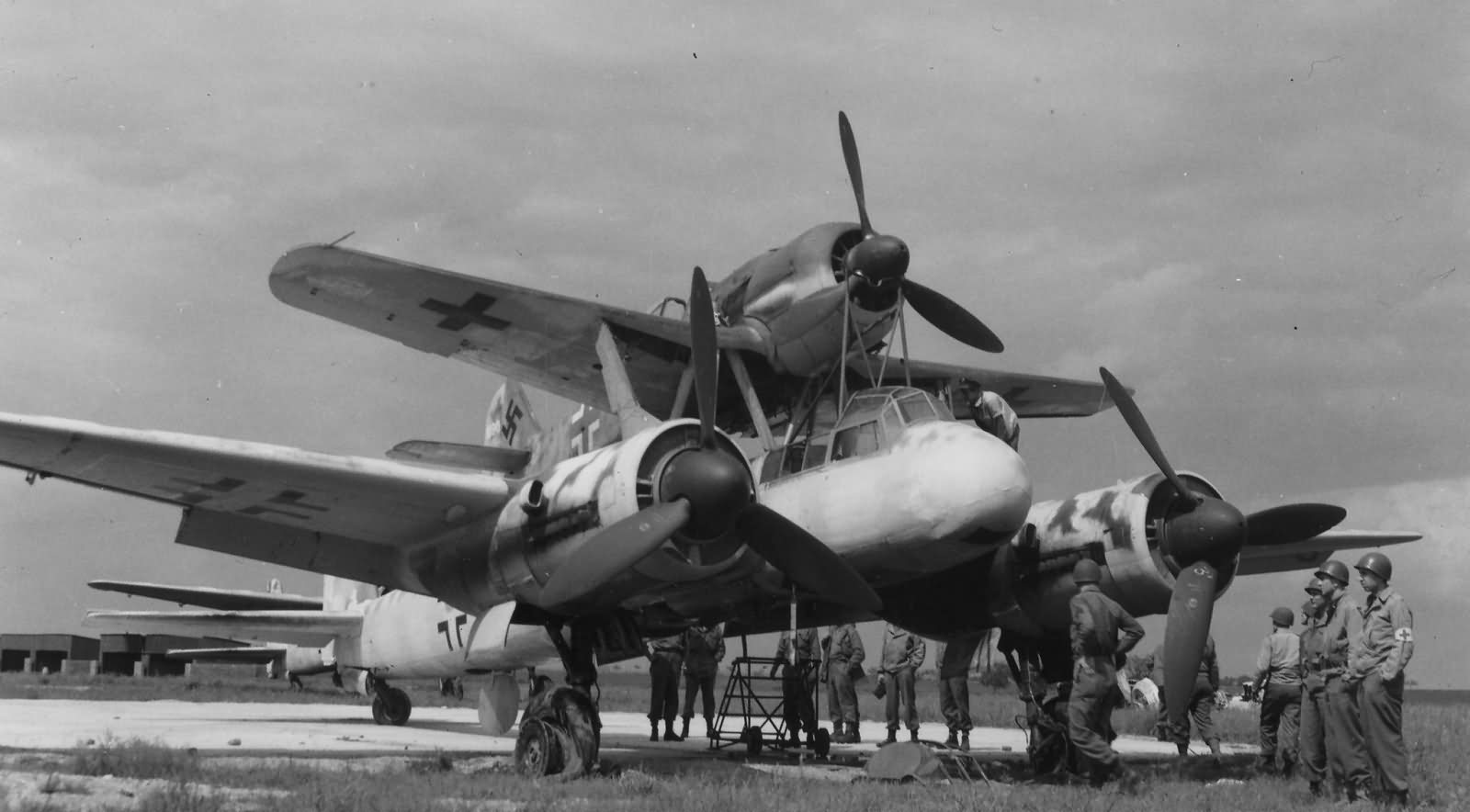
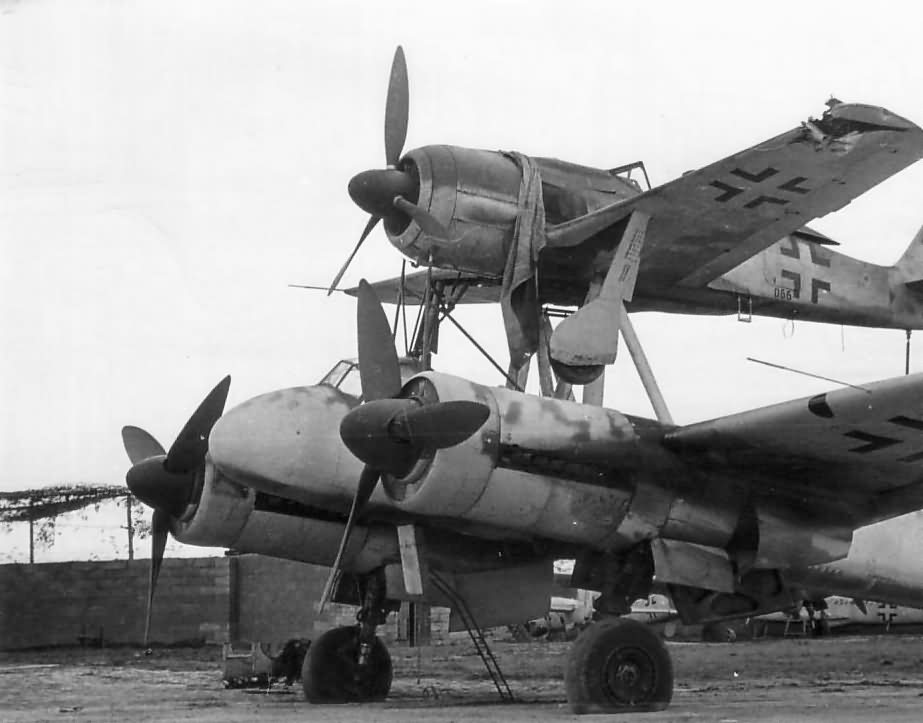
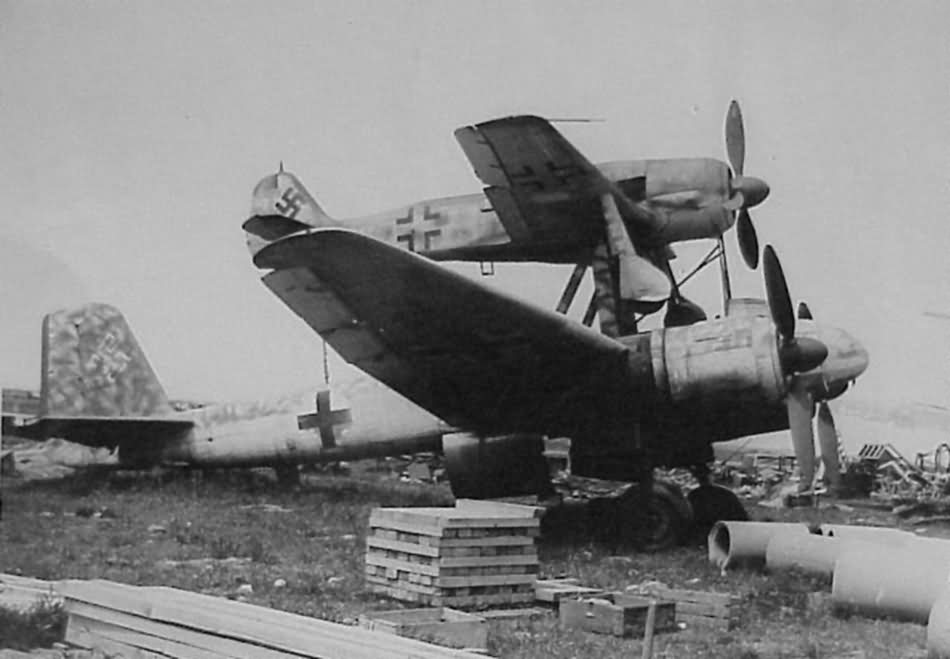
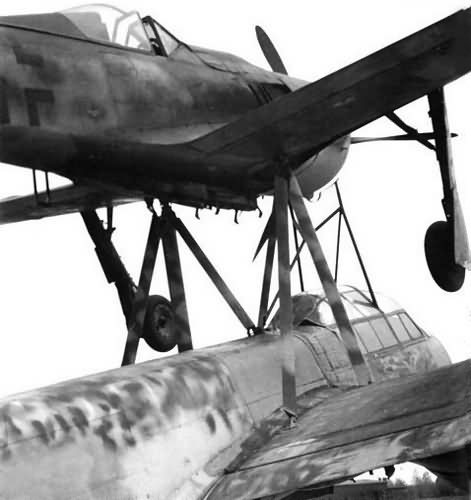
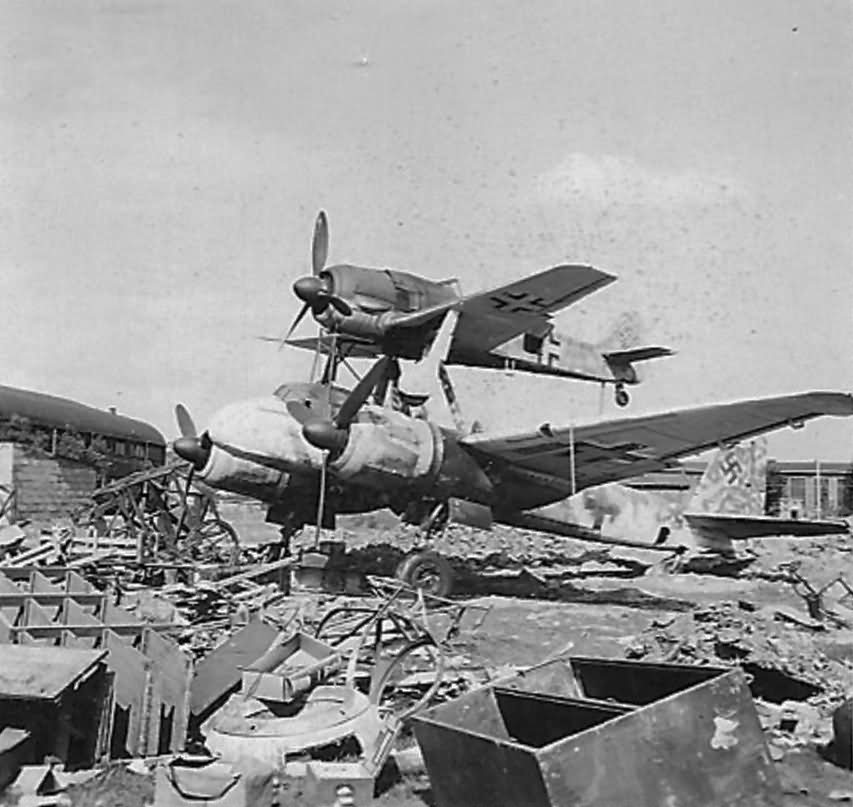
Mistel (Beethoven-Gerät)—informally dubbed “Vater und Sohn” (“Father and Son”) or “Huckepack” (“Piggyback”)—was a composite German weapon system developed during World War II, classified as a retaliation weapon (Vergeltungswaffe). Conceived in 1941 by engineer Siegfried Holzbauer, the system comprised a piloted fighter mounted on struts above an uncrewed, explosive-packed bomber that functioned as a guided flying bomb. The upper fighter controlled the combined aircraft during flight, aimed the assembly at a target in a shallow dive, and released the lower bomber, whose automated gyroscopic autopilot guided it to the objective while the fighter returned to base. Primary combat variants paired a Messerschmitt Bf 109 or Focke-Wulf Fw 190 with a Junkers Ju 88 converted to hold a hollow-charge warhead capable of penetrating up to 18 meters of reinforced concrete. Operated primarily by the specialized unit II/KG 200, approximately 250 Mistels were produced between 1943 and 1945. They saw limited operational use against Allied shipping in the English Channel and Normandy, but were mostly deployed late in the war to destroy strategic bridges along the Oder and Neisse rivers to slow the Soviet advance.