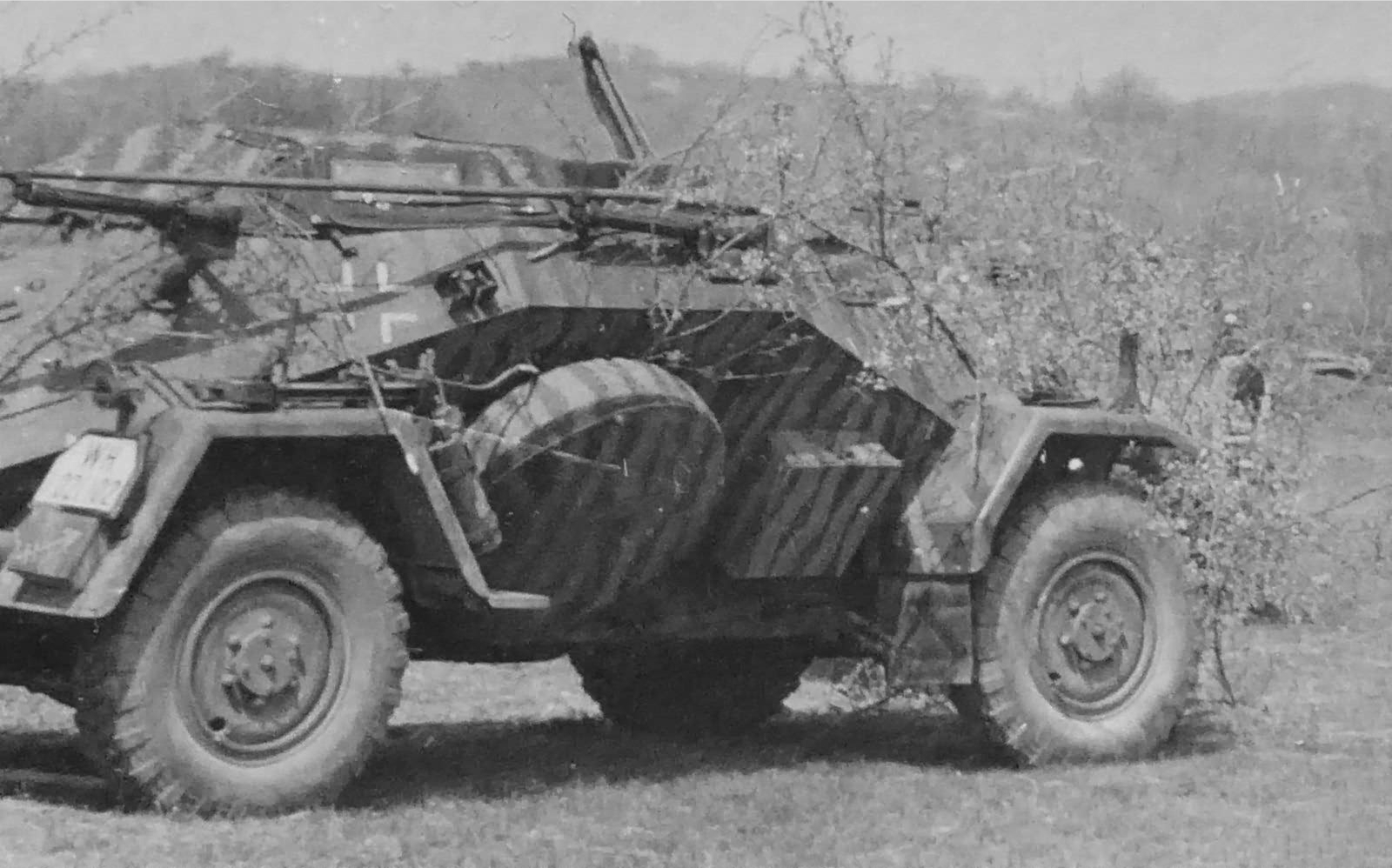
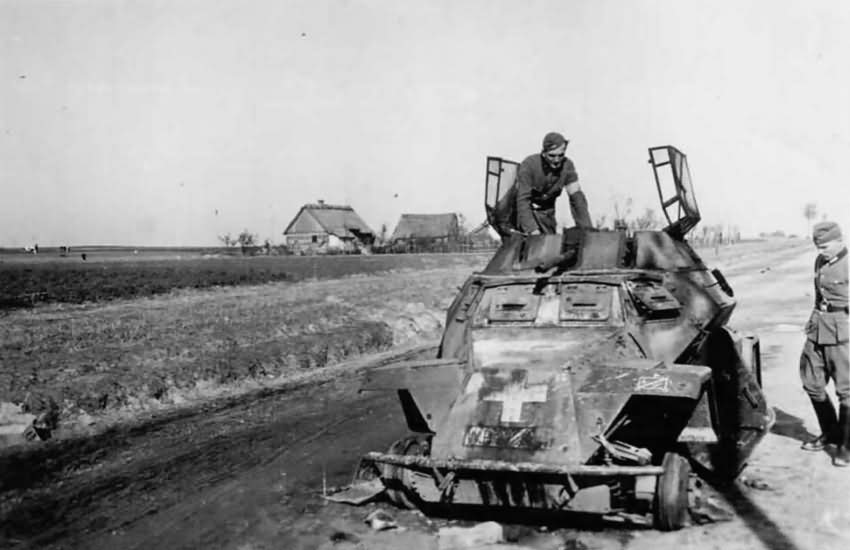
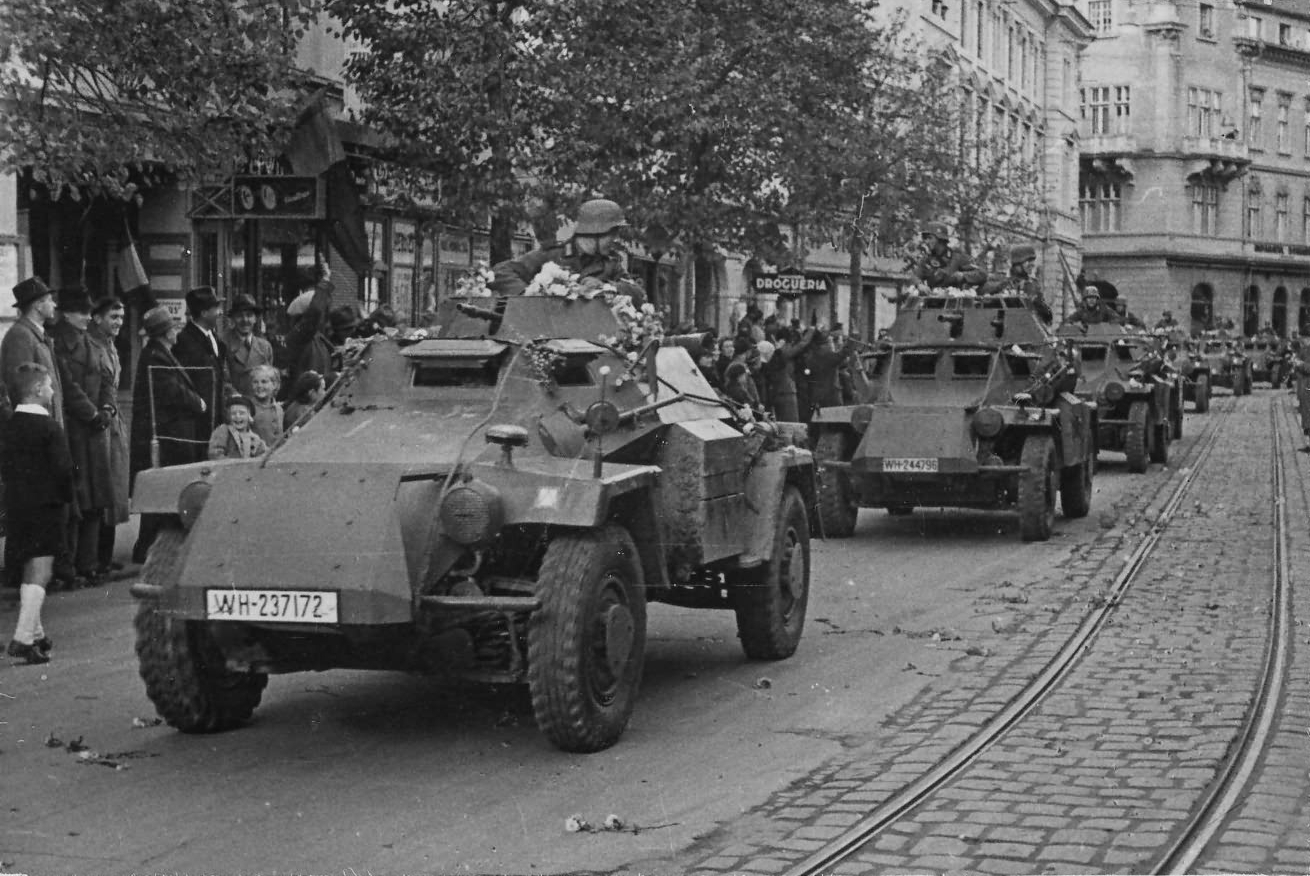
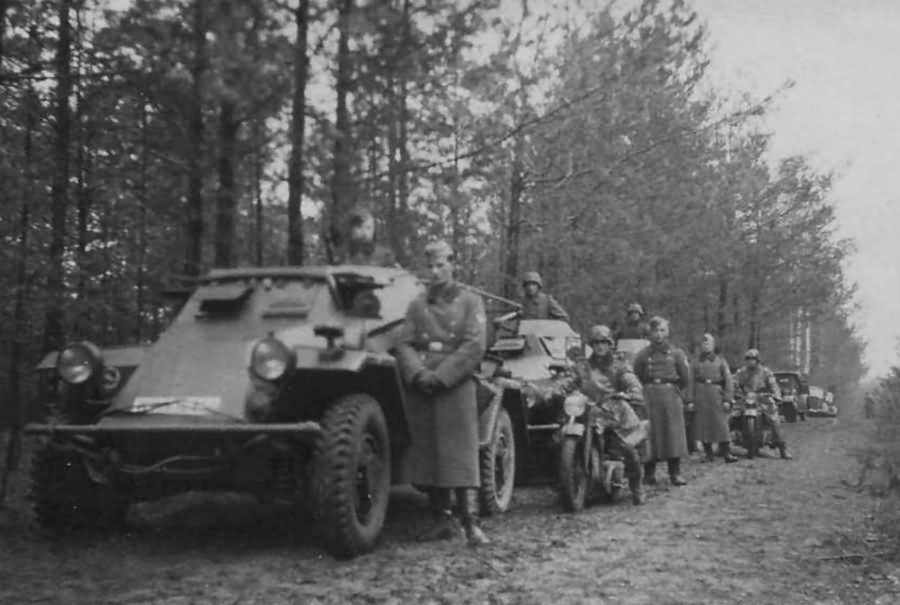
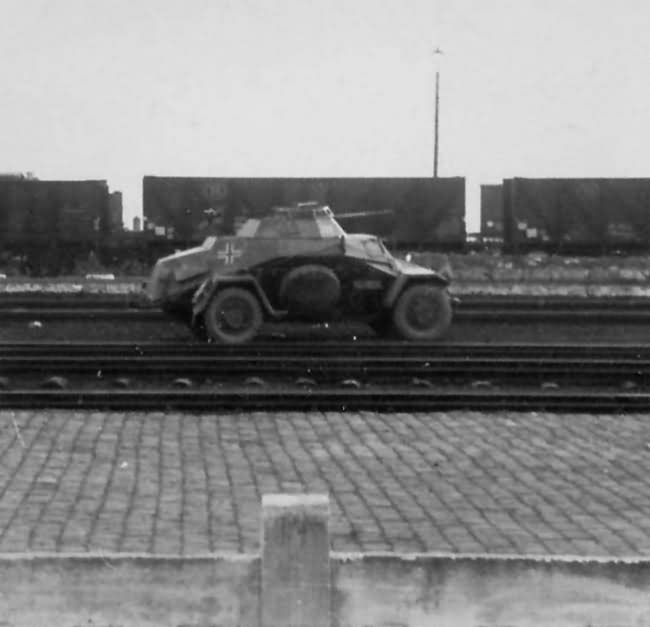
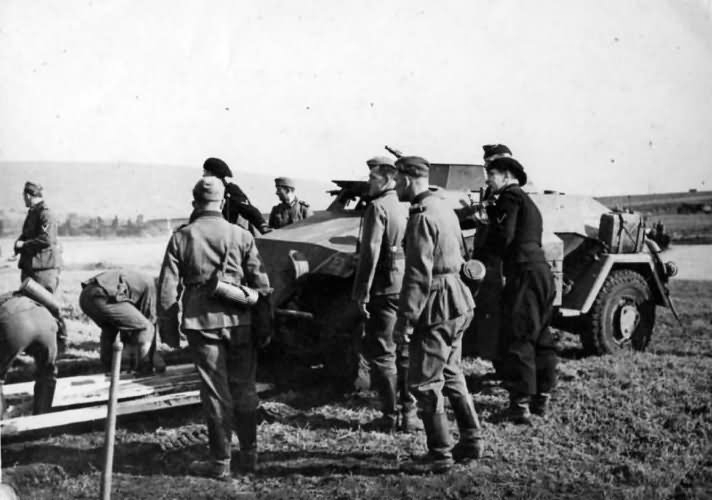
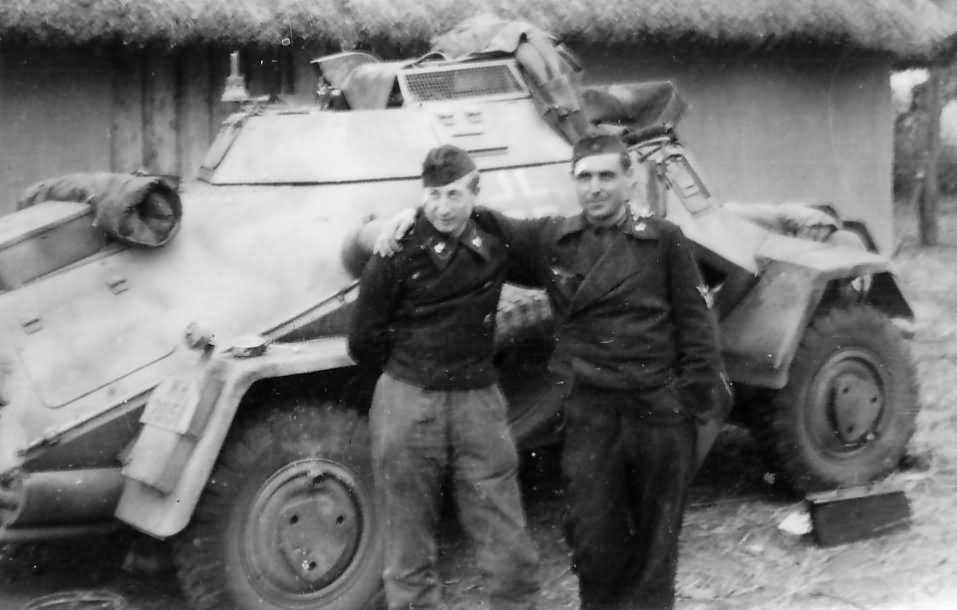
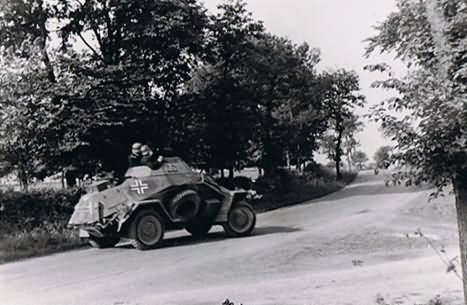
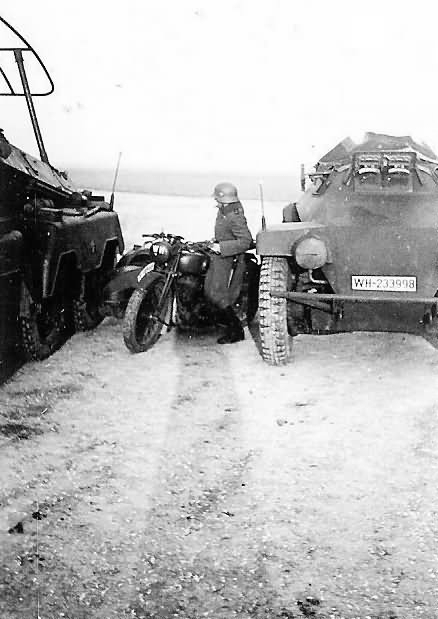
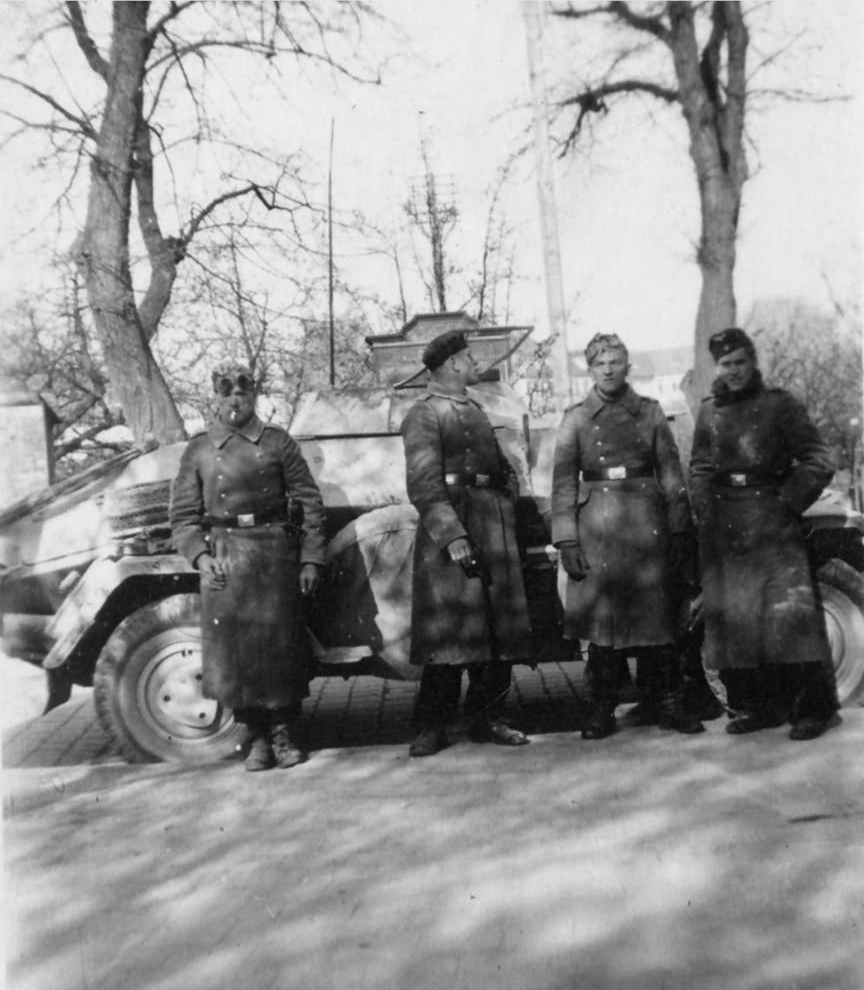
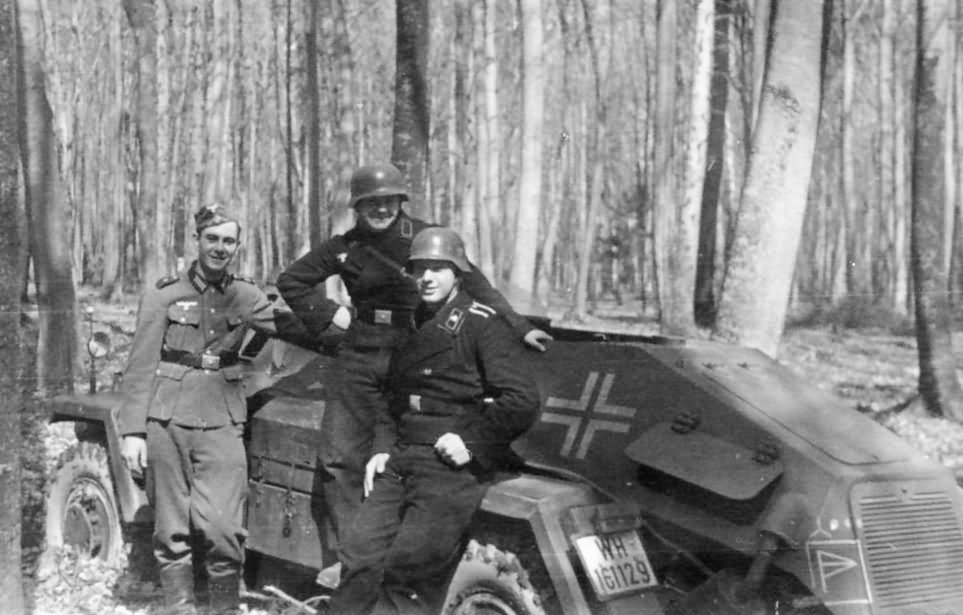
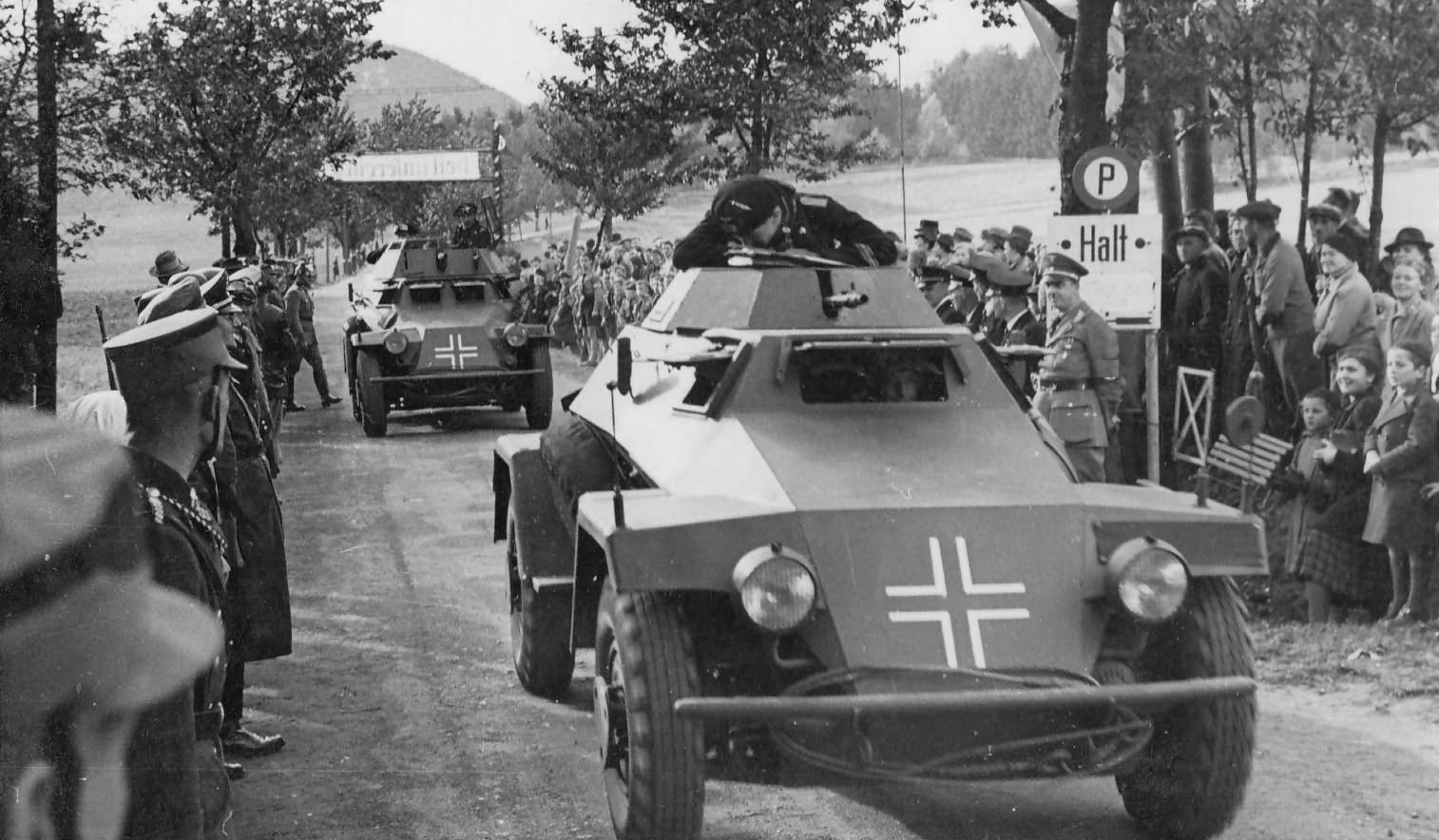
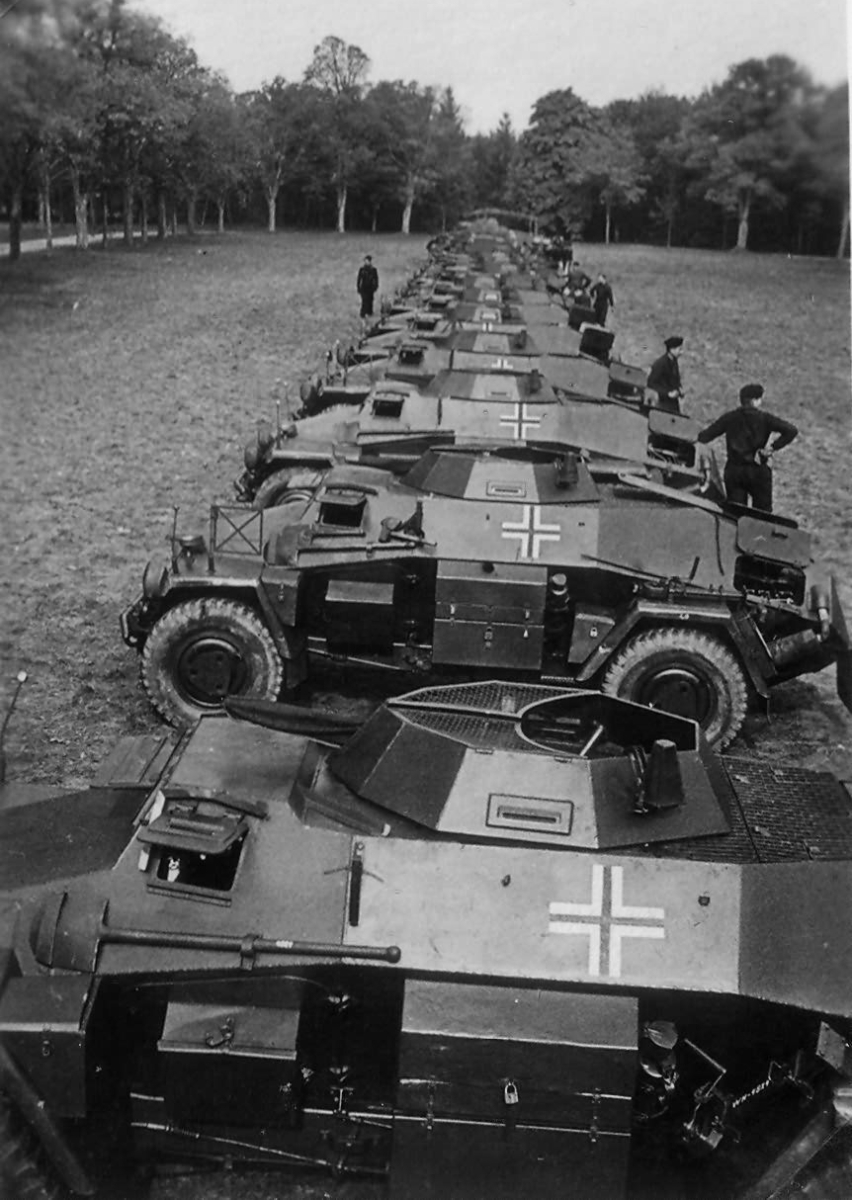
The Leichter Panzerspähwagen series—comprising the Sd.Kfz. 221, Sd.Kfz. 222, and Sd.Kfz. 223—formed the primary light four-wheeled armored reconnaissance capability of the German Wehrmacht throughout World War II. Developed in the mid-1930s by Eisenwerk Weserhütte to replace early, commercial-based interim vehicles like the Kfz. 13, this family of light armored cars was engineered from the ground up to support the high-speed intelligence, screening, and operational communications requirements of Blitzkrieg doctrine.To achieve superior mobility across varied terrain, the series was built on a heavy-duty, purpose-designed 4×4 chassis: the Horch 801/EG platform. This chassis incorporated a rear-mounted 3.5-liter Horch V8 gasoline engine producing between 75 and 90 horsepower, paired with full-time all-wheel drive and four-wheel steering. This advanced setup enabled these light vehicles to reach impressive top road speeds of up to 80 km/h while retaining remarkable agility in tight spaces. The chassis was encased in a low-profile, multi-faceted hull with sloped steel armor plates ranging from 8 to 14.5 mm in thickness, providing the crew with crucial defense against small-arms fire and shell splinters while maintaining a favorable power-to-weight ratio.The family was divided into three specialized variants, each fulfilling a distinct tactical role on the battlefield:
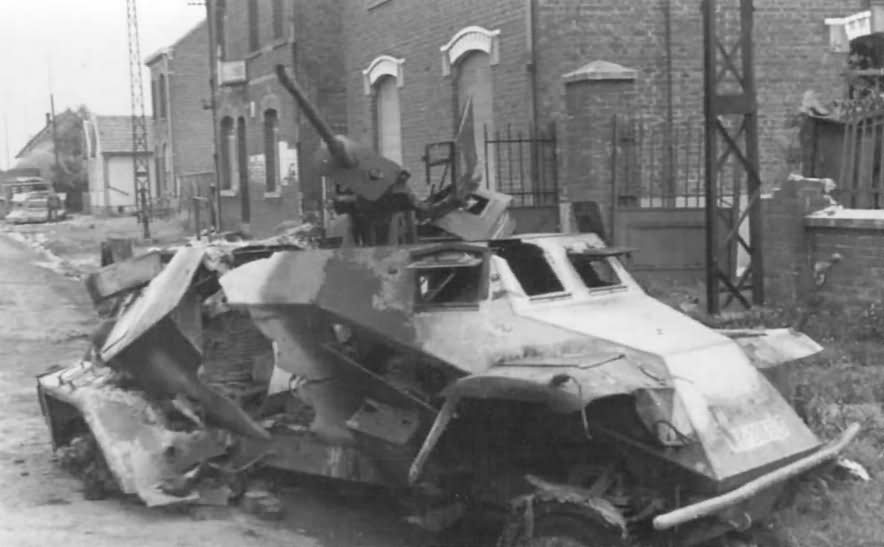
Sd.Kfz. 221: The baseline scout vehicle was operated by a two-man crew (driver and commander/gunner). Its small, open-topped floor-mounted turret was initially armed with a single 7.92 mm MG 34 machine gun. To counter heavier enemy armor later in the war, several units were retrofitted with a 2.8 cm sPzB 41 heavy anti-tank rifle in place of the standard machine gun.
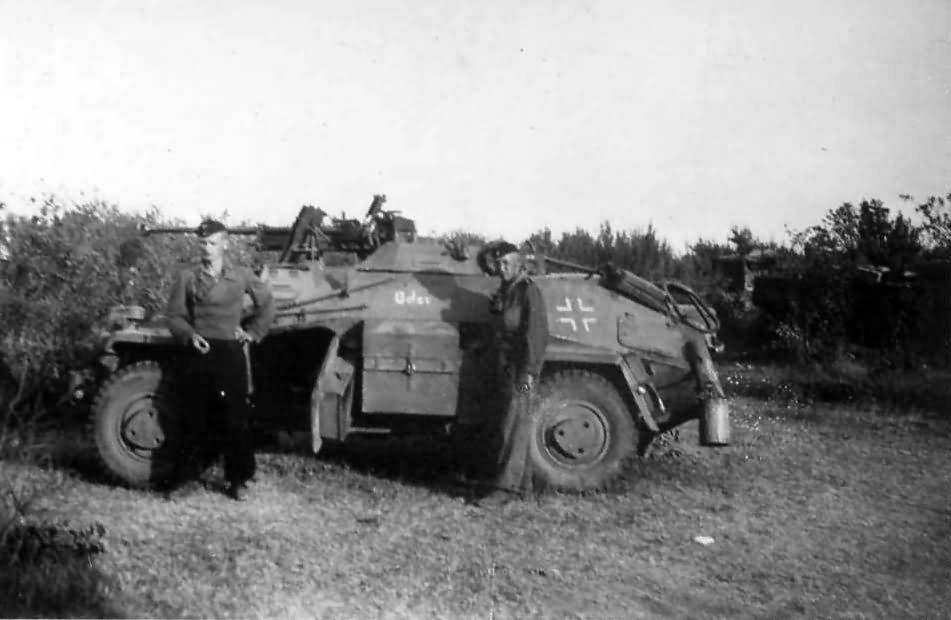
Sd.Kfz. 222: Serving as the primary fire-support variant and the most widely produced model in the series, the 222 featured a larger, three-man turret. It was equipped with a potent 20 mm KwK 30 or KwK 38 autocannon paired coaxially with an MG 34 machine gun. To protect the gunner and commander from hand grenades while allowing high elevation for anti-aircraft engagement, the open turret top was fitted with distinctive, hinged wire-mesh screens.
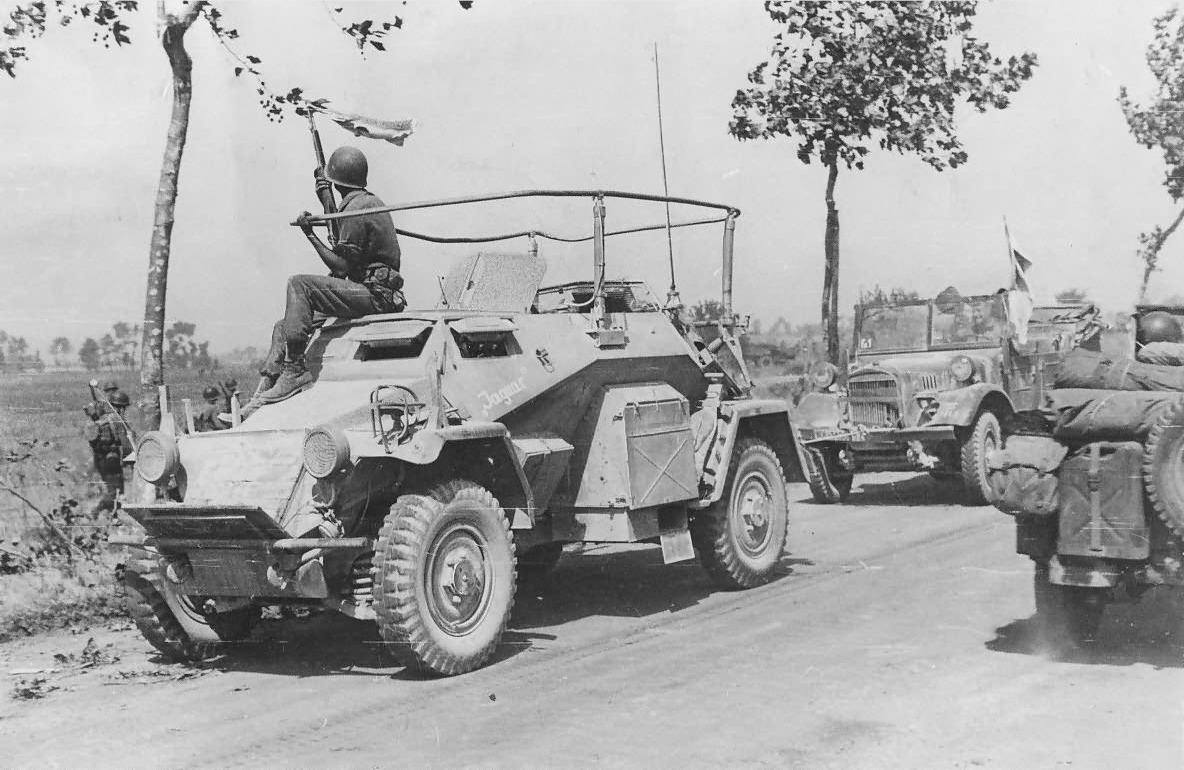
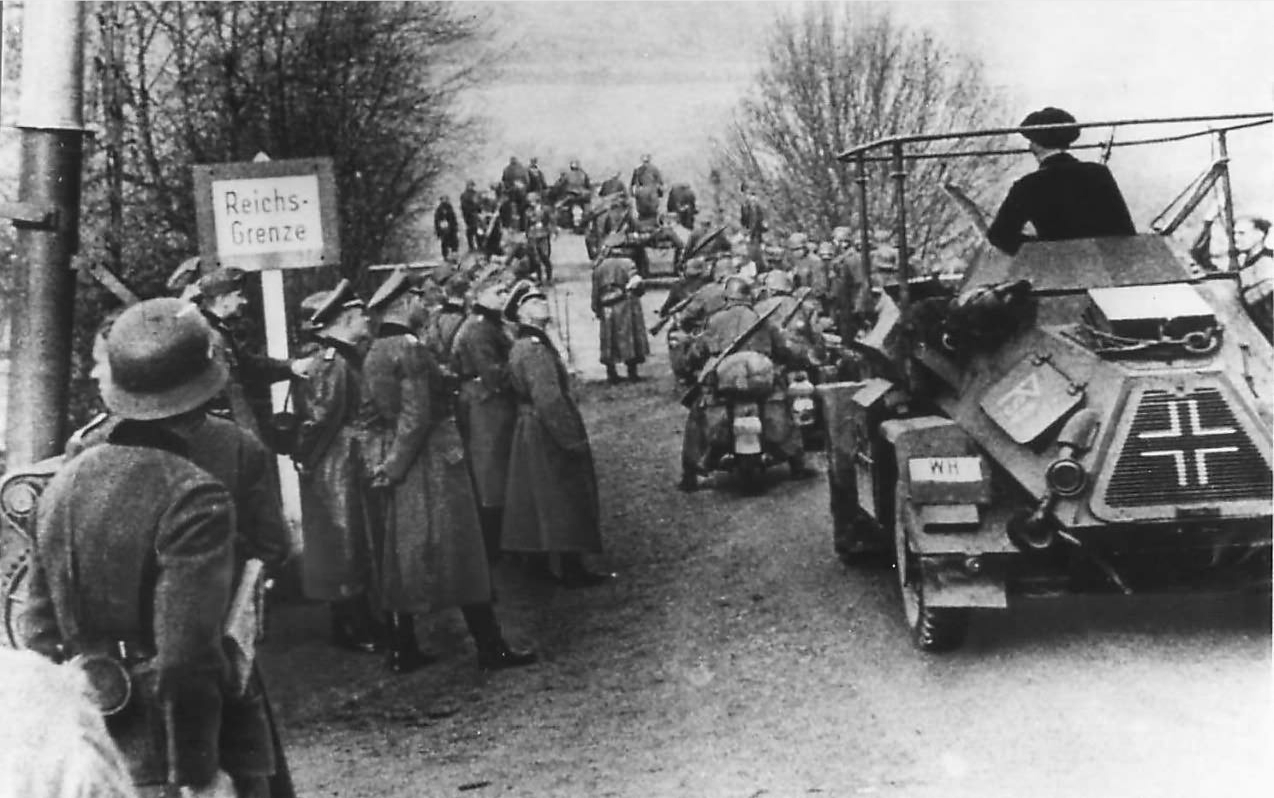
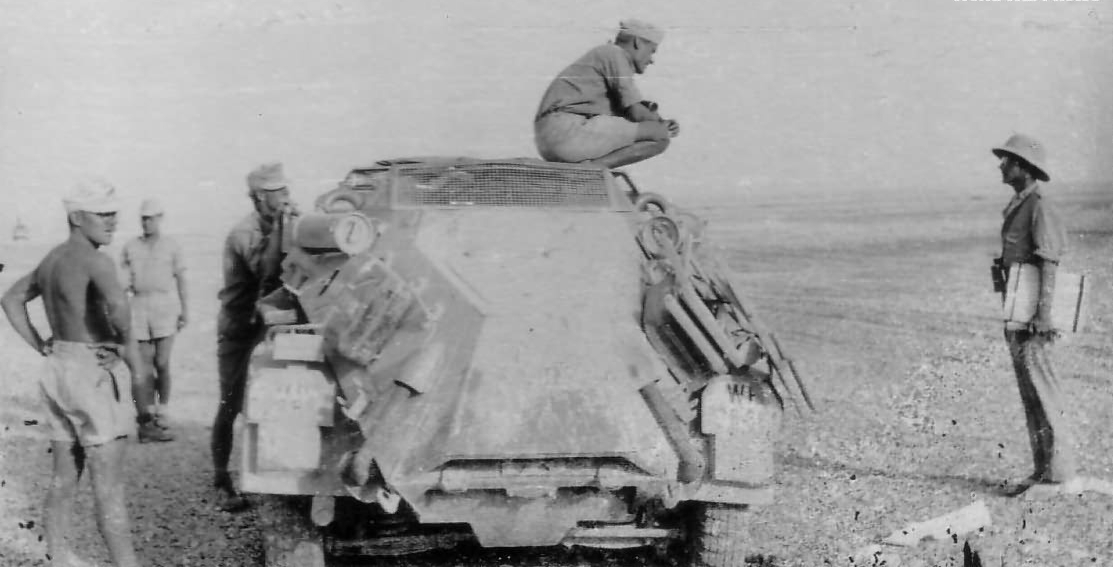
Sd.Kfz. 223: Operating as a mobile radio post for recon platoons, the 223 replaced the heavy 20 mm cannon with long-range radio installations and a large, collapsible frame antenna mounted over the hull superstructure. It retained a single MG 34 machine gun in a small turret for self-defense.
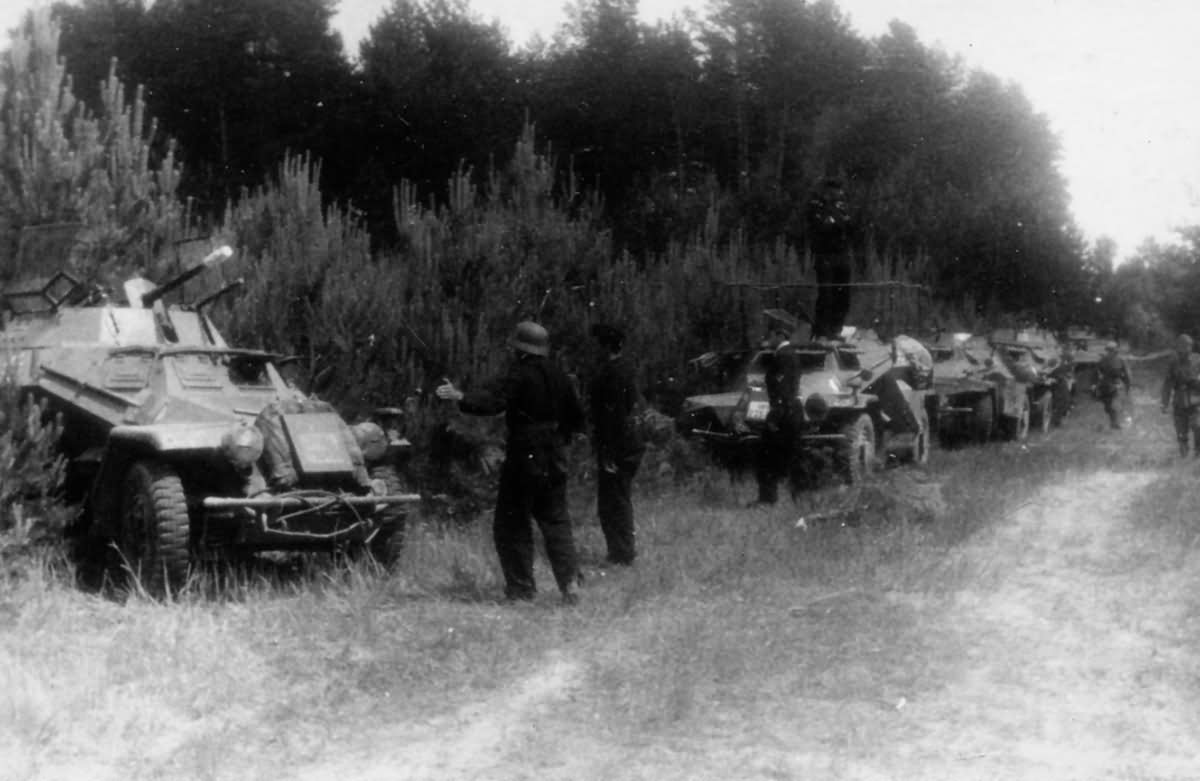
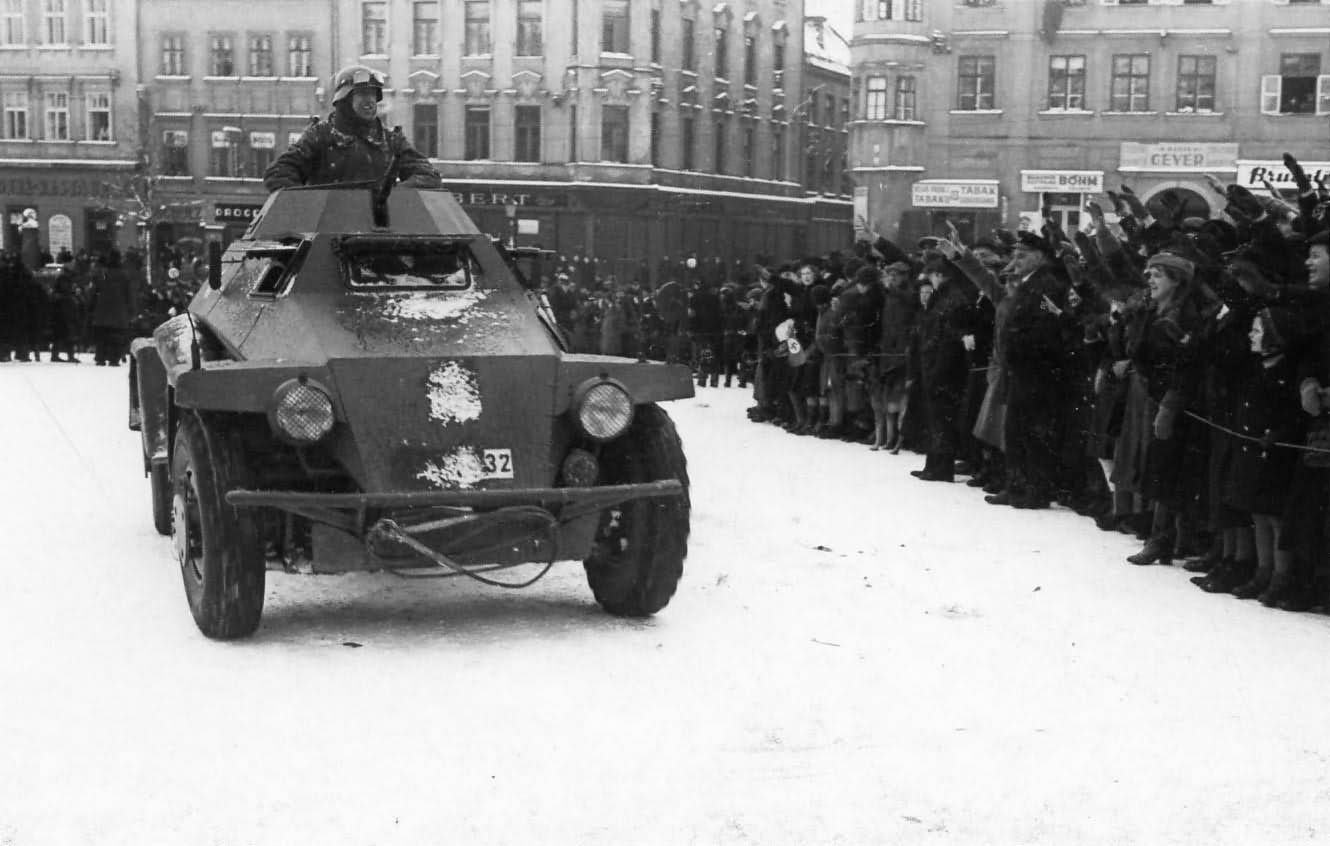
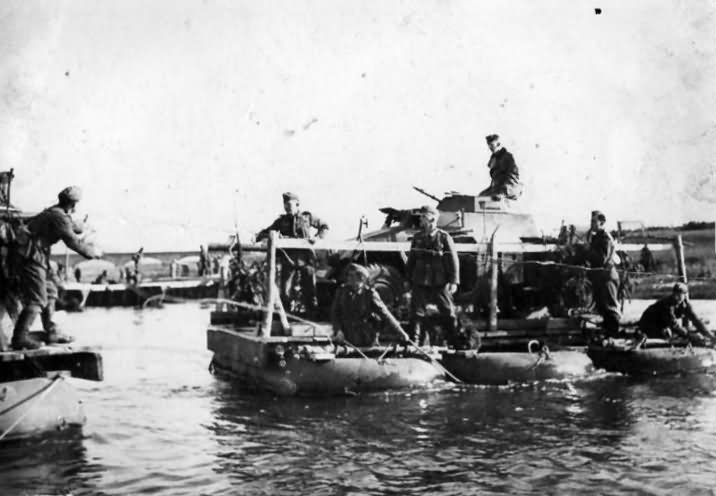
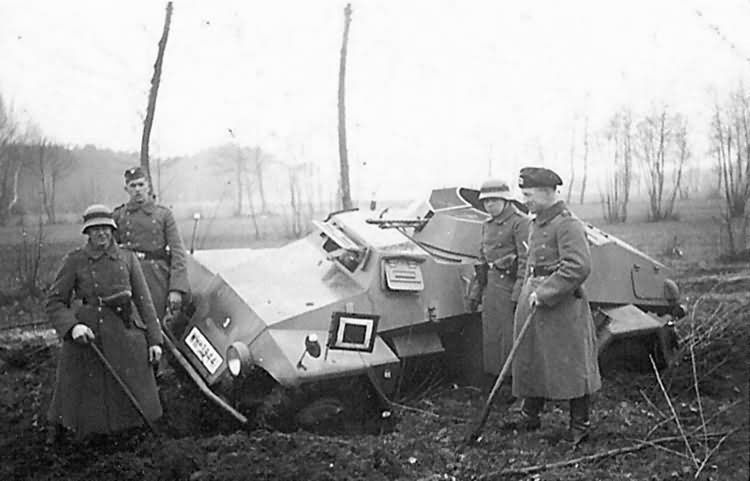
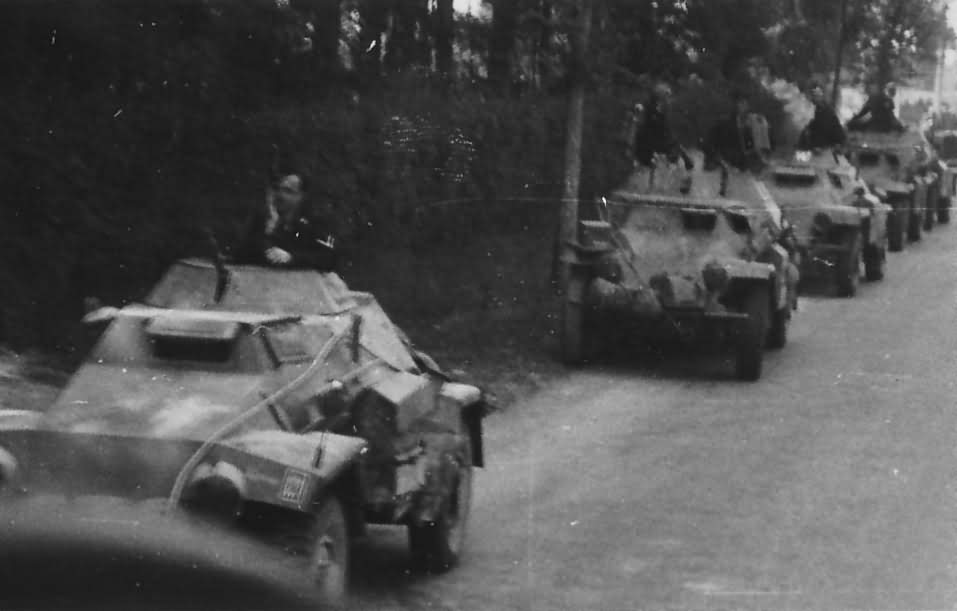
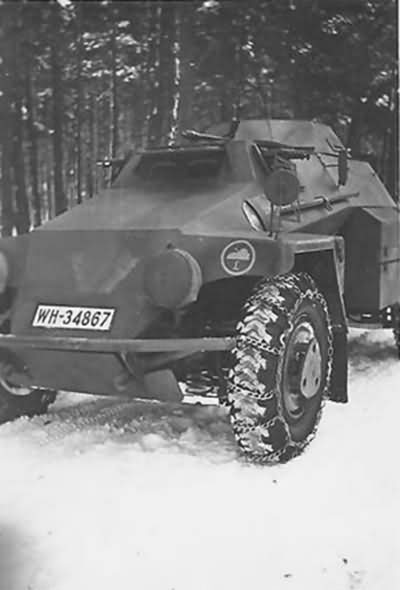
The Leichter Panzerspähwagen family saw extensive action in every major theater of World War II, including the Polish, French, Balkan, North African, and Eastern Front campaigns. While exceptionally effective on Western Europe’s paved roads and North Africa’s open deserts, the series encountered major operational challenges on the Eastern Front. The extreme terrain conditions of the Russian rasputitsa—deep mud and heavy snow—exposed the inherent limitations of small four-wheeled platforms compared to tracked or multi-axle vehicles. By 1942, production began to phase out in favor of half-tracks and eight-wheeled armored cars, though surviving units continued serving in rear-guard defense and anti-partisan roles until the war’s end.