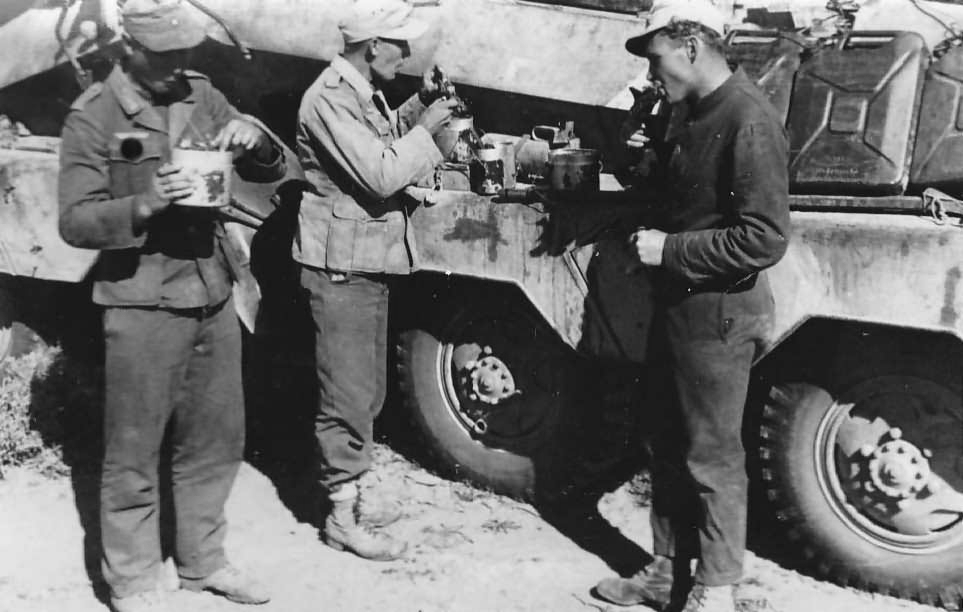
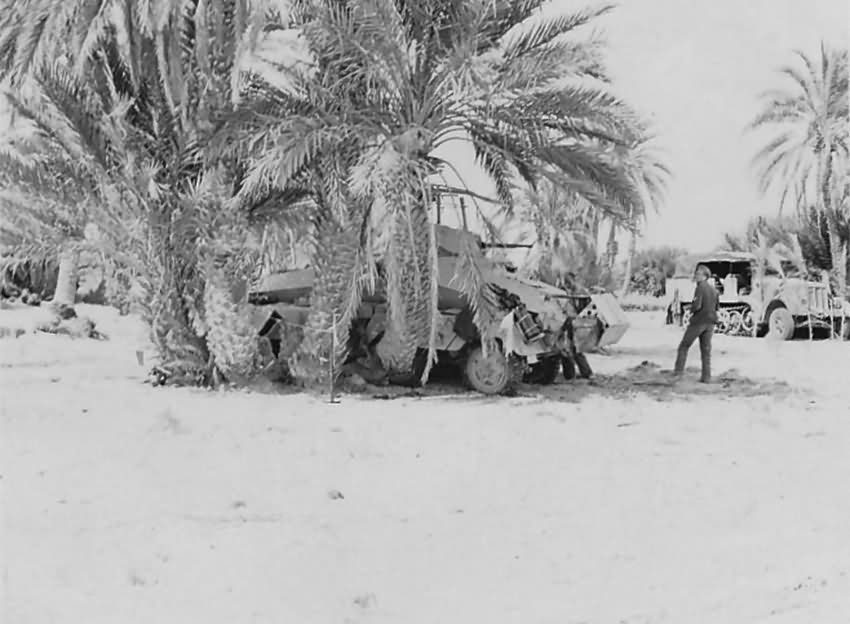
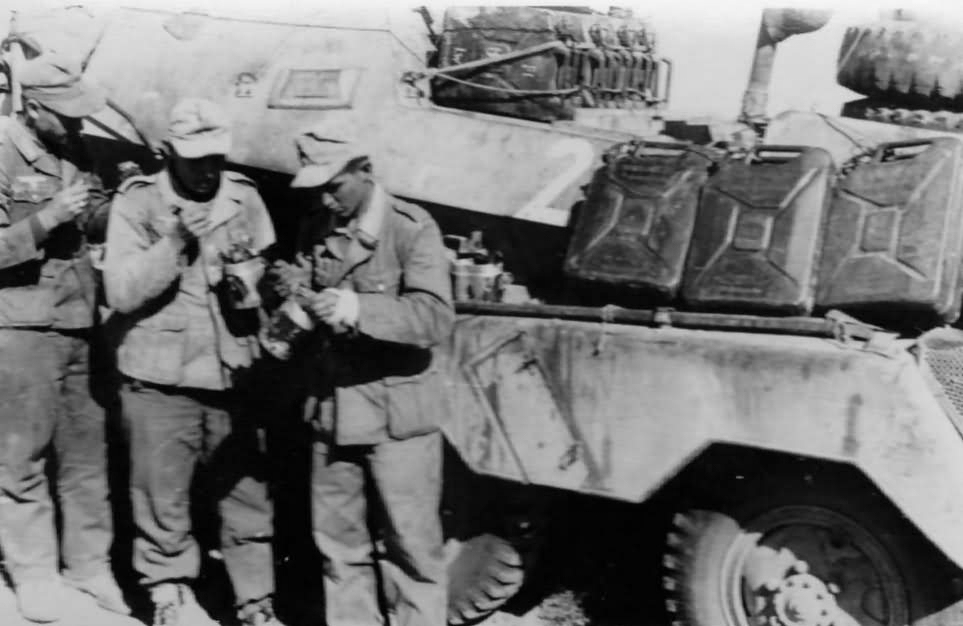
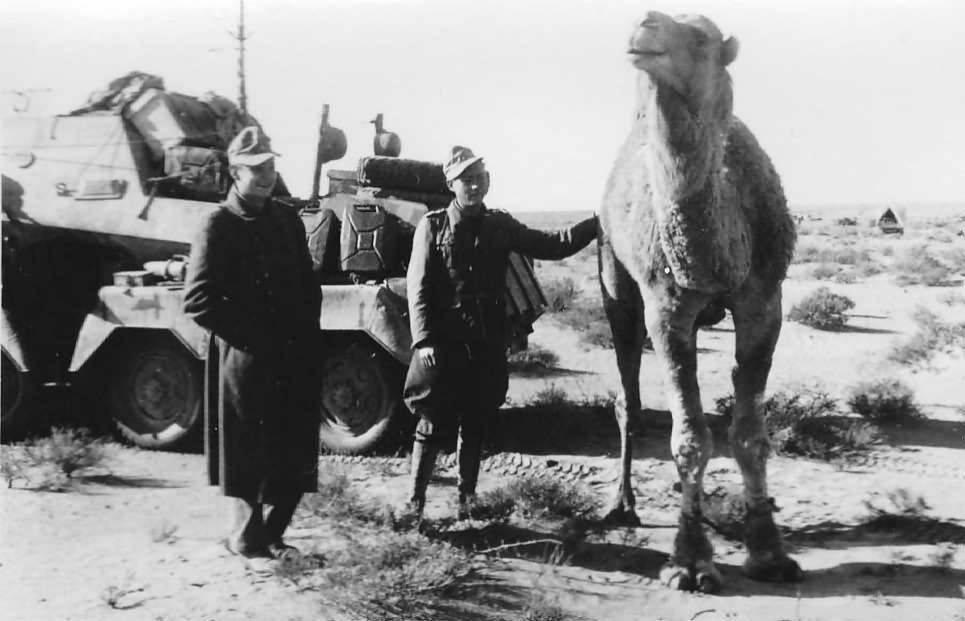
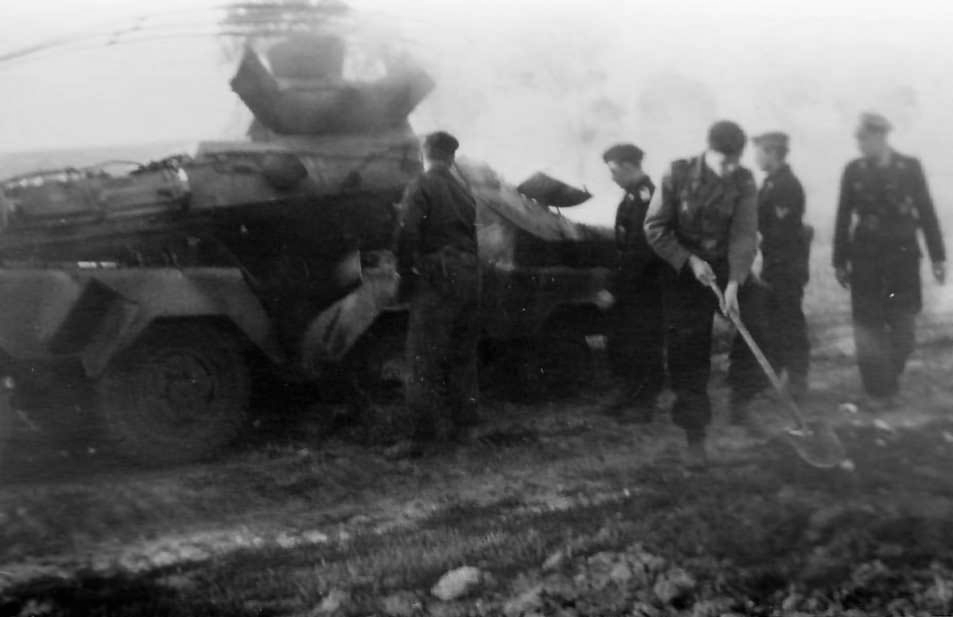
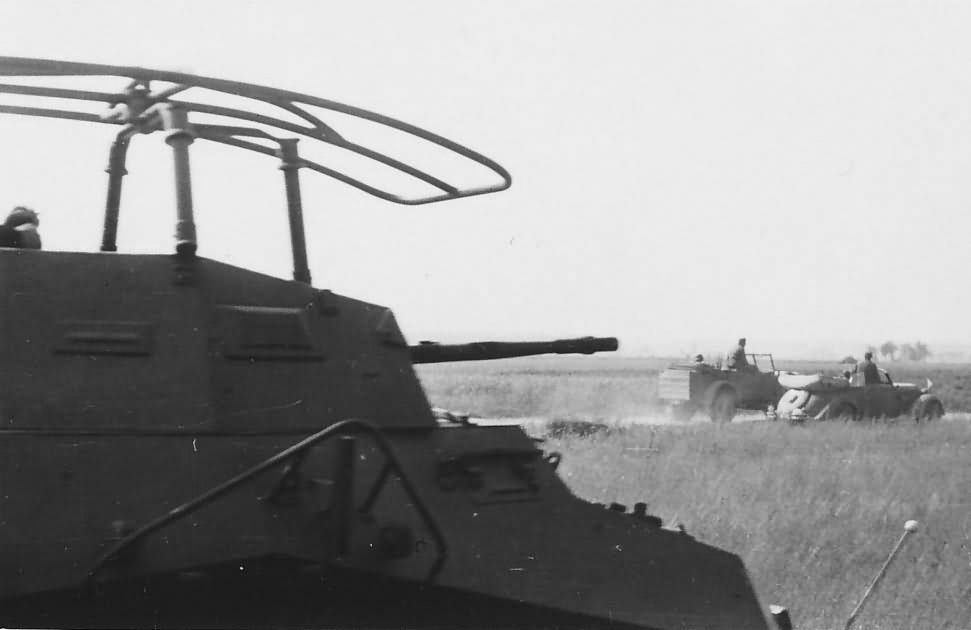
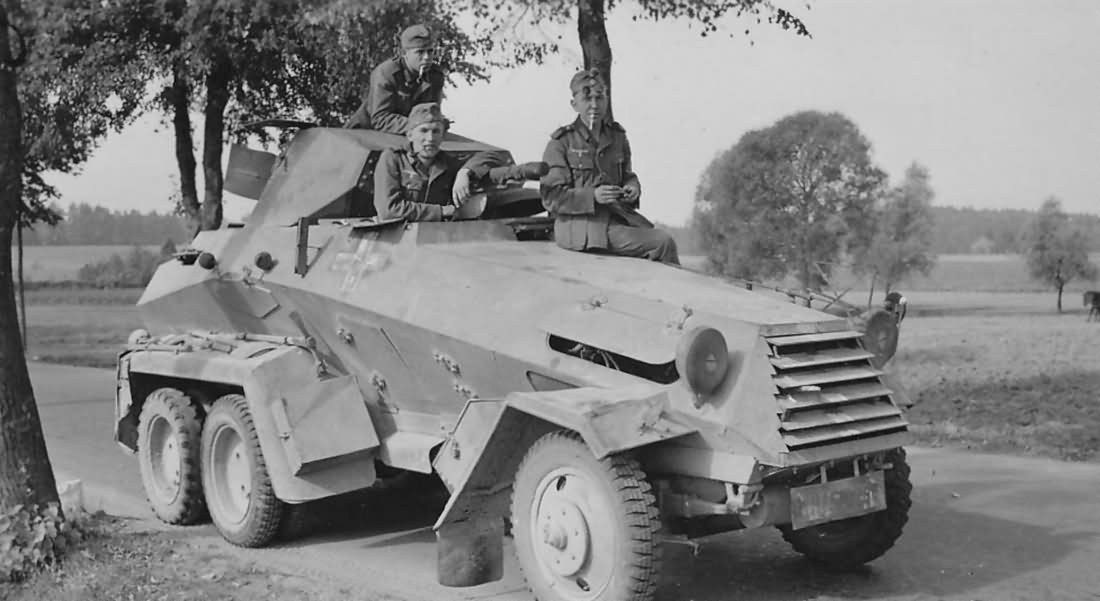
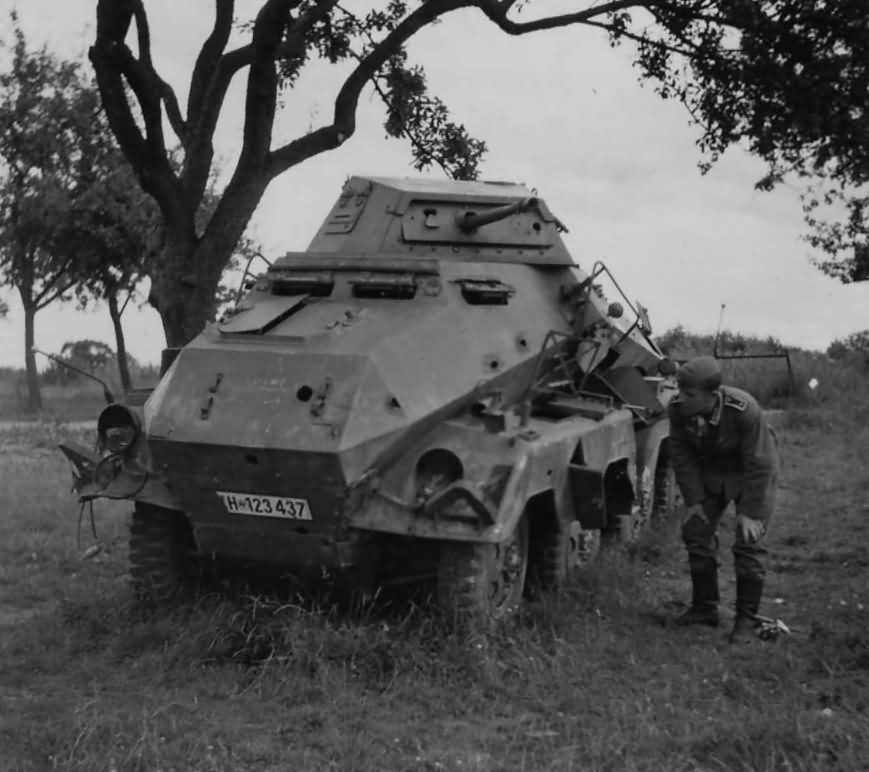
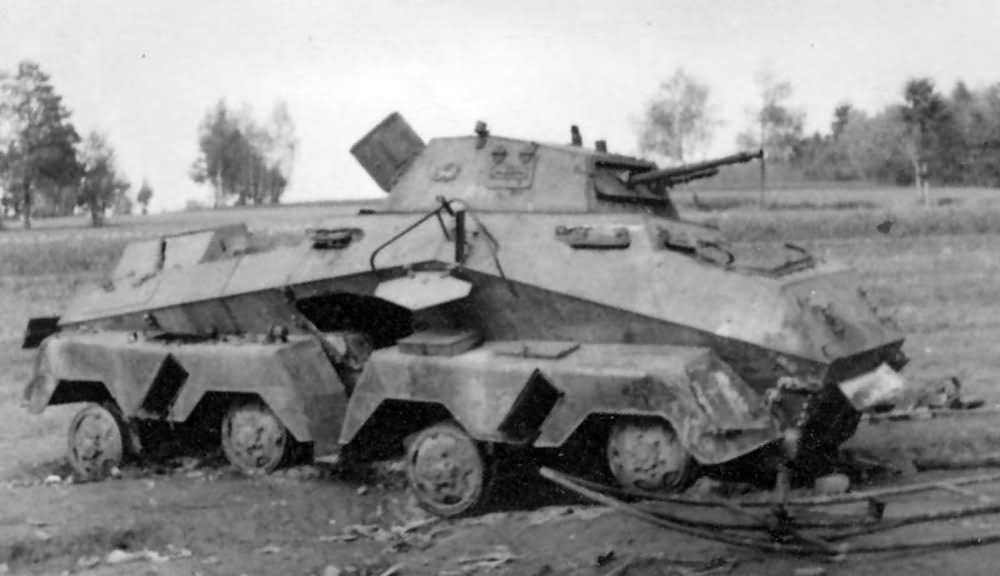
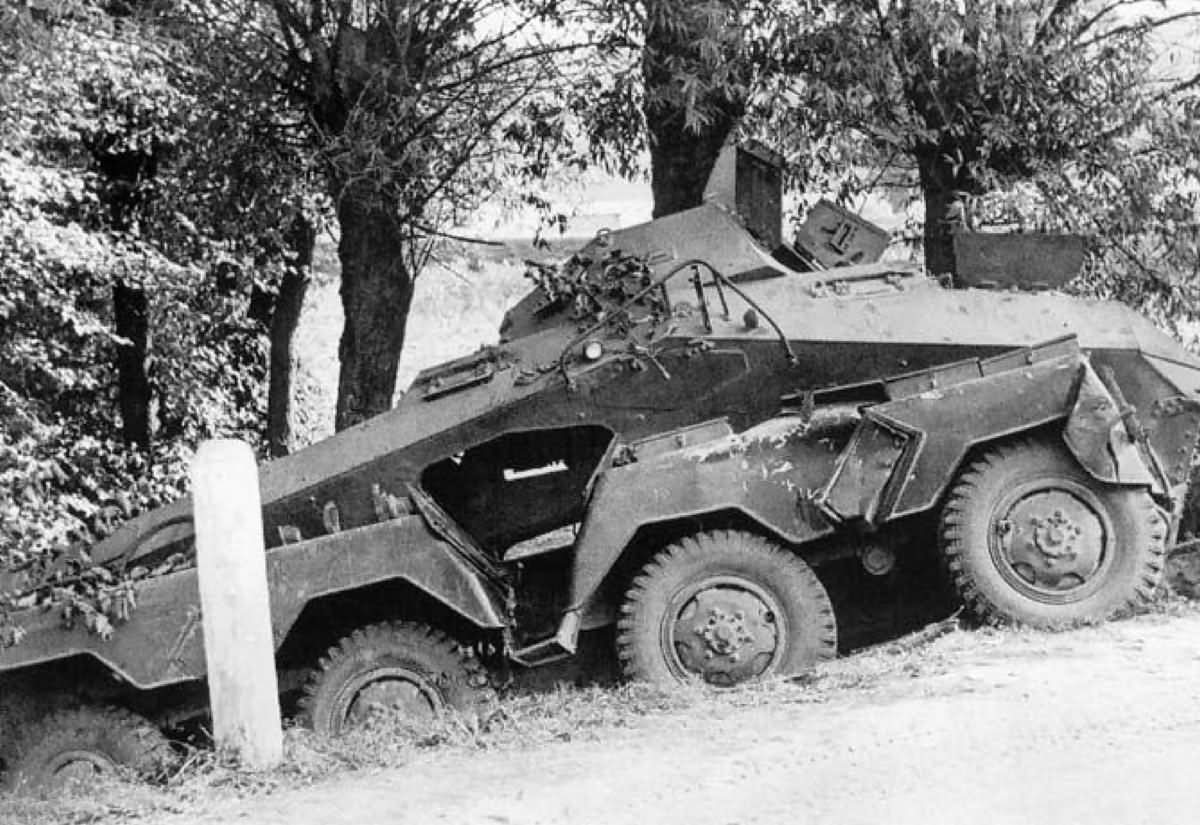
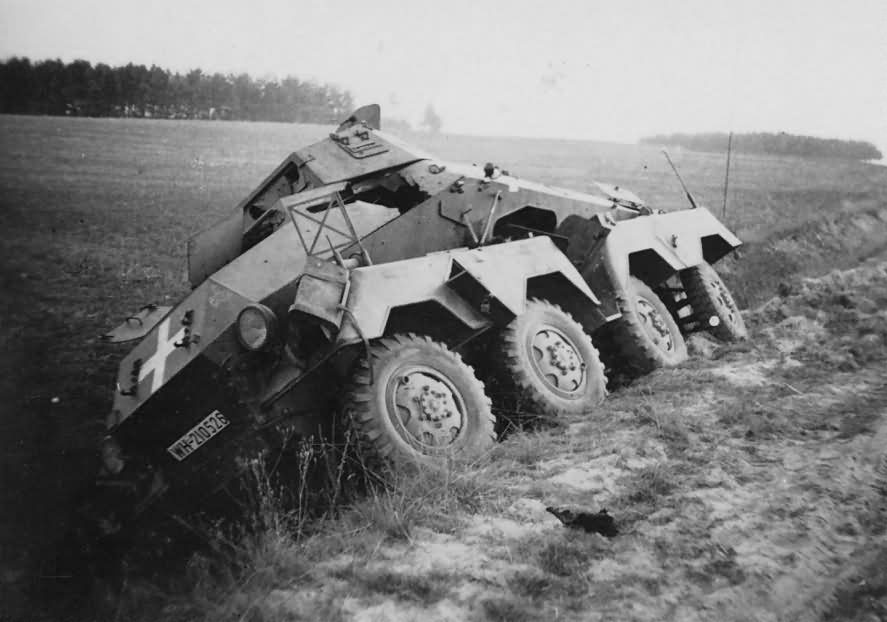
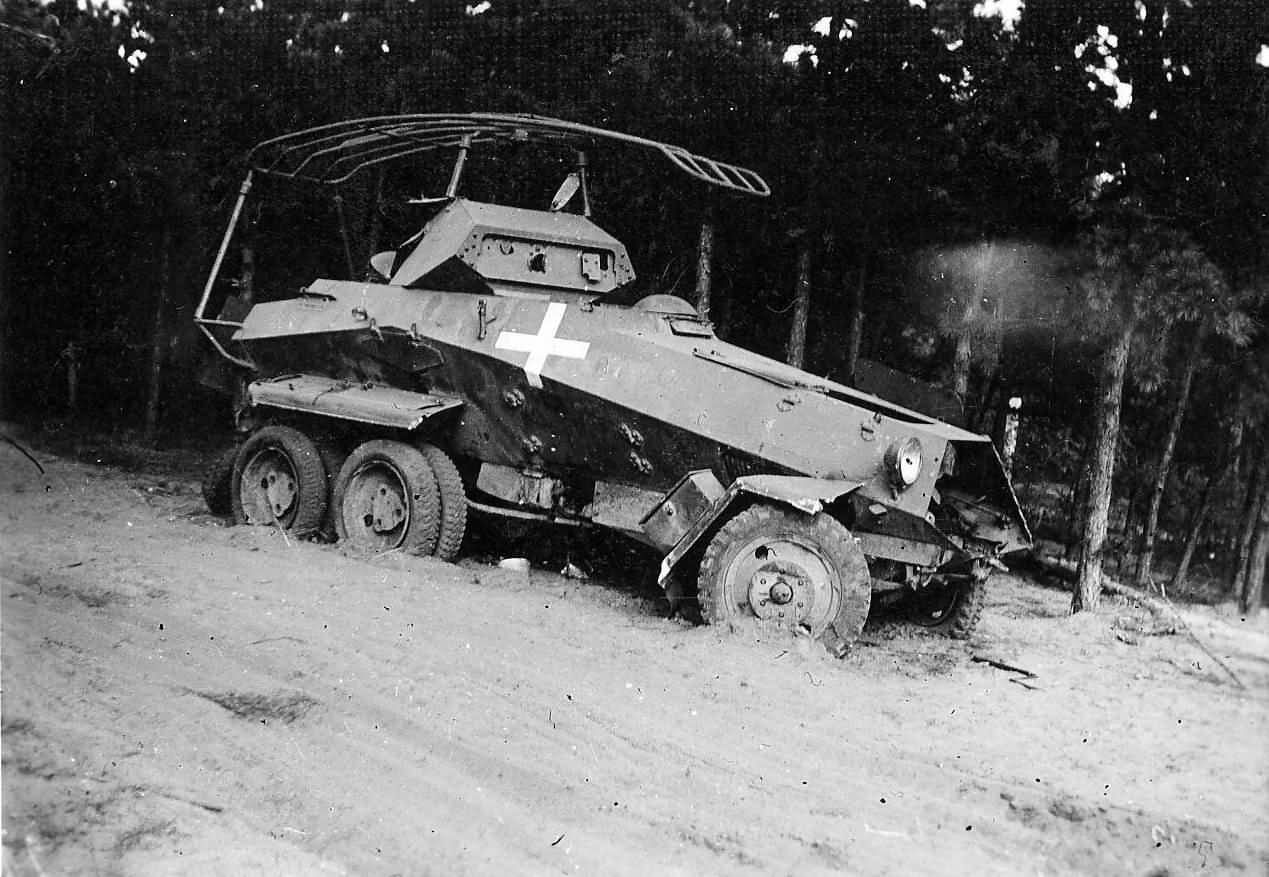
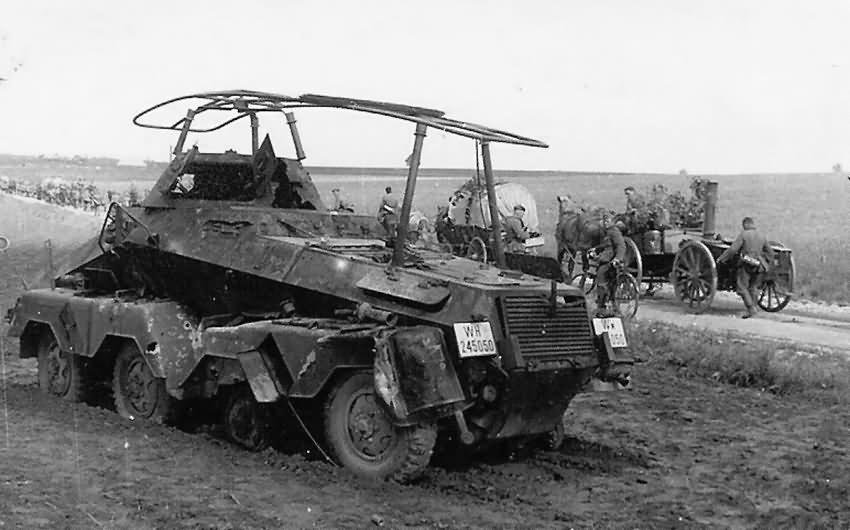
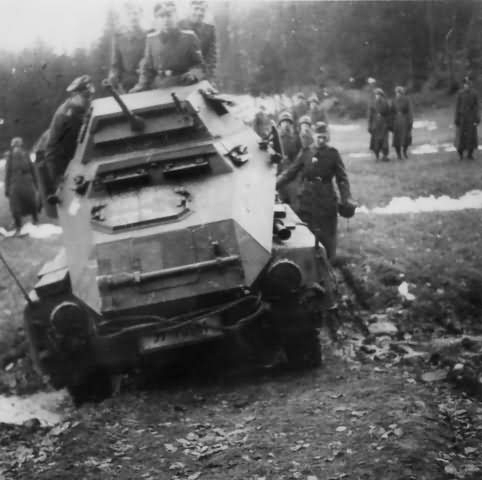
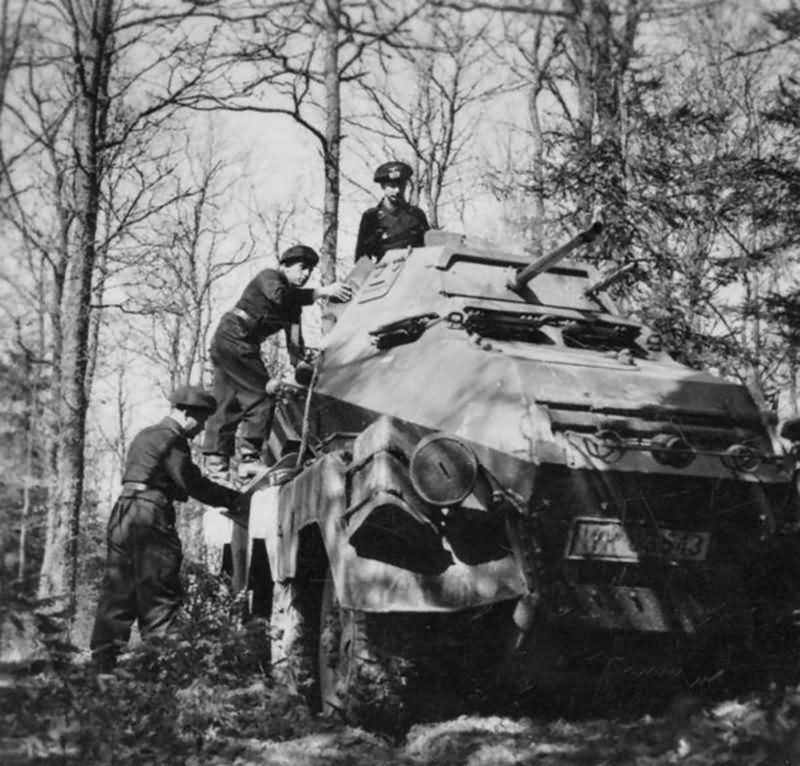
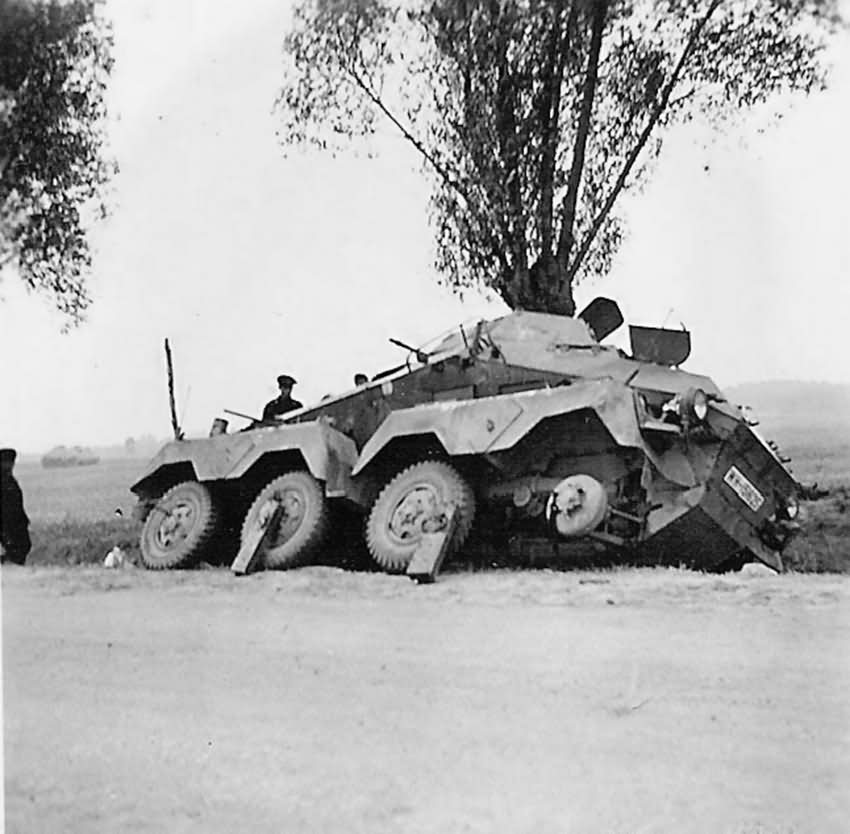
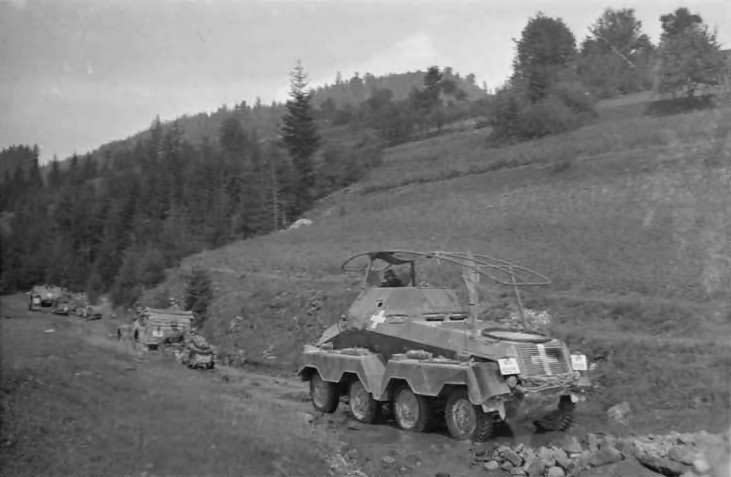
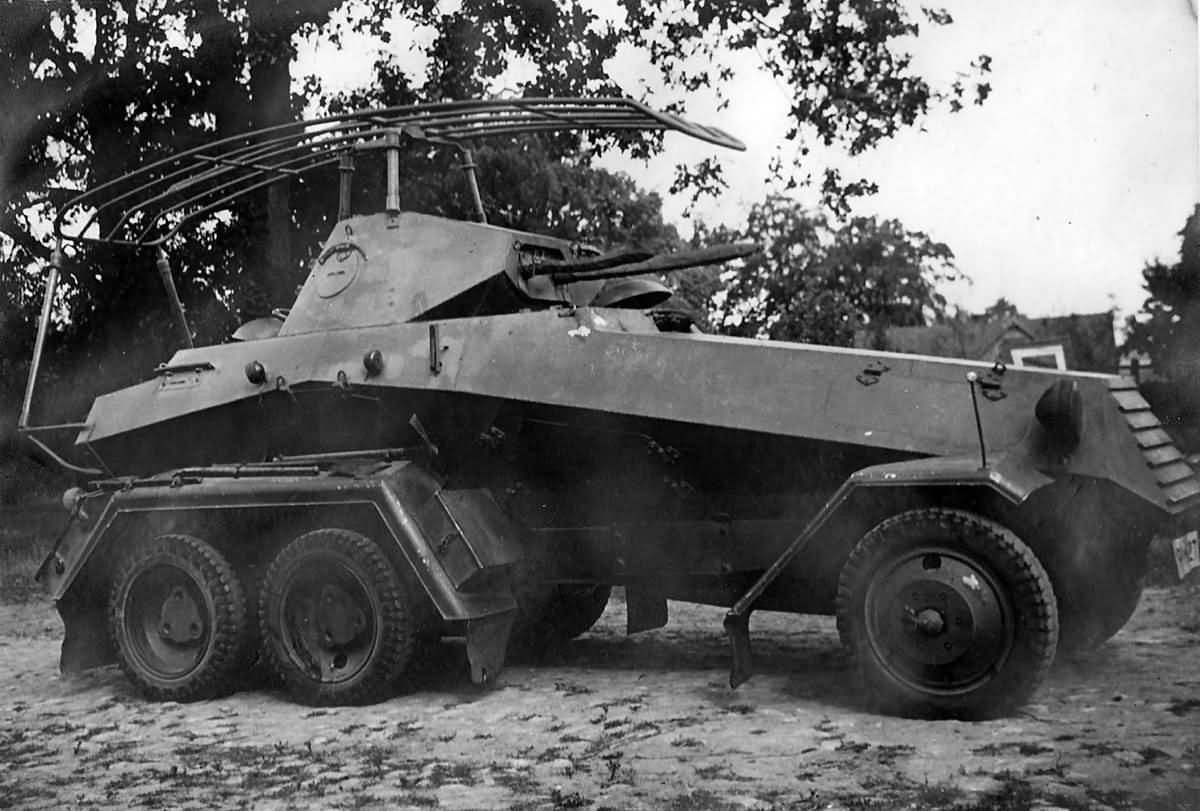
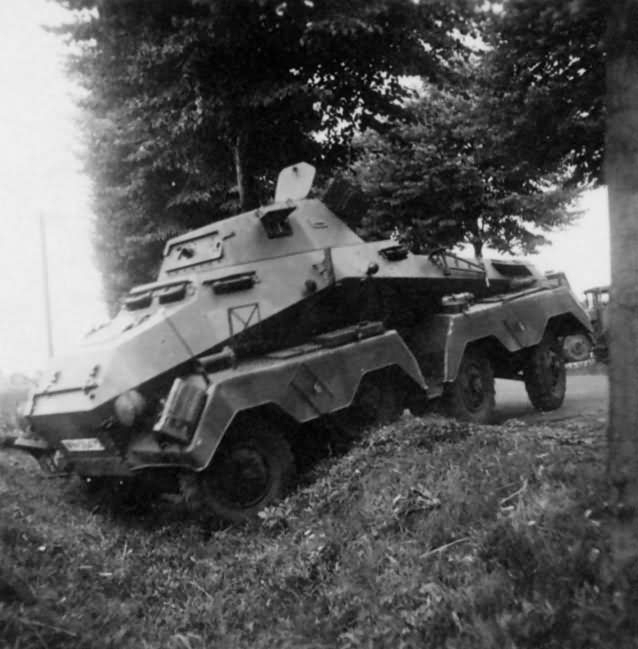
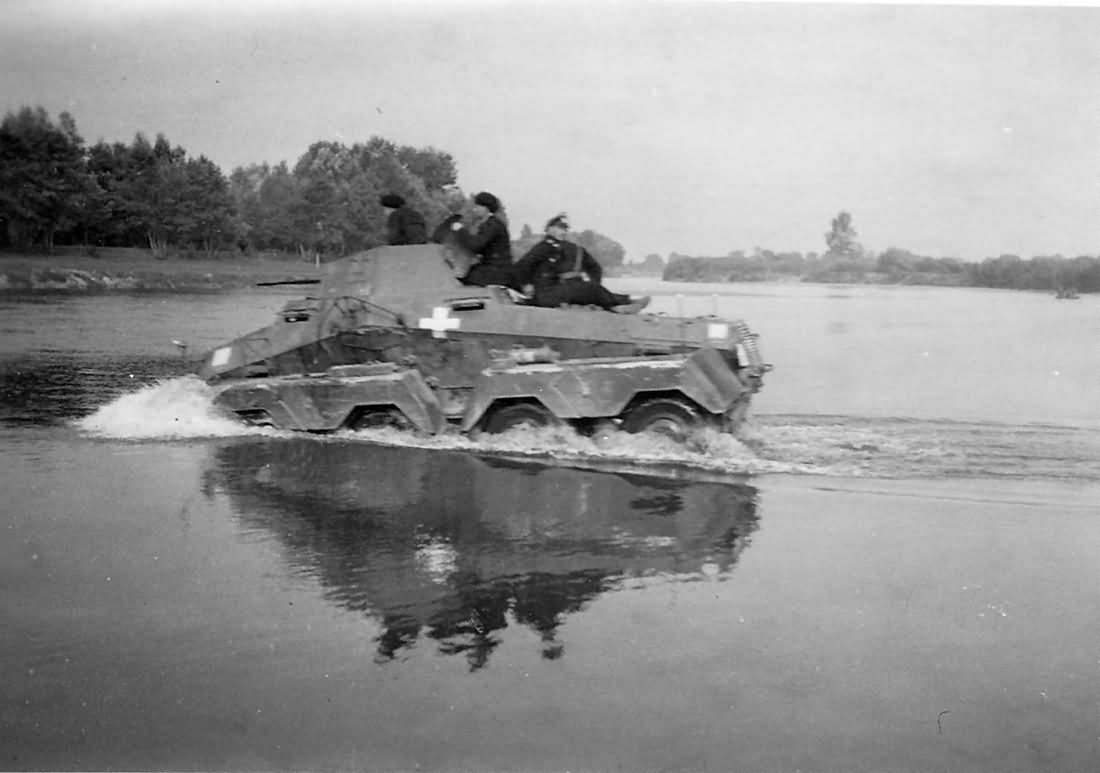
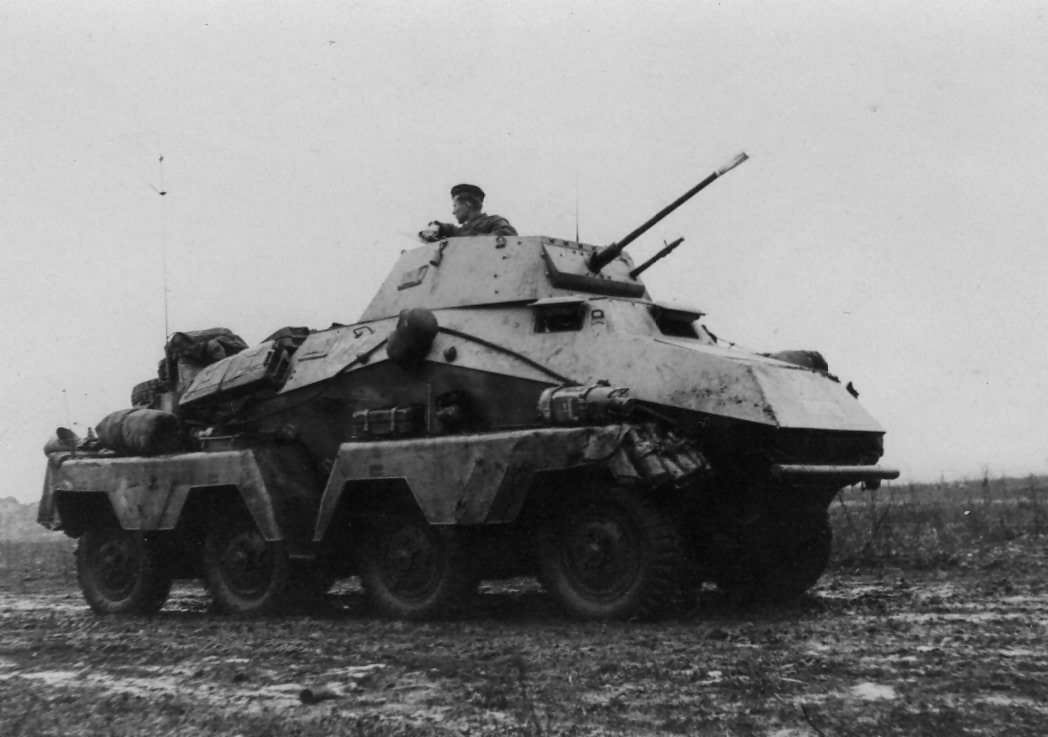
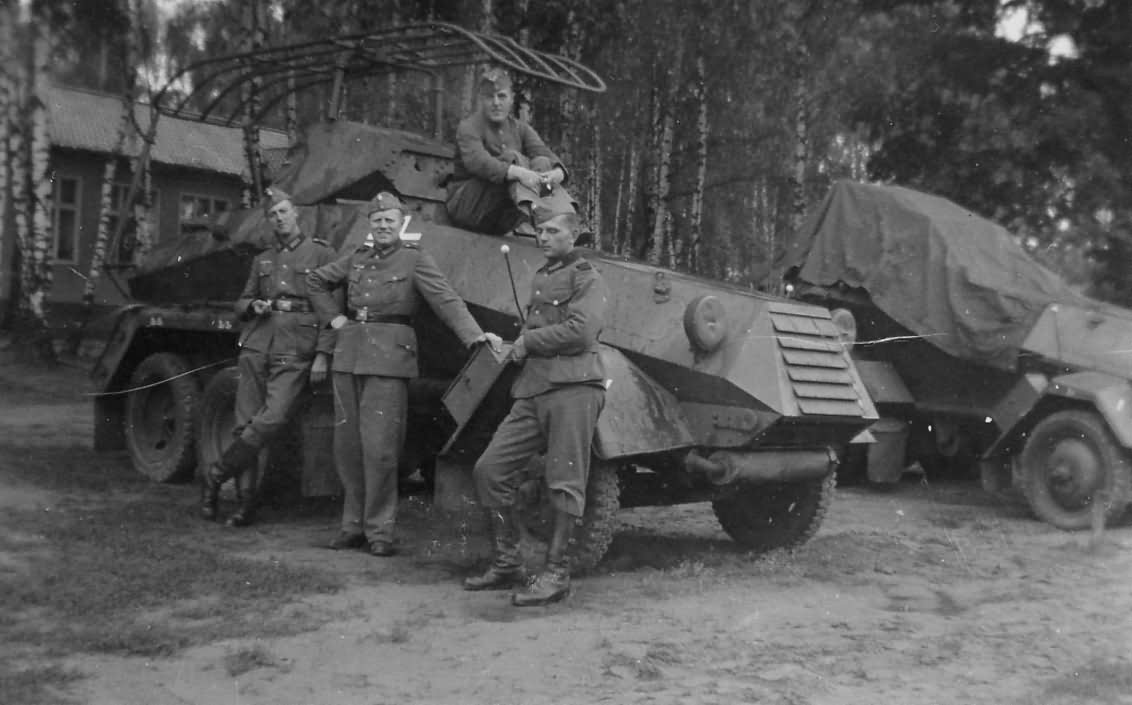
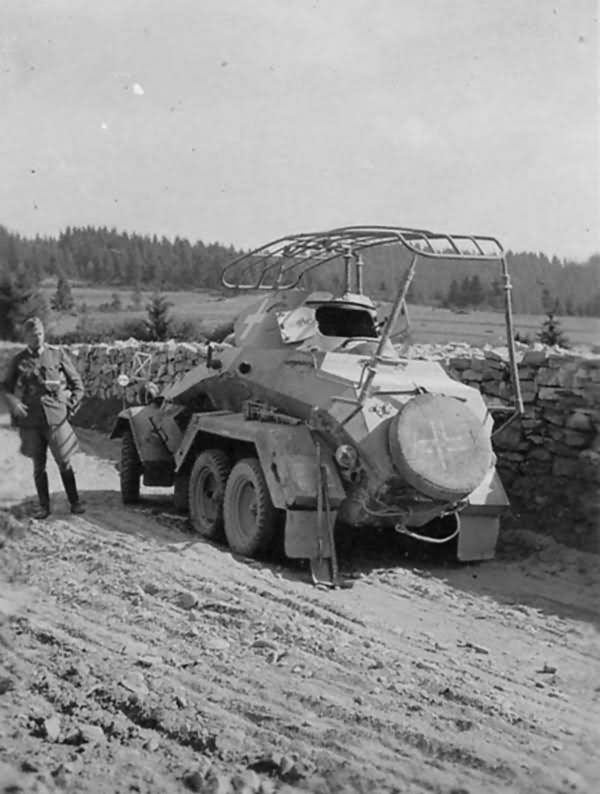
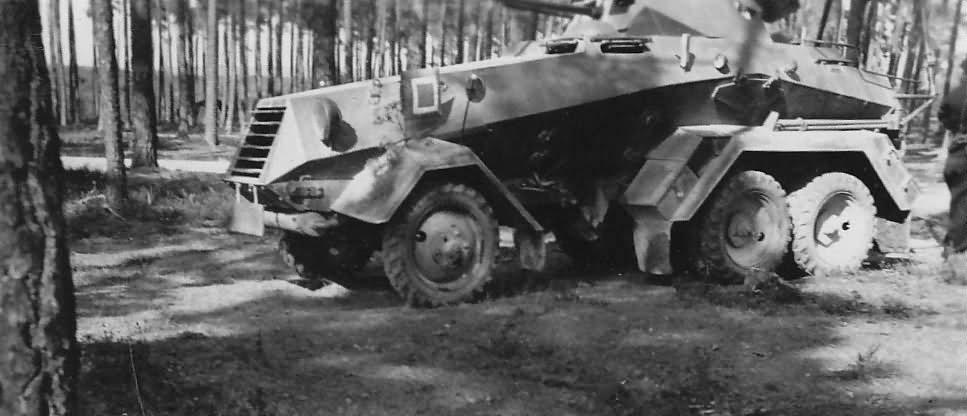
The Schwerer Panzerspähwagen heavy armored car family—primarily comprising the Sd.Kfz. 231, Sd.Kfz. 232, and Sd.Kfz. 233—formed the backbone of long-range reconnaissance and direct-fire support for the German Wehrmacht throughout World War II. Developed during the mid-1930s to satisfy the high-mobility requirements of Blitzkrieg doctrine, these multi-axle armored vehicles provided mechanized scouting units with exceptional cross-country capability, firepower, and operational radio communications deep behind or ahead of friendly lines.The evolution of these heavy armored cars occurred in two major technical generations. Early models were constructed on commercial six-wheeled truck chassis, but their limited off-road performance led to the quick adoption of a sophisticated purpose-built eight-wheeled chassis produced by Büssing-NAG. Powered by a 150-horsepower V8 gasoline engine, the 8×8 chassis incorporated full-time all-wheel drive, eight-wheel steering, and dual steering controls with dedicated forward and rear driver positions. This advanced dual-driver arrangement allowed the 12-ton vehicle to disengage instantly from sudden enemy ambushes and retreat at full speed in reverse without turning around. The vehicle was protected by sloped steel armor plates up to 14.5 mm thick on early variants and up to 30 mm on later models, providing reliable defense against small-arms fire and shell splinters while maintaining road speeds reaching 85 km/h.Within armored reconnaissance battalions, the three variants operated in close tactical harmony. The foundational Sd.Kfz. 231 served as the primary heavy gun car, featuring a fully rotating turret armed with a 20 mm KwK autocannon and a coaxial 7.92 mm MG 34 machine gun operated by a four-man crew. To address the critical need for constant contact over vast operational distances, the Sd.Kfz. 232 variant added long-range radio installations and a prominent steel frame antenna mounted above the hull, maintaining the same 20 mm armament while serving as a mobile command post for reconnaissance leaders. As enemy opposition stiffened later in the war, the Sd.Kfz. 233Stummel was introduced in 1942 to deliver immediate heavy fire support. This variant removed the standard rotating turret in favor of an open-topped fighting compartment housing a short-barreled 7.5 cm KwK 37 L/24 gun, enabling reconnaissance patrols to eliminate dug-in infantry positions, soft targets, and light fortifications without delaying for heavy artillery or tank support.The heavy 8×8 armored car family saw extensive action in every major European campaign, from the early invasions of Poland and France to the North African desert and the vast expanses of the Eastern Front. In North Africa and Western Europe, their speed, range, and mechanical reliability made them ideal for sweeping flank security and deep reconnaissance missions. Although their extreme complexity made maintenance challenging and eventually led to their replacement by the simplified Sd.Kfz. 234 Puma series in late 1943, surviving Sd.Kfz. 231, 232, and 233 units continued to render vital service until the end of the war, leaving an enduring legacy in the history of multi-axle military vehicle design.