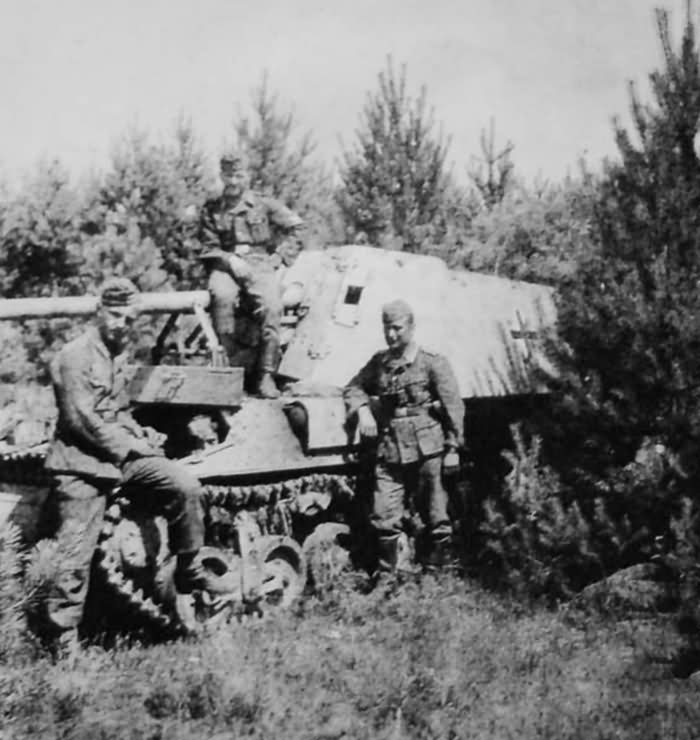
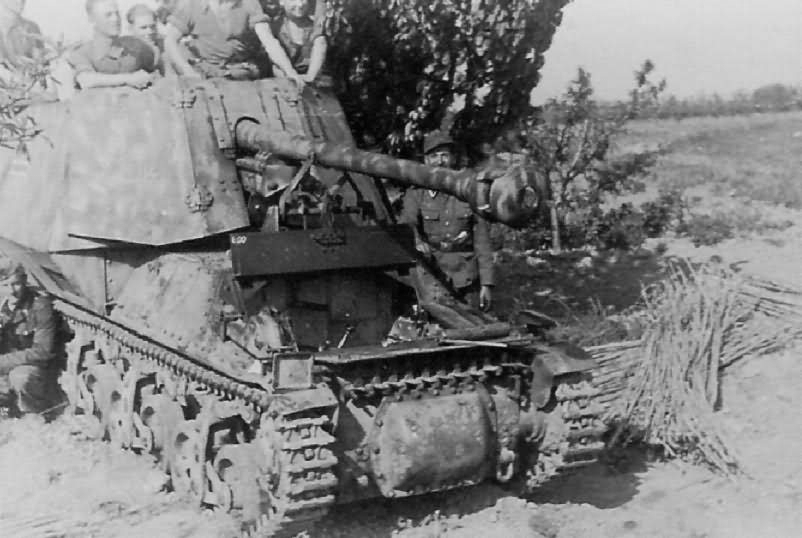
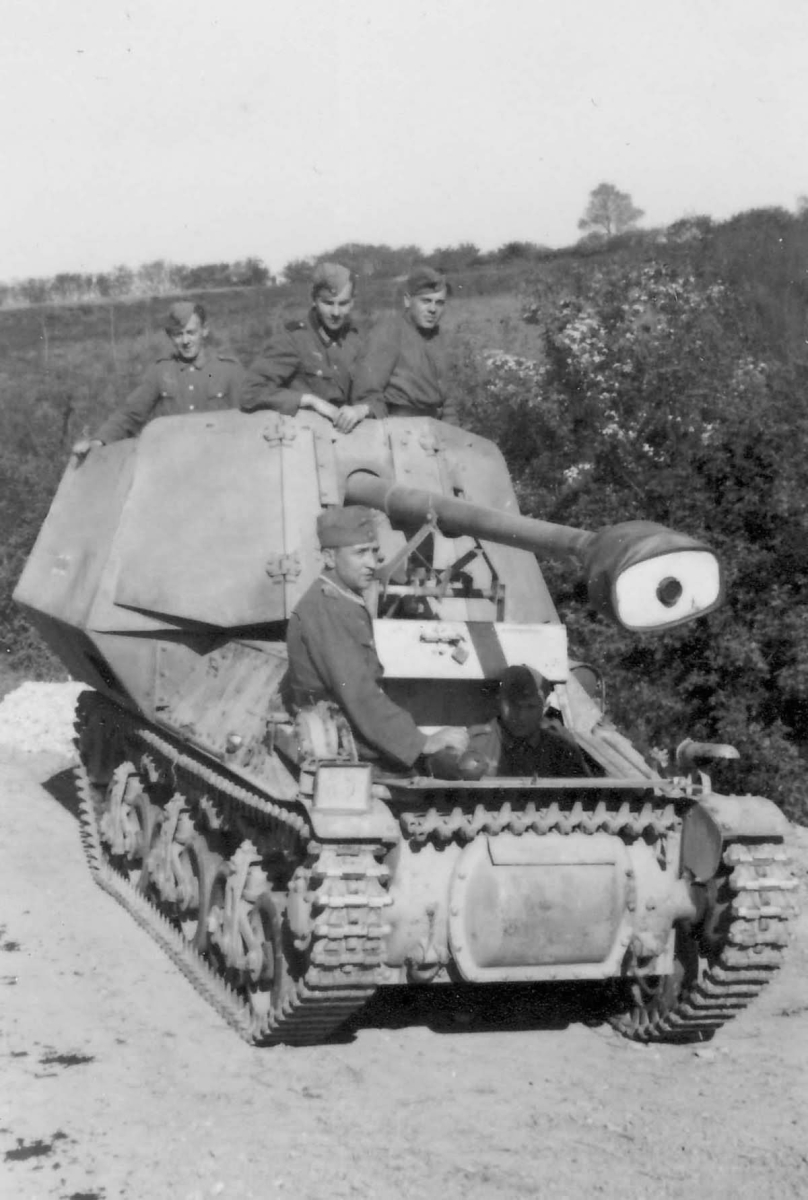
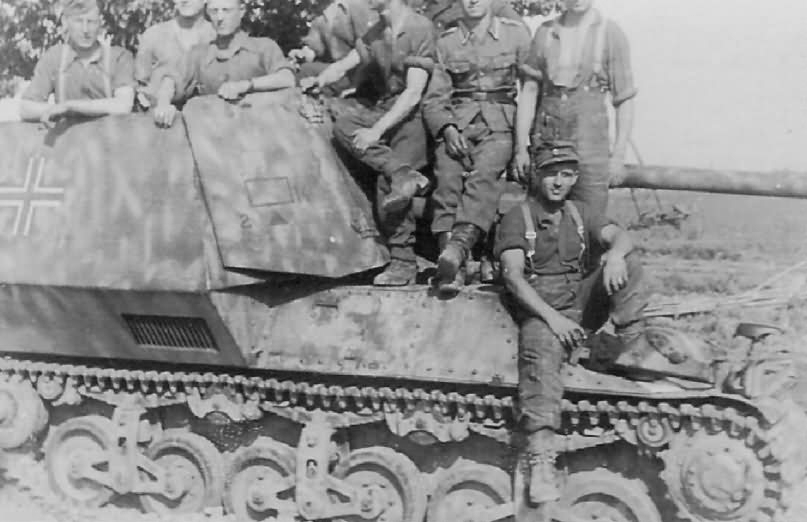
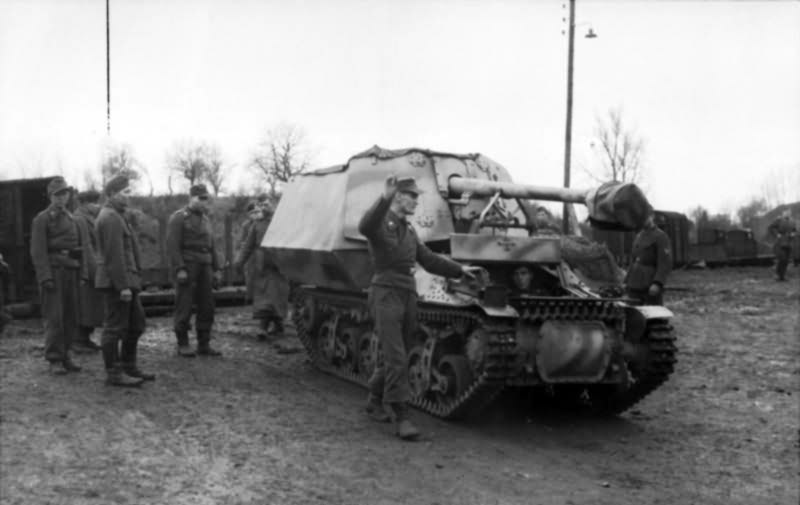
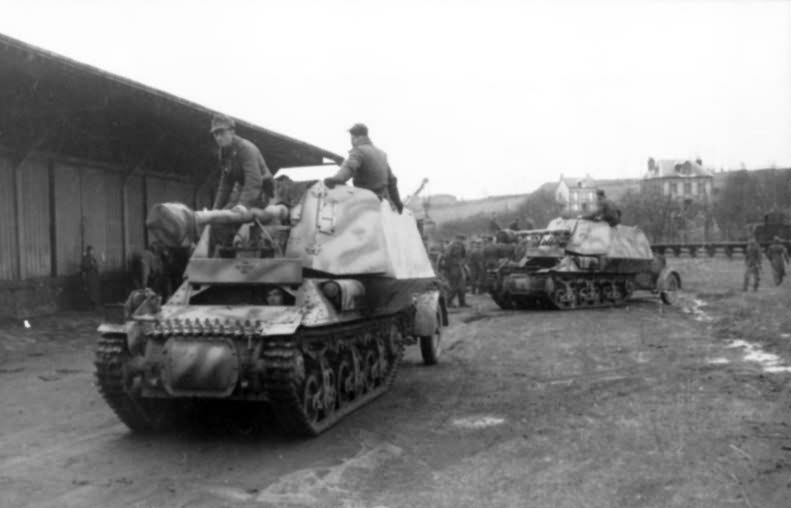
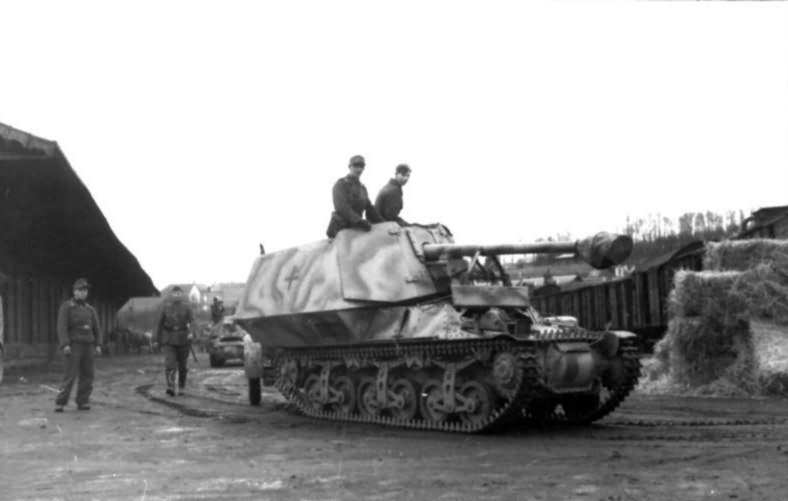
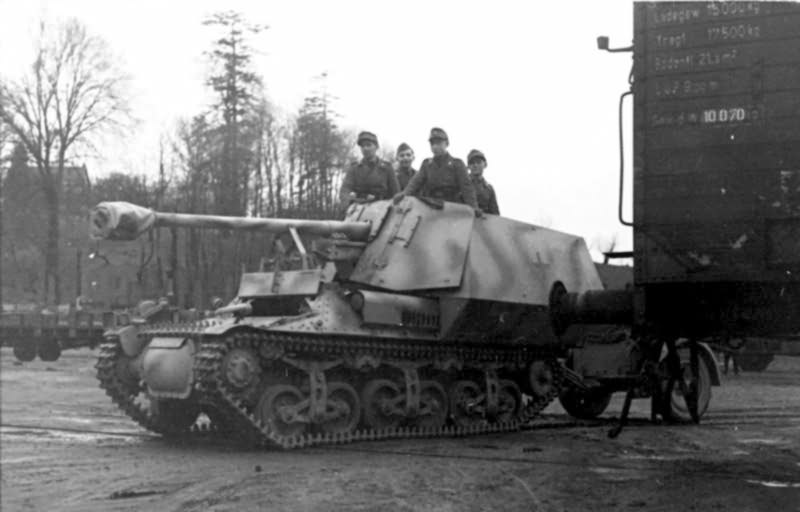
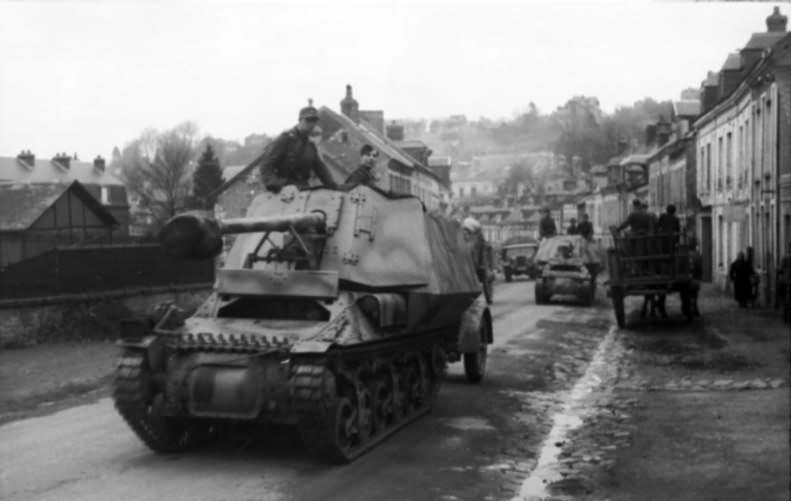
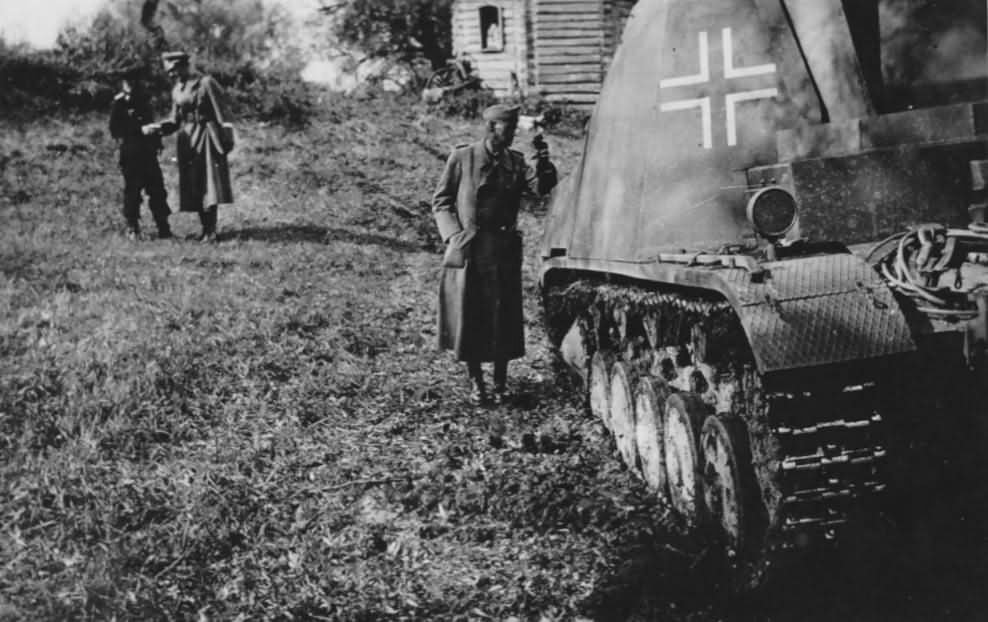
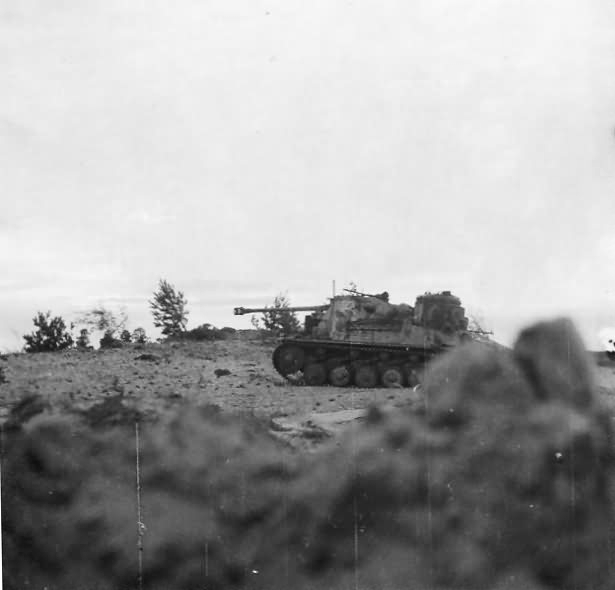
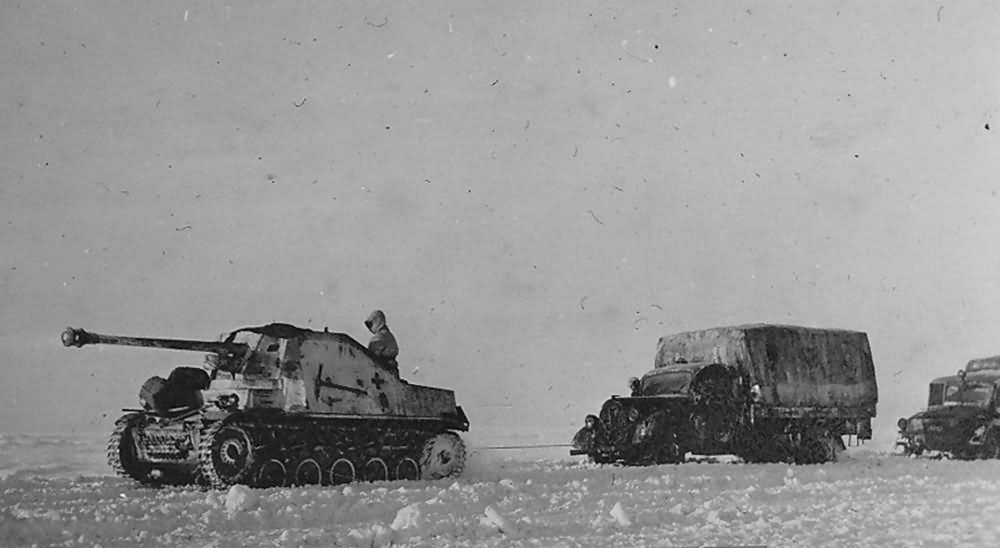
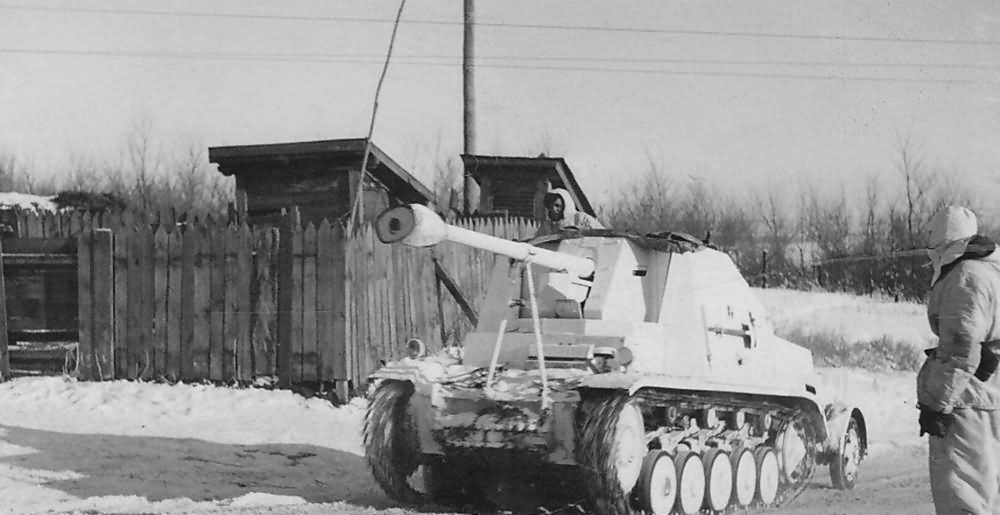
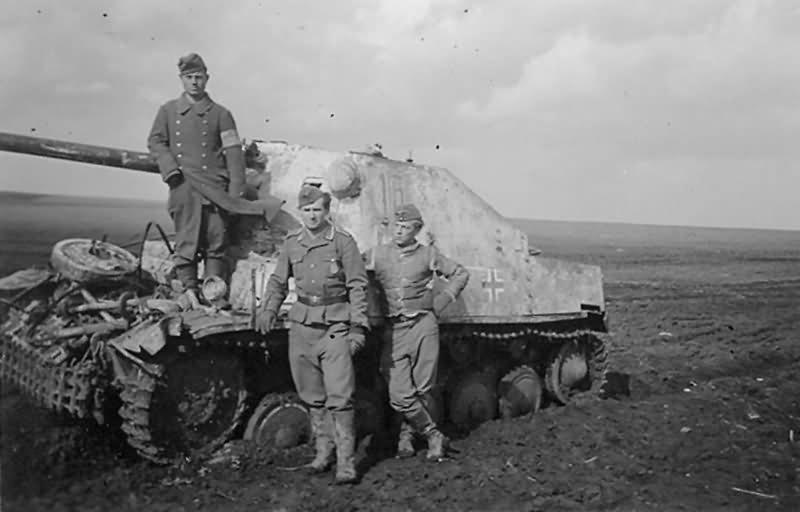
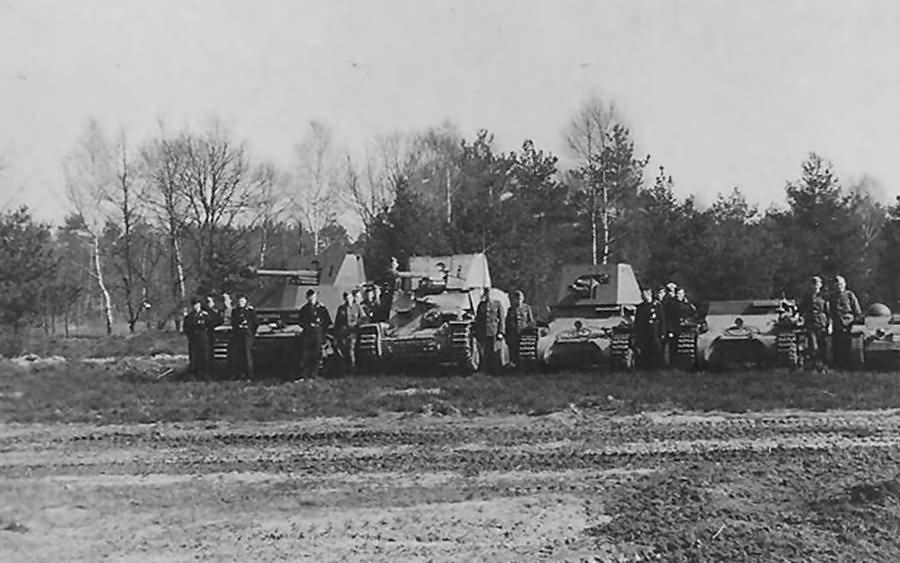
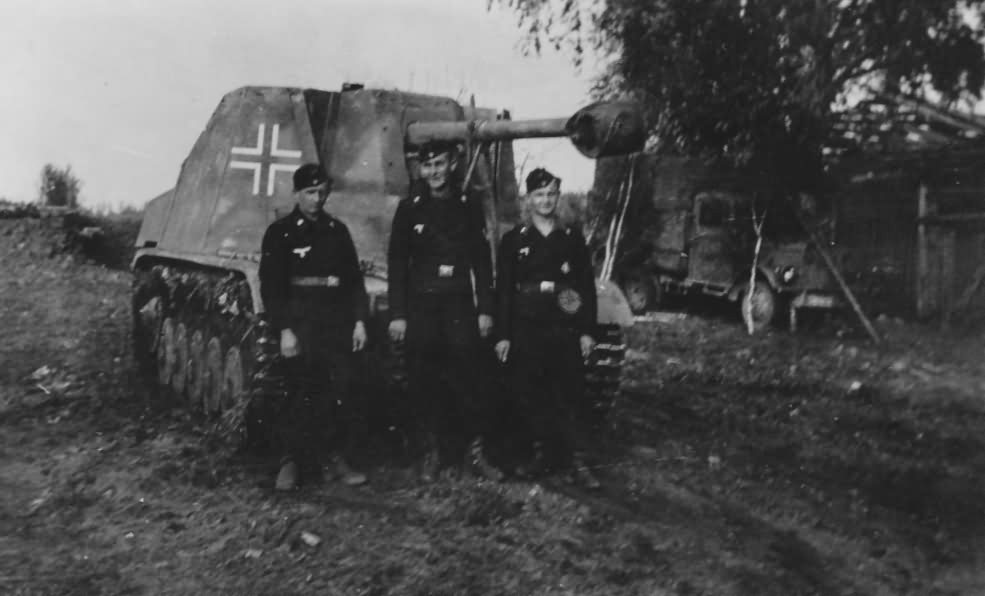
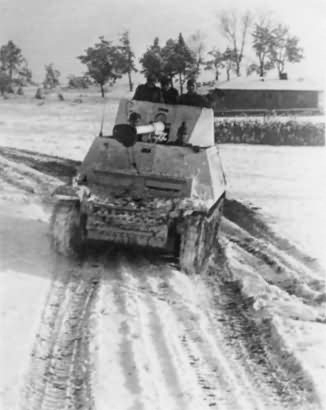
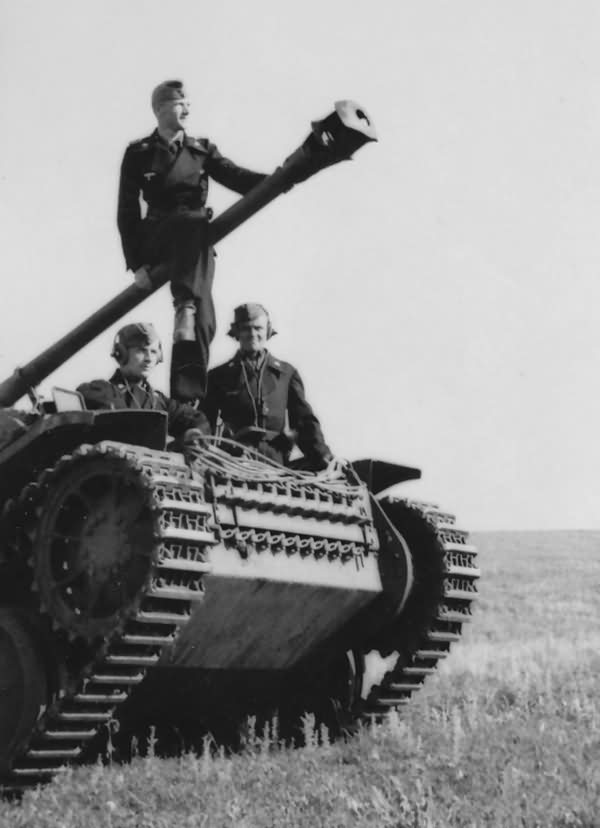
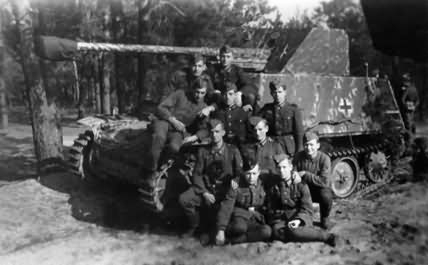
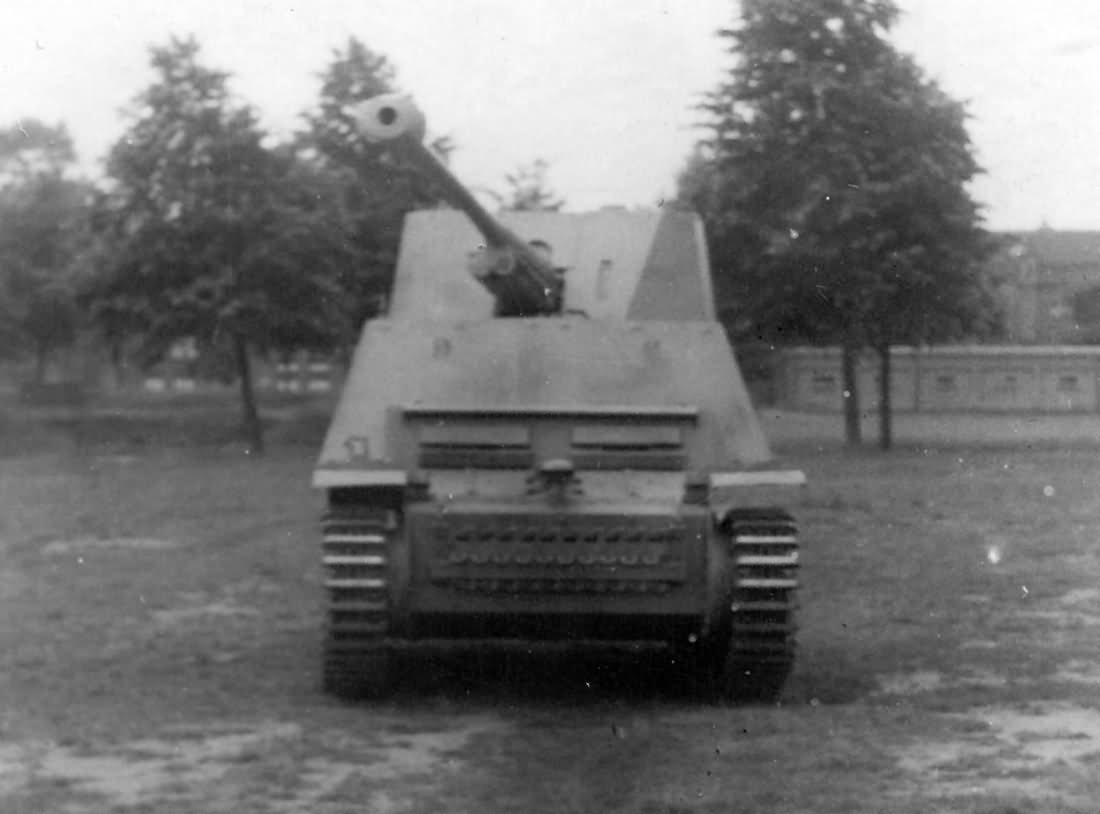
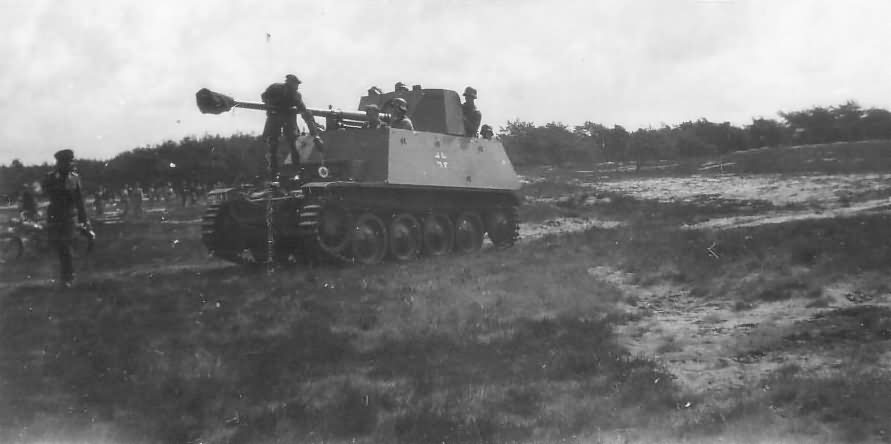
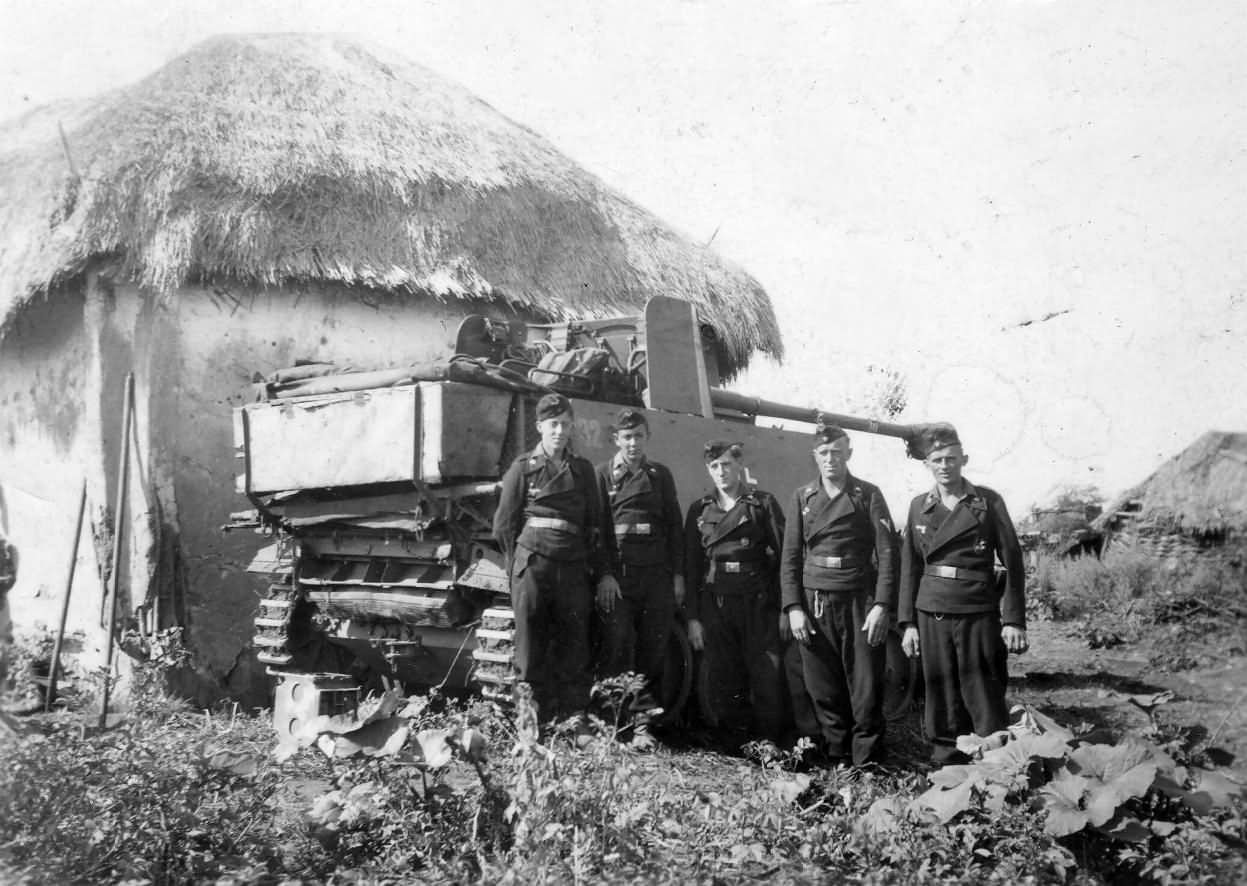
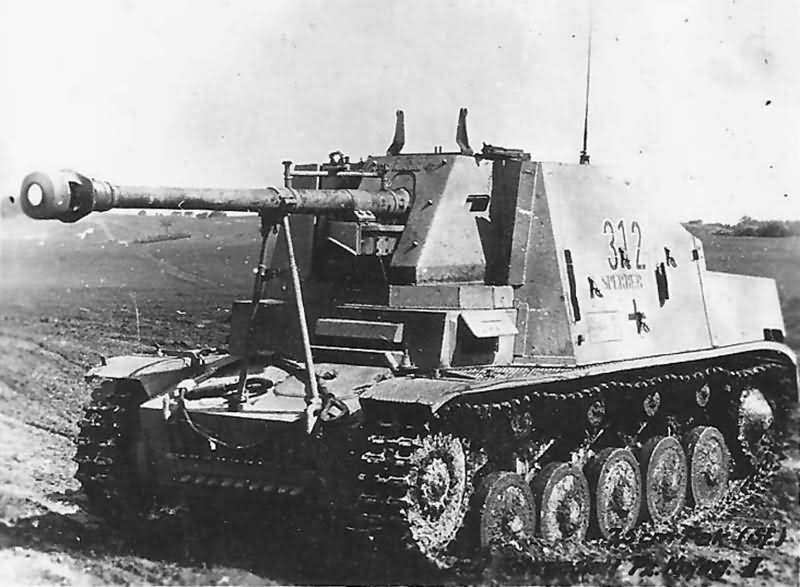
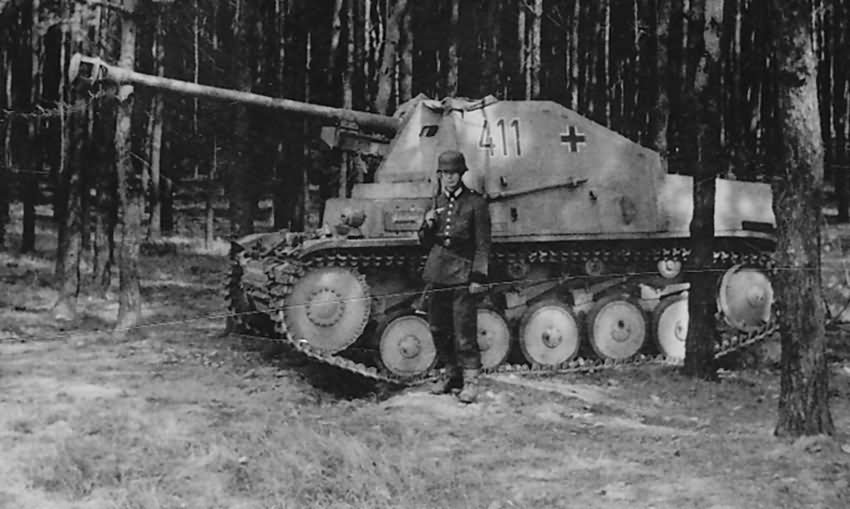
The Marder family (Marder I, Marder II, and Marder III) was a series of lightly armored, open-topped German tank destroyers developed as an urgent interim solution starting in 1942 to counter Soviet heavy T-34 and KV-1 armor following Operation Barbarossa. Built on a variety of obsolete or captured light tracked chassis—including the French Lorraine 37L and Hotchkiss/FCM hulls for the Marder I (Sd.Kfz. 135), the German Panzer II for the Marder II (Sd.Kfz. 131/132), and the Czechoslovakian Panzer 38(t) for the Marder III (Sd.Kfz. 139/138)—the series mounted powerful anti-tank guns such as the German 7.5 cm PaK 40 or re-chambered captured Soviet 7.62 cm F-22 (PaK 36(r)) guns inside thin, overhead-open fighting compartments. Across the three variants, thousands of vehicles were produced (including 170 Marder I, 1,200+ Marder II, and over 1,700 Marder III in rear-engined Ausf. H, mid-engined Ausf. M, and 7.62 cm versions), providing mobile firepower to Panzerjäger divisions across the Eastern Front, North Africa, Italy, and Western Europe, where their high anti-tank effectiveness compensated for their tall profiles and minimal crew protection.