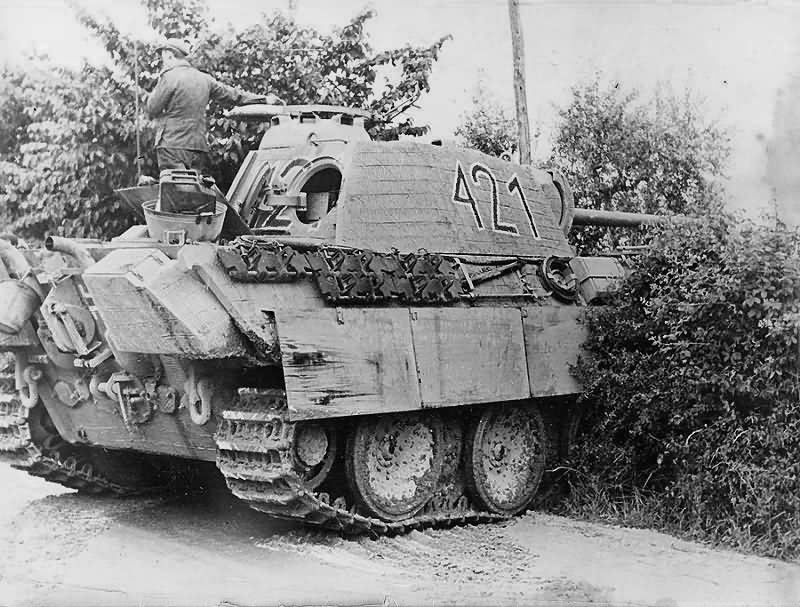
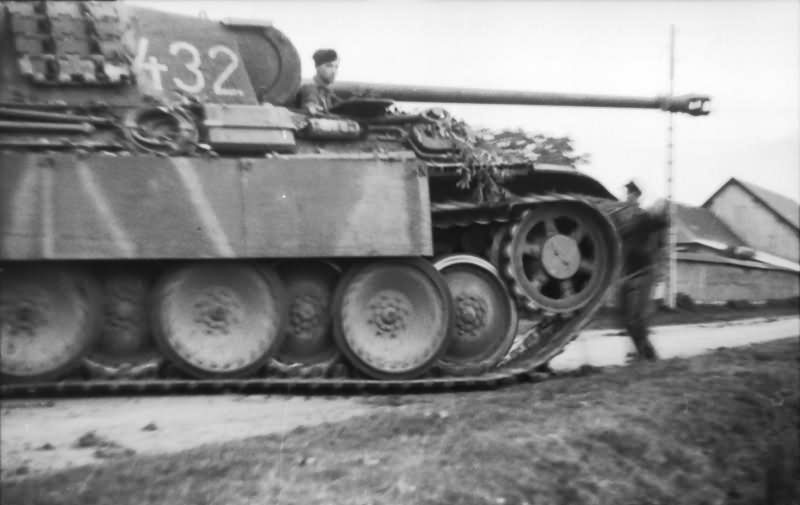
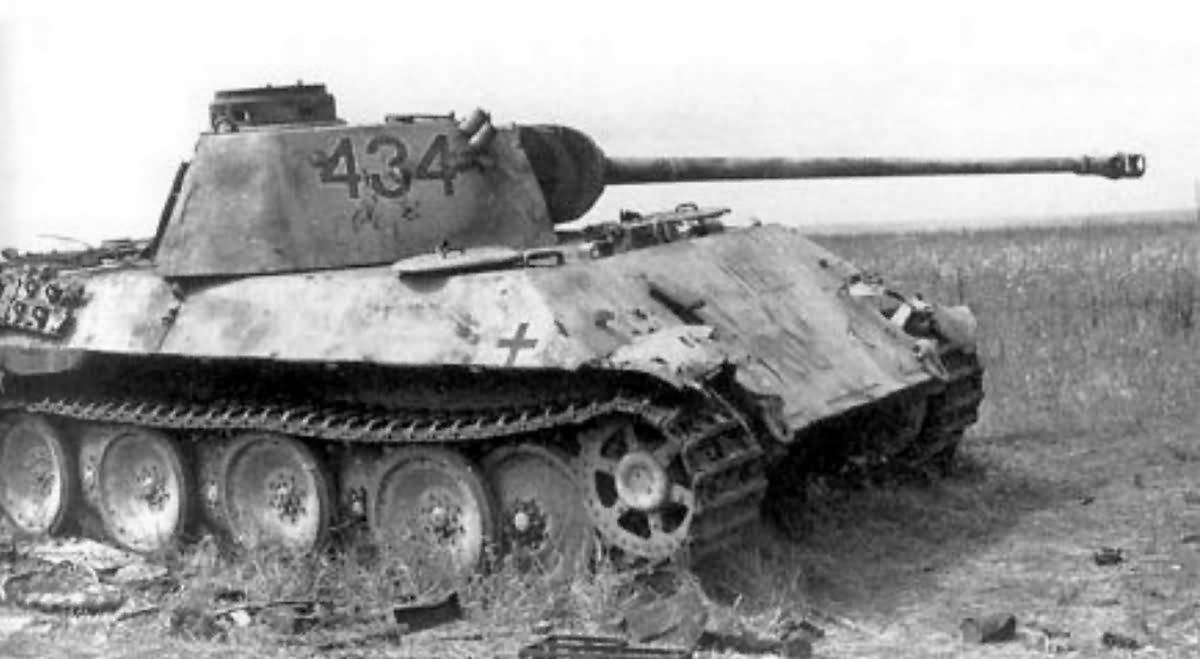
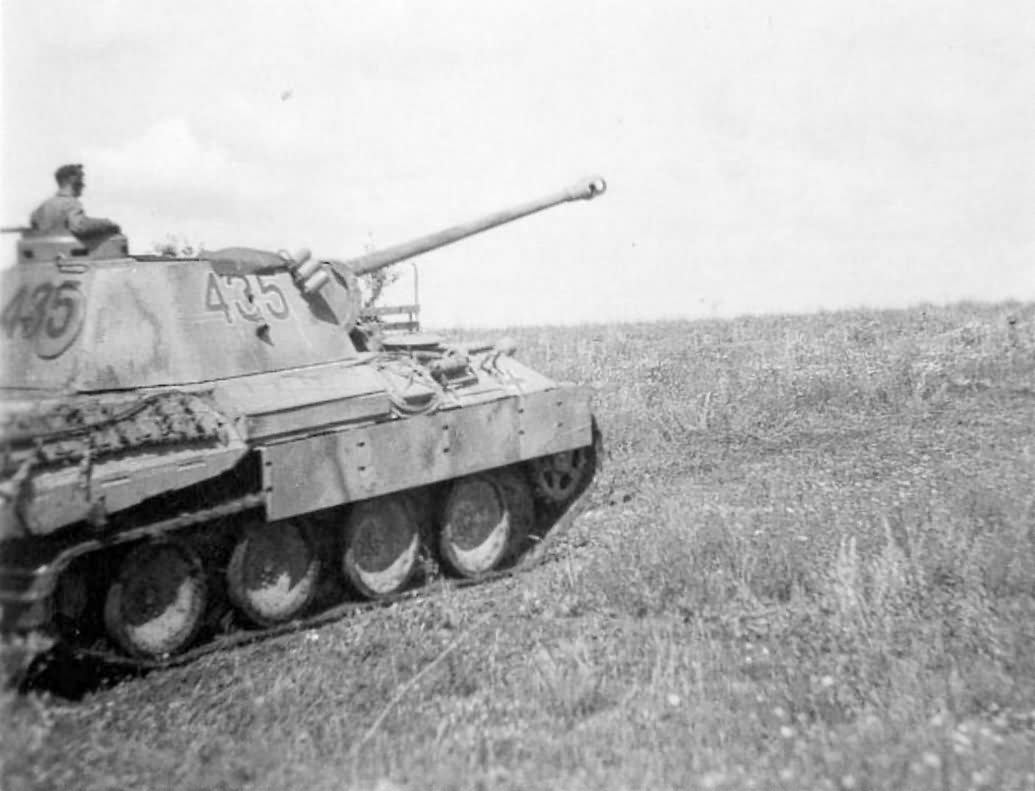
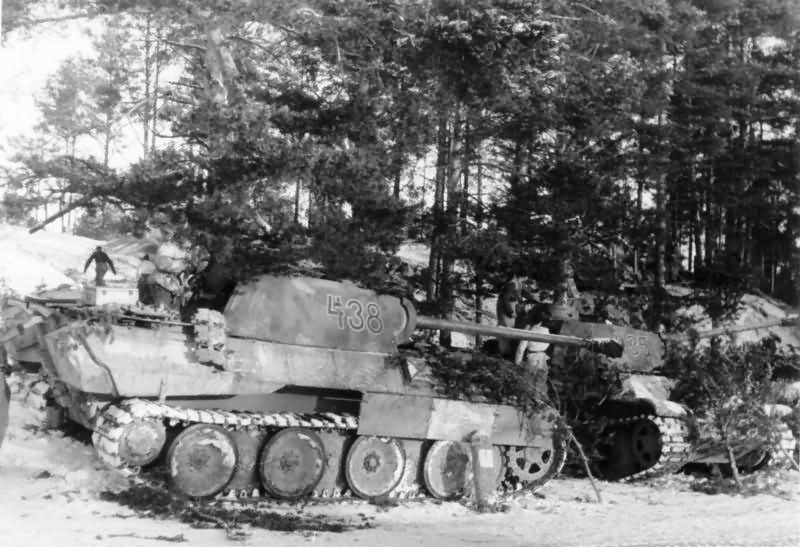
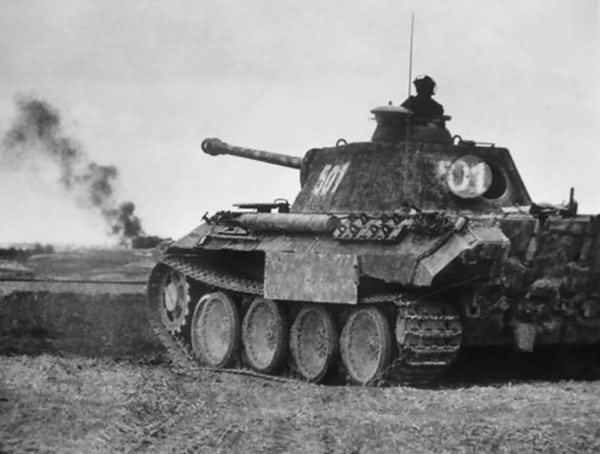
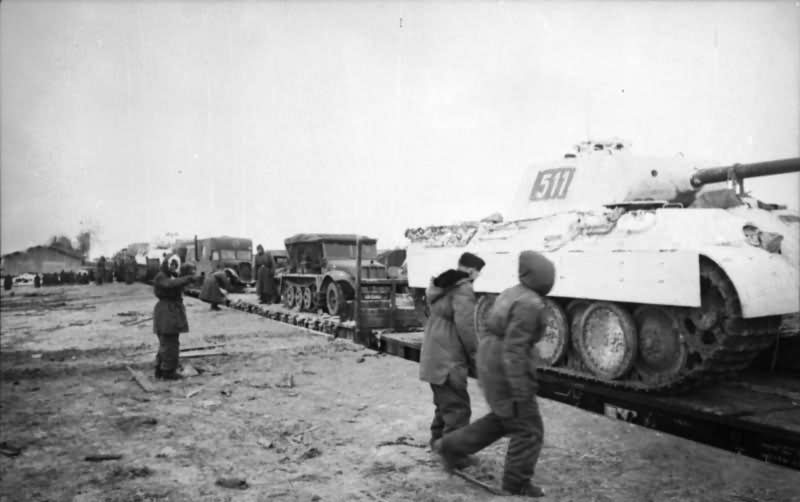
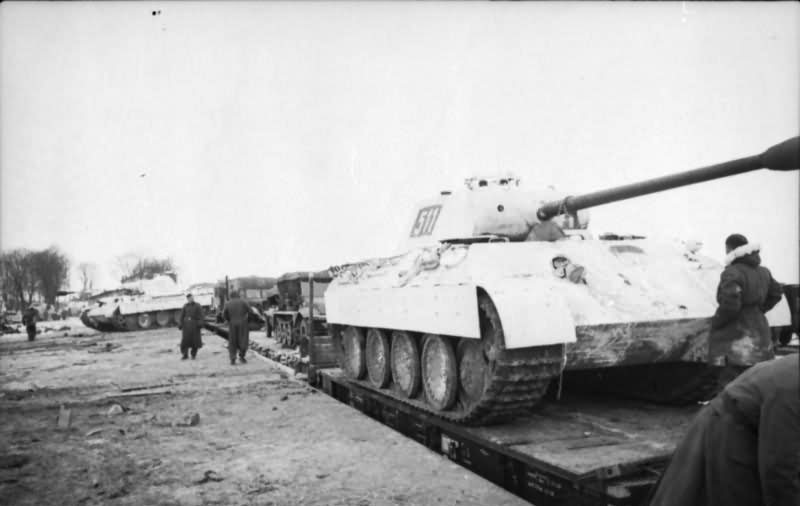
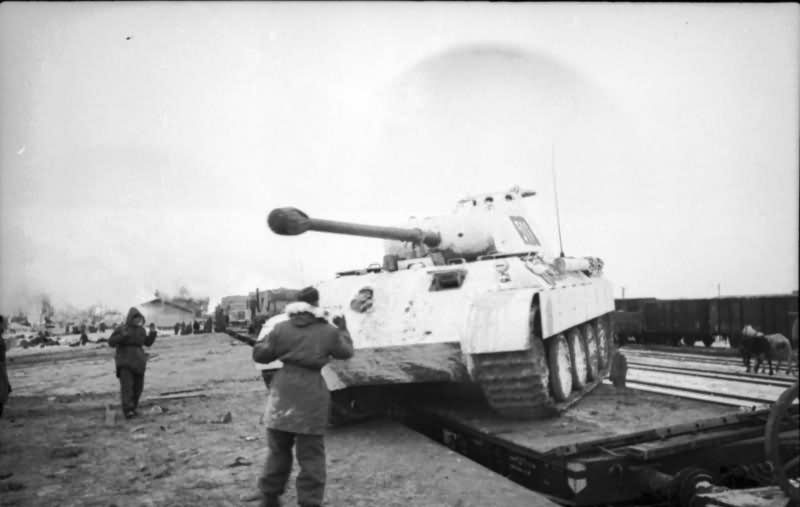
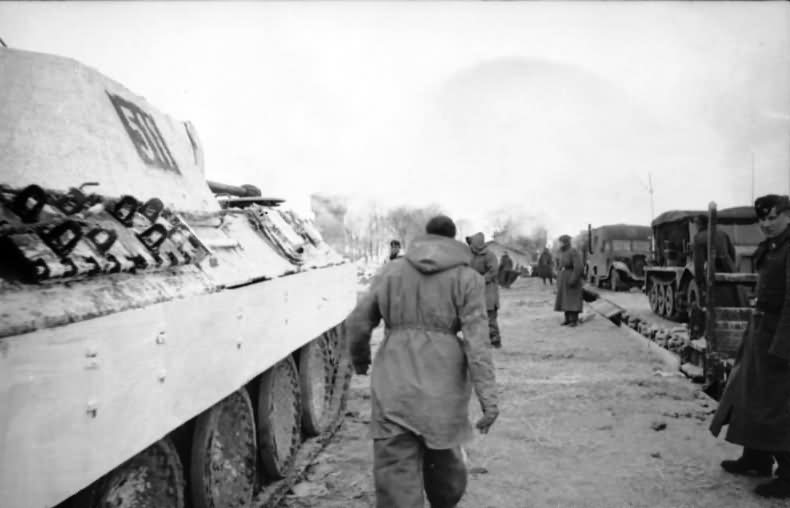
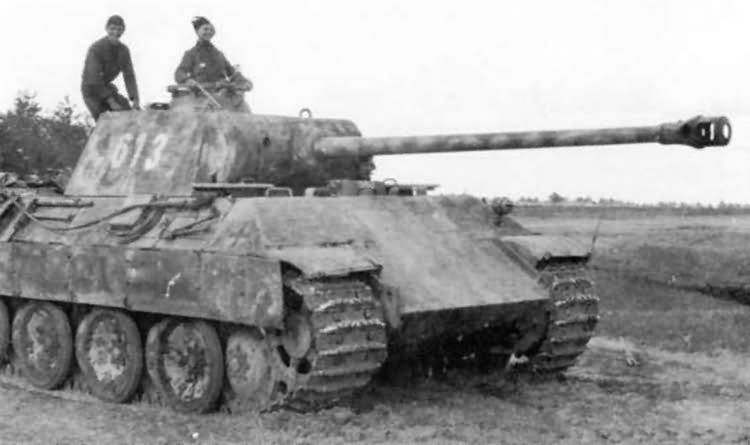
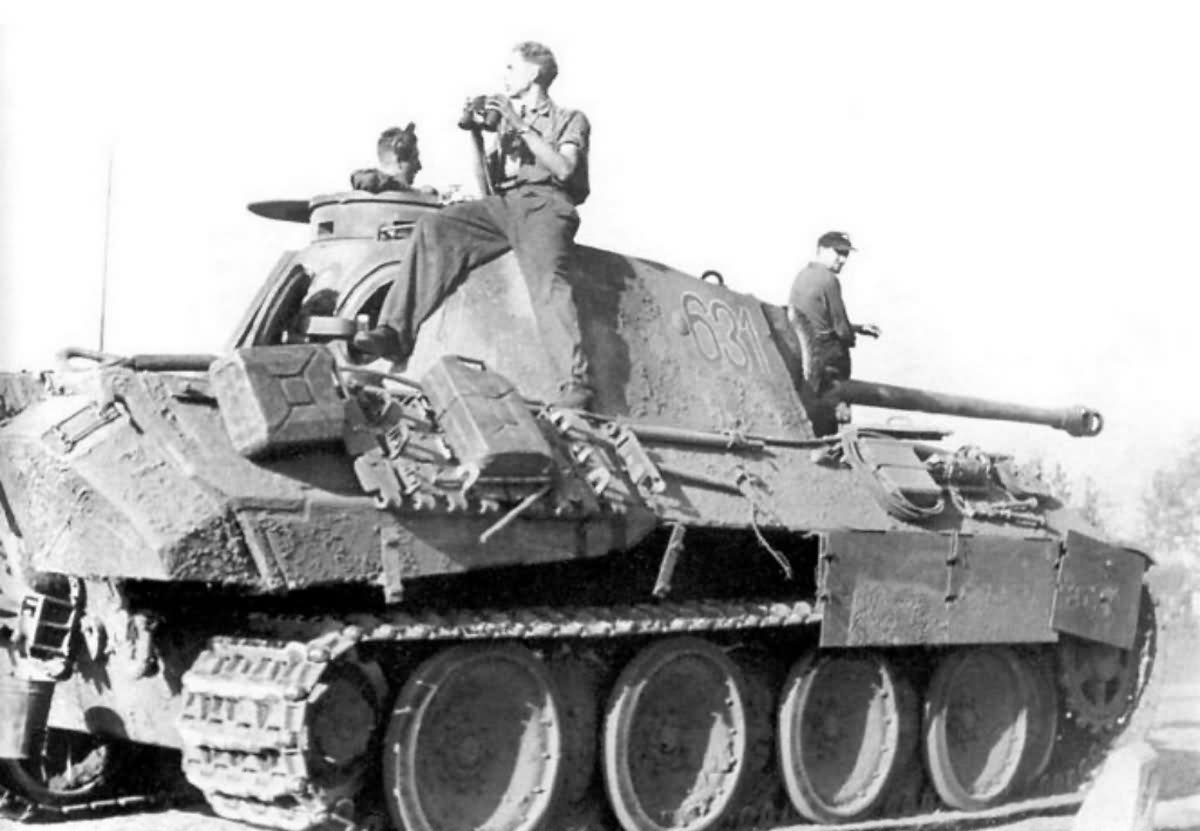
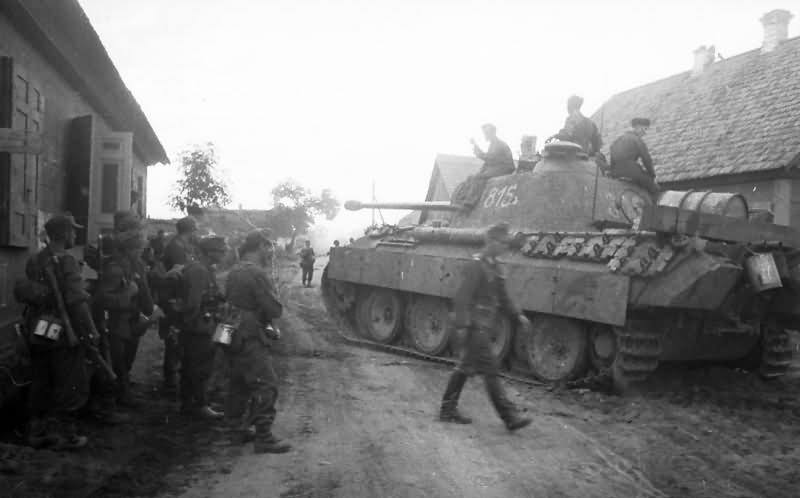
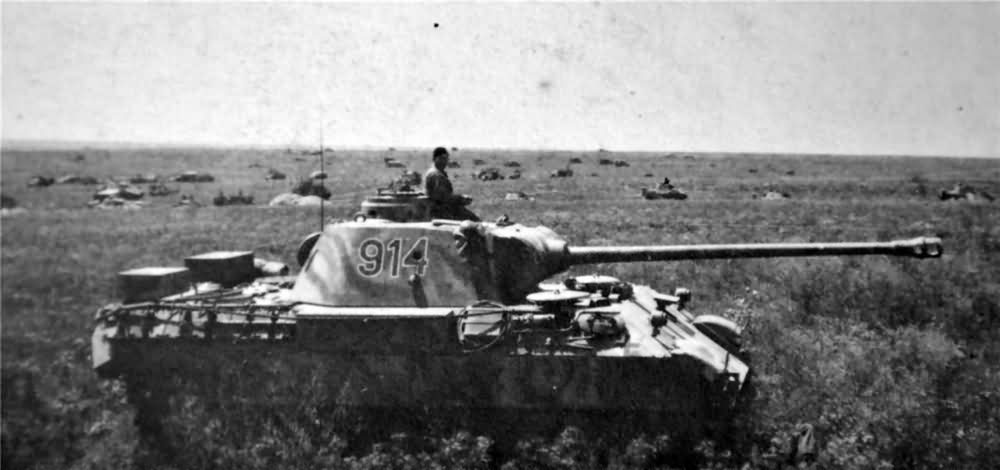
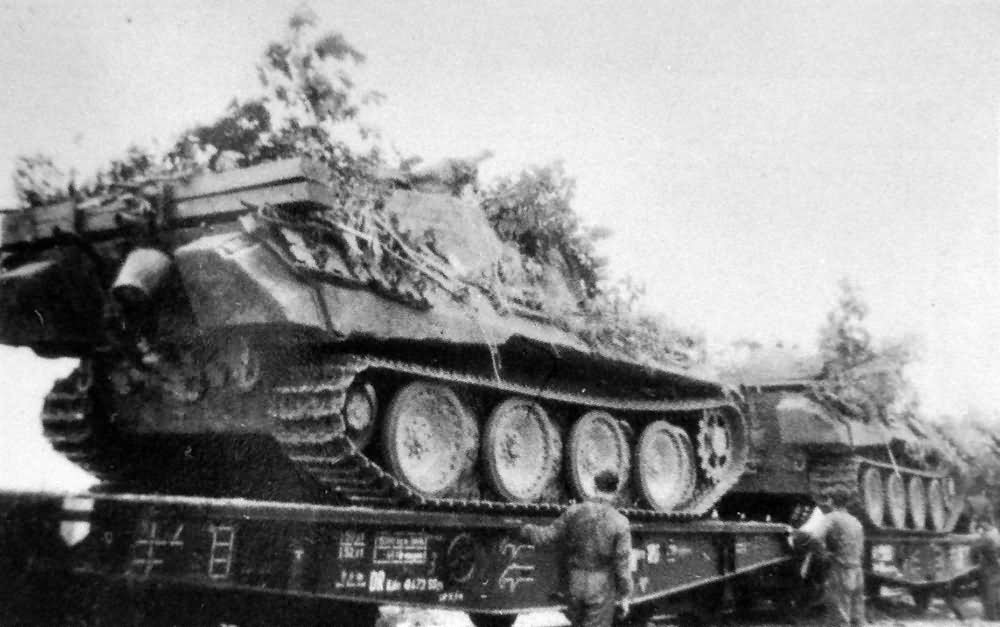
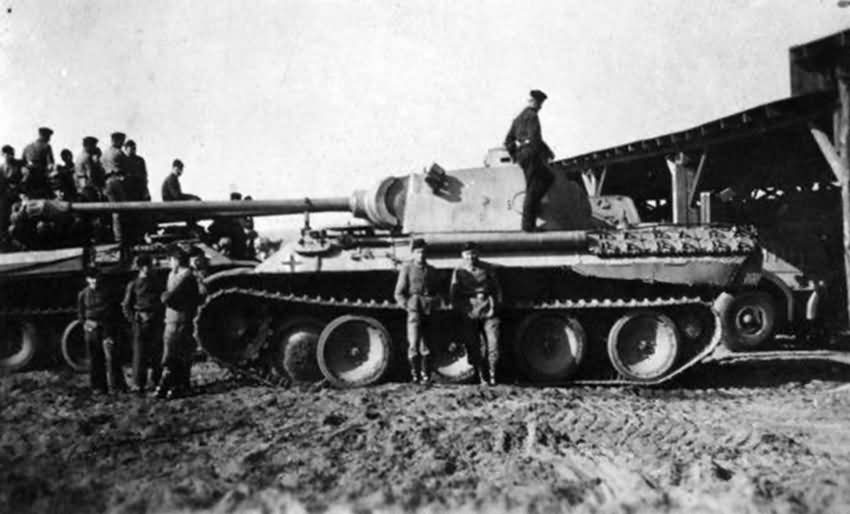
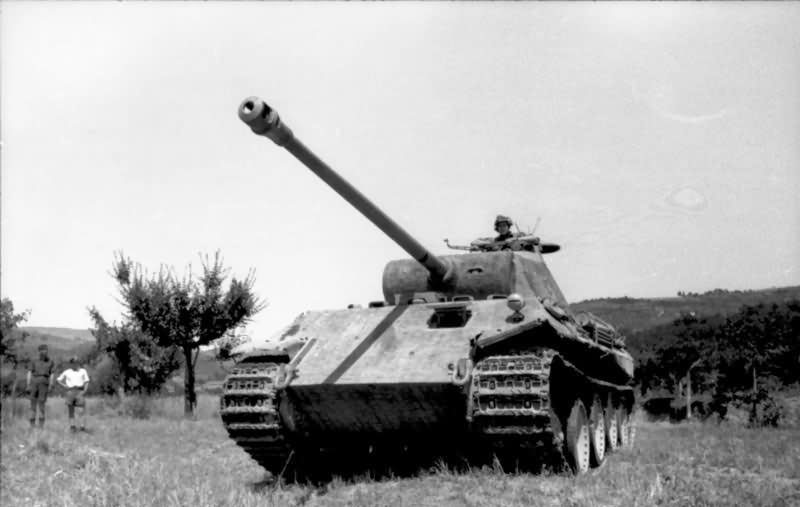
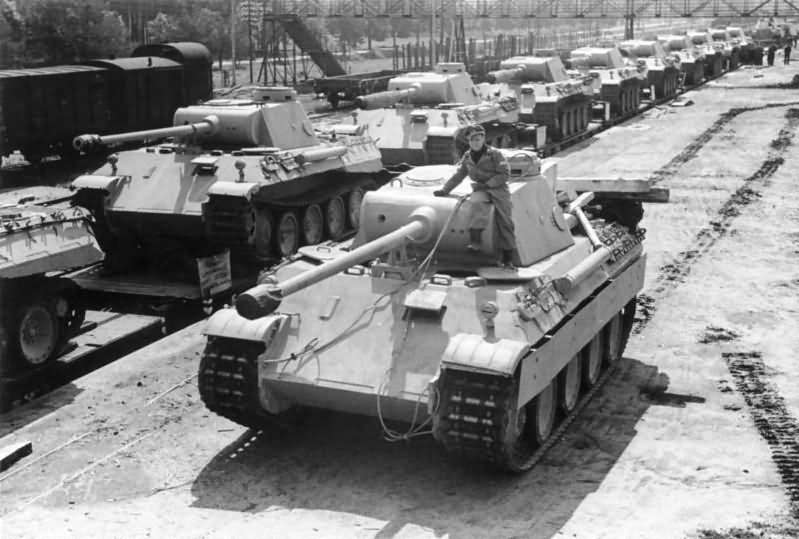
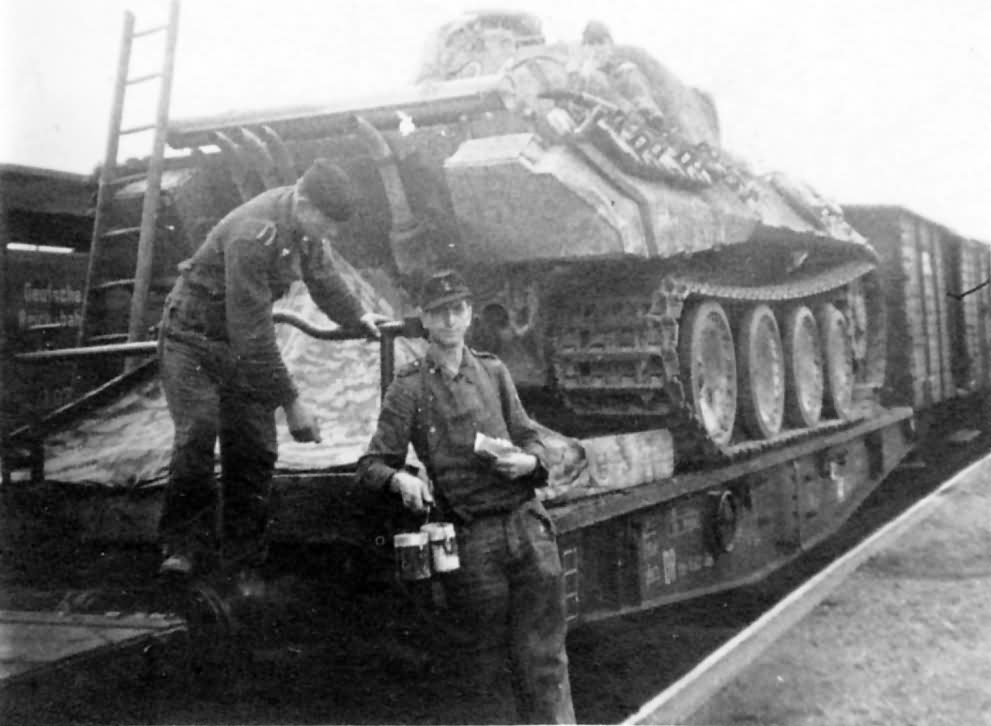
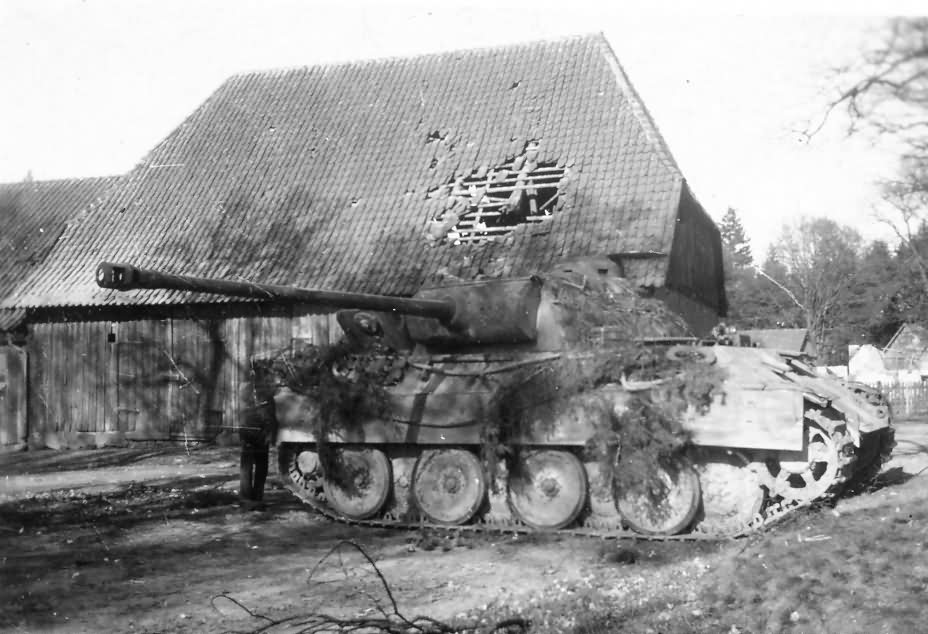
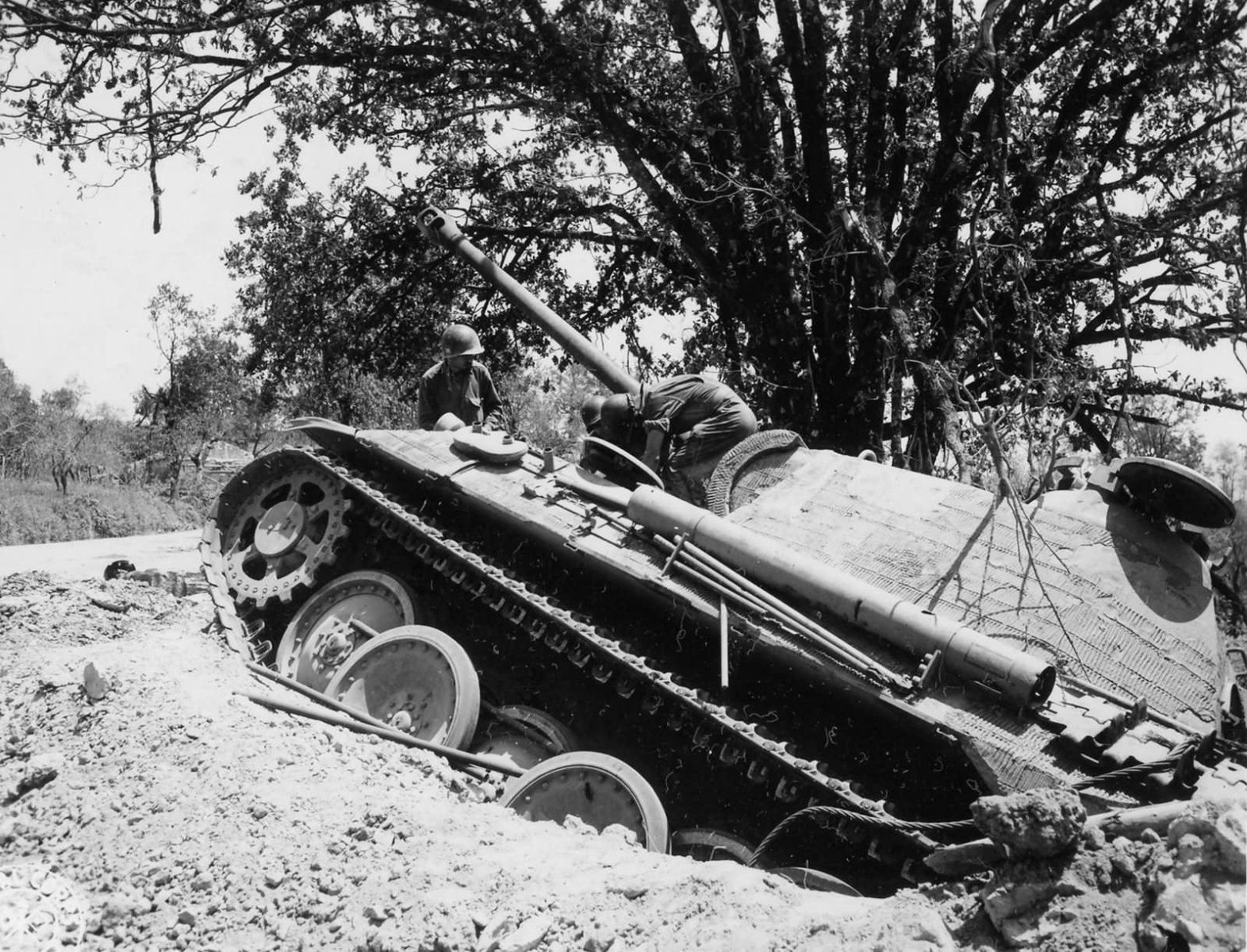
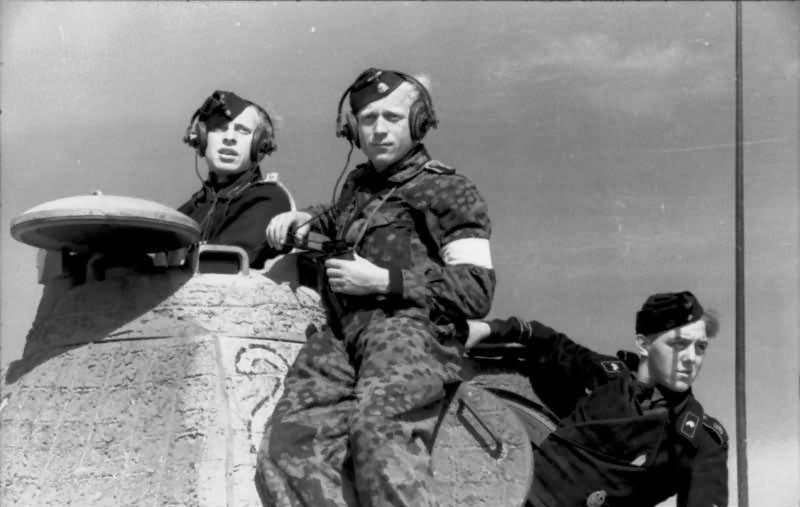
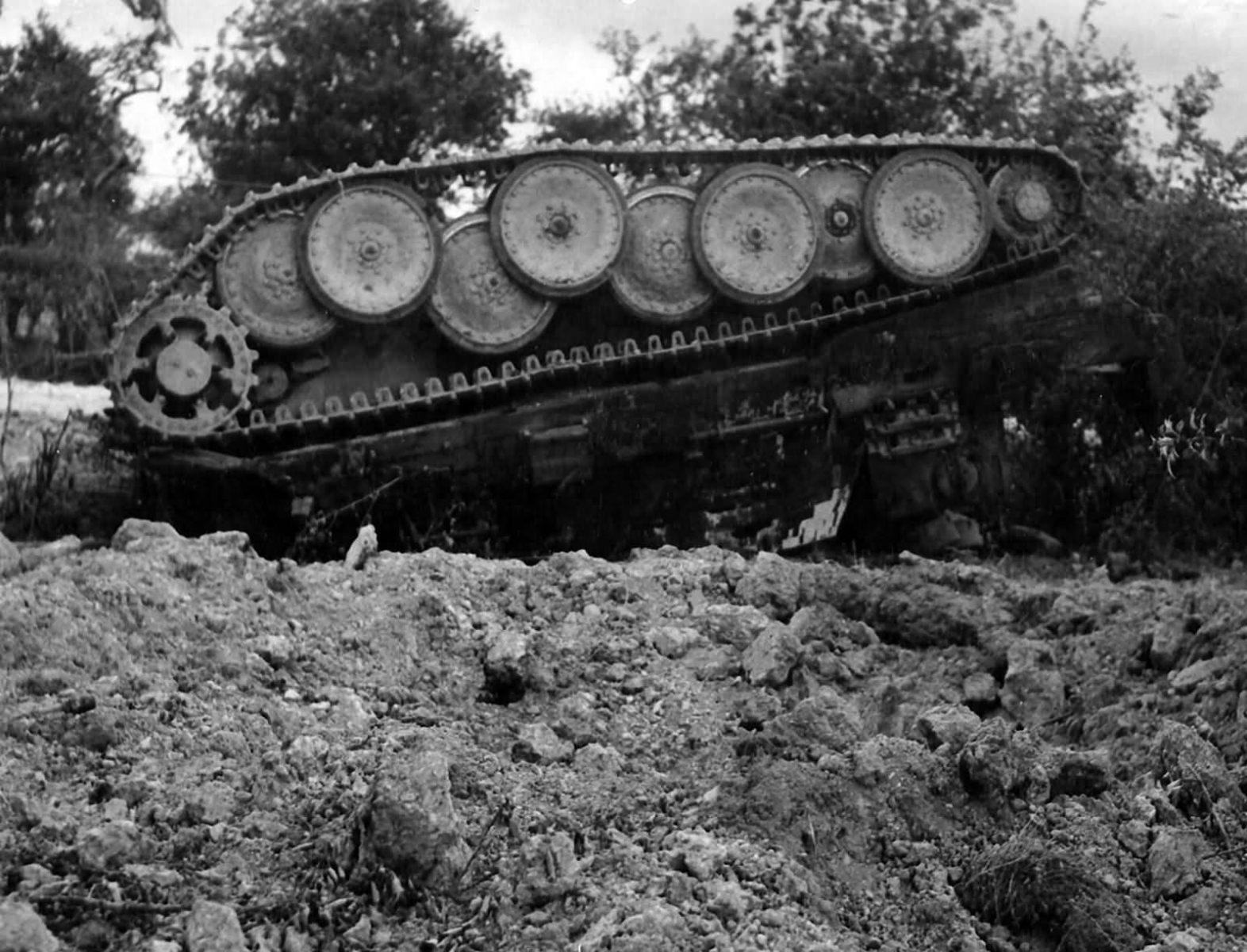
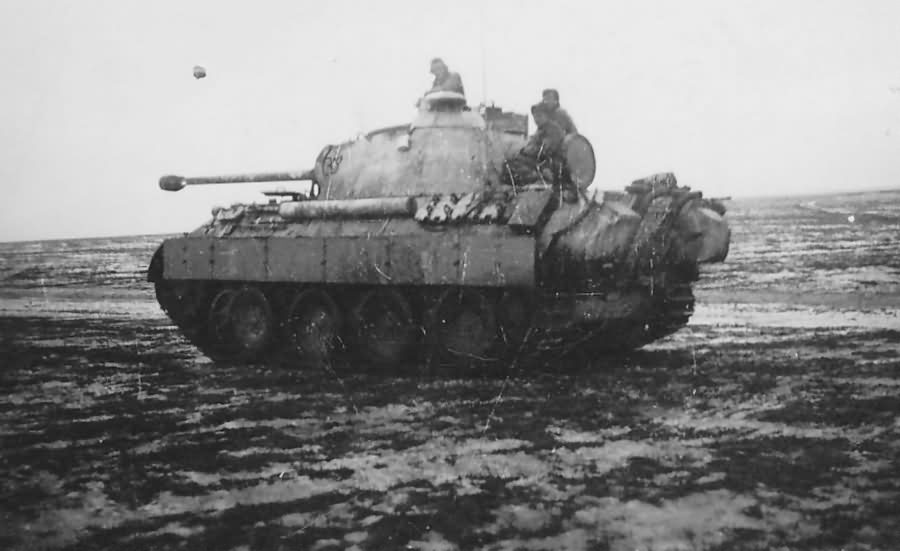
Panzerkampfwagen V Panther (Sd.Kfz. 171) was a German medium tank introduced in 1943 as a direct counter to the Soviet T-34, featuring sloped armor, exceptional mobility, and the high-velocity 7.5 cm KwK 42 L/70 main gun. Although weighing nearly 45 tons—putting its mass on par with heavy tanks like the Soviet IS-2—it maintained high combat efficiency, superior long-range firepower, and formidable frontal protection against Allied armor like the T-34 and M4 Sherman. Despite initial mechanical teething issues during its combat debut at Kursk in the early Ausf. D version, refined variants (Ausf. A and Ausf. G) resolved major reliability and design flaws, making it one of the most effective tanks of World War II. Produced in nearly 6,000 units across its main production runs, the Panther saw action on all major fronts—including notable combat use of captured tanks by Polish insurgents during the 1944 Warsaw Uprising—and later influenced postwar developments, serving in the French military into the 1950s.