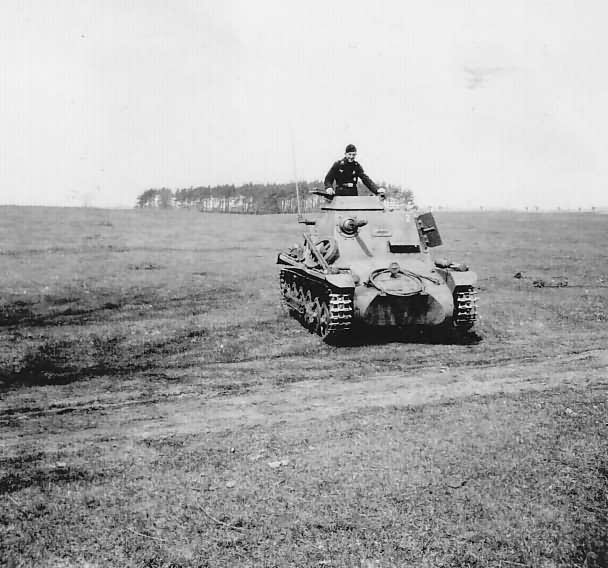
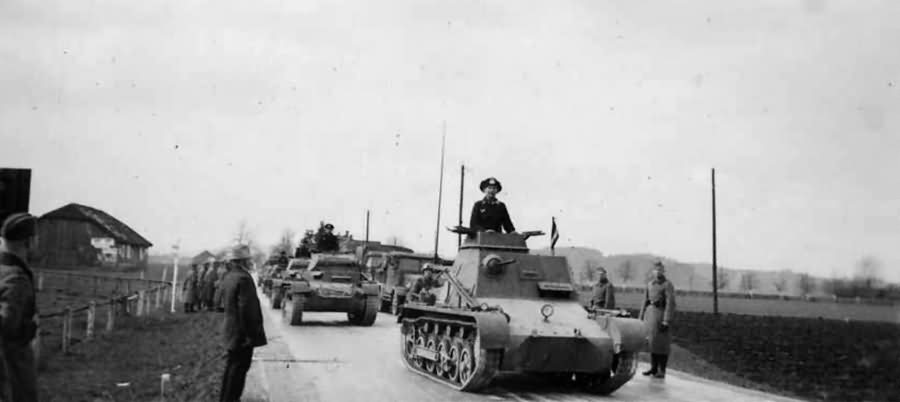
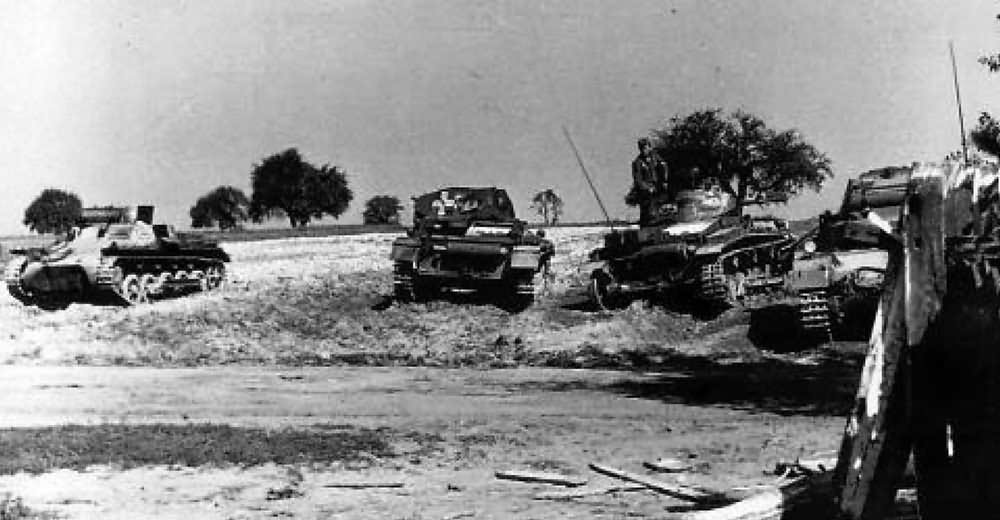
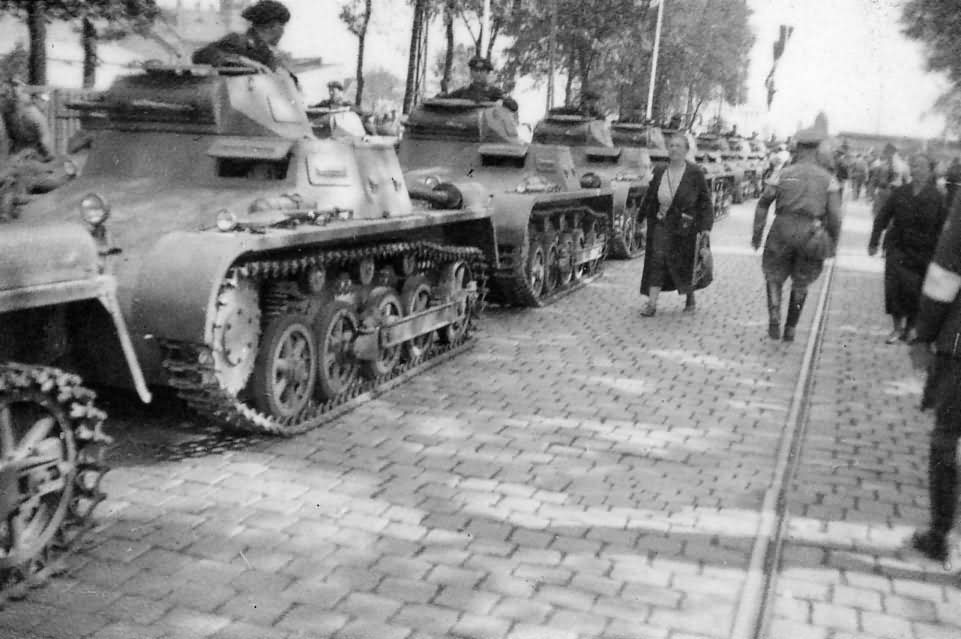
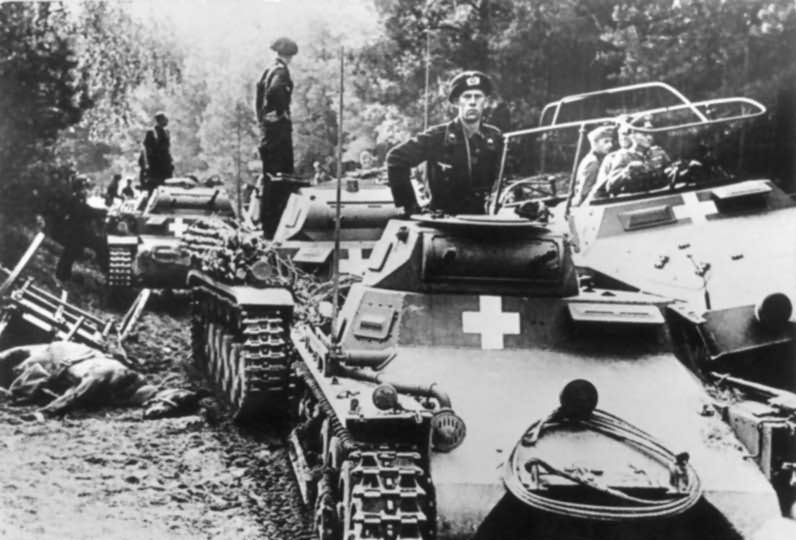
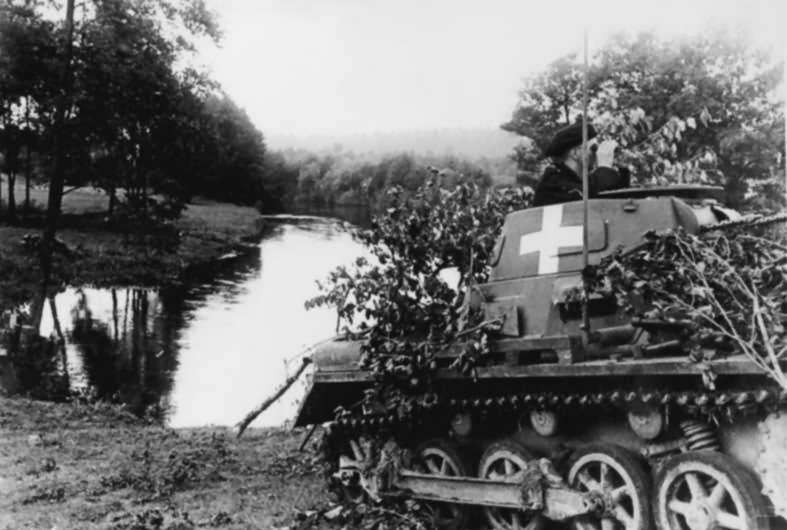
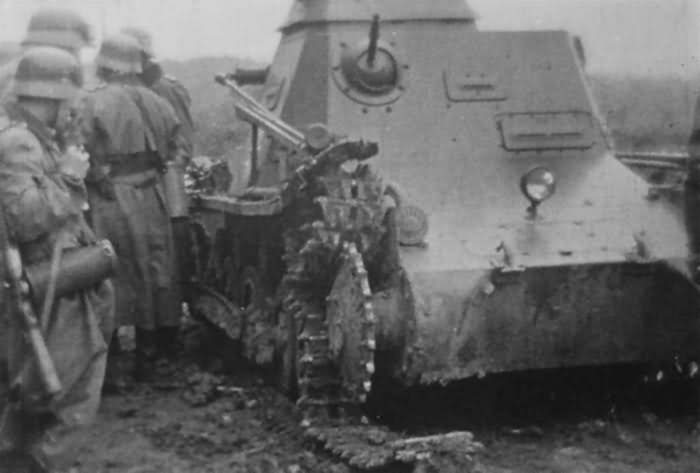
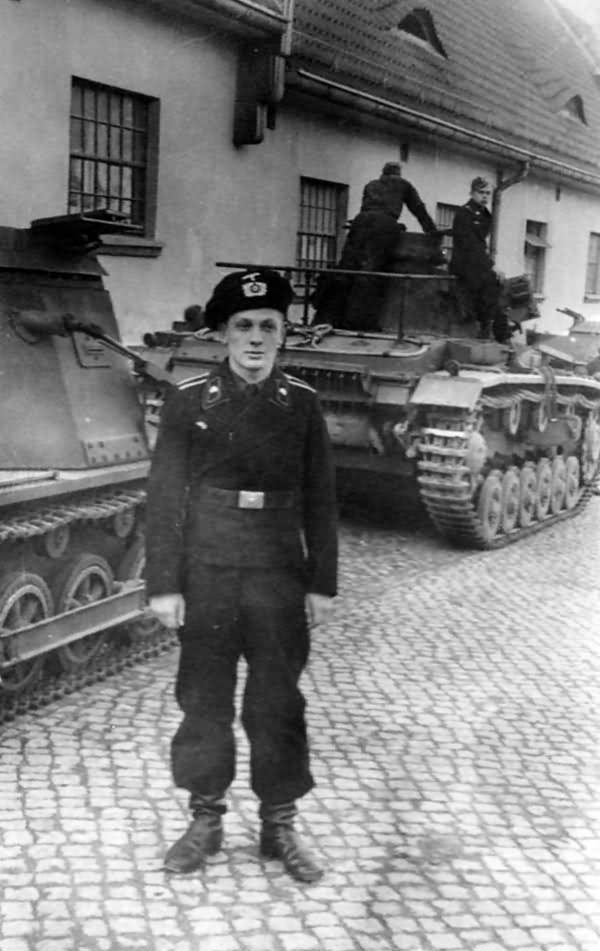
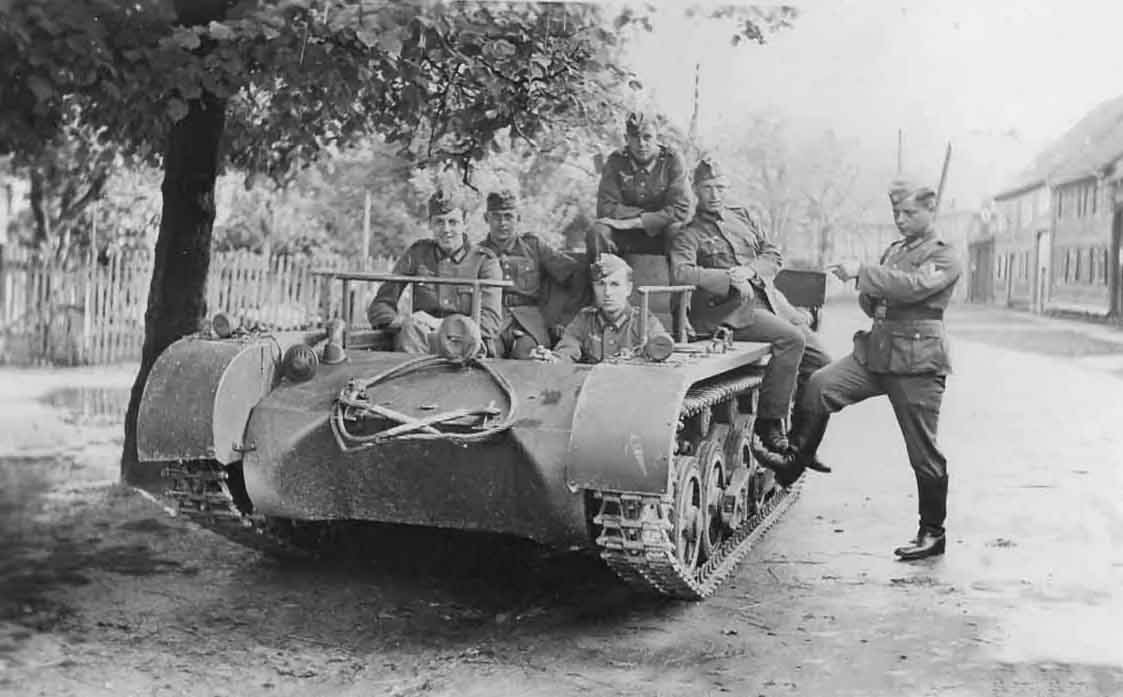
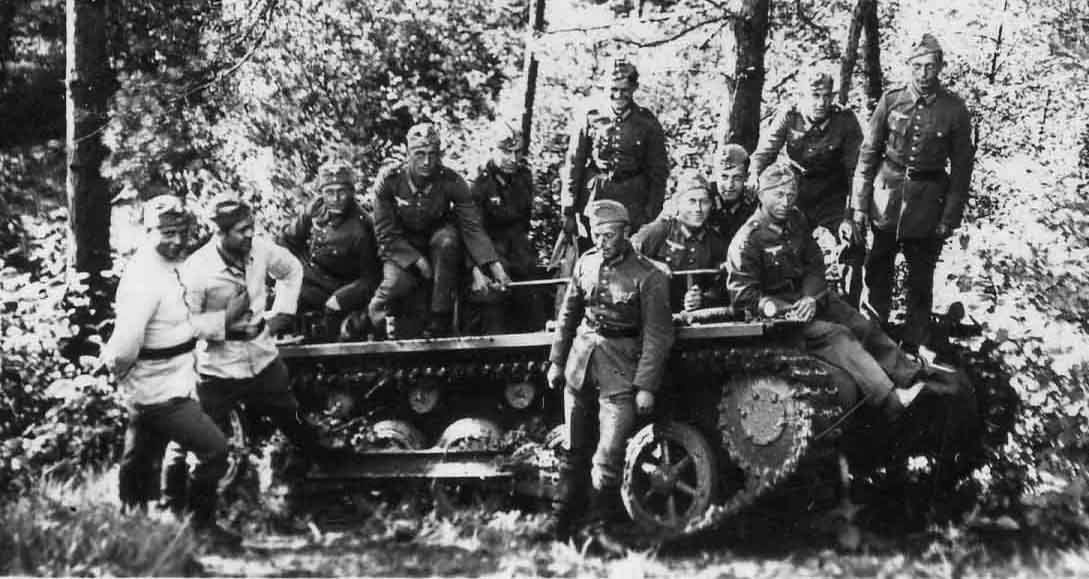
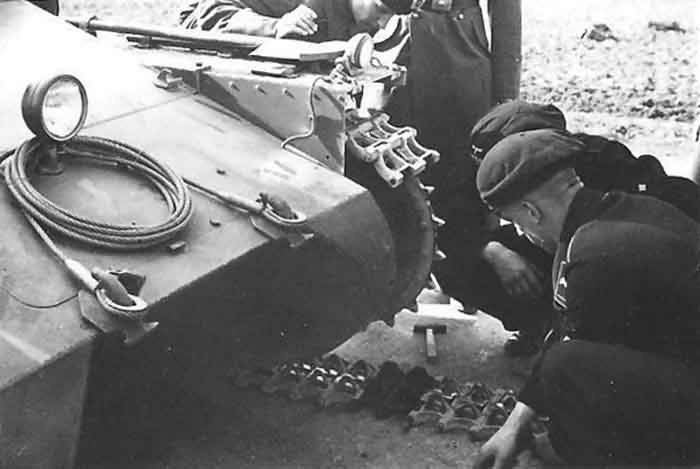
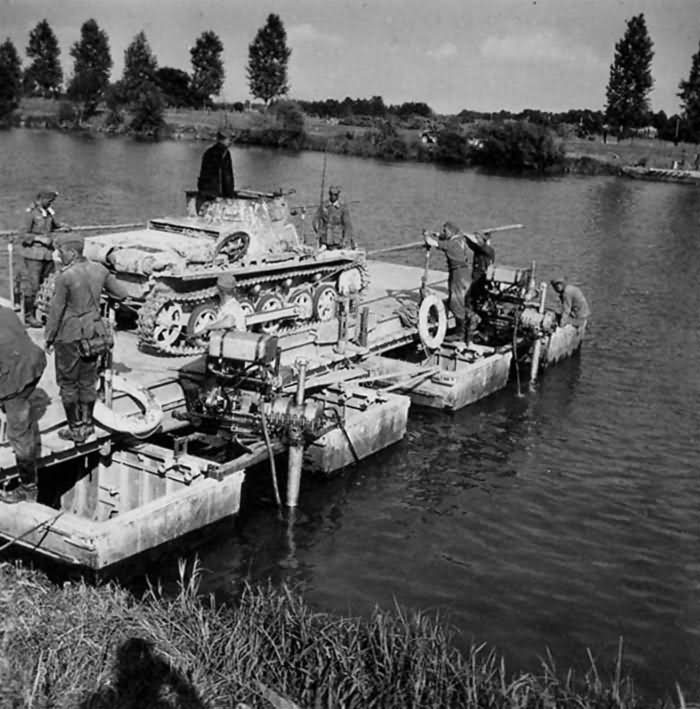
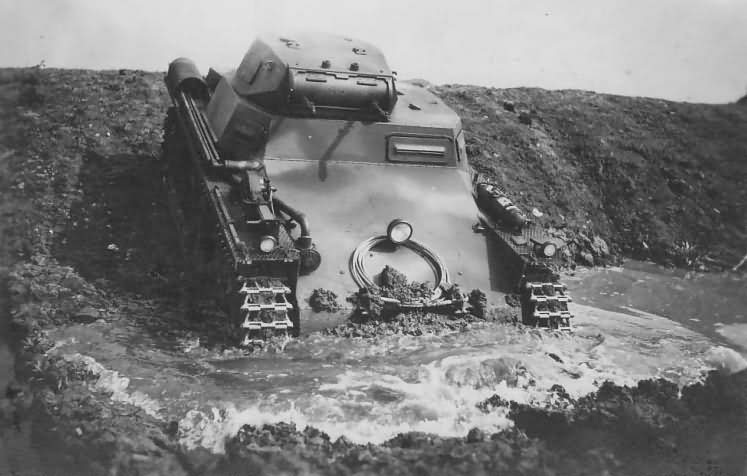
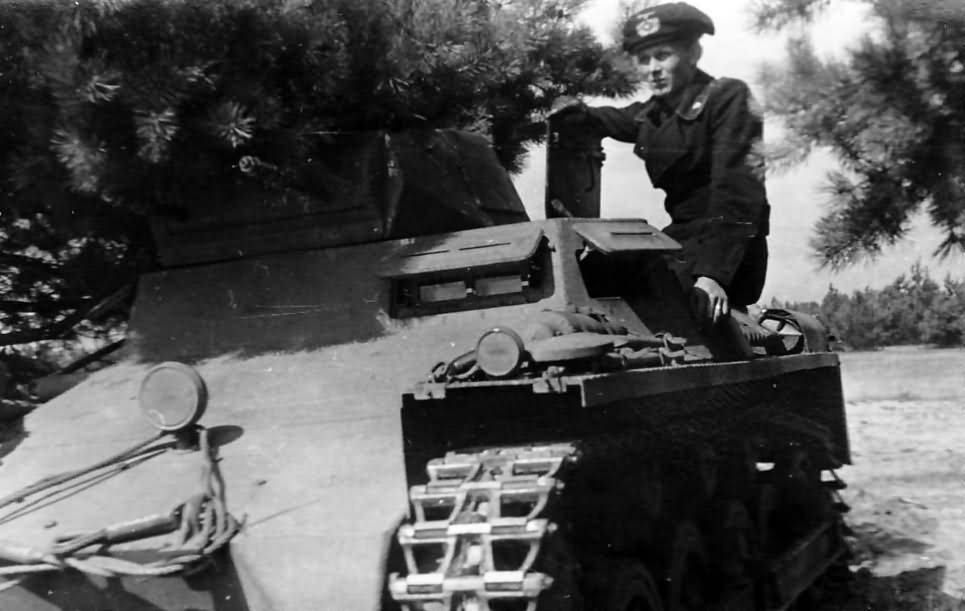
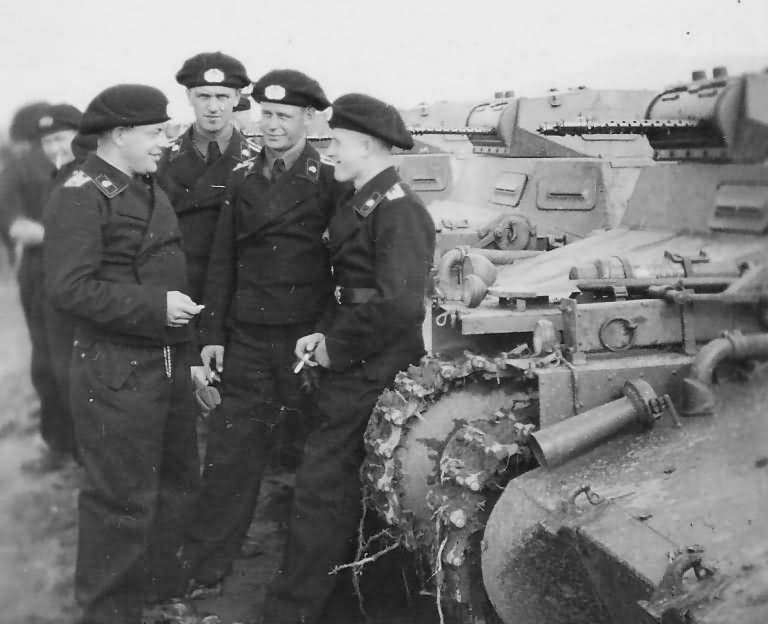
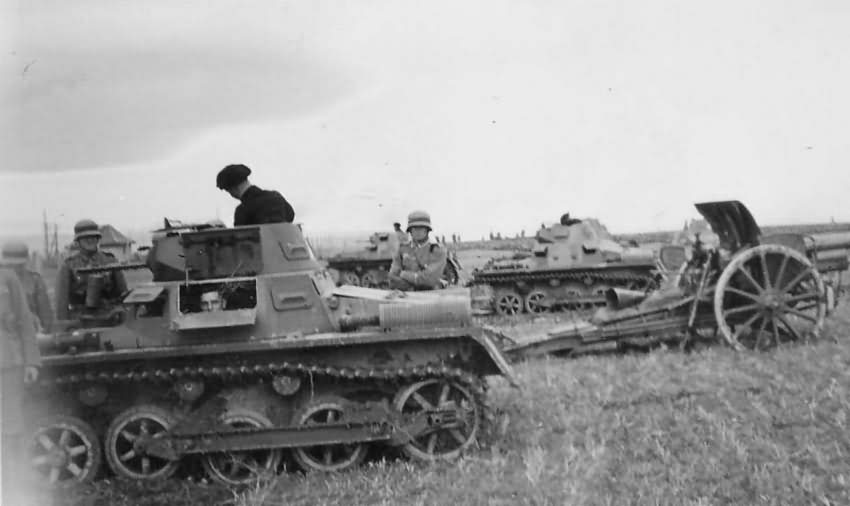
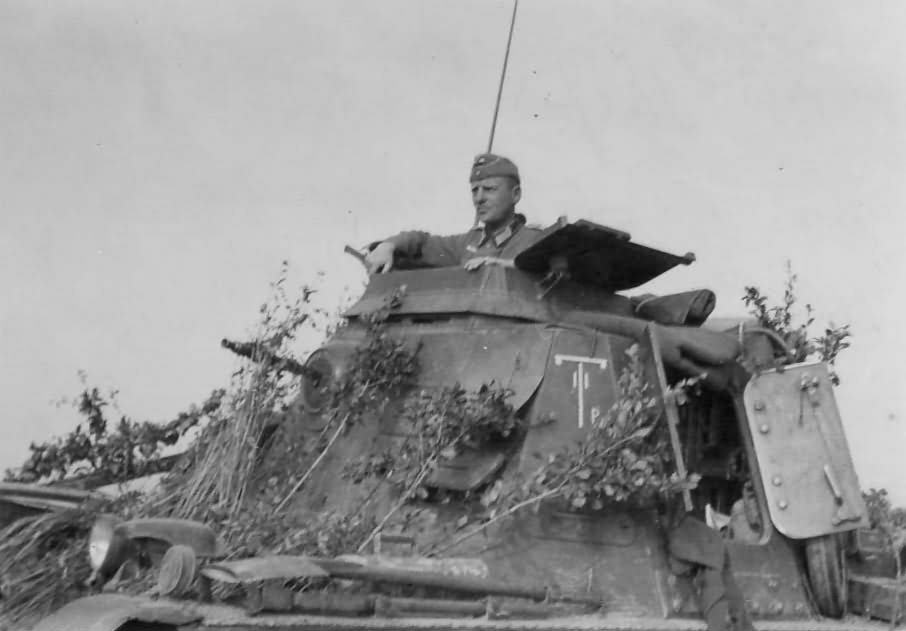
Panzerkampfwagen I (Sd.Kfz. 101) was the first mass-produced light tank of Nazi Germany, developed secretly in the early 1930s under cover names like Landwirtschaftlicher Schlepper to bypass Treaty of Versailles restrictions. Produced primarily in two major combat variants—the initial Ausf. A powered by an air-cooled Krupp engine and the slightly lengthened Ausf. B equipped with a 100 hp Maybach engine and updated suspension—the light 5.4-to-5.9-ton vehicle was lightly armored (up to 13 mm) and armed only with twin 7.92 mm MG 13 machine guns in a revolving turret. Built originally as a training vehicle and light reconnaissance platform, nearly 2,000 units were manufactured between 1934 and 1939, forming roughly 40% of Germany’s armor during the 1939 invasion of Poland and seeing further service in Spain, Western Europe, North Africa, and the Balkans. Though severely outmatched by enemy tanks and vulnerable to anti-tank weaponry, the Panzer I laid the operational and tactical foundation for Germany’s armored forces (Panzerwaffe) and provided chassis for numerous specialized derivative vehicles, including the Panzerjäger I tank destroyer.