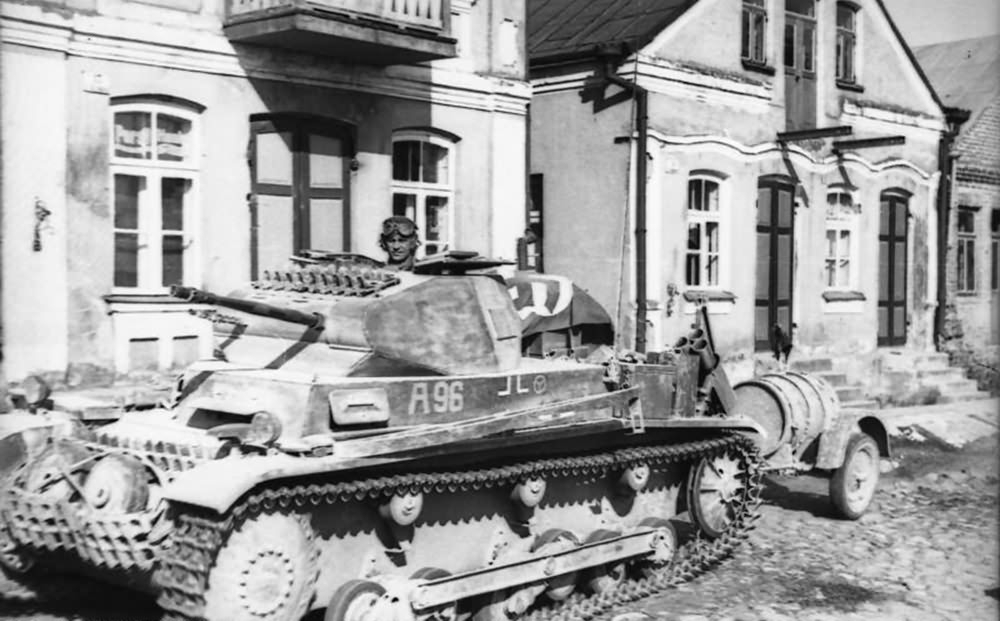
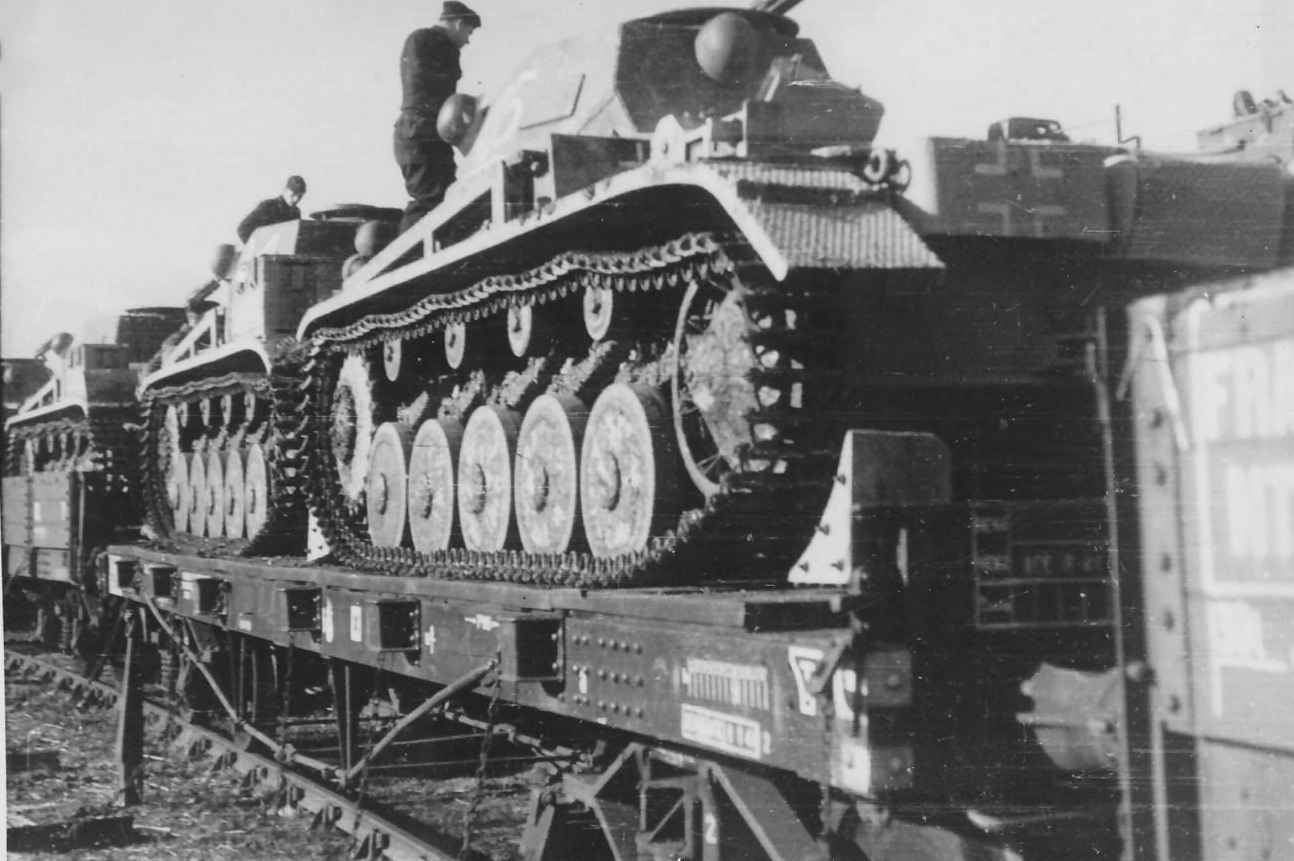
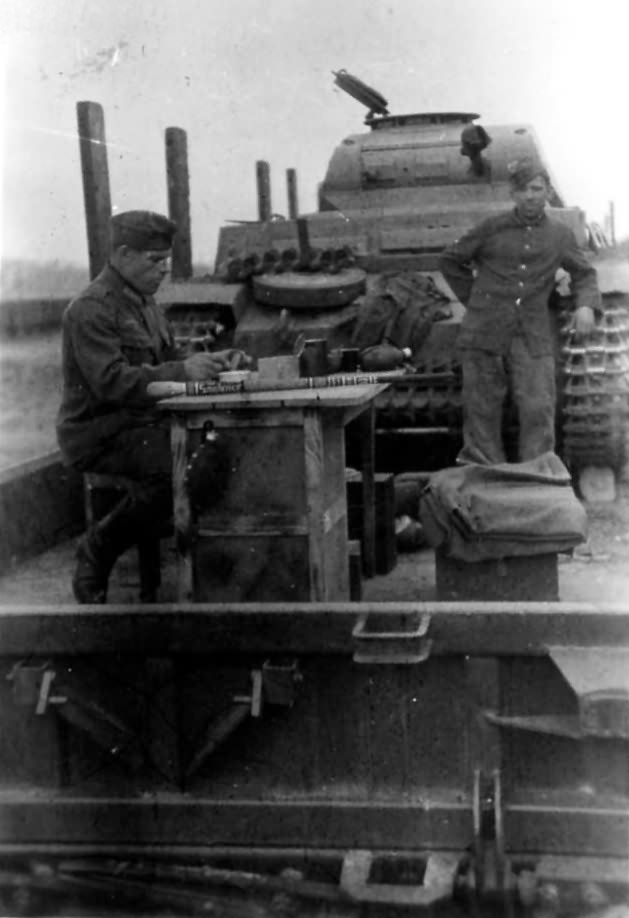
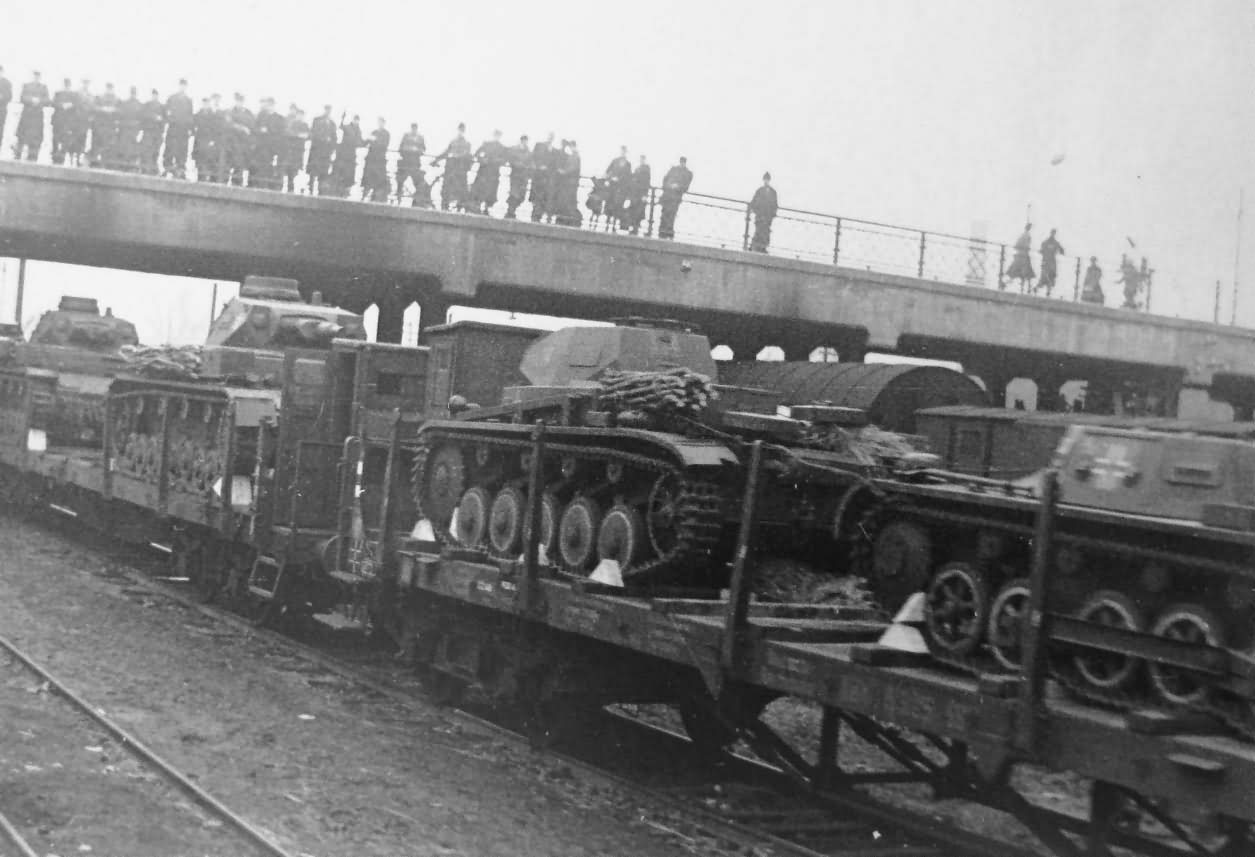
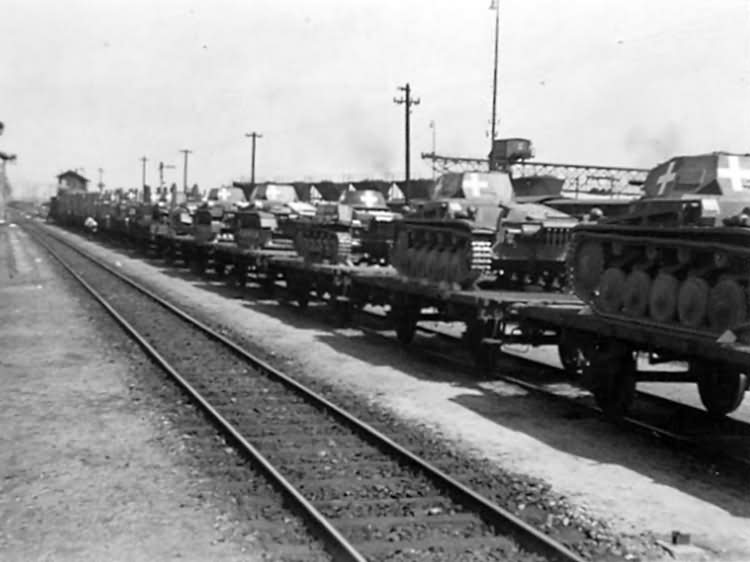
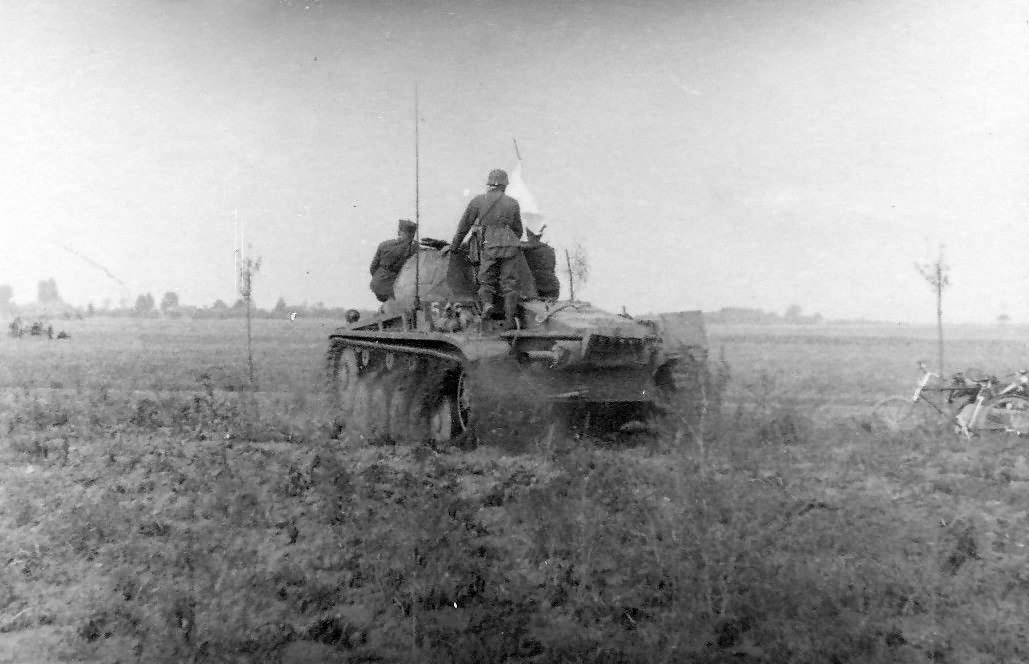
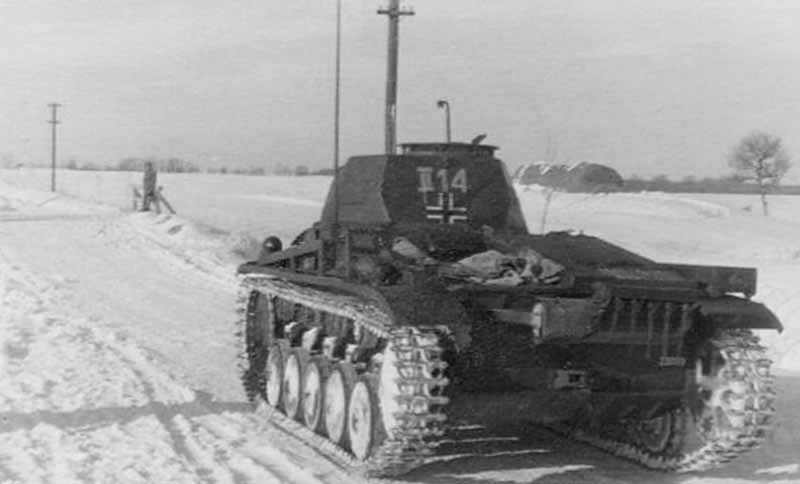
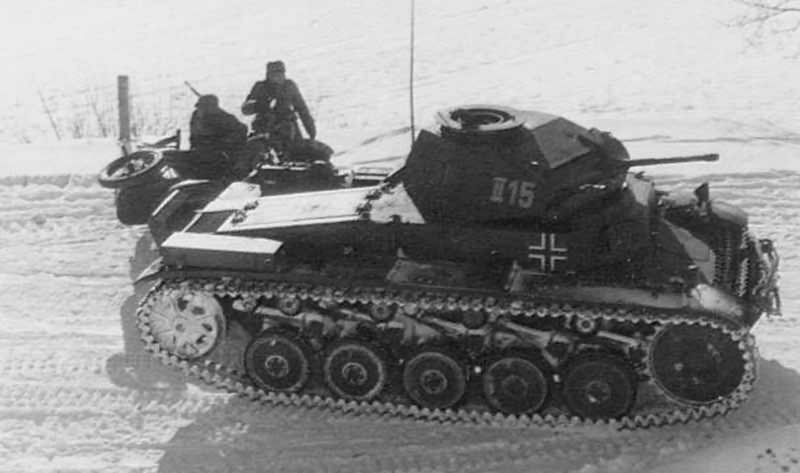
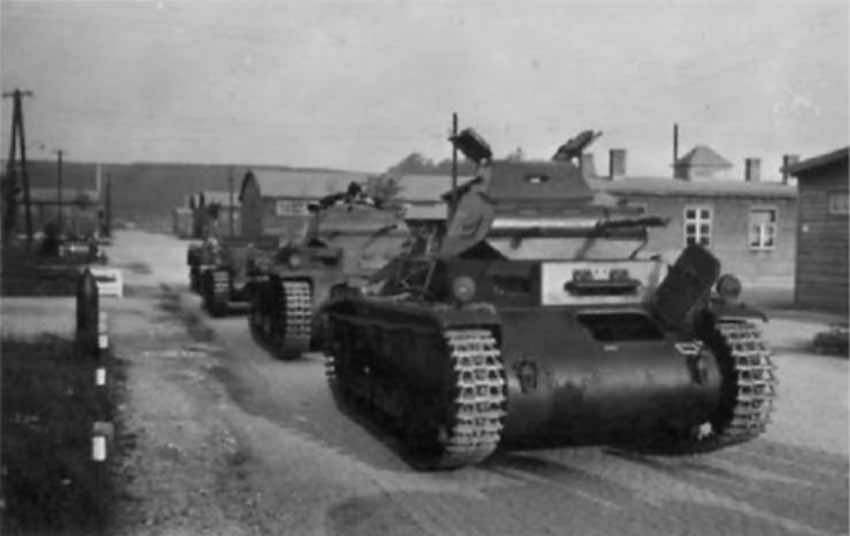
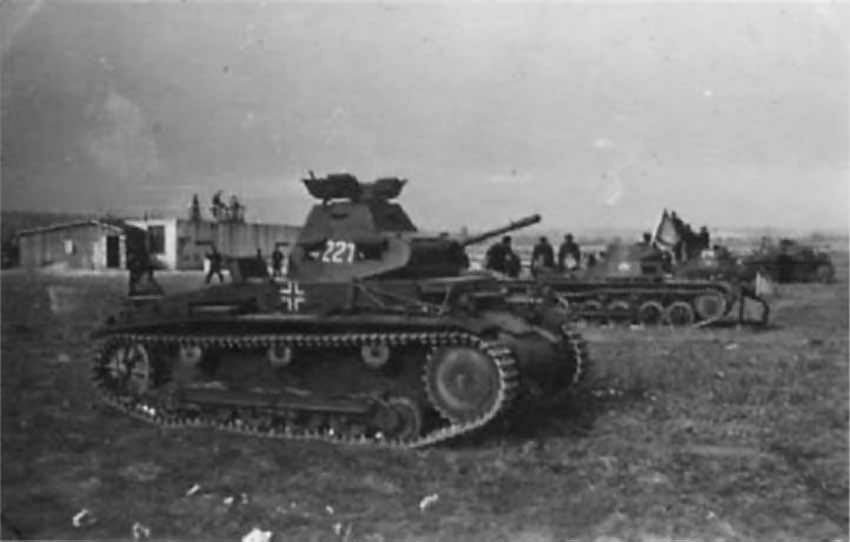
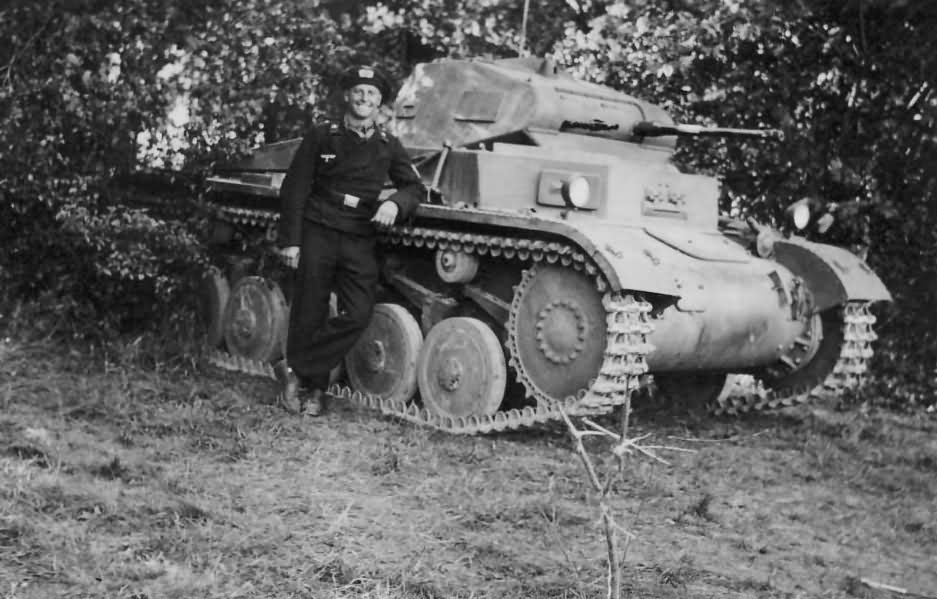
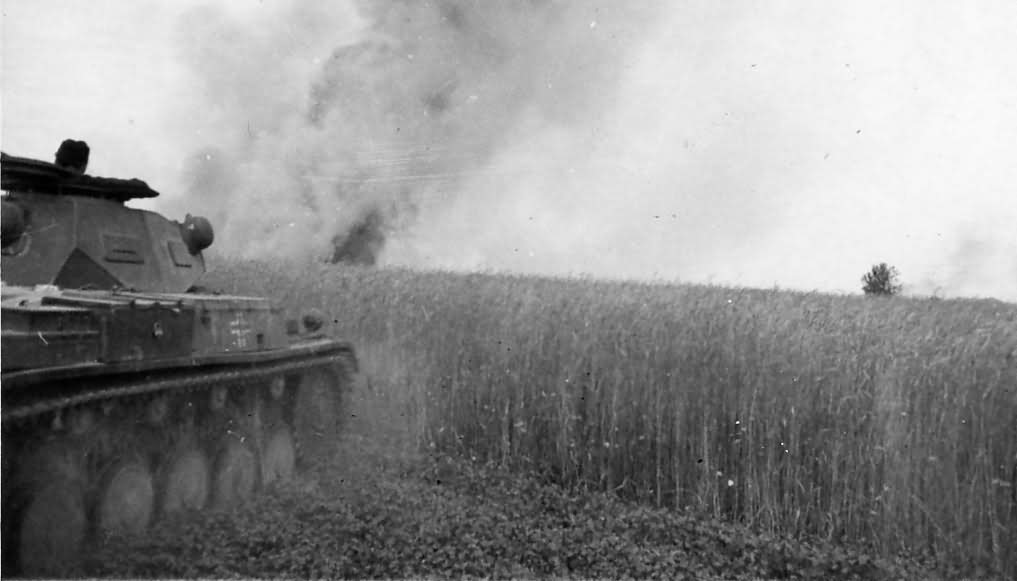
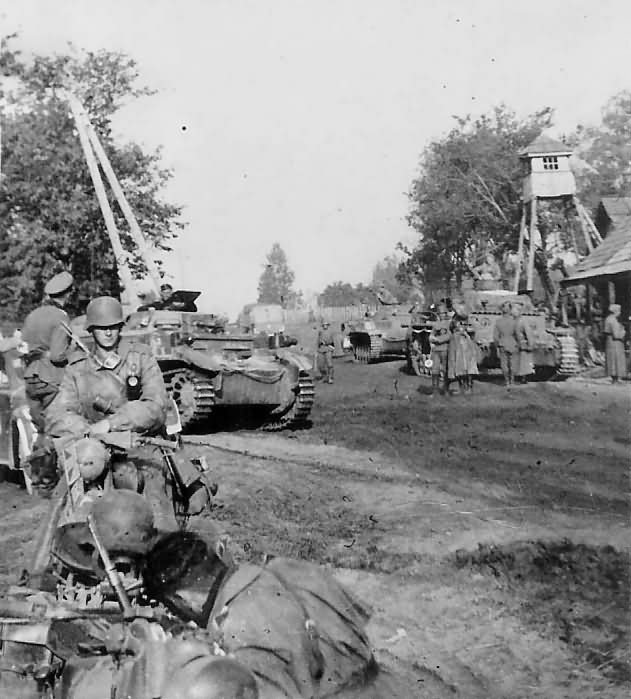
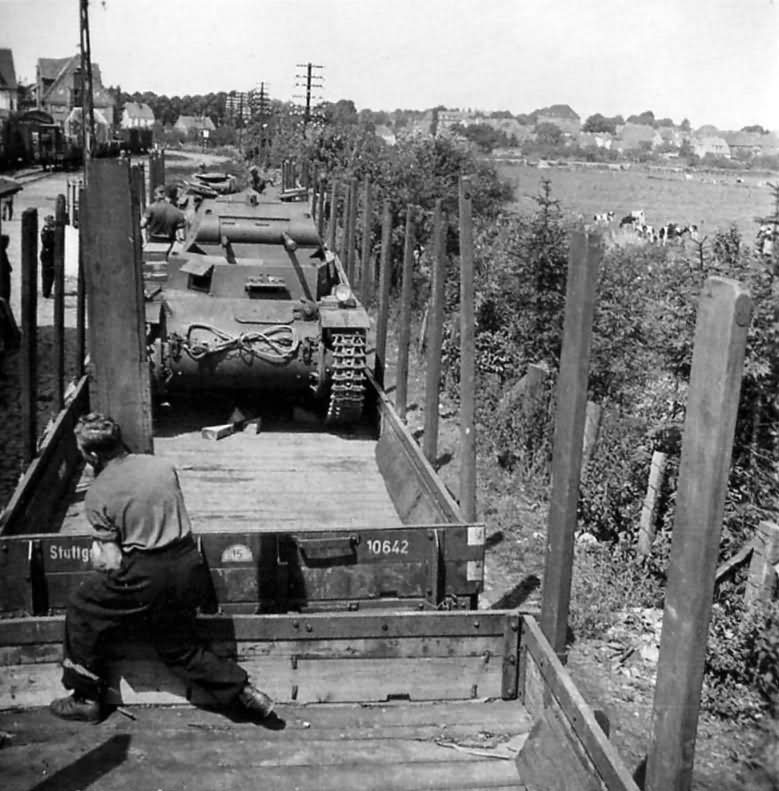
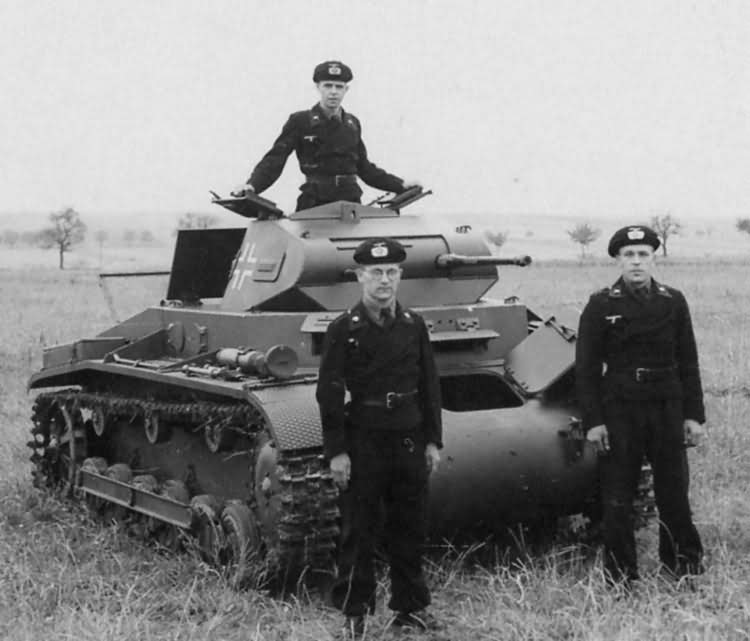
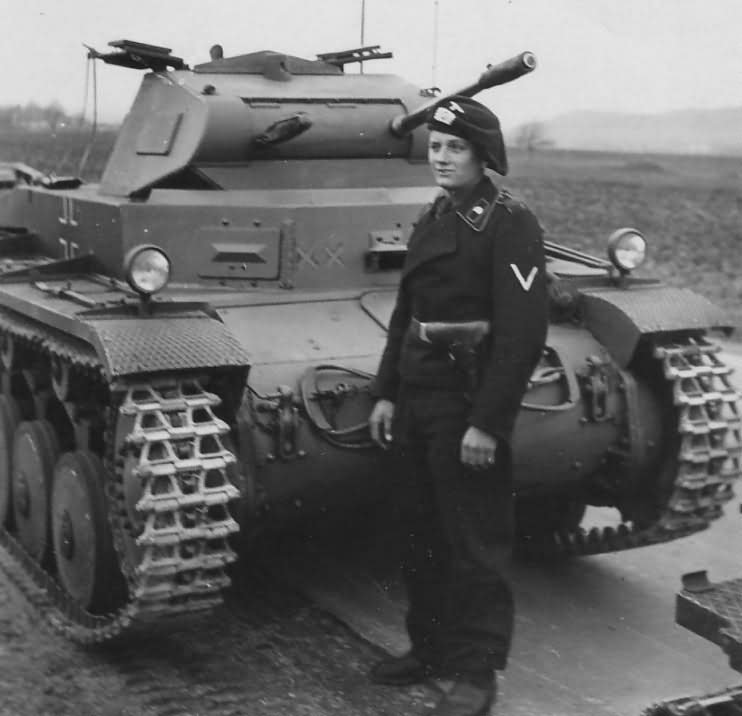
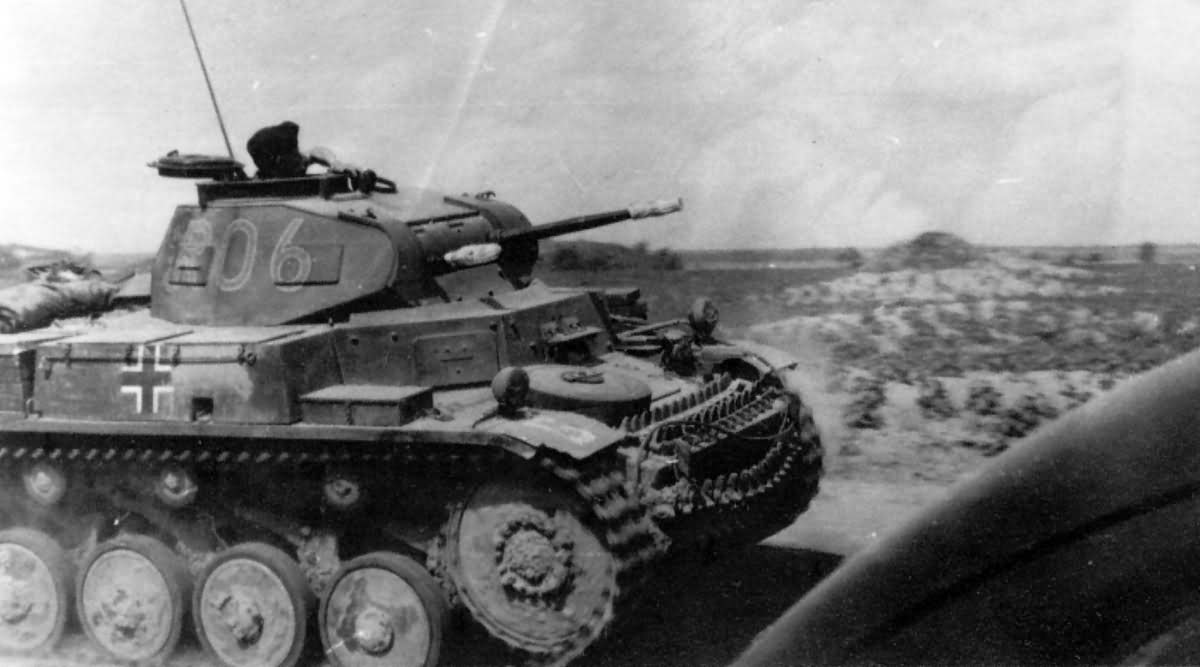
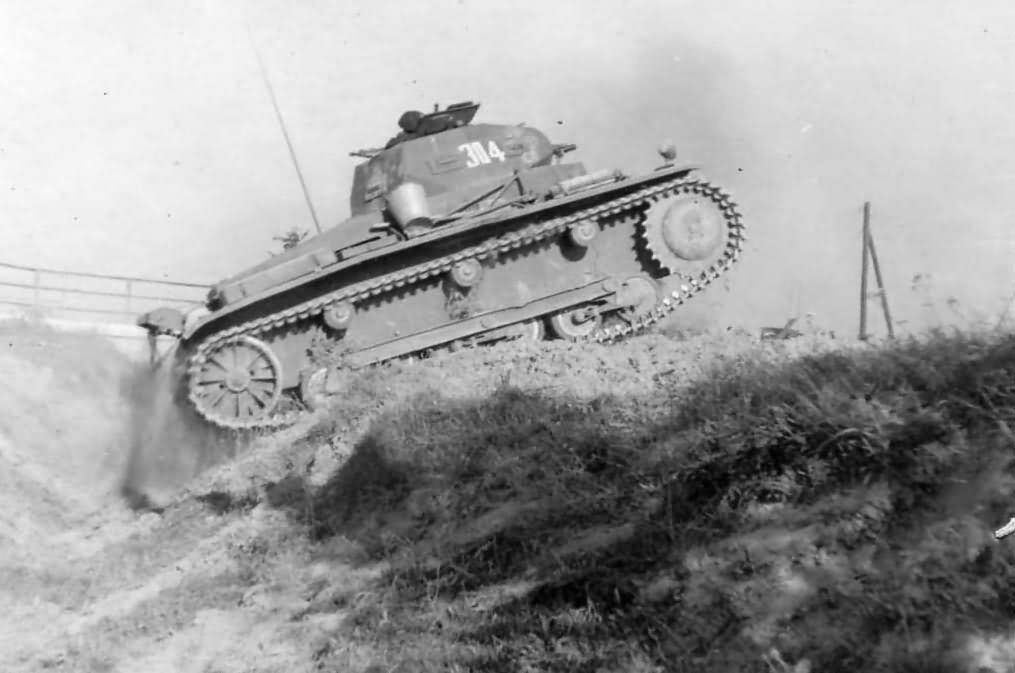
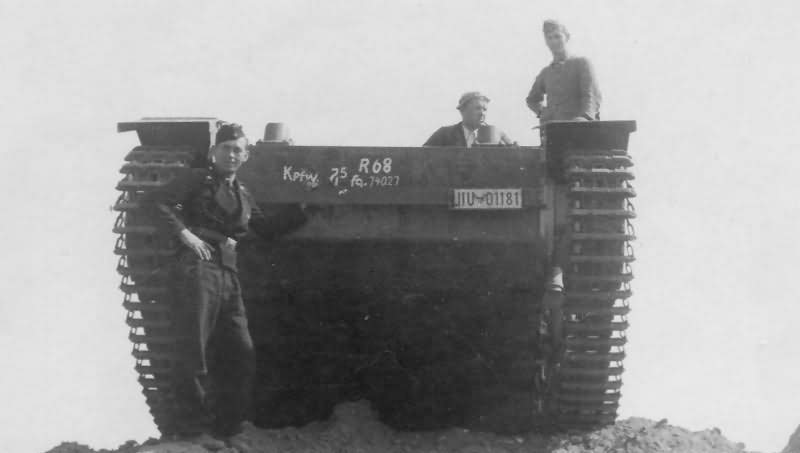
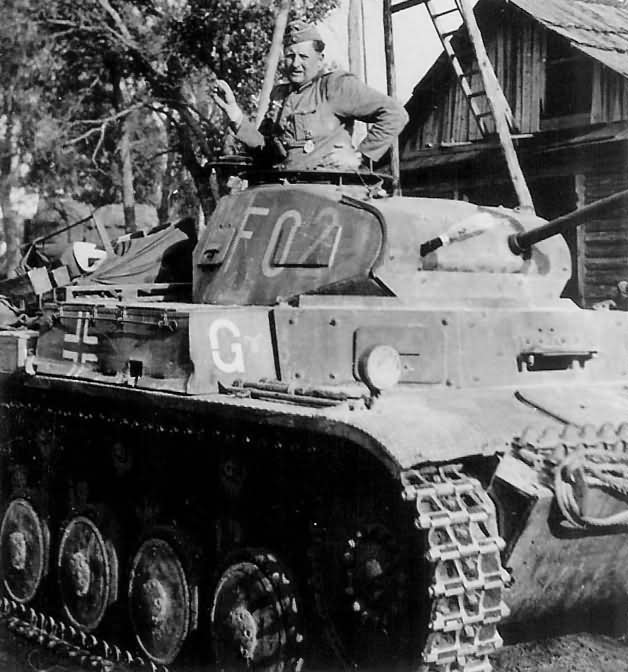
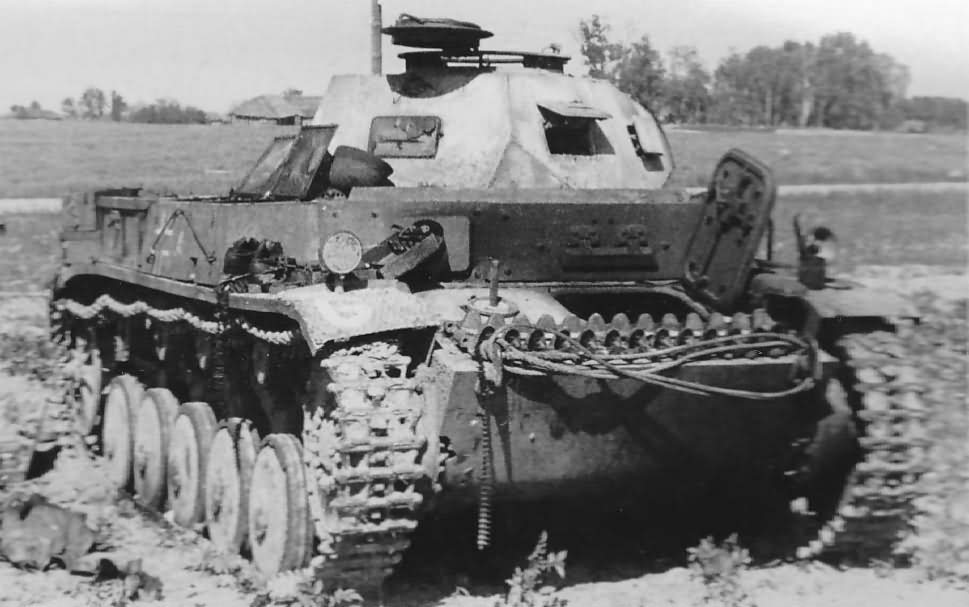
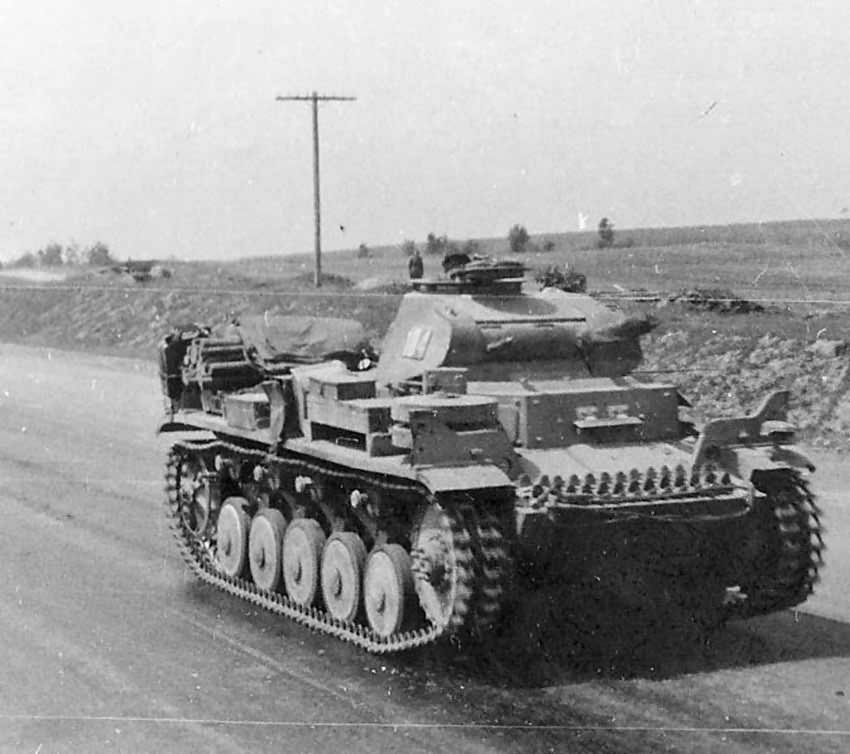
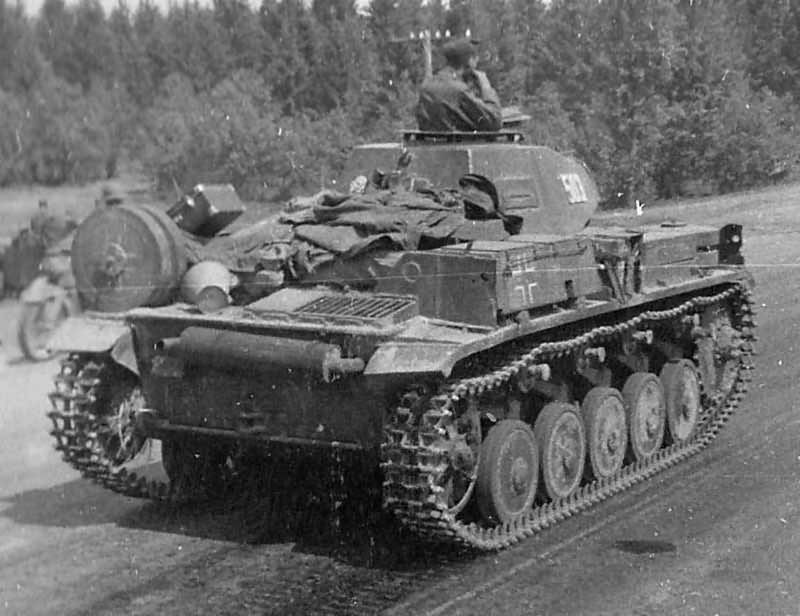
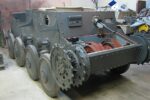
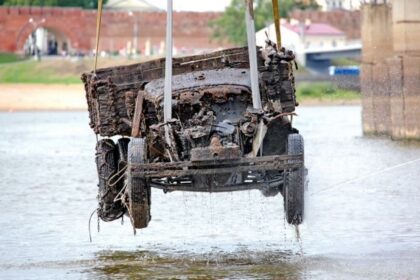
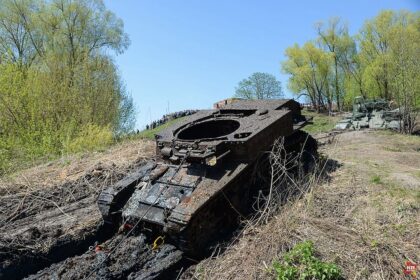
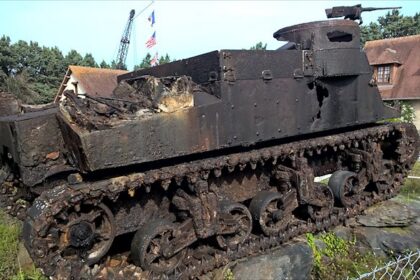
Panzerkampfwagen II (Sd.Kfz. 121) was a German light tank designed in the mid-1930s by MAN and Daimler-Benz as an interim, gun-armed vehicle to supplement the machine gun-only Panzer I until medium tanks entered mass production. Armed with a 2 cm KwK 30 or 38 autocannon and a coaxial 7.92 mm MG 34 machine gun, the 7.6-to-10-ton tank featured a three-man crew and formed the tactical backbone of the Wehrmacht’s armored divisions through the early Blitzkrieg campaigns in Poland, Western Europe, the Balkans, and North Africa. As its light armor (initially up to 14.5 mm, later upgraded to 30–35 mm) and low-caliber armament proved increasingly ineffective against enemy tanks like the T-34 or French armor, the Panzer II was gradually phased out of front-line combat roles after 1941, transitioning to reconnaissance, command, and anti-partisan duties—culminating in the purpose-built Ausf. L “Luchs” reconnaissance variant. Over 1,800 combat tanks were produced through early 1944, and its reliable chassis served as the foundation for numerous vital self-propelled guns and tank destroyers, including the Wespe and Marder II.