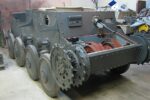
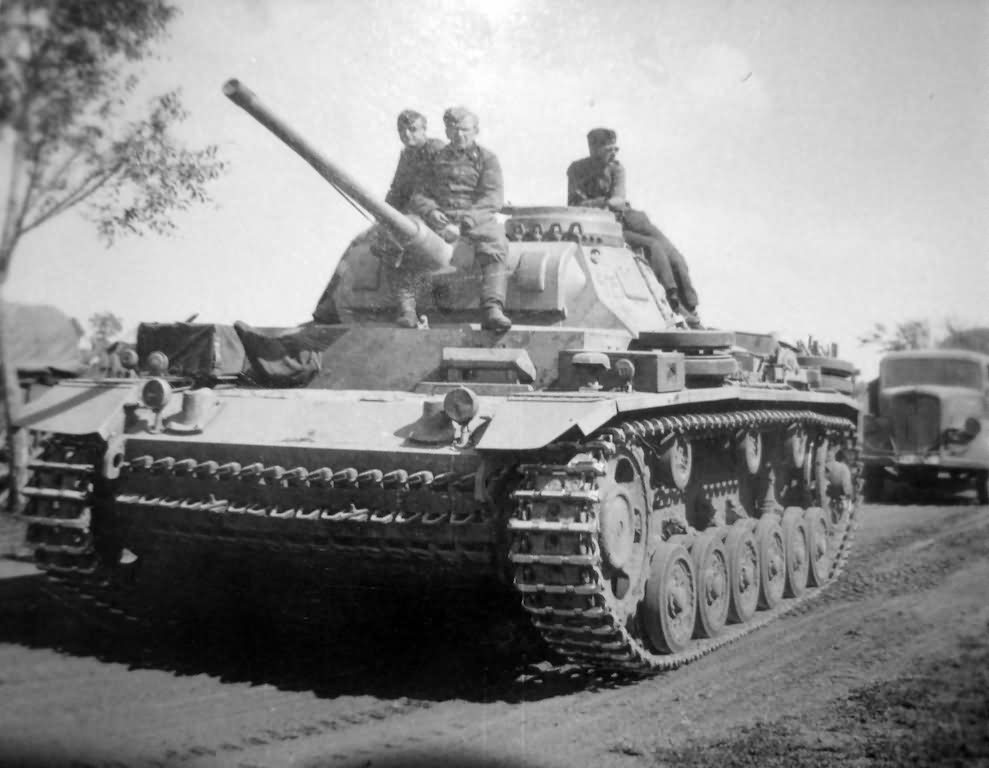
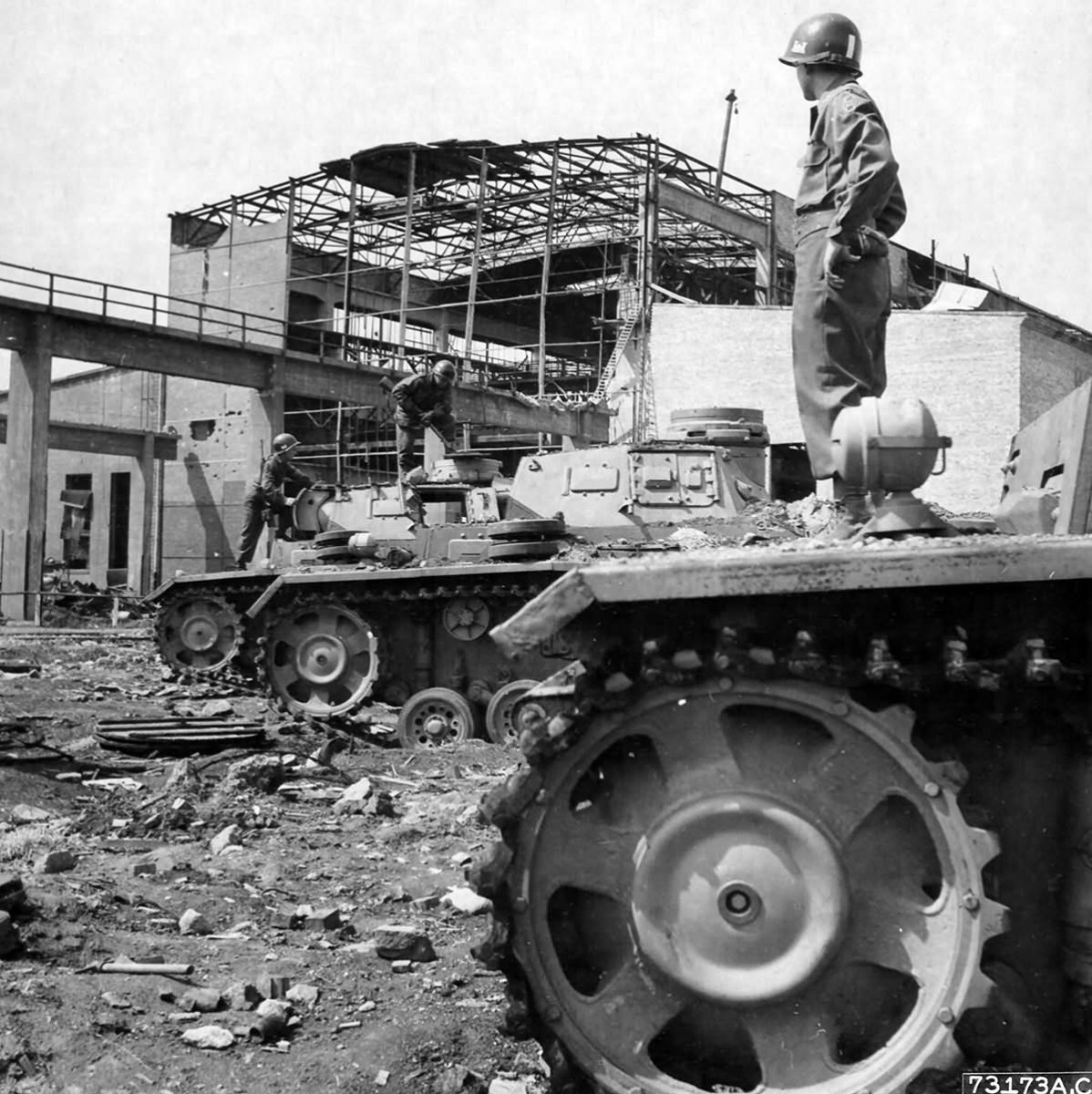
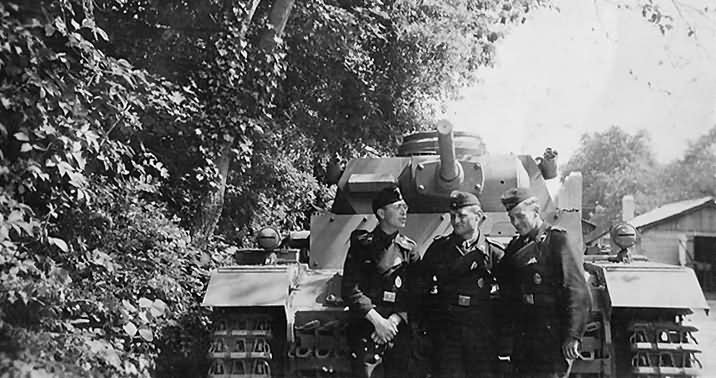
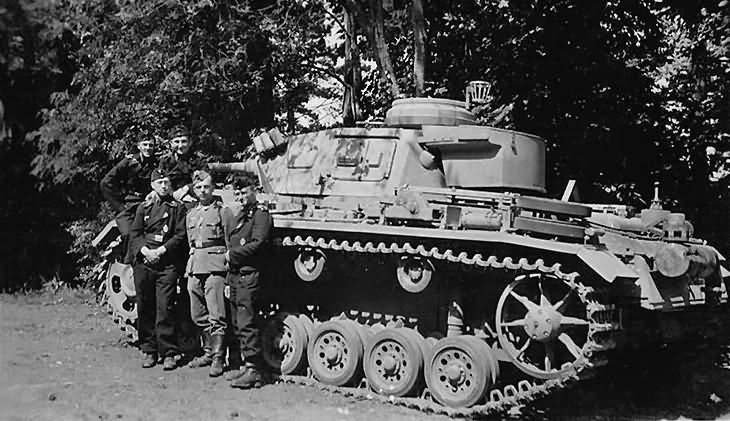
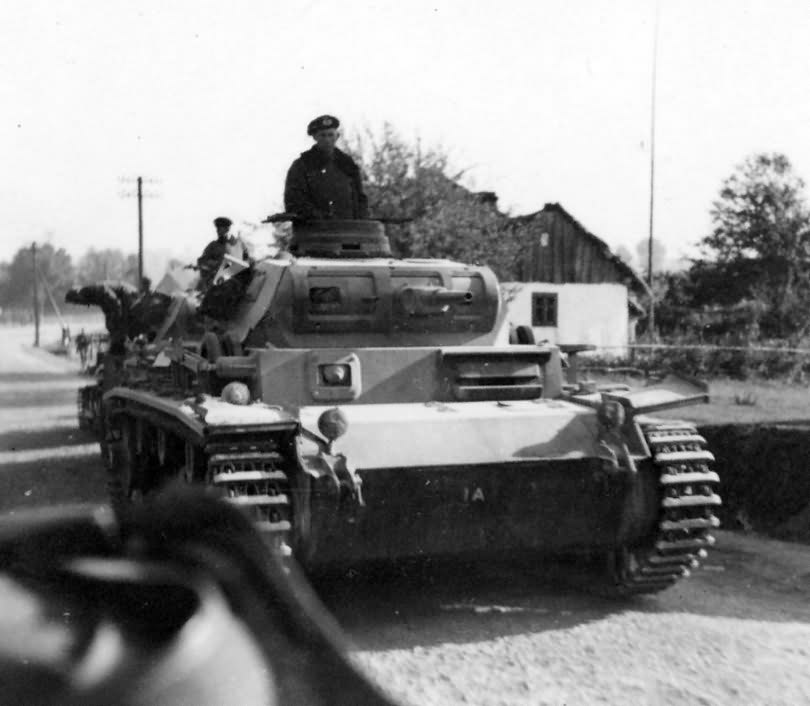
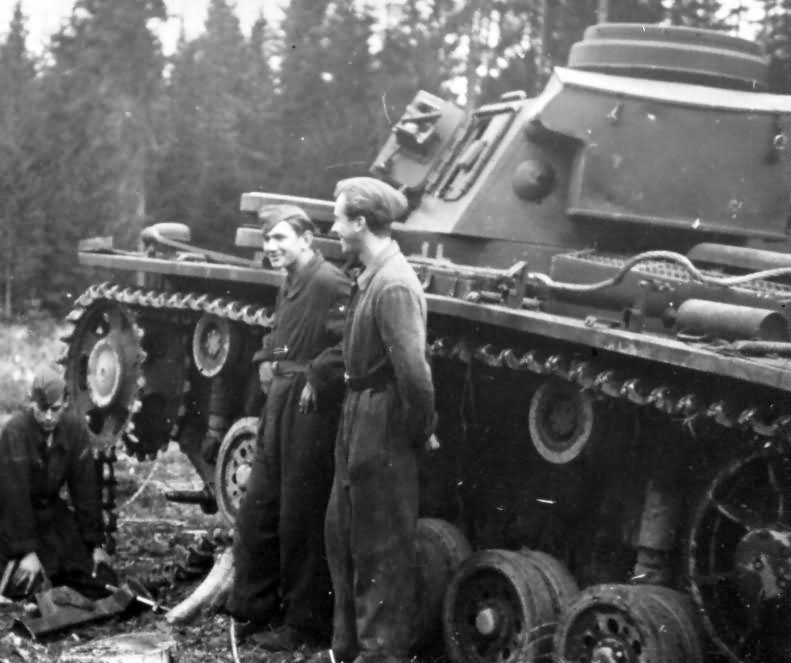
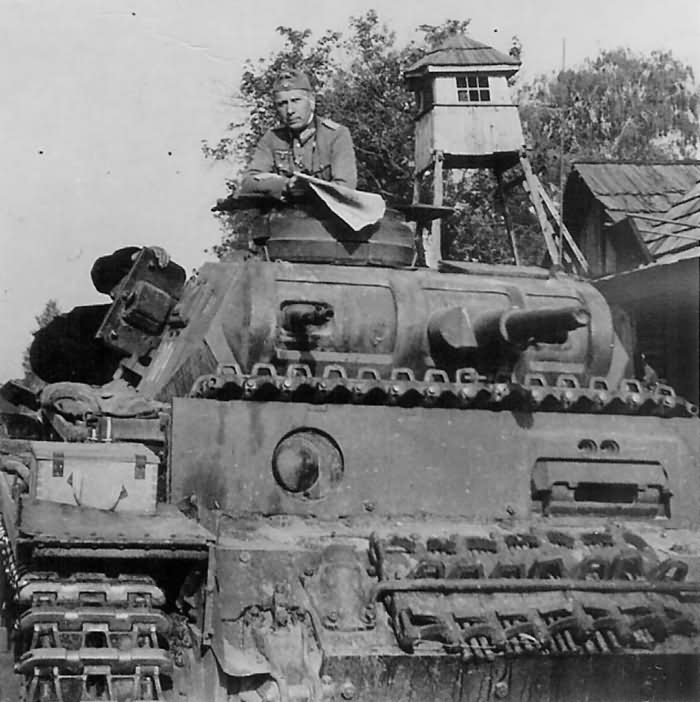
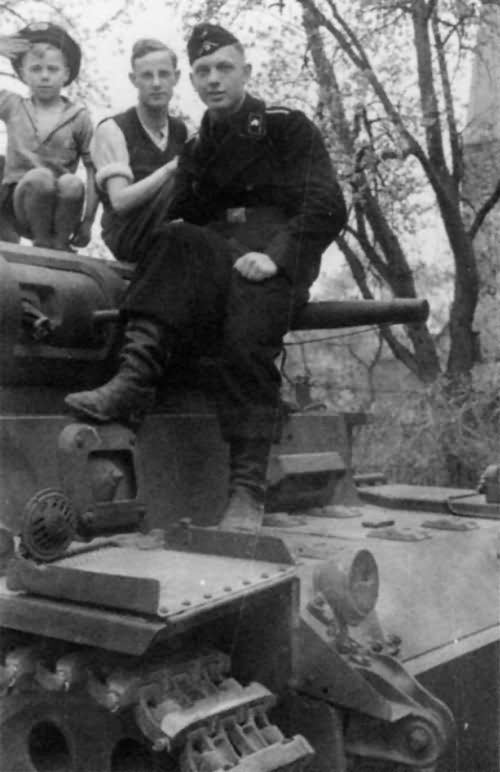
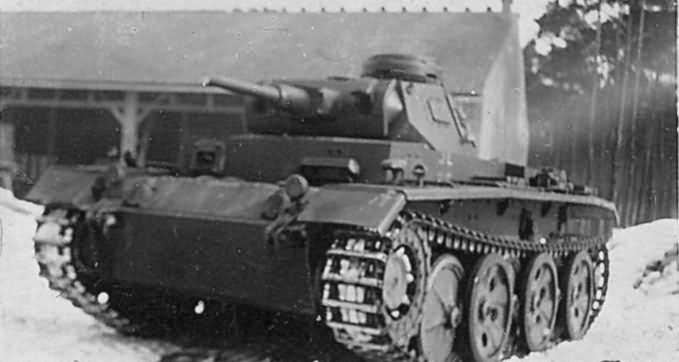
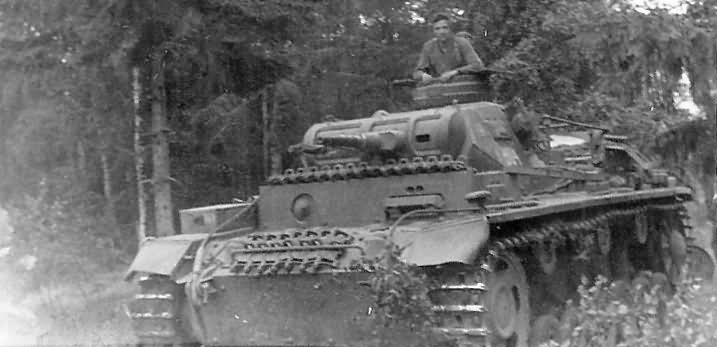
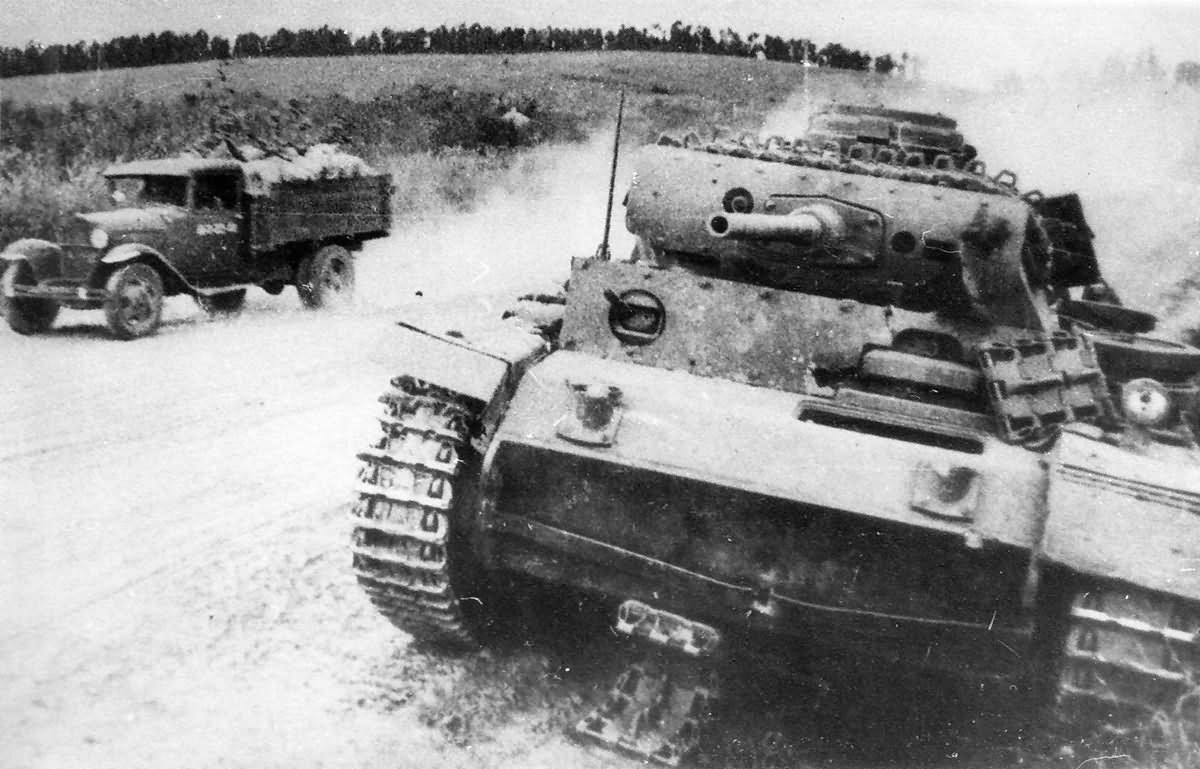
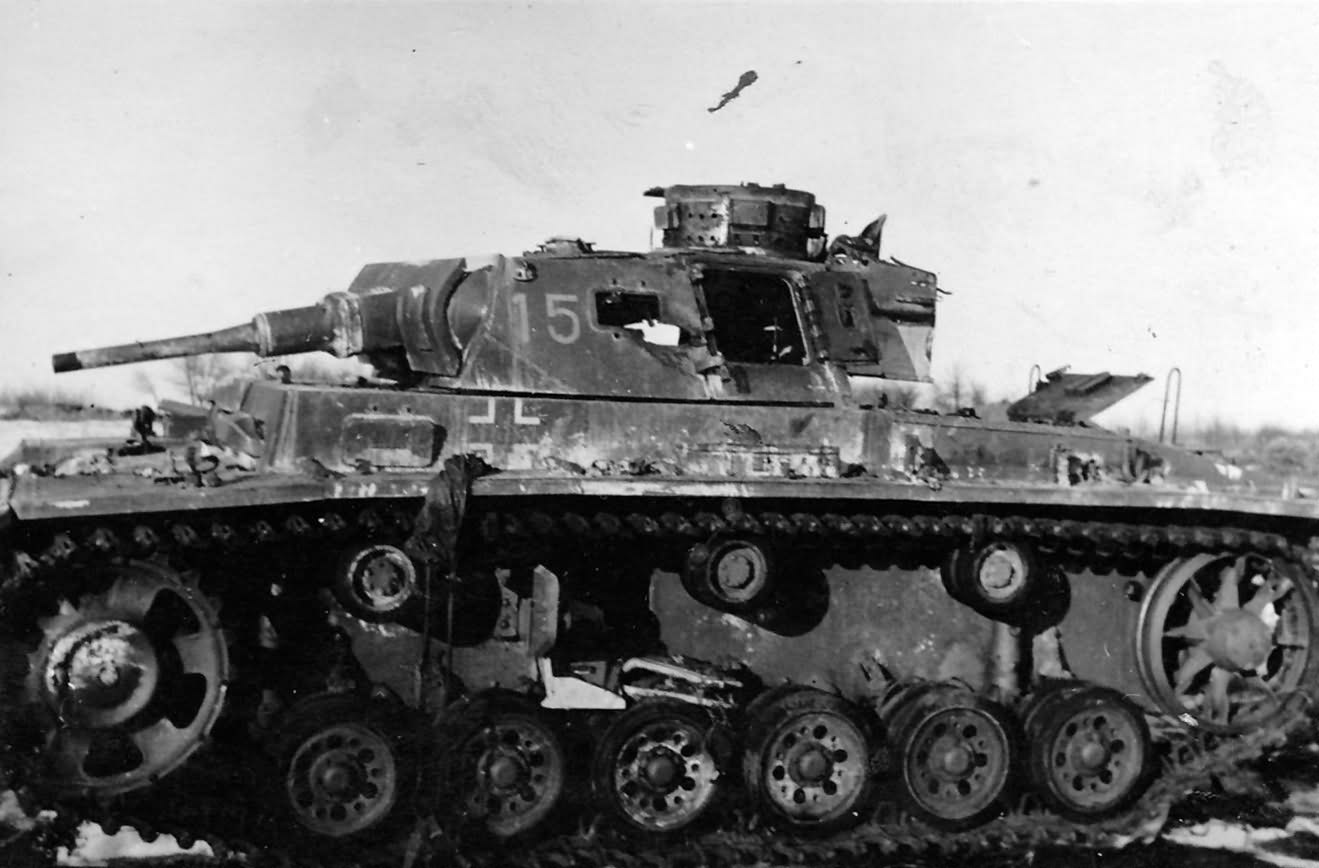
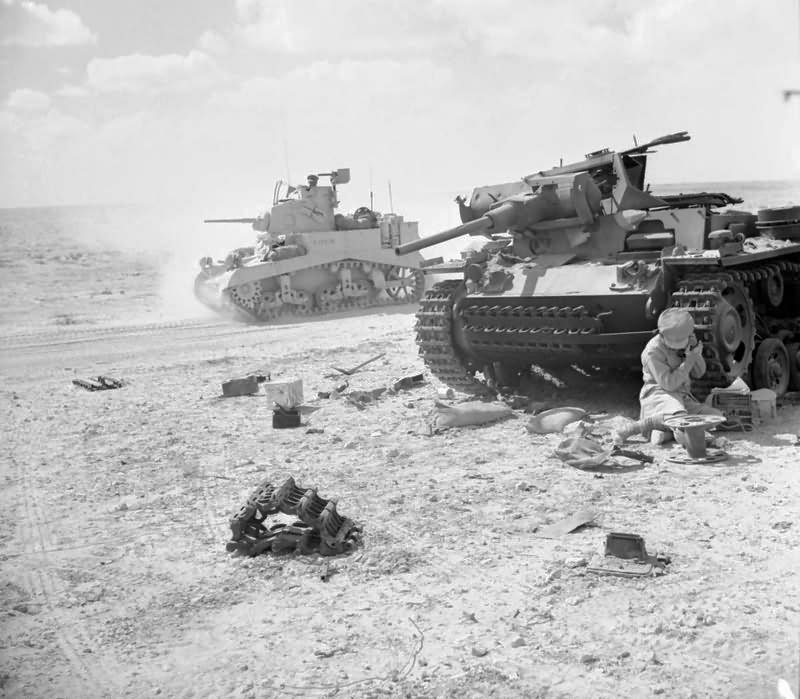
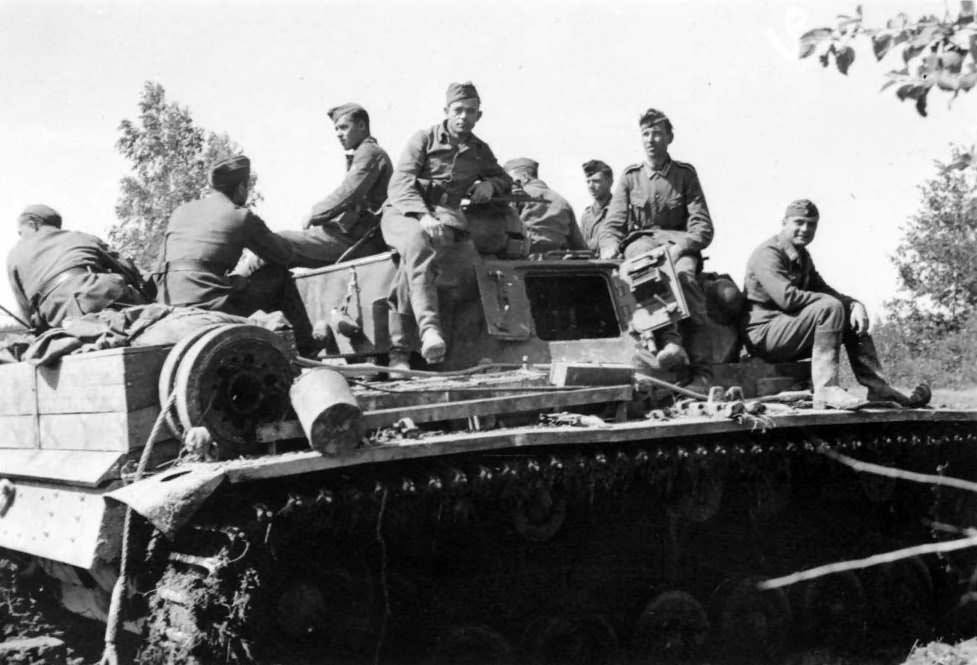
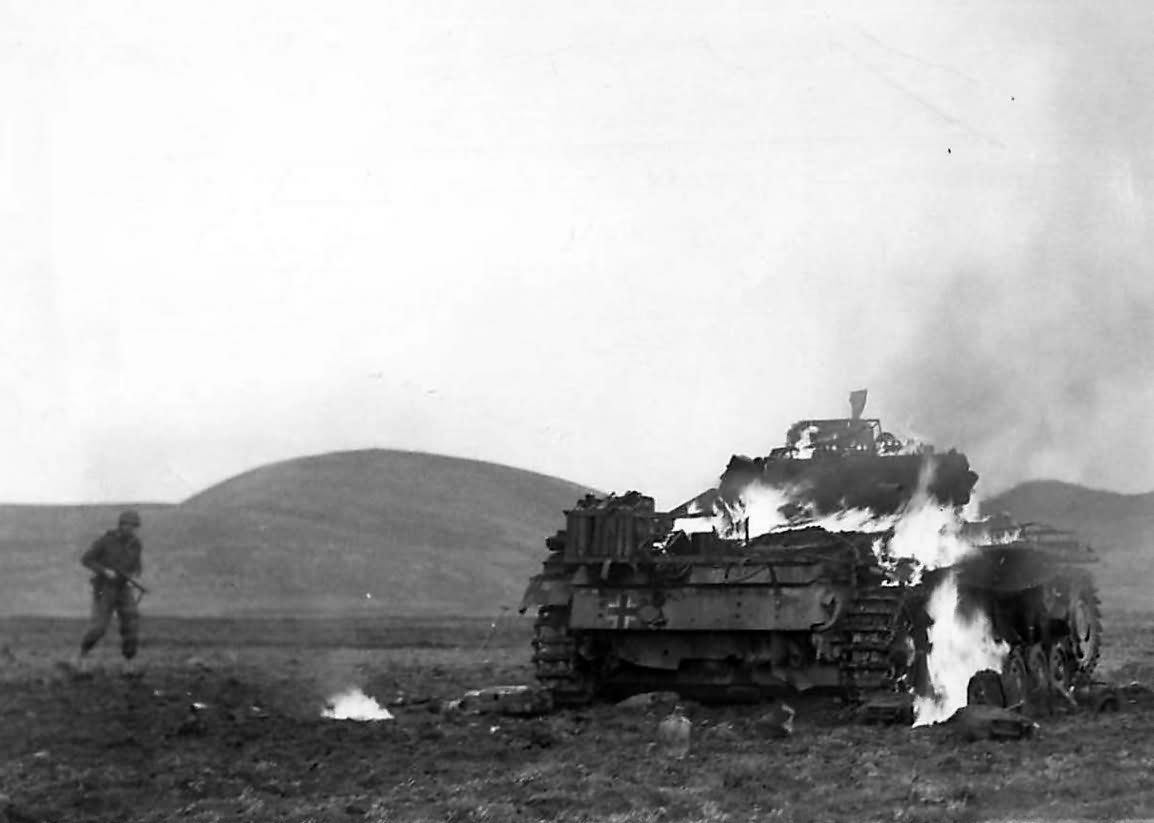
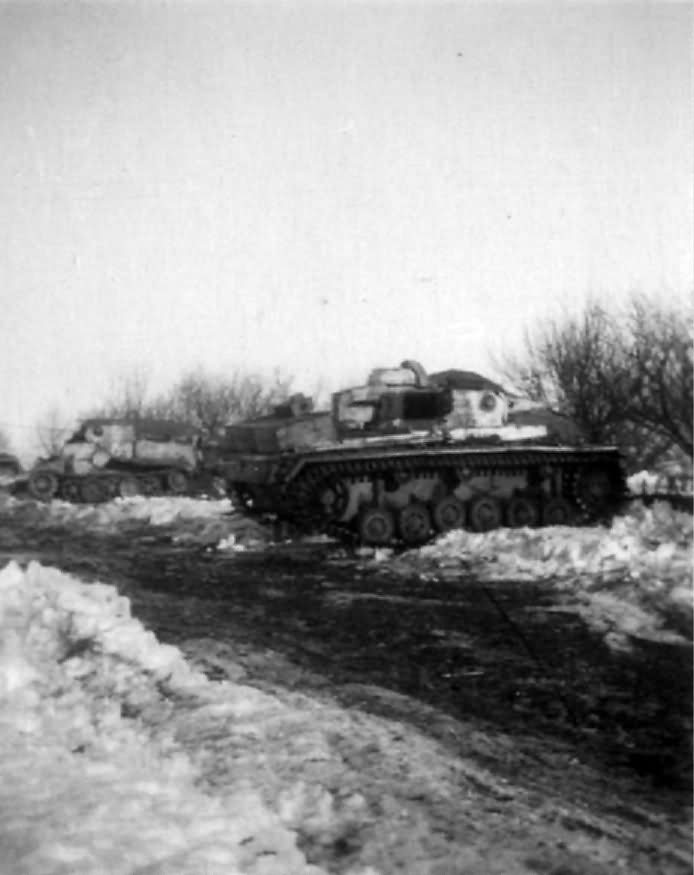
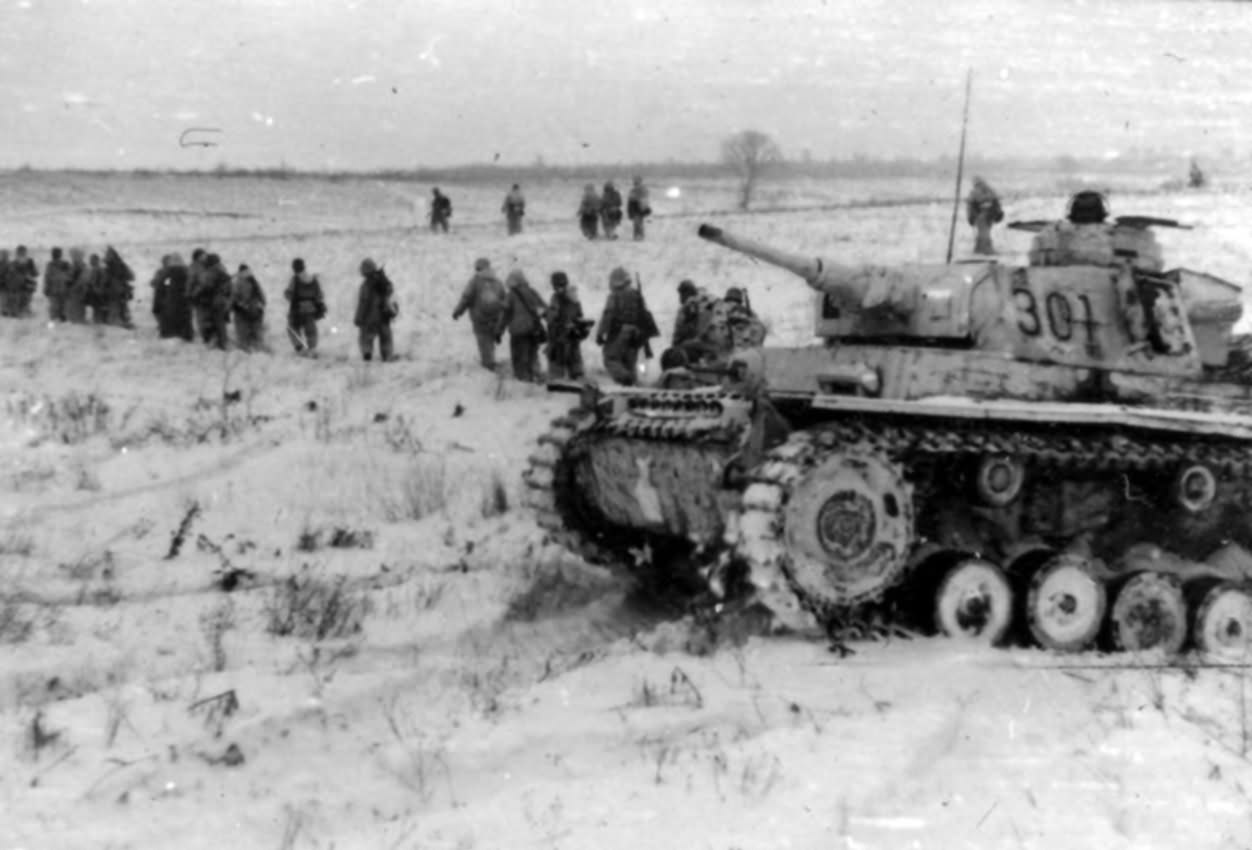
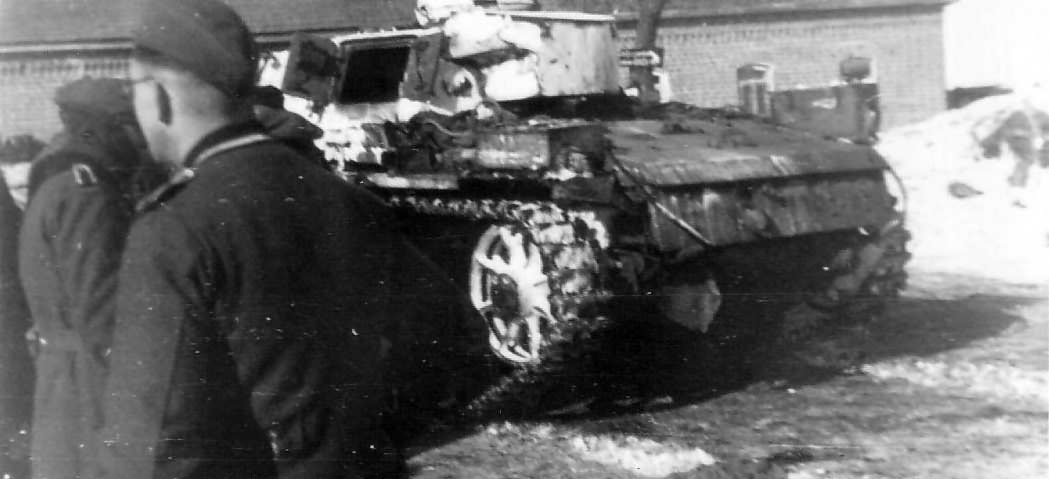
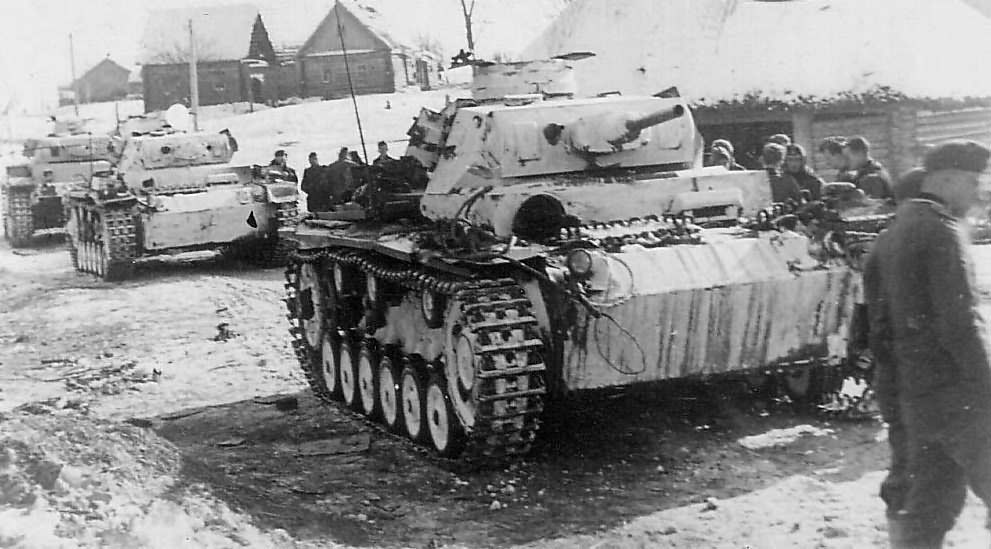
The Panzerkampfwagen III (Sd.Kfz. 141) was a German medium tank designed by Daimler-Benz in the mid-1930s to serve as the main armor-fighting backbone of the Wehrmacht’s armored divisions. Originally entering production in 1937 with a 3.7 cm KwK 36 main gun and thin armor, the design evolved rapidly through numerous production variants (Ausf. A through N)—adopting a 6-wheel torsion-bar suspension, up to 50–70 mm of frontal armor, and progressively more powerful armament, including the 5 cm KwK 38 L/42 and long-barreled 5 cm KwK 39 L/60. During the invasion of Poland and Western Europe, early models faced severe protection and firepower shortcomings against heavier Allied armor, but by the onset of Operation Barbarossa and through 1942, up-gunned variants formed the core of Germany’s tank force. Because its turret ring was ultimately too small to accommodate long-barreled 7.5 cm anti-tank guns needed to defeat Soviet T-34s and KV tanks, gun production shifted to the close-support Ausf. N (armed with the short 7.5 cm KwK 37 L/24) before main tank assembly ceased in mid-1943 in favor of the Panzer IV and Panther. In total, around 5,700 gun tanks were manufactured, and its highly reliable chassis continued in heavy production throughout the war as the foundation for the iconic Sturmgeschütz III (StuG III) assault gun.

Oto gotowy, zwięzły opis po angielsku napisany własnymi słowami w postaci jednego ciągłego tekstu: