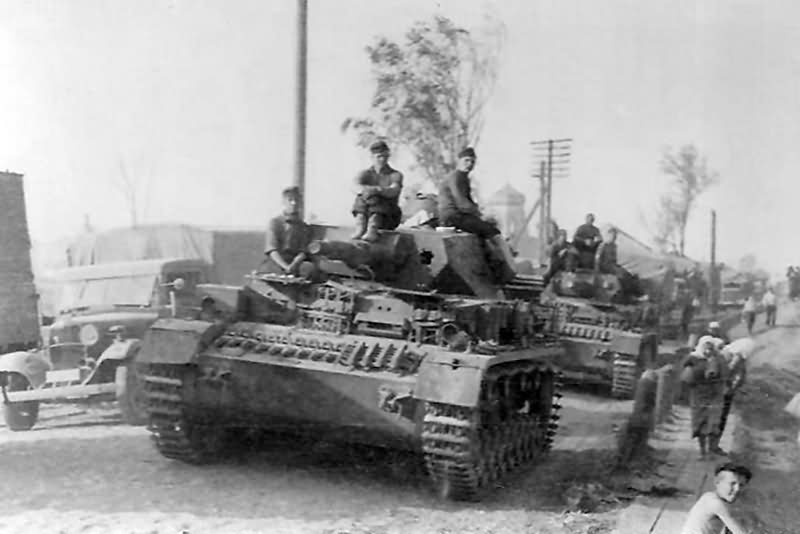
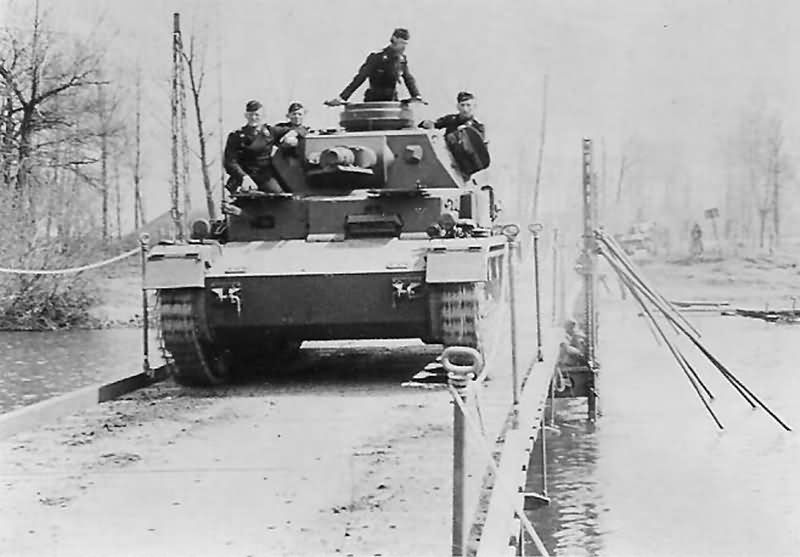
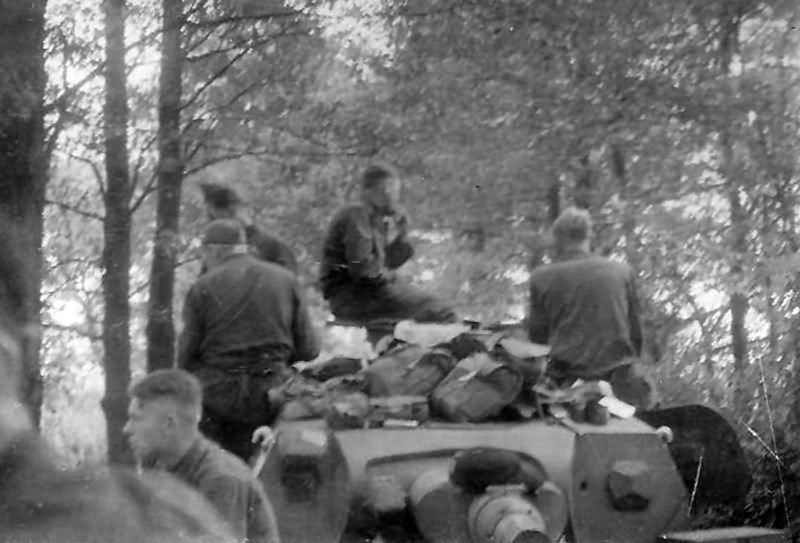
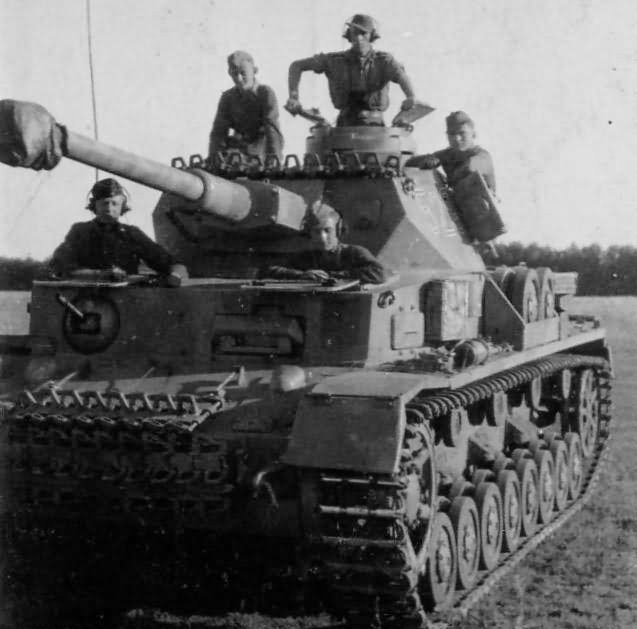
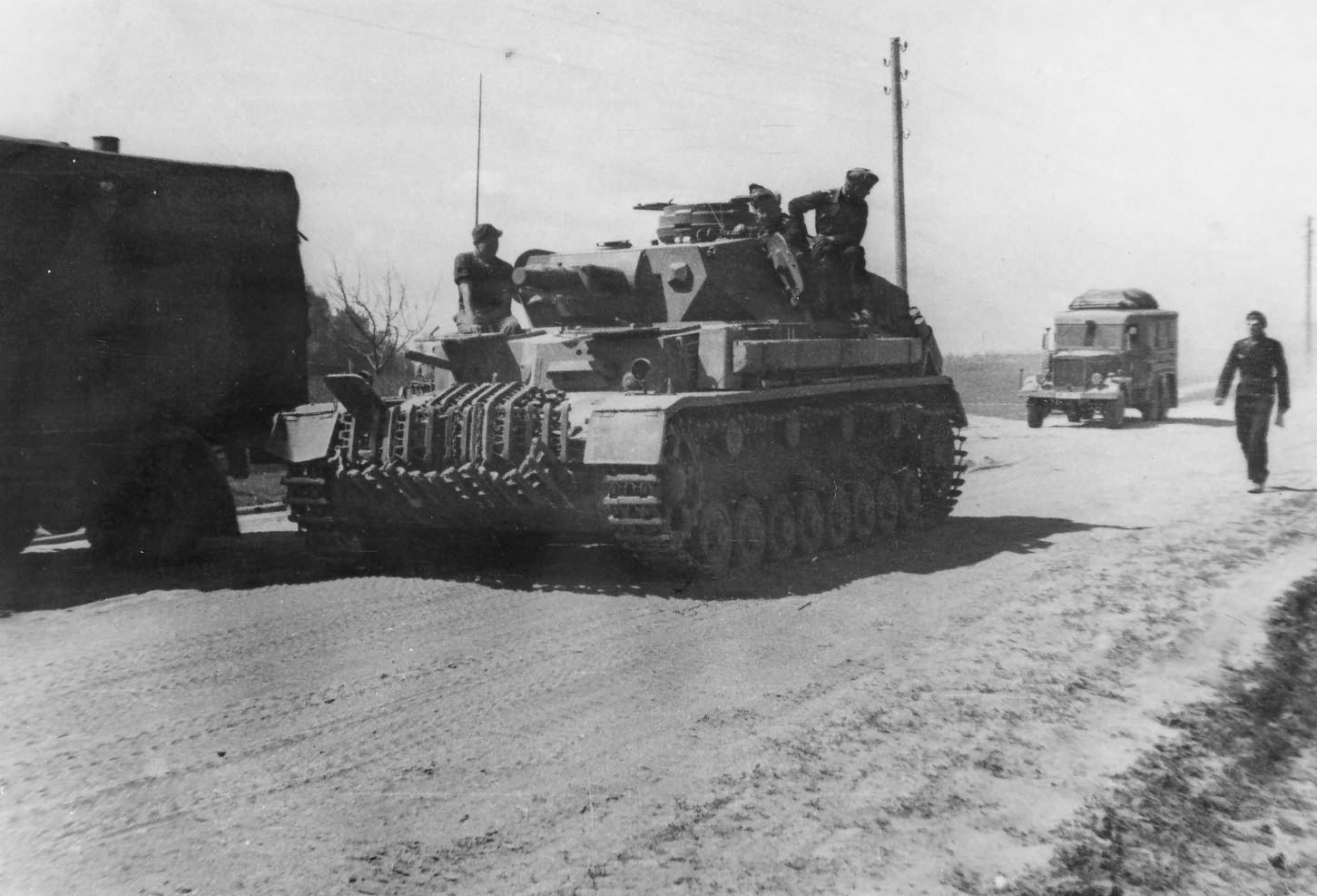
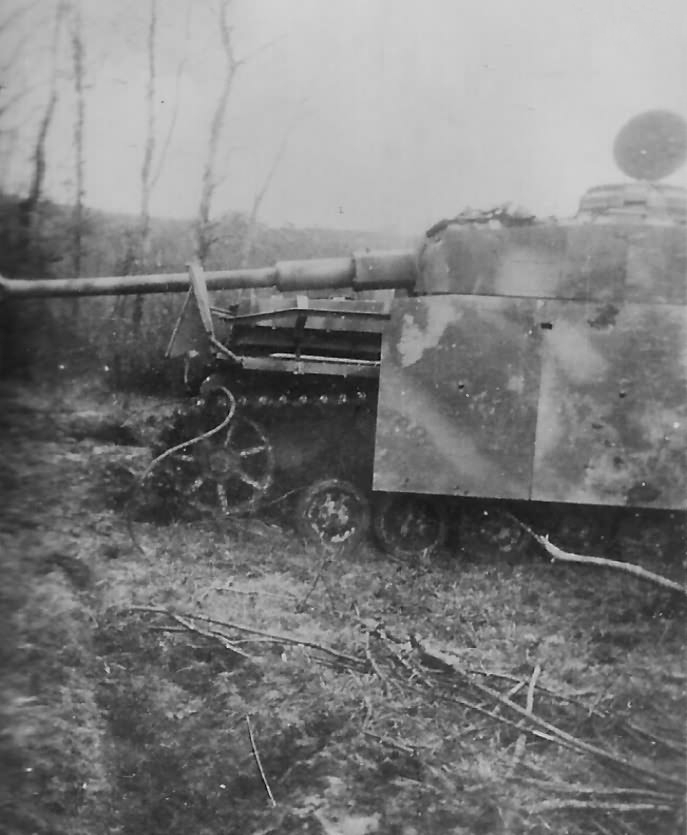
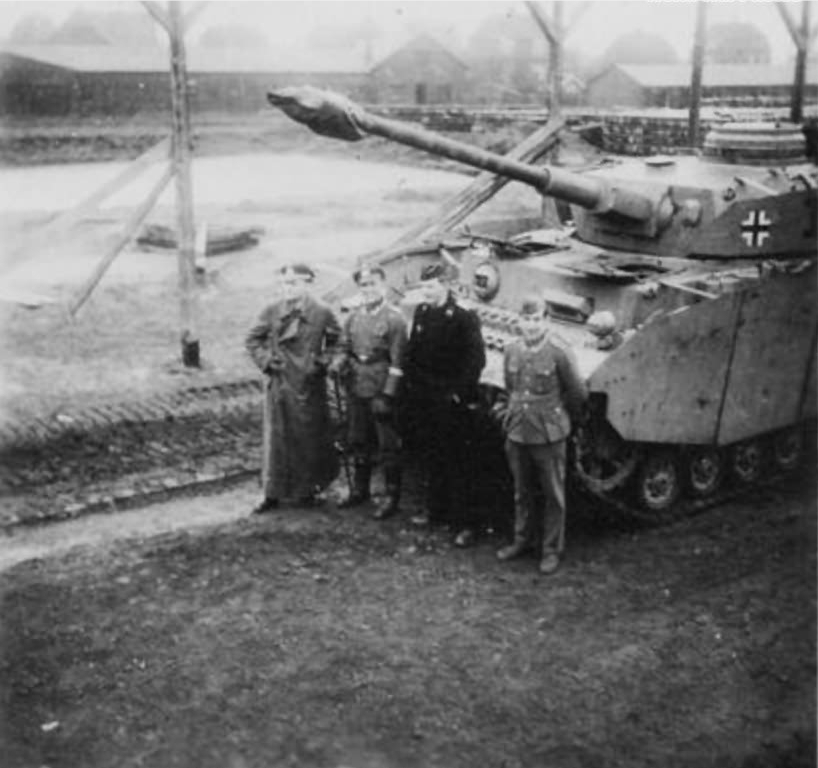
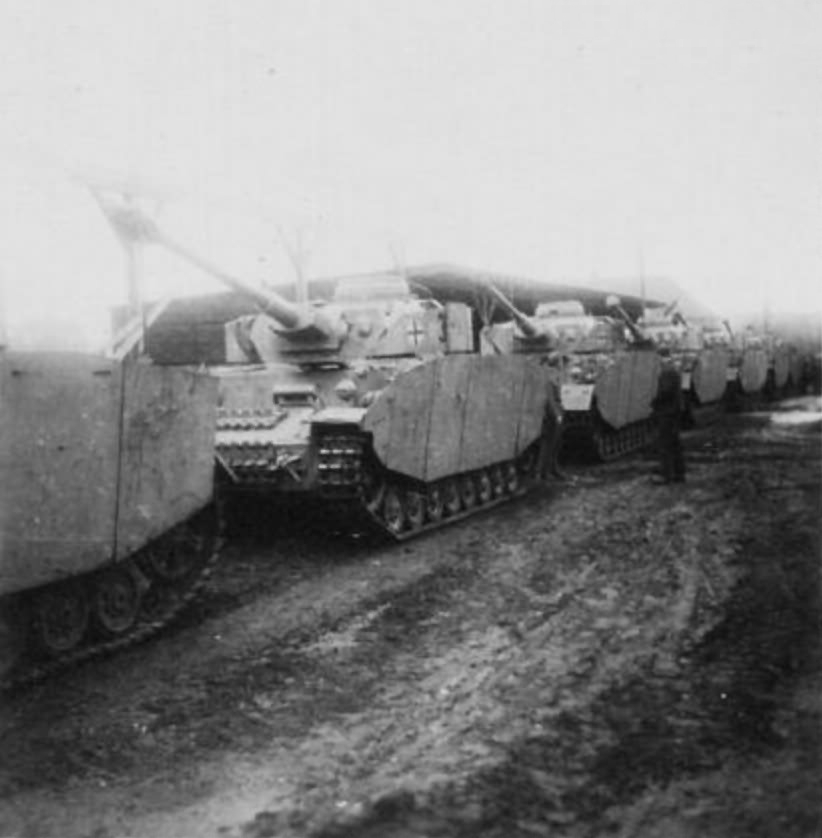
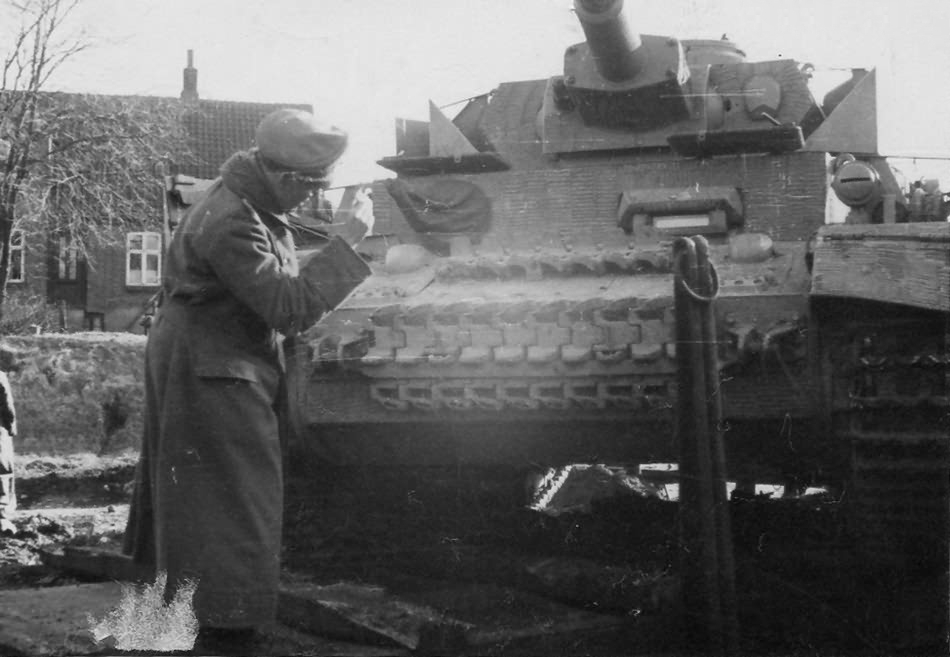
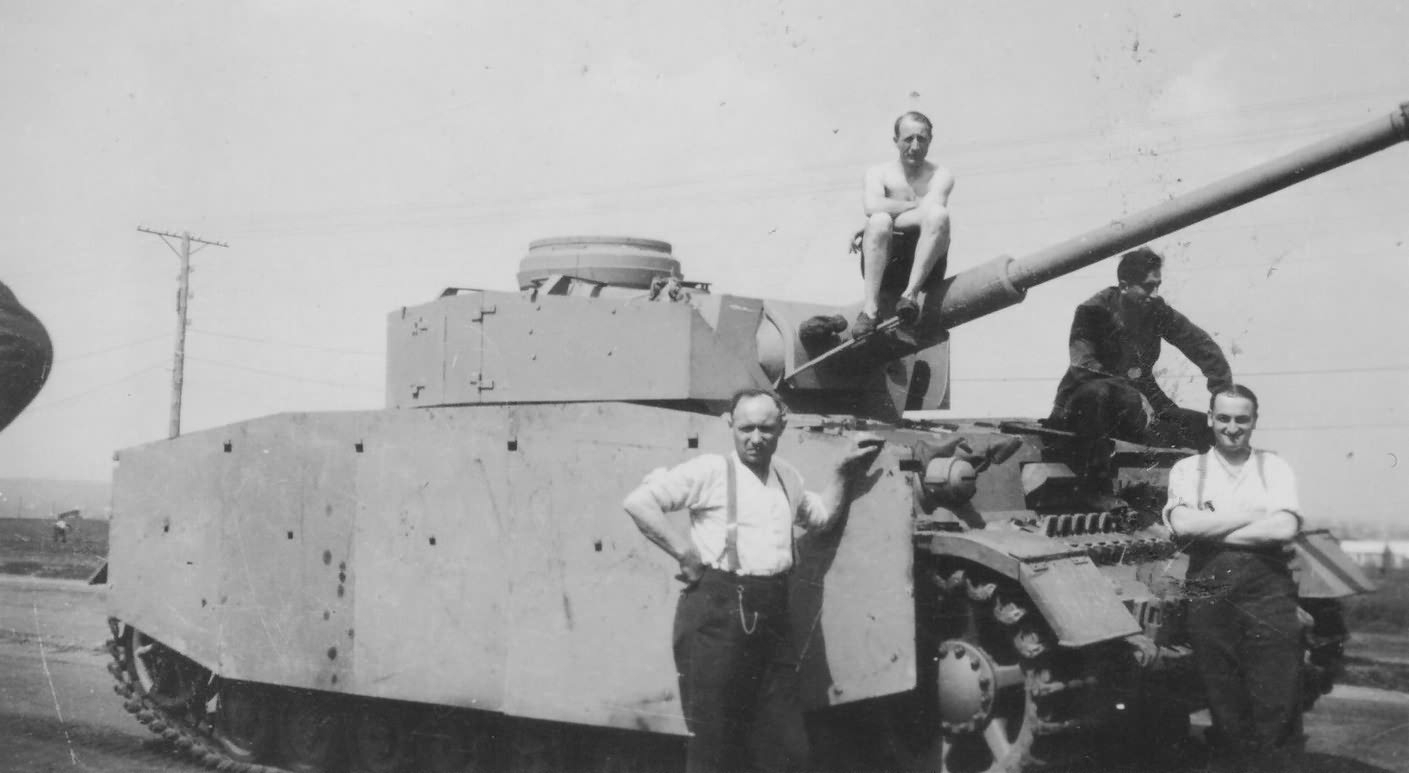
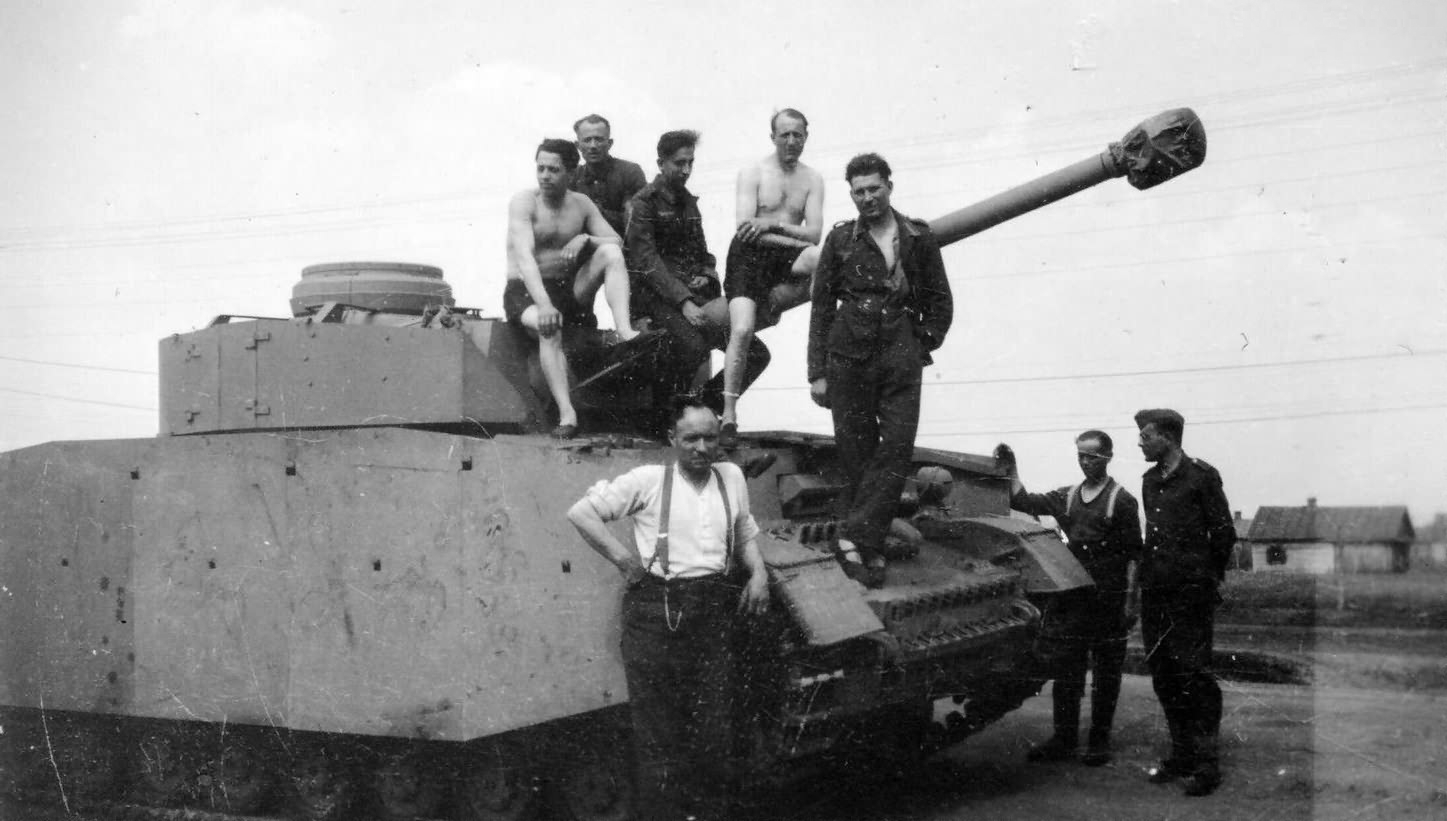
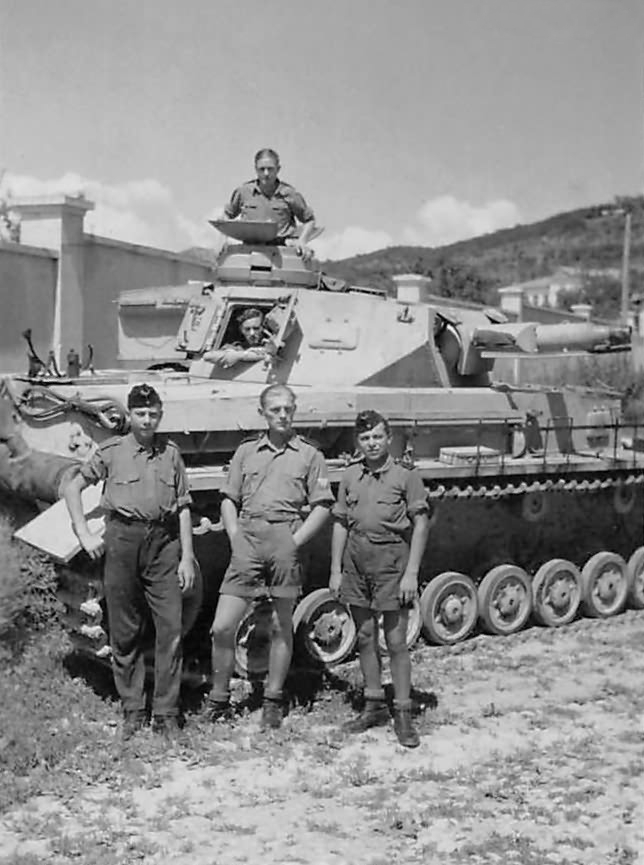
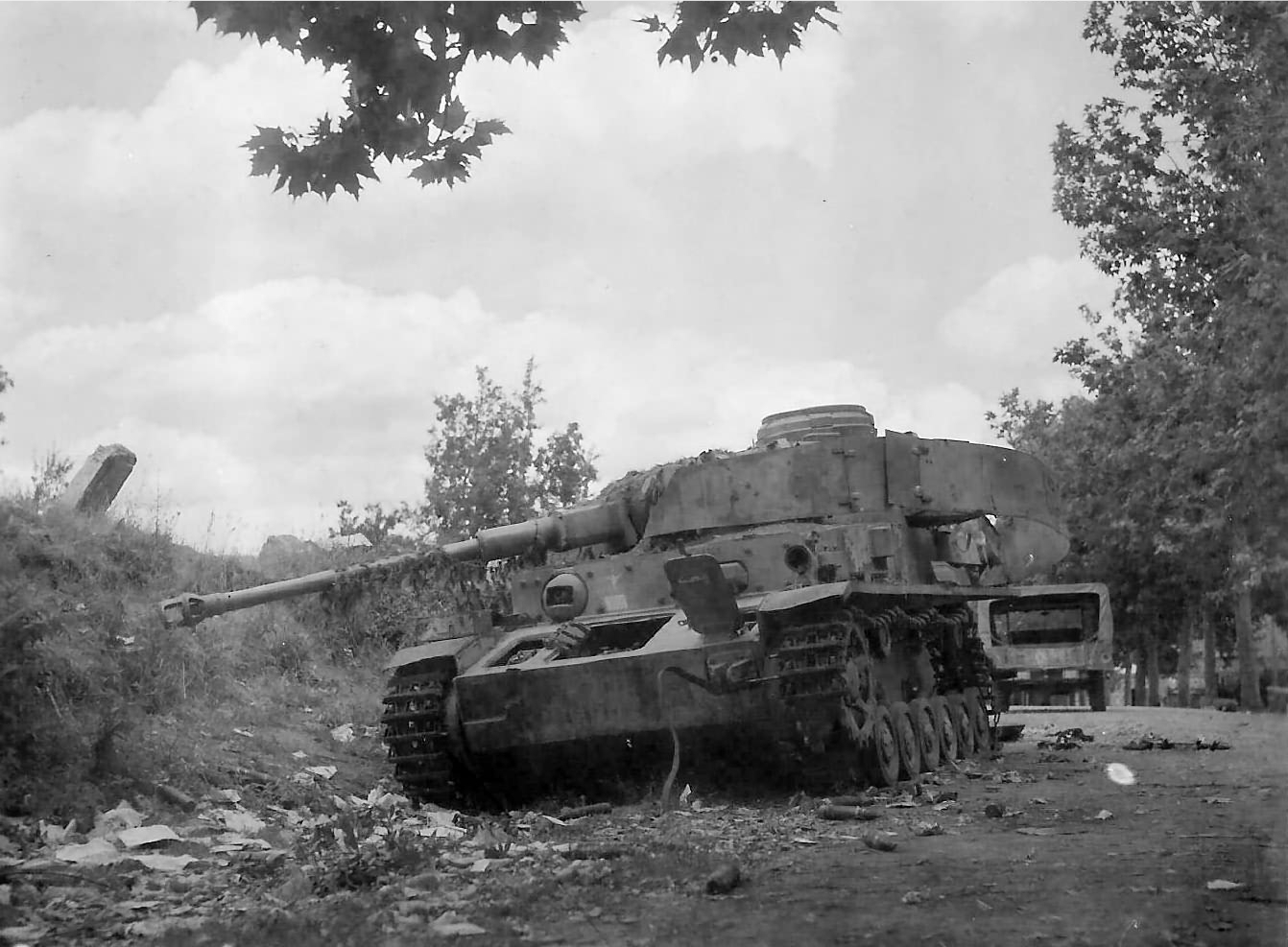
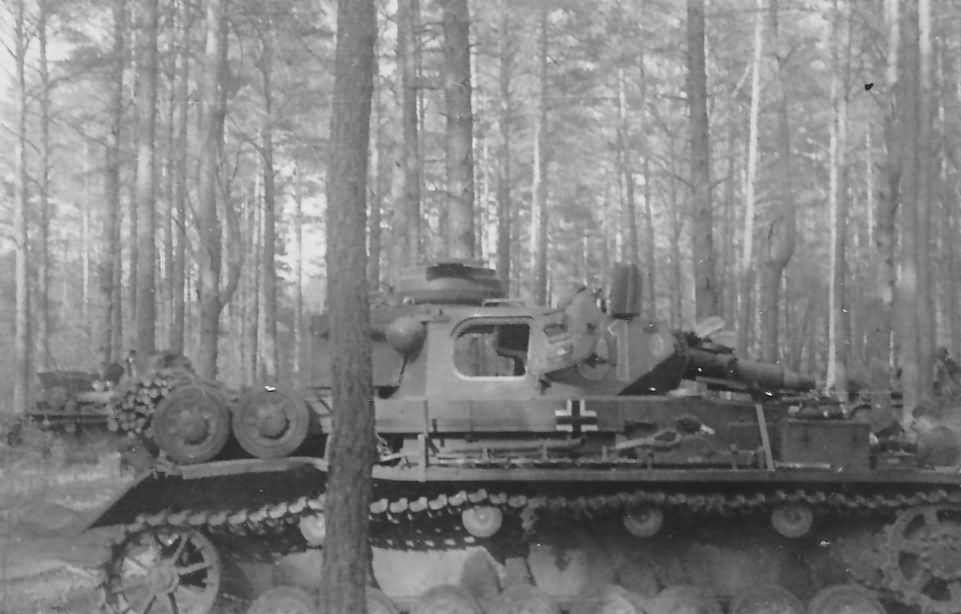
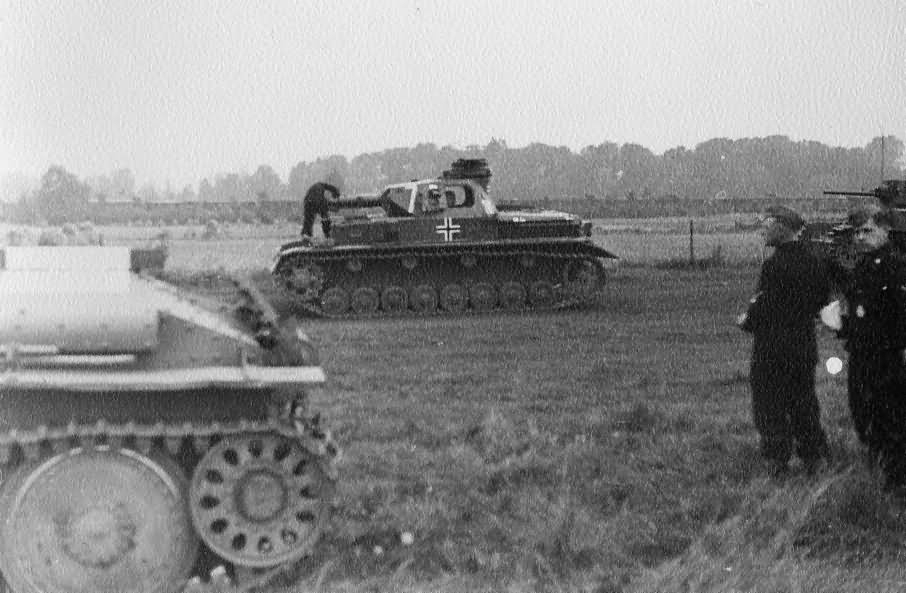
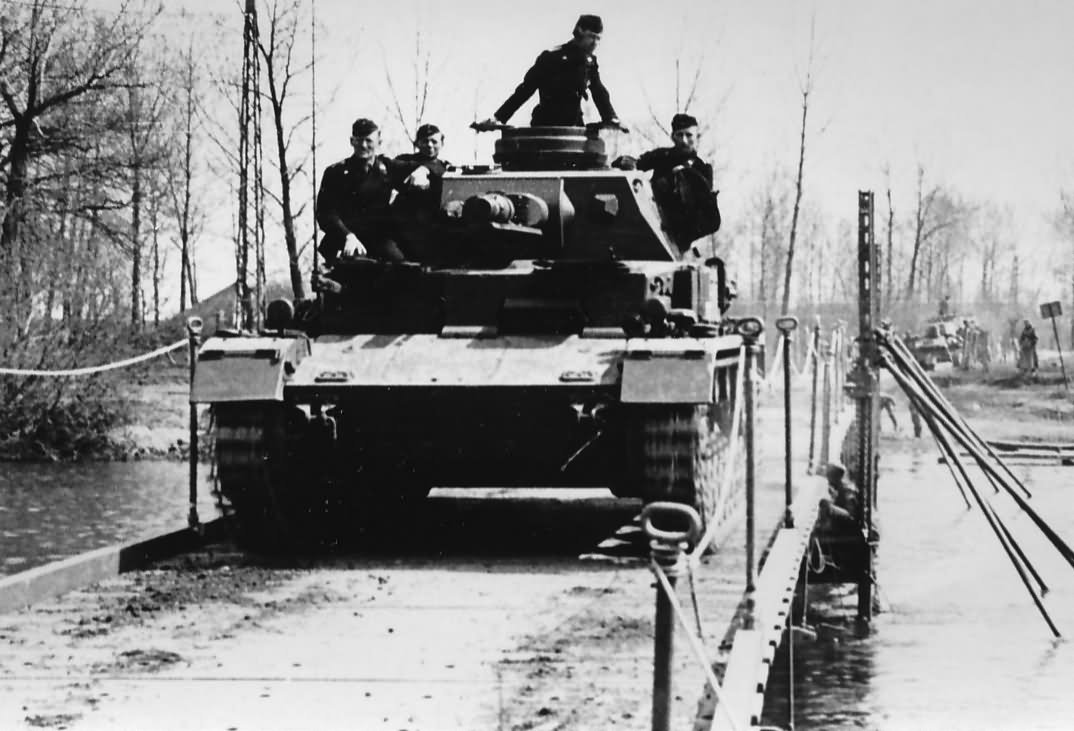
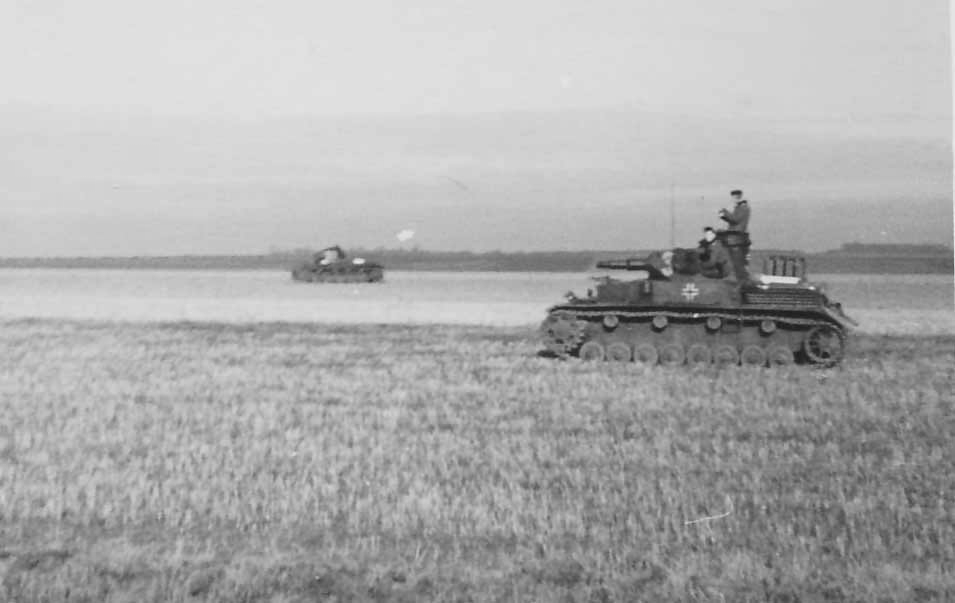
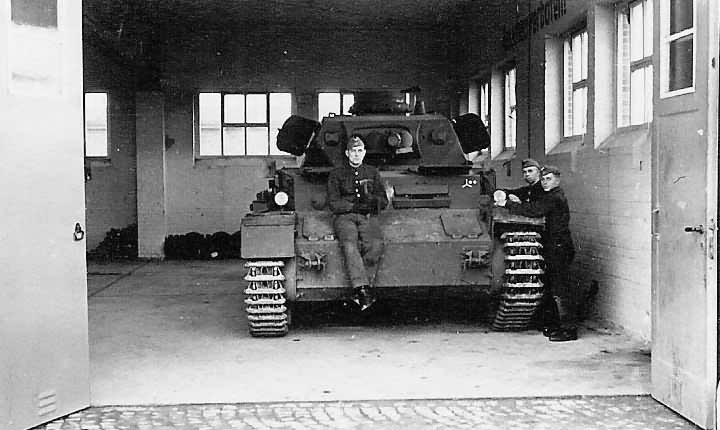
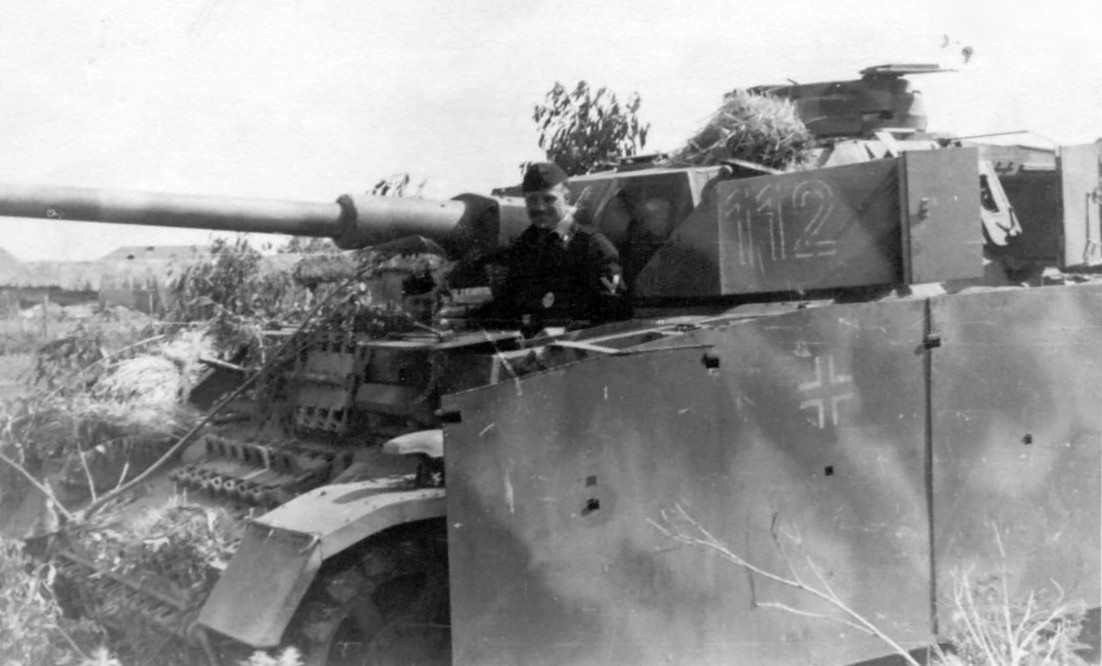
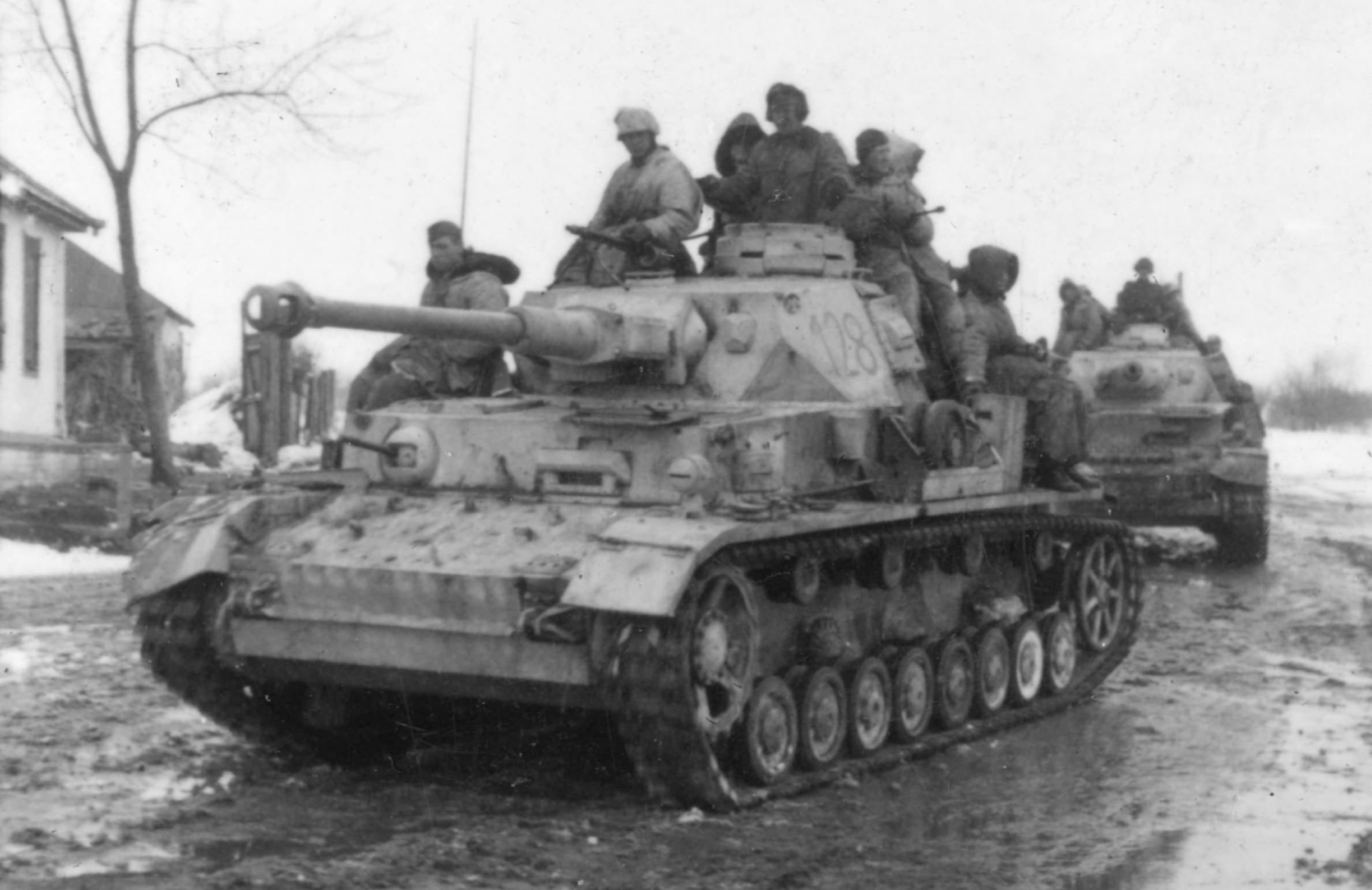
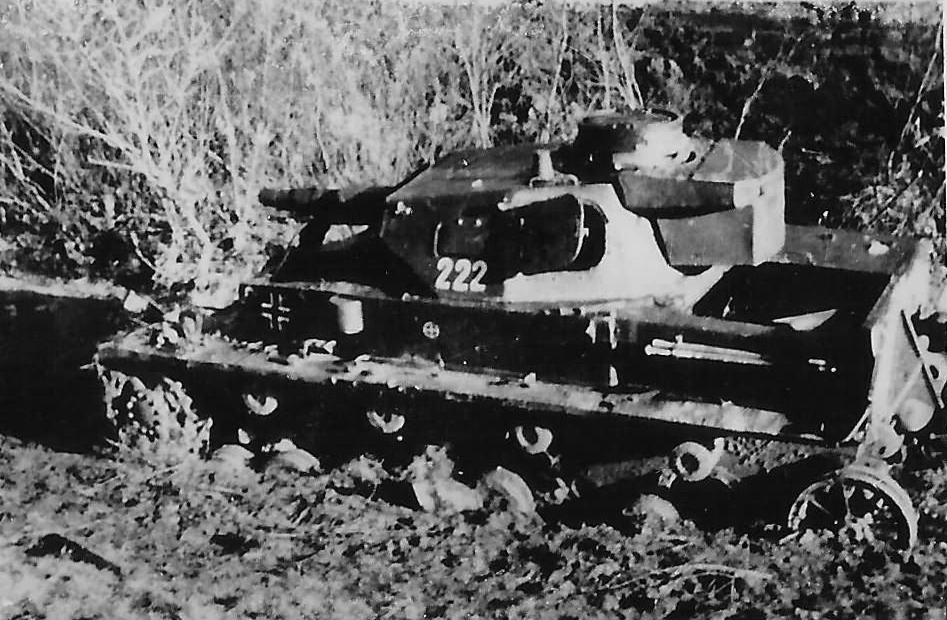
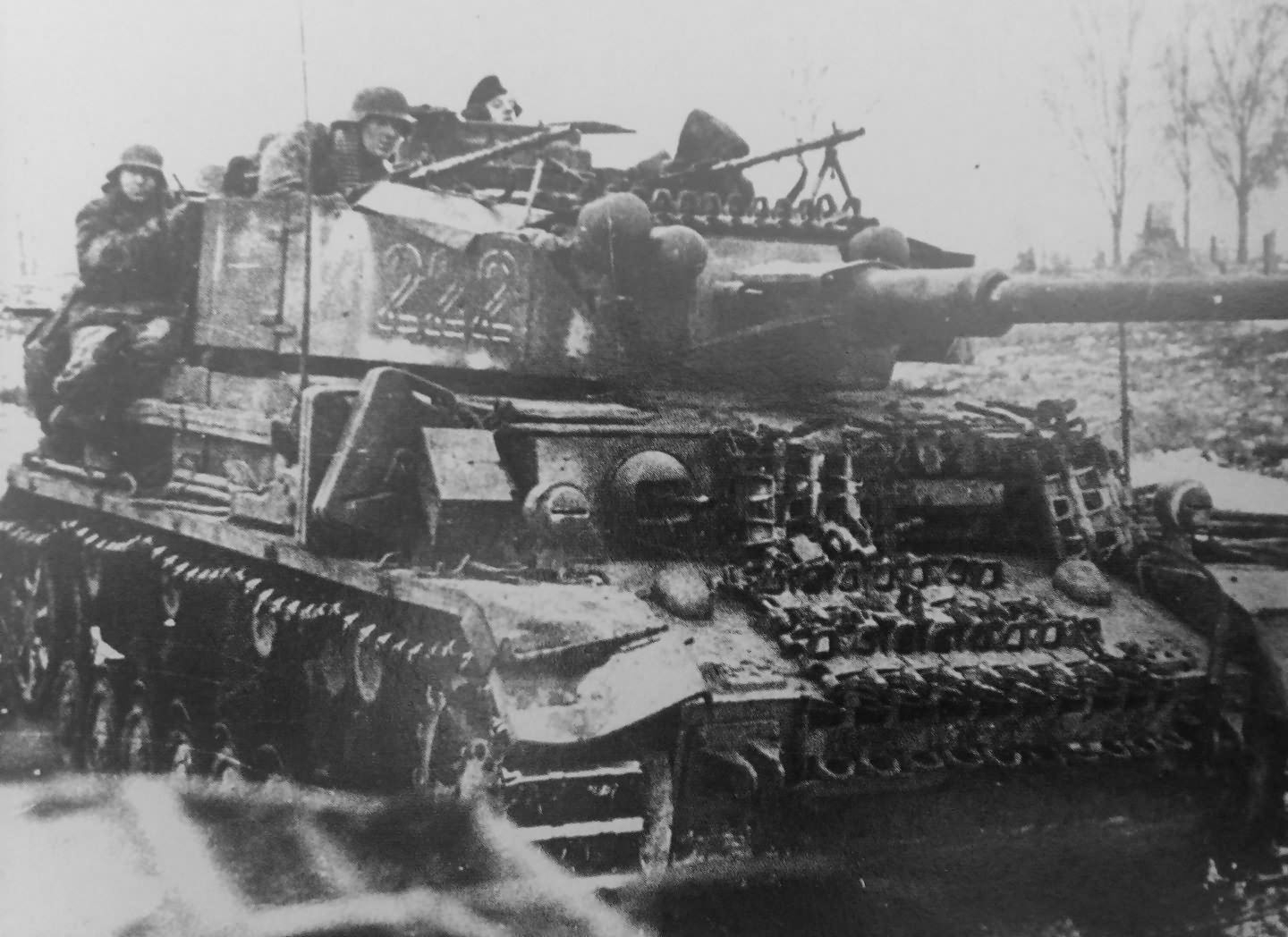
The Panzerkampfwagen IV (Sd.Kfz. 161) was the workhorse and most-produced German medium tank of World War II, with over 8,500 units manufactured by Krupp, VOMAG, and the Nibelungenwerk between 1937 and 1945. Originally designed as a close-support vehicle armed with a short-barreled 7.5 cm KwK 37 L/24 gun to provide infantry support and engage targets unsuitable for the Panzer III, its role transformed radically during the conflict. Following battlefield experiences against heavy Allied armor in the Soviet Union and North Africa, the tank was heavily upgraded in 1942 starting with the Ausf. F2/G variants, integrating the high-velocity, long-barreled 7.5 cm KwK 40 (L/43 and later L/48) gun alongside increased frontal armor up to 80 mm. While heavier tanks like the Tiger and Panther captured more historical renown, the adaptable Panzer IV remained the backbone of the Panzerwaffe across all major fronts throughout the second half of the war. Despite reaching the absolute limits of its developmental and chassis capacity by 1943—prompting simplified late-war production variants like the Ausf. J—it successfully anchored German armored formations until the end of the conflict, while its robust chassis also served as the direct base for numerous influential self-propelled guns and tank destroyers like the StuG IV and Nashorn.