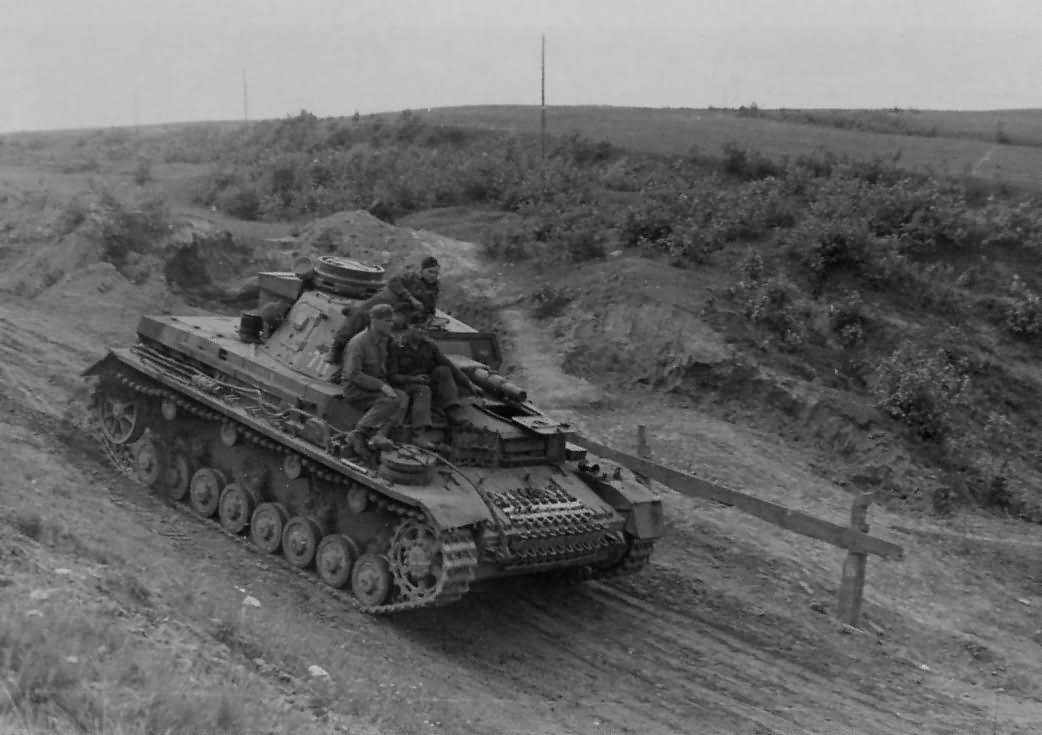
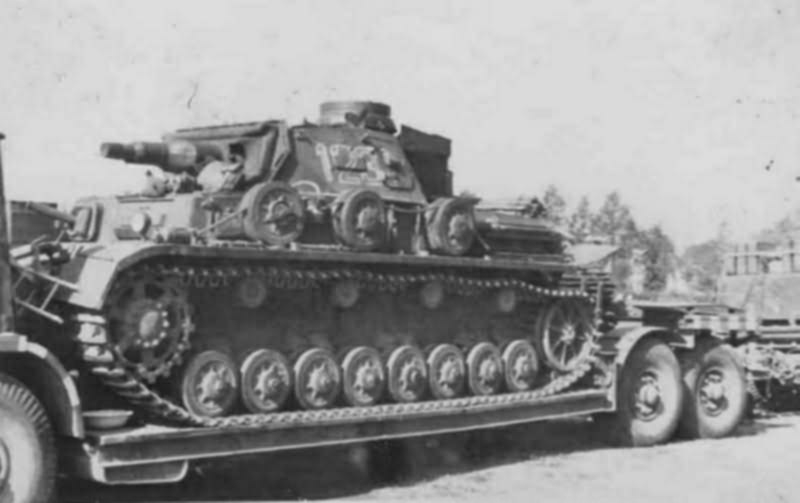
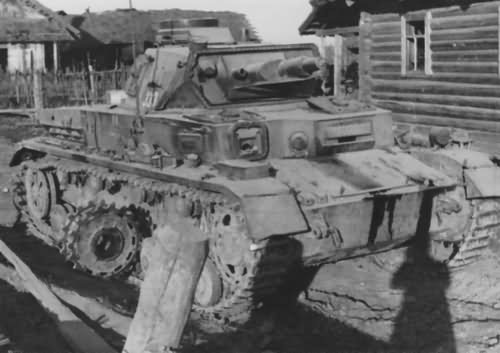
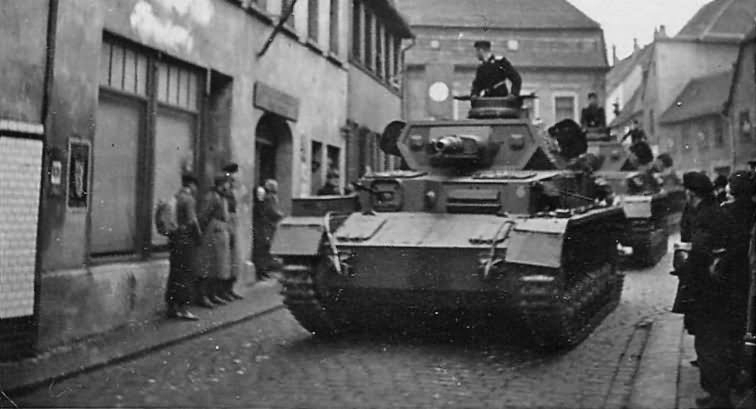
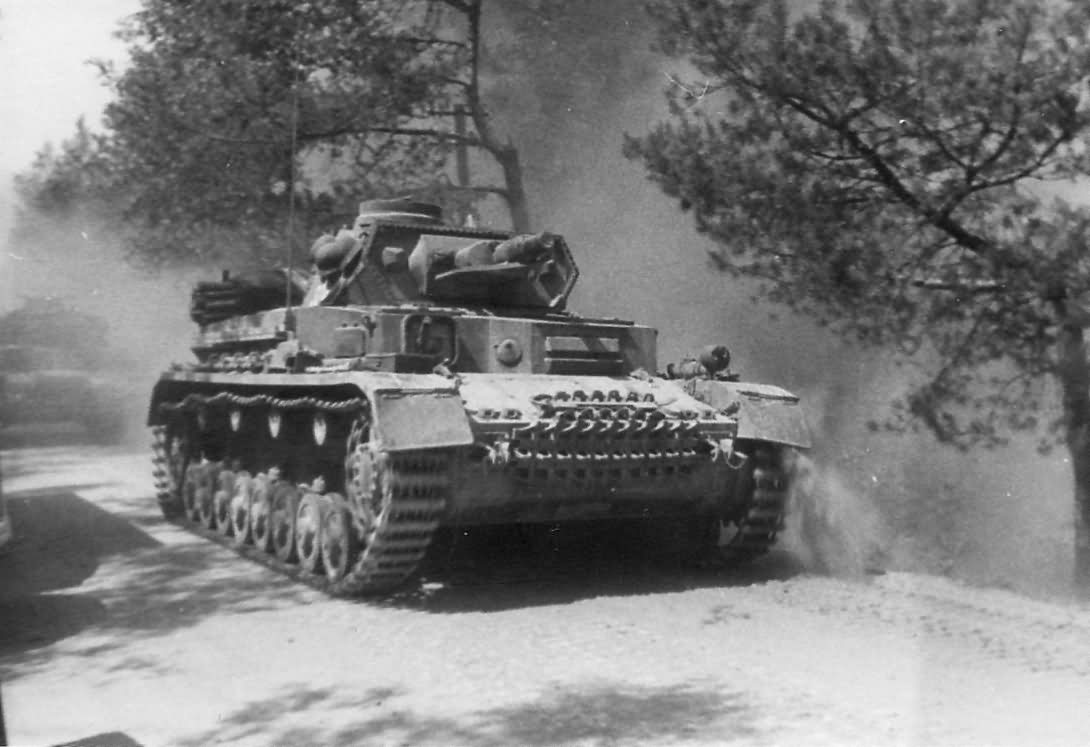
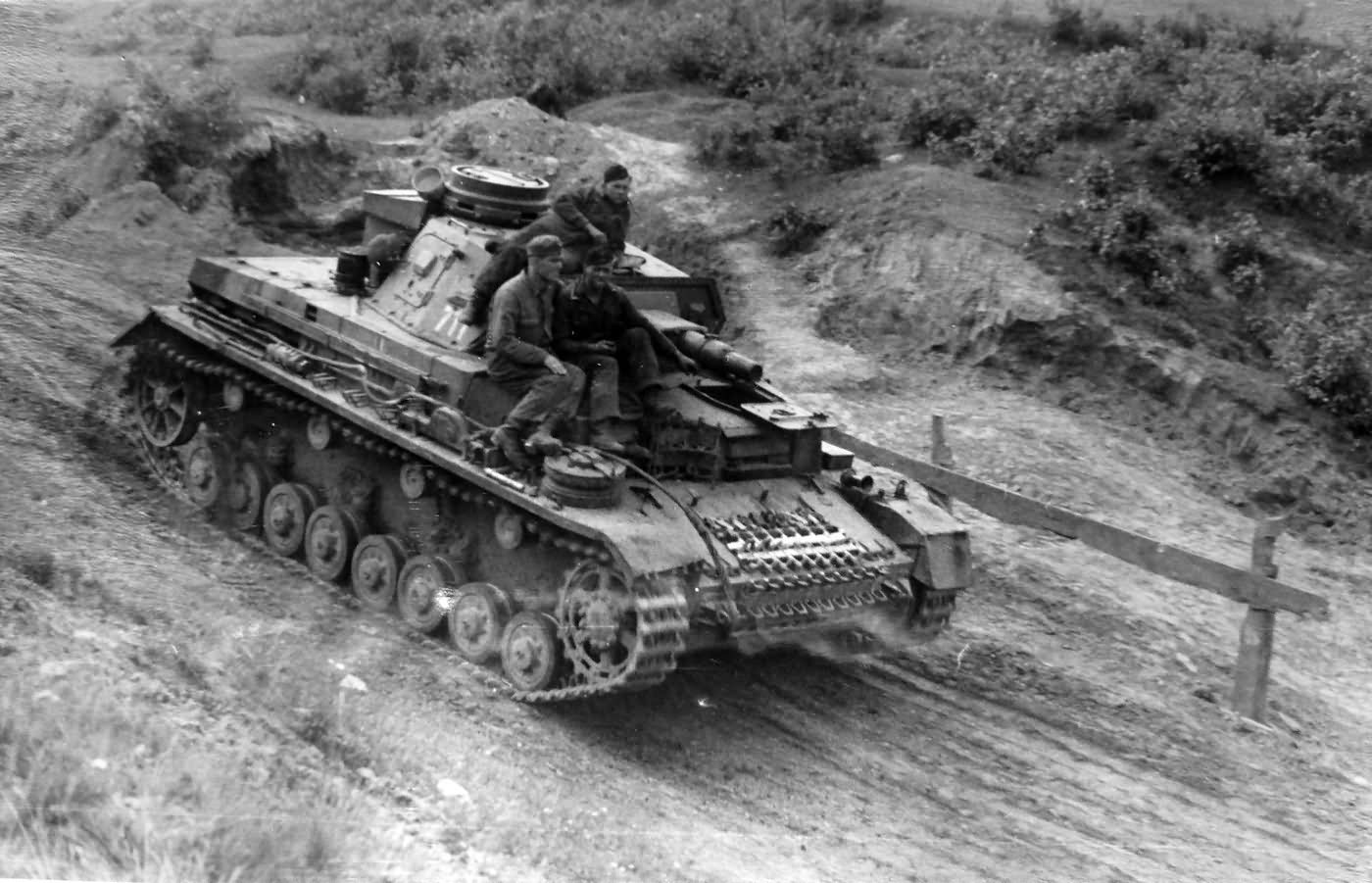
Tauchpanzer (also known as U-Panzer or Unterwasser Panzer) was a modified version of the German Panzer III and Panzer IV medium tanks, adapted for bottom-crawling underwater operations at depths of up to 15 meters for the planned 1940 invasion of Great Britain. The design featured a fully waterproofed hull with inflatable seals and rubber covers that could be jettisoned using explosive charges upon reaching the shore for immediate combat readiness. Fresh air was supplied via an 18-meter hose connected to a float, engines were adapted for seawater cooling, and underwater navigation relied on a directional gyrocompass alongside radio guidance from transport barges. Trials conducted in mid-1940 at Schillig revealed that the tanks needed to land at high tide to prevent sinking into the seabed, which also spurred the development of specialized Type B landing barges. By late August 1940, four dedicated battalions (Panzer-Abteilung A, B, C, and D) were formed with 254 armored vehicles (including 160 PzKpfw III, 42 PzKpfw IV, and 52 amphibious PzKpfw II tanks). Following the cancellation of Operation Sea Lion, the tanks were refitted in spring 1941 with a 2.5-meter fixed snorkel pipe for river crossings and were subsequently deployed during Operation Barbarossa against the Soviet Union.