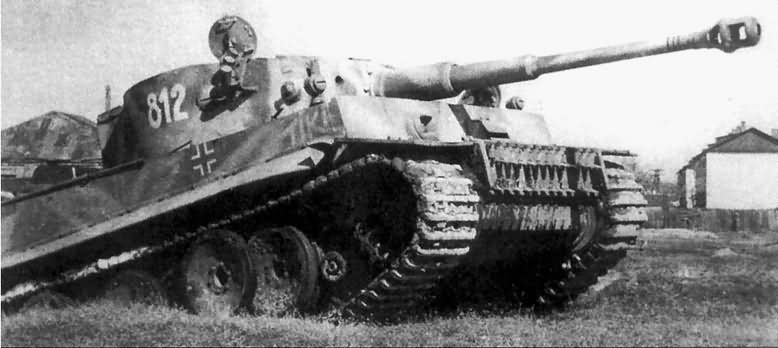
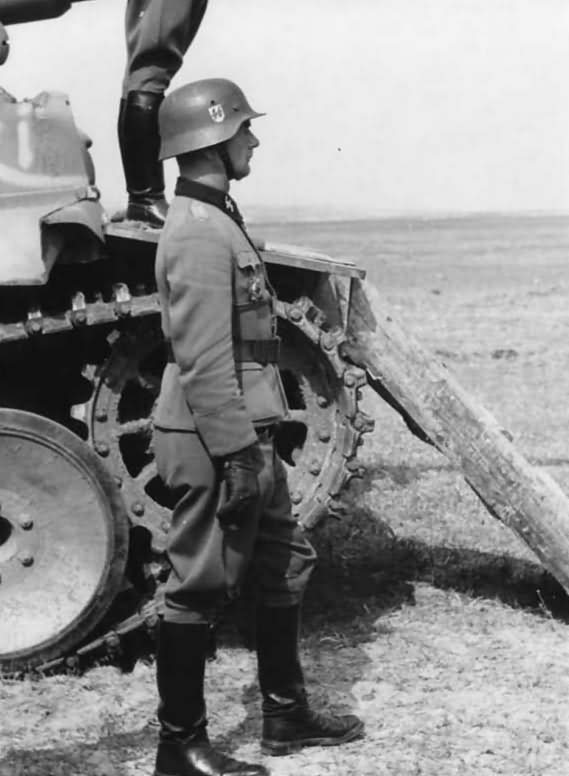
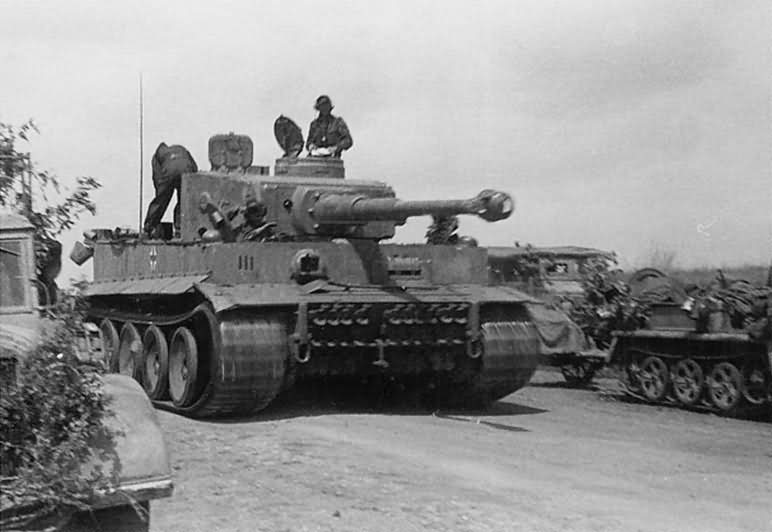
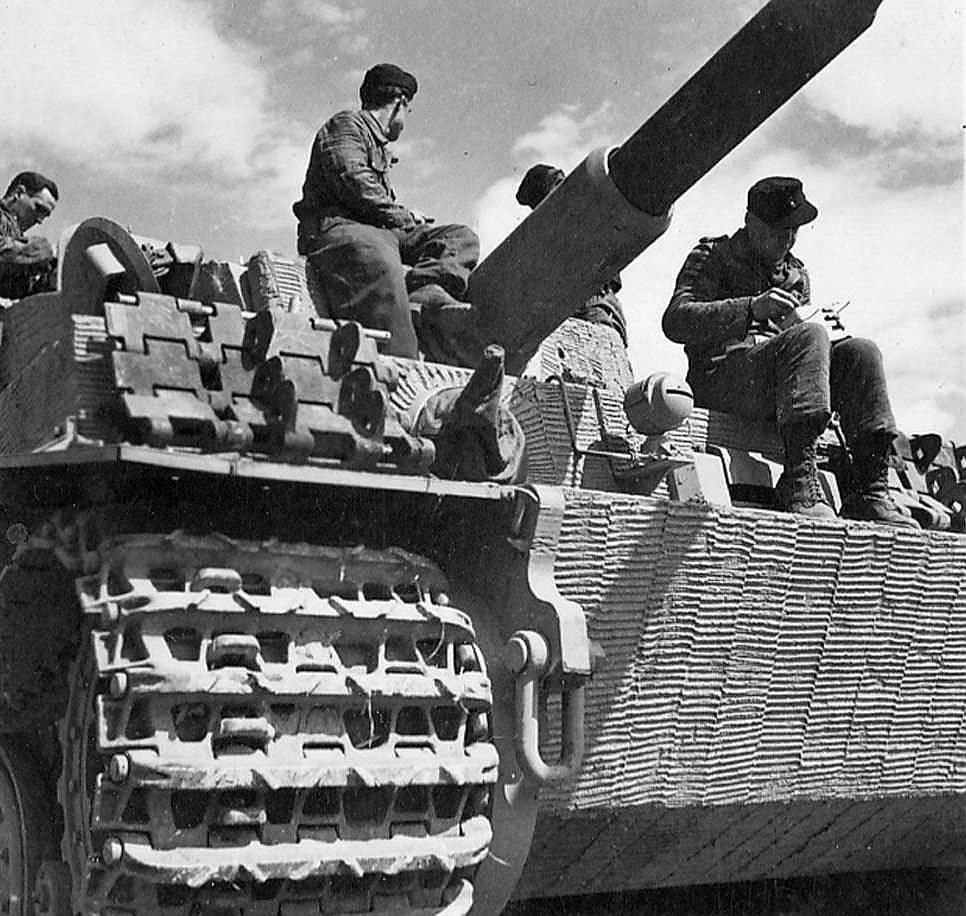
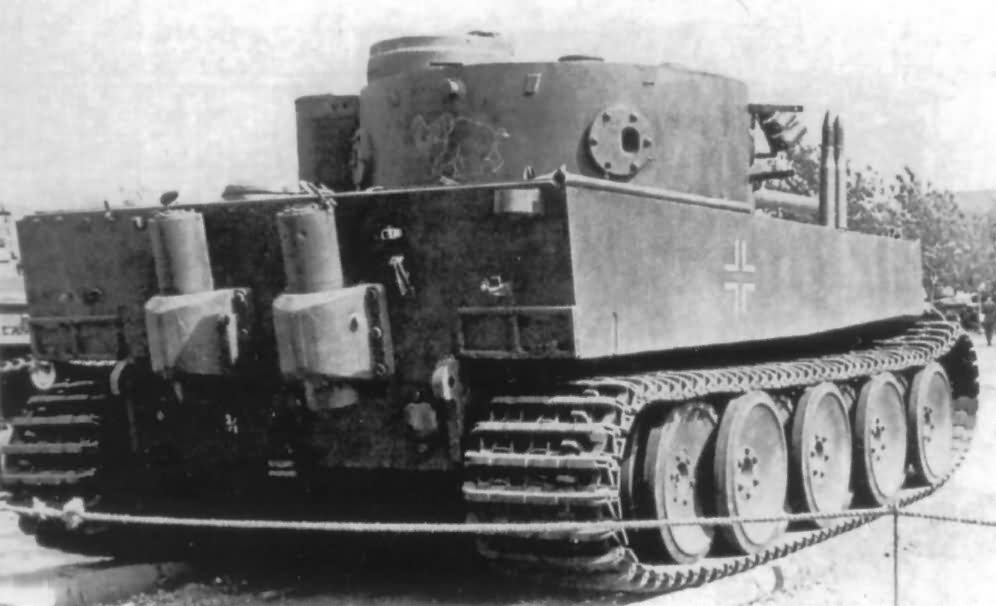
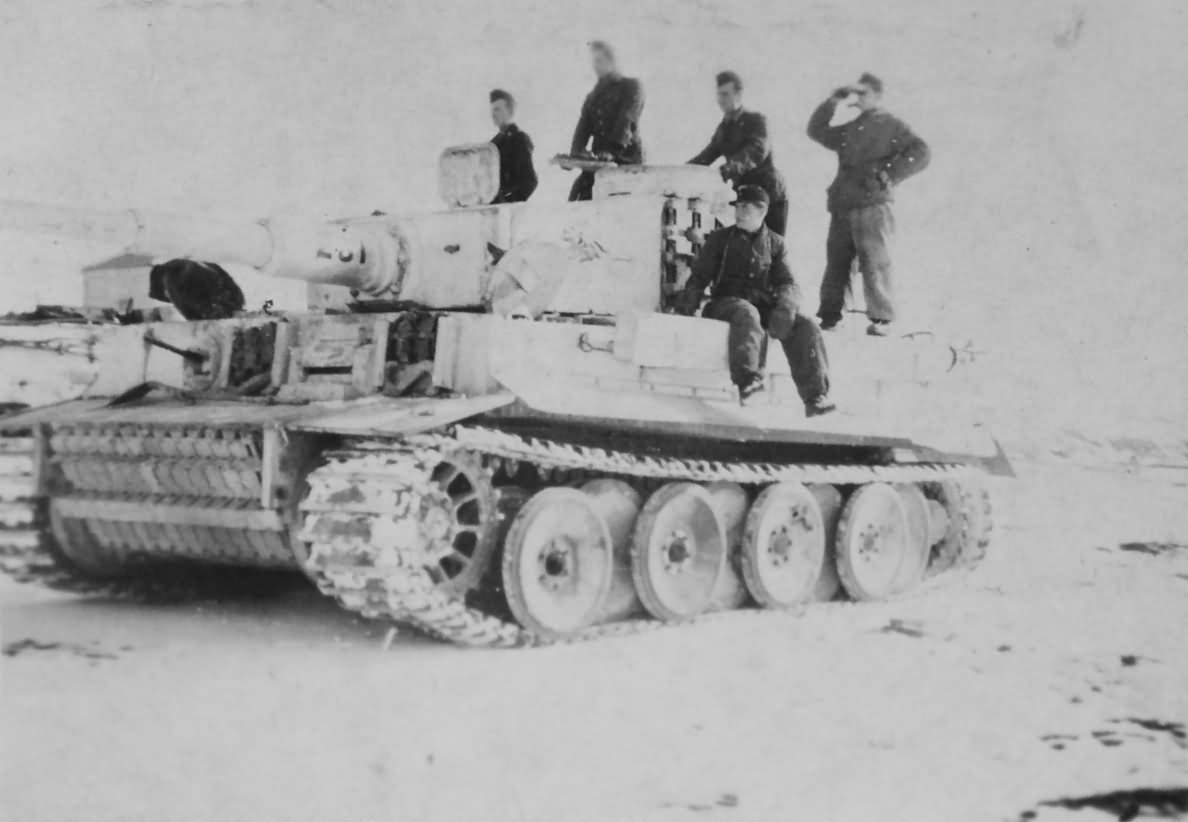
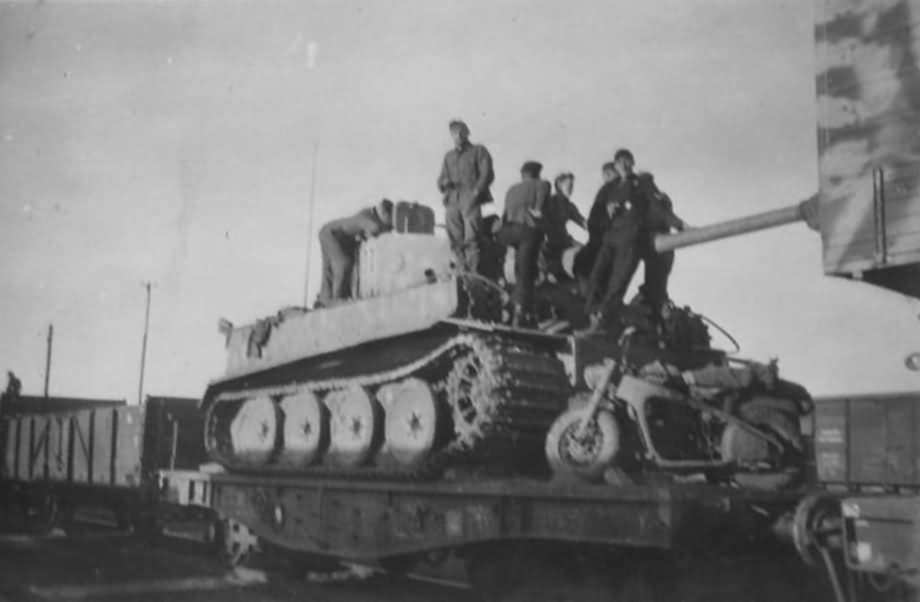
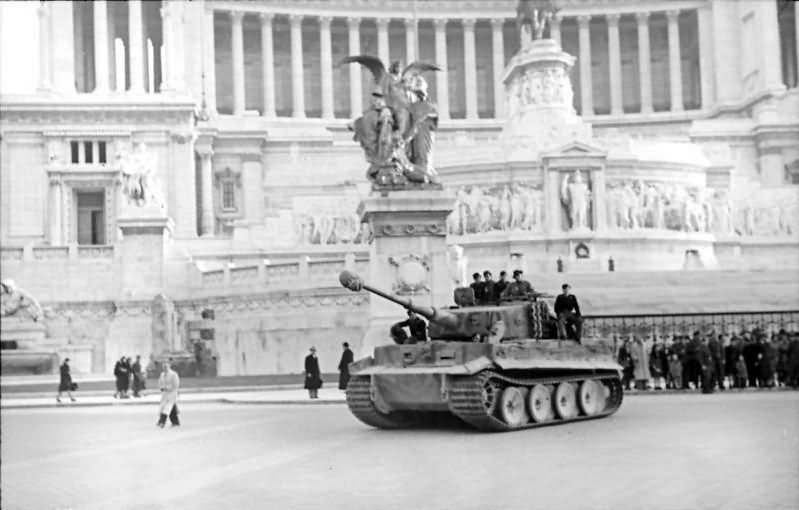
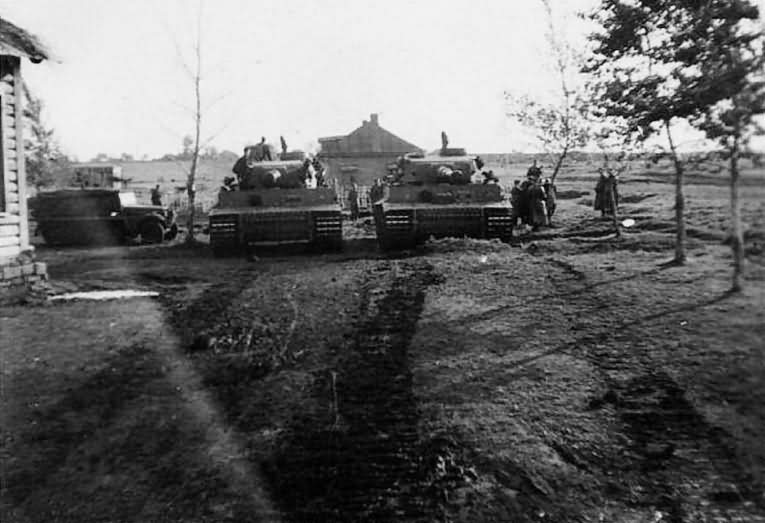
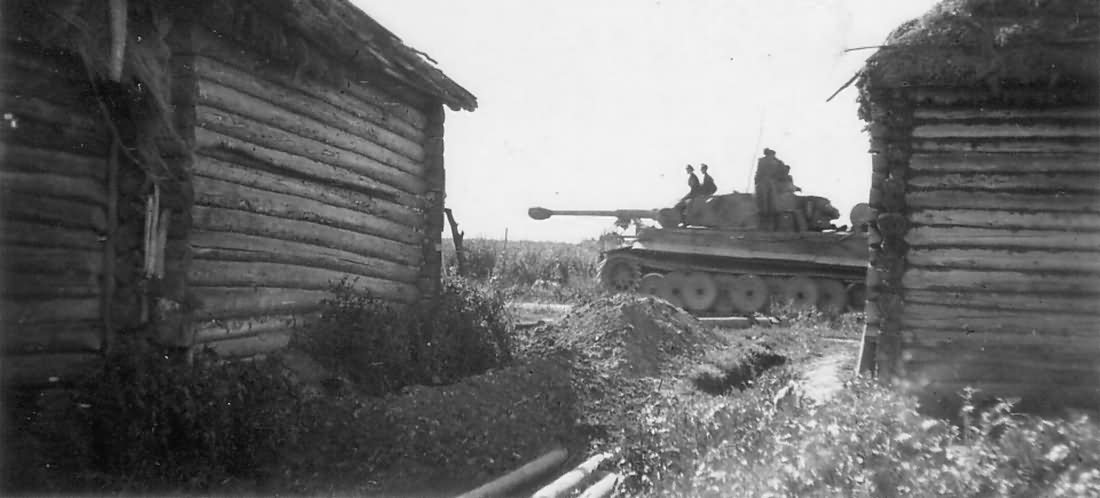
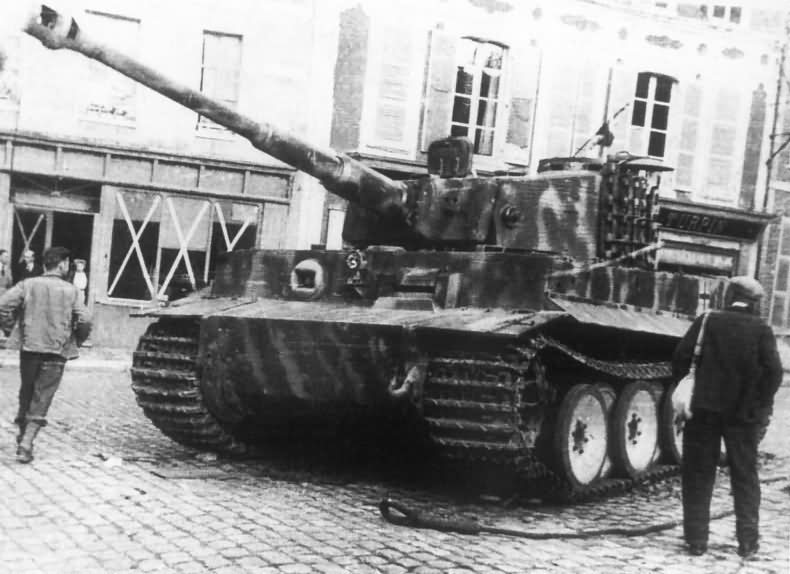
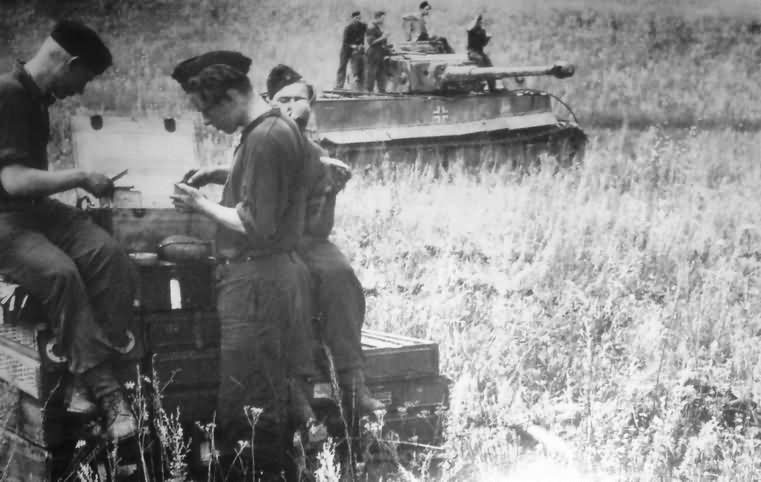
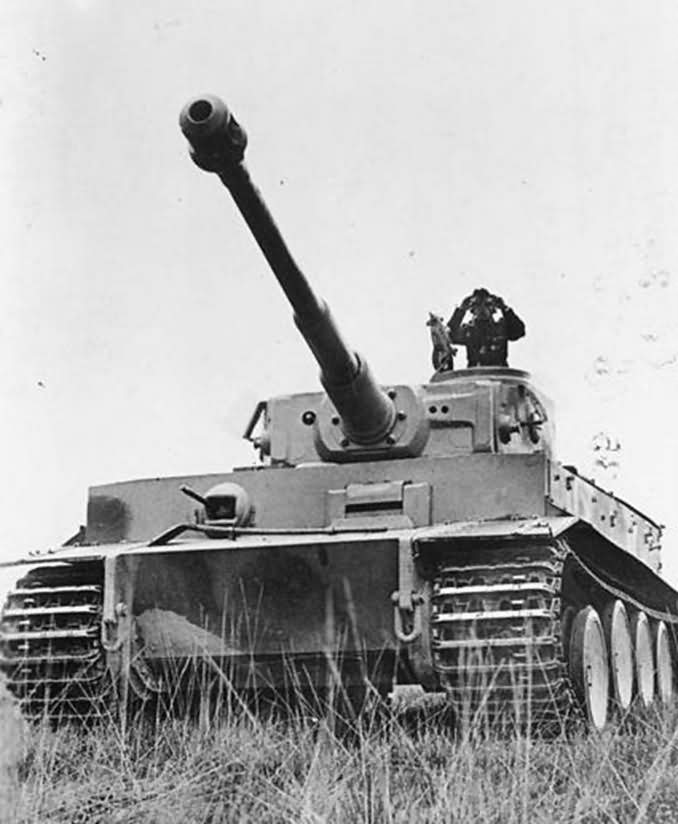
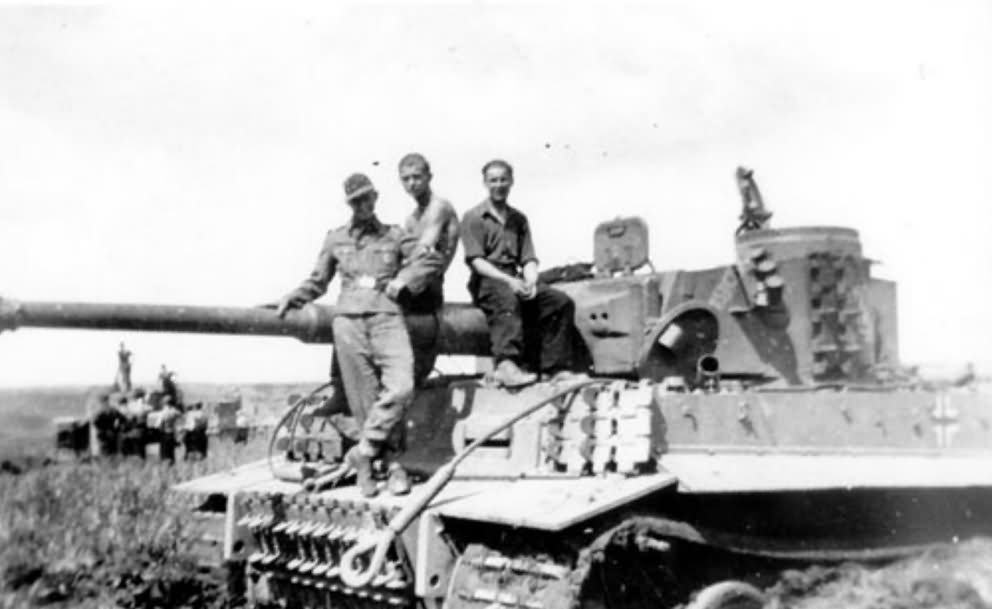
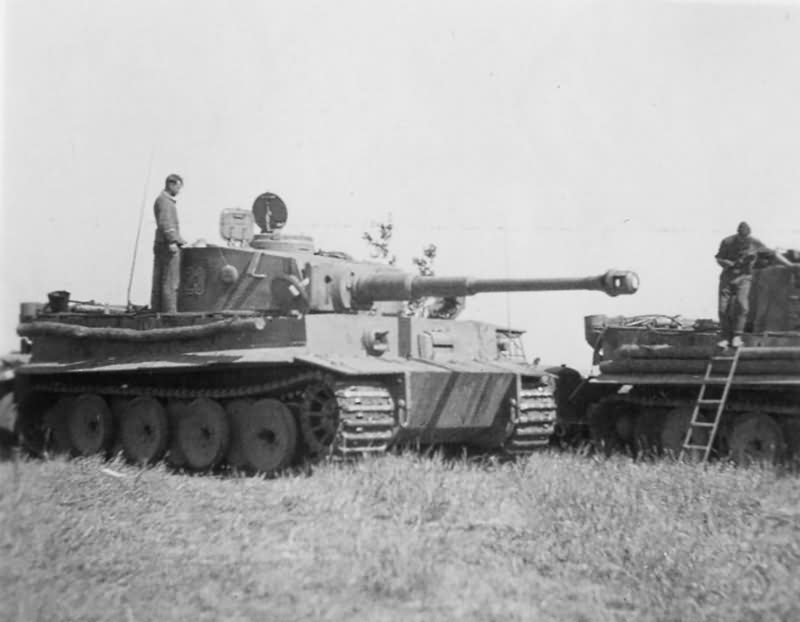
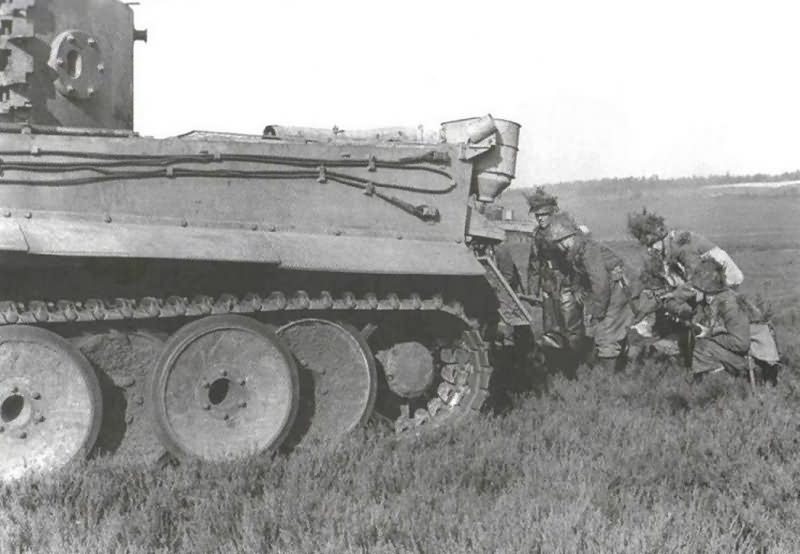
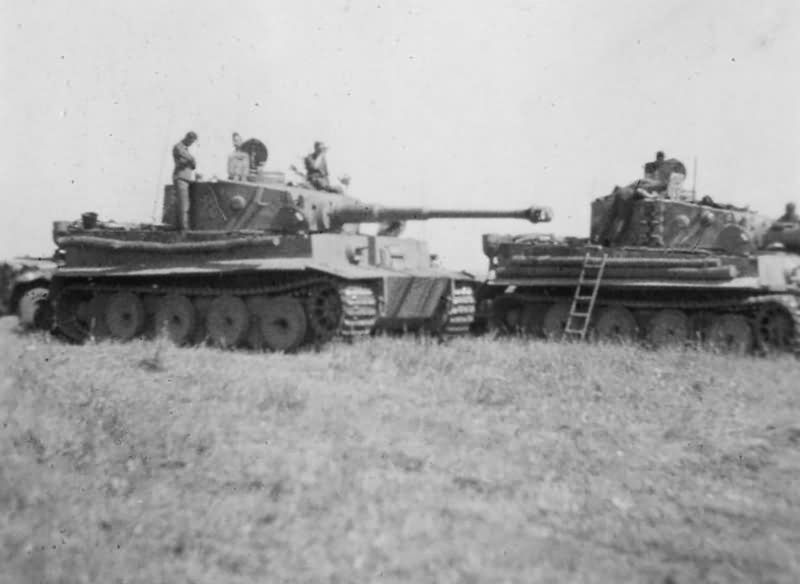
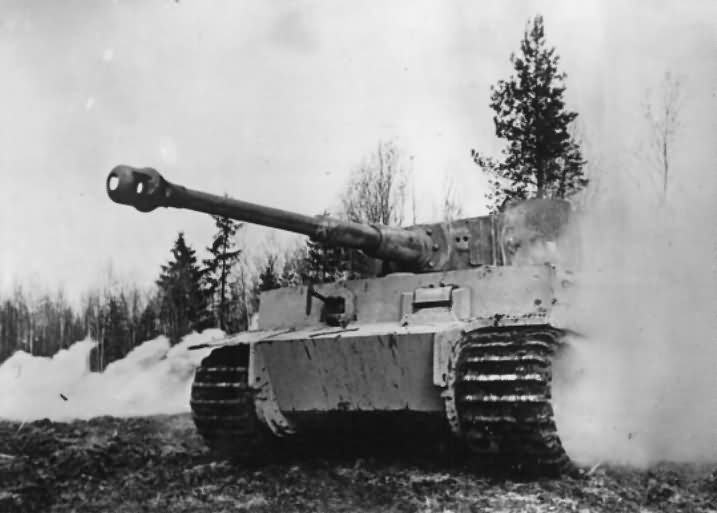
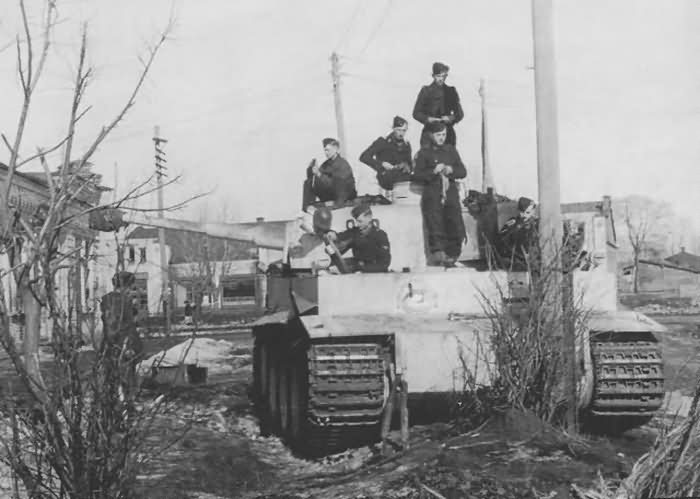
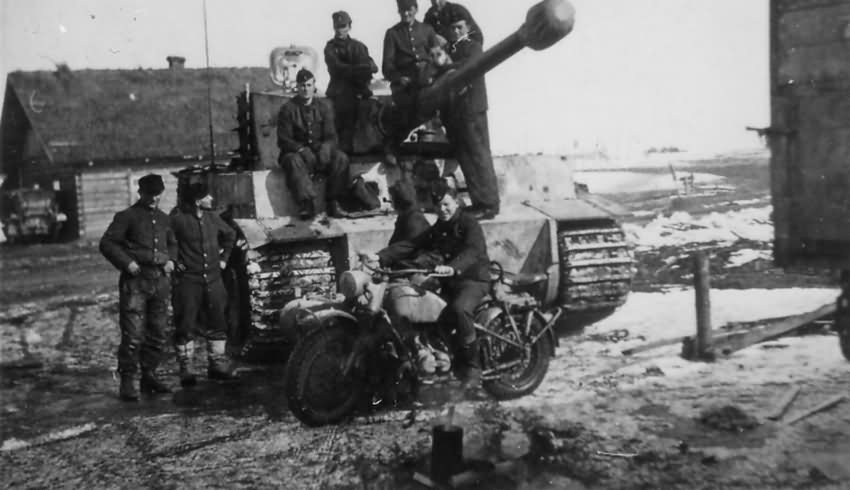
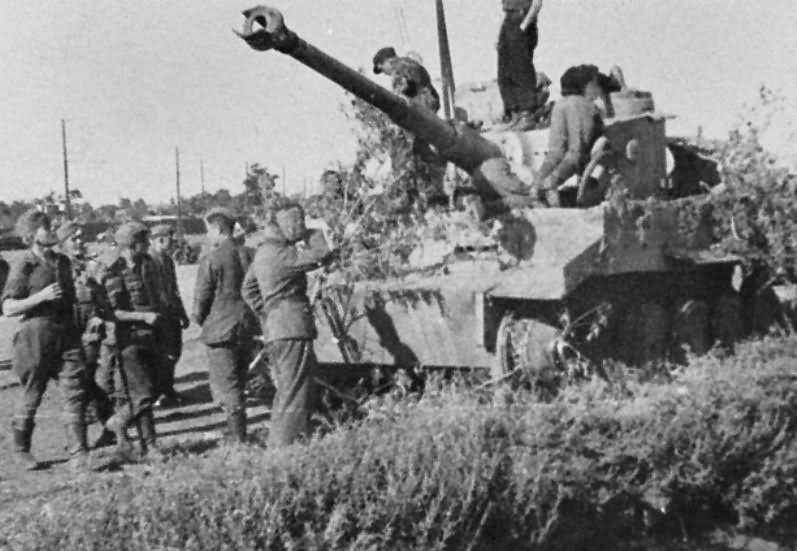
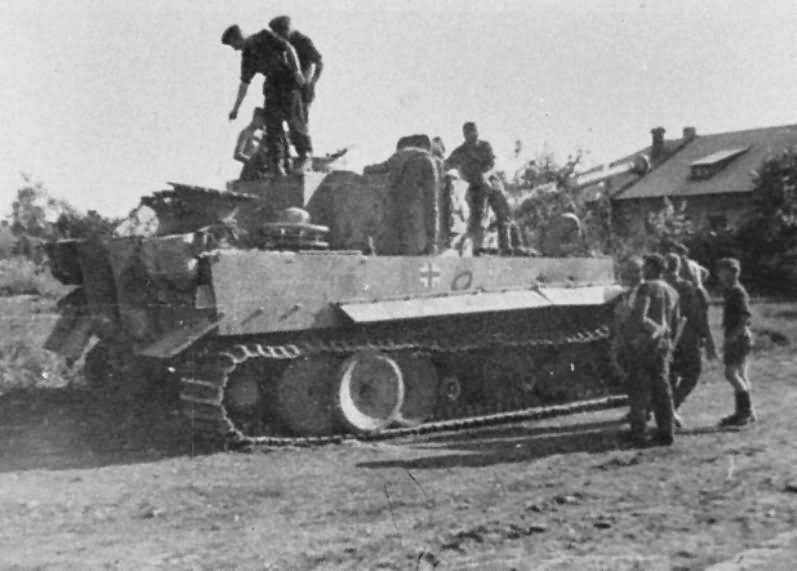
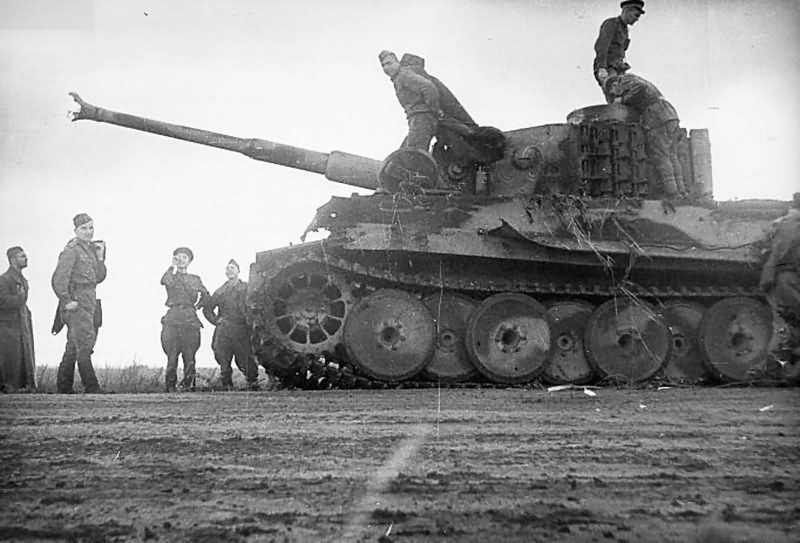
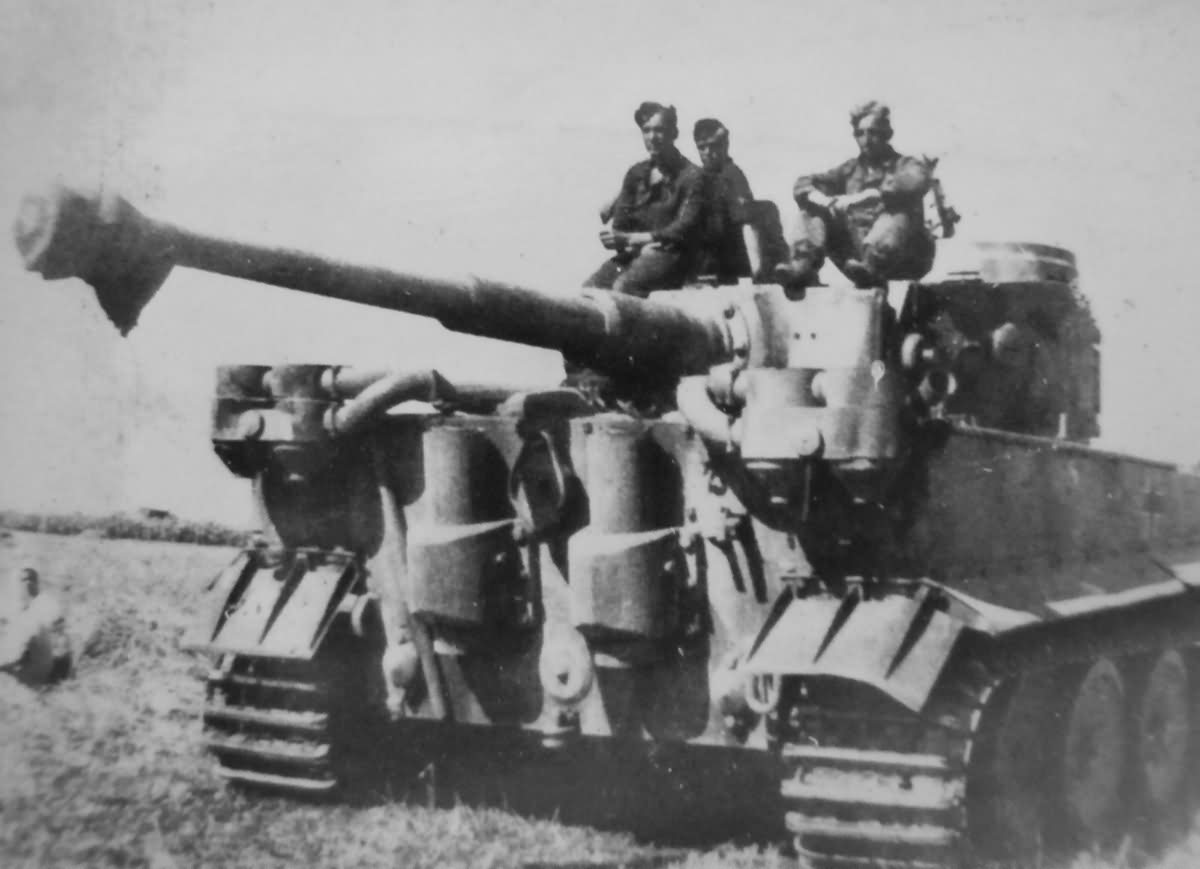
PzKpfw VI Tiger (Tiger I, Sd.Kfz. 181) was a legendary German heavy tank of World War II, developed by Henschel in response to the need to counter heavily armored Soviet vehicles like the T-34. Armed with the powerful 8.8 cm KwK 36 L/56 gun—adapted from the famous Flak 36 anti-aircraft gun—and protected by thick armor (up to 100 mm on the front), the Tiger weighed 56.9 tons and was powered by a Maybach engine. Despite high manufacturing costs and a relatively low production run (totaling 1,350 units until August 1944 when it was succeeded by the Tiger II), the Tiger achieved legendary status for its devastating firepower and long-range combat effectiveness, dominating allied armor in engagements across the Eastern Front, North Africa, Sicily, Italy, and Normandy. While prone to mechanical issues and track/suspension vulnerabilities—often requiring careful maintenance and skilled crews—frontline reports and post-war analysis confirmed its operational readiness was often comparable to lighter German tanks like the Panzer IV. Numerous variants were built on its chassis, including command tanks (Panzerbefehlswagen), recovery vehicles (Bergetiger), and the ultra-heavy Sturmtiger rocket mortar. Today, only a few examples survive, most notably the fully restored Tiger 131 at the Bovington Tank Museum.