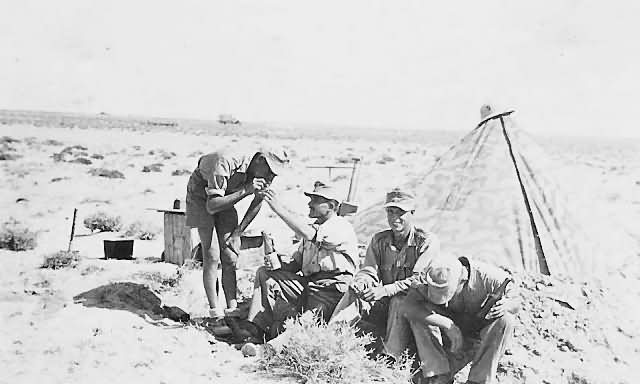
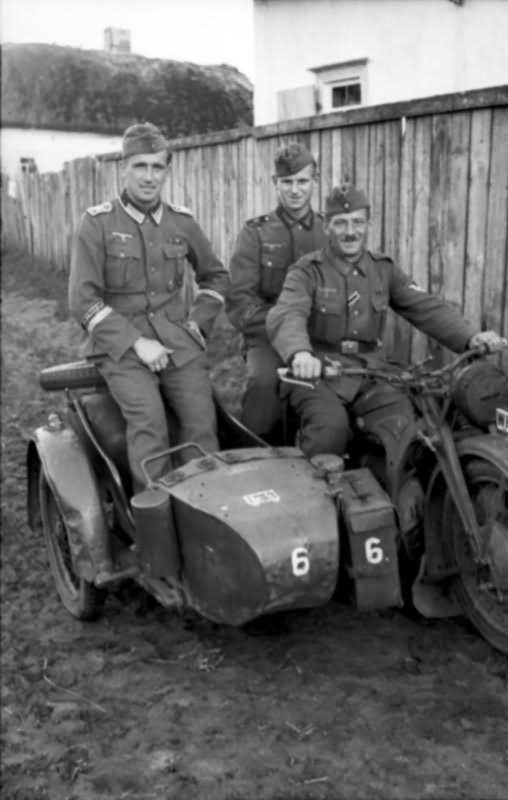
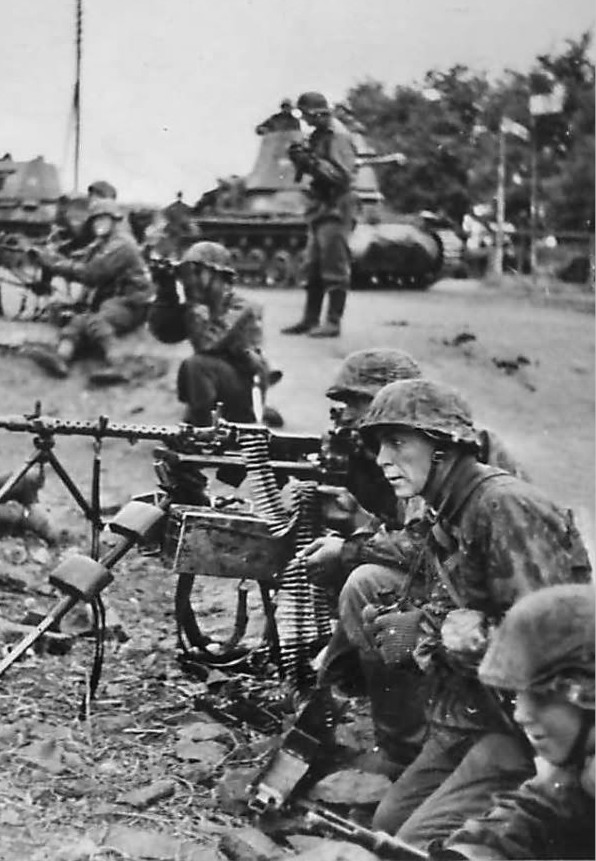
German Units of World War II comprised the diverse military formations of the Third Reich, primarily divided between the regular armed forces (Wehrmacht)—consisting of the Army (Heer), Air Force (Luftwaffe), and Navy (Kriegsmarine)—and the paramilitary Waffen-SS. Tactical operations relied heavily on specialized unit types: armored divisions (Panzer-Divisionen) and motorized infantry (Panzergrenadiere) formed the spearhead of Blitzkrieg maneuvers; line infantry divisions (Infanterie-Divisionen) provided mass and held ground; while elite formations like mountain troops (Gebirgsjäger) and paratroopers (Fallschirmjäger) conducted high-risk operations across challenging terrains. Independent heavy armor battalions (schwere Panzer-Abteilungen) equipped with Tigers and Panthers served as mobile fire brigades, while specialized assault gun (Sturmgeschütz) and tank destroyer (Panzerjäger) units provided crucial anti-tank support. Later in the war, mounting losses led to ad-hoc formations such as high-firepower Volksgrenadier divisions and the poorly equipped civilian militia (Volkssturm). Despite tactical expertise and technical sophistication, these units were ultimately overwhelmed by Allied industrial superiority and attrition.