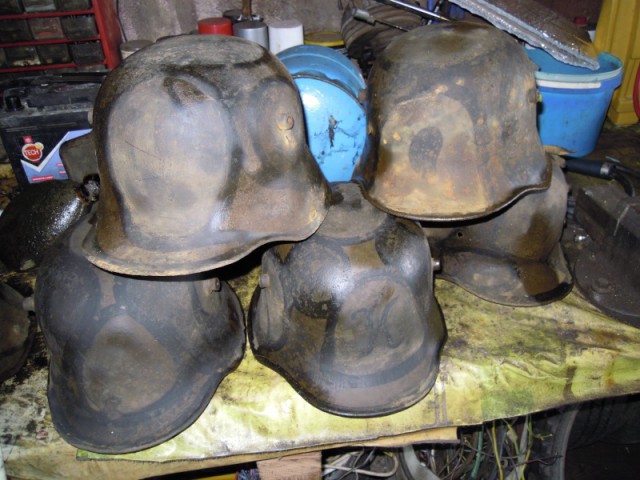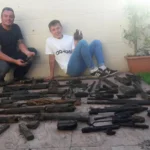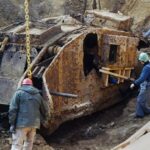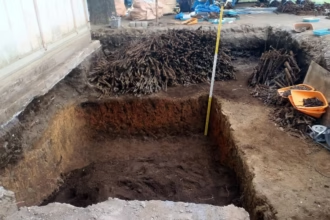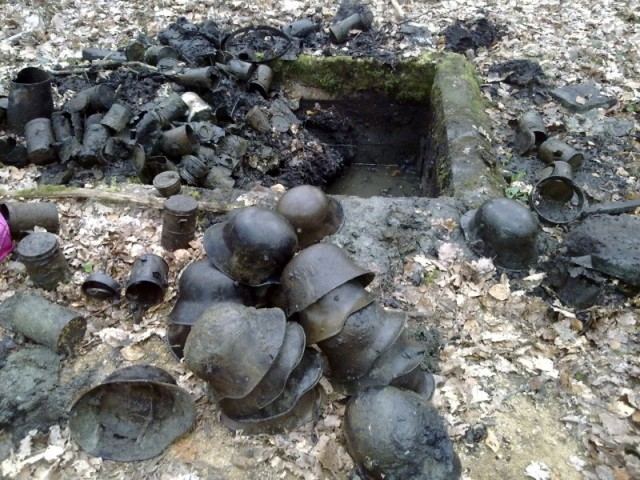
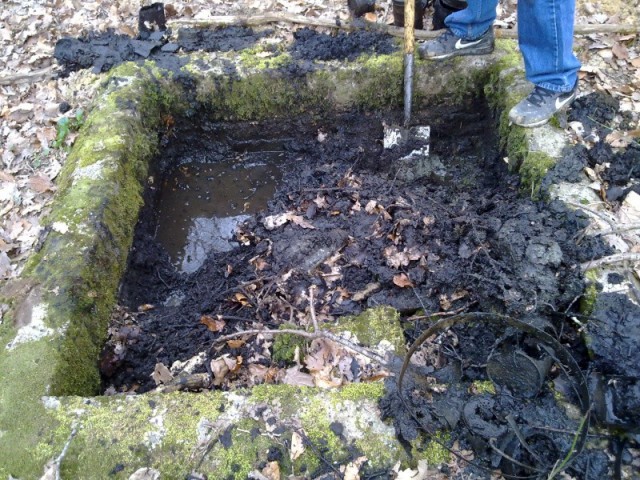
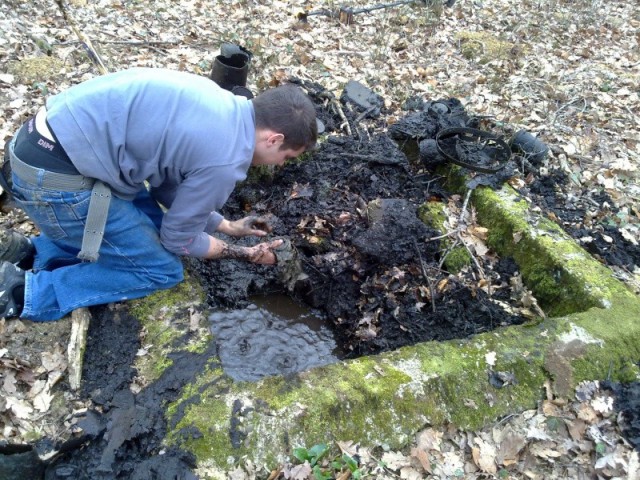
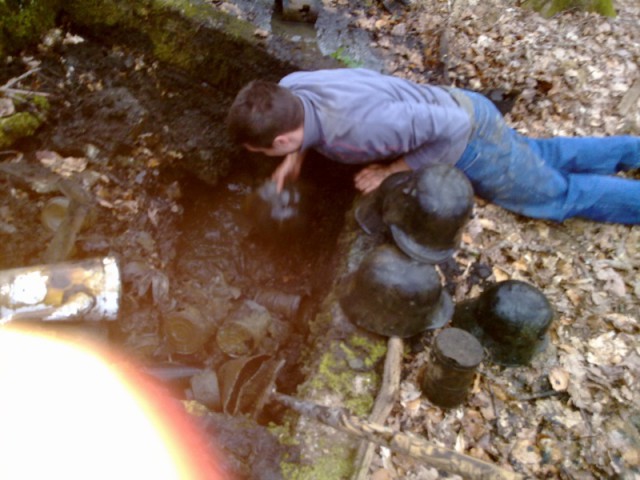
A remarkable piece of Great War history was brought back to light in 2011 when a treasure hunter in France uncovered a massive, oxygen-free underground dump filled with perfectly preserved World War I German military gear.
Buried for nearly a century, the haul included gas masks, canisters, canteens, and dozens of iconic Stahlhelm helmets—many still displaying their original hand-painted camouflage.
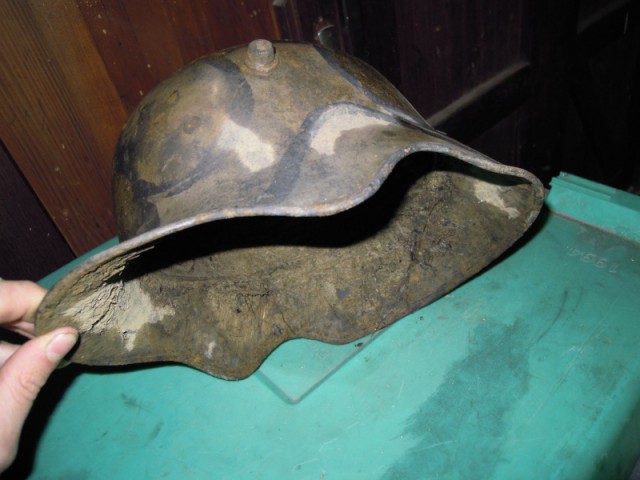
The discovery was made possible thanks to an extraordinary lead: the finder had read a series of historic letters written by a WWI French soldier who detailed an abandoned dump where equipment from German Prisoners of War (PoWs) was buried. Sealed underground without oxygen, the artifacts survived in near-mint condition.
A Controversy Brewing: Despite the historical importance of the find, the excavator ignited fierce backlash among historians and archaeologists by choosing to sell the rare artifacts to private collectors rather than donating them to a museum.
The Evolution of the Iconic German Stahlhelm
When trench warfare paralyzed the Western Front, head casualties caused by flying shrapnel and artillery fire surged dramatically. The French responded first in late 1915 with the Adrian helmet, followed quickly by the British Brodie helmet.
Germany took a more methodical approach. Dr. Friedrich Schwerd of the Technical Institute of Hannover completed a clinical study of head wounds in early 1915, submitting a formal recommendation for protective steel headgear.
By observing the practical flaws of both the British and French designs, Schwerd engineered a superior, three-part steel helmet that defined the look of the German soldier:
- The Dome: A cylindrical, somewhat flat-topped main shell protecting the upper head.
- The Visor: An extended front brim shielding against weather, debris, and downward shrapnel.
- The Neck Guard: A flared lower brim designed to protect the vulnerable neck and ear regions.
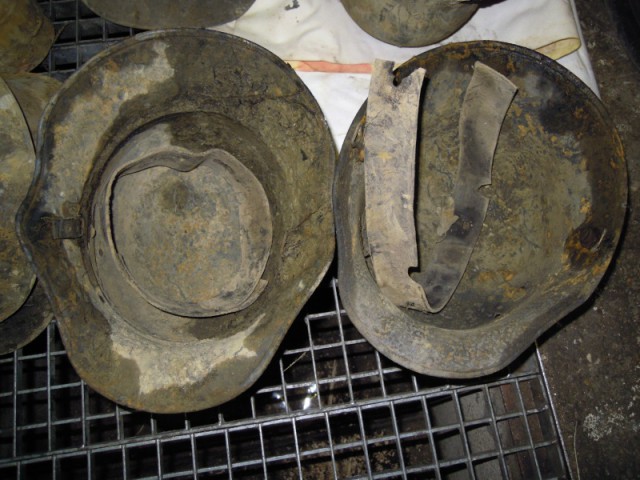
Officially designated the M16 Stahlhelm, it entered regular service during the brutal Battle of Verdun in 1916.