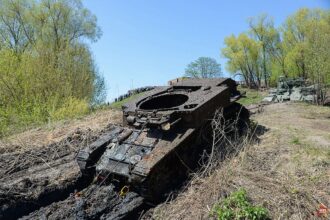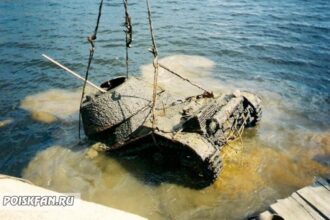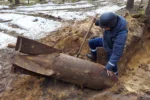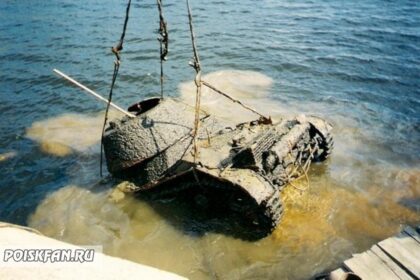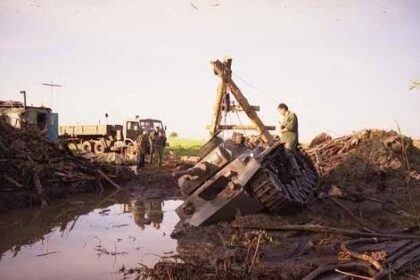
Deep in the Leningrad Region, advanced computer imaging has helped uncover a remarkable piece of World War II history. Submerged for decades following a fierce battle, a 13-ton Soviet tank was discovered resting on the bed of the Neva River. While sunken military vehicles are occasionally dragged from the shallows, this discovery was unique: the tank was lying almost exactly in the middle of the river, roughly 100 meters from shore and at a daunting depth of 15 meters.
Bringing this historical relic back to the surface required a three-month operation that pushed diving teams to their absolute limits.
Defying the Neva’s Brutal Currents
Locating the tank was only the first hurdle; retrieving it proved to be an entirely different battle. The mid-river location presented a nightmare scenario for the recovery team. Near the riverbed, the current accelerated to a punishing 2 meters per second.
“With a current that powerful, remaining on your feet was completely impossible. The divers were forced to carry out the rigorous rigging operation entirely on their knees, battling the water pressure every second. Under these extreme conditions, even our most seasoned veterans could safely work for only 20 minutes at a time.” — Recovery Team Representative
A Unique and Grueling Extraction
The sheer logistical challenge of hoisting a 13-ton armored vehicle from a fast-flowing river cannot be overstated. Unsuitable weather conditions forced the operation’s coordinators to postpone the lift three separate times.
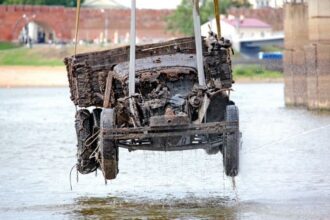
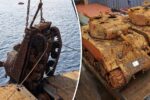
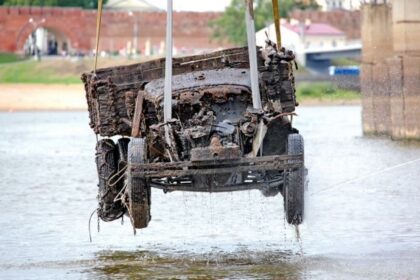
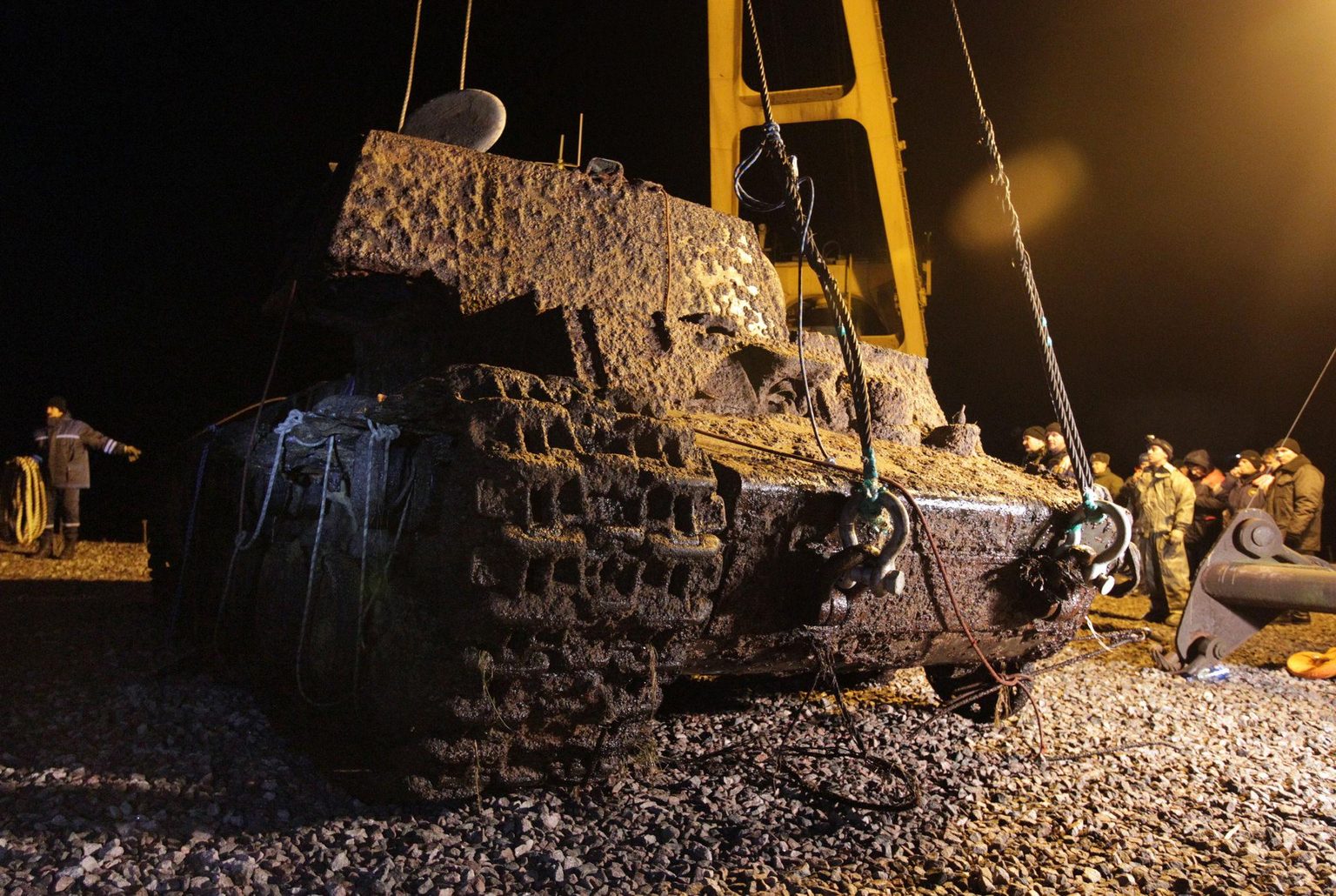
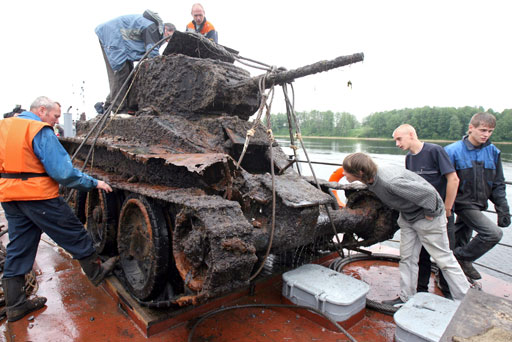
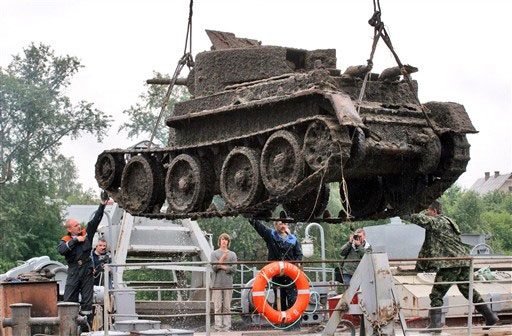
When the skies finally cleared, heavy-duty steel cables were deployed to haul the beast from the riverbed. In a breathtaking climax to the operation, the massive rusted hull was pulled from the water, hanging suspended in the air for several minutes as the crane carefully maneuvered it over the riverbank.
Clues Left Behind: What Happened to the Crew?
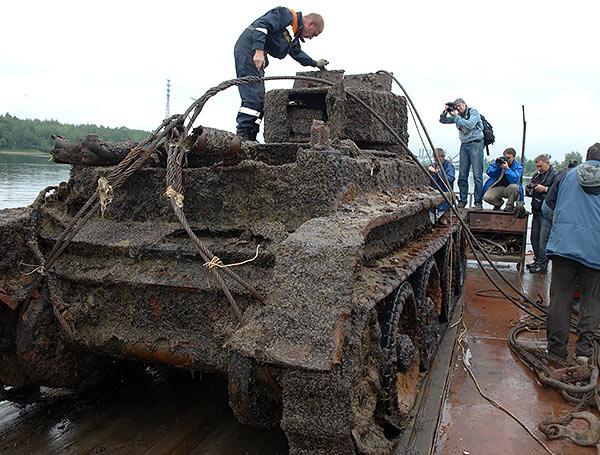
Once the tank was safely secured on land, historians and specialists finally got a look inside the fighting vehicle. What they found painted a vivid picture of its final moments during the war.
“We discovered a fully intact ammunition load inside the fighting compartment. More importantly, the top hatches were left wide open. While we don’t have definitive historical confirmation, these clues strongly suggest the crew survived and managed to abandon the vehicle before it sank to the bottom of the Neva.” — Military Historian
From the Riverbed to the Museum
Discovered in April and successfully raised three months later in July, the unprecedented recovery was a masterclass in inter-agency cooperation. Museum specialists executed the highly technical diving and river operations, while emergency services personnel maintained a strict safety perimeter throughout the complex extraction.
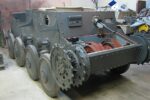
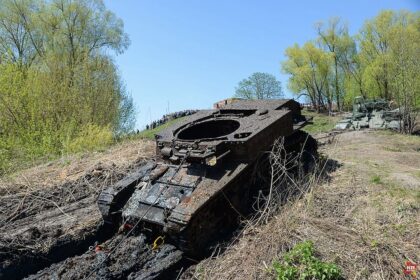
Now safely on dry land, the battered 13-ton survivor is slated for a full restoration. Once brought back to its former glory, the tank will take its place of honor in the museum’s permanent collection, standing shoulder-to-shoulder with other armored legends like the T-26 and the famous T-38 amphibious tank.