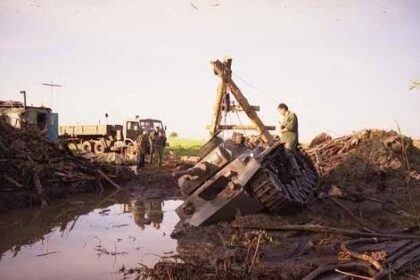
Stretching over a thousand miles, involving more than 400 military divisions, and claiming tens of millions of lives, the struggle between Nazi Germany and the Soviet Union was not merely a military conflict—it was a brutal war of total annihilation whose physical echoes are still being unearthed today.
The invasion began on June 22, 1941, under the codename Operation Barbarossa. In a sudden blitz, Axis forces shattered the German–Soviet Nonaggression Pact and swept across the Soviet border. What followed was four years of unrelenting warfare that only came to an end on May 9, 1945, when German armed forces surrendered unconditionally in the wake of the Red Army’s decisive Berlin Offensive.
Staggering Human Cost and Total Warfare
The sheer scale of destruction along the Eastern Front defies imagination. Over four years, the conflict claimed the lives of an estimated 27 million Soviet soldiers and civilians, alongside nearly 4 million German troops.
The fighting encompassed some of the most dramatic and devastating military chapters in modern history:
- The Battle of Kursk: The largest armored clash in human history.
- The Siege of Leningrad: A harrowing, nearly 900-day blockade that became the most costly siege ever endured by a modern city.
Beyond formal military engagements, total warfare ravaged the landscape. Both sides engaged in scorched-earth policies, resulting in the complete destruction of thousands of villages, mass deportations, executions, and widespread atrocities.
A Global Web of Allies and Volunteers
While dominated by Berlin and Moscow, the Eastern Front drew in combatants from across Europe.
The Axis Coalition
Nazi Germany was supported by its primary Axis partners—Romania, Hungary, Italy, pro-Nazi Slovakia, and Croatia. Anti-Soviet Finland, eager to reclaim losses from the earlier Winter War, joined the offensive as well. Additionally, the Wehrmacht received support from anti-Communist partisan groups across Western Ukraine, the Baltic states, and among Crimean Tatars. Notably, Spanish dictator Francisco Franco dispatched the volunteer Spanish Blue Division to fight alongside the Germans to maintain his diplomatic ties with the Axis without officially entering the war.
The Allied Response
On the opposing side, the Soviet Union backed local partisan resistance across occupied Central Europe, particularly in Poland, Slovakia, and the Kingdom of Yugoslavia. Regular Allied units also joined the fray:
- The Polish Armed Forces in the East: Armed and trained by the Soviets, the First and Second Polish Armies fought directly alongside the Red Army.
- Free French Forces: Gen. Charles de Gaulle insisted French troops serve on every major front, leading to the formation of the GC3 (Groupe de Chasse 3) fighter squadron to support Soviet air operations.
The Allied Lifeline: Logistics and Lend-Lease
Victory on the Eastern Front relied heavily on international cooperation and massive supply chains.
British and Commonwealth forces provided vital early assistance through the perilous Arctic convoys, supplying critical war material, intelligence, and pilot training for the Red Air Force.
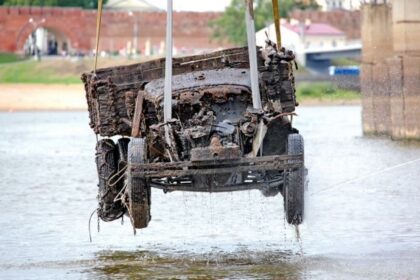
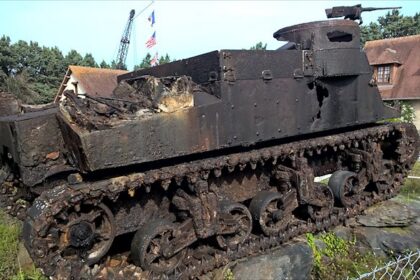
However, the game-changer for Soviet logistics was the Lend-Lease program provided by the United States and Canada. This massive supply line delivered a steady flow of essential war materials—including trucks, raw materials, industrial equipment, aviation fuel, and food supplies—keeping the Red Army operational and mobile.
Echoes of the Past: Relics Beneath the Earth
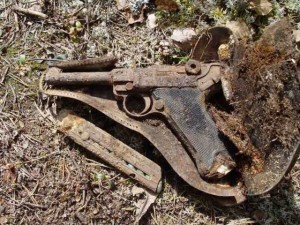
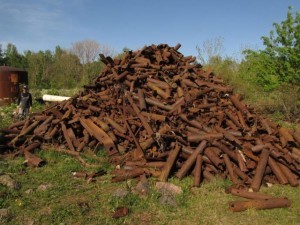
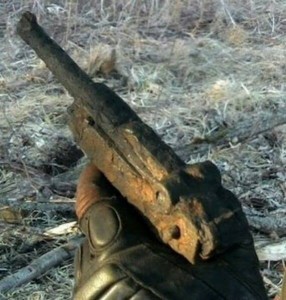
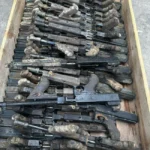
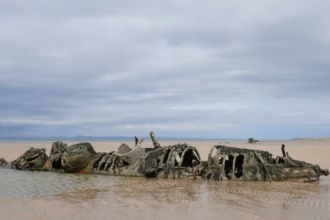
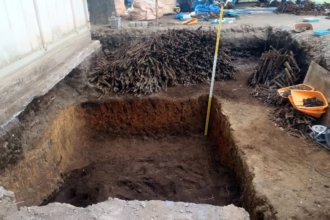
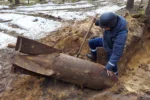
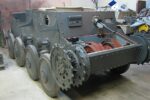
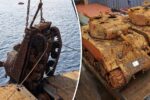
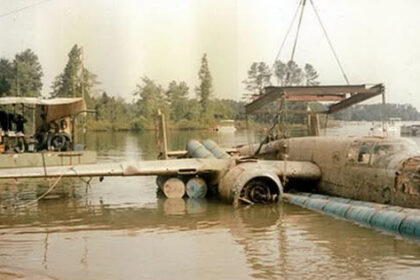
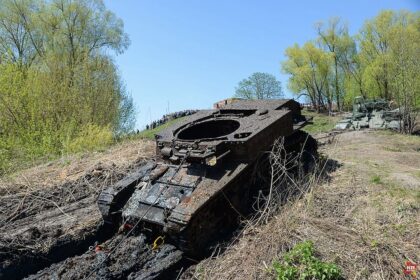
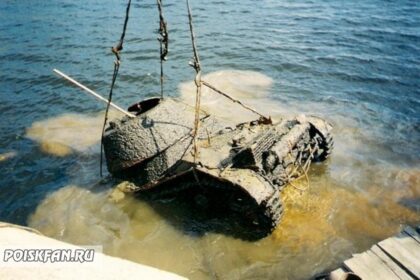
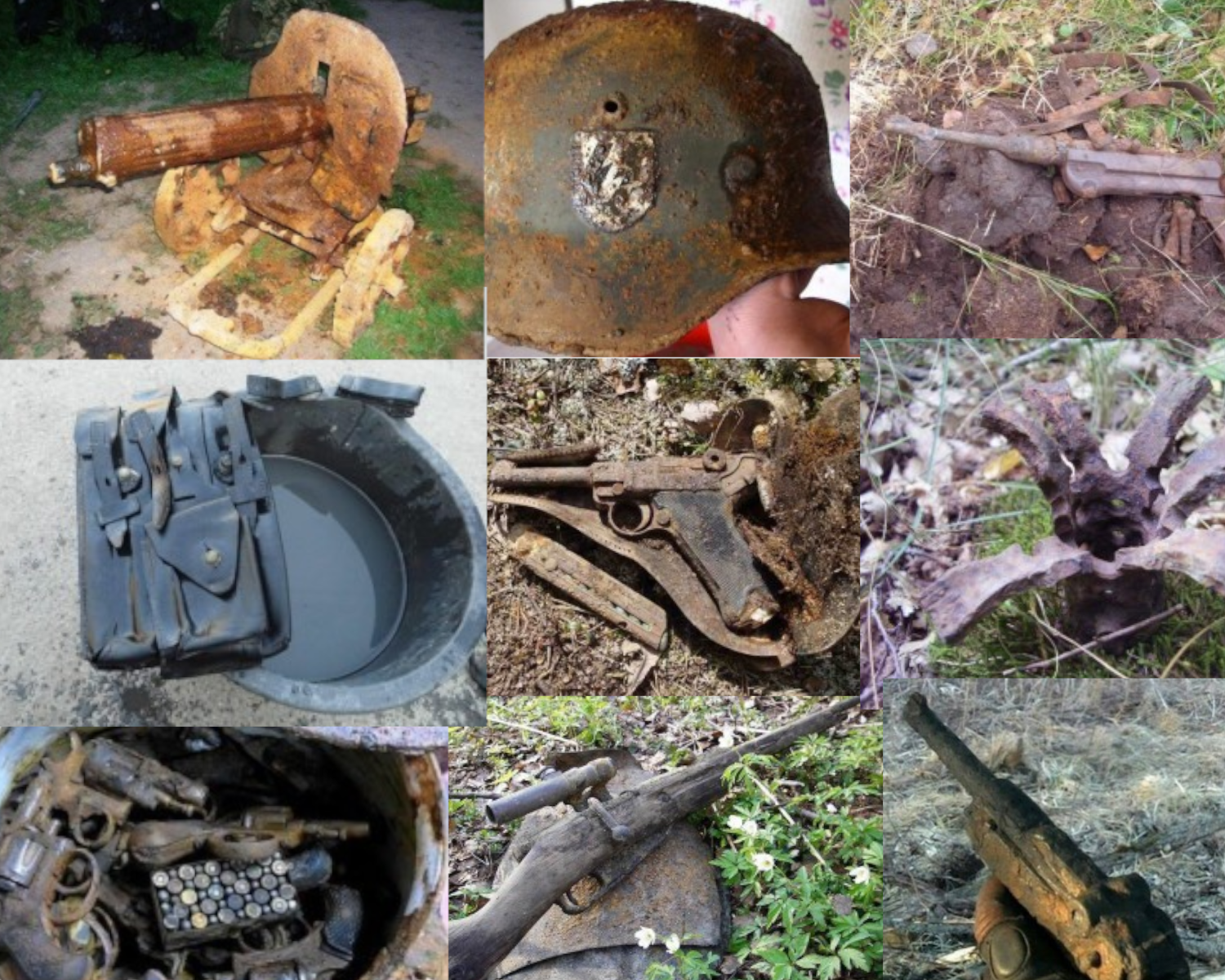
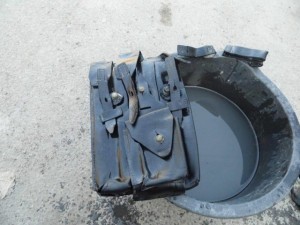
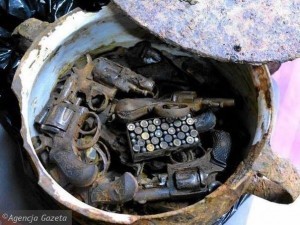
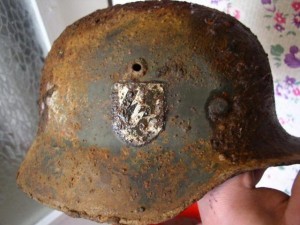
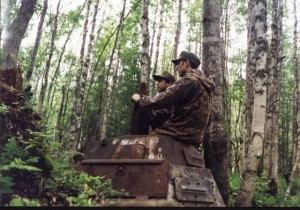
Given the vast geographical scope of the Eastern Front, it is no surprise that uncountable relics remain buried in its soil. Popular online communities, such as The Ghosts of the Eastern Front, regularly showcase unearthed helmets, weapons, and personal items recovered decades later. These discoveries serve as a stark reminder of the conflict, while fueling an ongoing debate about the ethics and preservation of battlefield excavation.