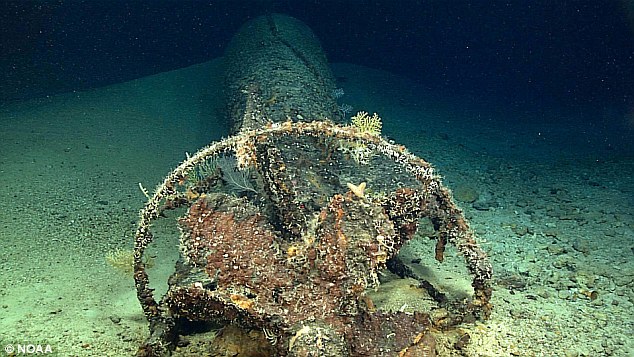
The first shots of World War II in the Pacific were fired not in the skies, but on the open ocean. Resting 1,100 feet beneath the surface, just five miles off the entrance to Pearl Harbor, lies a silent witness to that historic day—a sunken Japanese Imperial Navy mini-submarine. However, recent deep-sea surveys reveal that time and ocean currents are rapidly taking their toll on the vessel.
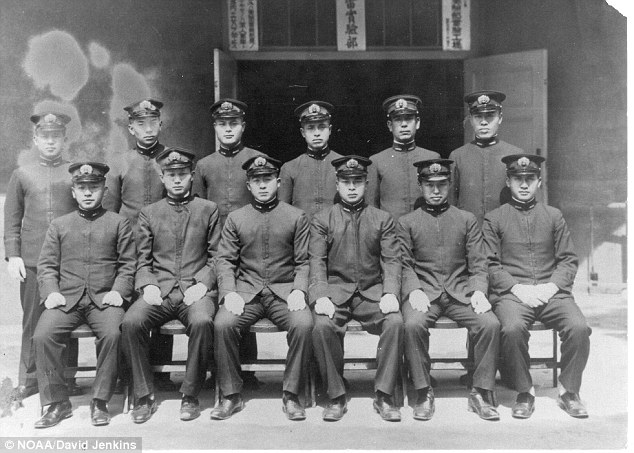
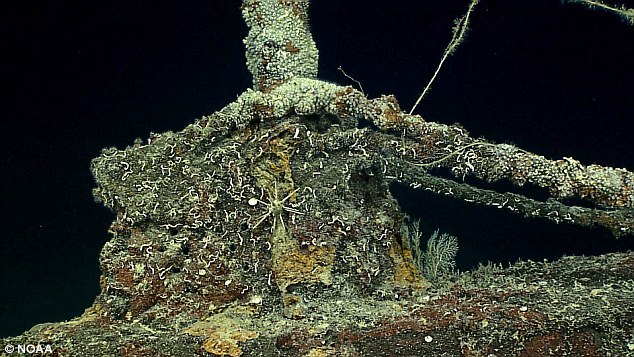
Participating in the covert Japanese operation on December 7, 1941, the two-man submarine now serves as a war grave. Encrusted with barnacles and deep-sea coral, its iron hull is slowly succumbing to natural decay.
A Historic Expedition to the Ocean Floor
On a major anniversary of the Pearl Harbor attack, researchers aboard the National Oceanic and Atmospheric Administration (NOAA) ship Okeanos Explorer deployed a remotely operated vehicle (ROV) to assess the condition of the submerged wreck. The dive was livestreamed globally, providing a rare look at the historic site.
“The science objectives are what we’ve been doing for a while now—monitoring the status of what is an extremely historic property.”
— Hans Van Tilburg, Historian with NOAA’s Office of National Marine Sanctuaries
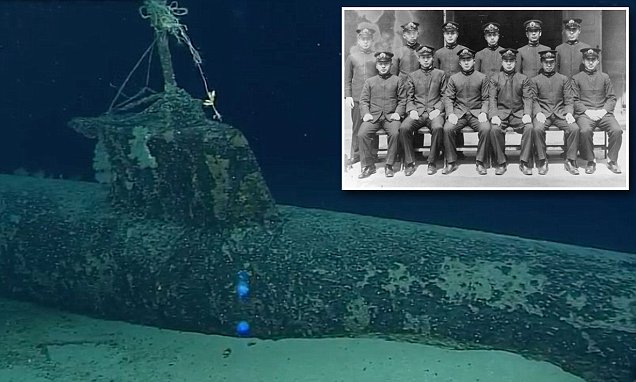
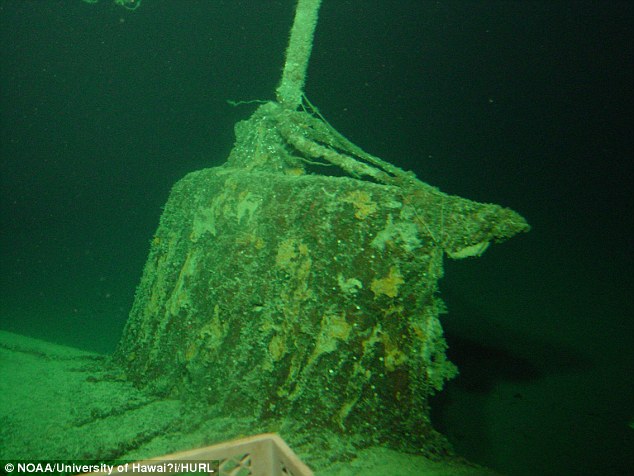
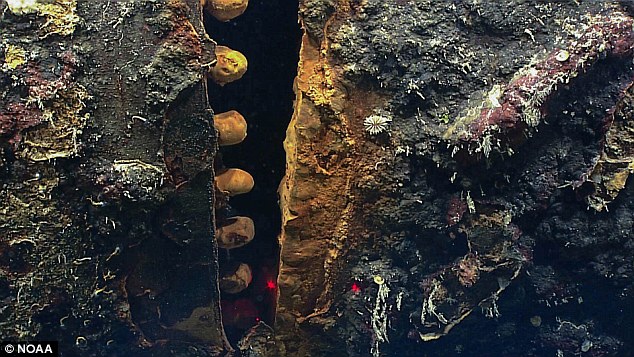
High-definition cameras revealed significant structural changes. Originally built in three distinct sections, the mini-sub is beginning to separate. Noticeable gaps have opened up between the modules—deterioration that had accelerated since NOAA’s previous survey in 2014.
The First Shot of the Pacific War
The sinking of this sub marks the exact moment America entered active combat in World War II—occurring roughly 90 minutes before the devastating aerial bombardment of Oahu began.
- 3:45 AM – A U.S. Navy patrol vessel spots a mysterious periscope outside the entrance to Pearl Harbor.
- 6:30 AM – The destroyer USS Ward locates the periscope trailing closely behind a cargo ship, the Antares.
- 6:53 AM – Gun crews aboard the USS Ward open fire, scoring a direct hit with a 4-inch shell that penetrates the submarine’s conning tower.
- The Aftermath – The damaged sub quickly floods and sinks. Although the USS Ward reported the engagement immediately, the main Japanese air raid struck the harbor an hour and a half later.
Technical Specifications: The Kō-hyōteki Mini-Submarine
Designed as covert attack craft, these submersibles were technologically advanced for their era, though exceptionally dangerous for their crews.
- Length: 78 feet (23.8 meters)
- Height: 9 feet, 10 inches (3 meters)
- Propulsion: Single 600-horsepower electric motor driven by high-capacity batteries
- Top Speed: 20 knots (submerged)
- Armament: Two 18-inch torpedoes
- Crew: 2 officers/sailors
Mission Tactics: Carried across the Pacific on the decks of full-sized “mother” submarines, the mini-subs were instructed to tail incoming merchant vessels into the harbor to bypass anti-submarine nets. Once inside, they were to surface, fire their torpedoes during the air raid, and submerge to escape. None of the five craft returned.
What Happened to the 5 Pearl Harbor Mini-Subs?
All five Japanese mini-submarines deployed during the attack met different fates across the Hawaiian waters:
- Submarine 1 (Sunk by USS Ward): Located 1,100 feet deep off Pearl Harbor; currently deteriorating on the seafloor.
- Submarine 2: Ran aground at Bellows Beach on eastern Oahu. Captured intact, it was later sent on a nationwide tour across the United States to promote war bond sales.
- Submarine 3: Discovered in 1960 at Keehi Lagoon. Its live torpedo section was jettisoned at sea, while the remaining sections were restored and put on display in Japan.
- Submarine 4: Found scuttled in three pieces miles from the harbor entrance. Historians believe it either fired its torpedoes before being blown up by its crew, or was damaged during the 1944 West Loch disaster and later dumped offshore by the Navy.
- Submarine 5: Penetrated the harbor defenses but was spotted by the destroyer USS Monaghan, which rammed the vessel and dropped depth charges to destroy it.
Preserving the Maritime Legacy
Because the wreck is considered a military gravesite and an irreplaceable historic landmark, federal authorities have no plans to salvage or raise the submarine. Instead, NOAA will rely on non-invasive robotic exploration to monitor its natural decline.
“It’s slowly deteriorating over time, but visiting the site raises awareness of the attack on defenses at Oahu.”
— James Delgado, Director of Maritime Heritage for the National Marine Sanctuaries Program